Jinli Ancient Street, Chengdu: The Complete Guide
No trip to Chengdu is complete without a visit to Jinli Ancient Street Chengdu. But here’s the thing — most visitors just shuffle down the main strip with the crowd and miss what makes this place special.
Jinli sits right next to the Wuhou Shrine, and it’s not one of those overly commercialized imitation streets. It’s the real deal: Three Kingdoms history, Sichuan folk culture, and old-school Chengdu street snacks all packed into one atmospheric lane of blue stone. No ticket, no reservation, no hassle. Come in the late afternoon for the architecture, stay for the red lanterns at dusk, and you’ll get the full Sichuan experience in two to three hours.
In this guide, I’ll walk you through the best route, the hidden photo spots locals don’t talk about, where to eat without overpaying, and how to get there without the stress.
Quick Facts (Read This First)
- 📍 Address: 231 Wuhouci Street, Wuhou District
- 🎫 Admission: Jinli is completely free — no reservation needed. Next door, the Wuhou Shrine Museum (武侯祠博物馆) costs ¥50 per person, with half-price tickets for students and visitors aged 60–69, and free entry for those 70+.
- ⏰ Best time to visit: 4:30–8:30 PM
- 4:30–7:00 PM: Natural light for the old buildings and handicraft stalls, with thinner crowds
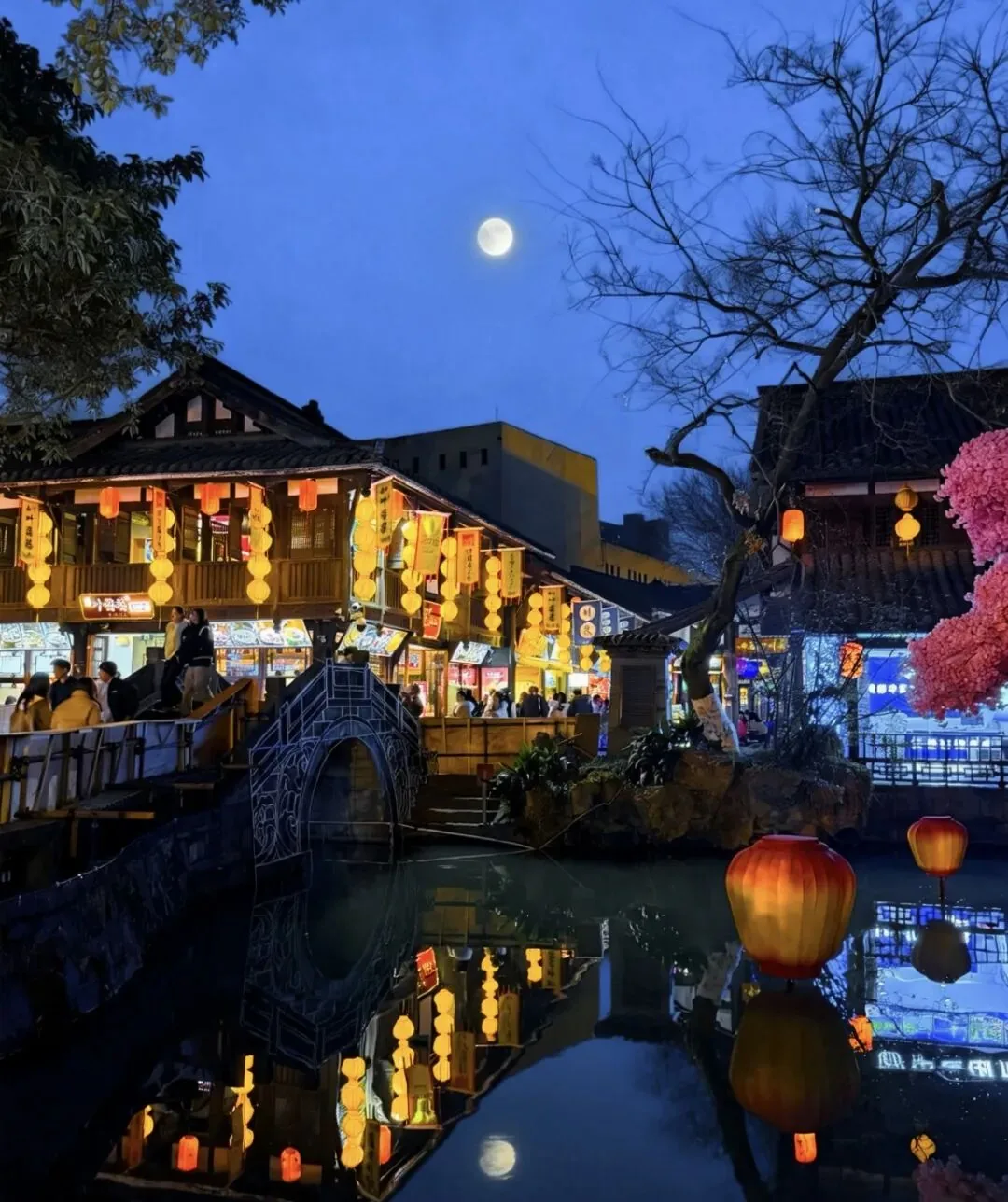
- After 7:00 PM: Every red lantern lights up. This is Jinli at its best — the blue hour shots need zero filters
- 🏪 Shop hours: 9:00 AM–10:00 PM (only the bar area stays open late)
- ⏱ How long you need: 2 hours for a quick photo walk; give it 3 hours if you want to snack properly and sit down for tea
Getting to Jinli Ancient Street (Public Transport & Parking)
Metro, Bus, and Driving Directions
Metro: Take Line 3 or Line 5 to Gaoshengqiao Station (高升桥站), Exit D — it’s a 5-minute walk to Jinli’s main gate. Alternatively, Line 10 to Wuhouci Station (武侯祠站), Exit A2, gets you even closer at just 3 minutes on foot.
Bus: Routes 1, 57, 82, 334, or 335 — get off at the Wuhouci stop and cross the street to the entrance.
Driving (Not Recommended on Weekends): The old streets around here are narrow, weekend traffic is painful, and parking spots are scarce. If you do drive:
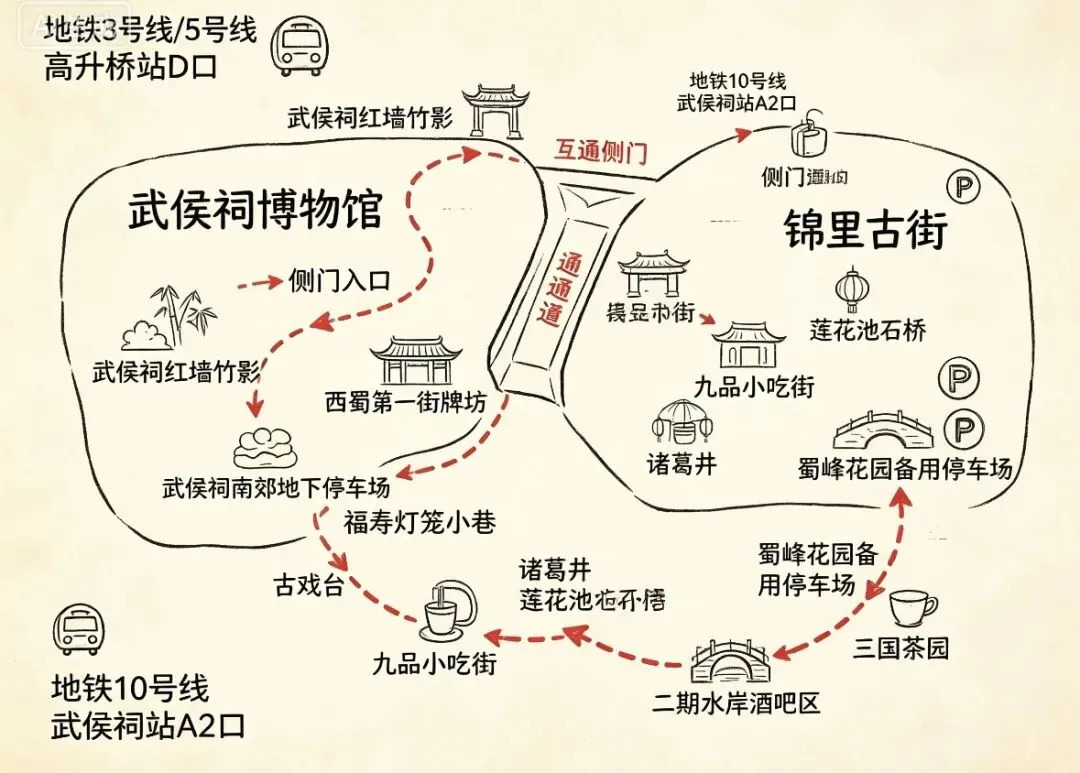
- ✅ Recommended: Wuhou Shrine South Suburb Underground Parking (武侯祠南郊地下停车场) — 300 meters from the Jinli gate, 800+ spaces. ¥5 for the first 2 hours, ¥1/hour after, ¥25 daily cap.
- Backup: Shufeng Garden surface parking (蜀峰花园地面停车场) — ¥8 for the first hour. Avoid during peak times.
The No-Backtracking 2-Hour Route Through Jinli Ancient Street
Follow this sequence and you won’t double back once:
West Shu First Street Archway → Ancient Stage → Jiupin Snack Street → Fushou Lantern Alley → Zhuge Well → Lotus Pond Stone Bridge → Three Kingdoms Tea Garden → Jinli Phase 2 Waterfront → Wuhou Shrine Exit
1. West Shu First Street Archway (西蜀第一街)
This is the landmark entrance — a red wooden archway stacked with double layers of red lanterns. It photographs beautifully in daylight, but wait until evening when the lights wash over the whole structure. Perfect spot for a full-body shot to lead your travel album.
2. The Ancient Stage — Free Sichuan Opera
Halfway down the street, look for the ornate stage. Sichuan opera performances — face-changing (变脸), fire-breathing, and shadow puppetry — happen here at irregular times, and they’re completely free. You don’t need a ticket; just stop and watch. The stage steps also make an excellent low-angle photo spot.
3. Jiupin Snack Street (九品小吃主街)
This is where Jinli’s food scene is most concentrated. Stalls and souvenir shops line both sides. The move here: sample a little of everything as you walk, but don’t load up — you’ll want room for what’s coming. If you’re keen to explore more of the city’s culinary scene, check out our Chengdu street food guide for a broader taste of local favorites.
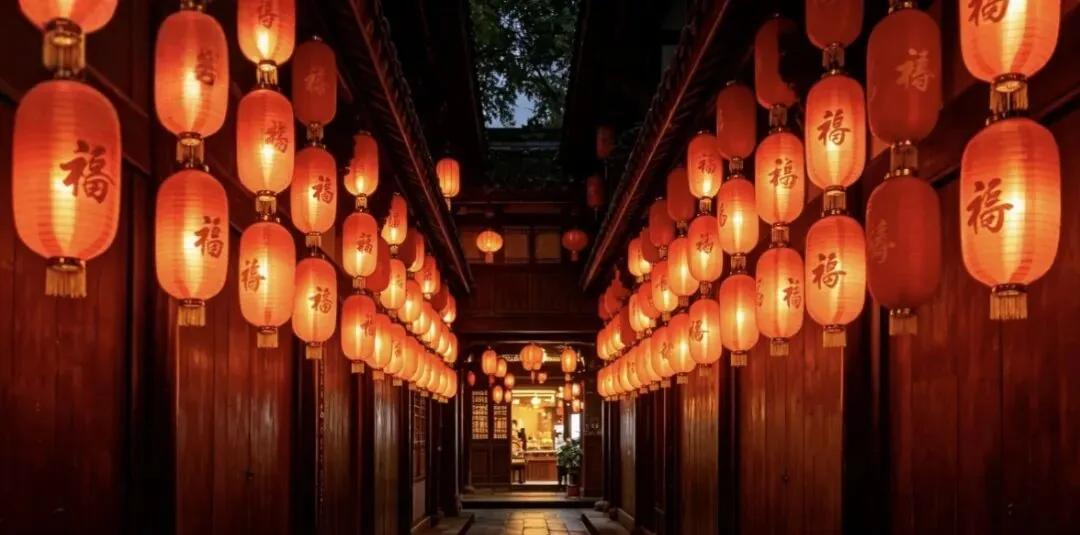
4. Fushou Lantern Alley (福寿灯笼小巷)
Local insight: This narrow alley is where locals actually go to escape the main street crowds. Red lanterns hang wall-to-wall, the blue stone path gives you serious depth of field, and you’ll rarely wait for a photo. Hanfu and new-Chinese-style outfits look incredible here.
5. Zhuge Well (诸葛井)
A quiet Three Kingdoms spot — legend says this ancient stone well was used by Zhuge Liang’s troops during their garrison days. It’s a small, atmospheric detail that rewards a close-up shot.

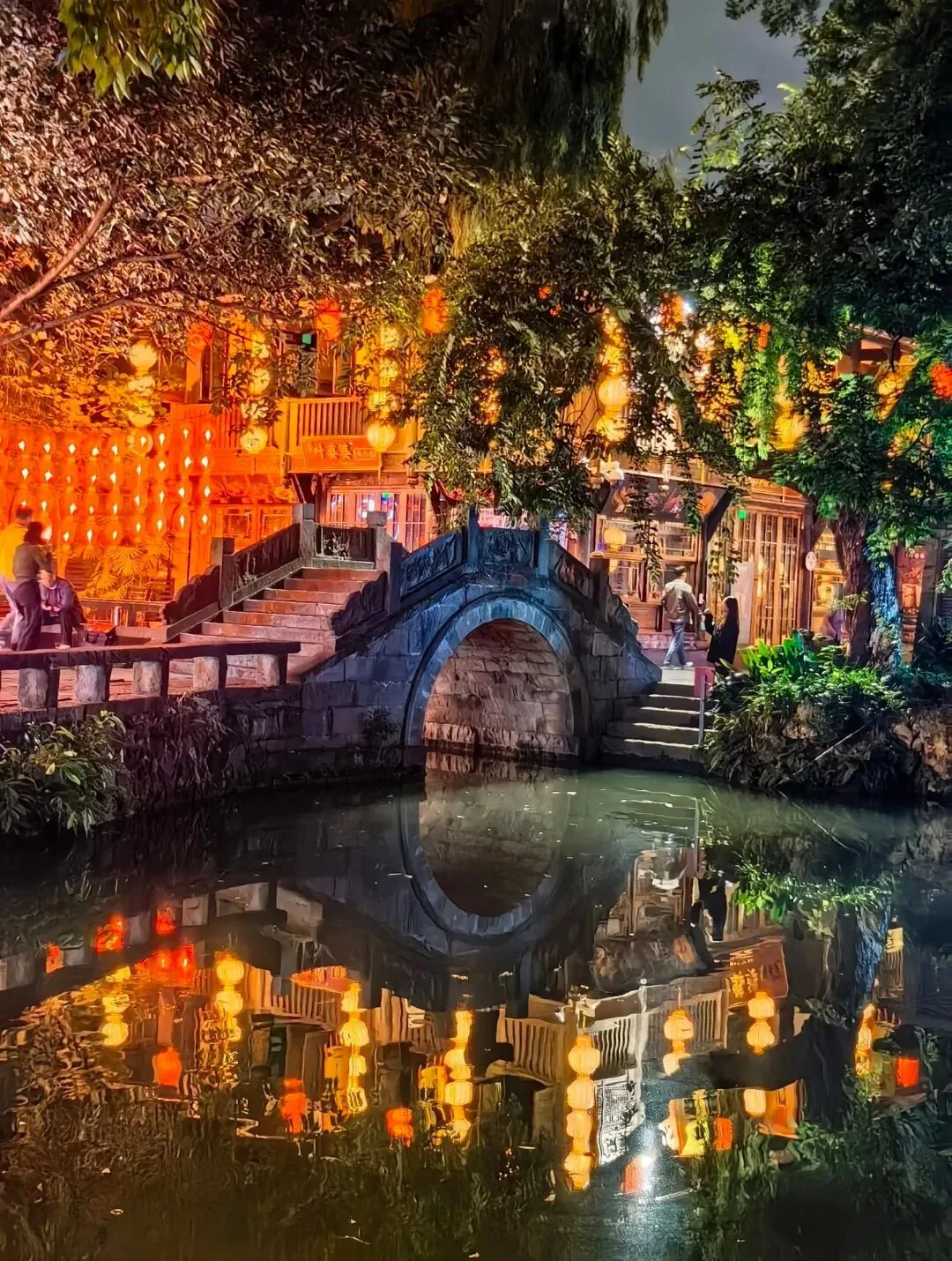
6. Lotus Pond Stone Bridge (莲花池石桥)
Pro tip: This is the single most photogenic water view on the whole street. The stone bridge spans a pond framed by weeping willows, and at night, strings of lanterns reflect across the water. Get low and shoot the reflection — you’ll feel like you’ve stepped into an ink painting.
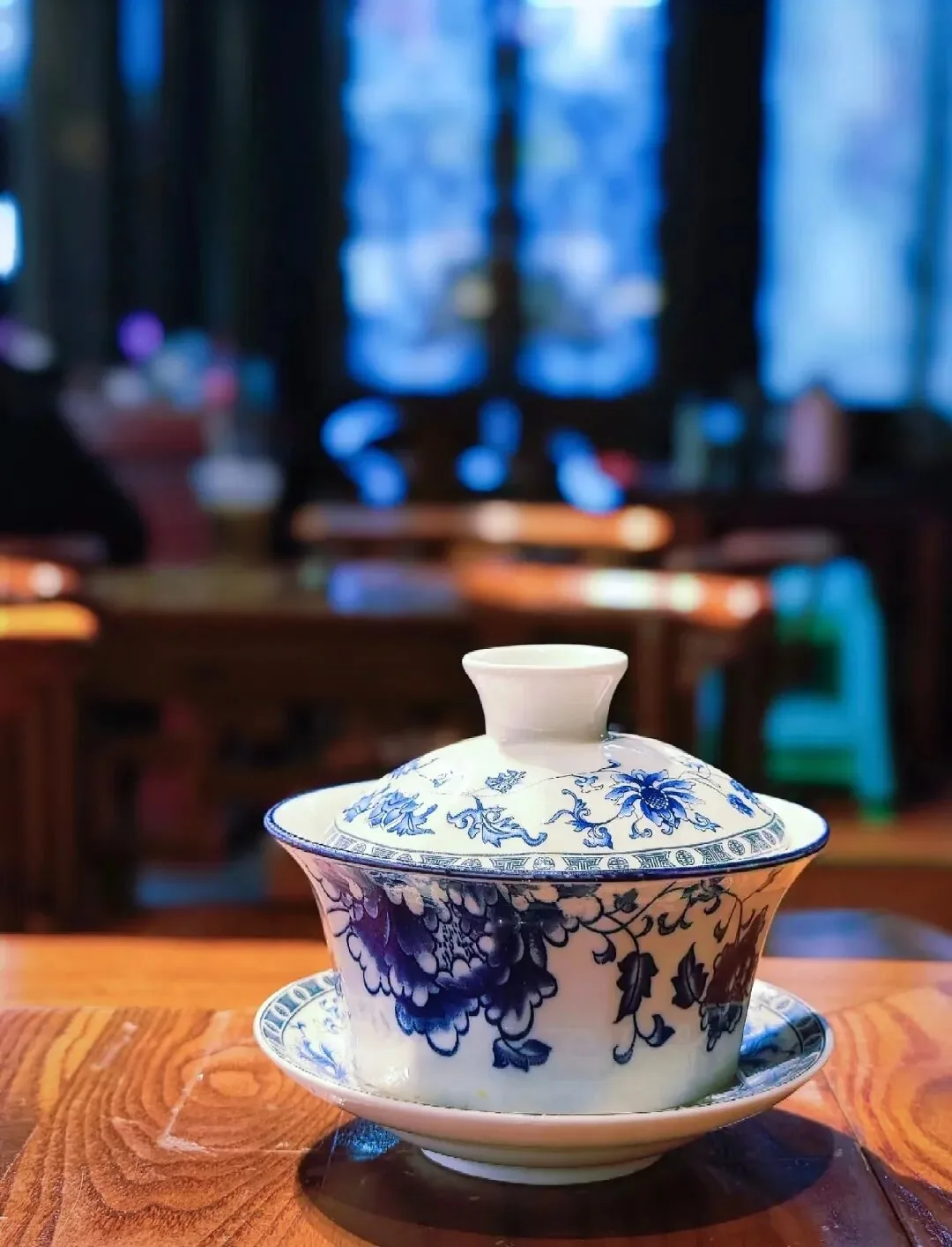
7. Three Kingdoms Tea Garden (三国茶园)
This is your rest stop. Order a covered-bowl laoying tea (老鹰茶) for ¥15–25, sink into a wooden chair, and watch the world wander by. It’s the most authentic taste of Chengdu’s slow-tea culture you’ll find on the street.
8. Jinli Phase 2 Waterfront (锦里二期水岸)
Past the main street, things get quiet. Timber houses line the water, and a few folk-music bars keep the mood gentle. Go here after dinner for a leisurely stroll and soft, atmospheric night shots.
What to Eat on Jinli Ancient Street: Local Picks
Skip the tourist traps. Here’s what’s actually worth your money:
✅ Go Straight For These
-
Li Changqing San Da Pao (李长清三大炮) — ¥10 — A non-heritage old shop. Watch the pounded glutinous rice balls slam against the wooden board with a satisfying bang, then get rolled in soybean flour and drizzled with brown sugar. Soft, sweet, and legit — this is the only authentic one on the street, so skip the pre-made versions elsewhere.
-
Egg puffs at the lane’s end (巷尾现烤蛋烘糕) — ¥3 each — Go for cream with pork floss, or spicy shredded radish. Crisp outside, fluffy inside — far better value than the stalls on the main drag.
-
Handmade brown sugar ice jelly (手工红糖冰粉) — ¥8 — Hand-stirred with visible bubbles, topped with sticky rice cake, hawthorn bits, and raisins. The perfect cool-down after anything spicy.
-
Sugar oil fruit (糖油果子) — ¥5 per skewer — Crisp outside, chewy inside, rolled in white sesame. The ideal walk-and-eat snack.
-
Ye’er ba (叶儿粑) — Comes in sweet and savory versions. The sticky rice wrapper is soft without being gluey.
❌ A Word of Caution
Keep an eye out for stalls selling mass-produced versions of classic snacks. If it looks pre-packaged or the price seems too good, it probably is — the handmade stalls are worth the extra yuan. For more authentic food experiences, explore our guide to time-honored restaurants.
Photo Tips for Jinli Ancient Street: Getting That Ancient-China Shot
When to Shoot
- Blue hour (6:30–7:30 PM): The sky is deep blue, the lanterns have just flickered on, and you get that beautiful warm-cool contrast without any heavy filtering.
- After 8:00 PM: Pure night mode — the whole street glows warm red, and the atmosphere does all the work.
What to Wear
Light-colored clothing photographs best — think hanfu, new-Chinese-style dresses, or anything in soft tones. At night, bring a small fill light so your face doesn’t disappear into the shadows. And if the crowds are stressing you out, shoot with a wide aperture to blur them into a colorful background.
Day Trip Combinations: Pair Jinli with Wuhou Shrine
Plan 1: The Culture Route (Great for Families & History Buffs)
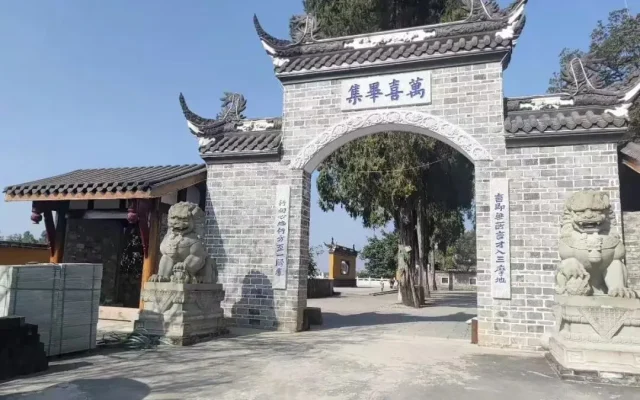
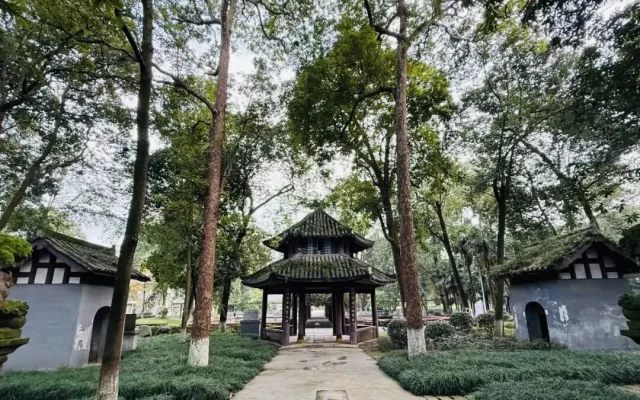
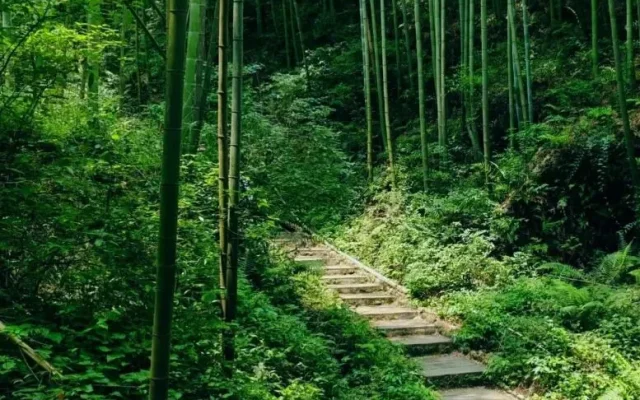
- 2:30 PM: Start at the Wuhou Shrine Museum — explore the red walls and bamboo groves, the Three Steles (三绝碑), and Liu Bei’s Huiling tomb (刘备惠陵)
- 4:30 PM: Take the side gate directly into Jinli
- 4:30–8:30 PM: Wander, snack, and stay for the lantern-lit night
For a deeper dive into the shrine itself, see our Wuhou Shrine ticket guide.
Plan 2: The Pure Leisure Route (Great for Couples)
- 4:30 PM: Metro straight to Jinli’s main gate
- 4:30–7:00 PM: Browse the old buildings, hit the little alleys, graze on street food
- 7:00–8:30 PM: Night stroll under the lanterns, end at the stone bridge for water-reflection shots
- 8:30 PM: Head to nearby Jiangxi Street for a proper Sichuan dinner
One Last Thing
Chengdu’s romance lives in two places: its teahouses, and the red lanterns of Jinli.
This ancient street beside the Wuhou Shrine hasn’t lost itself to tourist gloss. On its blue stone paths, you’ll find craftspeople at work, the cadence of Sichuan opera in the air, the scent of brown sugar drifting from food stalls, and lantern light stretching into the night. No long journeys required — just a metro ride, a couple of hours, and you’ve tasted a piece of Sichuan that’s centuries in the making.
So next time you’re in Chengdu, don’t rush through Jinli in the daylight. Save an evening, wait for the lanterns to glow, and take the slow walk. If you’re looking for more off-the-beaten-path spots, check out our Chengdu hidden gems walking guide.
Practical Tips for Visiting Jinli Ancient Street
Before you head out, here are a few practical details that can make your visit to Jinli ancient street smoother and more enjoyable. These are the things I wish someone had told me before my first visit.
Best Time to Visit and Crowd Avoidance
Jinli ancient street is busiest on weekends and public holidays, especially in the late afternoon. If you can, visit on a weekday. The crowds thin out noticeably after 8:00 PM, but some food stalls may start closing. For the best balance of atmosphere and space, aim for a Tuesday or Wednesday evening.
During Chinese national holidays (Golden Week in October and Chinese New Year), the street can be packed shoulder-to-shoulder. If you’re visiting during these times, go very early in the morning (around 9:00 AM) to see the street before the crowds arrive, then come back later for the lanterns.
What to Bring
Comfortable walking shoes are essential — the blue stone paths are uneven and you’ll be on your feet for a few hours. Bring a small backpack for snacks and water, but note that some stalls only accept cash or mobile payment (WeChat Pay or Alipay). It’s a good idea to have a small amount of cash on hand, around ¥100, just in case.
If you’re visiting in summer, bring a portable fan and sunscreen. The street is mostly open-air, and the heat can be intense. In winter, the evenings get chilly, so a light jacket is recommended.
Language and Communication
English is not widely spoken on Jinli ancient street, especially among the older stall owners. However, most menus have pictures, and pointing works fine. For a smoother experience, download a translation app like Google Translate or Pleco. Learning a few basic phrases like “duō shǎo qián” (how much) and “xiè xiè” (thank you) will go a long way.
If you need help, younger locals and shop assistants often speak a little English. Don’t be afraid to ask for directions or recommendations — most people are friendly and willing to help.
Shopping on Jinli Ancient Street: What to Buy and What to Skip
Shopping is a big part of the Jinli ancient street experience, but not everything is worth your money. Here’s a quick guide to the best souvenirs and the ones you can safely skip.
Worth Buying
- Hand-painted Shu embroidery (蜀绣): This is a Chengdu specialty. Look for small pieces like bookmarks or handkerchiefs — they’re affordable and easy to pack.
- Bamboo weaving: Jinli has several stalls selling baskets, fans, and decorative items. They’re lightweight and make great gifts.
- Tea: You’ll find many shops selling local teas like bamboo leaf green tea or jasmine tea. Buy from a shop that lets you sample first.
- Face-changing figurines: These small puppets or statues are a fun nod to Sichuan opera. They’re unique to the region.
Better to Skip
- Mass-produced trinkets: Keychains, magnets, and plastic toys are often made in bulk and sold at inflated prices. You can find the same items cheaper elsewhere in Chengdu.
- “Antique” items: Most are replicas. If you’re looking for genuine antiques, this isn’t the place.
- Pre-packaged snacks: They look convenient but often lack the freshness of the handmade versions. Stick to the fresh stalls.
Nearby Attractions and Extended Itineraries
Jinli ancient street is perfectly positioned for exploring more of Chengdu. Here are some nearby attractions you can easily combine with your visit.
Wuhou Shrine Museum
Right next door, the Wuhou Shrine is a must-visit for history lovers. It’s dedicated to Zhuge Liang and the heroes of the Three Kingdoms. The red walls and bamboo paths are iconic photo spots. Allow at least two hours to explore the museum, the steles, and the tomb of Liu Bei.
People’s Park
A short metro ride away, People’s Park (人民公园) is where locals go to relax. You can experience a traditional teahouse, watch people dance, and even get a ear cleaning. It’s a great place to unwind after the hustle of Jinli.
Kuan Zhai Alleys
Another popular ancient street area, Kuan Zhai Alleys (宽窄巷子) is about 20 minutes away by metro. It’s more upscale and cafe-oriented compared to Jinli. If you have time, visit both — they offer different vibes.
Sample 3-Day Chengdu Itinerary
If you’re planning a longer stay, here’s a simple way to fit Jinli into a 3-day trip:
- Day 1: Arrive, visit People’s Park in the afternoon, then head to Jinli for sunset and dinner.
- Day 2: Full day at the Chengdu Panda Base in the morning, then Wuhou Shrine and Jinli in the late afternoon.
- Day 3: Explore Kuan Zhai Alleys and the city center, do some shopping, and enjoy a Sichuan hotpot dinner.
Frequently Asked Questions About Jinli Ancient Street
Is Jinli Ancient Street Free?
Yes, Jinli ancient street is completely free to enter. You don’t need a ticket or reservation. The adjacent Wuhou Shrine Museum charges ¥50, but the street itself is open to everyone.
How Long Do You Need at Jinli?
Most visitors spend 2 to 3 hours. If you want to eat at several stalls, watch a performance, and take photos, plan for 3 hours. If you’re just passing through, 1 hour is enough to see the main sights.
Is Jinli Better at Night?
Absolutely. The red lanterns and illuminated buildings create a magical atmosphere that you won’t see during the day. The street is also less crowded after 8:00 PM. For the best experience, arrive around 4:30 PM to see it in daylight, then stay for the lanterns.
Can You Use Credit Cards at Jinli?
Most stalls and shops accept mobile payment (WeChat Pay and Alipay), but international credit cards are not widely accepted. It’s best to have cash or a mobile payment setup. If you’re a foreign visitor, you can link your credit card to Alipay or WeChat Pay before your trip.
Are There Toilets at Jinli?
Yes, there are public toilets near the main entrance and in the Phase 2 area. They are generally clean, but it’s a good idea to carry tissues as they may not always be provided.
Final Thoughts on Jinli Ancient Street
Jinli ancient street is more than just a tourist attraction — it’s a living piece of Chengdu’s heritage. Whether you’re here for the food, the history, or the photos, you’ll find something to love. Take your time, wander the alleys, and let the atmosphere soak in.
Remember, the best way to experience Jinli is to slow down. Don’t rush from stall to stall. Sit for a tea, watch a performance, and chat with a local shopkeeper. That’s when the street truly comes alive.
If you’re planning more of your Chengdu trip, check out our other guides for hidden gems and food recommendations. And if you have any questions, feel free to reach out — we’re always happy to help fellow travelers.