Nestled in the heart of Sichuan province, Chengdu isn’t just China’s capital of leisure—it’s a UNESCO-designated City of Gastronomy where Chengdu street food isn’t merely sustenance but a way of life. For first-time visitors exploring Sichuan food, navigating its labyrinth of food stalls can feel overwhelming, with tourist traps often overshadowing the authentic local gems. This guide cuts through the noise, presenting 16 essential street foods recommended by generations of Chengdu residents, each telling a story of tradition, family recipes, and the city’s vibrant everyday culinary culture.
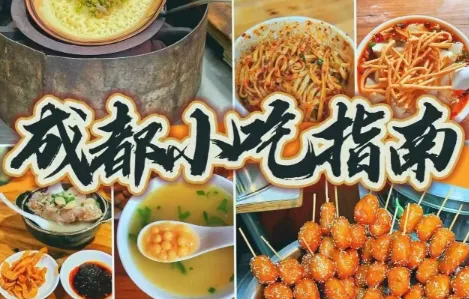
When friends visit Chengdu, I always ask them: “Do you want tourist-friendly spots or the real local experience?” If you’re seeking authentic local flavors that even Chengdu locals return to again and again—this guide is your culinary compass. For broader trip planning, see our Chengdu travel and food guide, and pair street snacks with sit-down meals from our time-honored restaurants guide.
I’ve curated 16 essential Chengdu street food categories, many from decades-old family-run establishments. After exploring these, you’ll understand why Chengdu earned its UNESCO City of Gastronomy title and what truly constitutes “the flavor of Chengdu’s everyday culinary culture.”
One-Stop Snack Destinations
For efficiency without sacrificing authenticity, head to multi-dish specialists like Xiao Tan Douhua (Jinjiang District) or Xiao Mingtang (Qingyang District). These establishments offer consistent quality across multiple classic dishes, perfect for first-time visitors wanting to sample various flavors in one location.
Signature Chengdu Snacks You Can’t Miss
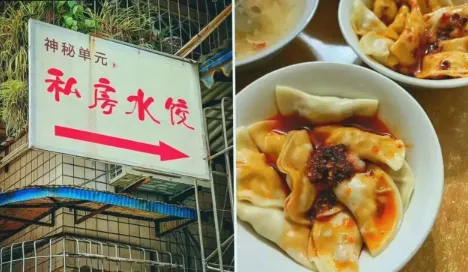
Red Oil Dumplings (Hongyou Shuijiao)
Chengdu’s famous red oil dumplings feature delicate wrappers encasing fresh fillings, all smothered in a vibrant chili oil sauce that defines Sichuan flavor profiles.
Recommended establishments include Sifang Shuijiao, Fulin Shuijiao, Cheng Nan Jiu Shi, and Chunyang Shuijiao. These spots specialize in the perfect balance of spicy红油 (red oil) and tender dumpling fillings.
The signature characteristics include intense chili aroma, numbing Sichuan peppercorn undertones, and exceptionally fresh, juicy fillings that burst with flavor in every bite.
Liangfen (Bean Jelly)
Liangfen (Bean Jelly) is a refreshing Sichuan specialty perfect for hot weather, featuring translucent jelly-like sheets in a vibrant调味汁 (seasoning sauce).
Recommended establishments include Dongzikou Zhang Lao Er Liangfen (Wenshu Monastery Area) and Dongzikou Chen Shi Liangfen (Jinniu District), both serving authentic versions with decades of history.
Silky, tender texture with spicy and sour sauce, topped with garlic and sesame oil creates a perfect balance of flavors that awakens the palate.
Seafood Noodles (Haiwei Mian)
Though not traditionally Sichuanese, Seafood Noodles have become a beloved Chengdu street food with local adaptations to suit Sichuan tastes.
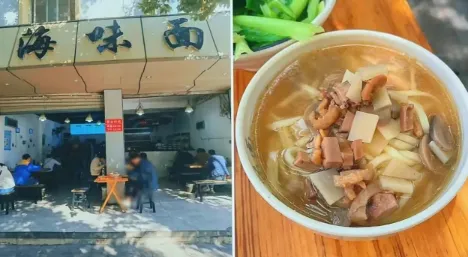
Top recommendations include Shiyou Mian (Old Town) and Dashirenjia Youyu Mian (Dashi West Road), where the seafood broth is simmered for hours to develop its complex flavor.
Rich broth with dried seafood (squid, shrimp, scallops), savory and umami, served with chewy noodles offers a comforting yet sophisticated taste experience.
San Da Pao (Three Bombs)
This visually spectacular Chengdu snack gets its name from the three distinct thudding sounds made during preparation when the rice dough is hit against a wooden board.
The most famous spot is Li Changqing San Da Pao (Jinli Ancient Street), where the traditional preparation method has been preserved for generations.
Glutinous rice balls coated in soybean flour, drizzled with红糖 syrup, soft and sweet with nutty aroma create a nostalgic treat that appeals to both children and adults.
Long Chao Shou (Dragon Wontons)
Chengdu’s wontons (抄手) differ fundamentally from Cantonese馄饨 (wonton)—the seasoning, preparation method, and soul are entirely distinct.
Recommended spots include Uncle Zhai’s Wontons, Shen Xiangzi Hi Chao Shou, Zhengdian Beef Wontons, and Ba’er Ganha Jiao. These establishments offer three classic preparation methods: clear soup, red oil, and dry-mixed versions.
For beef filling enthusiasts, Zhengdian (Gaoxin District) and Ba’er Ganha Jiao (Jinniu District) come highly recommended.
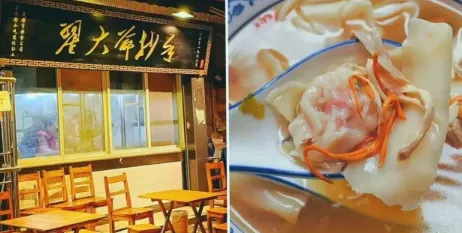
Long Chao Shou features distinctive diamond-shaped wrappers that set them apart from regular wontons, often served during festivals and special occasions.
Recommended spots include Long Chao Shou Main Branch (Chunxi Road) and Long Chao Shou (Wenshu Monastery Area), where the recipe has remained unchanged for over 80 years.
Delicate wonton wrappers filled with minced pork, served in clear or spicy红油 broth, tender and flavorful offer a refined dining experience in street food form.
Rabbit Head (Tu Tou)
Remember this Sichuan saying: “No rabbit survives leaving Sichuan.” This iconic Chengdu snack has earned a devoted following for its complex flavors and addictive qualities.
Top recommendations include Mei Ji Rabbit Head, Deng Shi Rabbit Head, Lai Rabbit Head, and Cha Cha Rabbit Head. These establishments specialize in rabbit heads braised in a secret blend of Sichuan spices.
Characterized by their intense麻辣 (spicy and numbing) flavor profile, these rabbit heads offer a uniquely Chengdu experience—start with the eyes and cheeks, then work your way to the brain for the most flavorful parts.
Sweet Water Noodles (Tian Shui Mian)
Authentic sweet water noodles balance sweet and spicy flavors with a numbing finish that lingers pleasantly on the palate.
Shen Tang (Chenghua District) and Xiao Mingtang (Qingyang District) offer reliably excellent versions, while Yu Zibu (Wuhou District) provides the most authentic street food atmosphere.
Always mix thoroughly before eating to ensure every bite carries the perfect flavor balance.
Egg Baked Cake (Dan Hongao)
This beloved Chengdu street food features a crispy exterior giving way to a soft, fluffy interior, offering endless flavor combinations from sweet to savory.
Top recommendations include He Ji Danhongao (Wenmiao West Street), Chen Ji Grandpa Grandma Danhongao (Yulin East Road), Woniu Danhongao, and Xinglong Street Gao Ji Danhongao.
Characterized by its golden-brown, crispy exterior and tender interior, this versatile snack can be filled with sweet options like red bean paste or savory choices like preserved vegetables and sausage.
Sugar Oil Pastry (Tangyou Guozi)
These golden, syrup-coated pastries are a nostalgic favorite among Chengdu locals, often enjoyed as an afternoon snack or dessert.
Notable spots include Chongzhou Yu Qiaomian, Chengdu Childhood Tangyou Guozi, Deng Ji New Generation Tangyou Guozi, and Zhou Ji Tangyou Guozi.
With their sticky, sweet glaze and chewy interior, these pastries offer the perfect combination of sweetness and texture, with a satisfying crunch giving way to a soft,糯米 (glutinous rice) center.
Bobo Chicken
Though originating in Leshan, Bobo Chicken has become a Chengdu favorite. Establishments like Xian Zhi Wei (Jinjiang District), Xu Niang (Gaoxin District), and Xiang Yu (Jinniu District) maintain distinct spicy profiles without overwhelming the primary ingredients’ natural flavors.
The cold chicken skewers in sesame-garlic sauce offer a refreshing alternative to Chengdu’s typically fiery dishes.
Beef Lung Slices (Fu Qi Fei Pian)
Chengdu’s uncles and aunties adore this dish for good reason. Huang San (Wuhou District) and Bai Zi (Qingyang District) represent heritage brands where the麻 (numbing), 辣 (spicy), and脆 (crispy) textures harmonize perfectly.
Despite the name, modern versions typically feature beef and tendon rather than lung.
Pig Intestine Noodles (Feichang Fen)
This iconic Chengdu dish features slippery sweet potato noodles served in a rich, savory broth with tender pig intestines.
Recommended establishments include Gan Ji Feichang Fen, Wumei Zhu Ji Feichang Fen, Zhu Biqiong Feichang Fen, and Majiachang Laojie Pangwa Feichang Fen.
The classic combination is feichang fen served with jiezi (pork intestines wrapped in intestine) and guokui (savory pancake), creating a perfect harmony of textures and flavors in the rich, umami broth.
Pork Trotter (Tihua)
A comforting Chengdu staple, these slow-braised pork trotters are prized for their gelatinous texture and nourishing properties.
Top choices include Xiaonvwei Zibu Tihua, Tan Jia, Pangwa Zibu Tihua, and Furong Tihua—the latter sharing its name with Chengdu’s city flower.
Known for their incredibly tender, fall-off-the-bone texture and nourishing broth, these trotters are often enjoyed as a restorative dish, particularly popular among locals seeking comfort food.
Braised and Shredded Rabbit
Qi Wei (Jinjiang District) and Sister Feng (Chenghua District) establishments serve exceptionally fragrant braised rabbit—perfect for evening snacks or post-dinner treats while watching TV.
Always eat immediately while hot to experience the full aromatic spiciness.
Guokui / Chengdu Pancakes
These savory pancakes come in various forms and fillings, representing some of Chengdu’s most portable and satisfying street food options.
Essential stops include Wang Ji Te Se Guokui (with locations in Caojiaxiang, Maan South Road, and Ximianqiao), Qiu Er Ge Guokui (People’s Park), Shuangfu Guokui, and Maixiang Guokui.
For meat-filled versions, Wang Ji is unrivaled, while Qiu Er Ge excels at vegetable-filled options. These pancakes feature a shatteringly crisp exterior giving way to a flavorful, moist interior with various fillings.
Longan Bun (Longyan Bao)
Named for their resemblance to longan fruit, these steamed buns feature delicate wrappers and savory fillings, often enjoyed for breakfast.
Recommended spots include Ruoyuan Tea House & Zhi Huzi and Hu Cheng Ji Koumo Longyan Bao. These establishments pair their famous longan buns with a classic daisi tang (ribbon vegetable soup).
Characterized by their attractive appearance, tender texture, and flavorful fillings, these buns make for a perfect start to a Chengdu day, offering a subtle balance of savory flavors in each bite.
Planning Your Chengdu Street Food Adventure
Before diving into individual dishes, it helps to understand how Chengdu street food fits into the broader rhythm of the city. Unlike formal restaurant dining, street food here is social, spontaneous, and deeply tied to neighborhood life. Locals often eat small portions at several stalls in one outing—a practice called “扫街” (street sweeping)—rather than committing to a single large meal.
Mornings in Chengdu belong to breakfast specialists, and classic Chengdu street food breakfasts set the tone for the day. Longan buns, egg baked cakes, and warm soy milk appear at corner stalls before office workers flood the streets. By late morning, snack shops transition toward lighter bites like liangfen and sweet water noodles. Lunch crowds peak around 12:30 to 1:30 p.m., when office workers seek quick, affordable bowls of noodles or dumplings within walking distance of their buildings.
Afternoons are quieter, making it an ideal window for visitors who dislike long queues. Many vendors use this time to prep ingredients for the evening rush. After 6 p.m., Chengdu street food culture shifts again—rabbit heads, braised skewers, and bobo chicken dominate night markets and residential alleys. If you want the full spectrum of Chengdu street food, plan at least two separate outings: one before noon and one after sunset.
How to Choose Authentic Stalls
Authenticity in Chengdu street food is less about hidden locations and more about consistency. Look for stalls where locals outnumber tourists, menus are handwritten in Chinese, and the same vendor has operated at the same spot for years. High turnover of ingredients is another positive sign—fresh chili oil, daily-made dough, and visible prep work suggest quality control you can trust.
Avoid stalls that aggressively pull passersby or display laminated photo menus in six languages—these are not always bad, but they often prioritize convenience over flavor depth. Instead, follow the sound of sizzling woks and the scent of toasted Sichuan peppercorns. When in doubt, ask hotel staff or taxi drivers where they eat on days off; Chengdu residents are famously proud of their food and happy to share favorites.
Pairing Street Food with Chengdu Culture
Chengdu street food is inseparable from the city’s slower pace of life. Many locals combine snacking with tea house visits, park walks, or evening strolls along the Funan River. After sampling spicy dishes, balance the heat with a visit to a traditional tea house in People’s Park or Wenshu Monastery area, where bamboo chairs and long-steeped jasmine tea offer the perfect counterpoint to fiery flavors.
Seasonal timing also matters for Chengdu street food lovers. Spring brings tender bamboo shoots featured in many snack fillings. Summer favors cold liangfen and bobo chicken. Autumn is ideal for richer braised dishes and rabbit specialties. Winter street food culture leans toward warming broths and trotter soups that locals believe nourish the body during damp, chilly weather. Returning visitors often discover that Chengdu street food tastes different in each season—not because recipes change dramatically, but because ingredients and appetite do.
Budget and Safety Tips for First-Timers
Most Chengdu street food items cost between 8 and 25 RMB per portion, making it one of the most affordable ways to eat well in the city. A satisfying street food tour for two rarely exceeds 100 RMB unless you order premium items like rabbit head platters or specialty seafood noodles. Carry small bills when possible, though mobile payment via WeChat Pay or Alipay is now accepted at many established stalls.
Food safety concerns are reasonable for travelers, but Chengdu’s high-volume stalls generally maintain strict standards because repeat local customers demand consistency. Choose busy vendors, eat food while it is hot, and watch for clean prep surfaces. If you have a sensitive stomach, start with cooked-to-order items like dumplings and noodles before trying cold dishes. Keep antacids handy—not because Chengdu street food is unsafe, but because Sichuan spice levels can surprise even experienced chili lovers.
Finally, remember that authentic Chengdu street food is meant to be enjoyed without overthinking. Order one dish, eat it standing or perched on a plastic stool, chat with the vendor if language allows, and move to the next stall when curiosity strikes. That rhythm—casual, curious, and communal—is the true flavor of Chengdu’s everyday culinary culture, and the reason this city remains one of the world’s most exciting destinations for street food lovers.
Frequently Asked Questions About Chengdu Street Food
What is the most popular Chengdu street food?
Red oil dumplings, sweet water noodles, and rabbit head consistently rank among the most popular Chengdu street food choices among locals. Each represents a different side of Sichuan flavor—spicy, sweet-and-numbing, and boldly aromatic. First-time visitors often start with dumplings or noodles before working up to more adventurous options.
Is Chengdu street food very spicy?
Many classic Chengdu street food dishes are spicy, but vendors almost always accommodate preferences. Ask for “wei la” (mild) or “bu la” (no spice) when ordering. Sweet snacks like sugar oil pastry and san da pao offer a gentle introduction for those avoiding chili heat entirely.
Where is the best place to try Chengdu street food?
Residential neighborhoods often serve better Chengdu street food than major tourist strips. Wenshu Monastery area, Yulin, and alleys near Chunxi Road hide excellent vendors. Combine a morning market visit with an evening food crawl to experience the full range of local snacking culture.
How much does Chengdu street food cost?
Most portions of Chengdu street food cost 8–25 RMB ($1–4 USD). A generous tasting tour for two people typically stays under 100 RMB. Premium items like specialty seafood noodles or large rabbit head platters may cost slightly more but remain excellent value compared to restaurant dining.
Chengdu Street Food Survival Tips
- Spice Management: Request “wei la” (mild) or “bu la” (no spice) if you’re sensitive to chili heat
- Cash is King: Many family-run stalls only accept cash
- Meal Timing: Locals typically eat main meals later—lunch around 1-2pm and dinner after 7pm
- Street Food Etiquette: Standing while eating is common at popular stalls
- Seasonal Specialties: Visit in spring for fresh bamboo shoots and winter for hot pot specialties
Where to Experience Chengdu’s Food Culture
Historic Snack Streets
- Kuanzhai Alley: Preserved traditional architecture with snack vendors
- Jinli Ancient Street: Tourist-friendly with both traditional and innovative snacks
- Chunxi Road: Modern shopping area with hidden alleyway food gems
Local Markets
- Qingyang Temple Market: Morning market with breakfast specialties
- Wuhou Temple Night Market: Evening gathering with street food and crafts
- Sanyuanli Market: Authentic local market with fresh produce and prepared foods