For years, when friends said “let’s go to Kuanzhai Alley,” my first thought was: overpriced snacks and wall-to-wall tourists. Just another Chengdu landmark built for photo ops.
But this last visit? It completely changed my mind.
Here’s the thing: Kuanzhai Alley (宽窄巷子) was never meant for a rushed walk-through. It rewards people who slow down, look closely, and dig a little deeper. And once you do, you’ll find something genuinely special hiding beneath the crowds.
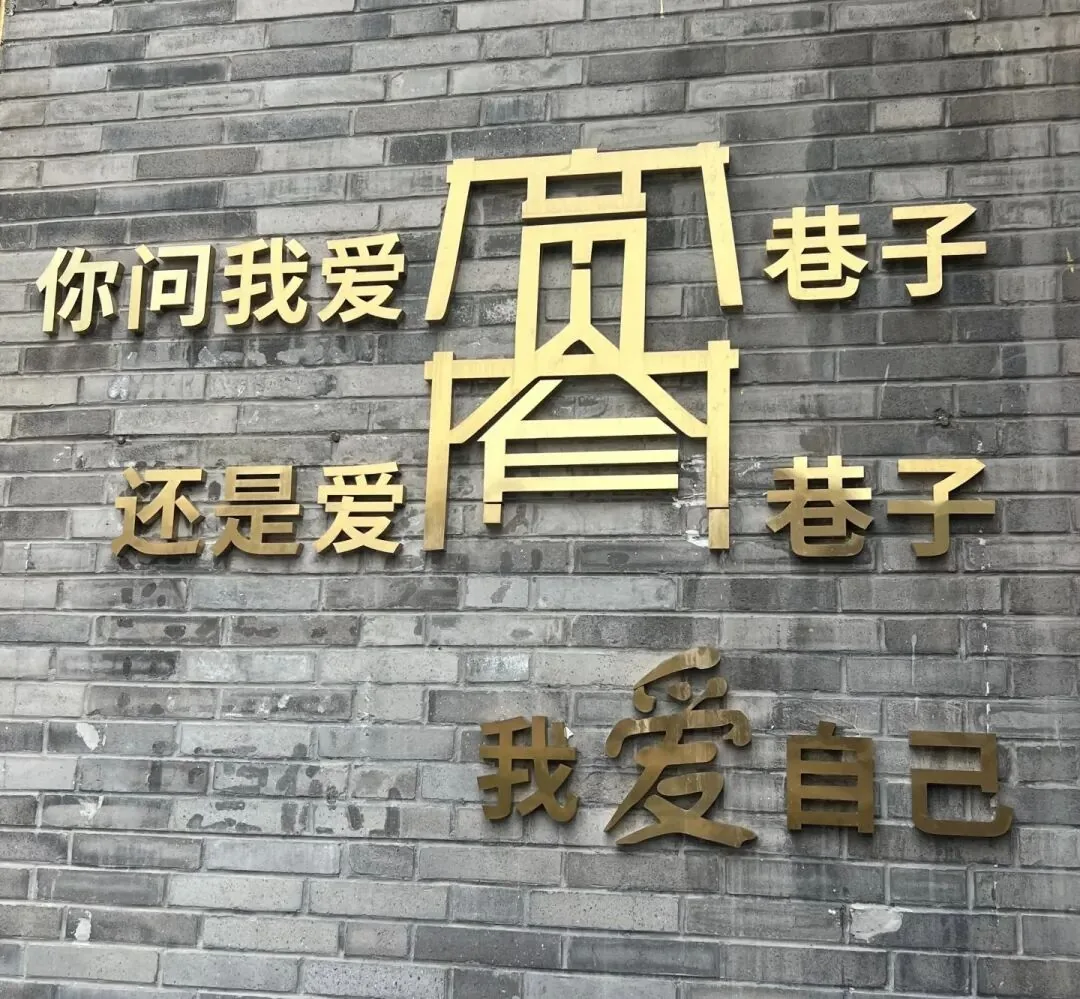
What you’ll get from this guide: a bit of history, a full breakdown of all three alleys, and the spots most tourists walk right past.
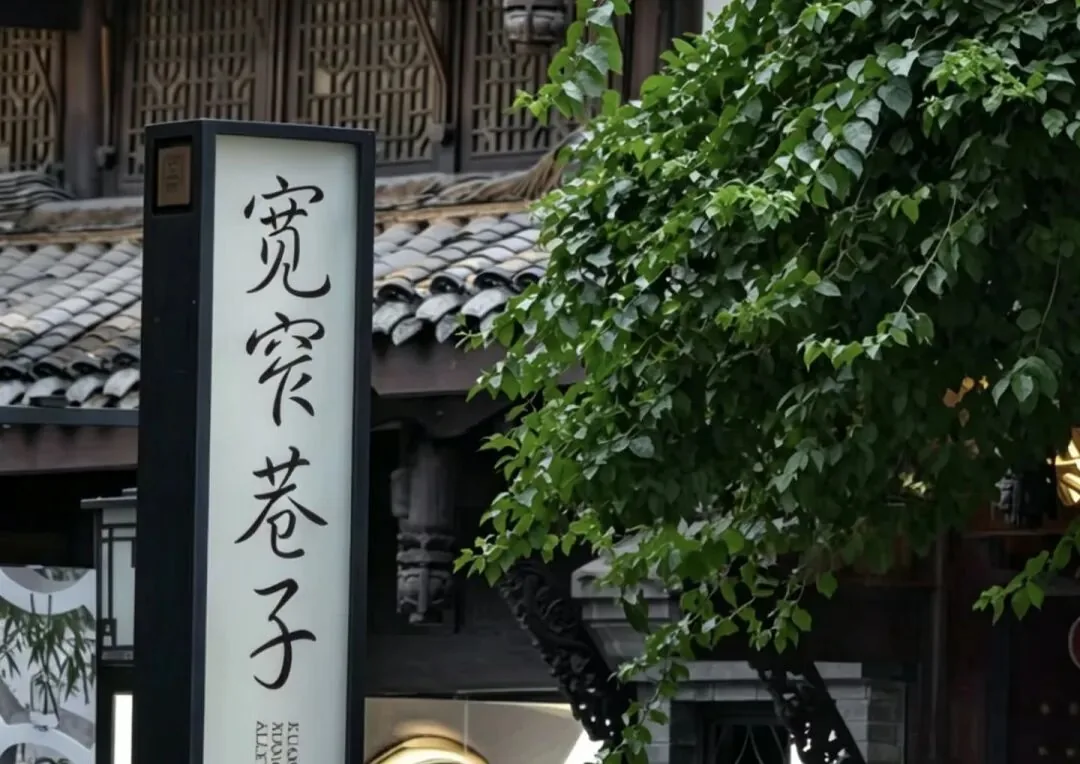
Kuanzhai Alley: A Quick Backstory
Three hundred years ago, over a thousand Manchu and Mongol banner troops were stationed in Chengdu. They built a “Manchu City” (满城) on the site of the old Shaocheng district, with three parallel lanes serving different purposes:
- Kuan Alley (宽巷子, “Wide Alley”) — originally Xingren Hutong: home to officials’ residences
- Zhai Alley (窄巷子, “Narrow Alley”) — originally Taiping Hutong: housing for the soldiers
- Jing Alley (井巷子, “Well Alley”) — originally Ruyi Hutong: the logistics and supply zone
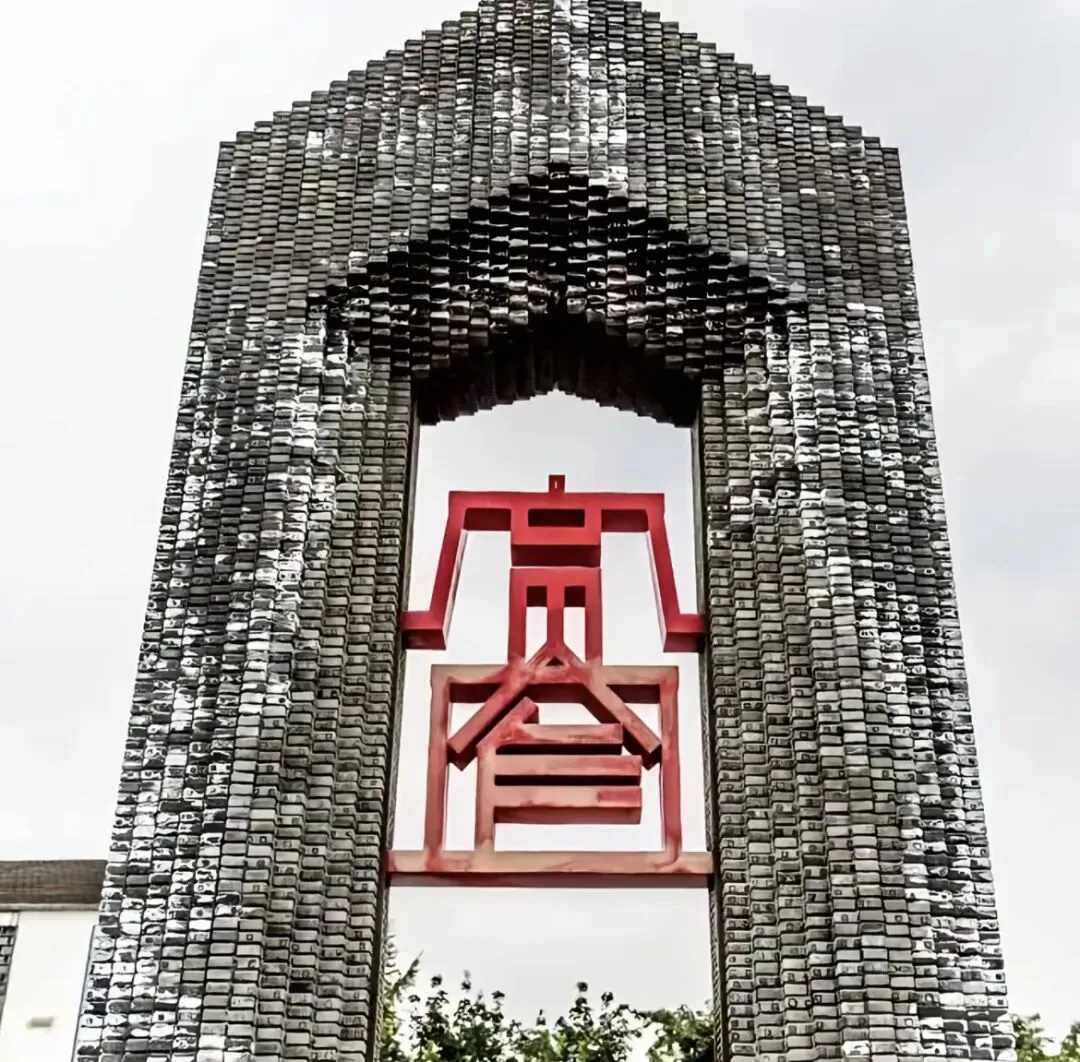
Back then, this was closed-off Banner territory — Han Chinese weren’t allowed in. It wasn’t until the late Qing Dynasty that this walled community began opening up, gradually becoming the streets we see today.
Kuan Alley: The Dignified Face of Kuanzhai Alley
Kuan Alley is the dignified one. It was home to high-ranking Qing officials, and it still carries that calm, stately energy. You’ll find fewer loud shops here — more old courtyards, timeworn architecture, and traditional teahouses. This is the alley for wandering slowly and soaking in atmosphere.
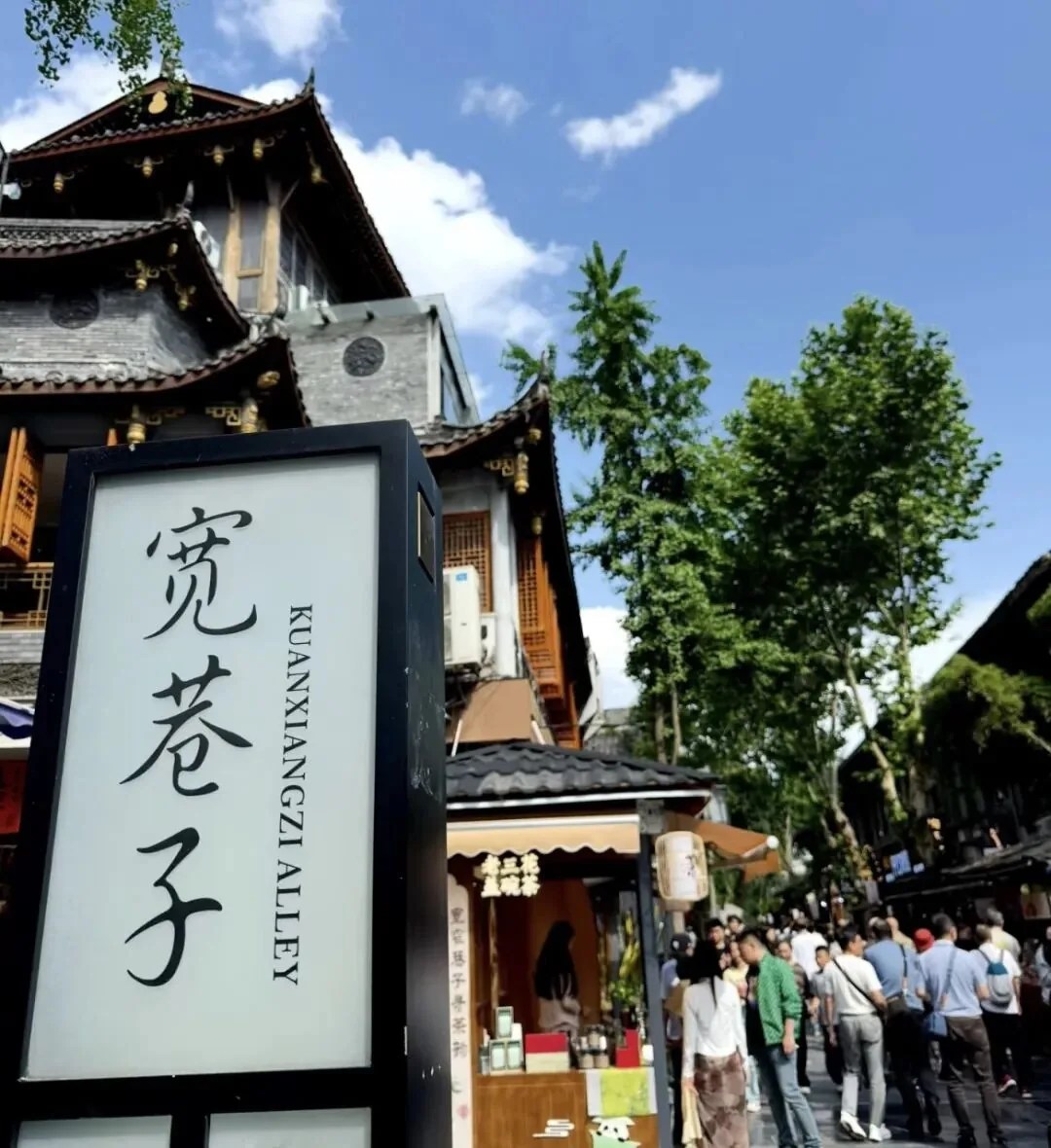
Suggested route: Chengdu Art Academy → Kailu → Demen Renli → Kuanyun Zhaiyu Teahouse → Old Chengdu Life Museum → Chinese Red Nanmu Hall → Xiaolong Fan Dajiang Garden → Sanlian Taofen Bookstore → intangible heritage stalls → continue into Zhai Alley
Kailu (恺庐) — The Most Photographed Gate in the Alley
Located at No. 11 in the middle of Kuan Alley, Kailu is the best-preserved and most recognizable arched brick gate in Kuanzhai. It’s a Sino-Western hybrid style from the Republican era, and it was once the private home of a Chengdu radio station director.
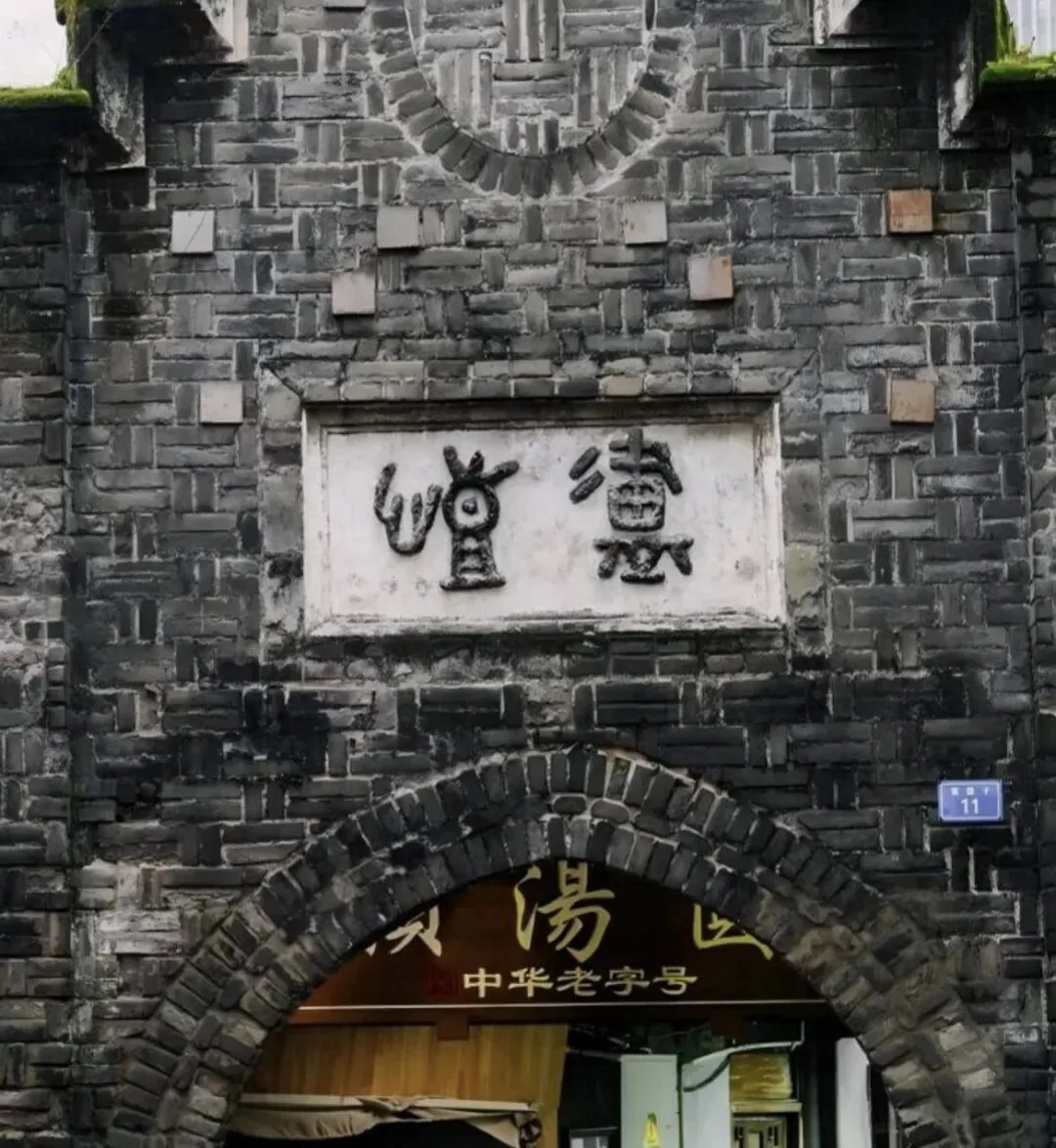
The arched gate is striking, with the characters “恺庐” carved in large seal script from left to right — an unusual break from the traditional right-to-left convention of the time. A century of weather has left the bricks mossy and worn. Every mark tells a story.
Step inside and you’ll find a peaceful stone-paved courtyard with old osmanthus trees and bamboo chairs scattered around. Today, the courtyard houses an outpost of the famous Lai Tangyuan (老赖汤圆) rice dumpling shop. Grab a bowl of covered-bowl tea (盖碗茶), sit back in this century-old Sichuan courtyard house, and watch the light play on the aged bricks.
Old Chengdu Life Museum (老成都生活博物馆) — Easy to Miss, Totally Worth It
This free micro-museum is ridiculously easy to walk past — but it’s one of the most genuine glimpses into old Chengdu life you’ll find anywhere.
It’s a faithful recreation of an everyday home from decades past: a Butterfly-brand hand-cranked sewing machine, an old Republican-era gramophone, enamelware, bamboo farming tools, old teahouse sets, and a rare collection of photos from the Manchu Banner era.
No flashy artifacts here — just real objects from real lives. Bring your parents and they’ll be flooded with memories. Bring kids and they’ll get a hands-on history lesson. Give it twenty quiet minutes; that’s all it takes to understand generations of Chengdu daily life.
China Red·Golden Nanmu Museum (中国红·金丝楠木馆) — The Hidden Gem
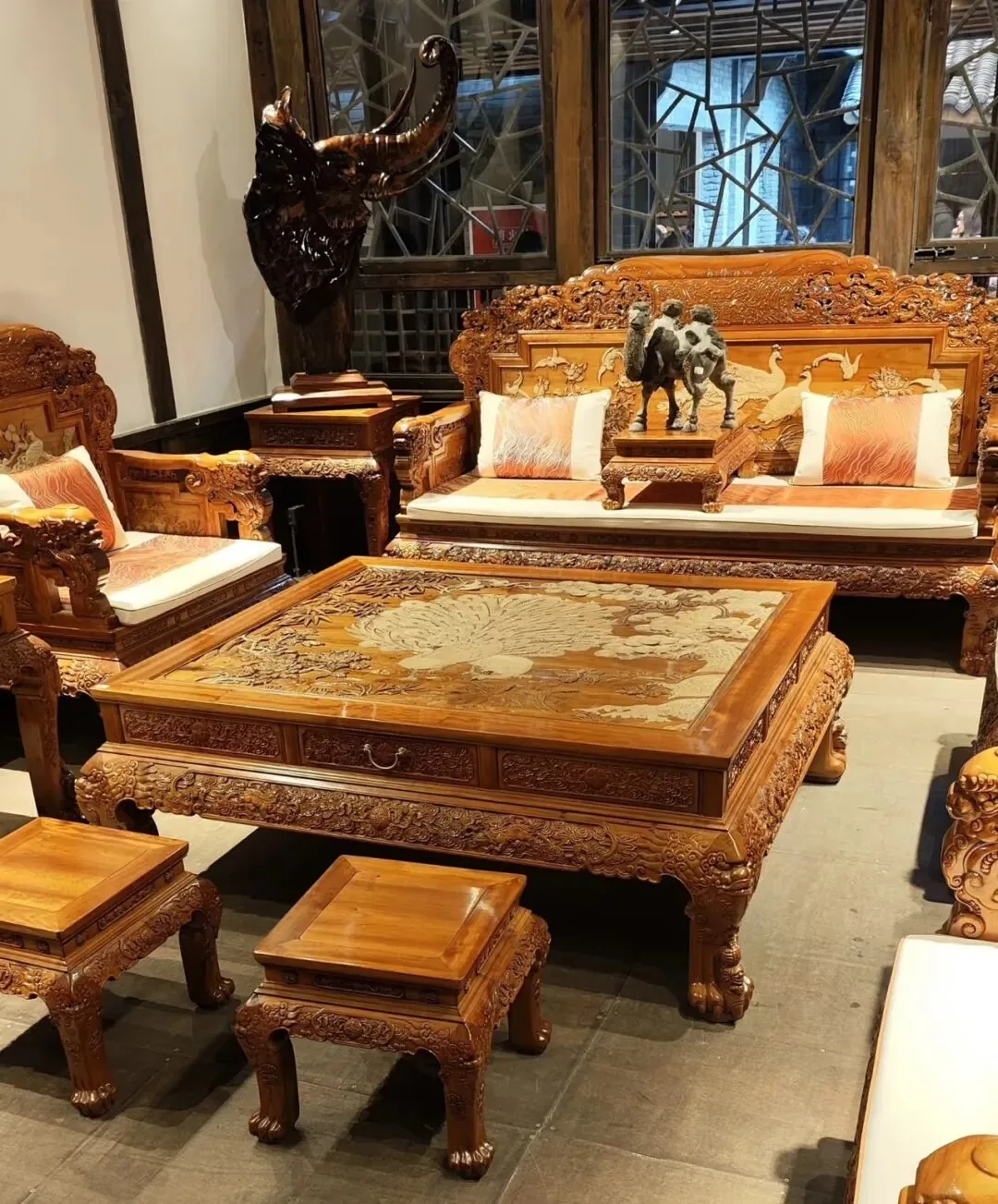
At No. 31 Kuan Alley, with a low-key entrance that’s easy to breeze past, sits one of the few surviving double-courtyard residences of a Qing Dynasty Banner general — locals still call it the “General’s Mansion” (将军府).
Inside, it’s the largest golden nanmu (jinsinan, a prized “emperor’s wood”) collection hall in southwest China. The museum does double duty: showcasing this rare wood’s cultural significance while displaying archaeological finds from the Shaocheng district. Art appreciation plus old-city history under one quiet roof. It’s low-profile, but it’s the richest cultural spot on the whole alley. Don’t sleep on this one.
Zhai Alley: Where Old Meets Playful
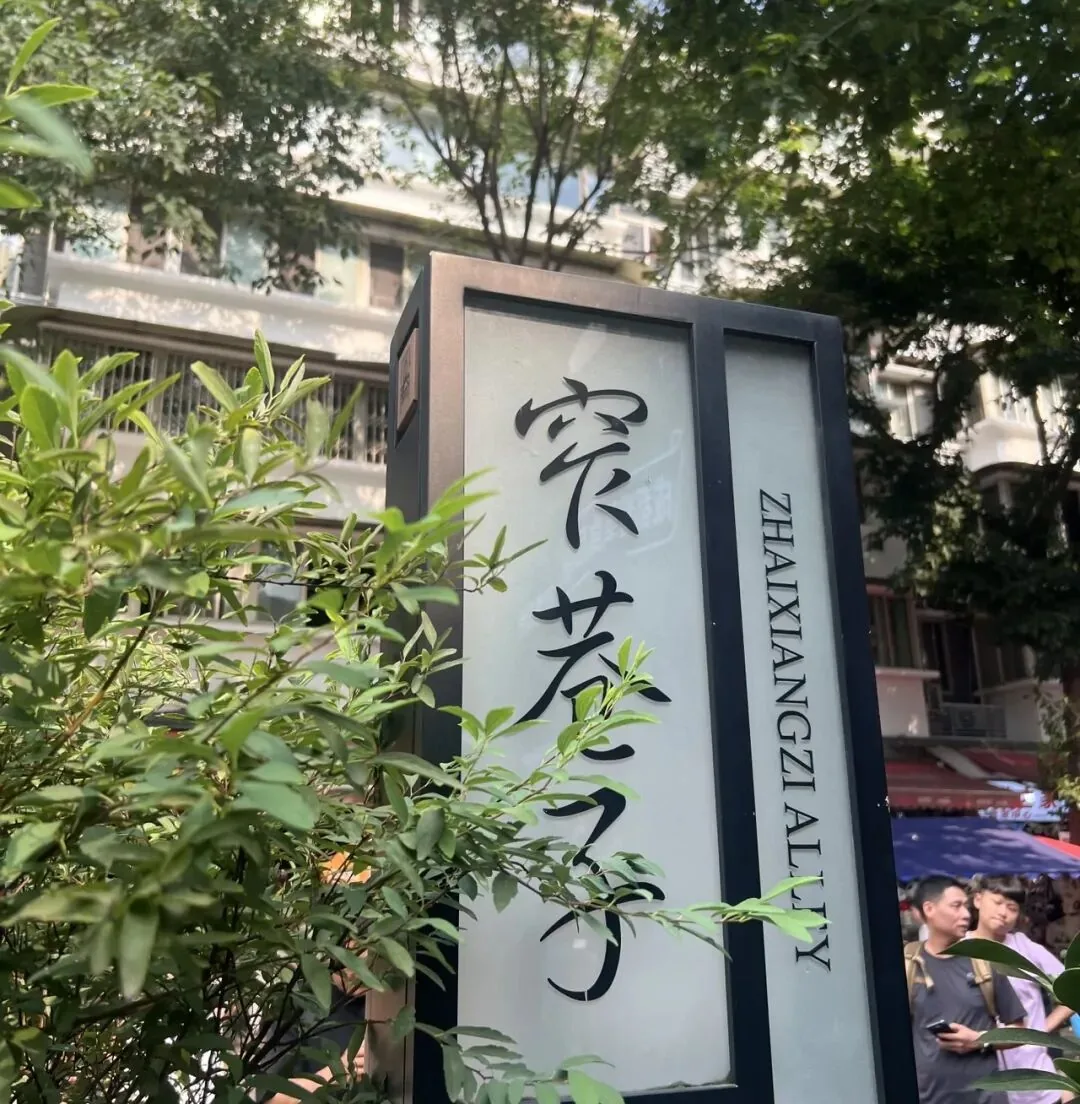
If Kuan Alley is dignified, Zhai Alley is artsy and refined. This was originally home to ordinary Banner soldiers; now the narrow lanes are lined with old brick buildings that house a mix of traditional charm and modern creativity.
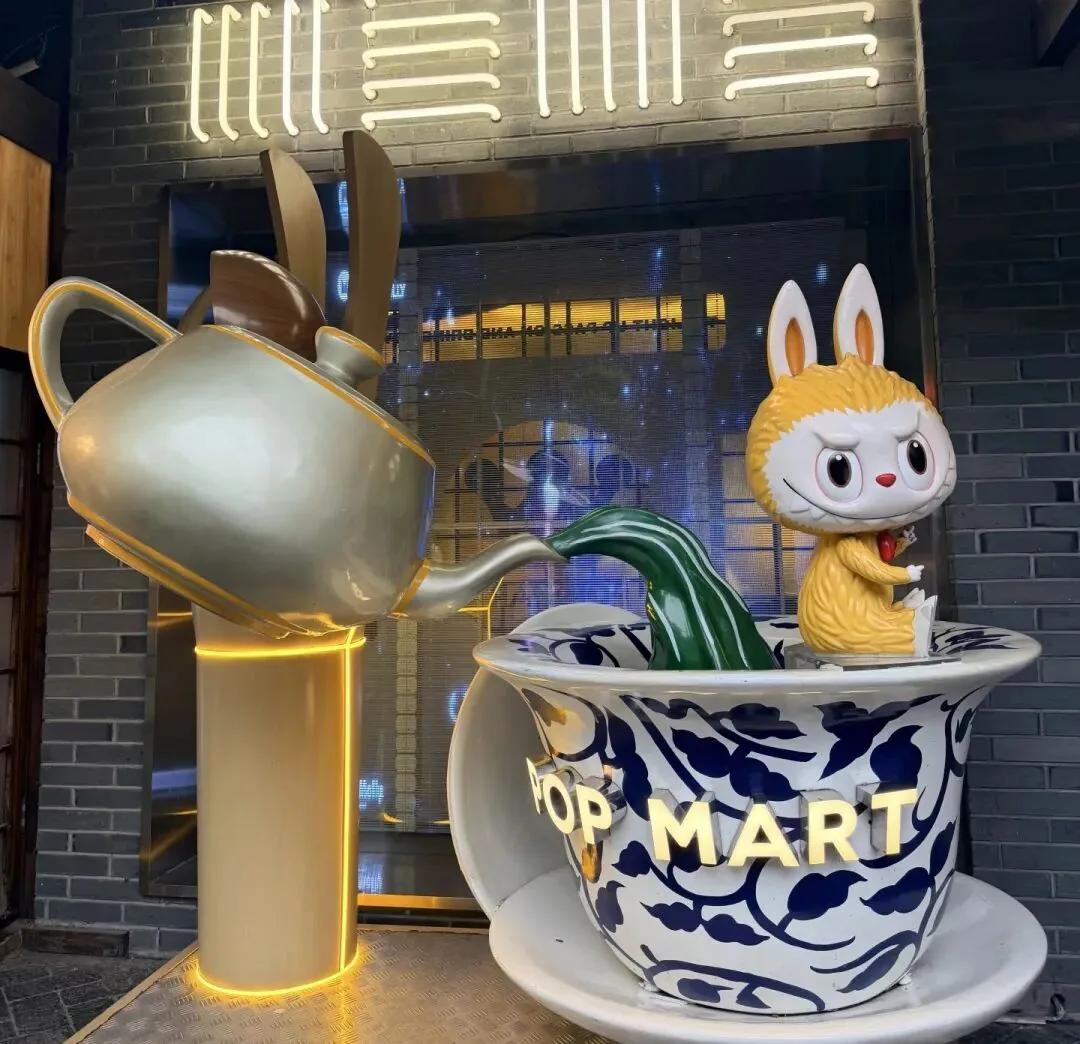
Suggested route: the three-brick gate at the east entrance → former Kuan Tea House site → Star-bucks in a heritage building → Shaocheng Memory Silver Culture Courtyard → Republican-era villa → Chengdu Lacquerware Experience Hall → Sanlian Taofen Bookstore → Zhu Bingren Copper Art Museum → White Night Bar → small creative alley → ancient-style Pop Mart
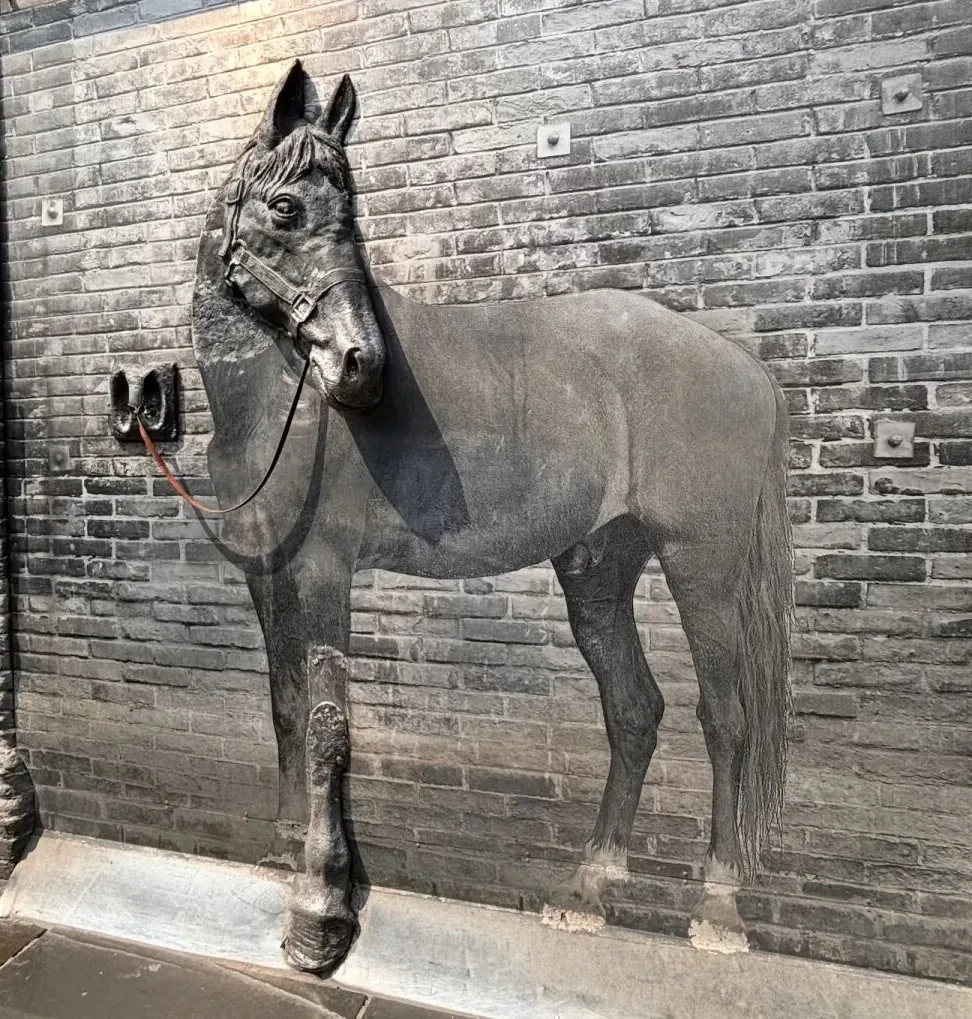
The Manchu Horse-Hitching Posts (八旗拴马石)
Scattered throughout Zhai Alley are original red sandstone hitching posts — physical proof of northern Manchu culture landing in Chengdu.
Unlike the grand official versions in Kuan Alley, these are small and unassuming, their surfaces polished smooth by generations of tethered horses. They’ve stood quietly for three centuries, whispering stories of the old garrison days.
Pop Mart, Park Guoguang Style
Yes, really — and it’s one of the most unique Pop Mart outposts you’ll find anywhere. This location has an exclusive line of Sichuan opera face-painted and panda-themed blind boxes with an ancient Chinese aesthetic.
It’s a fresh-meets-classic collision: Sichuan opera culture and local Shu elements remixed as collectible toys. Arguably the most distinctive photo spot on the entire street, and a great place to pick up a one-of-a-kind souvenir.
The Side-Alley Hideaway
Want to escape the crowds? Midway through Zhai Alley, you’ll find a quiet branch lane that most tour groups never venture down.
No hawkers, no wall-to-wall people. Just a handcrafted silver workshop, indie illustration shops, a healing cat café, and small artisan studios. Grab an iced drink, window-shop at your own pace, and experience Kuanzhai’s softest, most relaxed side.
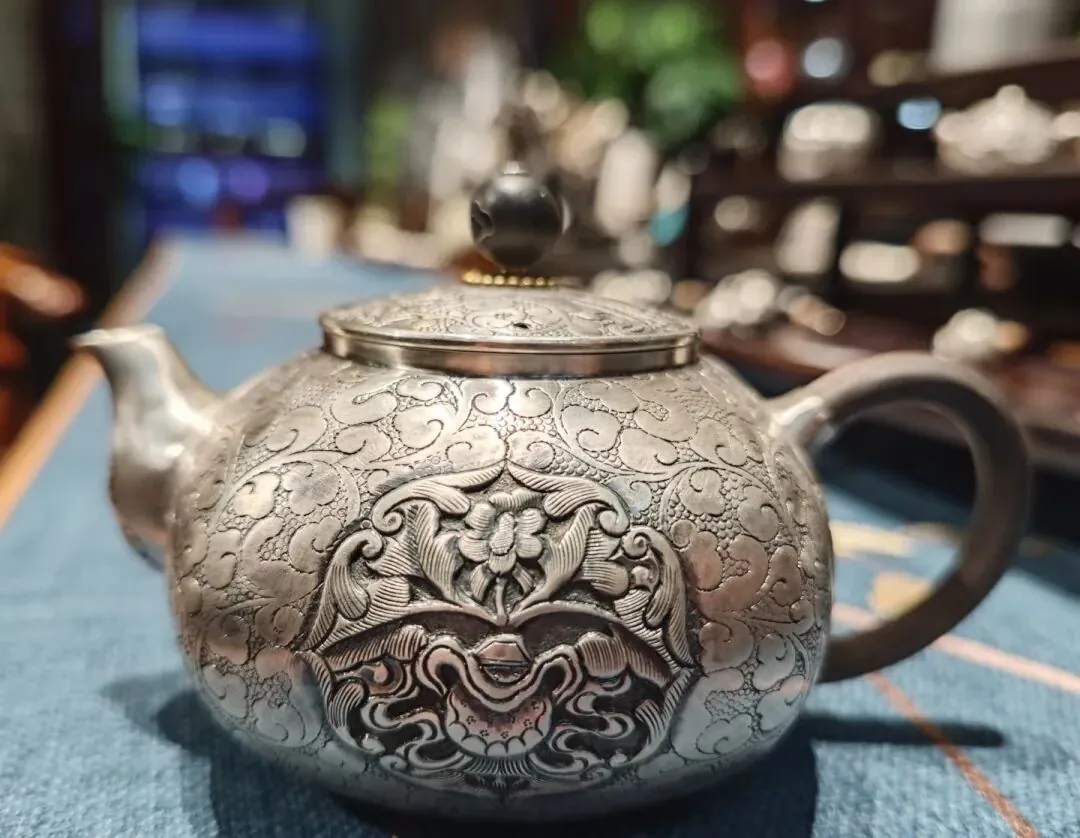
Local insight: This side lane is where locals actually hang out. If you want souvenirs that aren’t mass-produced, buy here, not off the main strip.
Jing Alley: The Quietest, Most Authentic Corner
Jing Alley is the quietest of the three — and the most historically layered. Named after a century-old well from the Qing Dynasty, this was the Banner community’s logistics hub. No grand official mansions, no artsy buzz. What you get here instead is the plain, real foundation of old Chengdu life.
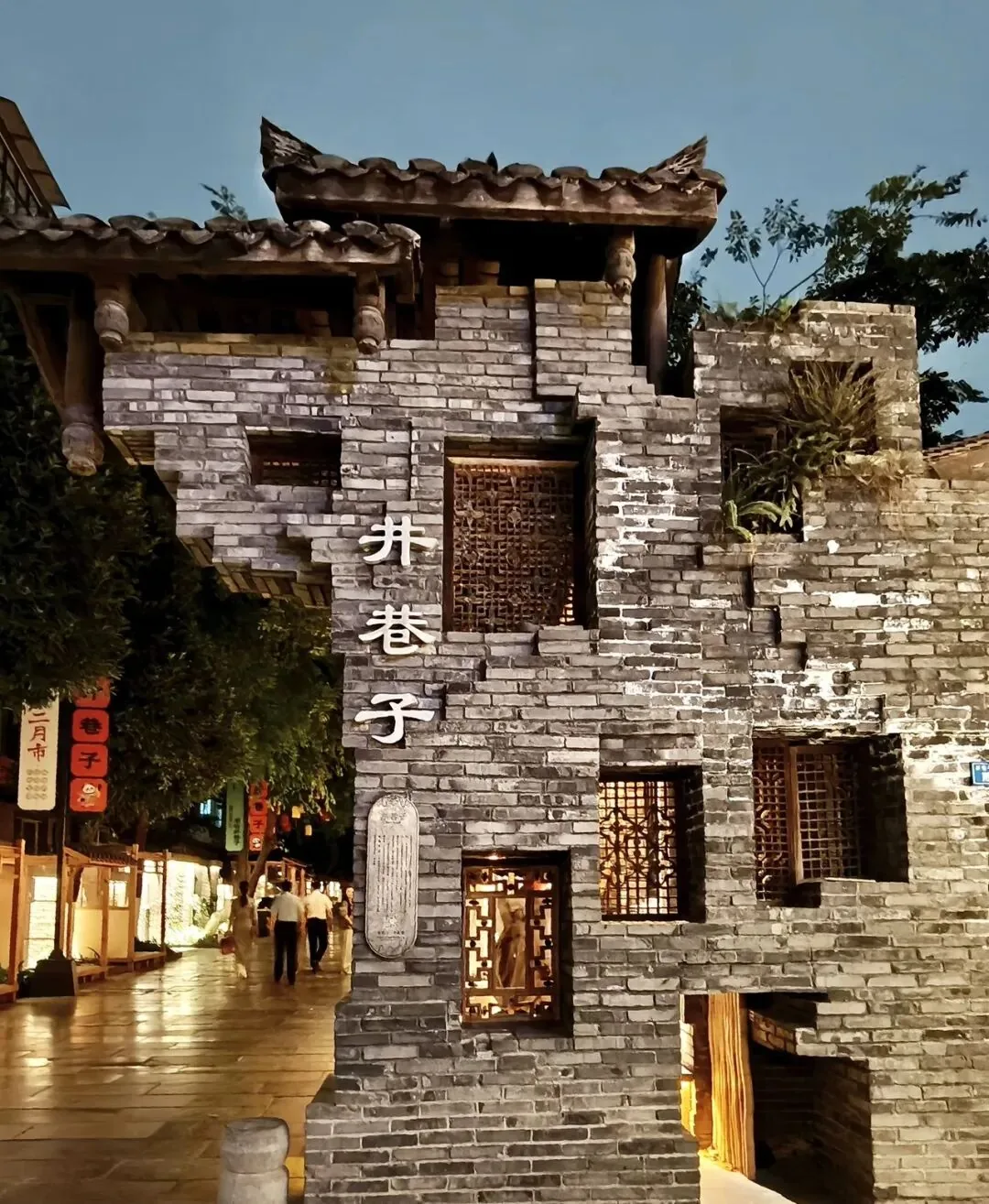
Suggested route: entrance from Zhai Alley → the old well → the 400-meter brick culture wall → street-life reliefs → bronze folk sculptures → panda graffiti wall → dialect creative goods → Panda House creative store → Republican-era villa → Gujin Tea House → creative market
The Old Well (老井遗迹) — The Reason the Alley Has Its Name
Tucked in the middle of Jing Alley, set slightly back behind low greenery and decorative rocks, is a site so understated that most visitors walk straight past it. But this is the very well that gave the entire street its name.
The three-century-old stone well mouth is worn with deep grooves — centuries of ropes and buckets rubbing against the stone. This was once the only water source for the entire Banner community. Touch the grooves and you’re touching generations of daily life.
Pro tip: The well sits between the bronze ear-cleaning sculpture and the Republican-era villa. Look for it — it’s easy to miss, but it’s the soul of this alley.
The 400-Meter Brick Culture Wall (砖文化墙)
Here’s what makes Kuanzhai genuinely special. When the alley was being renovated, planners scoured Chengdu’s demolition sites and old homes, collecting over 40,000 ancient bricks. Those bricks now form a 400-meter-long wall along the south side of Jing Alley — China’s only open-air museum built entirely from antique bricks.
The west section tells the story of Chengdu’s urban evolution through the bricks themselves. The east section features vivid reliefs of old street life: ear-cleaning, bird fighting, teahouse gatherings — the everyday scenes that defined old Chengdu.
This isn’t a faux-antique reproduction. It’s the real thing — actual history embedded in the wall. Walk the full length slowly, and you’ll finally understand what Kuanzhai is really about: the city’s enduring foundation and its warm, humble street culture.
Putting It All Together
Now I get it. Here’s what Kuanzhai really is:
- Kuan Alley = official residences, Banner-era formalities, elegant old-school leisure
- Zhai Alley = old-meets-new, artistic energy, gentle reinvention
- Jing Alley = a thousand years of city-building, ordinary lives, the authentic foundation beneath it all
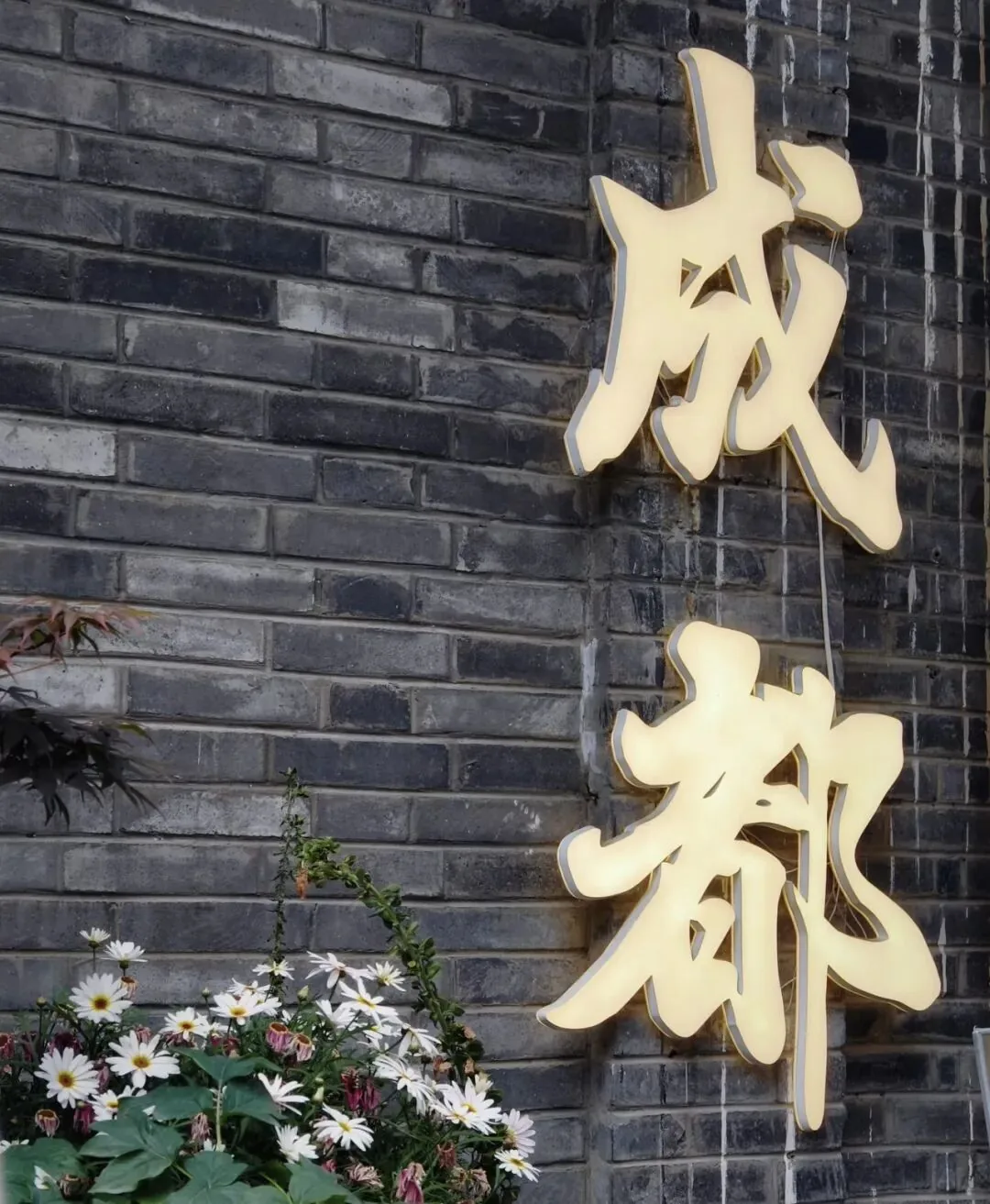
Three centuries have turned a closed military enclave into a beloved public space. Go slow, look closely, and you’ll find the real beauty of Kuanzhai — not in the crowds or the commerce, but in the quiet layers of history beneath your feet.
Practical Info
- Address: No. 116 Changshun Shang Street, Qingyang District, Chengdu (成都市青羊区长顺上街116号)
- Metro: Take Line 4 to Kuanzhai Alley Station (宽窄巷子站), exit B — the entrance is right there.
Best time to go: early morning (before ~9am) if you want the lanes nearly empty, or late afternoon for golden light on the bricks and a quieter end-of-day stroll. Combine it with nearby People’s Park for a full morning of classic Chengdu culture — tea, bamboo chairs, and all.