The “No. 1 Mountain of Southern Sichuan”: A 6km Hike Through History Just 1.5 Hours from Chengdu
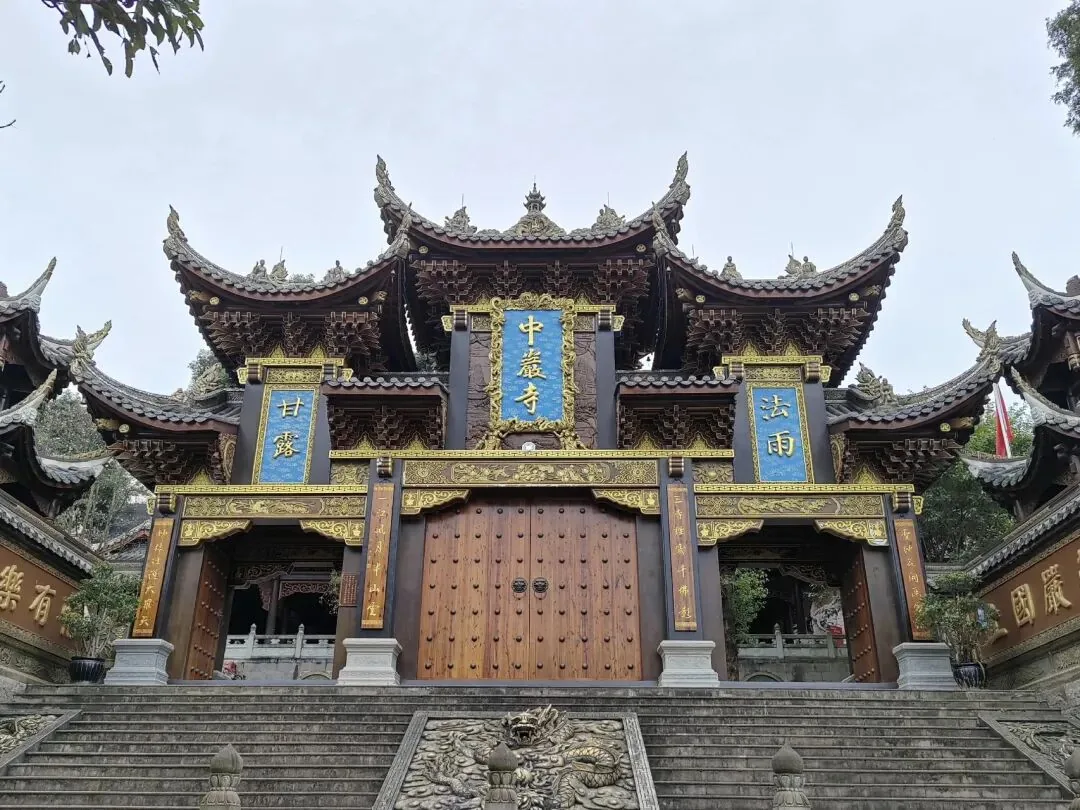
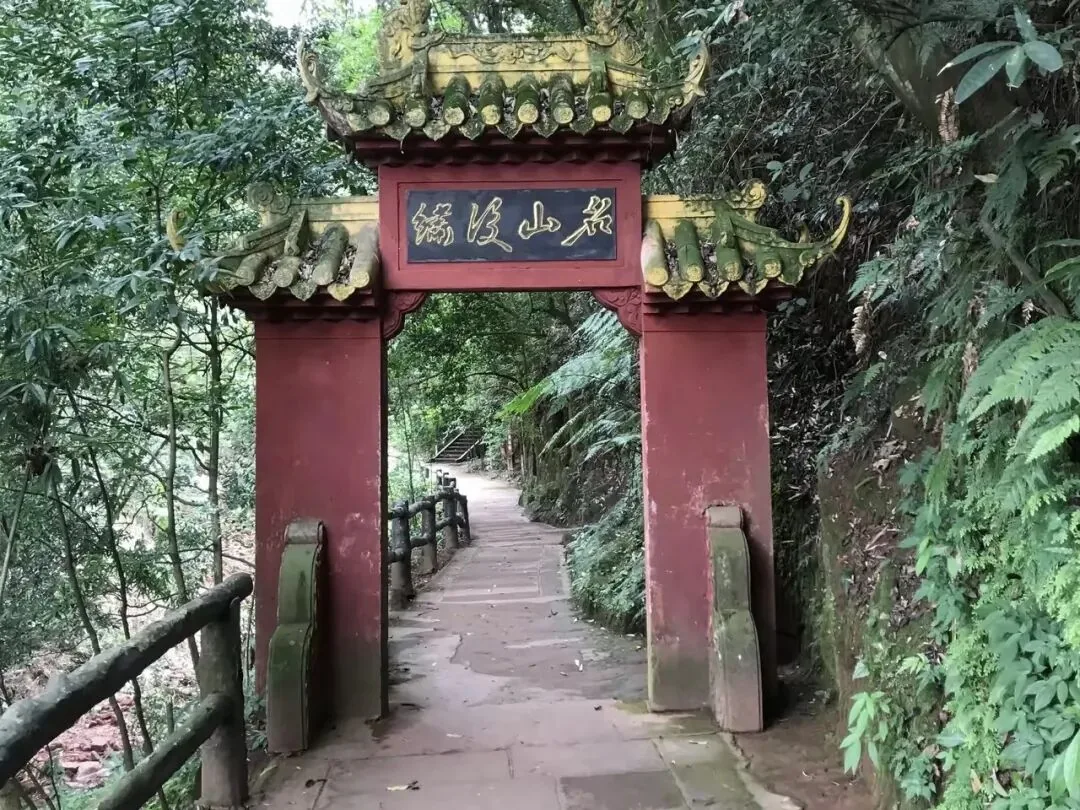
Chengdu has no shortage of weekend escapes, but every now and then you find one that hits differently. Not long ago I drove south to Meishan with a friend over the holiday, chasing rumors of a temple steeped in history we’d never gotten around to visiting. Turns out, it was absolutely worth the trip.
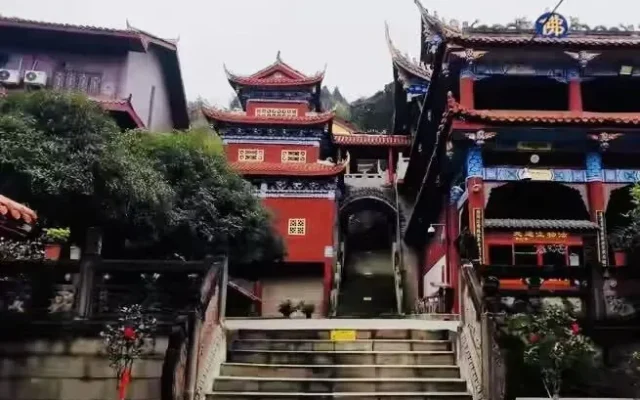
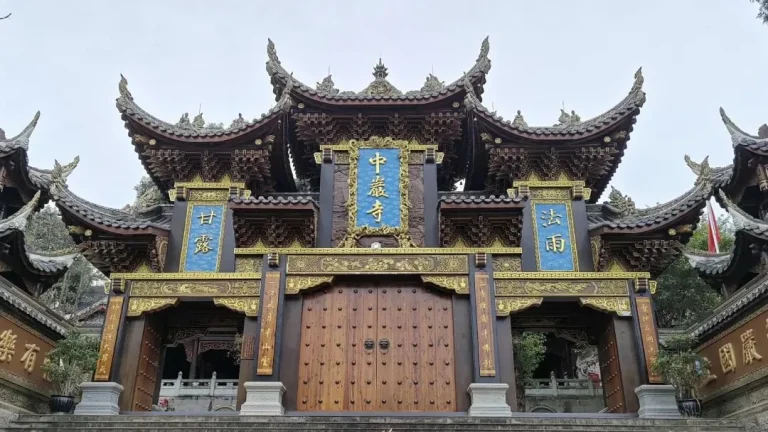
That place is Zhongyan Temple (中岩寺) in Meishan — a spot where you can hike and soak up layers of cultural heritage at the same time. For a zhongyan temple hike, it’s hard to beat.
Don’t let the distance from Chengdu fool you; this place has serious pedigree. There’s an old saying: “Visit Zhongyan first, then Emei Mountain.” Lu You inscribed it as “the No. 1 Mountain of Southern Sichuan,” and Fan Chengda praised it as “the finest spot for forests and springs in Western Sichuan.”
The scenery here is genuinely stunning — especially the deep autumn woodlands, which are enough to make you swoon. It’s perfect for an autumn hike: you get the culture and the natural beauty along the way.
A Temple Built Into the Mountain
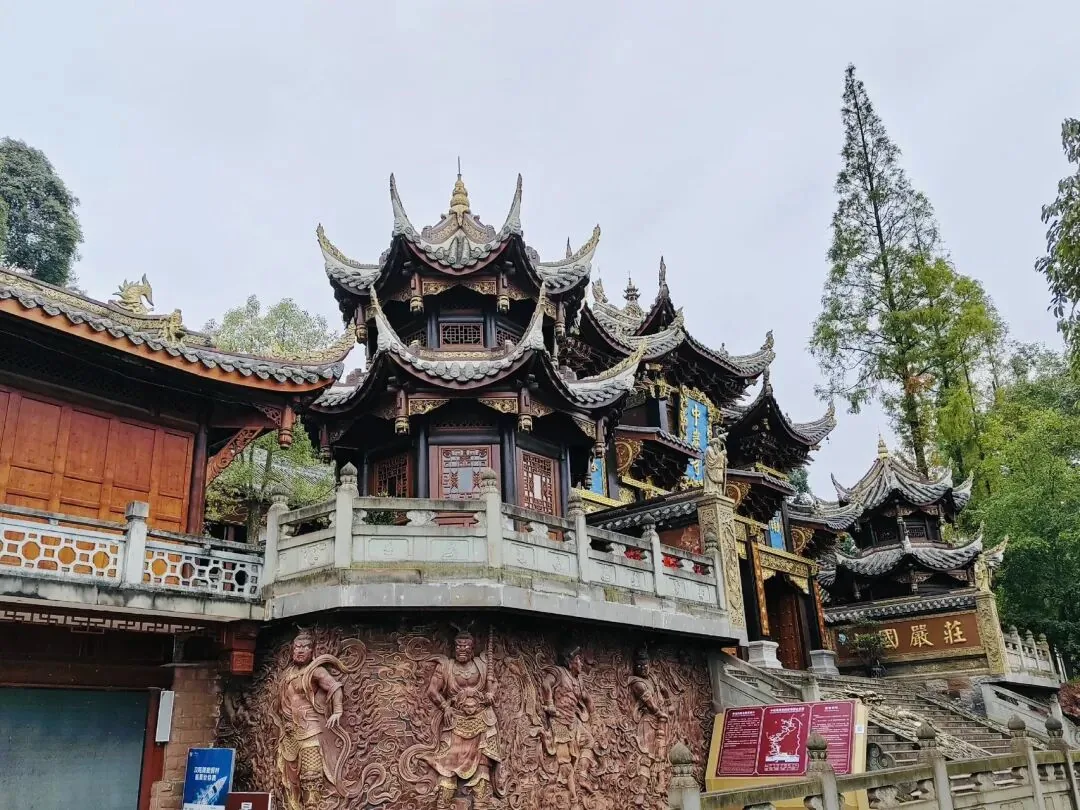
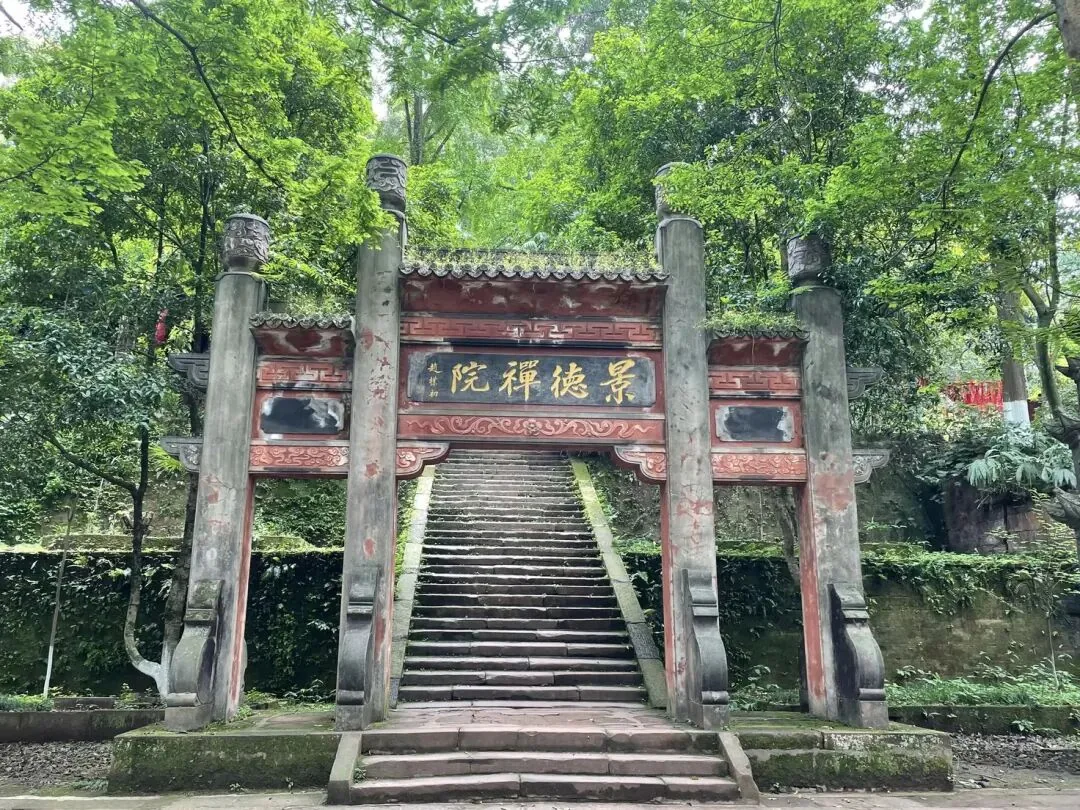
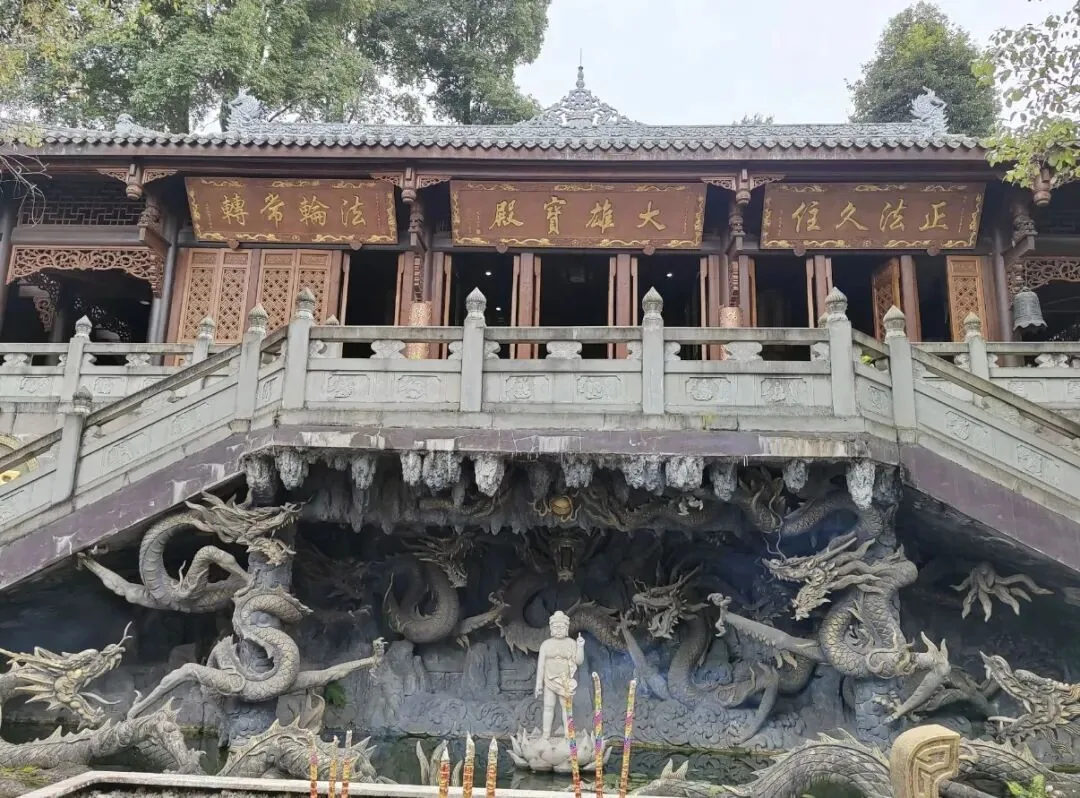
Zhongyan Temple is built against the mountain and right beside the Min River. It’s been here for over a thousand years, since it was founded in the Eastern Jin dynasty. The temple is split into three sections — Upper, Middle, and Lower Zhongyan — and was known in ancient times as “Cilao Mountain.” Plenty of literary figures have visited over the centuries and left famous poems behind.
But what sticks with you most is the story of a young Su Shi (Su Dongpo).
Before he turned 19, he studied at Zhongyan Academy, under the tutelage of the Qingcheng scholar Wang Fang. One day, at a banquet, Wang Fang asked guests to name a pool. Su Shi picked up his brush and wrote “Huanyu Pool” (唤鱼池 — “Calling the Fish Pool”). Meanwhile, Wang Fang’s daughter, Wang Fu, had sent a note from her chambers with her own suggestion — and she’d written exactly the same name.
Two hearts in perfect sync, without a word between them.
Wang Fang subsequently married his daughter to Su Shi. The three large characters on the cliff face are said to be Su Shi’s own handwriting. In Meishan, only two confirmed authentic Su Shi inscriptions remain: “Lian’ao Mountain” and “Huanyu Pool.”
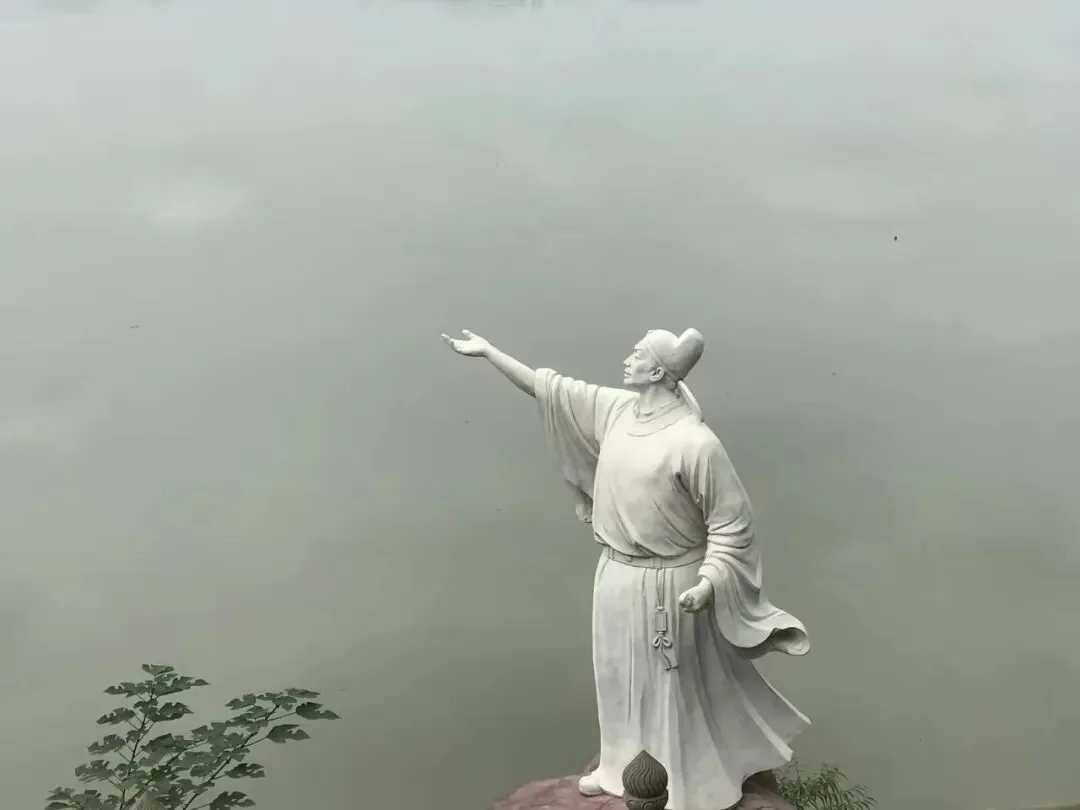
Local insight: The statue at the mountain gate facing the Min River is Li Bai, not Su Dongpo. He lived over 300 years before Su Shi and wrote the line “The moon over Emei Mountain in half a round of autumn, its reflection flowing in the Pingqiang River.” The Pingqiang River in that poem is the Qingcheng section of the Min River.
History passes, but here we are, centuries later, still facing the same mountain, the same river — every scene before us seems unchanged. Following that thread of history, we headed up the mountain.
The Hike: What to Expect
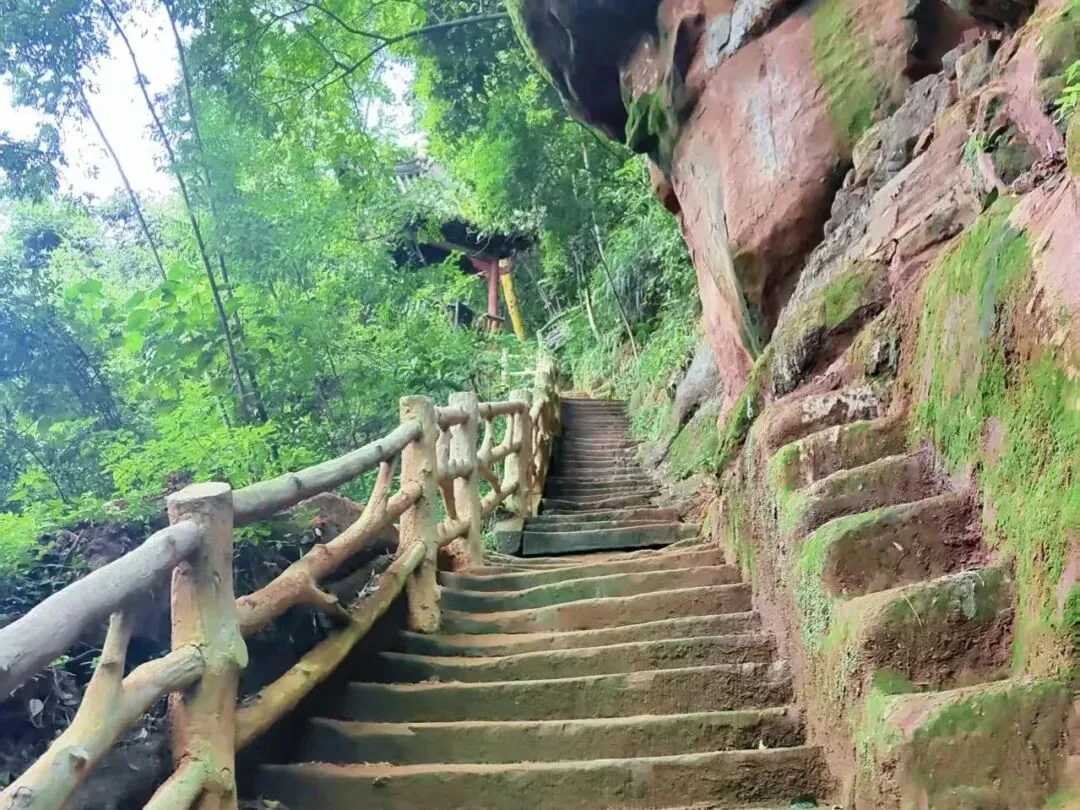
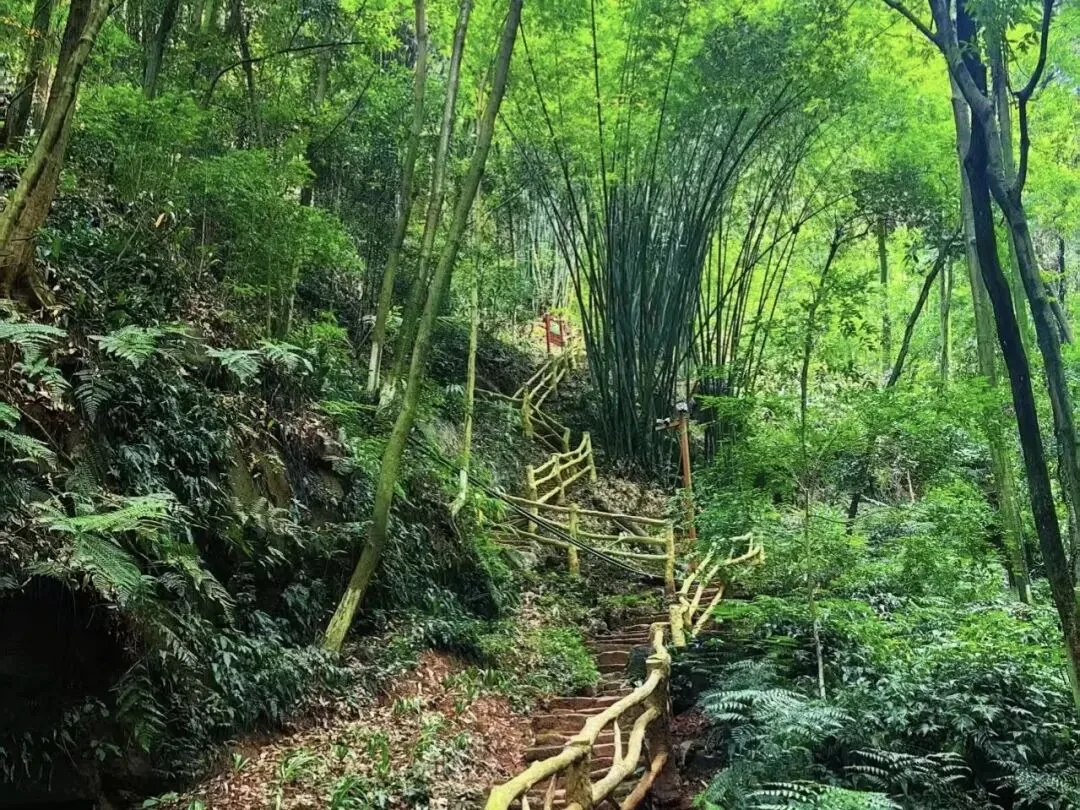
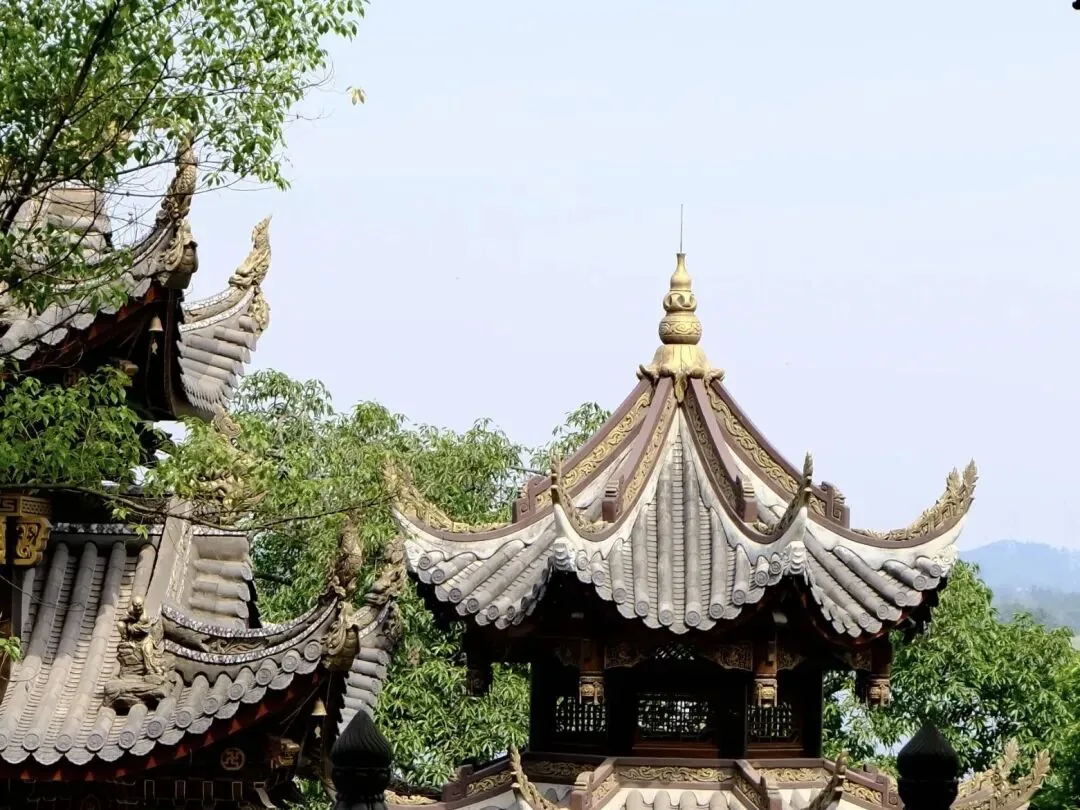
The whole climb is about 6 kilometers and takes 2–3 hours. The path is mostly stone steps and flagstone, with less than 200 meters of elevation gain — basically no difficulty at all. Seniors and kids can handle it easily.
Not far from the entrance is Huanyu Pool. The water is crystal clear, with a few koi lazily swishing their tails. This is where the story of Su Shi and his beloved wife unfolded.
Standing by the pool, looking at the water, the wind a bit chilly, I suddenly thought of the dream Su Shi had years later in Mizhou: “Ten years, life and death so vast and blurry; without thinking, it’s hard to forget.” When he wrote that line, he’d once stood here too. Only everything had changed.
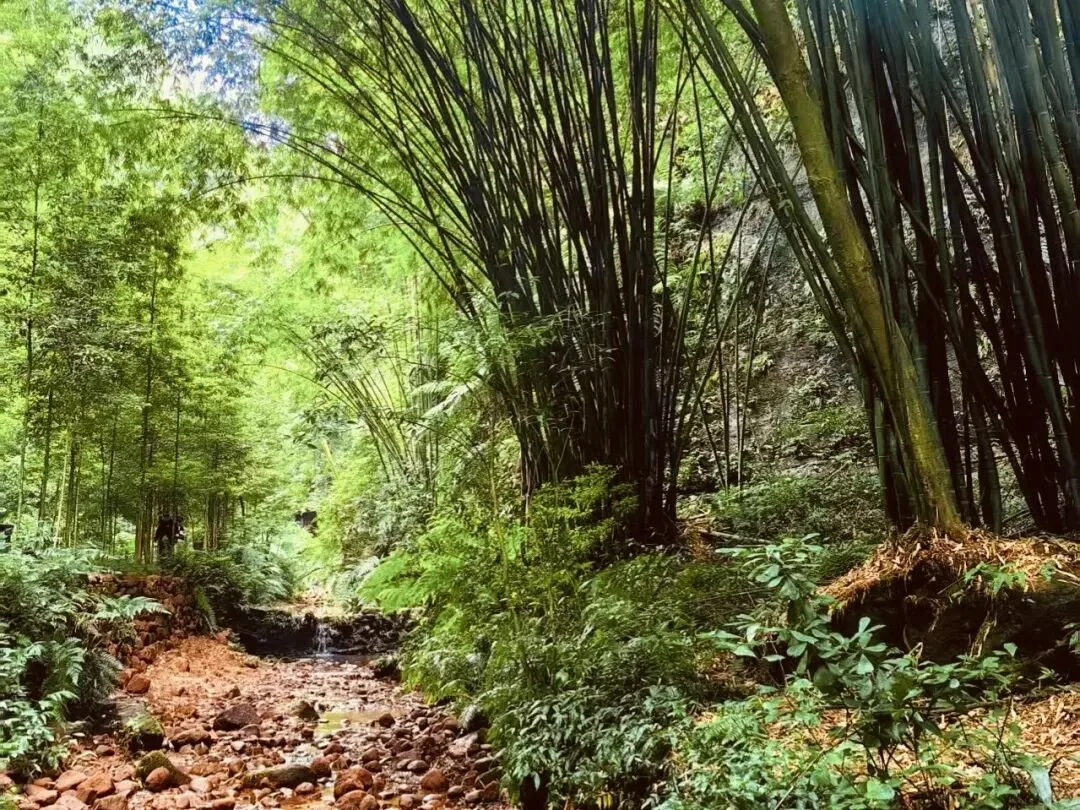
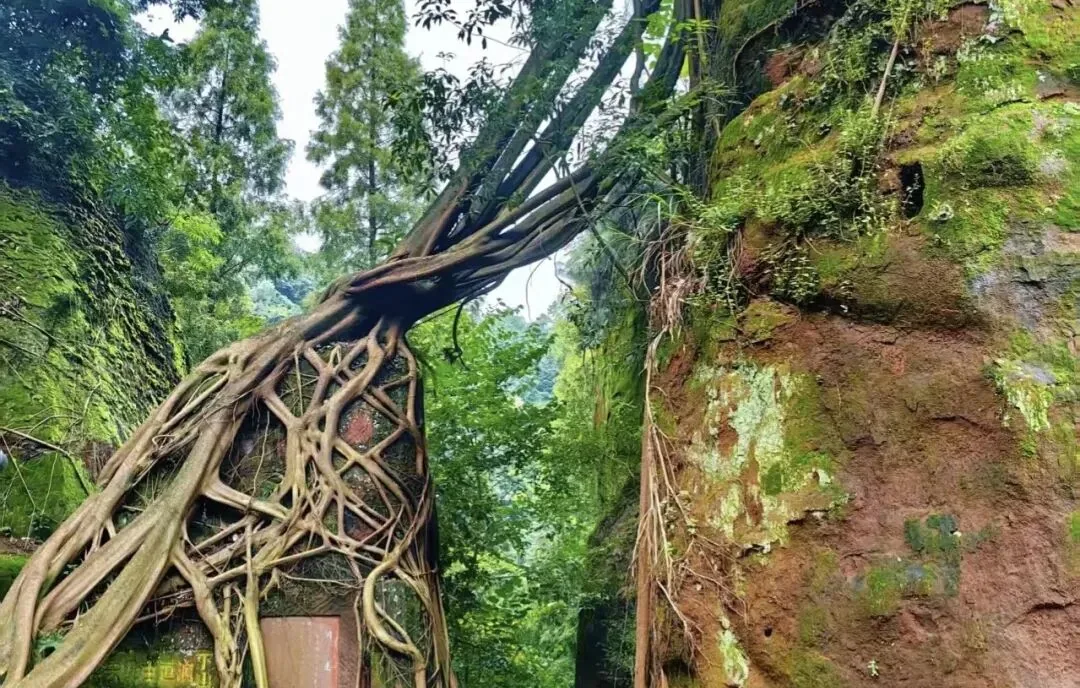
Walking through the forest — it’s already November now — the vegetation is still lush and green. Bamboo groves stand tall and verdant, towering trees block out the sky, and some yellowed leaves have drifted onto the steps, into the streams, along the grass. Sunlight filters through the layers of branches, gentle and healing. Everywhere along the trail you’ll find pristine mountain scenery: ancient trees, bamboo groves, clear springs, and strange rocks scattered about. A view at every step, tranquil scenes everywhere.
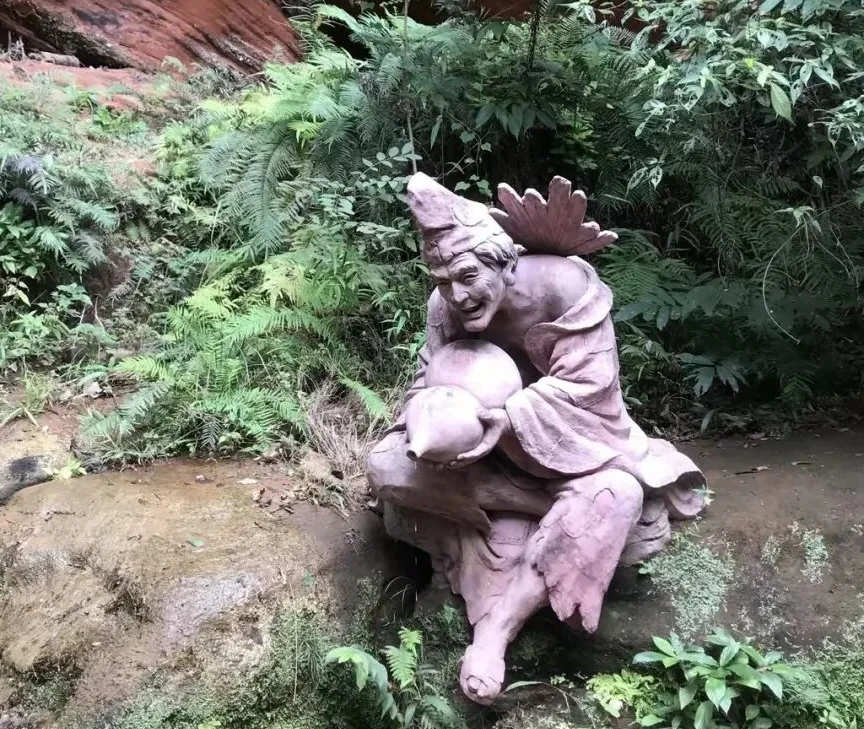
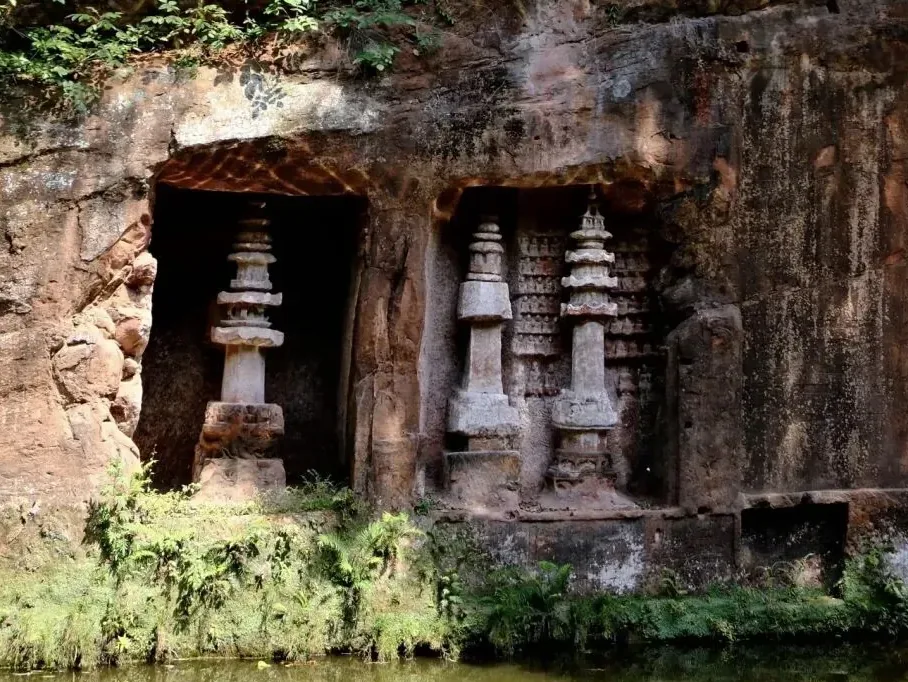
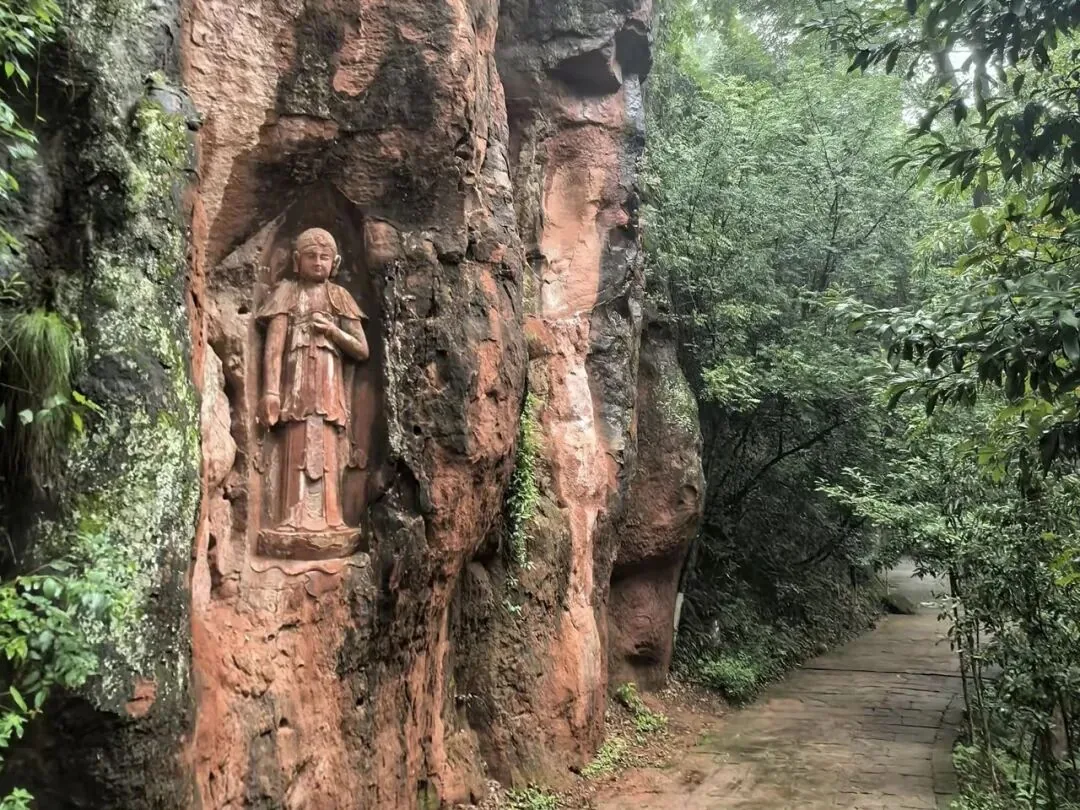
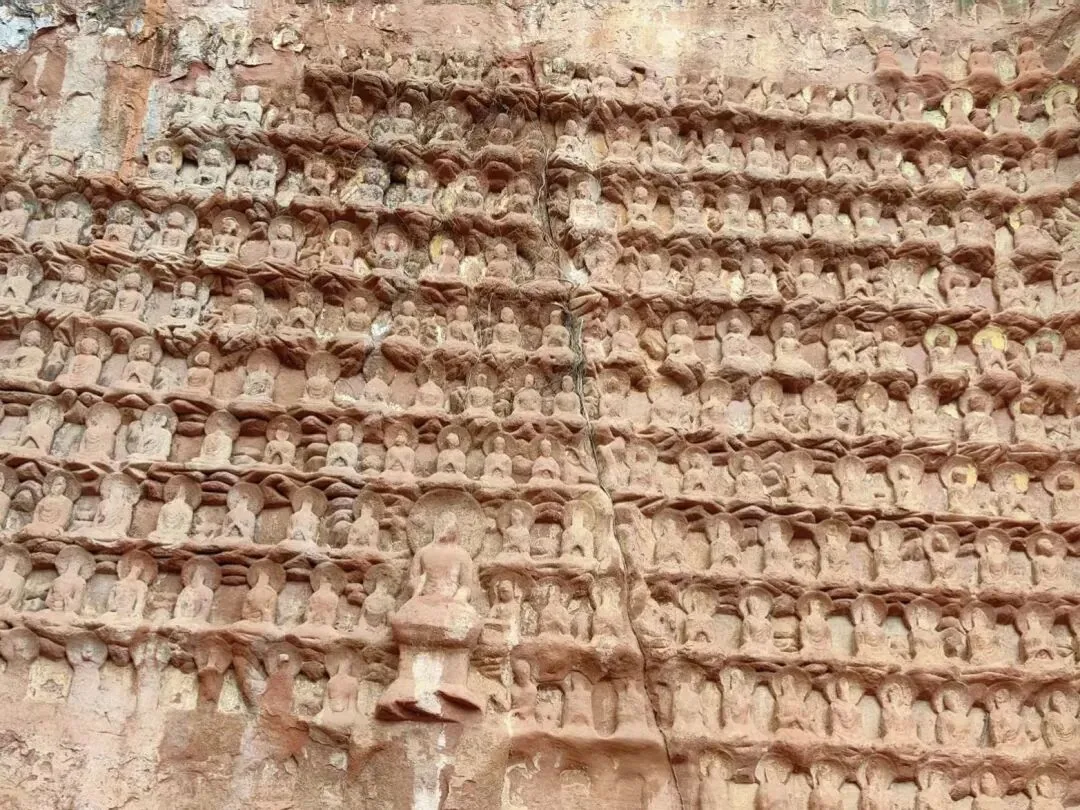
Continuing up, you reach the Thousand Buddha Corridor. Part of this stretch hugs a Danxia rock face — a whole wall of red sandstone with Tang and Song dynasty cliff carvings arranged in layers: 48 niches, 2,492 statues, including Buddhas, bodhisattvas, and arhats. Most of the figures aren’t tall, densely packed like stars, and after a thousand years the lines are still clear and simple. The rock face is covered in a light layer of moss, carrying the weight of ages. Inscriptions by Su Shi, Fan Chengda, Lu You, and others are scattered nearby too. Every carving is a treasure spanning a millennium — it feels deeply historical.
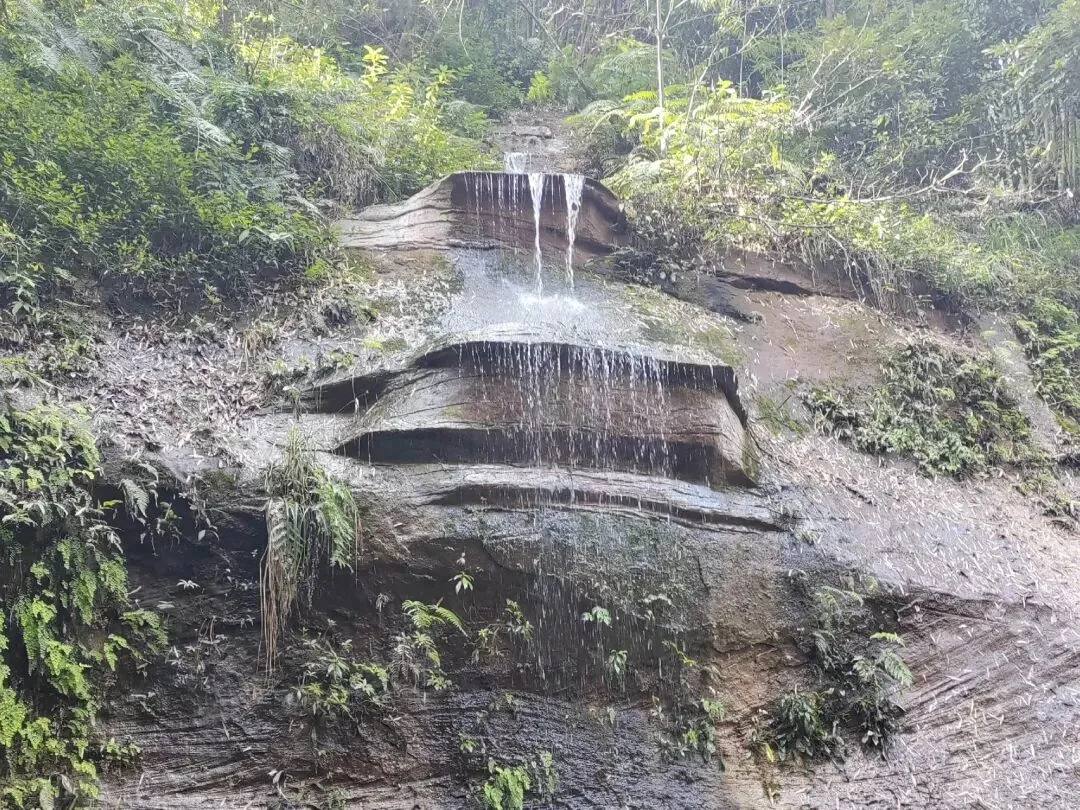
Further up is the Immortal’s Bed (仙人床), where you can look down over the valley, the forest layers dyed in autumn colors. On a clear day, Emei Mountain is faintly visible in the distance, cloud seas vast and hazy, adding to the grandeur. On the way back down, you come to Yuquan Rock, where a waterfall cascades down the cliff face, mist curling upward. Zhongyan Academy is still there in the mountain, just quiet now — almost plain.
Two Routes to Choose From
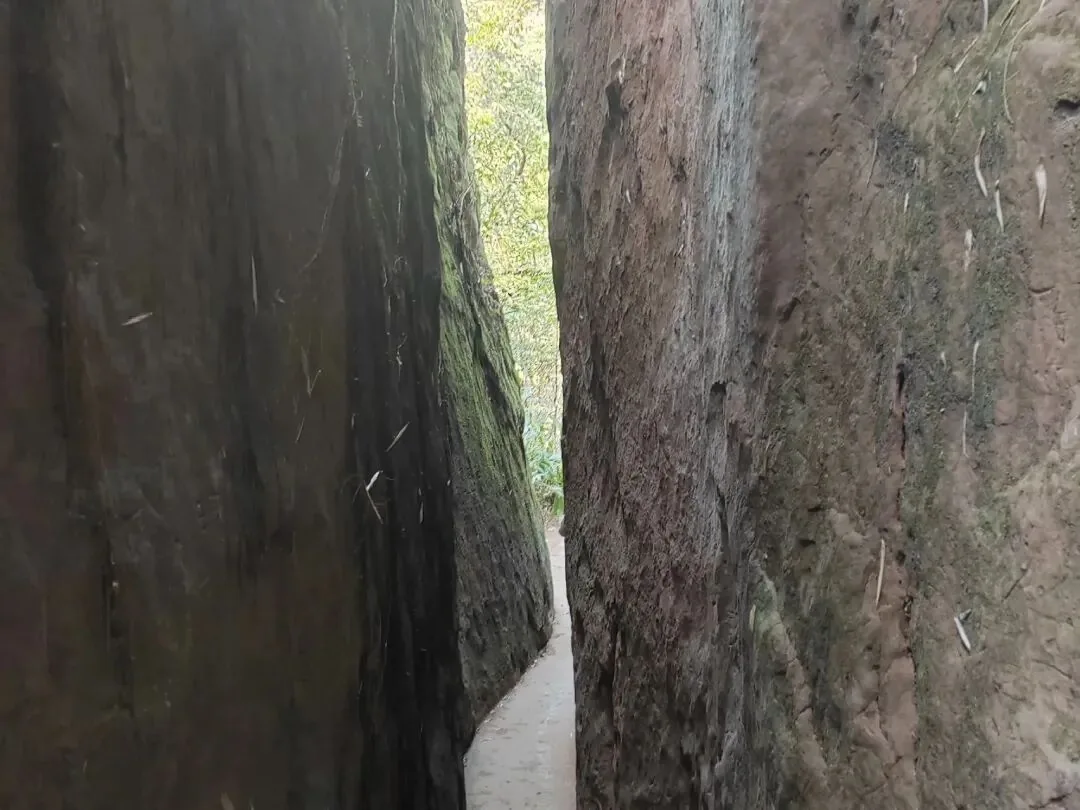
November is a genuinely comfortable time to visit Zhongyan Temple. Few tourists, beautiful scenery, full facilities, and plenty of places to rest along the way.
Full loop (3–4 hours): Mountain Gate — Huanyu Pool — Thousand Buddha Corridor — Immortal’s Bed — Lingshi Rock Bamboo Shoots — Middle Temple Jingde Zen Monastery — Deyun Temple — Back Mountain Cycad Valley — descend via Qingxi Stream Trail. 3–4 hours is plenty.
Short on energy? Take the shorter route (2 hours): Mountain Gate — Huanyu Pool — Thousand Buddha Corridor — Yuquan Rock — Jingde Zen Monastery — return the same way. Two hours is enough, and seniors and kids won’t be tired.
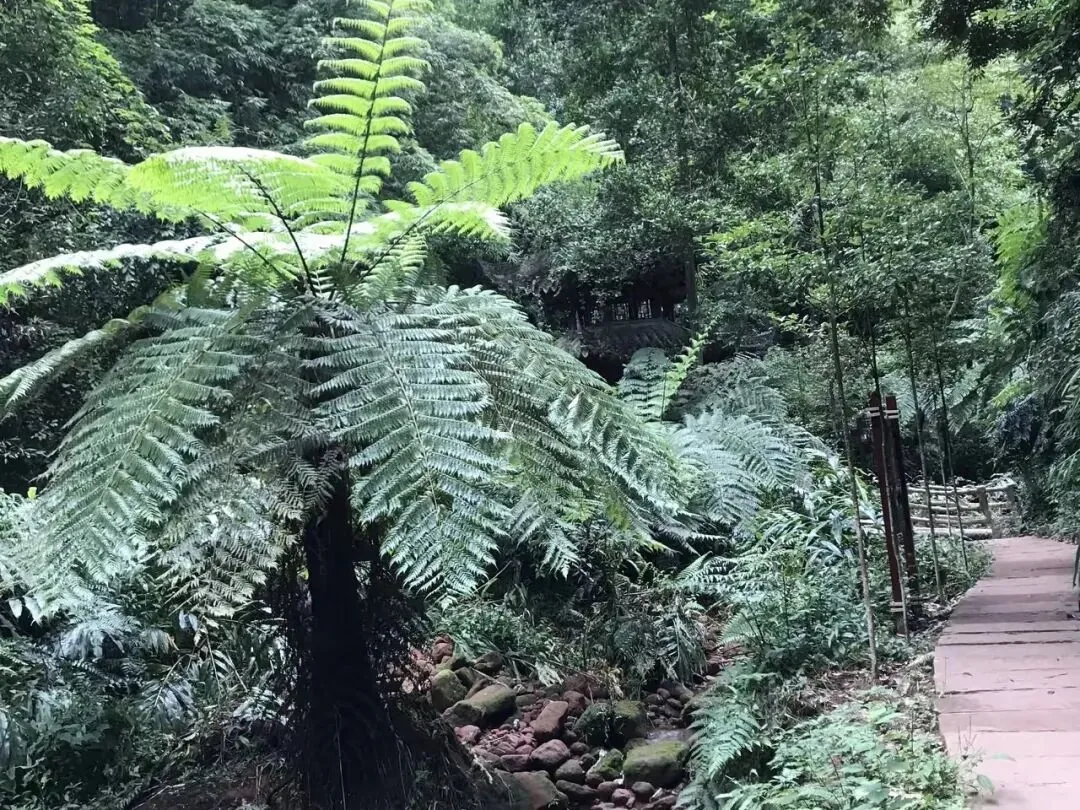
Pro tip: The Back Mountain Cycad Valley has Jurassic-era plants with feather-like leaves, growing in clumps along the stream. For lunch, head to the vegetarian hall at the foot of the mountain — it opens at 11:30, 10 RMB per person, two dishes and a soup, all-you-can-eat as long as you don’t waste food.
The Story That Stays With You
I kept thinking afterward about the line Su Shi wrote for Wang Fu: “By the little window, she was doing her makeup. We looked at each other wordless, only a thousand tears.”
He traveled through the storms of Bianjing and the miasma of Hainan in his life, but the softest part of his heart was always here in the Qingcheng mountains — a pool of fish, a wall of characters, a note handed over by a sixteen-year-old girl.
The mountain doesn’t age, the fish don’t age; what ages is the human world, and what’s new is the autumn wind.
As Dongpo himself said: “Life is like a journey, and I too am a traveler.”
November at Zhongyan Temple in Meishan is the most beautiful time of the year. Why not leave the noise behind for a while, follow in Dongpo’s footsteps, climb the stone steps, admire the red leaves, visit the ancient temple, and seek out a lingering dream? May this hike bring you a moment of peace in your fast-paced life — and when you return, you’ll carry a sleeve full of clear wind and a heart full of poetry. So, do you like this kind of Zhongyan Temple?
Practical Info
Address: Zhongyan Village, Ruifeng Town, Qingshen County, Meishan City.
Tickets: 27 RMB on-site; about 23 RMB if bought online in advance.
By public transport: Take the high-speed rail from Chengdu East to Qingshen Station (35 minutes), then a 20-minute taxi to the scenic area. There’s no direct bus, so pure public transport isn’t recommended.
By car: Driving is recommended. About 1.5–2 hours from Chengdu. Navigate to “Zhongyan Temple Scenic Area” (中岩寺景区). Roads are good and parking is plentiful.