Planning a trip to Chengdu’s Jinsha Site Museum? You’re in for a treat. This isn’t just another museum — it’s a 3,000-year-old archaeological site where the ancient Shu kingdom once thrived, and it completely rewrites what we know about early Chinese civilization. In this guide, I’ll walk you through how to book tickets, what to see (including the four national treasures), how to plan your visit without wasting time, and where to pick up souvenirs that are actually worth it. Let’s dive in — you’ll want to arrive hungry for history.
Why Jinsha Site Museum Should Be on Your Chengdu Itinerary
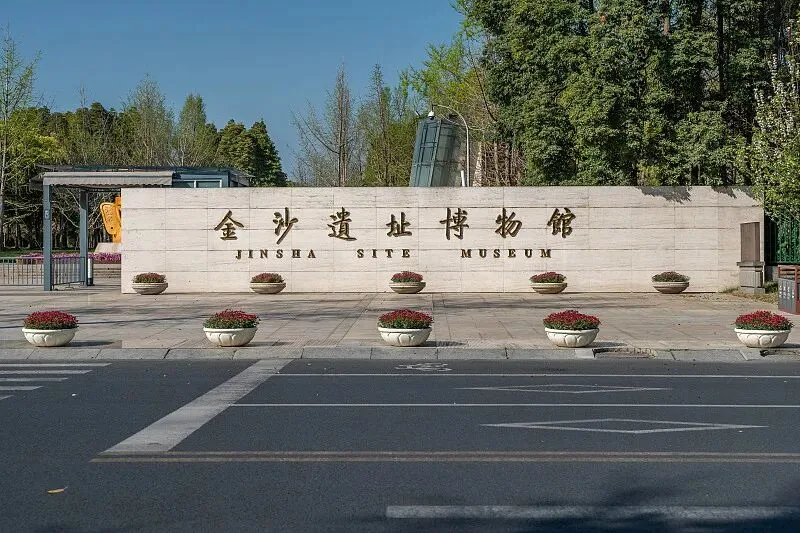
In 2001, construction workers in Chengdu stumbled upon something extraordinary: the remains of an ancient city that dates back 3,200 to 2,600 years. This was the capital of the Shu kingdom, a civilization that thrived along the upper Yangtze River long before the Three Kingdoms. The discovery pushed Chengdu’s urban history back a full 3,000 years — a huge deal for archaeology nerds and casual visitors alike.
Today, the site is a national first-class museum, one of the first national archaeological site parks, and a 4A tourist attraction. Spread across 300,000 square meters, it’s not just a museum building — you’ll find the actual excavation pits, exhibition halls, and a lush garden area. You can walk right along the original dig site and see where priests performed rituals three millennia ago, then step inside the exhibition halls to marvel at thousands of priceless artifacts.
Quick Facts: Location, Tickets & Hours
Address: No. 2 Jinsha Site Road, Qingyang District, Chengdu (成都市青羊区金沙遗址路2号)
Getting there: – Metro: Take Line 7 to Jinsha Museum Station, exit C. You’ll be at the south gate in a couple of minutes. – Driving: There are parking lots at both the south gate (Jinsha Site Road 2) and the north gate (Jinbo Road 3). Plenty of spaces, even on busy days.
Tickets: – Adult: 70 RMB (includes access to all exhibition halls and the park) – Student: 35 RMB with valid student ID – Free admission for children under 1.4m, seniors 70+, active military, and disabled visitors (with valid ID — you still need to reserve a free ticket in advance)
Opening hours: 9:00 AM – 6:00 PM (last entry at 5:00 PM). Closed every Monday except in January, February, July, August, and public holidays.
Pro tip: Book your ticket online in advance via the official WeChat account — you’ll skip the line and just scan your ID to get in.
How to Book Your Jinsha Site Museum Visit
Reservations are handled entirely online through the museum’s official WeChat account. Here’s the simple breakdown:
- Search and follow the official account “金沙遗址博物馆” (Jinsha Site Museum).
- Tap the “参观预约” (Visit Reservation) button in the bottom menu.
- Choose your date and time slot, enter your ID information, and complete the free or paid reservation.
- On the day, just swipe your ID card at the gate — no need to exchange for a physical ticket.
It’s quick, but make sure you do it in advance, especially during holidays or weekends, because slots fill up fast.
The Four Must-See Treasures
All four of the museum’s icon pieces are housed in Exhibition Hall 4, called “千载遗珍” (Thousand-Year Treasures). Don’t leave without seeing these:
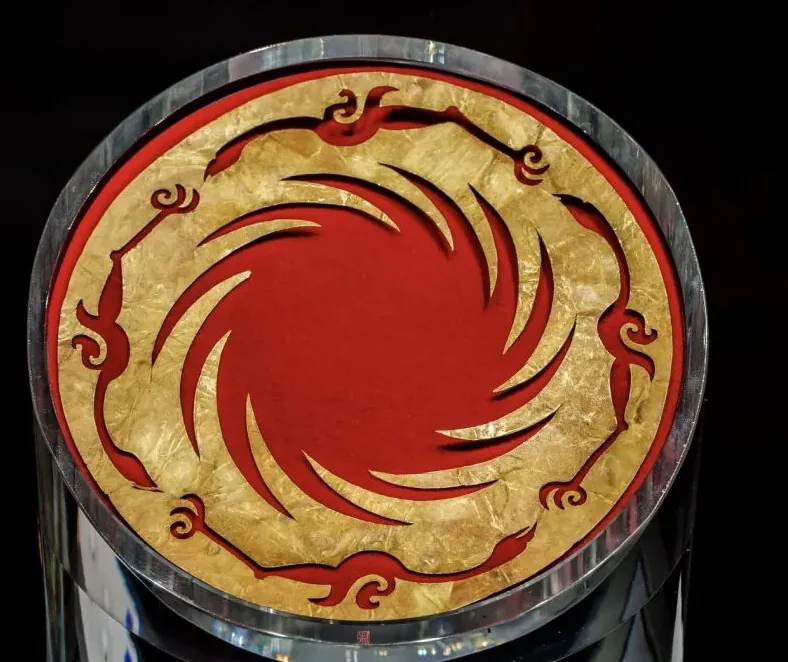
1. Sun Bird Gold Ornament (太阳神鸟金饰)
This is the museum’s mascot and the official symbol of China Cultural Heritage. It’s a delicate gold circle just 12.5 cm in diameter, weighing only 20 grams, and it’s ultra-thin — about 0.02 mm, roughly the thickness of a human hair. The gold is 94.2% pure, a testament to the incredible skill of ancient Shu artisans. The pattern shows four birds circling around the sun, reflecting the Shu people’s worship of the sun. In just 20 grams of gold, you can feel their romantic imagination about the cosmos.
2. Shang-Zhou Dynasty Giant Gold Mask (商周大金面具)
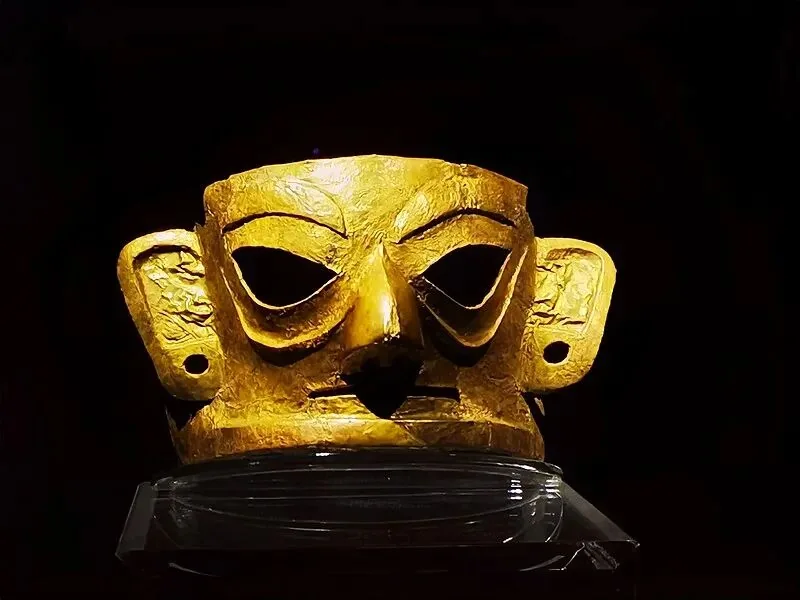
This is the best-preserved and largest gold mask from the Shang-Zhou period in China. It’s 19.5 cm wide and bears a resemblance to the bronze masks from Sanxingdui, but the craftsmanship is even finer. With its clear facial contours and open-work design for the eyes and ears, it feels both mysterious and majestic — the pinnacle of ancient Shu goldwork.
3. Ten-Section Jade Cong (十节玉琮)
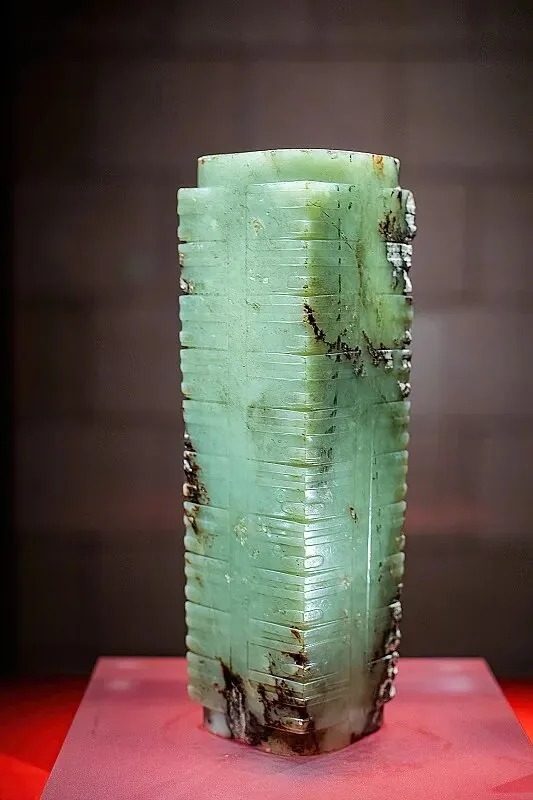
This jade ceremonial object is unique in all of China — no other museum has a jade cong in this same vibrant green hue. It’s divided into ten sections and decorated with 40 mysterious symbols. Originally a ritual object from the Central Plains, its discovery here proves that as early as 3,000 years ago, the Shu civilization had deep exchanges with the Central Plains. It’s a powerful symbol of cultural fusion.
4. Bronze Standing Figure (青铜立人)
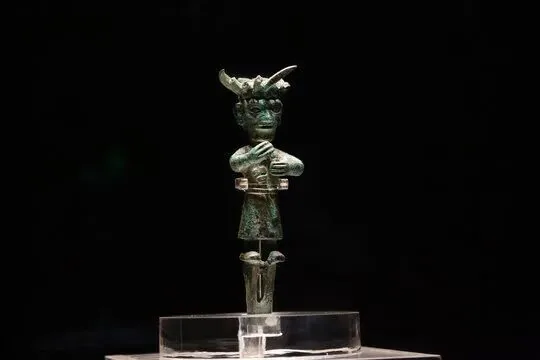
This small bronze figure is strikingly similar to the larger ones found at Sanxingdui. His fists are hollowed out, as if he originally held a ritual instrument. With a solemn expression and feet set on a base, he seems to be performing a sacred ceremony — you can almost see the ancient Shu priest in action.
Local insight: The exhibition hall is always busy, so if you want these treasures to yourself, head straight there first thing in the morning.
A Perfect 3-Hour Walking Route at Jinsha Site Museum
Here’s a no-backtracking route that covers everything in about three hours — comfortable and packed.
- Enter from the South Gate → Start with the Relics Hall (40 minutes) This is the actual excavation site of the Jinsha sacrificial area. You’ll walk on a glass floor directly over the ancient pits, looking down at the remains of rituals performed 3,000 years ago. It’s spine-tingling.
- Move to the Exhibition Hall (1 hour) Follow the halls in order: start on the second floor with “远古家园” (Ancient Homeland) to learn about the living environment, then “王都剪影” (Glimpses of the Capital) for daily life scenes, “天地不绝” (Heaven and Earth) for ritual artifacts, and finally the star of the show — “千载遗珍” (Thousand-Year Treasures) where the four treasures live.
- Relax in the Garden Area (40 minutes) After the indoor halls, stretch your legs outdoors. First stop: the Wumu Forest (乌木林), where black tree trunks from thousands of years ago create a dramatic, photogenic backdrop — a favorite spot for hanfu (traditional Chinese clothing) photos. Then head to Jinsha Deer Park to see the cute deer (no feeding, please).
- Finish at the Gift Shop (20 minutes) Grab souvenirs, collect stamps, and exit through the south gate. You’re done — three hours, zero wasted steps.
Souvenirs You’ll Actually Love (and Where to Get Them)
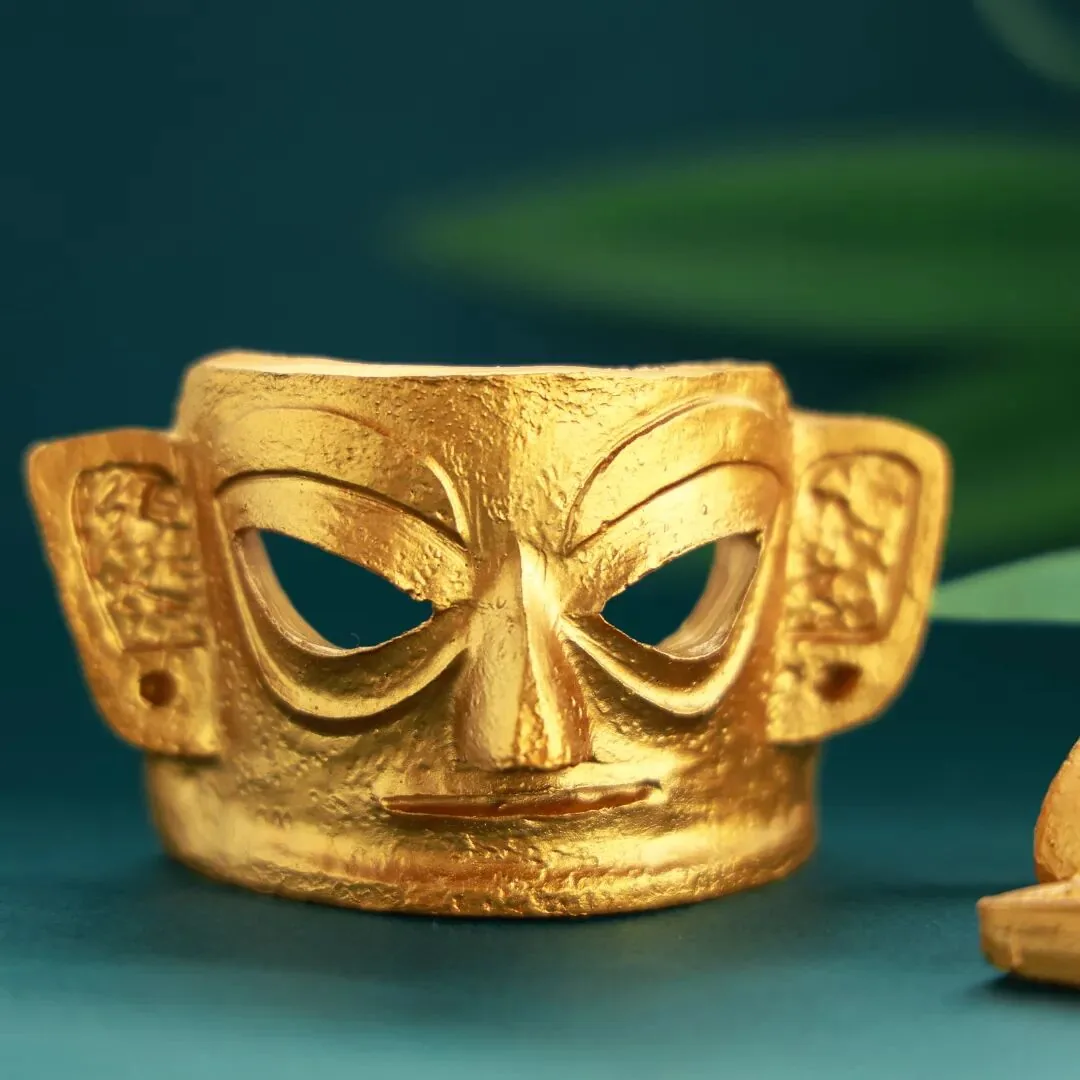
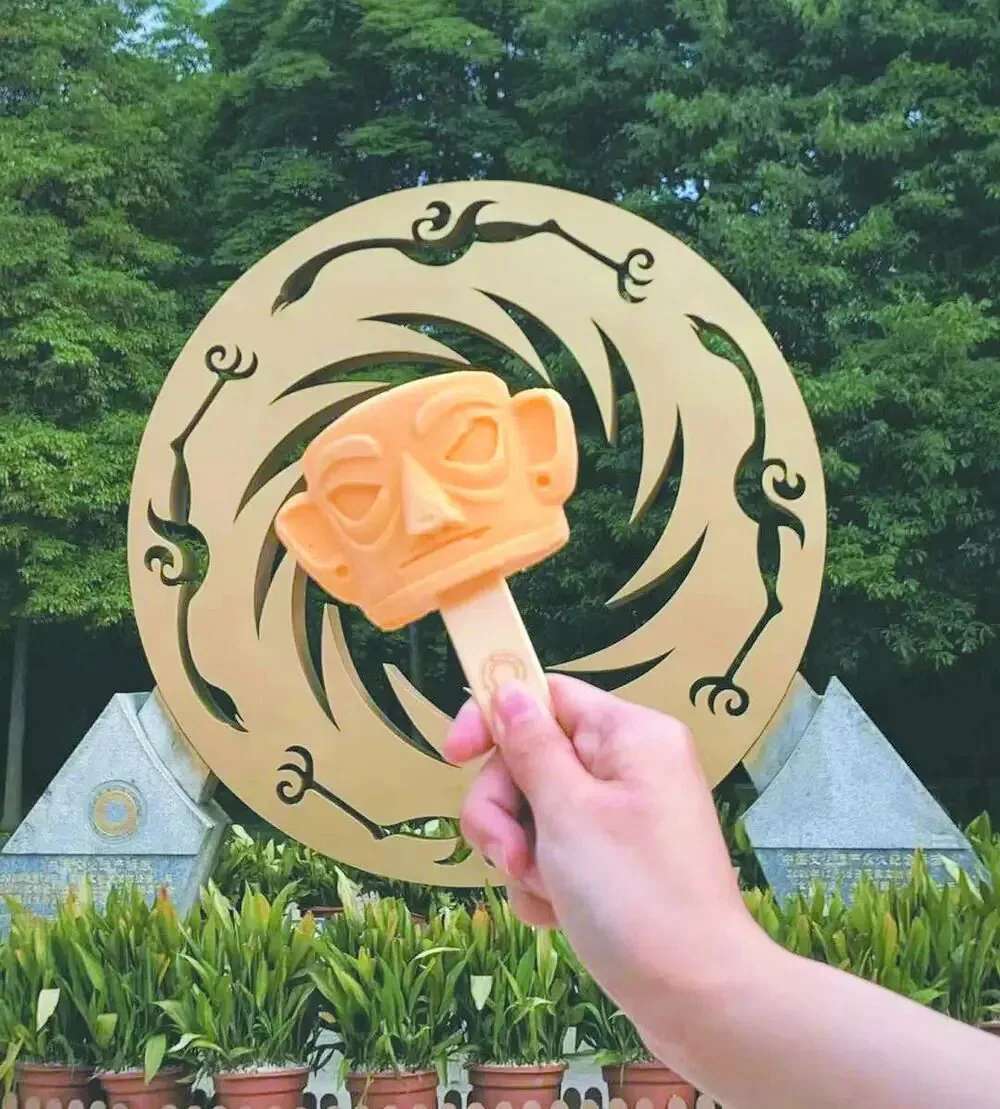
The museum’s gift shop is surprisingly good. Here are the standouts:
1. Gold Mask 3D Fridge Magnet — A mini replica of the great gold mask, heavy and detailed. It’s affordable and makes a perfect little keepsake to slap on your fridge back home.
2. Colorful Deer Brass Bookmark — Deer are a classic Jinsha motif, and this bookmark is a work of art. Made of brass with a colorful deer design and a tiny chain, it adds a bit of ceremony to reading. At 38 RMB, it’s a great gift or self-buy.
3. Gold Mask Ice Cream — The ultimate photo op. This popsicle mirrors the gold mask shape, and it looks fantastic in shots against the Sun Bird sculpture or anywhere in the museum. Flavors like mango and milk — a refreshing break on a hot day.
4. DIY Custom Medallion — Want something one-of-a-kind? At the visitor center, use the AI printer to upload your photo and turn it into a custom medallion with your own text. Takes about a minute — a truly personal keepsake.
Where to shop: – On-site: The museum’s own souvenir area. – Off-site: Chunxi Road’s Jinsha cultural shop (金沙文创春熙店) or the Jinsha Culture Experience Hall at the Intangible Cultural Heritage Expo Park. – Online: Search “金沙遗址博物馆文创” on Taobao or Xiaohongshu for the official store — you can order everything to your door.
Pro tip: Avoid the stalls outside the museum gate. They sell fake “Jinsha souvenirs” that are poor quality and overpriced. Only buy from official shops.
Jinsha Site Museum: Mistakes to Avoid & Local Tips
Don’t fall for these traps: – ❌ Fake souvenirs at the gate — as mentioned, always buy from official channels. – ❌ Unofficial guides — some may give wrong info or push you to shop. Go for the museum’s official guides or rent an audio guide instead. – ❌ Monday visits (except summer months & holidays) — double-check the calendar so you don’t show up to a locked gate. – ❌ Overpriced replicas — some “museum replica artifacts” cost thousands of RMB but aren’t worth it. The small souvenirs carry more charm.
Good-to-know tips for a smooth visit: – ✅ Rent an audio guide at the south gate entrance — 20 RMB, and there’s even a children’s version. Makes a huge difference in understanding the artifacts. – ✅ Use the free luggage storage if you have bags — no need to drag them around. – ✅ Arrive at opening time (9 AM) on holidays — by 10 AM, the treasure cabinets are packed with people. Getting there early gives you space and better photos. – ✅ Bring an empty water bottle — there’s free drinking water in the museum, so you don’t have to buy pricey bottled water. – ✅ Wear comfortable shoes — you’ll be on your feet for hours. Leave the heels behind.
Meet the Interactive Characters (NPCs) at Jinsha Site Museum
The museum loves adding a theatrical twist to history. While these experiences are often tied to special events, here’s what you might encounter:
- Special Exhibition NPCs: During themed shows like the recent “青·韵” (Green Charm) exhibition, you might meet staff dressed in Song Dynasty hanfu, who will teach you about incense burning and tea tasting, and share stories of Song culture. For the ancient Greek exhibition, they even had an AI digital human named “Athena” — the first museum AI in Sichuan — you could talk to her and take photos together.
- Immersive Drama NPCs: The museum has an interactive drama where guides transform into characters like “Tang Zhixu” (a Tang Dynasty visitor) or a tea farmer, bringing Tang Dynasty life to life. Sometimes there’s even a “Li Bai” who tells stories from the poet’s perspective.
- Souvenir Shop NPCs: At the Chunxi Road shop, a “Shu priest” NPC performs and quizzes visitors — answer correctly and win small prizes. He’s a favorite for selfies.
- Cultural Route NPCs: Occasionally, the museum teams up with city buses for special cultural routes, with a Shu priest on board sharing stories as you visit landmarks. Keep an eye on the official announcements.
So, whether you’re a history buff, a photography lover, or just curious about ancient China, Jinsha Site Museum is a must-visit. Plan ahead, go early, and let yourself be transported back 3,000 years. You won’t forget it.
Planning more in Chengdu? See our Du Fu Thatched Cottage guide.