A Local’s Guide to Chengdu’s Counting Streets: A Day of Eating and Exploring in Shaocheng
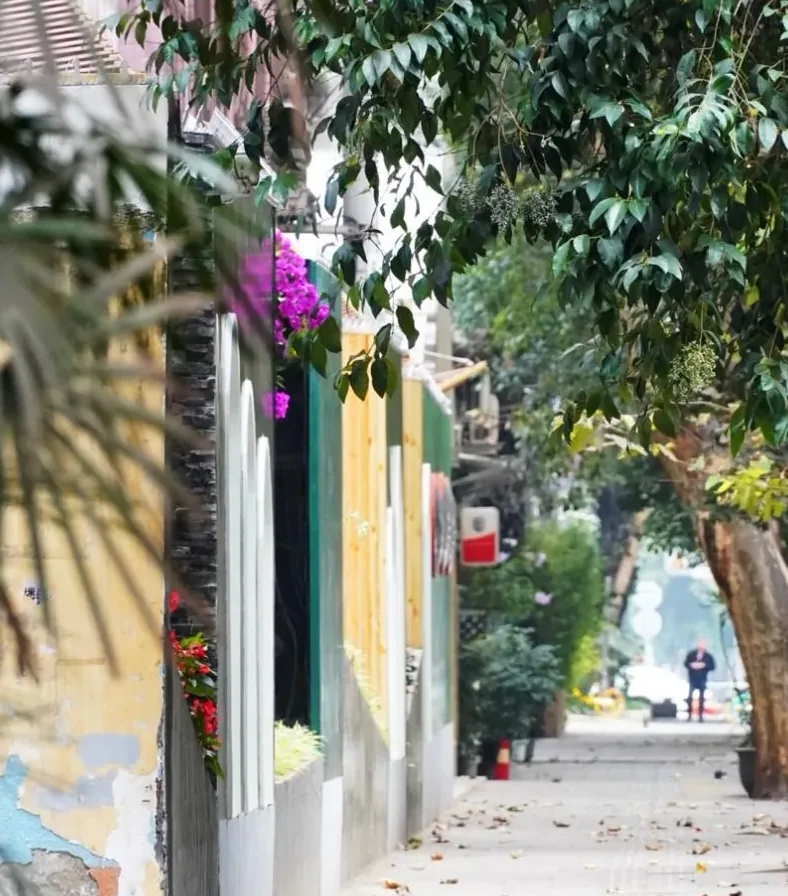
Done with Kuanzhai Alley’s crowds and souvenir shops? The real Chengdu hides right behind it, in the old lanes locals call the Chengdu counting streets. These narrow streets—Ximapeng, Erdao, Sandao, and Sidao—make up the quieter back half of the historic Shaocheng district. Here you’ll find old courtyards, family kitchens, teahouses, and street eats that rarely make tourist lists. This guide takes you on a day-long eating and walking tour through this hidden pocket of Chengdu.
The Chengdu Counting Streets: Shaocheng’s Hidden Food Trail
The “counting streets” are a tangle of winding lanes and maze-like alleys just behind Kuanzhai Alley. To locals, they’re simply home. To visitors, they’re a chance to experience Chengdu’s unhurried pace, where the food is honest and the atmosphere is pure old-town charm.
Start on Ximapeng Street (西马棚街): Old Courtyards, Braised Beef, and Tea
This street’s name harks back to its days as the site of the old imperial horse stables. Today, the horses are long gone, but the street keeps that old-Chengdu character: low-rise houses, elderly neighbors fanning themselves on doorsteps, and plenty of quiet corners.
古道茶卤牛骨 (Gudao Tea-Braised Beef Bones): An Old-School Courtyard Feast
Don’t be fooled by the unassuming entrance—walk into this old courtyard restaurant and you’ll find five or six tables tucked inside, with more seating extending deeper in. Look up, and you might notice dried white radish strips hanging on the walls; they’re used for soup, served with a chile dipping sauce—a very traditional Sichuan touch.
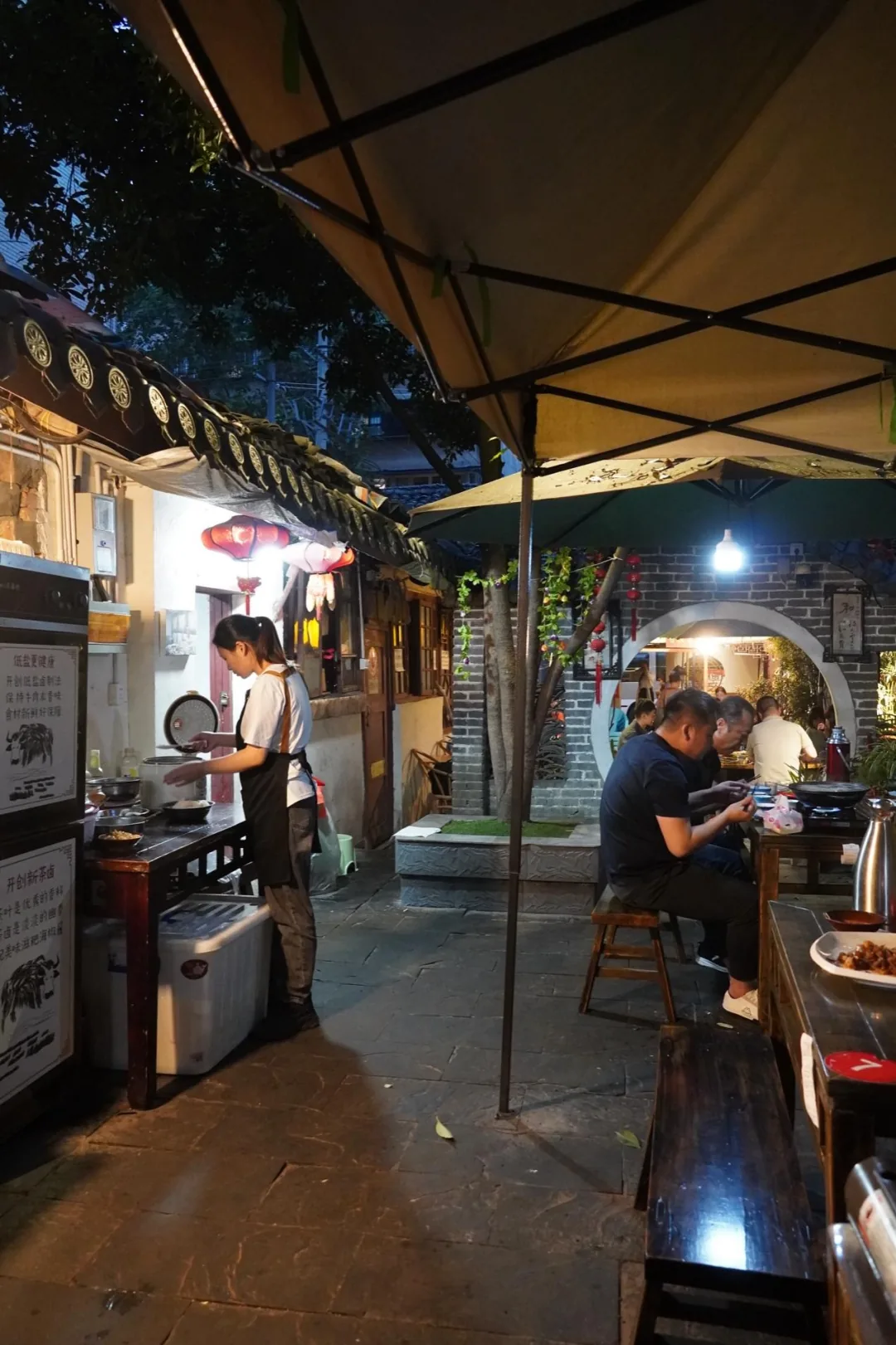
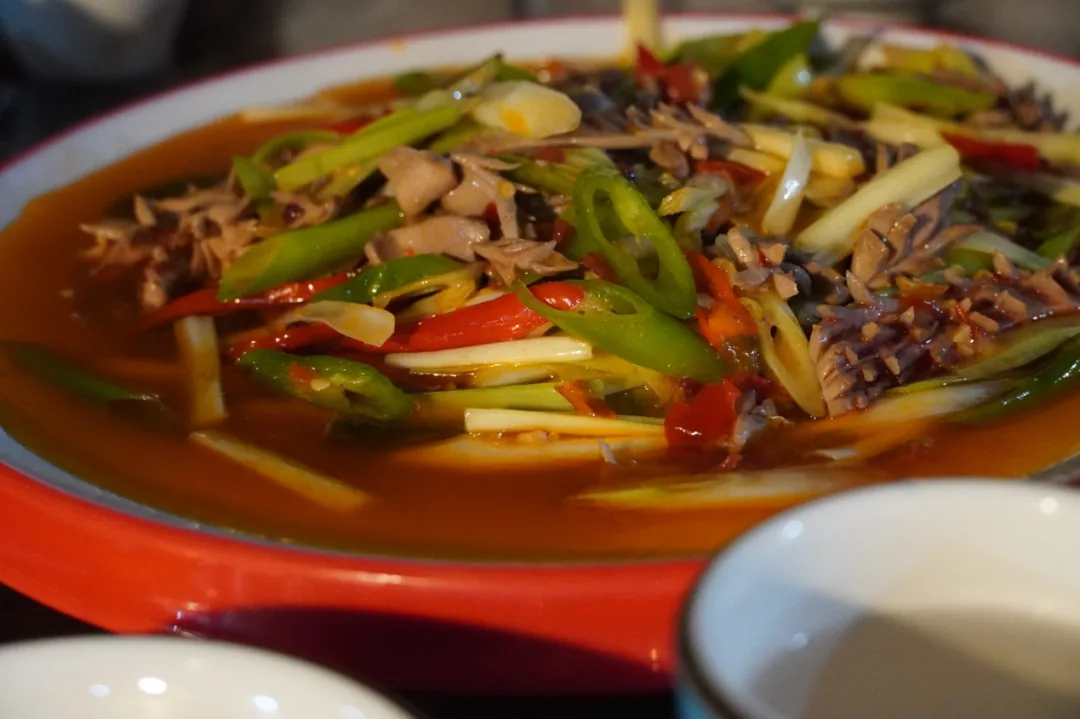
The handwritten blackboard menu is wonderfully casual, giving the whole place a nostalgic, home-cooked feel.
What to order:
- Tea-braised yak bones (茶卤牦牛肉) — the house specialty, alongside braised tripe, tendon, beef ribs, and big marrow bones.
- Old-brine beef shank bones — split open, piled with tender meat. Dip in dry chile powder for pure savory bliss. Don’t forget the straw—suck out every last bit of marrow.
- Stir-fried pork kidneys (爆炒腰花) — fiery, fresh, and cooked with just the right heat. Zero gamey taste, perfect over rice.
- A simple veggie soup — to balance the richness.
Local insight: This is old-school Chengdu home cooking—no frills, just incredibly satisfying flavors.
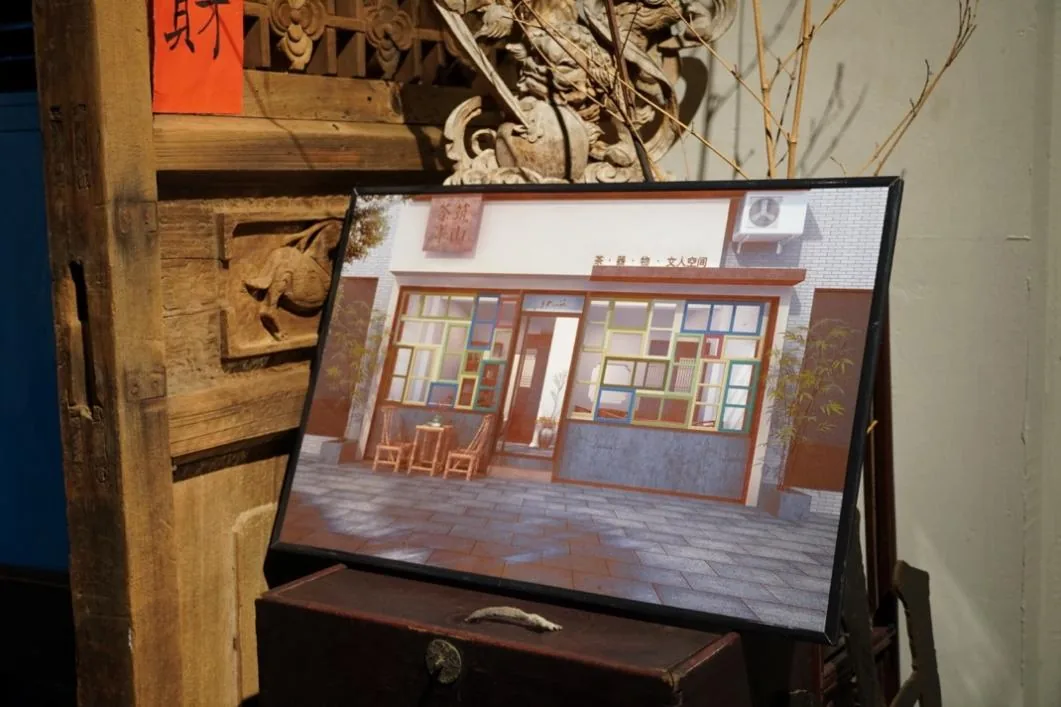
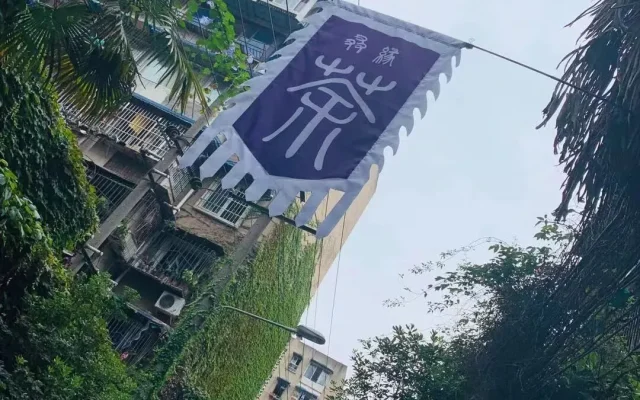
筑山茶事 (Zhushan Tea House): Tea in a Patchwork Wonderland
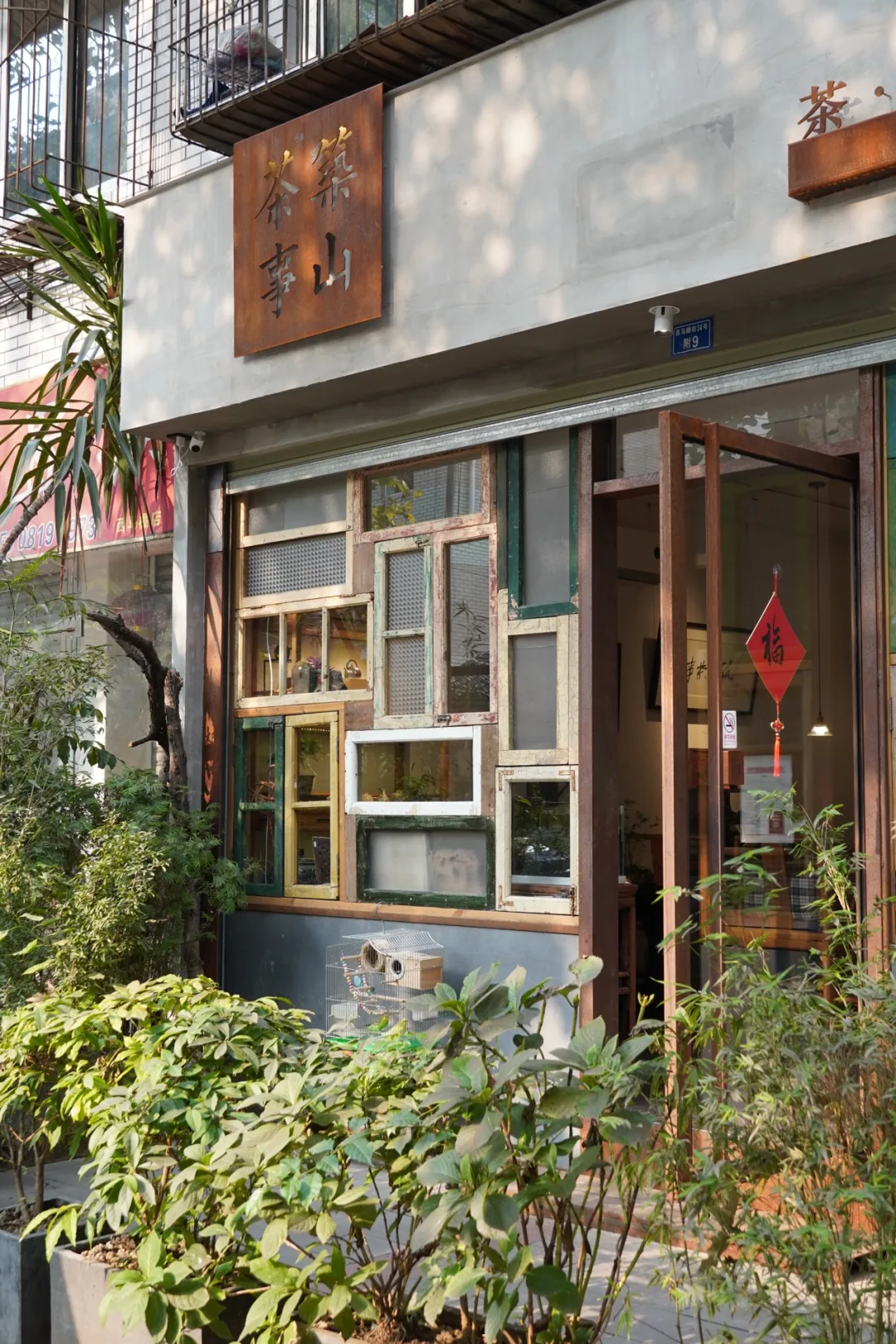
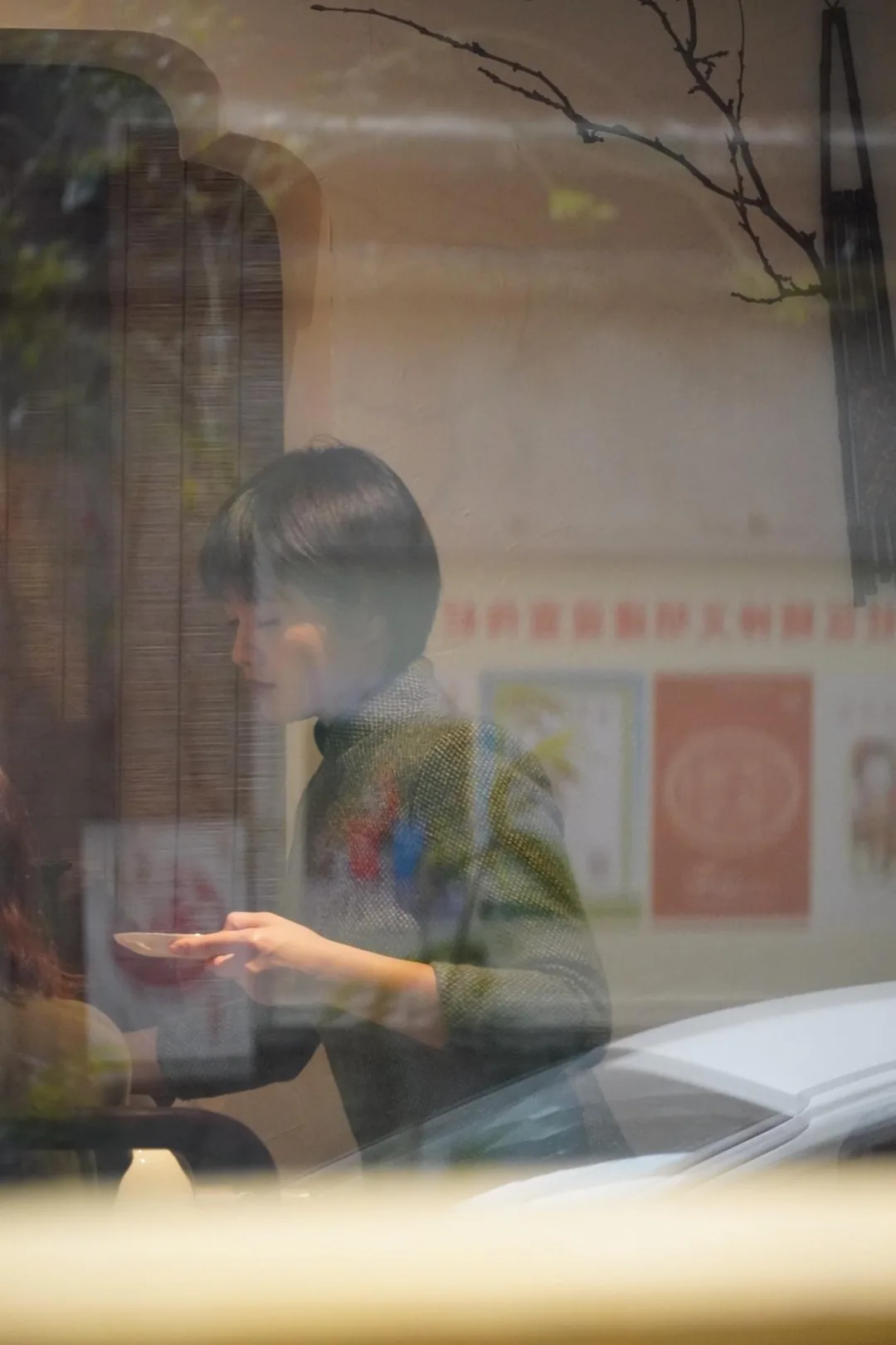
Right across from the beef joint is this delightful teahouse, with a facade pieced together from salvaged old doors and windows. Step inside and you’ll find a carefully curated space where tea, ceramics, and objects come together in perfect harmony.
They serve white tea, Pu’er, Phoenix oolong (Fenghuang Dancong), and more. Each pot comes with two cups, ranging from ¥88 to ¥398—something for every budget. A staff member will brew the tea for you; all you need to do is find a comfy spot and let the peace wash over you. This, right here, is that famous Chengdu “stealing a half-day of leisure” vibe.
Wander Over to Sandao Street (三道街): Expect the Unexpected
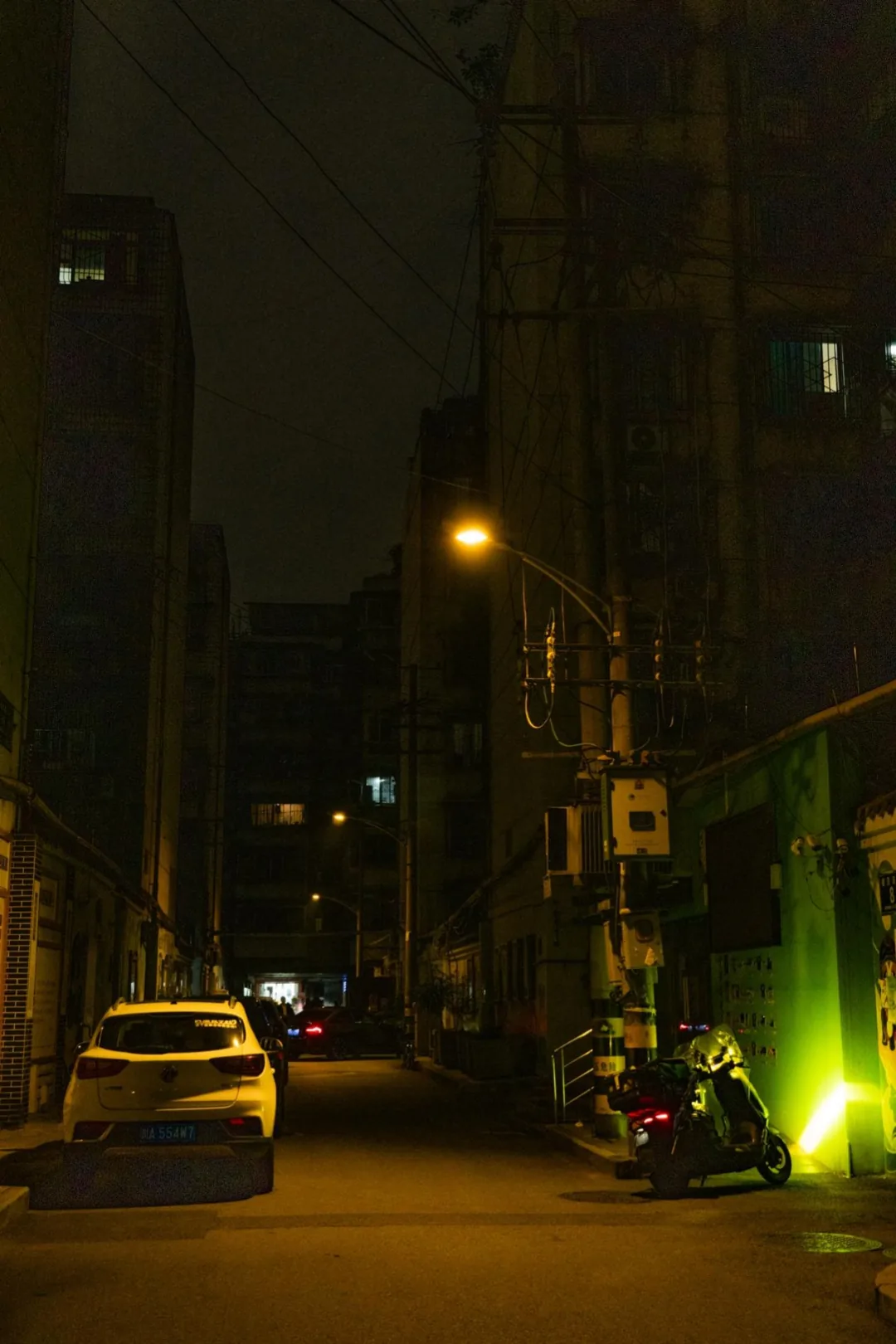
The “counting streets” blend into one lively neighborhood, and Sandao Street is its best example: blue-and-white awnings, decades-old noodle shops, and artsy courtyards existing side by side.
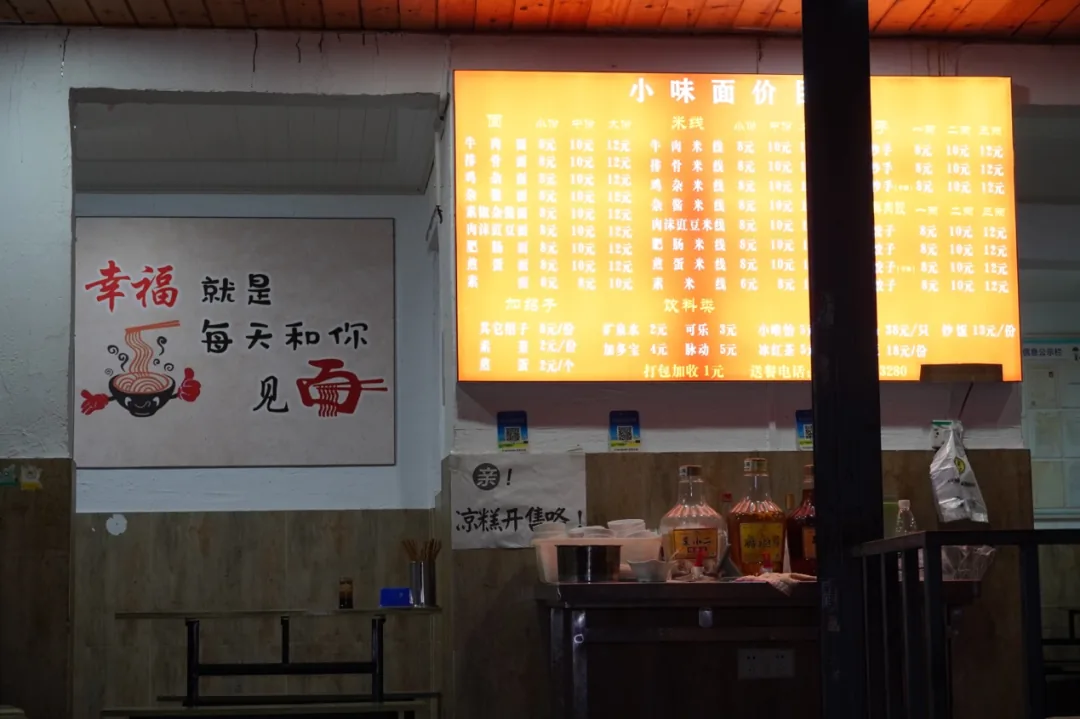
The delight is in the contrasts. On one corner, a humble noodle shop sells bowls for ¥8; a few steps away sits the elegant Jingzhu Zhu’an (晶泽竹菴) cultural courtyard, where a meal can run ¥240 per person. A casual bowl of noodles or an evening of fine food, tea, and art? Both are valid, and both promise a lovely night.
老宅子肥肠鱼 (Laozhaizi Feichang Yu): A Fiery Twenty-Year Institution
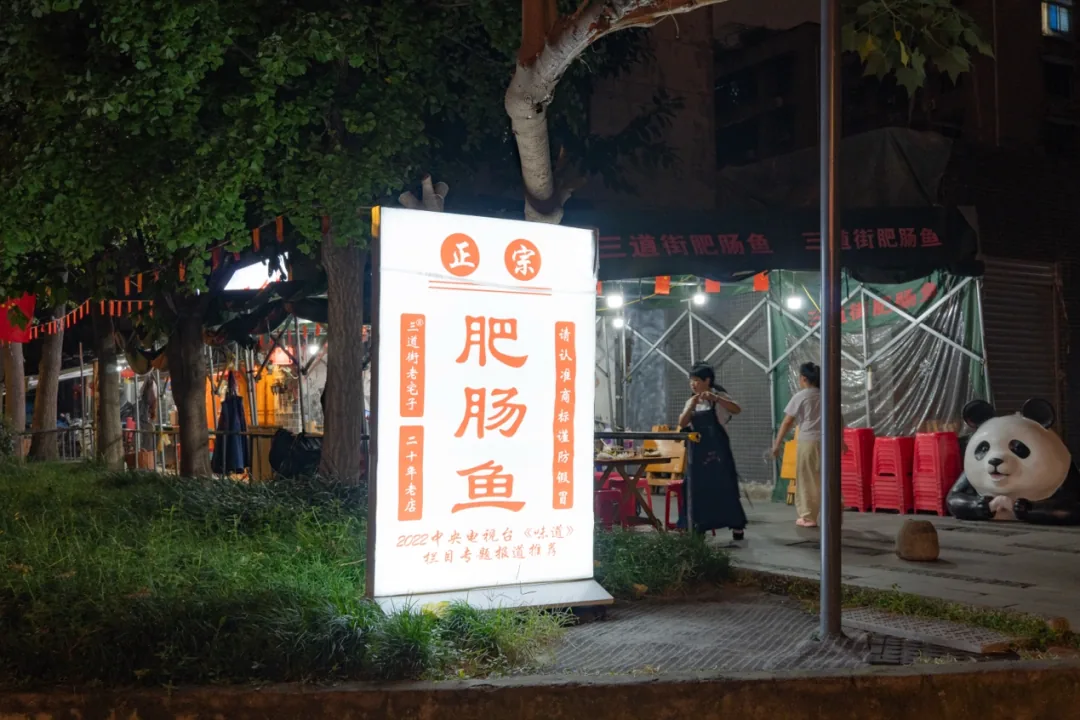
A certified member of Chengdu’s famous “fly restaurants” (苍蝇馆子—amazing food, zero fuss), this spot has been serving the same beloved combination for twenty years. The star? Braised fish and pork intestines—a classic pairing that locals swear by. You’ll also find crispy fried pork (xiansu surou), rabbit heads, and Leshan-style sweet-glazed duck.
The seating is under a canopy, with that classic street-stall feel. In winter, there’s nothing better than digging into a bubbling, spicy pot of fish and intestines to chase away the chill. The fish is tender and flavorful; the intestines are spotlessly clean, springy, and soak up every bit of the broth.
Pro tip: The texture of well-made feichang is both soft and delightfully bouncy. Don’t knock it until you’ve tried it!
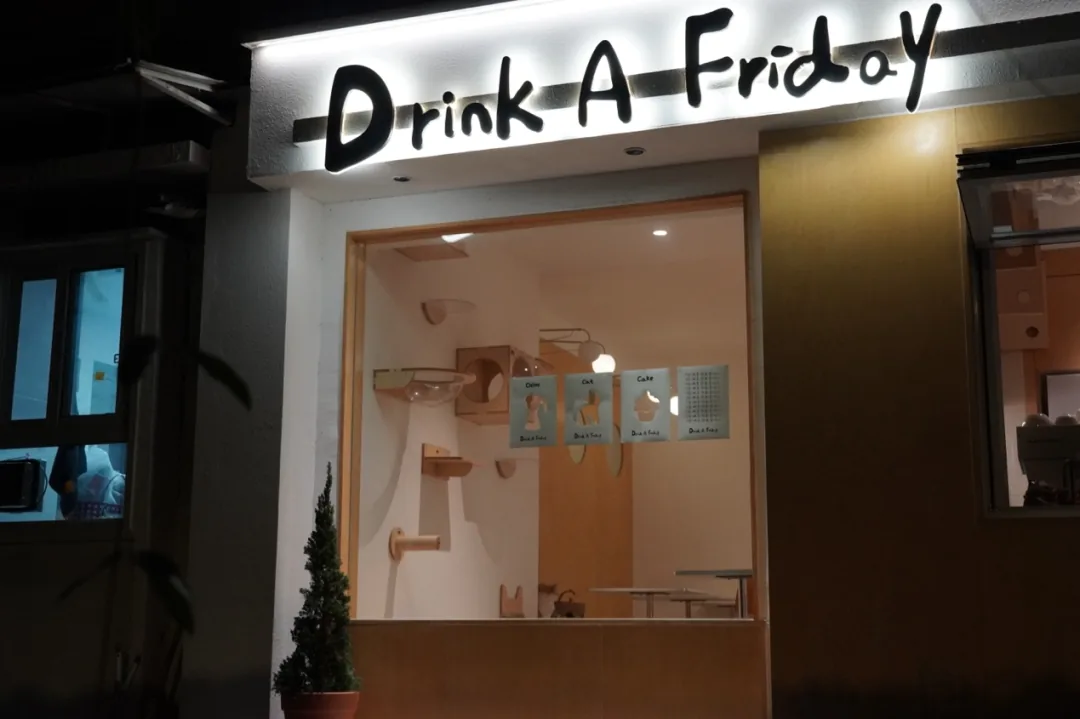
Drink a Friday: Coffee, Cats, and Pure Cures

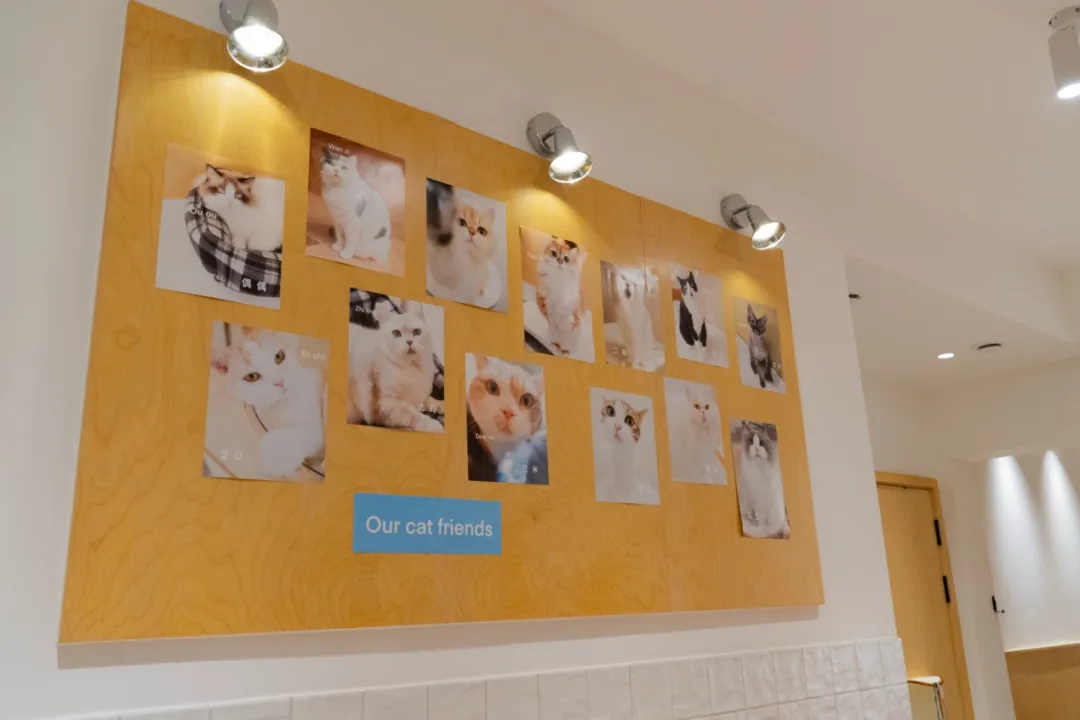
Half the fun of this place is the rituals: shoe covers, hand sanitizer, and then… fifteen gloriously round, well-fed cats. Yes, the shop cats here are all “gas-tank shaped” (as locals affectionately put it)—each one plump, glossy, and magnificently unbothered. Their “ID cards” are on the wall so you can call them by name (though they probably won’t respond—they’re cats).
Some nap on tables, some people-watch from the sofa by the window, and one might just plop down on your lap.
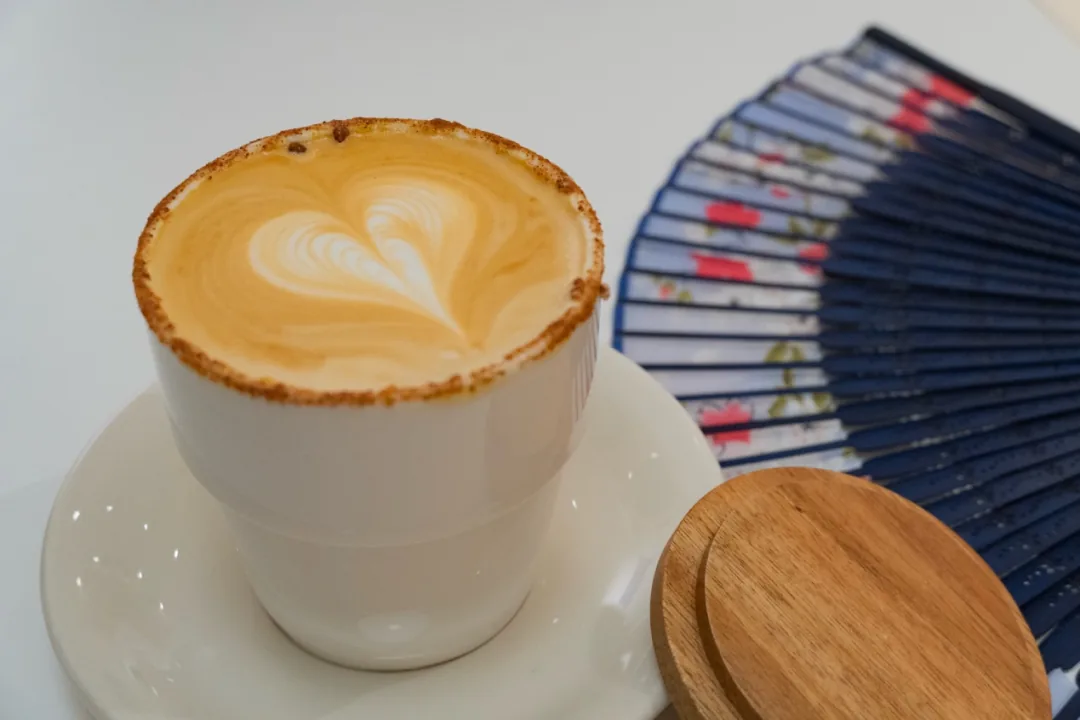
What to order: The salted yuzu latte is a seasonal pick when yuzu is ripe. The rim is crusted with salted yuzu, giving each sip a briny, slightly bitter citrus kick. The shop even provides lids so you can cover your drink and keep out rogue cat fur.
Also worth knowing: This is the Sandao Street branch—there’s another location on Zhazi Street nearby, famous for its Maine Coon who likes to sit by the door and majestically judge every passerby. Go say hi if you’re in the area.
Slow Down on Sidao Street (四道街): A Quiet Corner of Comfort
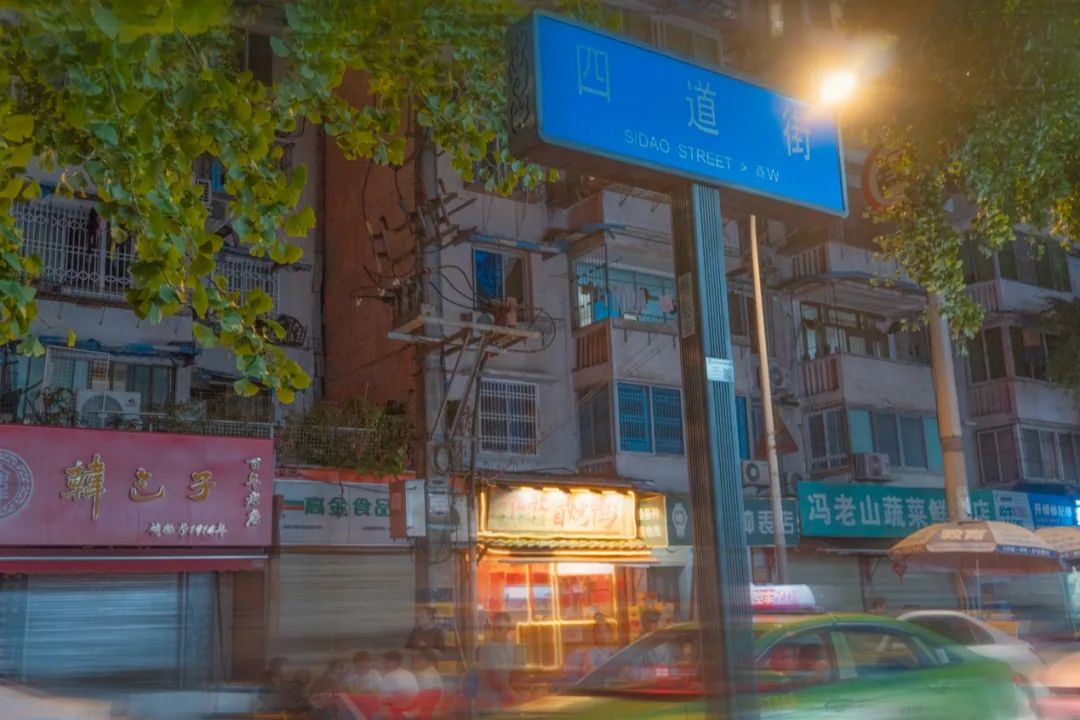
Compared to its neighbors, Fourth Street feels quieter, softer—a true “slow living” pocket. The food scene here is neatly bookended: a satisfying Mao Kaoya joint at one end, a sweet little family canteen at the other.
钟晓敏冒烤鸭 (Zhong Xiaomin Mao Kaoya): Beijing Duck, Sichuan Style
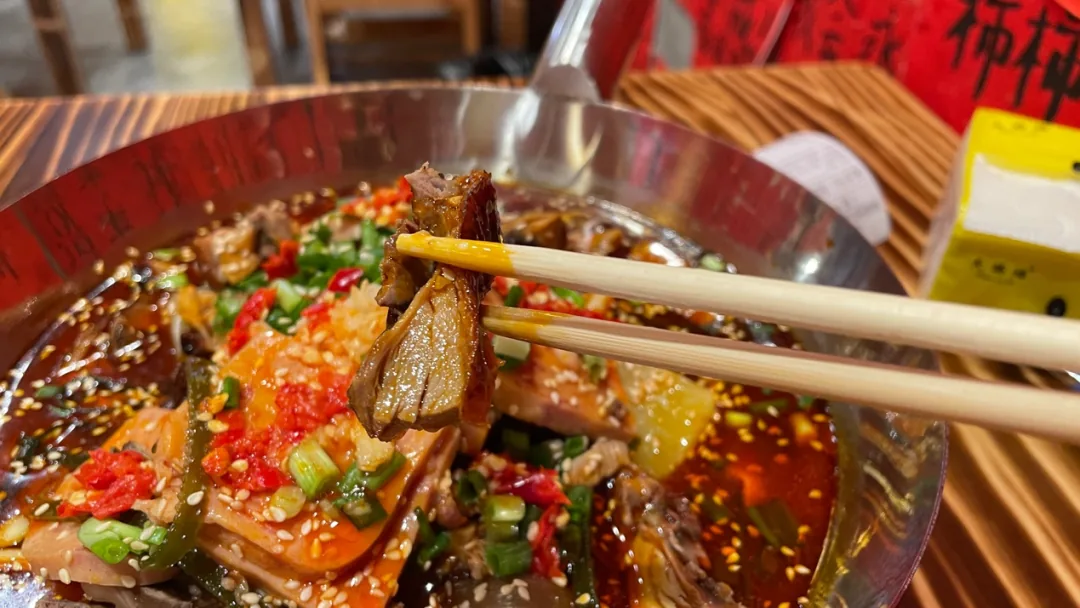
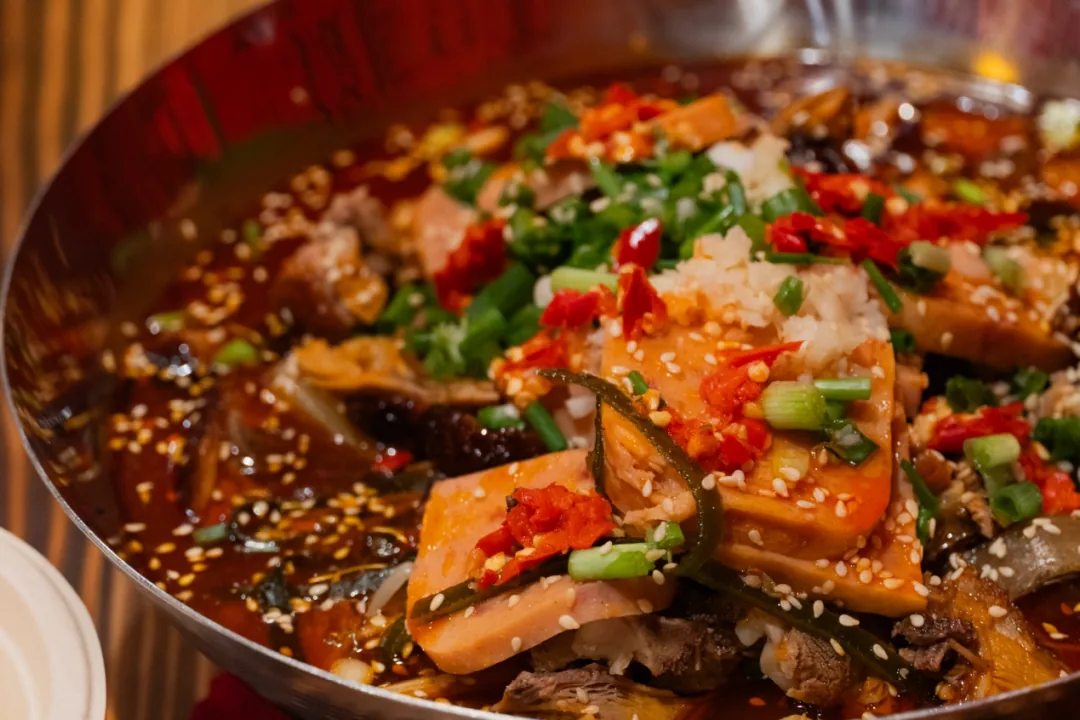
Mao Kaoya is Chengdu’s brilliant mashup: the crisp skin and juicy meat of Beijing roast duck, dunked into the bubbling, spicy broth of Sichuan’s famed “maocai” (poached vegetables). The setup here is refreshingly simple: a big wok by the door, a chalkboard menu, and the owner cheerfully calling out to passersby.
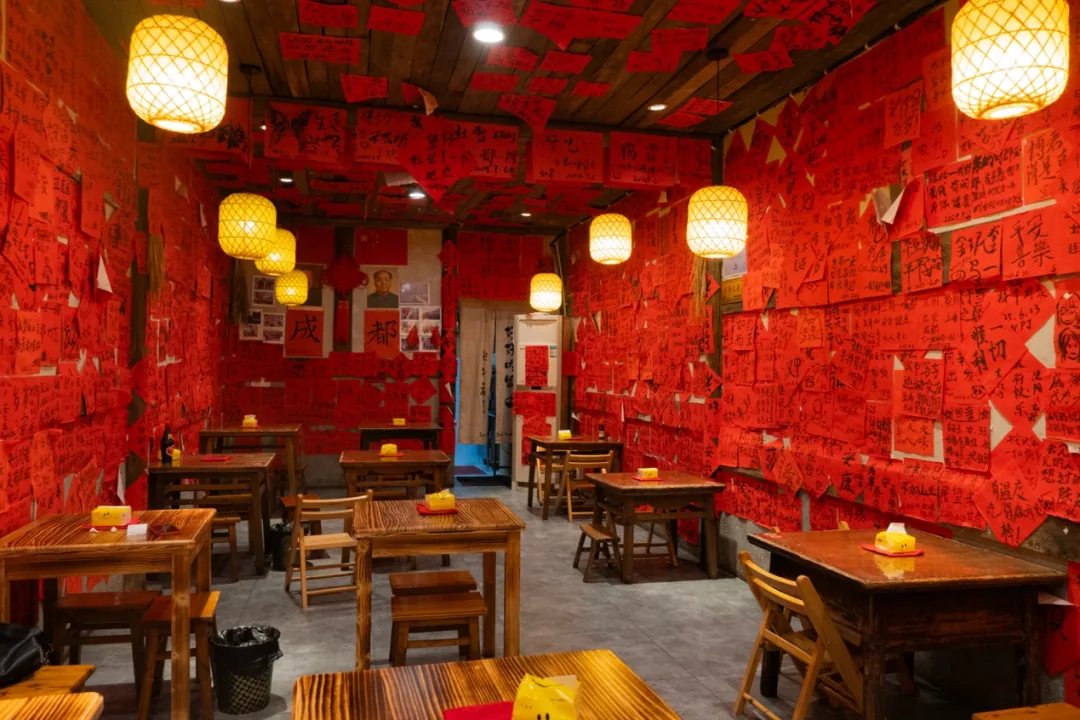
Inside, the walls are completely covered in red paper notes—scribbled well-wishes, rave reviews, and little snapshots of happiness from diners all over. It’s a living guestbook of good food and good vibes.
What to order: The single-person set meal is a steal at about ¥35 (including an extra ¥8 portion of luncheon meat)—and the portion is genuinely huge. The duck is succulent, the broth bringing both fresh-chile heat and that signature Sichuan numbing spice. Underneath, the veggie sides are the real treasure: lotus root, potatoes, bean jelly, seaweed—all soaked in flavor.
峯食记食堂 (Fengshiji Canteen): A Tiny Shop with a Big Heart
Despite the “canteen” name, this little spot at the end of the street is achingly cute. The centerpiece? A wooden door painted with a festive Chinese New Year boy (nianhua doll) sitting with a fan—so charming you can’t help but step inside.
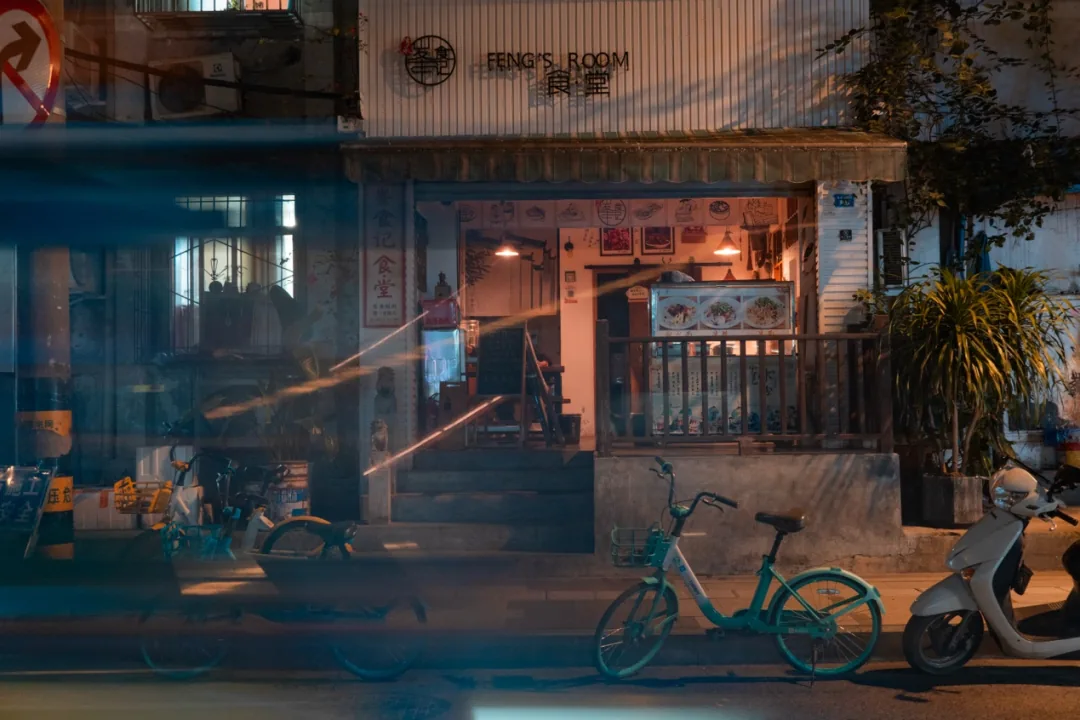
What to order: The menu is short and sweet—dumplings (jiaozi), wontons (chaoshou), and sweet-sour noodles (tian shui mian). For more, the spice-braised rabbit and chile beef jerky require advance ordering.
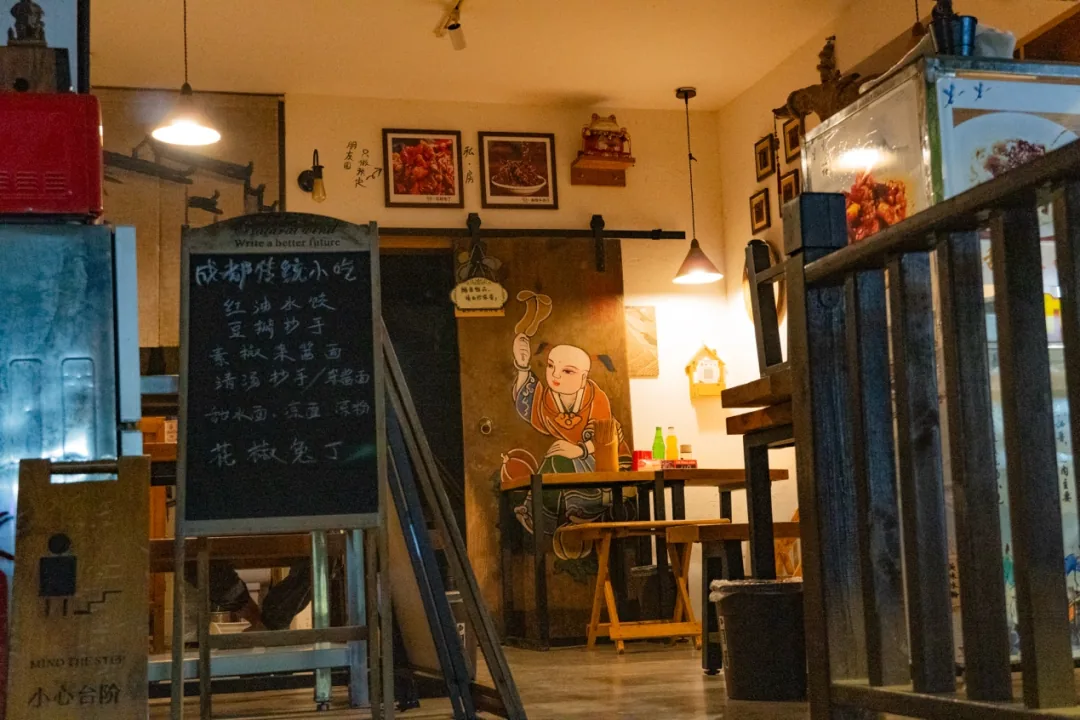
Watch out: Opening hours are limited to Monday through Saturday, 9:00 AM – 2:00 PM. Get there early or you’ll miss out!
Your “Counting Streets” Game Plan
The great thing about this area? It’s all walkable. Here’s how to structure your day:
- Start from the north gate of Kuanzhai Alley
- Head to Ximapeng Street first (tea and braised beef)
- Make your way to Fourth Street, then Third Street
- Wind up on Second Street to round out the loop
The route is quiet, traffic-light, and perfect for strolling. If you’re looking to eat like a local, skip the tourist crowds and duck behind Kuanzhai Alley—this is where Chengdu lives, breathes, and cooks. And trust me, the best surprises always come from the little places tucked away in these old lanes.