The Quiet Temple in Chengdu Where 5 RMB Gets You a Full Vegetarian Meal
Chengdu has no shortage of sights, and visiting an old temple is always a good choice. Around the city, there are plenty of famous ones — Daci Temple, Wenshu Monastery, Zhaojue Temple — but there are also many lesser-known, tucked-away temples where tourists rarely go. These spots stay peaceful and quiet.
Zitong Temple (梓橦寺) in Chengdu’s Tianfu New Area is exactly that kind of calm, relaxing place — a hidden temple in Chengdu worth seeking out.
A Hidden Temple Most People Have Never Heard Of
Zitong Temple sits in Baihe Village, Baisha Street, Tianfu New Area. Many locals still call it Shuangliu Zitong Temple. First, a quick correction: it’s 梓橦寺 — the “橦” has a wood radical, not the water radical “潼”. That one-stroke difference can easily make you think of Zitonggong metro station in Pidu District, west of the city.
At first glance they look similar, and you might assume they’re connected — but they’re completely unrelated, just similar names. If you’re navigating, pay close attention or you’ll end up far off course. That’s the temple primer out of the way; now let’s talk about the temple itself.
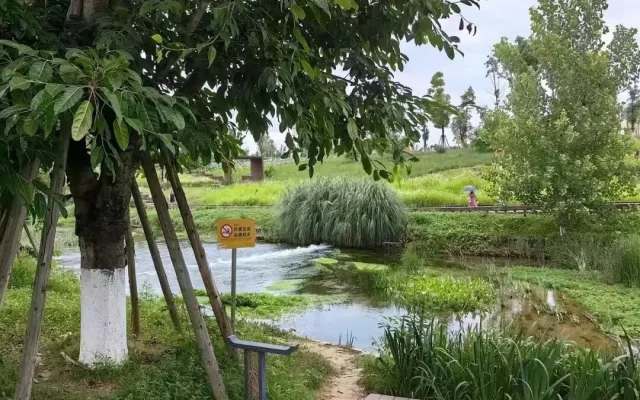
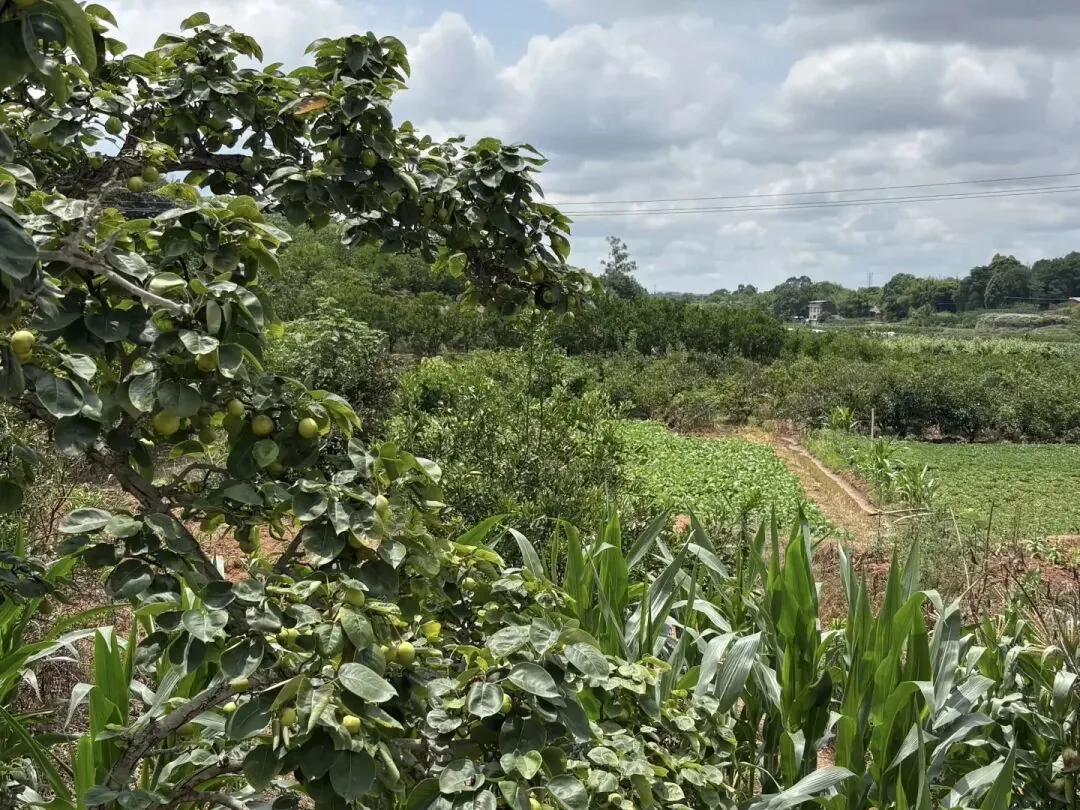
Zitong Temple is an extremely low-key place. It sits in the shallow hills south of the city, next to Luxi River. On the map, it’s not too far from Luhu Water City scenic area, yet this temple stands quietly here, barely known. It’s surrounded by farmland, and hard to imagine — only a single country lane leads to the temple gate.
Not only that, but information about this temple is scarce.
700 Years of History, from Taoist Shrine to Buddhist Temple
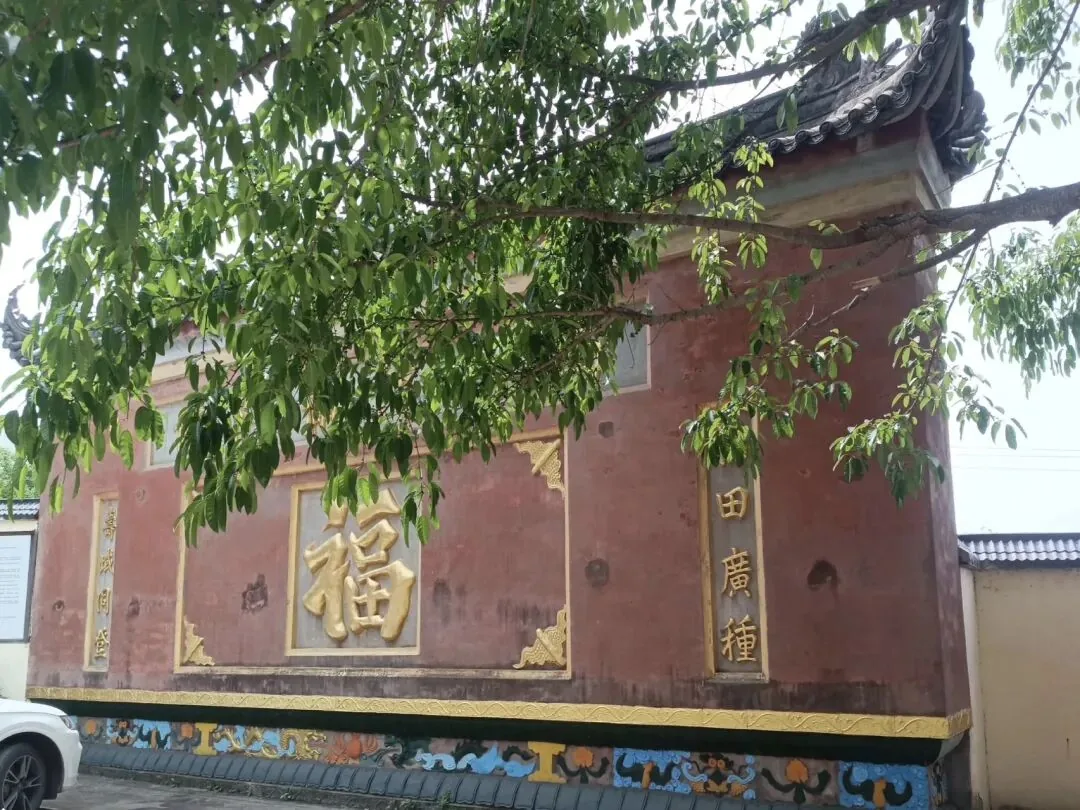
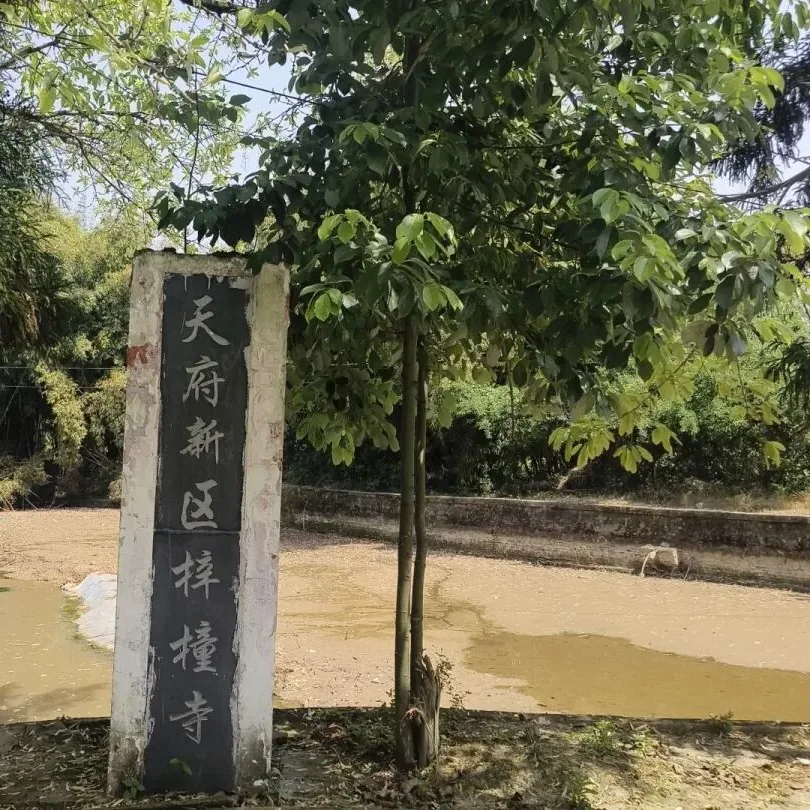
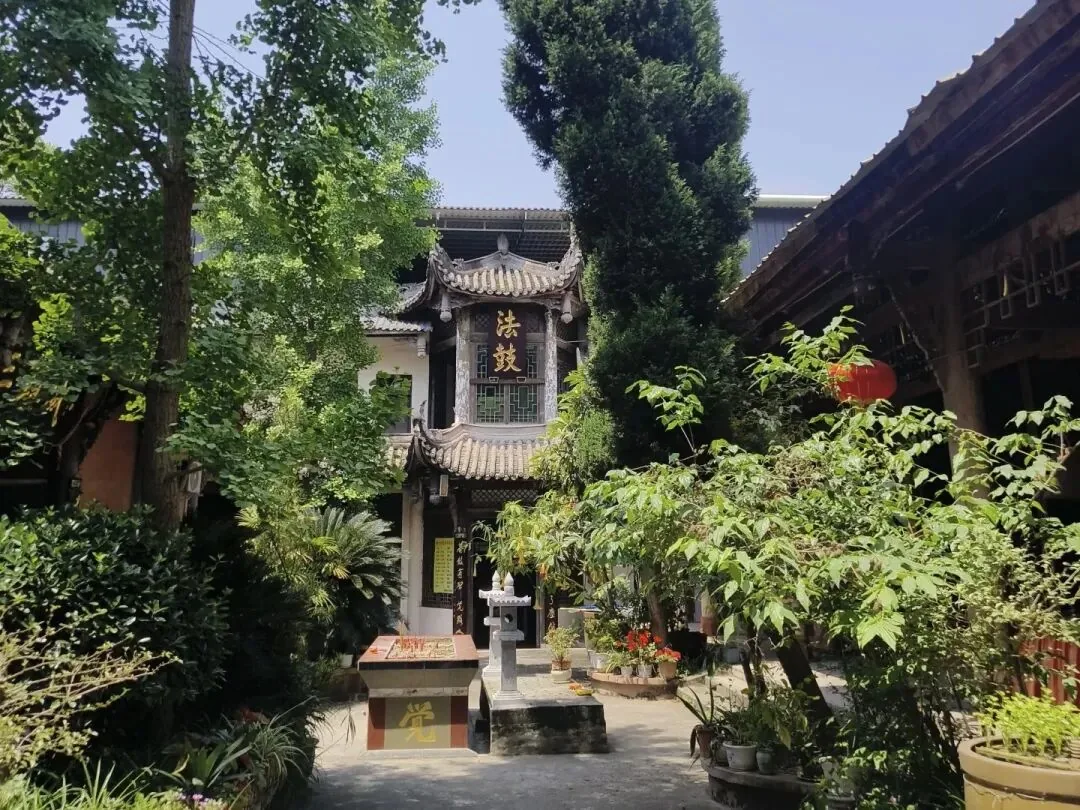
Zitong Temple was first built in the Yuan Dynasty, over 700 years ago. It began as a Wenchang Shrine, dedicated to Wenchang Dijun. It was destroyed and rebuilt, and reached a certain scale during the Ming and Qing dynasties. Originally a Taoist temple, it became a Buddhist temple in the Qing Dynasty. Over these centuries, though the temple was never large, its incense offerings never went out. Villagers from miles around would come to burn incense and pray during festivals. Families with sons heading to exams or seeking official careers would make special trips to pay respects, hoping for a good omen of smooth literary fortune.
Today, Zitong Temple has a three-courtyard layout, with the main halls arranged along a central axis. The temple was damaged in modern times, and the current halls were gradually rebuilt on the original site in the early 1990s. Don’t let its remote location fool you — back then, the reconstruction was quite something. It’s in the shallow hills by Luxi River, at what was then the border of Huayang and Shuangliu. But modern development never reached here. Look at Huayang, Shuangliu, and today’s Tianfu New Area — they’ve changed beyond recognition. Only this place has basically stayed the same, as if nothing ever happened.
What You’ll See: Halls, Gardens, and Cats
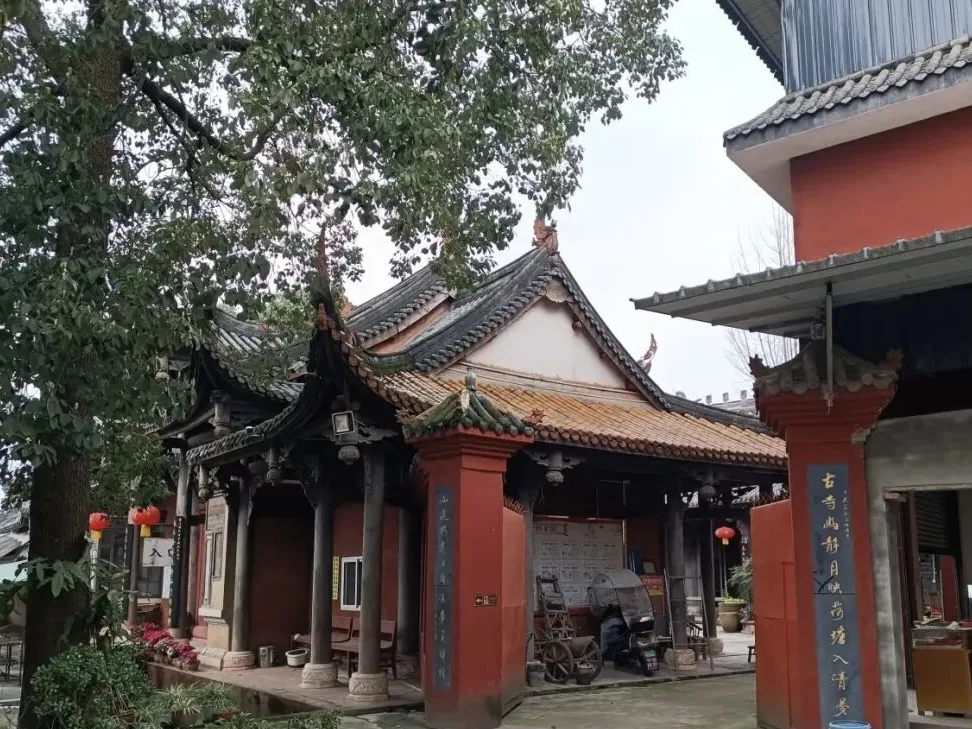
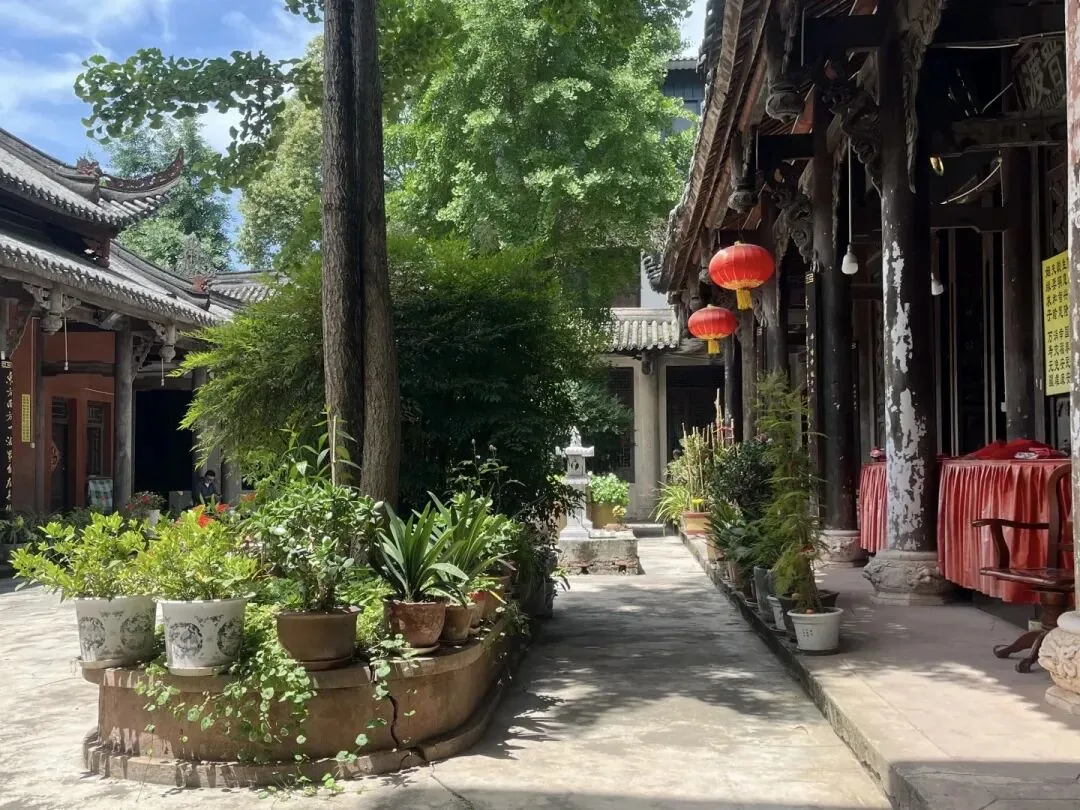
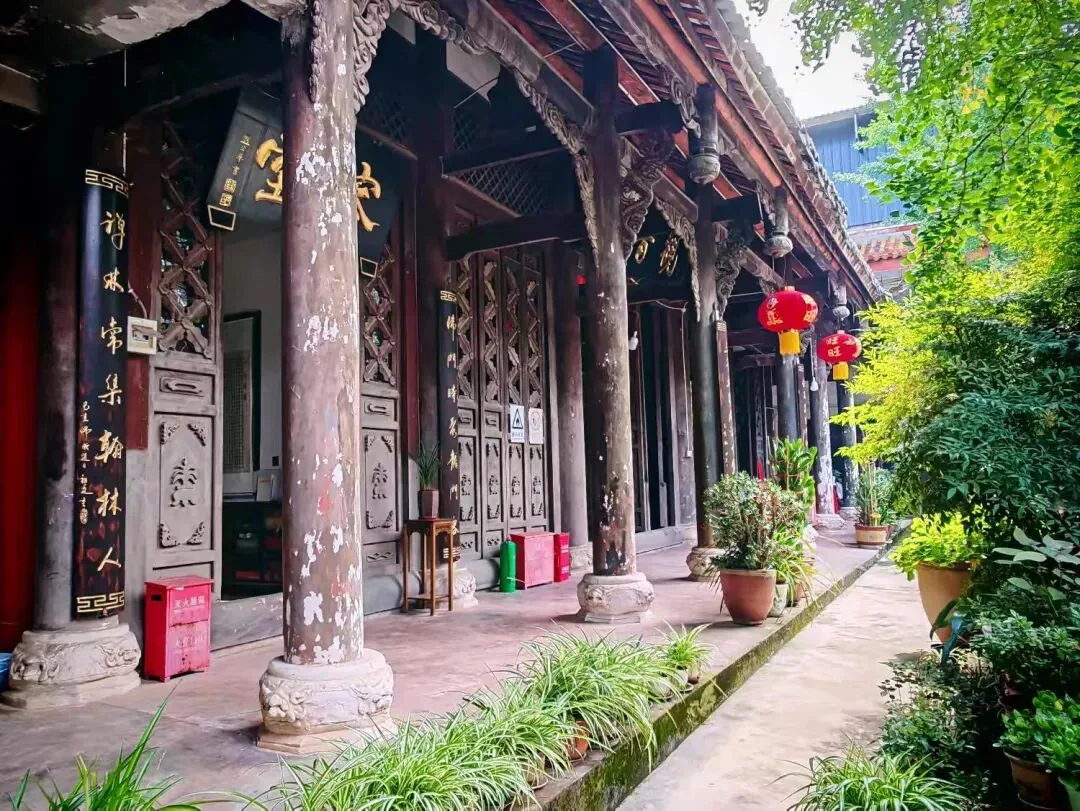
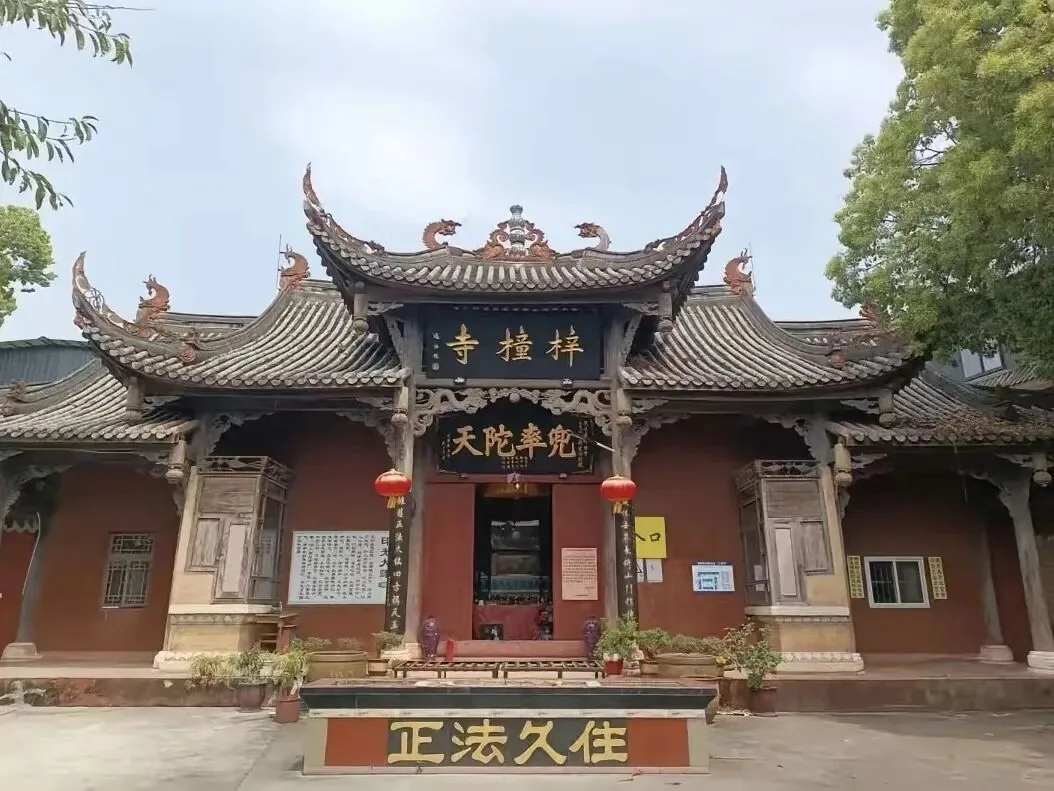
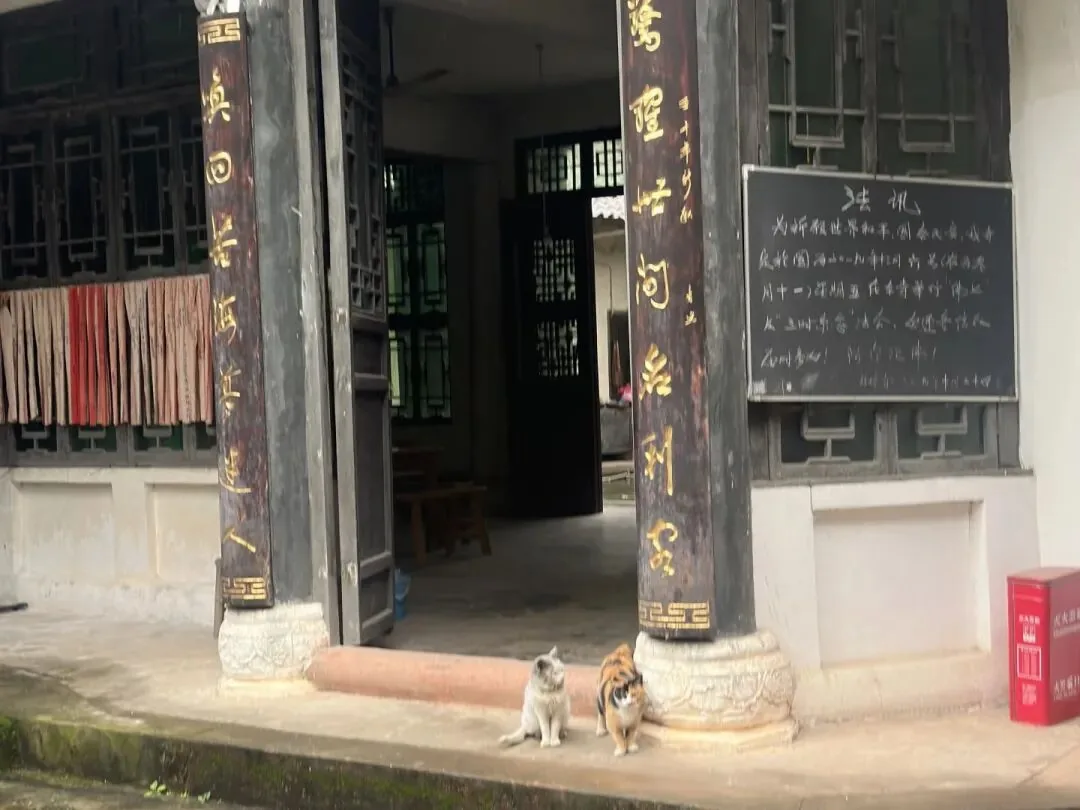
The mountain gate has a traditional hip-and-gable roof, gray bricks and dark tiles, with upturned eaves. Under the black plaque with gold characters reading “梓橦寺”, a horizontal board reads “兜率陀天” in ancient, vigorous calligraphy. The main deity is Maitreya Bodhisattva. The Mahavira Hall is the temple’s core building, with vermilion pillars and carved beams. The two front halls are Buddhist, while the Wenchang Hall at the back retains Taoist elements — inside, a seated statue of Wenchang Dijun wears official robes, with a refined, scholarly expression.
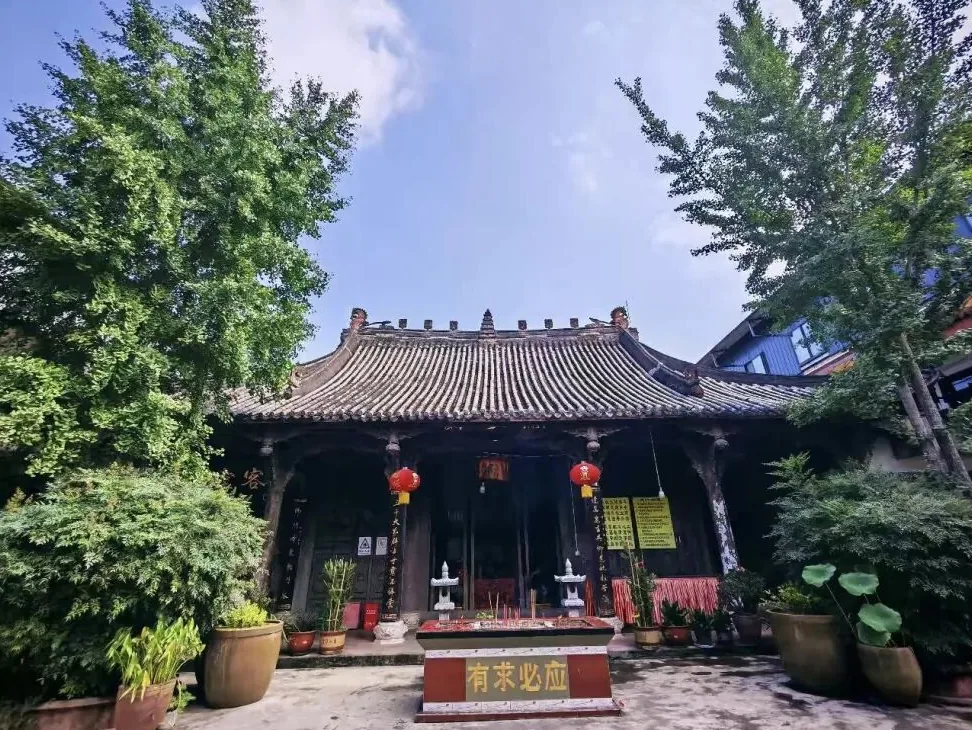
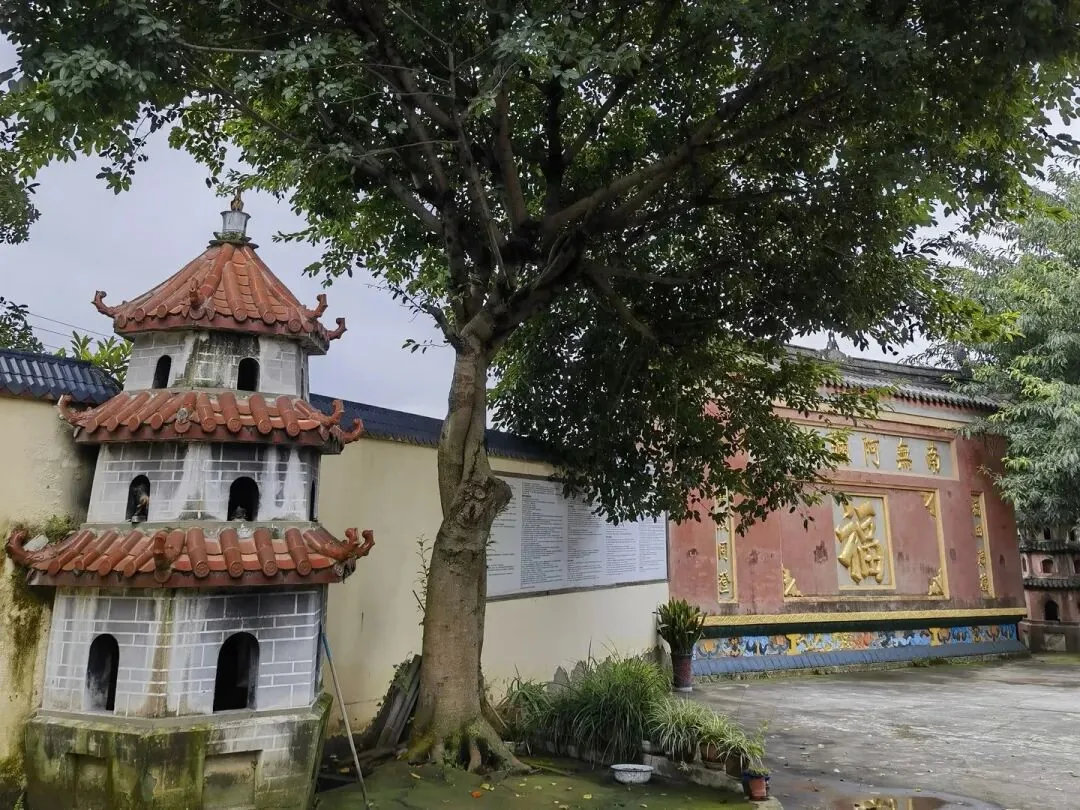
The temple isn’t big, but it feels fresh and clean. Ancient trees tower in the courtyard, and every flower and plant in front of the halls is pleasing to the eye. In September, soft sunlight filters through the leaves, casting dappled shadows on the bluestone paving. Vegetables are grown in the courtyard, planted by the master himself. Water lilies float in a water vat. There’s a ginkgo tree in the courtyard, colorful flowers under the bell tower, and a pond outside the temple gate. These small touches dot the courtyards warmly.
There are also a few little cats at the temple. They stroll or lie around comfortably, acting completely at home.
The 5 RMB Vegetarian Meal You Shouldn’t Miss
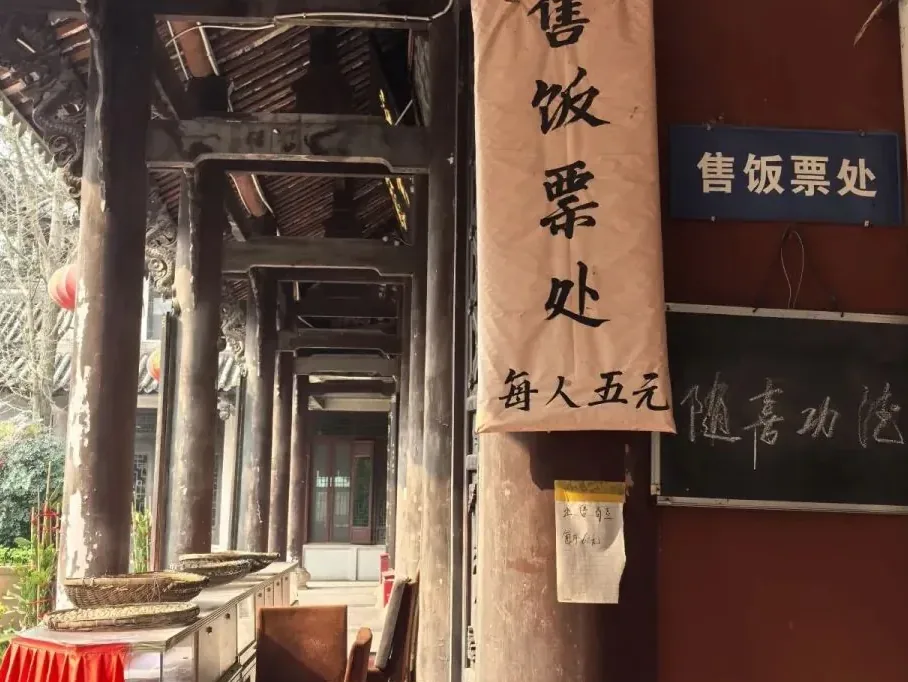
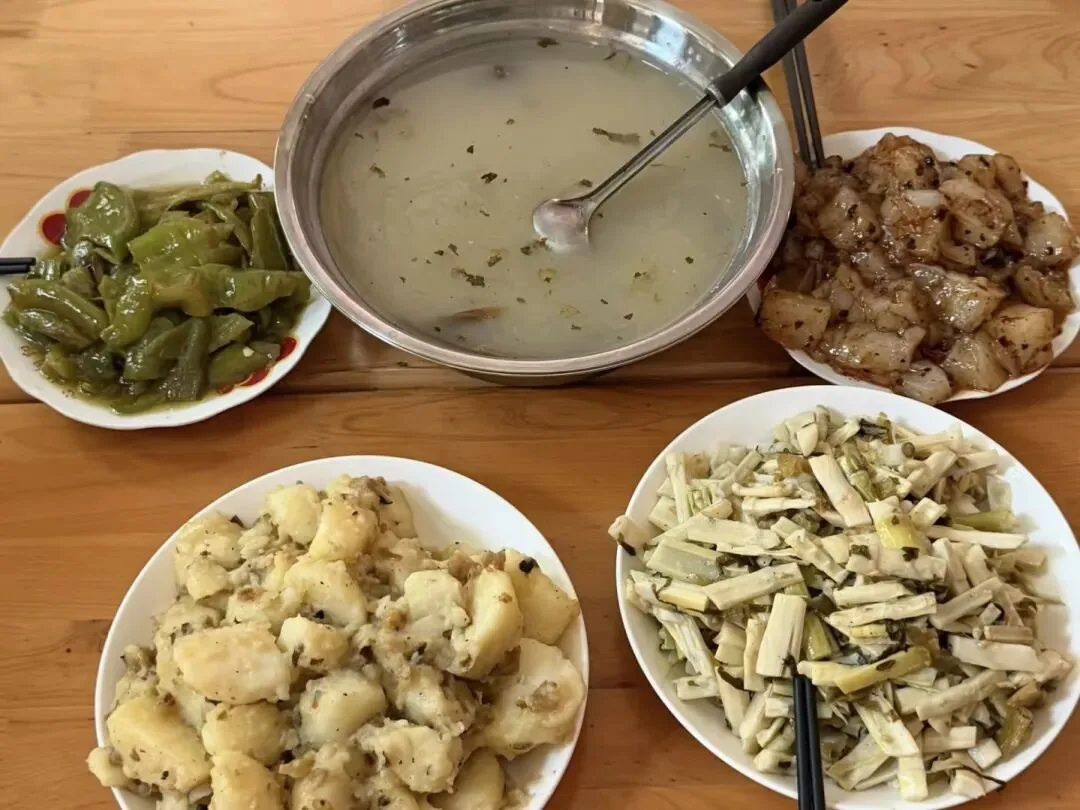
When you come to Zitong Temple, you absolutely must try the vegetarian meal. The temple dining hall offers vegetarian food for 5 RMB per portion. Many of the vegetables are grown by the masters themselves — original, green, eco-friendly produce. It might not be as heavily flavored as home cooking, but the seasonal vegetables are very fresh and safe to eat. Simple but clean. In Chengdu, especially in the expensive south of the city, finding a 5 RMB meal was a real surprise to me.
Pro tip: The meal is usually served around 11:30–12:00, but it’s not guaranteed every day. Ask at the guest hall (客堂) first when you arrive.
Zitong Temple has none of the noise of commercialization. You can visit or stay overnight here, living a simple, plain spiritual life — calm your mind, space out, do a few tasks, and shed the anxiety and fatigue built up from city life. In our fast-paced modern world, people are always looking for a pure land to rest their hearts. This place is perfect for that.
After dinner in the evening, let yourself go in the wind of the fields, and you’ll understand: the best healing never costs money. So, do you like this kind of Zitong Temple?
Practical Info
- Address: Group 4, No. 200 Baihe Village, Baisha Street, Tianfu New Area (search “梓橦寺” in your navigation app — note the character “橦”)
- Tickets: Free
- Transport: Self-driving is recommended. From downtown Chengdu, it takes about 1 hour. The last few kilometers are country lanes — drive slowly. There are a few free parking spots at the temple gate.
- Food & Stay: 5 RMB per person, around 11:30–12:00. Not necessarily available every day — ask at the guest hall after you arrive.