The Quiet Daoist Temple That Outshines Qingcheng Mountain
When people talk about Daoism in Sichuan, they usually mention Zhang Tianshi at Heming Mountain or Qingcheng Mountain. But the place that truly ranks as a “Zhengyi Daoist ancestral temple” isn’t either of those — it’s Yuntai Temple. And just to be clear, this isn’t the Yuntai Temple in Santai, Mianyang. We’re talking about the one in Yuntai Village, Yunfeng Town, Cangxi County. In this piece, we’re heading to the place where Zhang Daoling ascended — Cangxi Yuntai Temple.
A Temple with Serious History
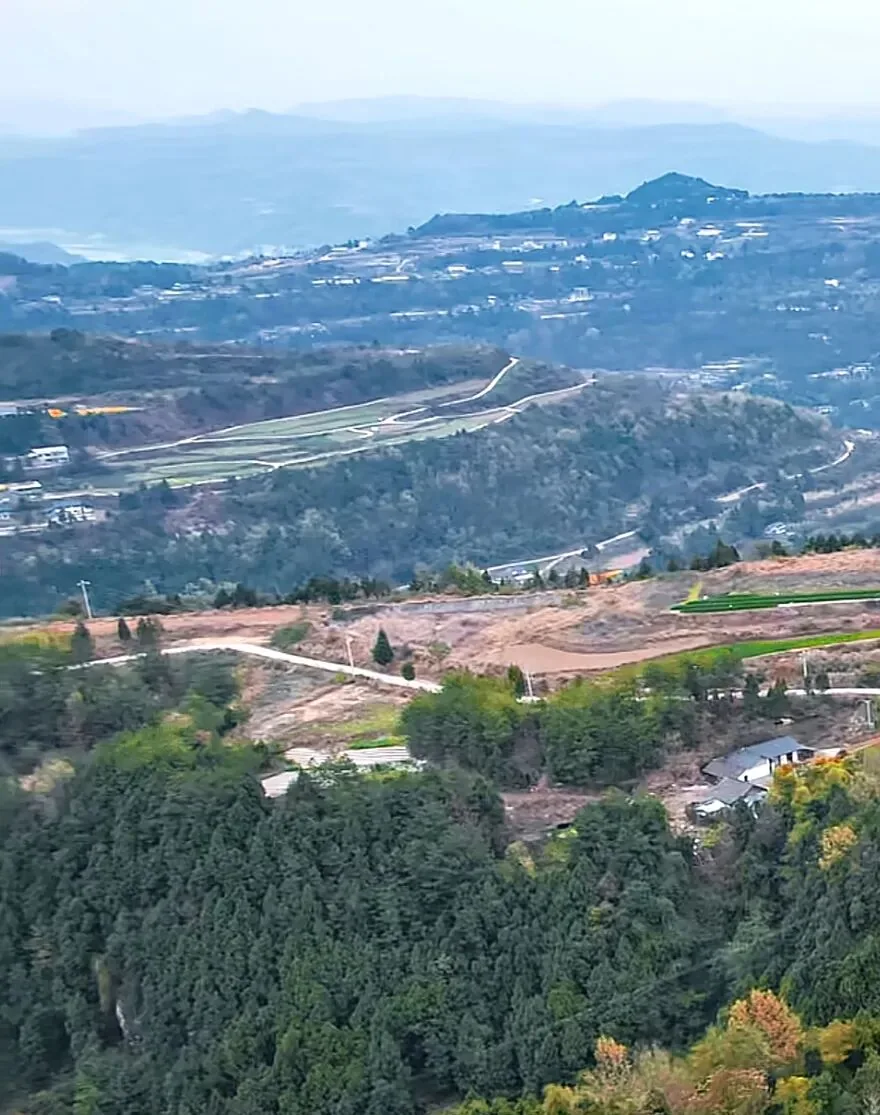
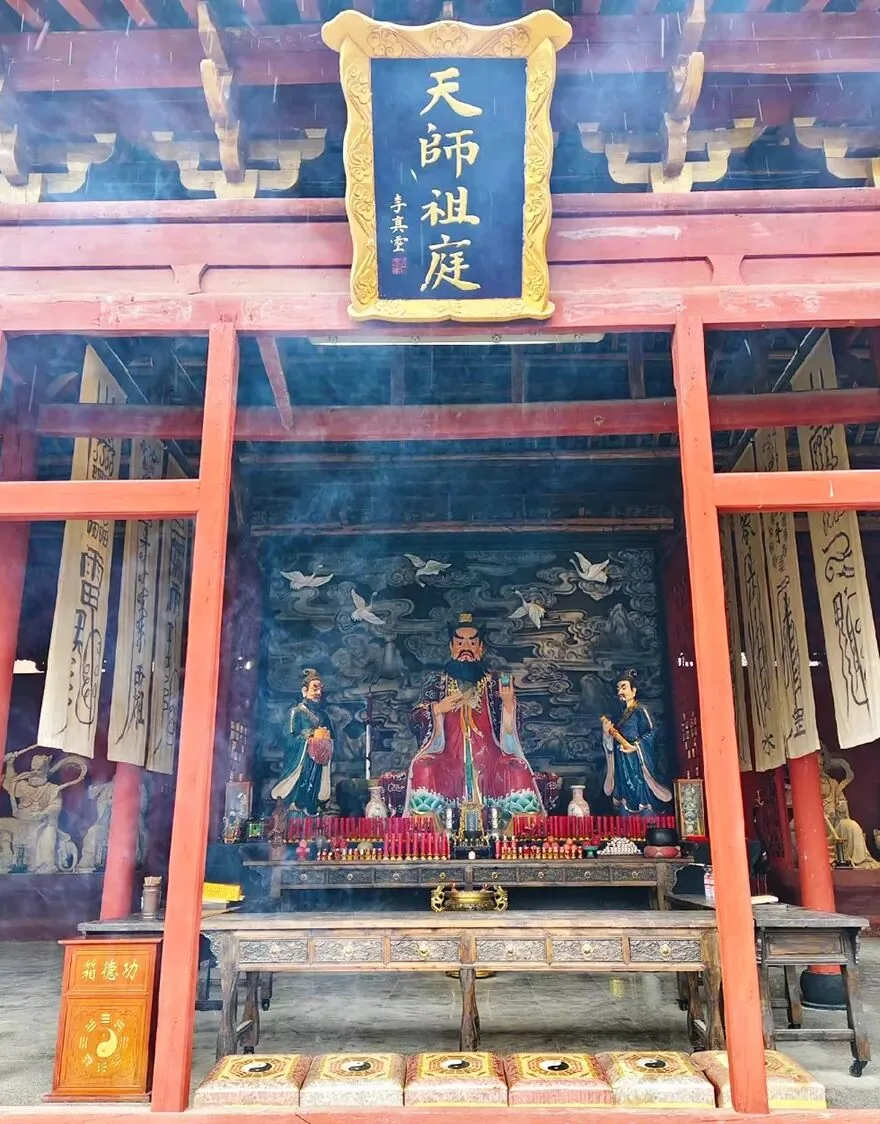
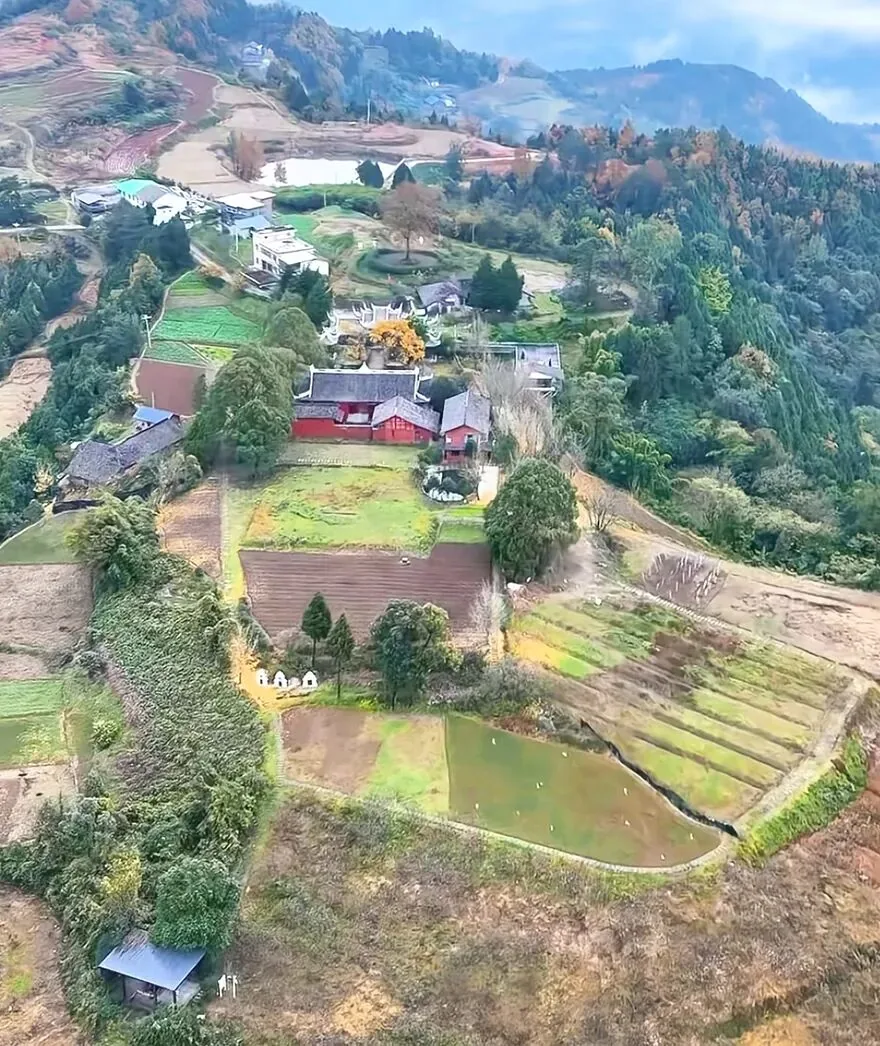
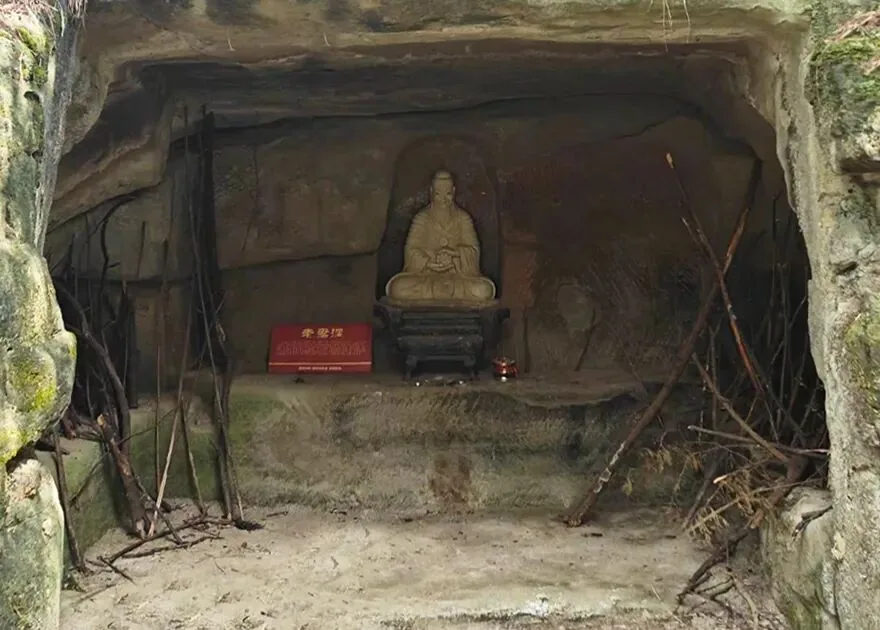
Don’t let the modest size fool you. This small temple dates back to the second year of Han’an in the Eastern Han Dynasty — that’s 143 AD. It was one of the 24 Daoist dioceses established by Zhang Tianshi (Zhang Daoling) himself, and it was the first of the lower eight — Yuntai Diocese. This isn’t empty boasting; it’s written plainly in the Yunji Qiqian (Seven Slips from the Cloud Satchel).
Local insight: The record says Zhang Tianshi brought over 370 disciples to this mountain and lived here for twelve years — refining elixirs, teaching the Dao, and testing his students. In the end, the Tianshi, his wife, and two disciples ascended to heaven right here. Put simply, Heming Mountain is where he founded the school, while Cangxi Yuntai is where he put down roots in his later years and achieved the elixir and ascension. One opened the mountain, the other closed the chapter — the weight of that speaks for itself.
Getting There and First Impressions
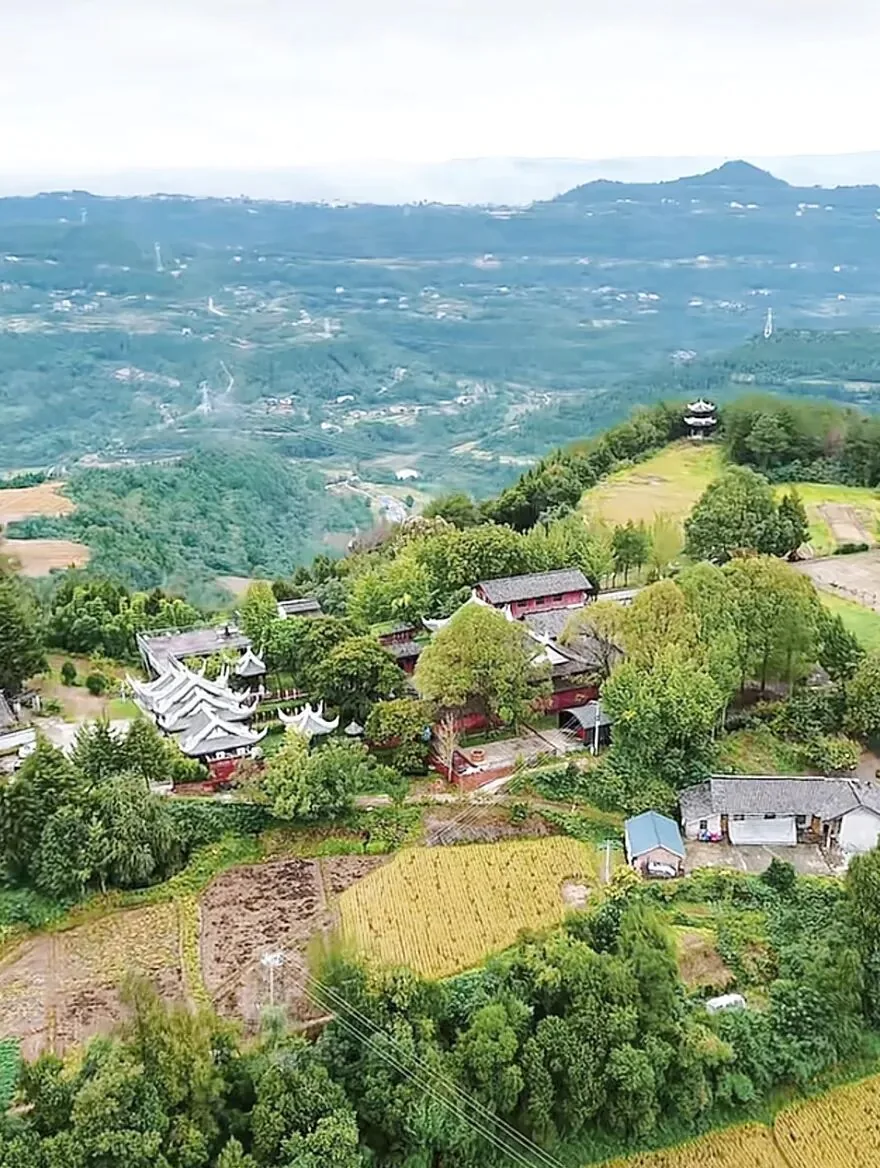
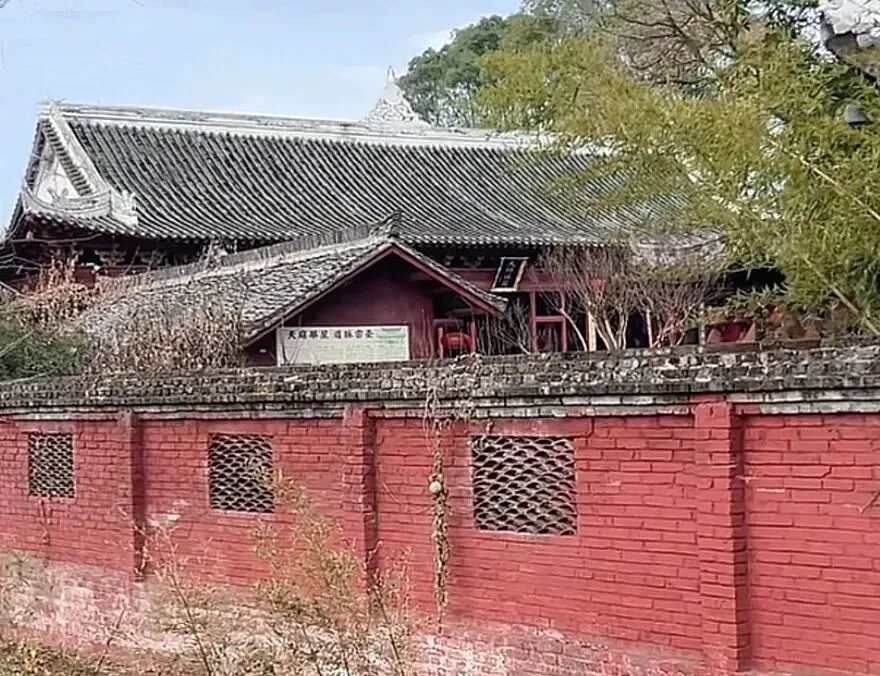
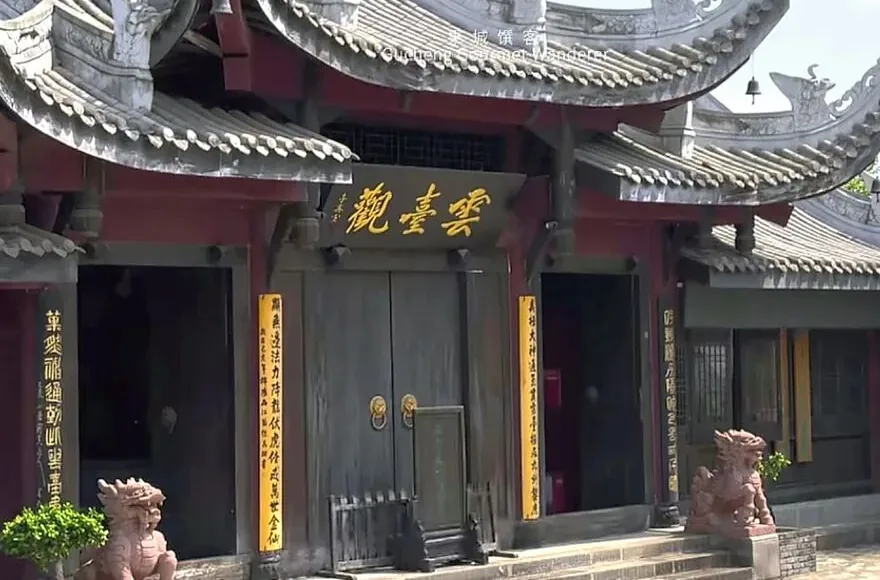
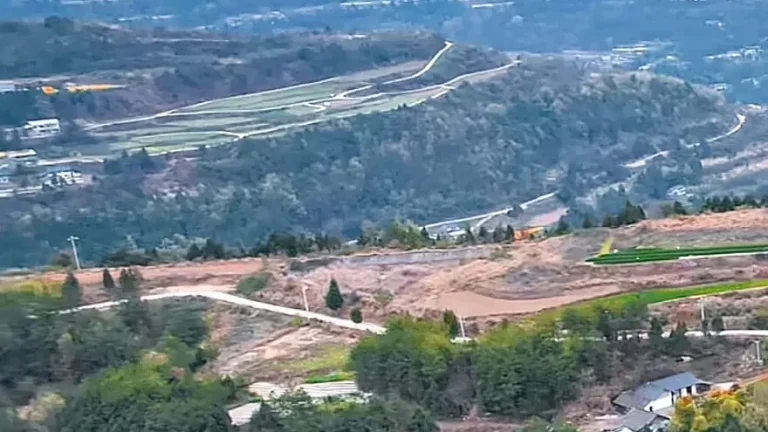
From Cangxi County town, it’s about 18 kilometers to Yuntai Temple. The mountain road has plenty of curves, so drive slowly. When you first arrive, you might feel a pang of disappointment. There’s no grand mountain gate, no carved beams or painted rafters — just plain red walls, a courtyard sitting quietly among fields and woods. The front, middle, and rear halls form a simple siheyuan (courtyard compound). It’s a far cry from its glorious past: nine towers, eight pagodas, eleven halls, over 200 statues, and incense smoke filling the mountainside.
What You’re Actually Seeing
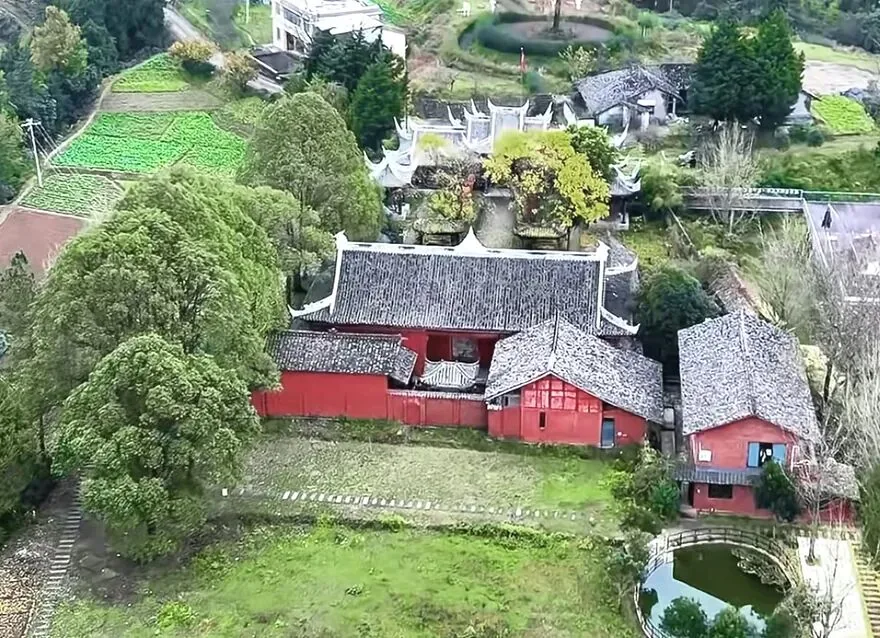
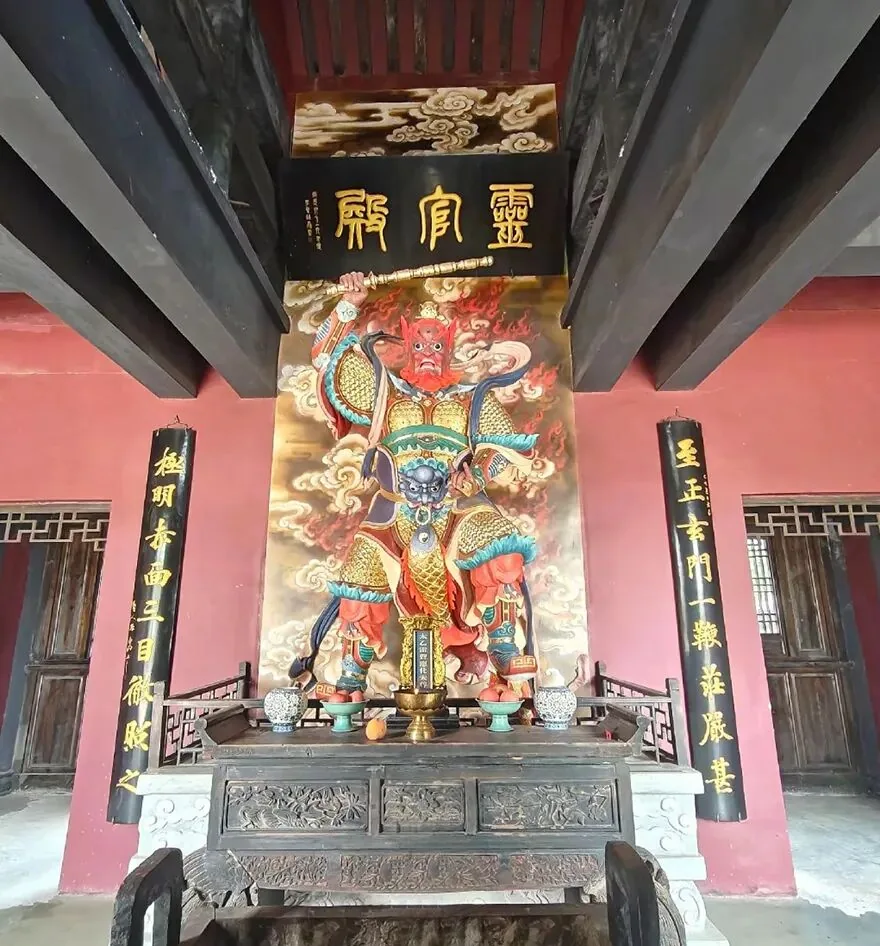
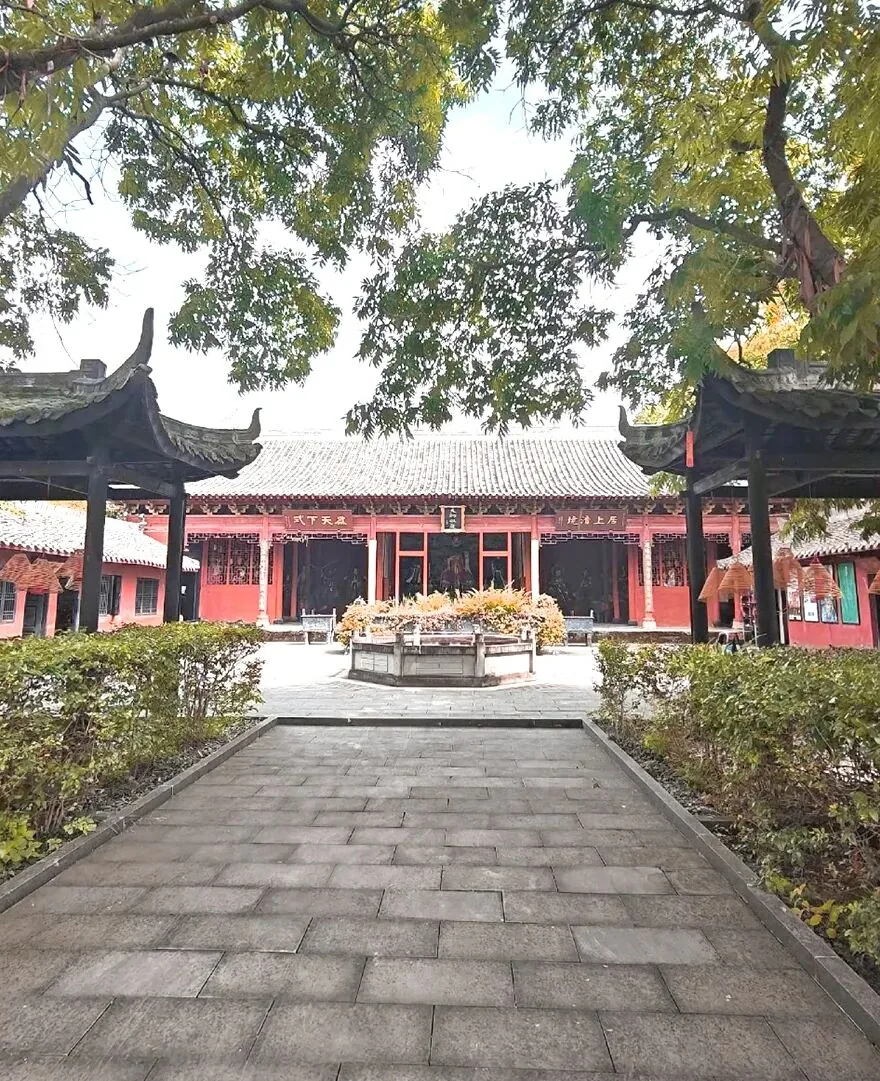
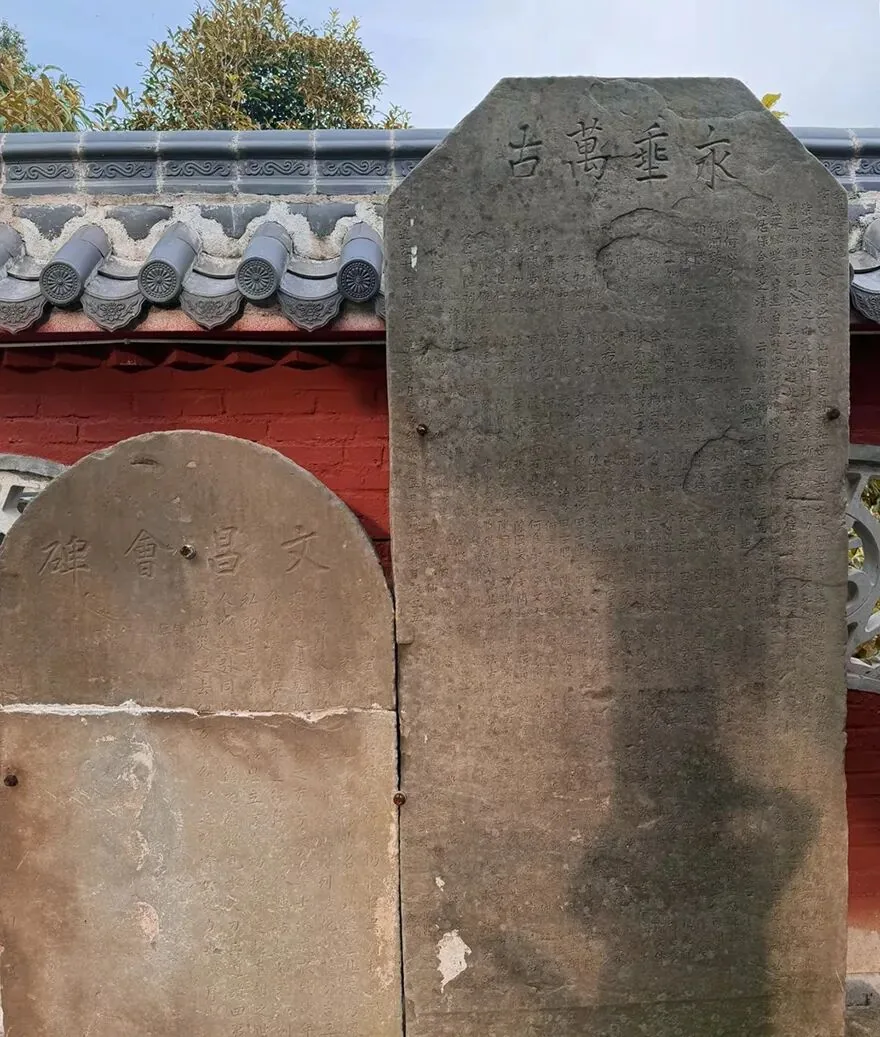
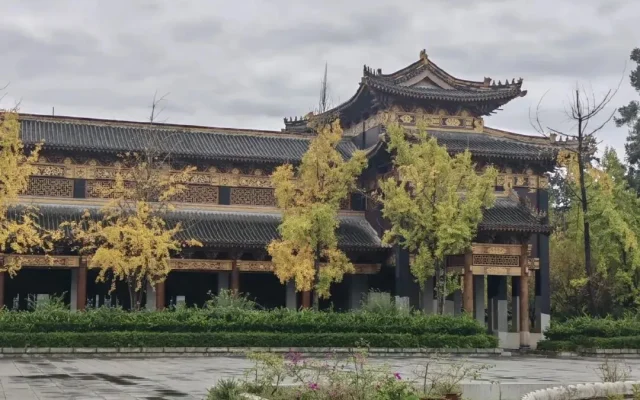
The halls you see now were mostly rebuilt in later eras — Qing Dynasty, Republic of China, and modern times. But the ruins inside the temple are genuinely from the Eastern Han Dynasty. The Yuntai Temple Daoist site is an official Sichuan Provincial Cultural Relic Protection Unit. When you enter, the first building is the Lingguan Hall, guarding the mountain and protecting the Dharma. Through the front courtyard is the Middle Hall — the main hall — dedicated to Taishang Laojun, Zhang Tianshi, and Cihang Zhenren. Next, I’ll show you the temple’s highlights that over 90% of visitors miss.
Zhang Daoling’s Tomb — The Heart of Yuntai Temple (and the Easiest to Miss)
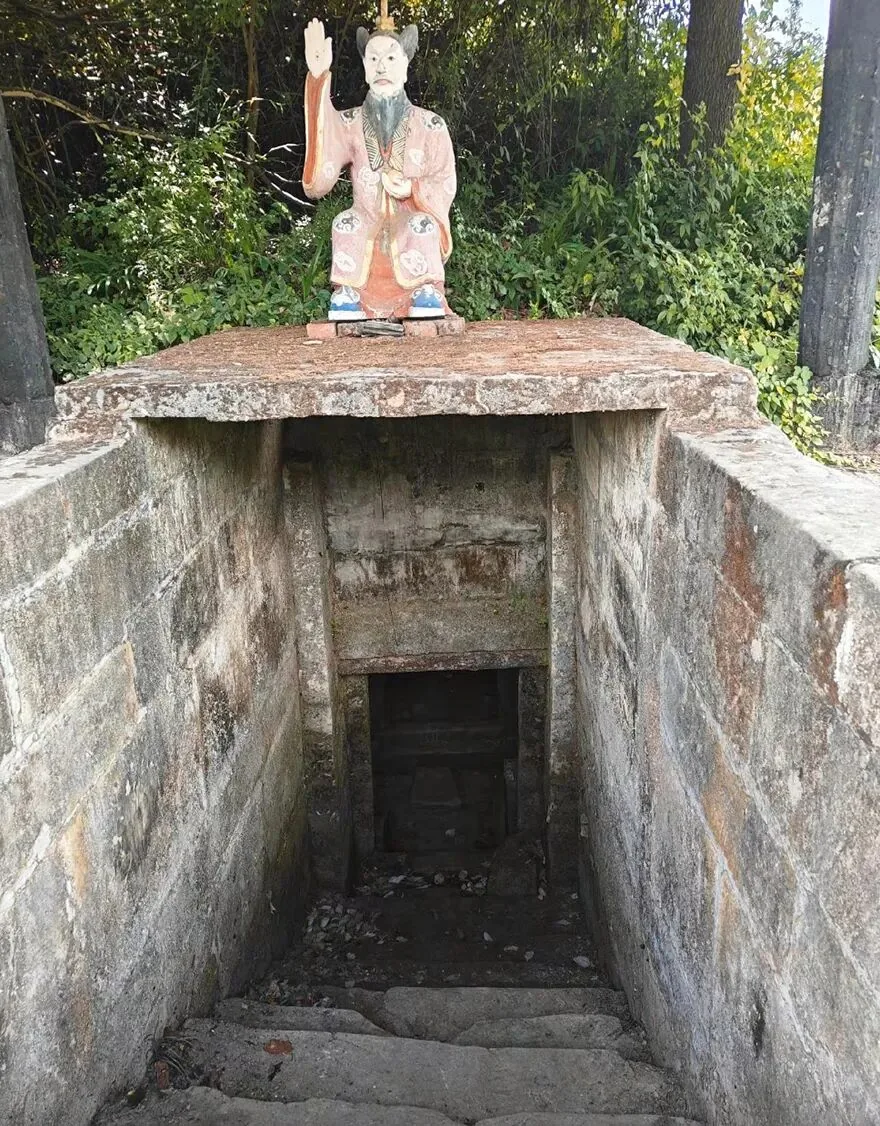
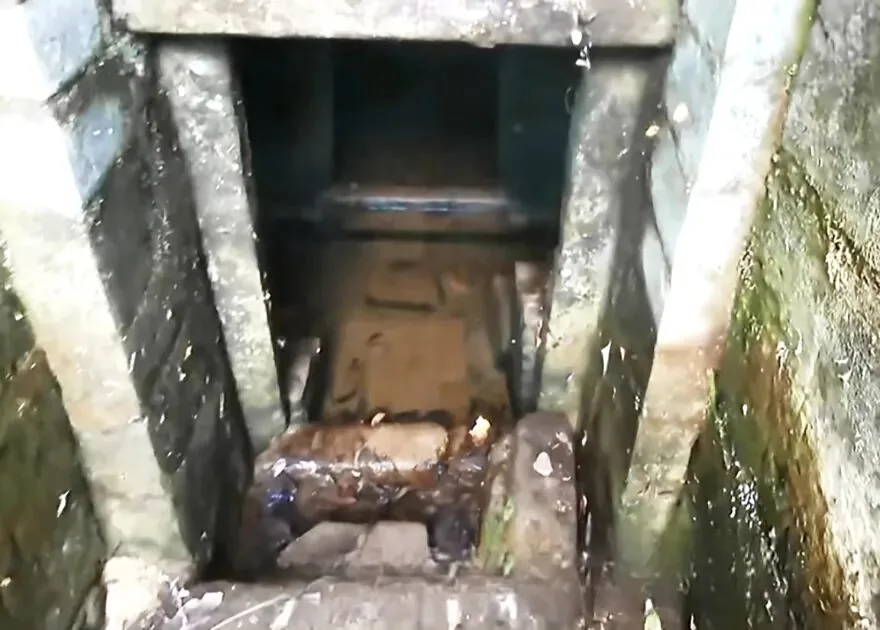
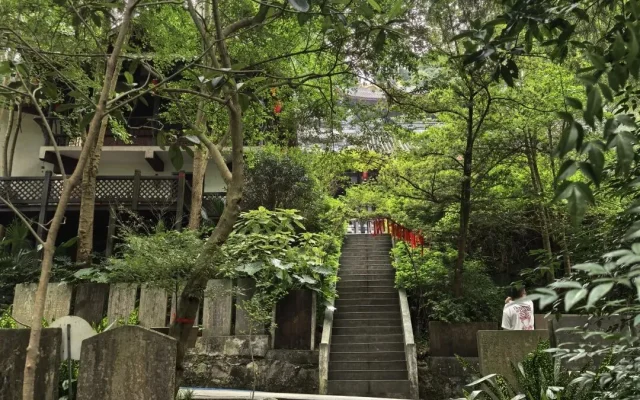
About a hundred meters behind the main hall’s courtyard, take the small path beside the hall. It’s not very conspicuous. The Tianshi’s tomb is made of connected stone chambers with a complex structure. Except for a few steps, the tomb is permanently submerged in water. According to locals, whether it’s a severe drought or a rainy-season flash flood, the water level stays constant — it barely rises or falls. Inside, four characters are carved: “升真之域” (Realm of Ascended Truth).
And here’s something eerie: the tomb area extends vertically into the temple grounds, forming a band of land where crops simply won’t grow — nothing planted there thrives. To this day, no one can explain it. It makes me think of the word “mystical.” As for the tomb itself, locals call it a “cenotaph” (衣冠冢). Daoist texts say the Tianshi left no physical body — he ascended in broad daylight — and the tomb is a marker later generations set up for this “immortal trace.”
Flying Immortal Cliff, Elixir Pool, and Furnace Ruins — 99% of People Miss the Path
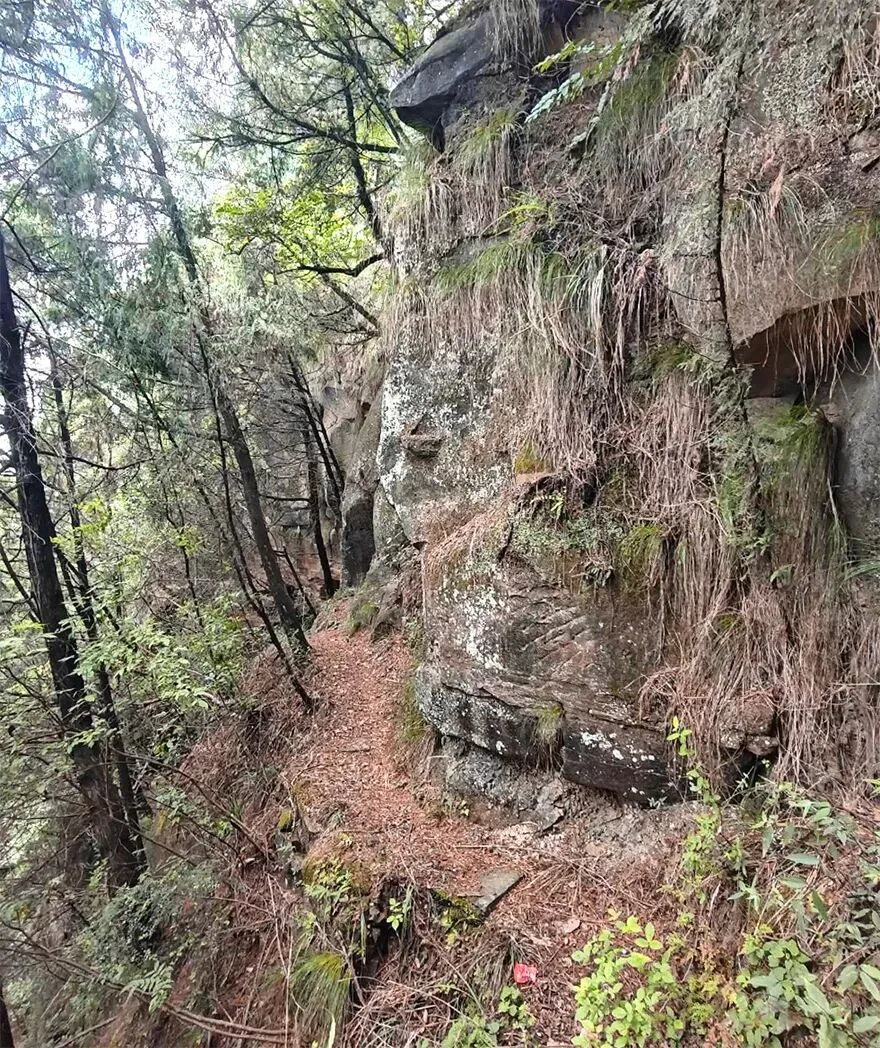
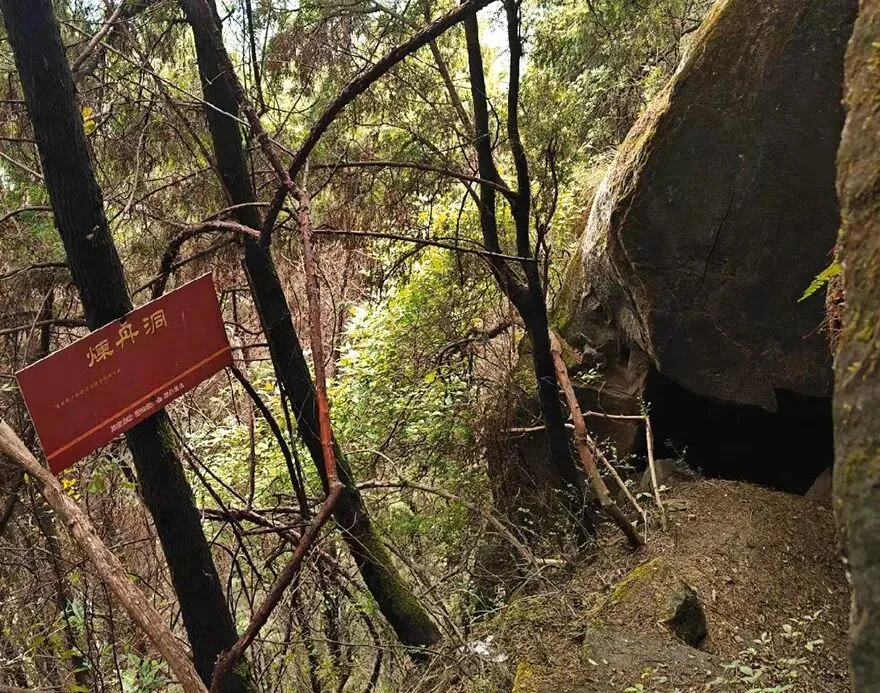
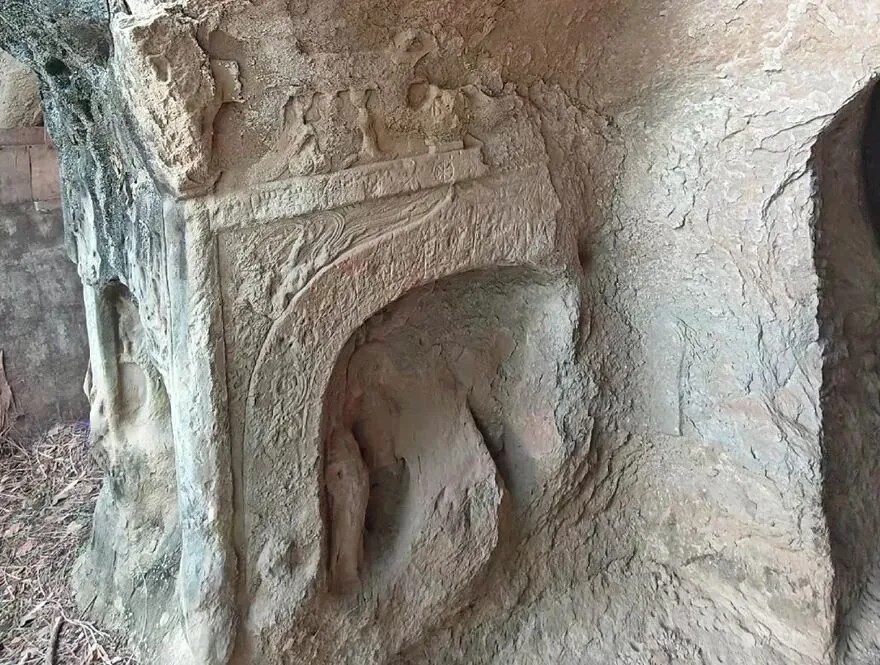
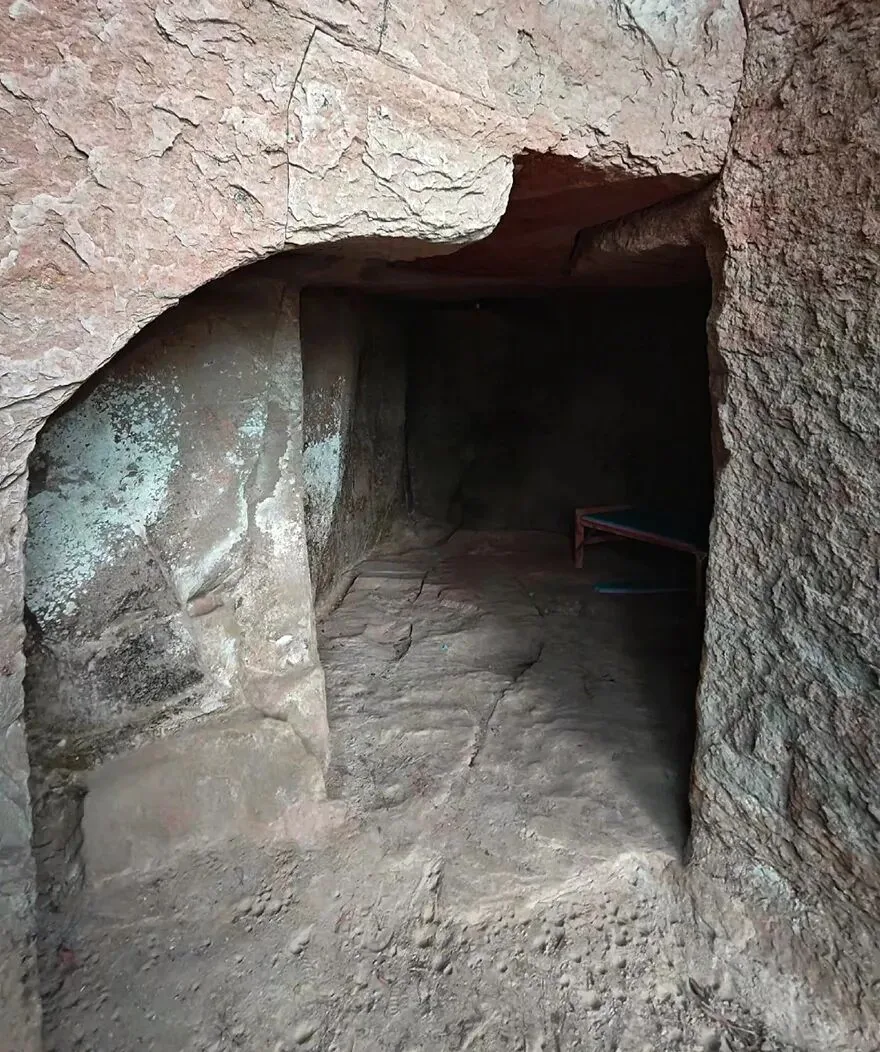
Continue deeper into the forest past the Tianshi’s tomb. It’s a dirt path, dense with vegetation, and quite secluded. Flying Immortal Cliff (Feixian Ya) is the actual site of the story recorded in the Yunji Qiqian: Zhang Tianshi’s seven tests of Zhao Sheng, where Zhao leaped off the cliff. The story in the book wasn’t made up by literati — the place where it happened is right here. Nearby are the Elixir Refining Pool, Elixir Furnace Hall, Nine Turns Pavilion, and Medicinal Spring — all sites of elixir refining and cultivation from back in the day. Many visitors skip them because the path is rough.
The Eight-Sided Taiji Well — What Can You Actually See?
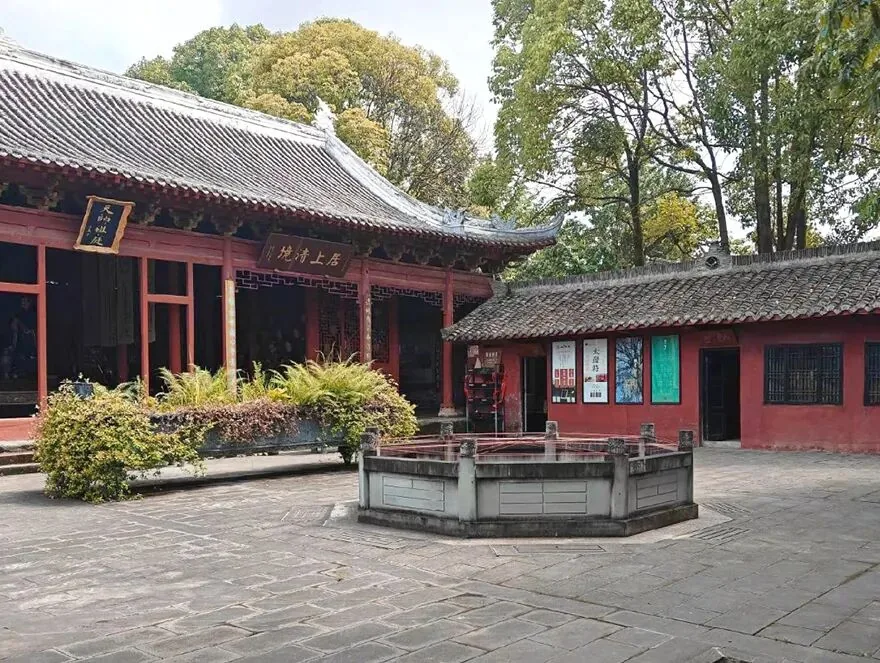
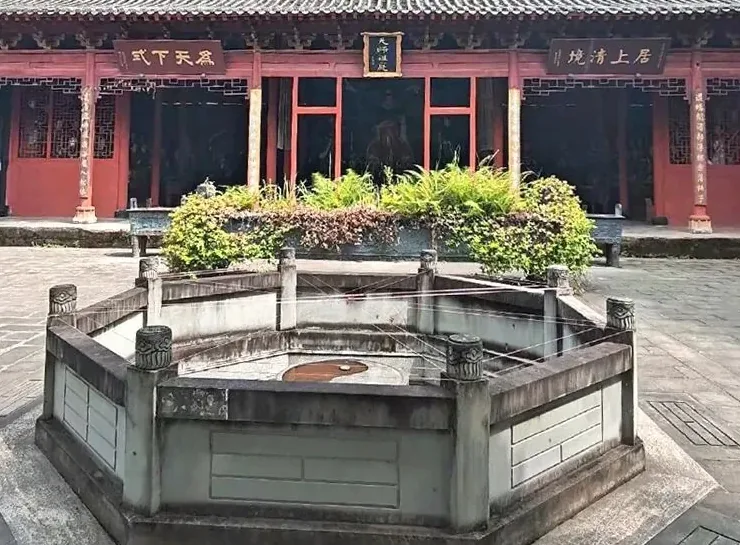
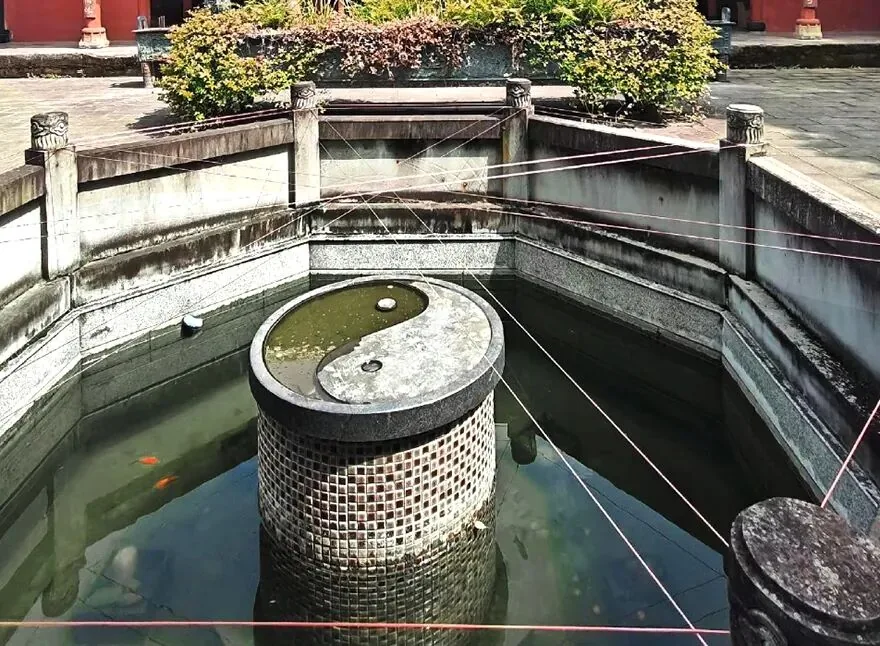
The Eight-Sided Taiji Well is right by the courtyard in front of the Middle Hall. The legends around this well are even more “out there” than the Tianshi’s tomb. They say the timber for building Yuntai Temple was pulled out of this well, one piece at a time. Locals have an even bolder claim: if a person with the right fate leans over the well and looks down, they can see the Southern Heavenly Gate. In the dry season, you can faintly make out the old carving “云液” (Cloud Liquid) on the well wall. It wasn’t carved by the scenic area — legend says the well left it there itself.
The Sixty “On-Duty” Generals — A Dizzying Sight
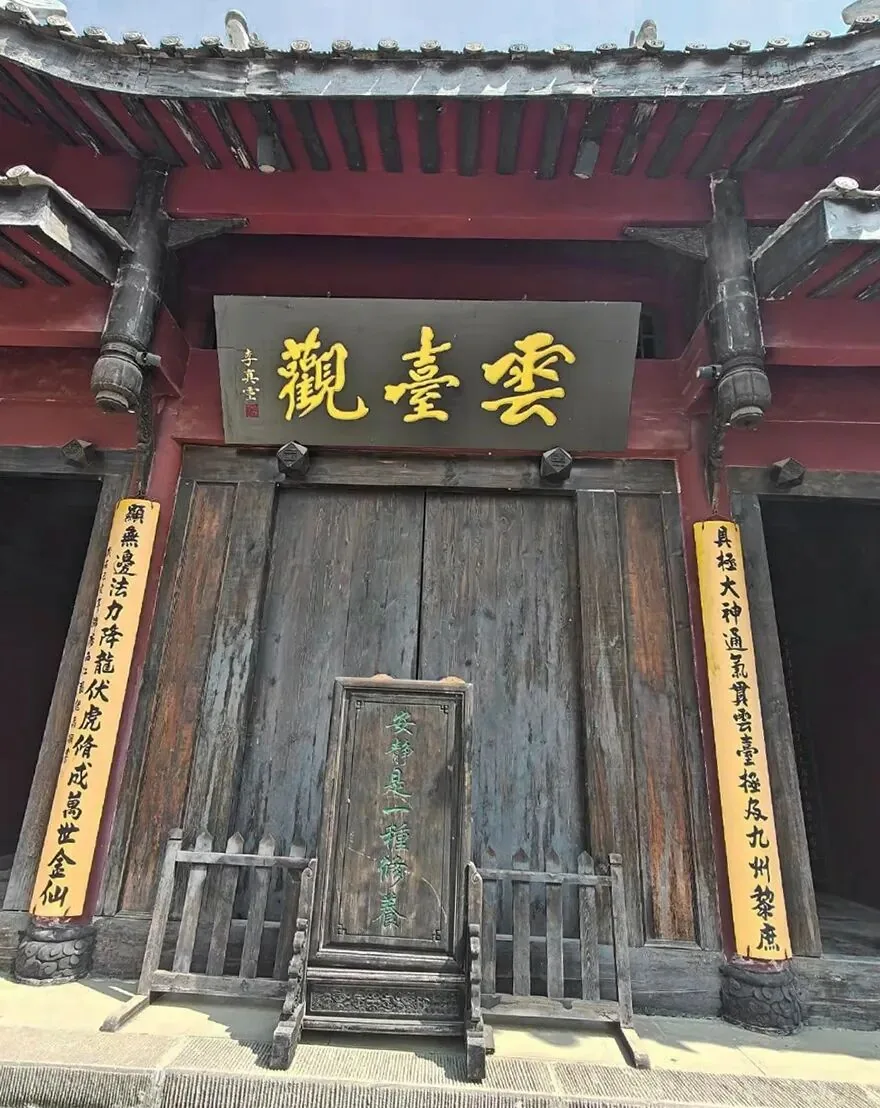
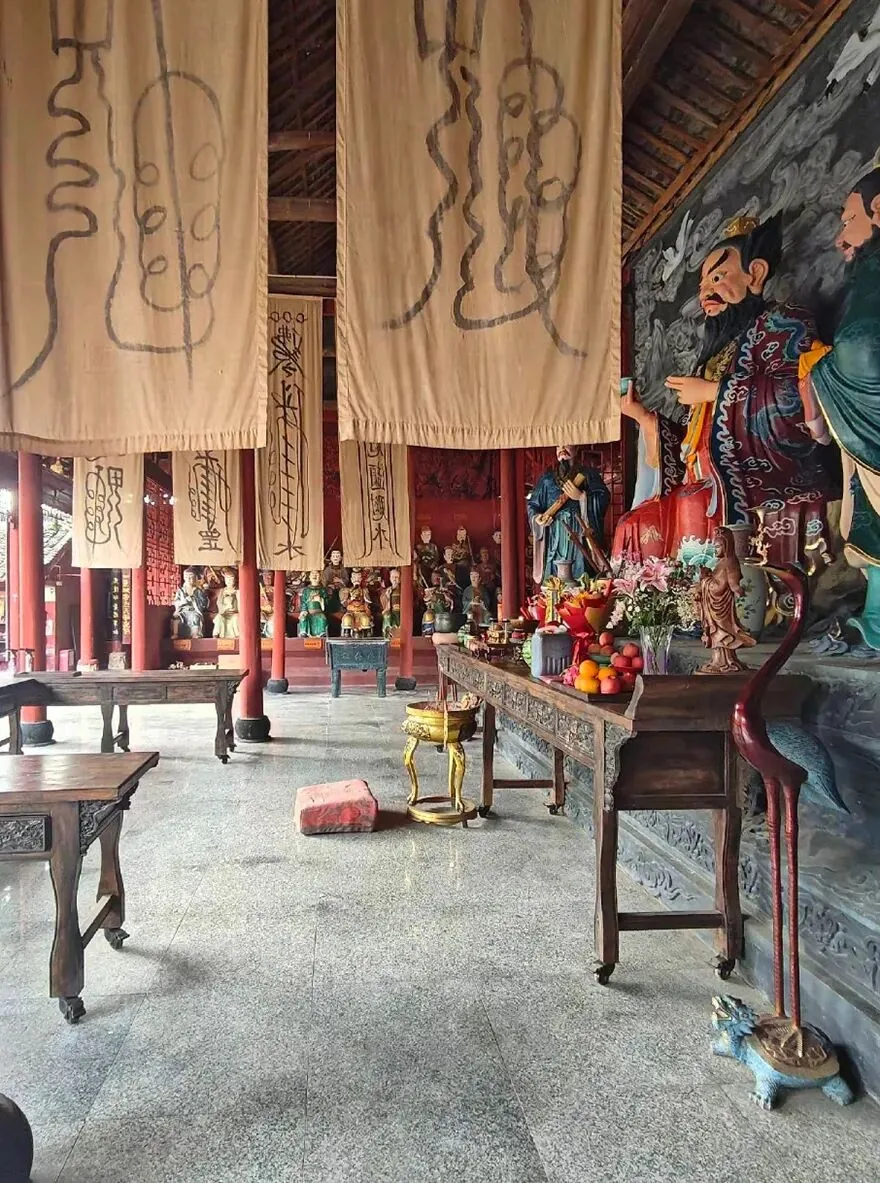
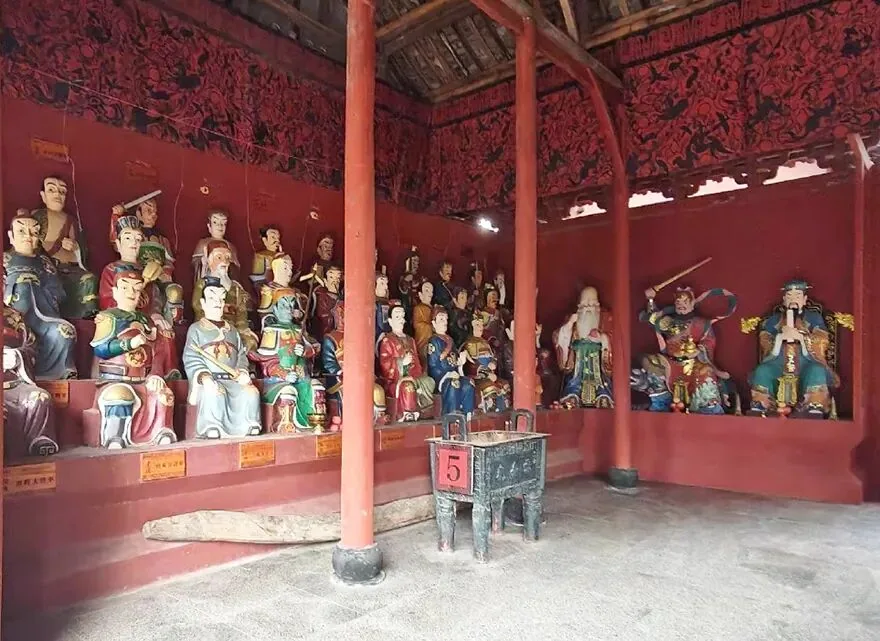
In the main hall, flanking the Tianshi statue, are sixty Tai Sui generals arranged neatly. This isn’t random: the ten Heavenly Stems paired with the twelve Earthly Branches create a sixty-year cycle, and each of the sixty generals takes a one-year shift. Even more interesting, the temple courtyard has twenty-eight constellation flags planted around it. On the left is the Tongtian Drum Tower, on the right the Chedi Bell Tower. Honestly, I didn’t fully get it either — a Daoist priest in the temple explained it to me. Inside the hall is the sixty-year duty roster; outside are the twenty-eight constellation flags. When the bell and drum sound, the whole order of heaven and earth is gathered into one courtyard.
A Quiet, Uncommercialized Mountain Temple
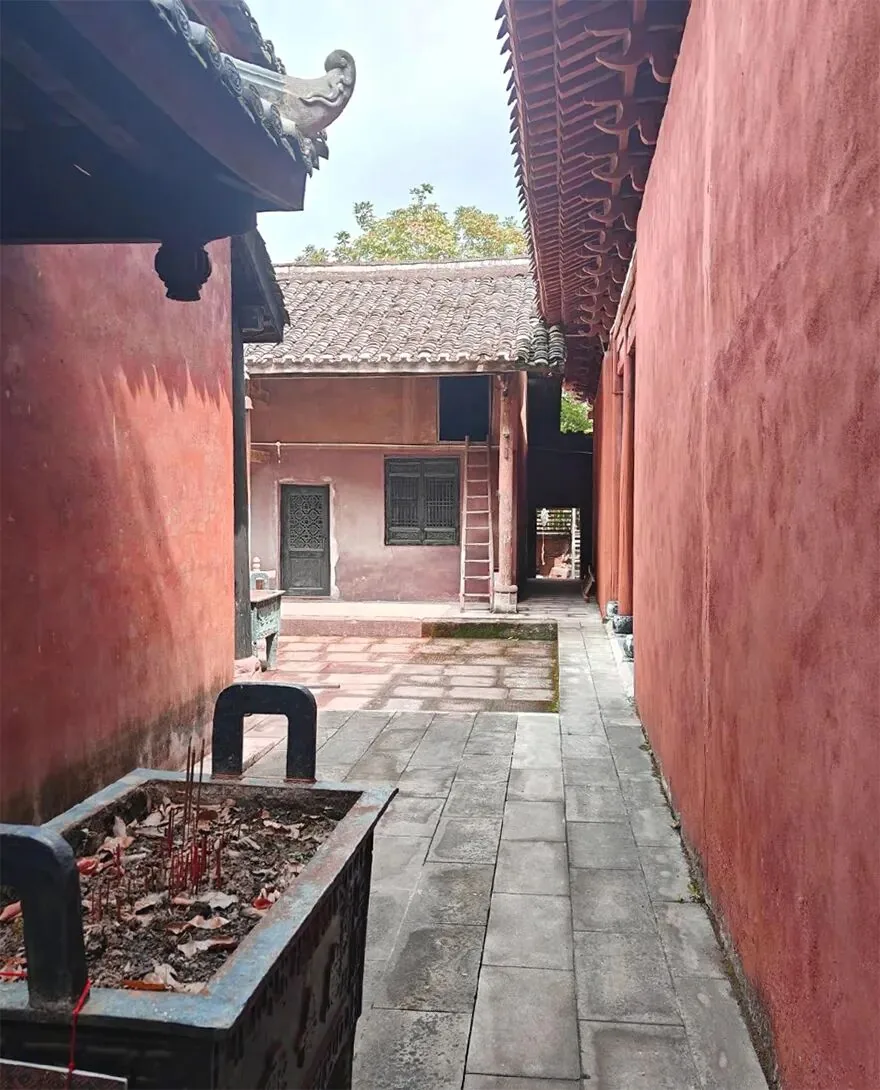
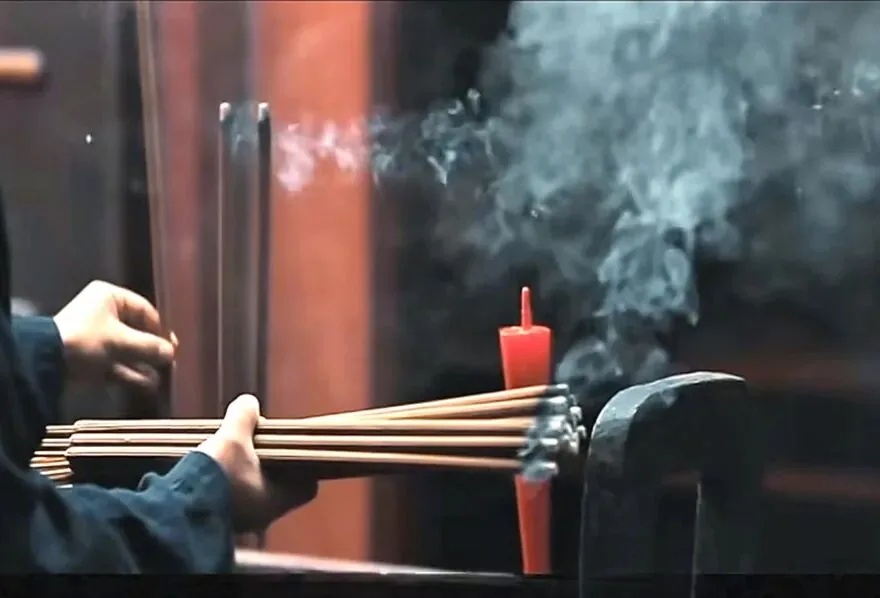
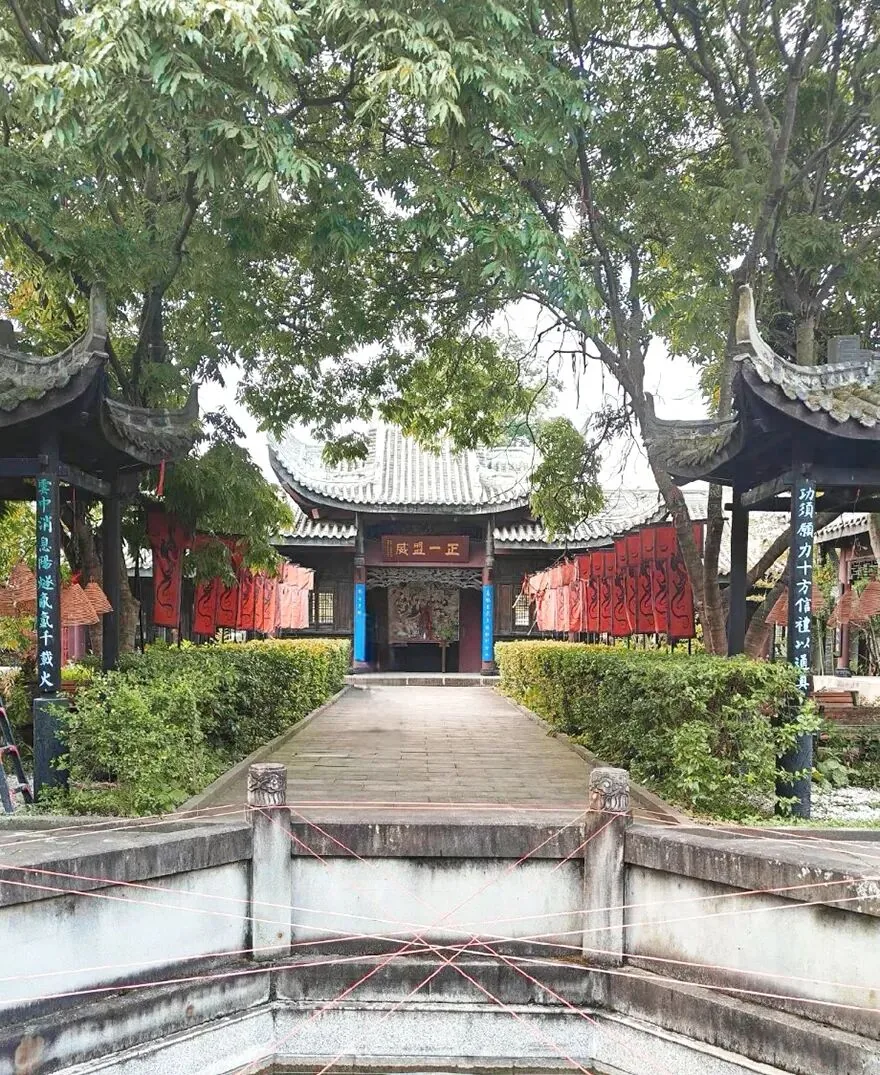
There are very few people at the temple on the mountain. In the courtyard, all you hear is the wind in the leaves and the faint scent of incense. Unlike many Daoist temples, there’s no overpriced merchandise, no commercial shops. Occasionally, you’ll run into local villagers wandering up the mountain, sitting and chatting with the temple priests — simple and unpretentious.
A Mountain, a Temple, and an Unbroken Line
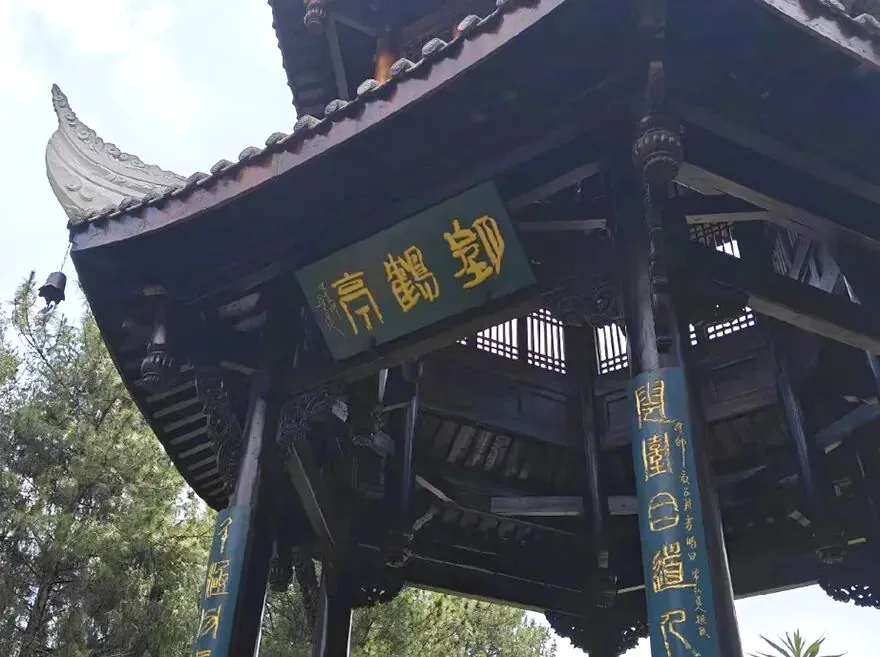
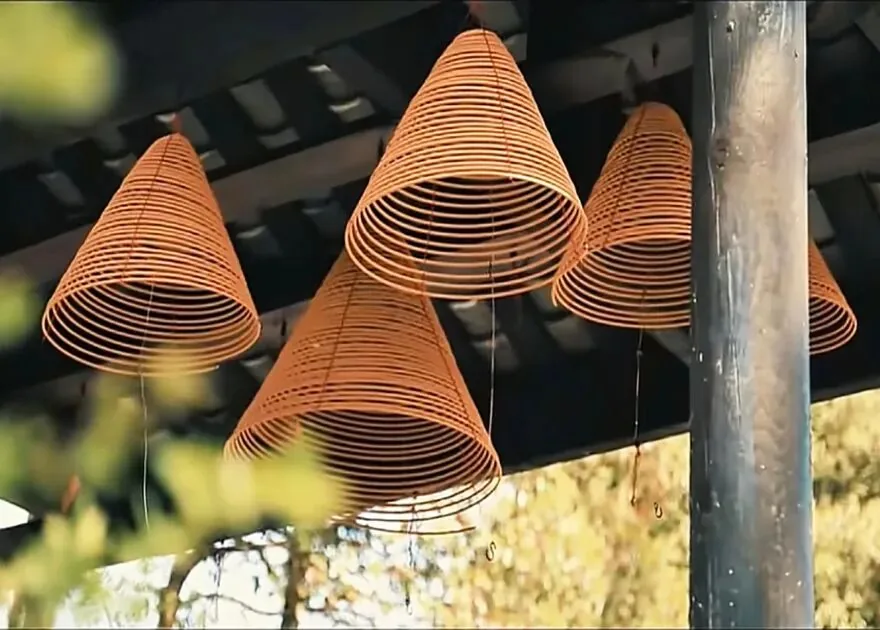
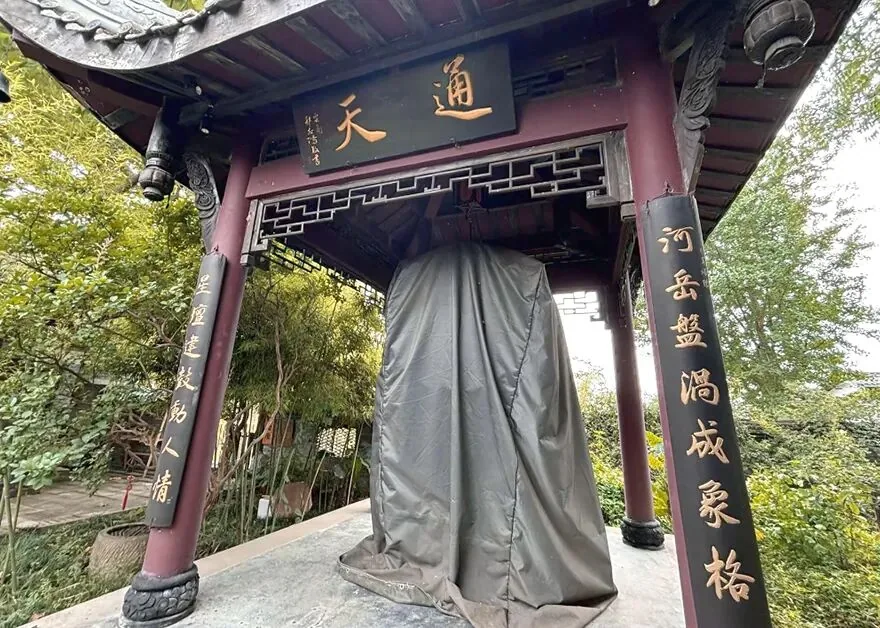
One mountain, one temple. Founded in the Eastern Han, flourishing in the Sui and Tang, continuing through Song and Yuan, with a Daoist registry office established in Ming and Qing. Incense has come and gone, the lineage has been cut several times, and several times someone has picked it back up — all the way until 1997, when Yuntai Temple reopened. What “an unbroken Daoist lineage” means — you’ll feel it at Yuntai Temple.
Practical Info
- Address: Yuntai Village, Yunfeng Town, Cangxi County, Sichuan (Yuntai Temple)
- Tickets: Free, open for self-guided visits
- Vegetarian meals: No fixed schedule; meals are by donation (随缘). Talk to the temple priests in advance.
- Driving: Navigate to “Cangxi Yuntai Temple” (苍溪云台观). There’s a free parking lot on the mountain.
- Public transport: No direct bus. Driving yourself is best. From Cangxi County town, it’s about 18 kilometers.
- Important reminder: The paths around the Tianshi’s tomb and Flying Immortal Cliff in the back mountain are remote and overgrown — take care. Treat all ruins with respect and don’t move anything.
Pro tip: The back-mountain sites are easy to miss and the trails are rough — wear sturdy shoes and give yourself extra time to explore them safely.