The Biggest Lake in Chengdu You’ve Probably Never Heard Of
Chengdu has no shortage of parks and scenic spots — huge new green spaces, many of them free. But out east, there’s a lake that flies under the radar. It’s called Sancha Lake (三岔湖), in Jianyang, and it’s packed with islands — so many you’ll lose count. If you’re looking for a quiet escape with water, birds, and fresh air, this Sancha Lake Chengdu day trip is it.
What Exactly Is Sancha Lake?
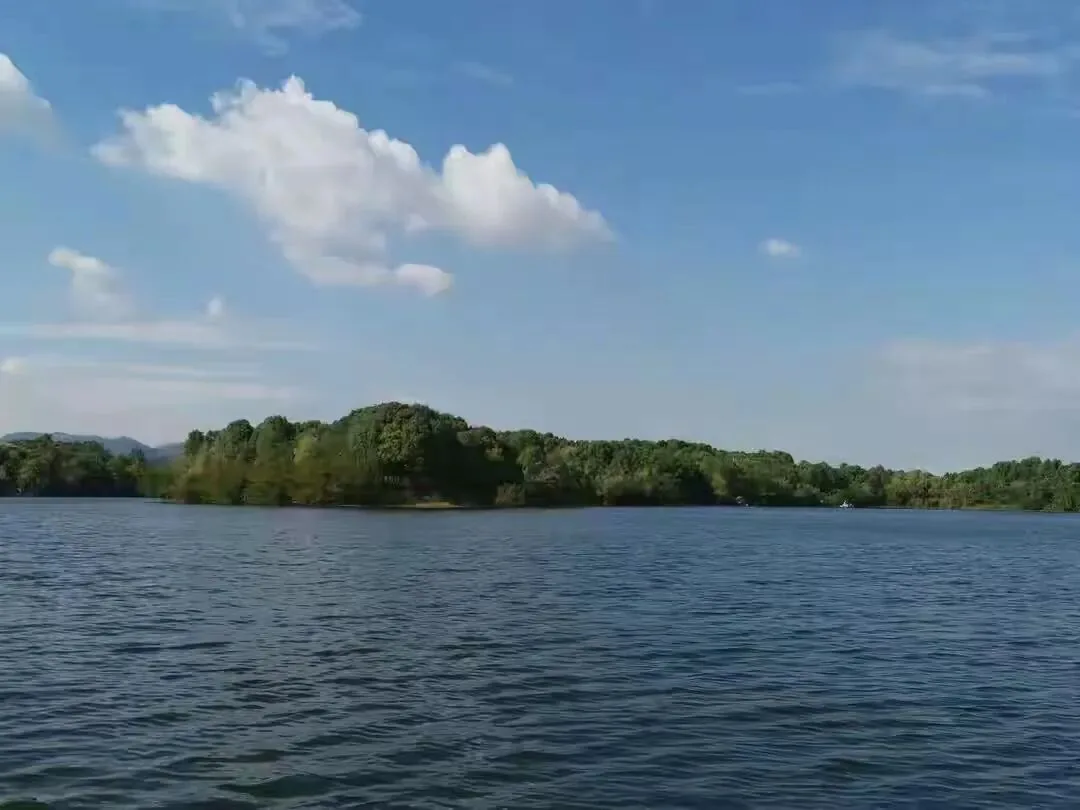
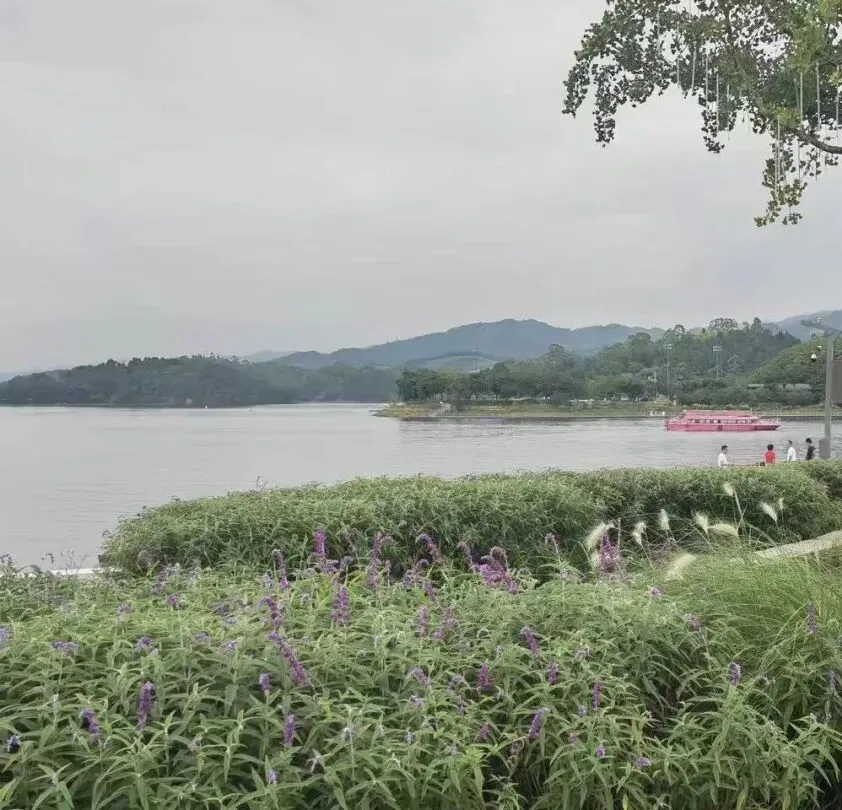
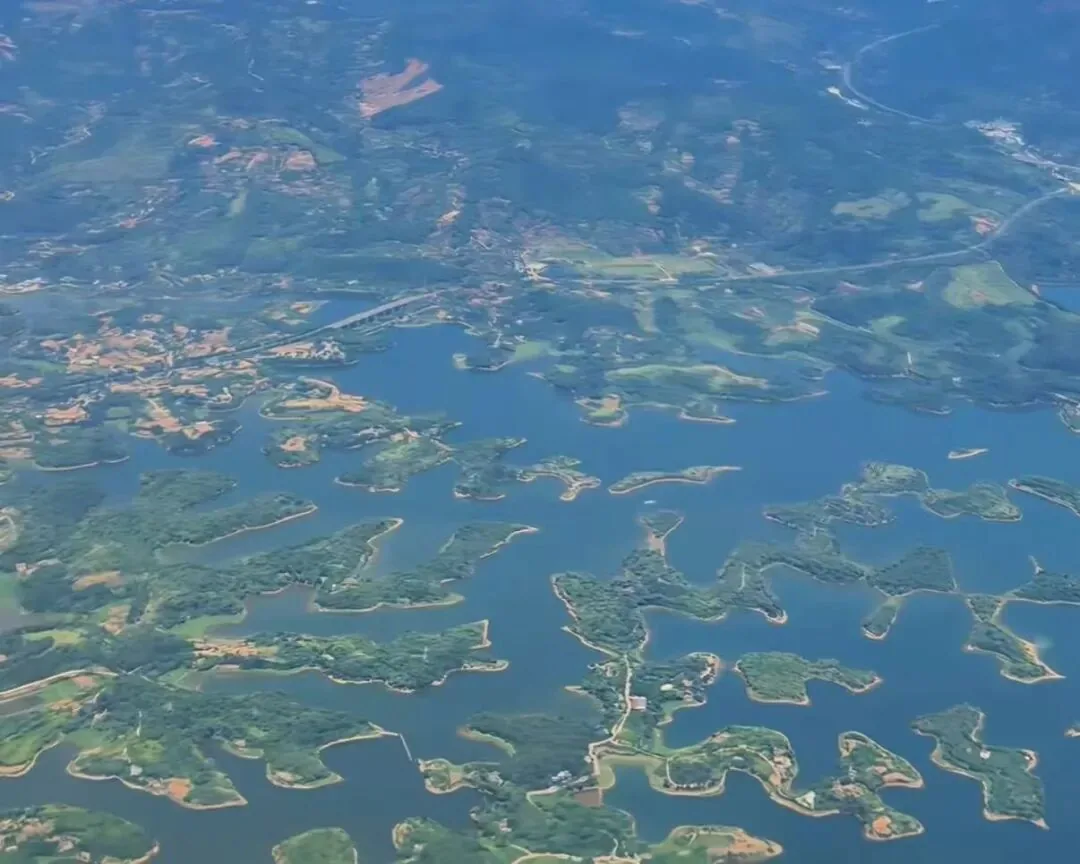
Sancha Lake sits east of the Longquan Mountains, and at first glance you might think it’s natural. It’s not — it’s a completely man-made lake, and the largest reservoir east of the Longquan range. They call it the “Pearl of Tianfu.” It’s located on the upper reaches of the Jiangxi River, a tributary of the Tuo River. The water surface covers 27 square kilometers — that’s 40,500 mu (over 40,000 mu, if you’re counting). To put it in perspective: Xinglong Lake, the biggest artificial lake near downtown Chengdu, has a total area of 6,500 mu with about 4,500 mu of water. Sancha is nine times the size of Xinglong. And compared to Hangzhou’s famous West Lake (9,570 mu of water), Sancha is 4.2 times bigger.
Islands, Peninsulas, and a Whole Lot of Shoreline
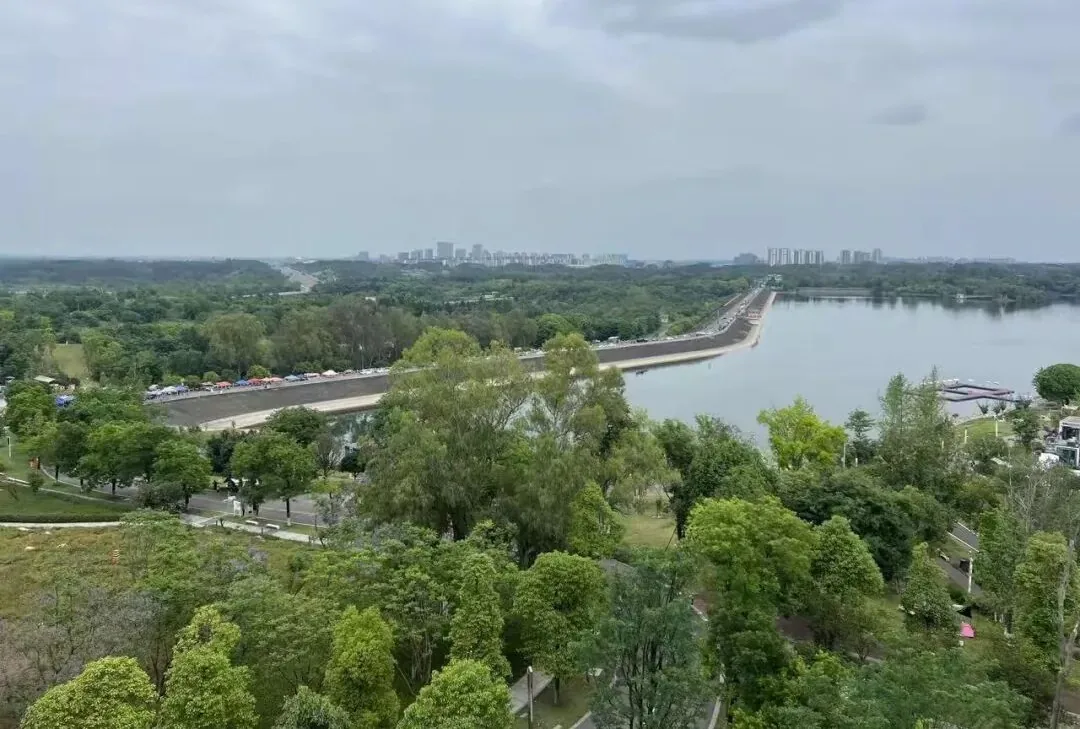
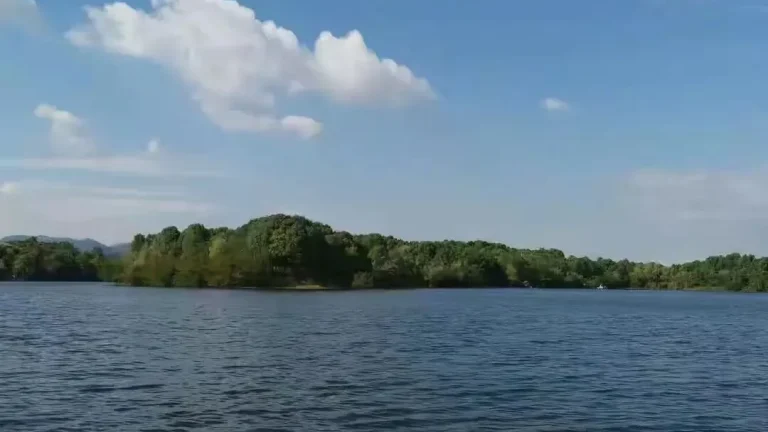
Sancha Lake isn’t just big — it has 113 isolated islands, more than 160 peninsulas, and 240 kilometers of shoreline. Sometimes I wonder: if this lake were west of the Longquan Mountains, it would probably be packed. Chengdu is inland — no big rivers, no sea — so locals have a natural longing for water. But being east of the mountains is a good thing: it keeps the crowds and commercial development away. With so many islands, people have given it nicknames like “the Thousand Island Lake closest to Chengdu” and “the Maldives of home.”
A Lake Built by Hand
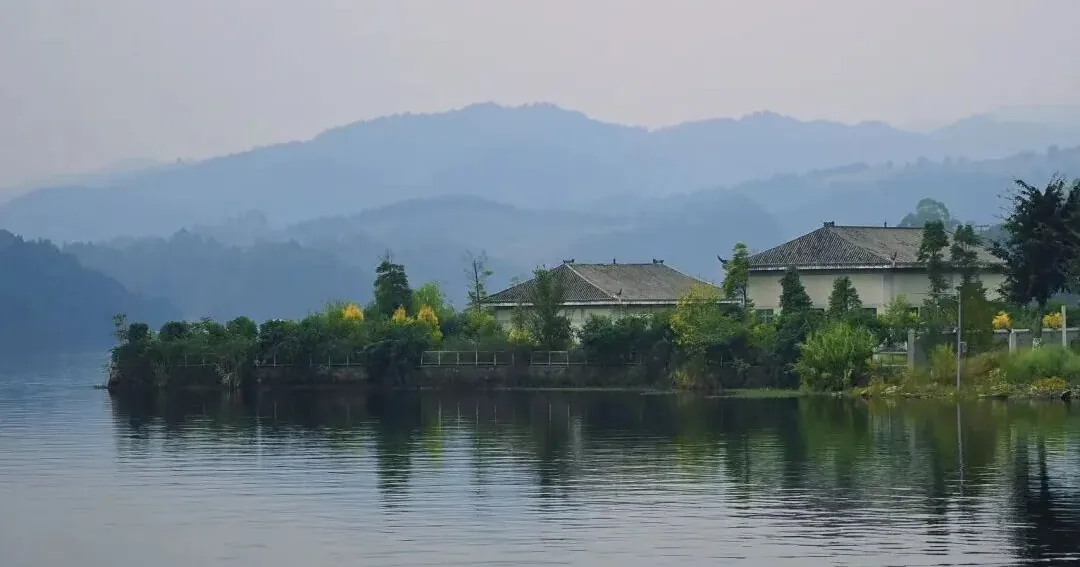
This lake is entirely artificial, and building it was backbreaking work. In the 1970s and ’80s, tens of thousands of Jianyang locals carried soil and rocks on their shoulders and backs, building a dam on the Jiangxi River to hold back the water. They worked for seven full years to create this beautiful lake. Its main purpose was flood control and irrigation, and now it’s also a scenic area.
That was an era of reshaping the land by hand. Every inch of soil and every drop of water here carries the sweat of those builders. Older Jianyang residents still remember it vividly — the hardship, their youth, and the simple memories tied to this land.
The Islands Worth Exploring
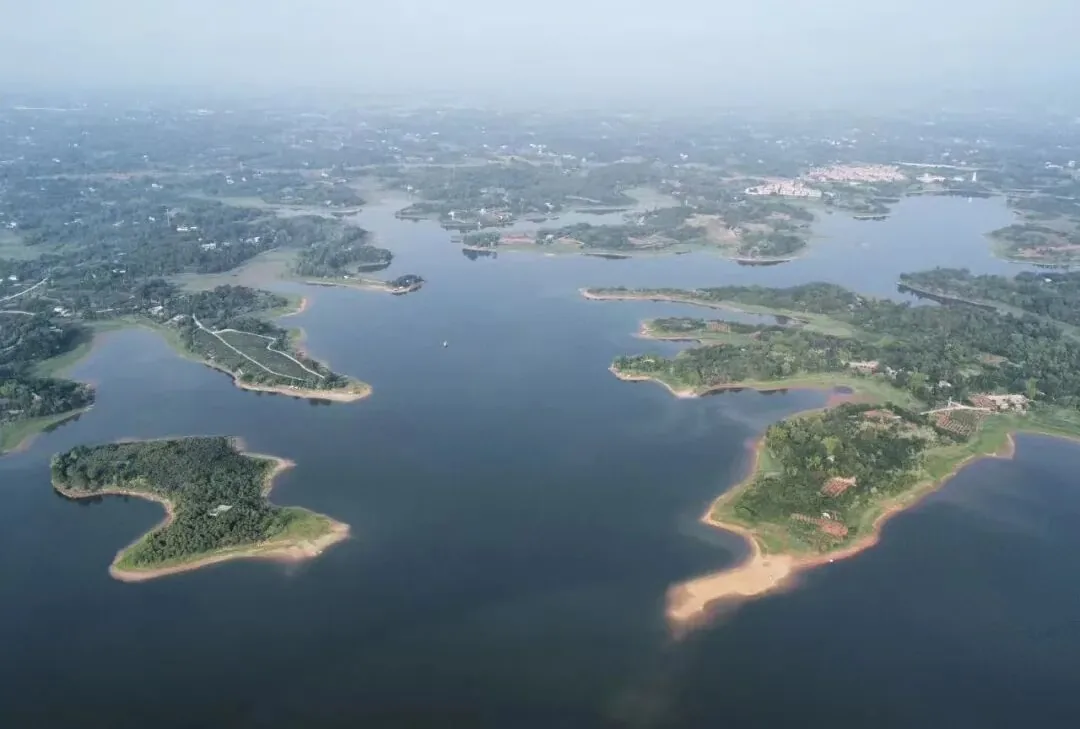
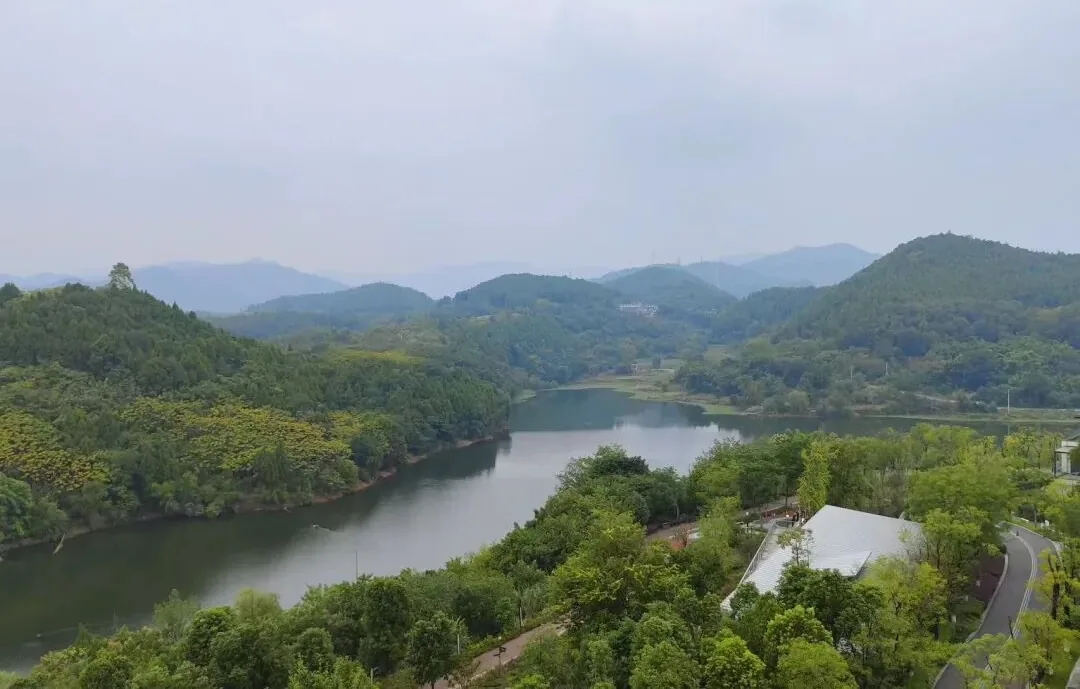
Among the many islands, Huadao (Flower Island) is one of the few you can actually set foot on. True to its name, it has flowers year-round and serves farm-style food. It’s not fancy, but it has that laid-back, old-school scenic-area vibe.
There’s also Bird Island, best viewed from a boat. In winter and spring, thousands of waterbirds gather around the island — egrets and herons rising and landing — making it a great spot for bird photographers. Moon Island looks just like its name: dense vegetation, and from above it curves like a crescent moon.
Getting on the Water
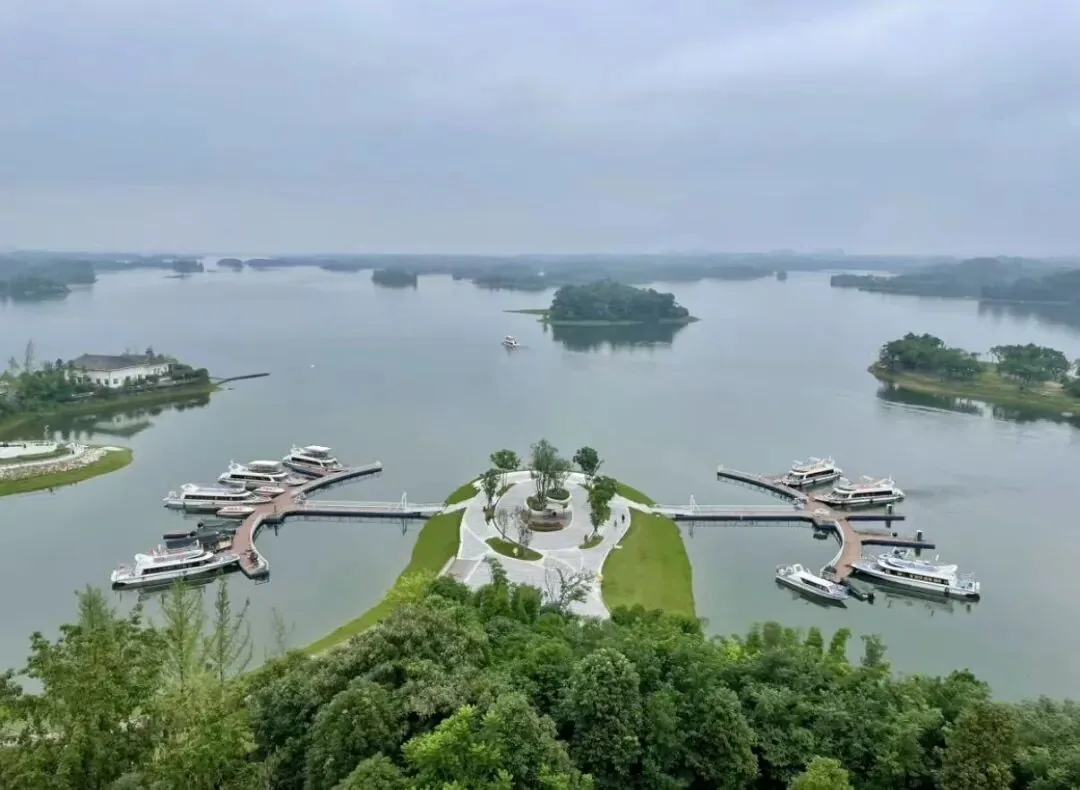
Ma’anshan Pier is where the tour boats depart. From there you can head deep into the lake. At first the channel feels like a narrow water forest, then you turn a corner and suddenly it opens up into a wide expanse.
Local insight: The boat ride is the best way to appreciate just how many islands there are — and to see Bird Island without disturbing the birds.
The Best Time to Visit
November is the most magical time of year here. Autumn is deep, the summer heat is gone, and the lake is clear and calm. Distant hills wear a thin mist, islands blur into pale ink strokes, and the reeds near the shore have turned white — some already drifting in the wind.
Viewpoints and Wildlife
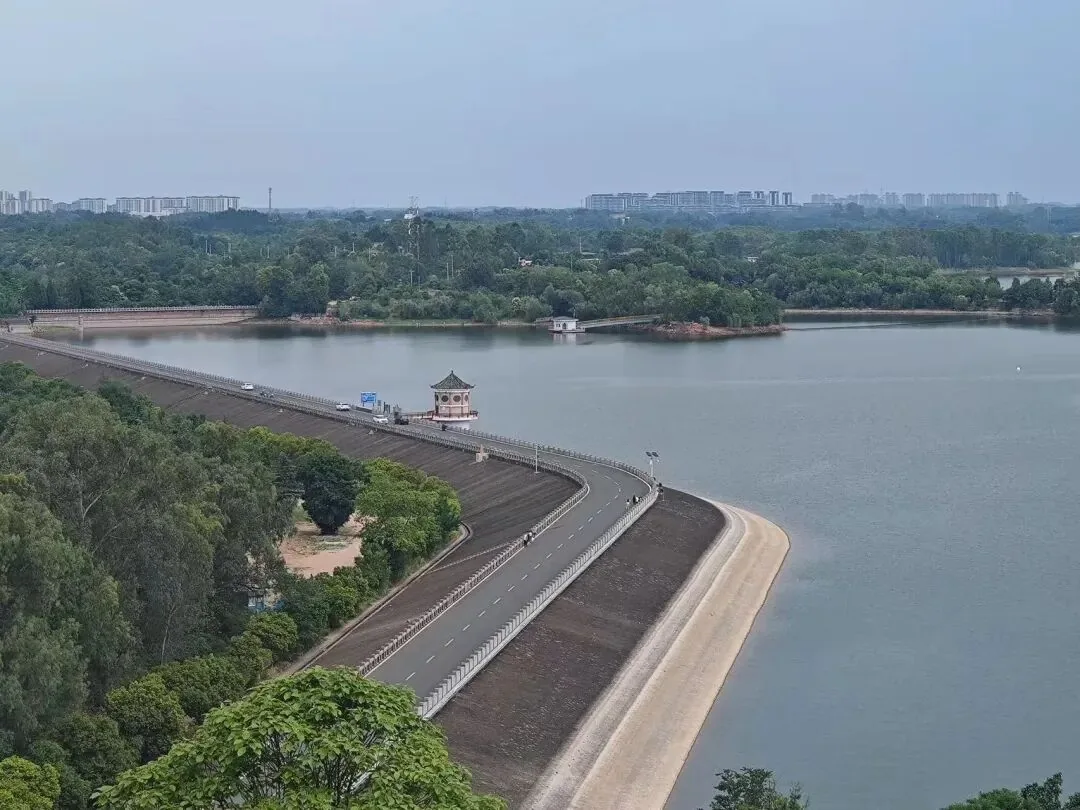
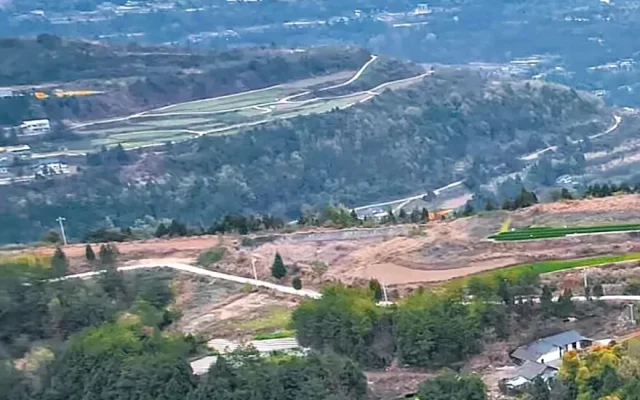
The Ma’anshan Viewing Platform is a prime spot. Stand at the railing and look down: the lake is sliced by islands into countless waterways, in shades of deep and light blue. This season you can watch tens of thousands of migratory birds take flight.
Ride, Walk, and Pick Fruit
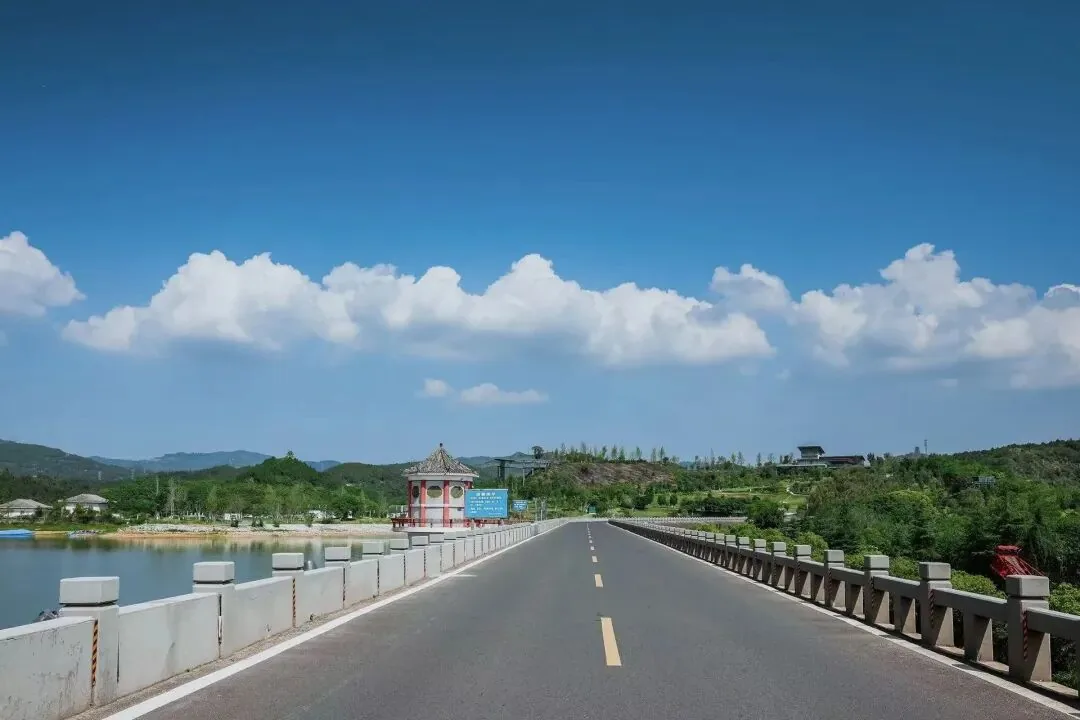
There are dozens of kilometers of greenway along the shore — perfect for cycling or a slow walk. On the slopes nearby, orchards of Ehime oranges and Pipa oranges hang heavy on the branches, their orange-red fruit weighing the boughs down. You can pick and buy on the spot — sweet and tart, fresh and delicious. Sometimes you’ll spot fishing enthusiasts sitting on the gentle slopes, perfectly still, watching the water for half a day.
A Lake in Transition
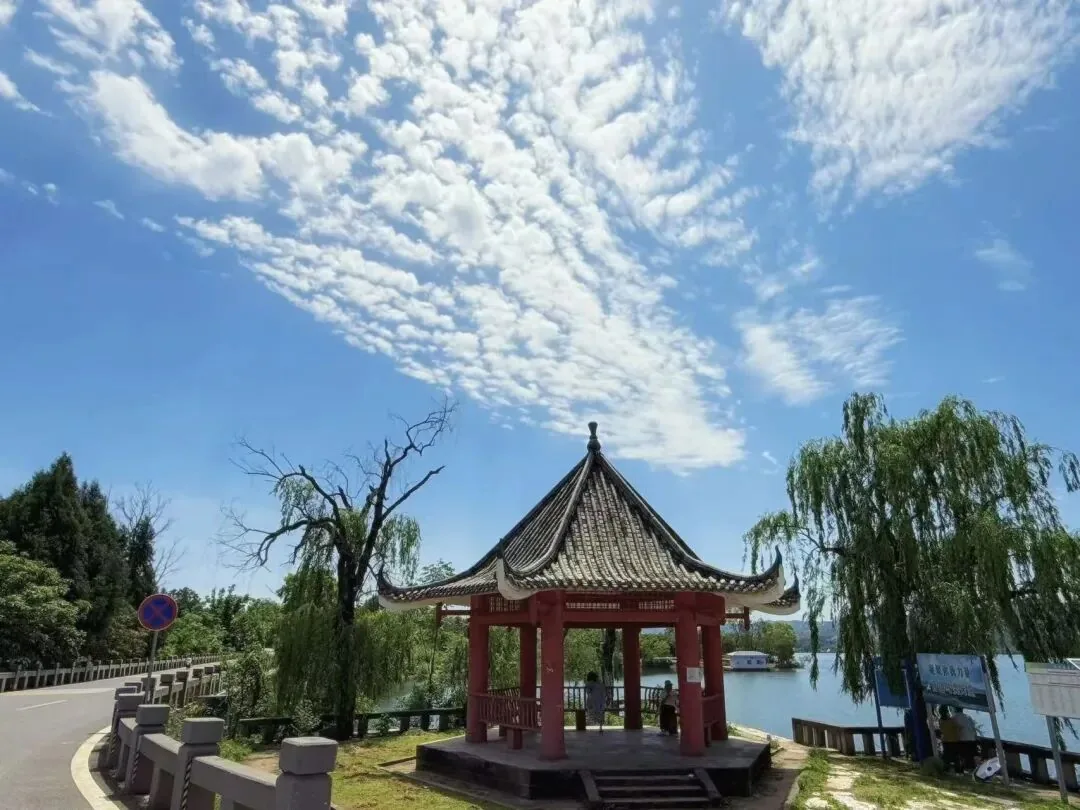
In recent years, the Sancha Lake scenic area has been developing into a tourist destination, with water sports, around-the-lake marathons, family activities, sports vacations, sports wellness, cable skiing, wakeboarding, kayaking, and many other projects. Honestly, I’m conflicted — I want it to become popular, but I also don’t. Only I know why.
The Quiet Beauty of Sancha Lake
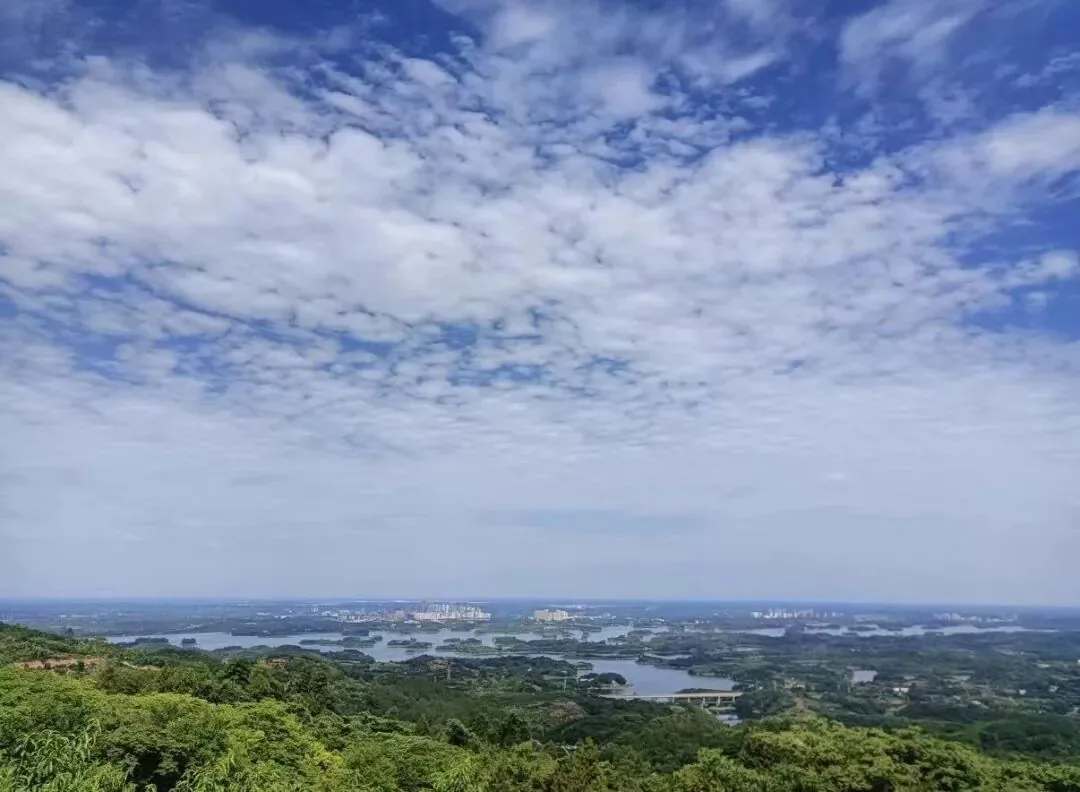
“The water glistens on a sunny day.” Sancha Lake’s beauty lies in its openness and ease. It’s not exactly famous, but it lies quietly at the foot of the Longquan Mountains. When the sun sets, sit on the grass and watch it disappear below the horizon — a little melancholy, but mostly a feeling of grounding and contentment. So, do you like Sancha Lake?
Practical Info
- Location: Sancha Lake, Chengdu Eastern New Area (formerly Jianyang Sancha). Navigate to “Ma’anshan Viewing Platform” or “Sancha Lake Ma’anshan Pier.”
- Tickets: Free to visit; boat rides are charged separately.
- Public transport: Take Metro Line 18 to Sancha Station Exit B, transfer to Bus Dong 11A to Guoning Garden Station, then walk 1 km.
- Driving: About 1 hour from downtown Chengdu. Navigate to “Ma’anshan Viewing Platform / Ma’anshan Boat Pier.” Take the Second Ring Expressway to Sancha Lake exit, or take Shuangjian Road for a scenic drive. Parking is 10 RMB per day.
Pro tip: Bring cash for parking and fruit picking — some small vendors may not accept mobile payment.