He Ming Shan: Chengdu’s Free Taoist Mountain for Hiking, Foraging & Family Days
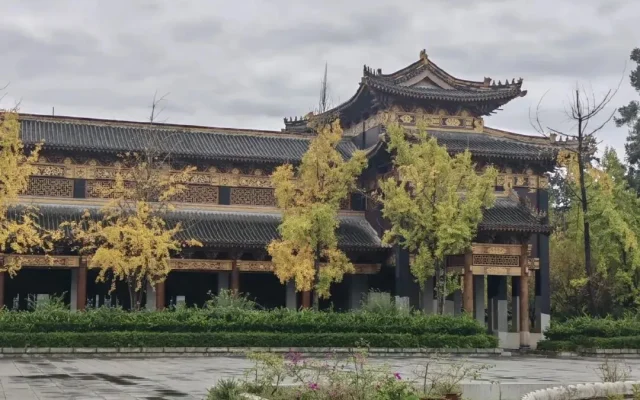
If you ask a local, they’ll tell you: mid-to-late October is when He Ming Shan (鹤鸣山) hits its stride. Golden ginkgo leaves against red walls — a combo that keeps hanfu dressers, photographers, and parents with kids all happy. And here’s the thing — the he ming shan hiking options range from a relaxed beginner loop to a bigger circuit, plus you can forage on the side: spring brings fish mint (折耳根) and mugwort (清明菜), autumn brings bamboo shoots and wild kiwi. One mountain, and it’s got hiking, foraging, kid-friendly strolls, and ancient temples all wrapped up.
What Makes He Ming Shan Worth the Trip
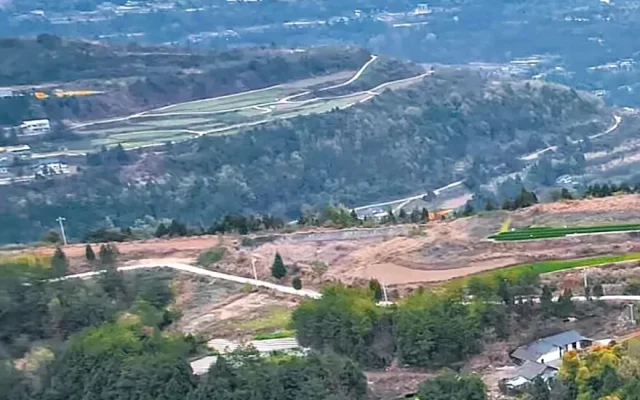
He Ming Shan sits in Heming Town, Dayi County, about 70 km from downtown Chengdu — roughly 1.5 hours by car. It’s widely recognized as a Taoist ancestral site, with temples that date back to the Eastern Han dynasty. You’ll find historic spots like Yingxian Bridge, Wenchang Palace, Taiqing Palace, Laojun Hall, and Tiangu Cave.
The seasonal appeal is pretty clear:
- Spring: Plum blossoms at Daping plum grove; dig for fish mint and mugwort under the trees.
- Autumn: Ginkgo peaks in mid-to-late October, with red maples at the same time; bamboo shoots push up through the soil and wild kiwi hangs on the vines.
- Any season: Hiking is always good — high negative oxygen ions, few crowds, and plenty of peace and quiet.
Address & Navigation
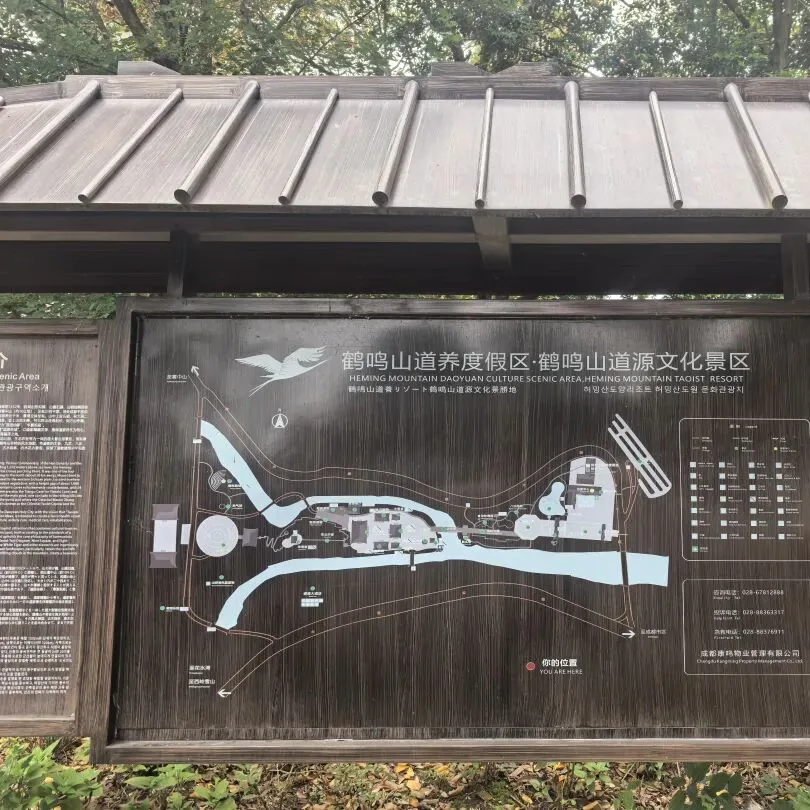
- Address: Sanfeng Village, Heming Town, Dayi County, Chengdu (search “鹤鸣山道观” / He Ming Shan Taoist Temple in your map app)
- Parking: About 10 RMB per day at the scenic area lot; weekends get tight, so arrive early
- Free entry: He Ming Shan Taoist Temple (this is the area where hiking and foraging happen)
Tickets & Food
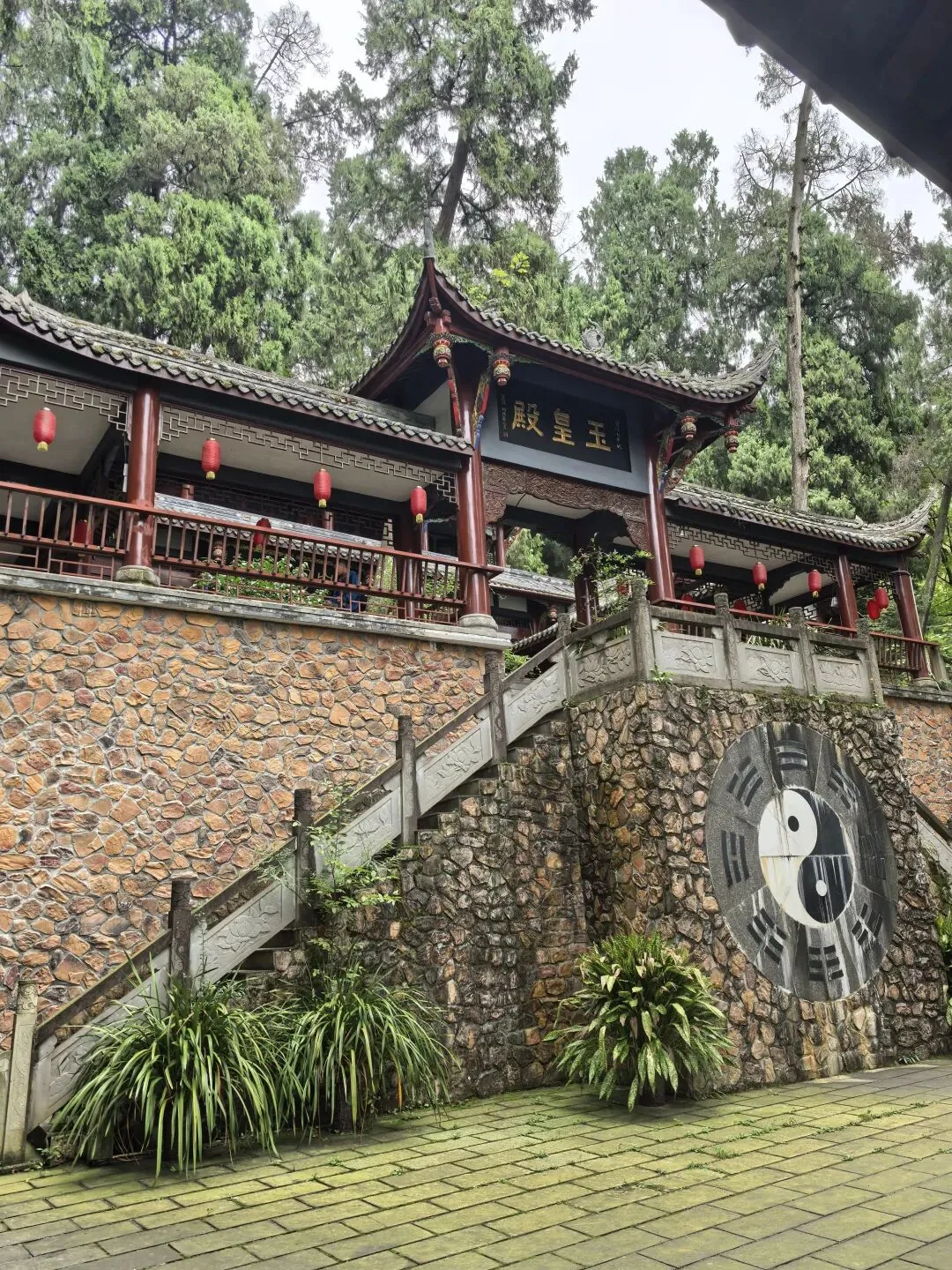
- He Ming Shan Taoist Temple: Free, no ticket needed
- Temple vegetarian meal: About 10 RMB per person — light but filling; mountain spring water is available for free
Routes & Timing — Pick Your Pace
Beginner / Family-Friendly: Small Loop
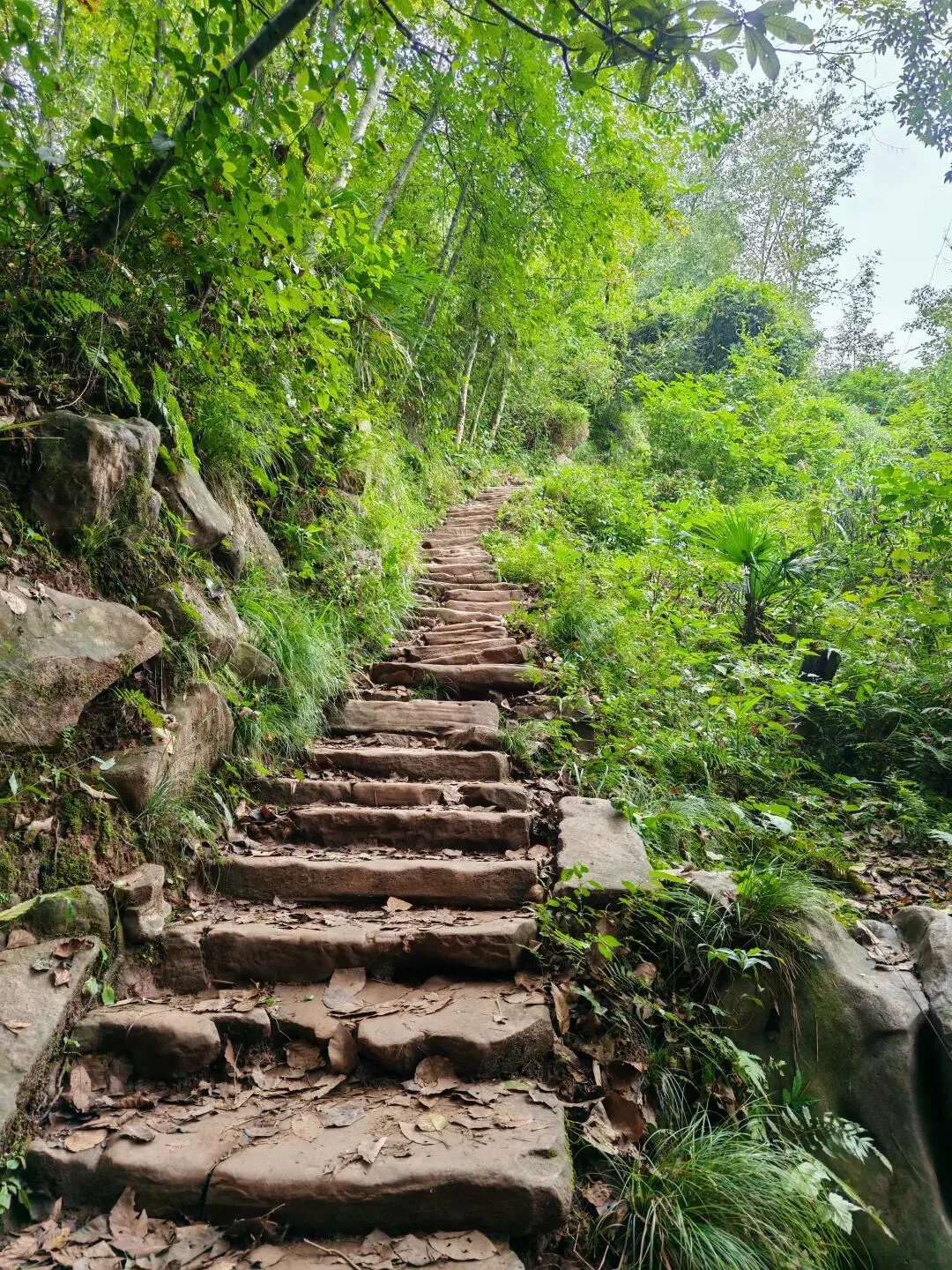
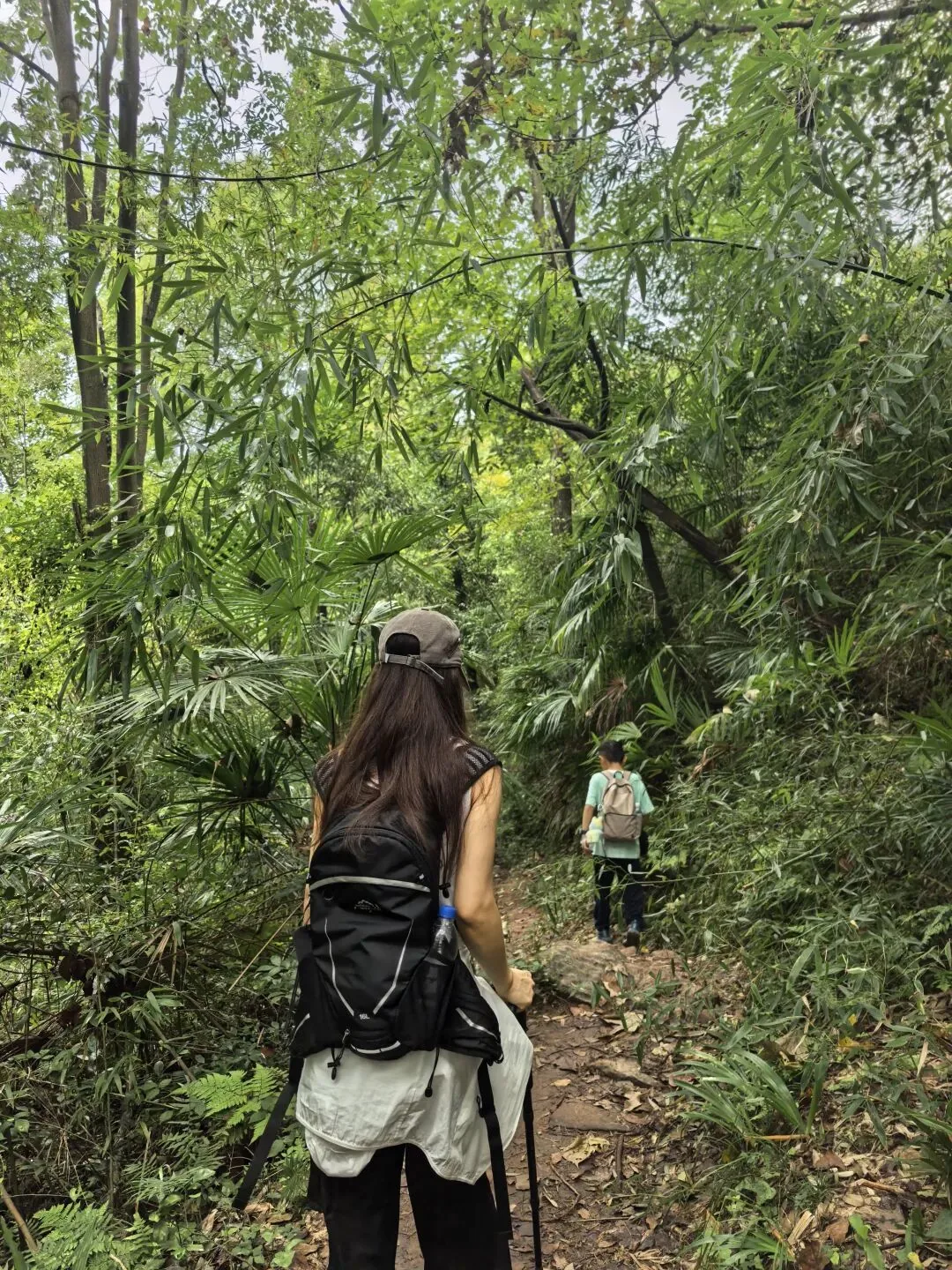
- Distance & time: About 5–6 km; with a slow pace, photos, and rest stops, roughly 3–4 hours
- Difficulty: ★★☆☆☆
- Route: Start at He Ming Shan Taoist Temple → take the small path on the right up the mountain → at the first fork, turn left → pass through plum grove and bamboo forest → reach the Daping paragliding base at the summit → descend on the other side back to the temple
- Terrain: Mostly stone-slab paths and dirt trails, with a gentle overall climb. Some irregular rocky sections can still test your ankles and knees, but seniors and kids can take it slow without pressure.
Classic Experience: 9 km Loop
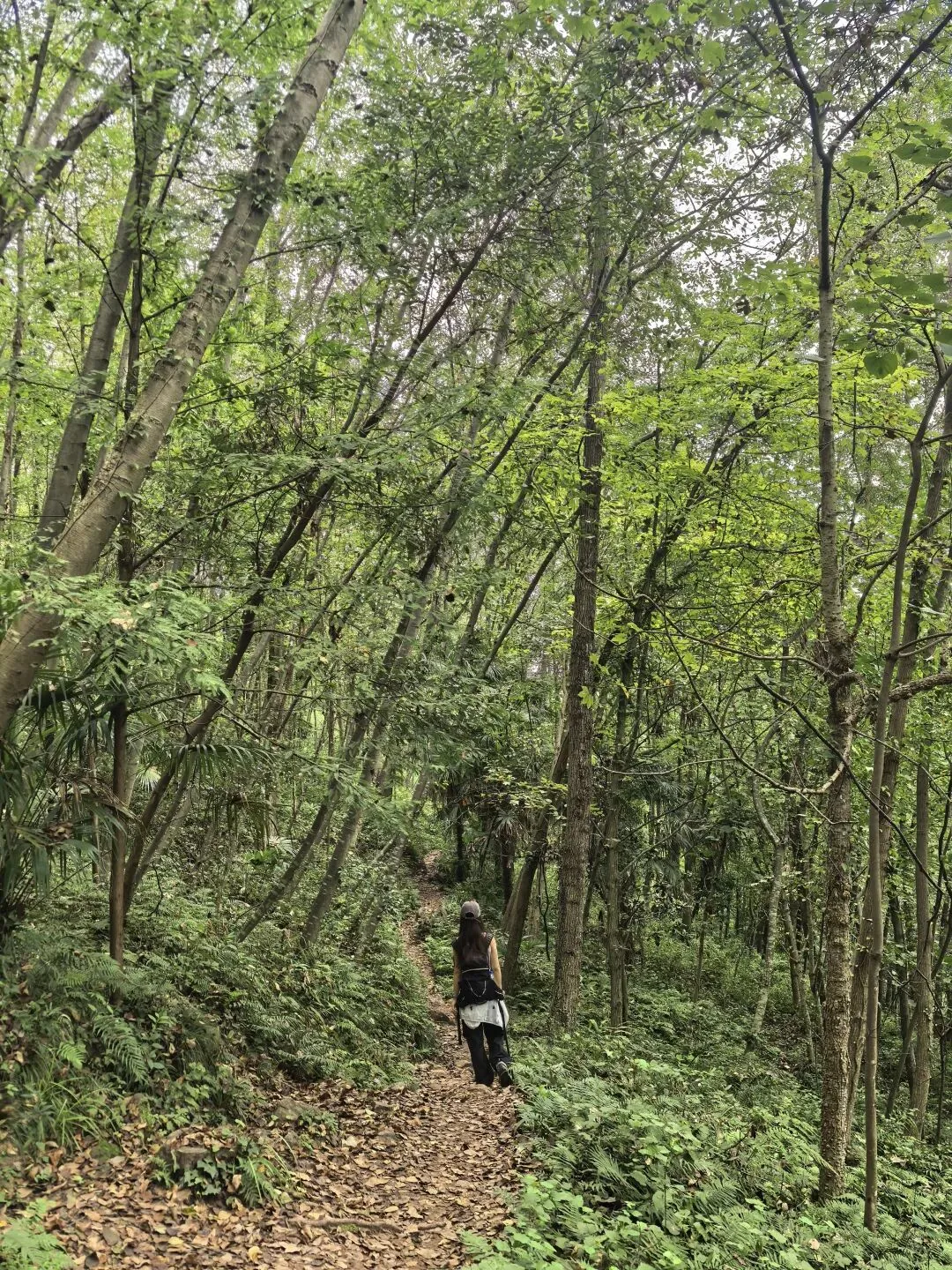
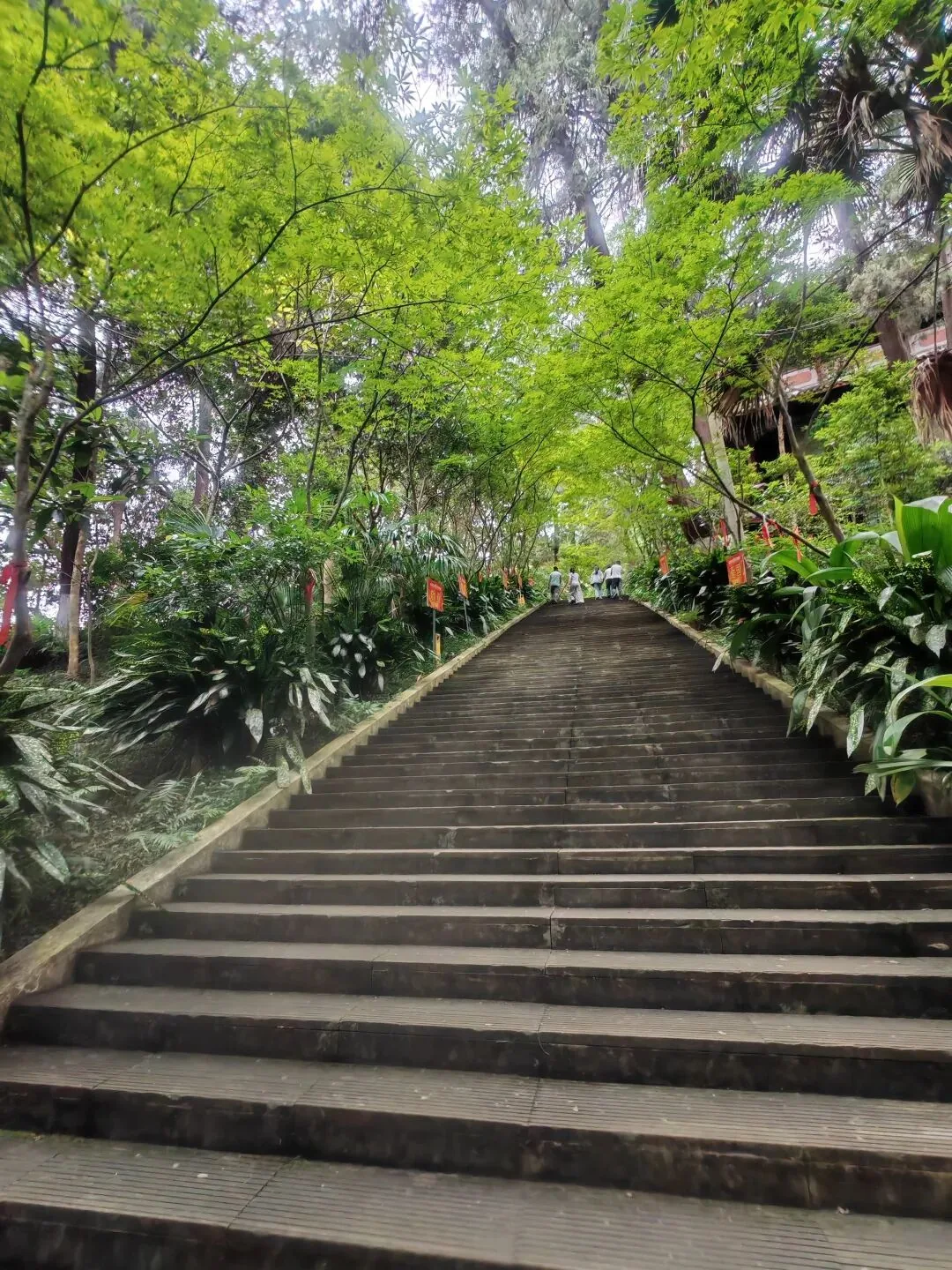
- Distance & time: About 9 km, nearly 600 m of ascent, roughly 4–5 hours
- Difficulty: ★★★☆☆
- Terrain: Varied — stone steps, dense forest, and dirt paths interwoven; feels more wild
- Heads-up: The first half is a fairly hard climb; the second half is mostly scree on the descent, which is tough on knees. Strongly recommend bringing trekking poles.
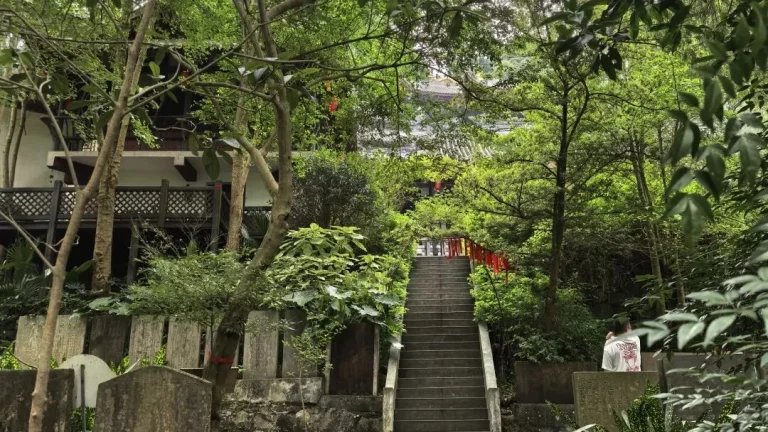
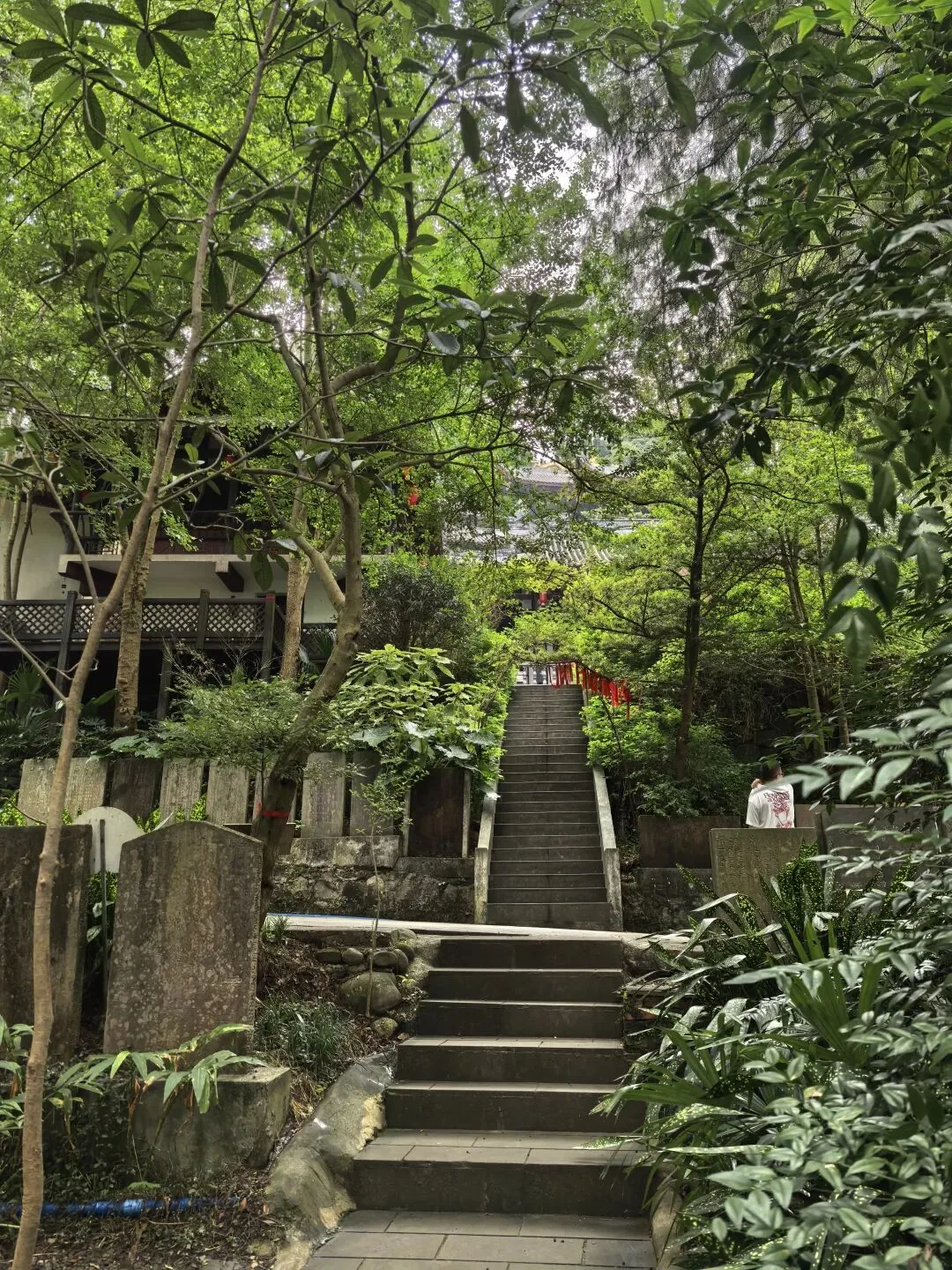
If you just want to stroll around the old temple with kids and skip the mountain climb, there are stone-paved paths with some elevation inside the temple area too — wear comfortable sneakers.
Getting There
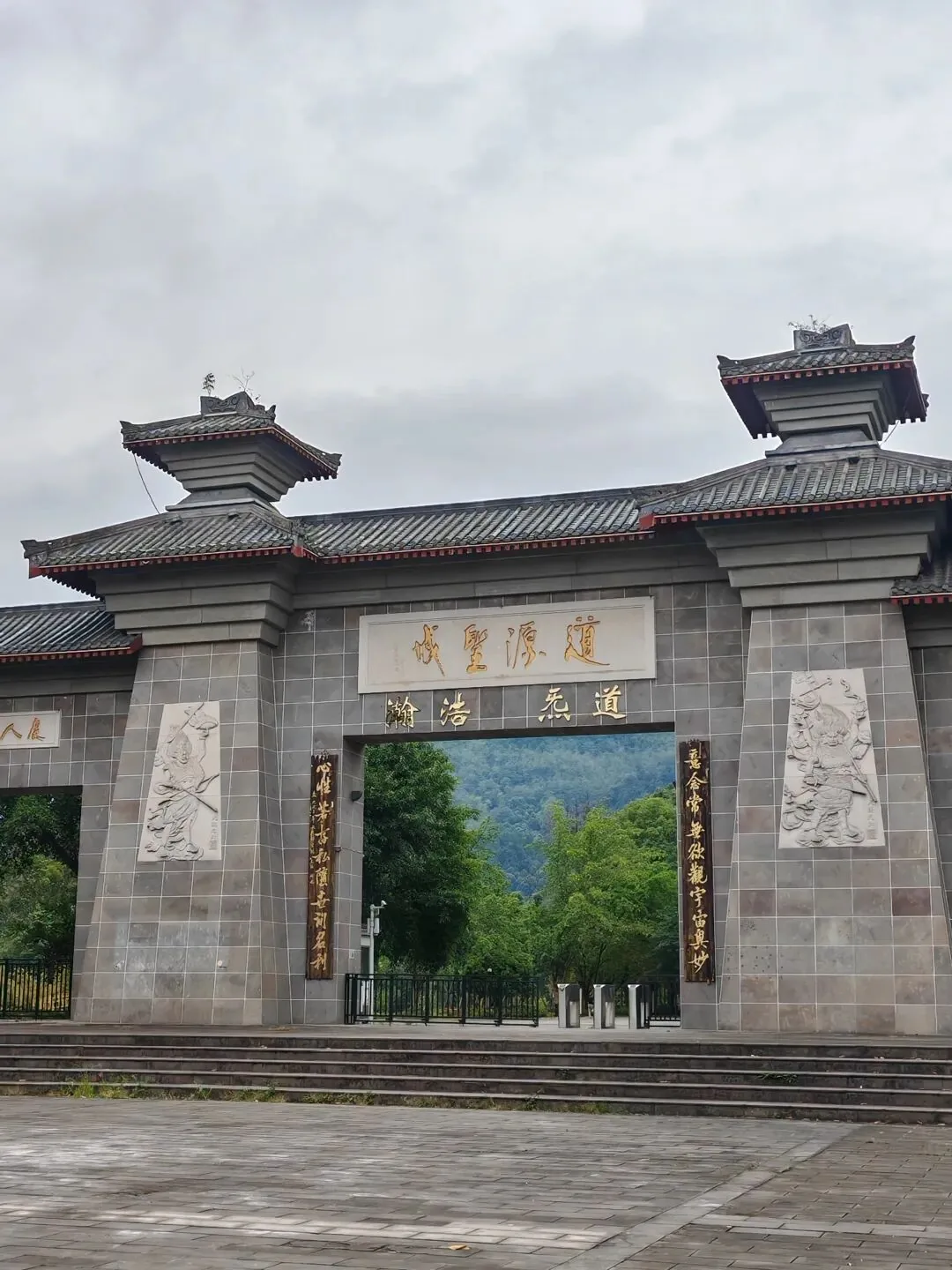
By car: Navigate to “鹤鸣山道观” (He Ming Shan Taoist Temple). From Chengdu it’s about 1–1.5 hours; parking is about 10 RMB per day. Route: Chengdu–Wenjiang–Qionglai Expressway → Dayi South exit → Xueshan Avenue → Dashuang Road direct.
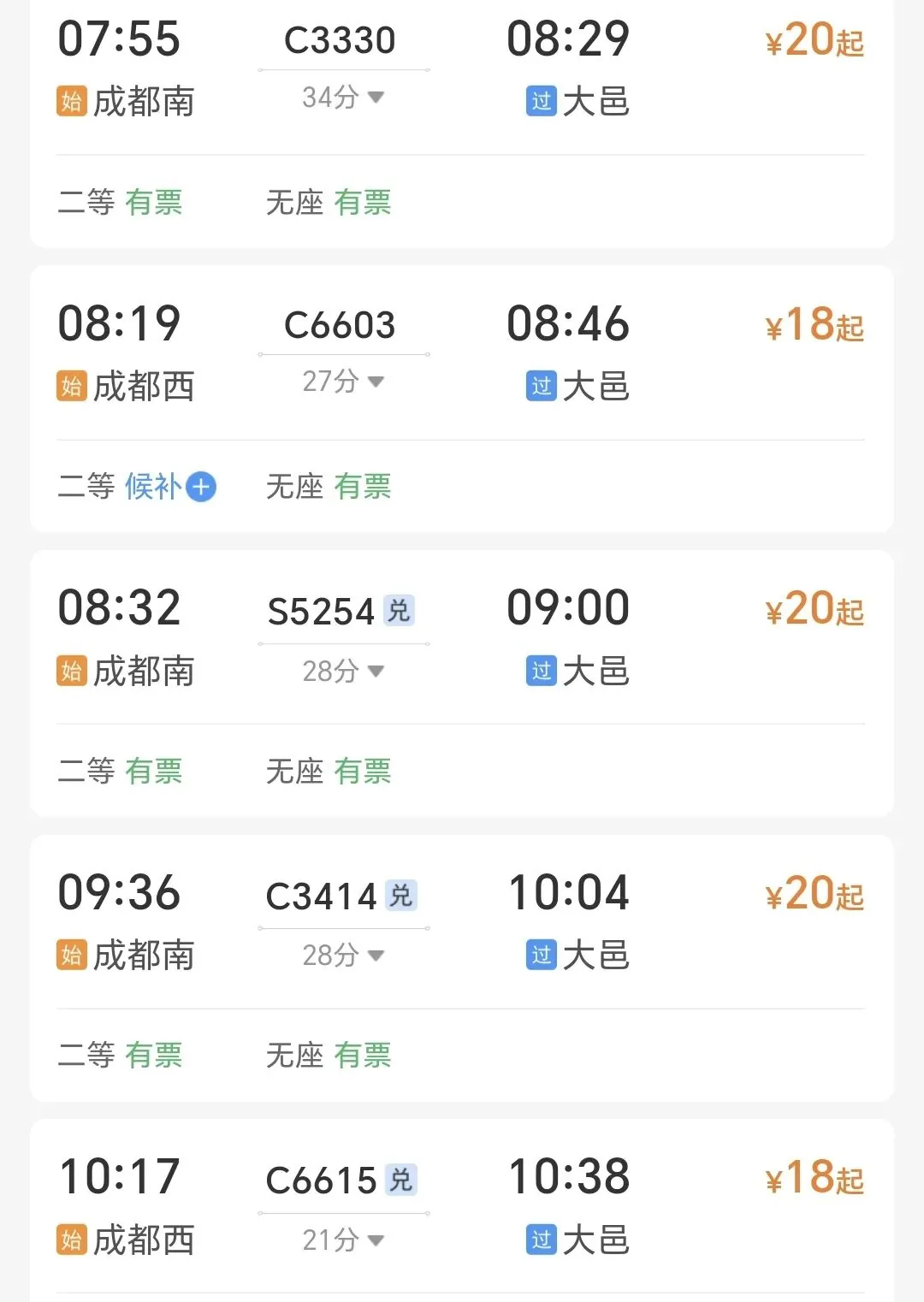
By metro: No direct metro to Dayi. You can take Metro Line 4 or Line 9 to “Chengdu West Railway Station” and transfer to a train to Dayi (see below).
By bus + train (cheapest): From Chengdu West / South / East Station, take a train to Dayi Station (about 30 minutes, second-class seat just over 20 RMB) → exit and walk left about 50 meters to transfer to Bus 212 (about 2 RMB, roughly 1 hour) direct to the temple; or take a taxi for about 30 RMB to the entrance.
Pro tip: The last Bus 212 is around 18:30 — don’t stay out too late or you’ll miss it. Cell signal in the mountains is poor, so download offline tracks and maps on apps like “Two Steps” (两步路) before you set out.
Trail Tips
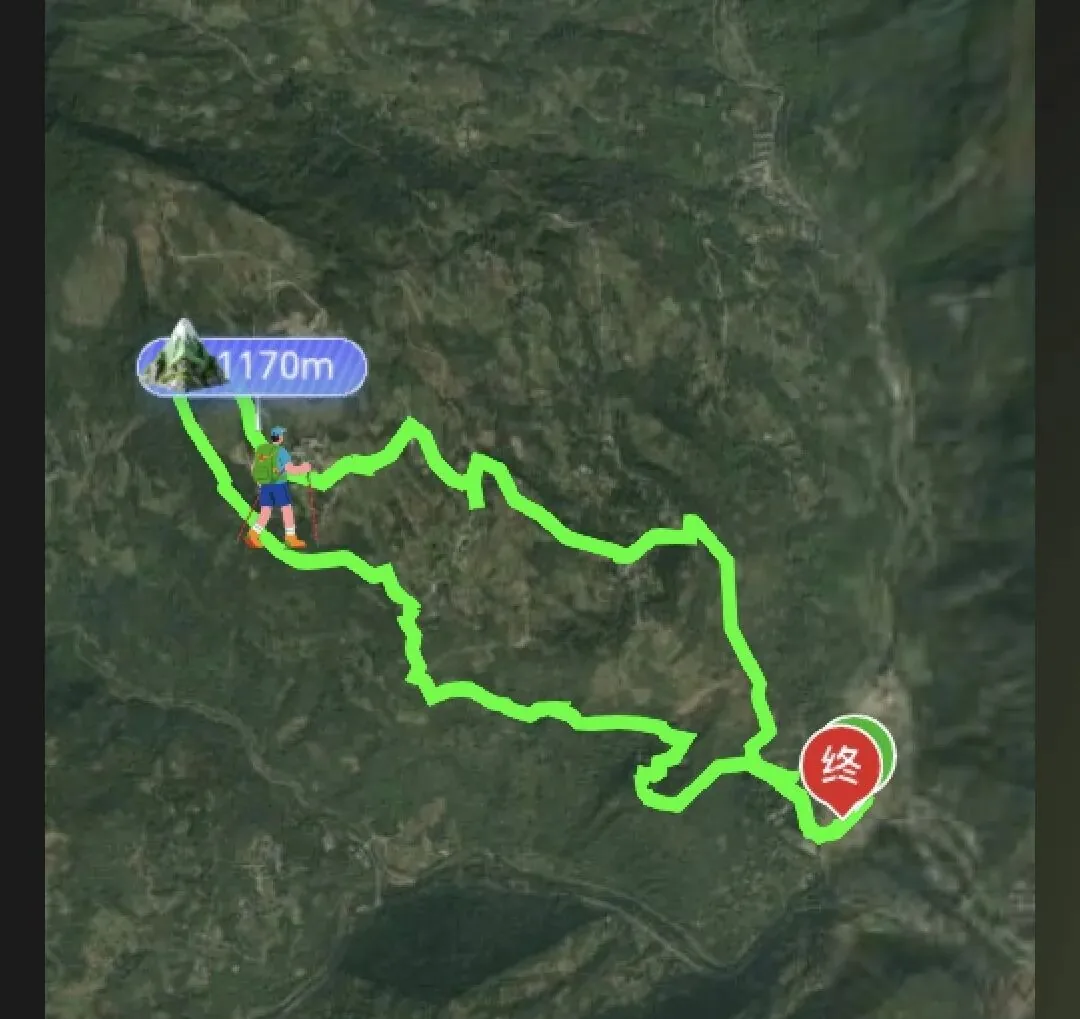
- Many forks — beginners get lost easily: Download offline tracks before you go, and watch for ribbons and trail signs along the way.
- Rain makes it slippery: Difficulty and danger double on wet days — try to go on a sunny day.
- Leave no trace: Pack out all your trash.
- Very few supplies: Bring enough water (1.5–2L) and energy snacks; the paragliding base occasionally sells a little.
Foraging & Family Tips
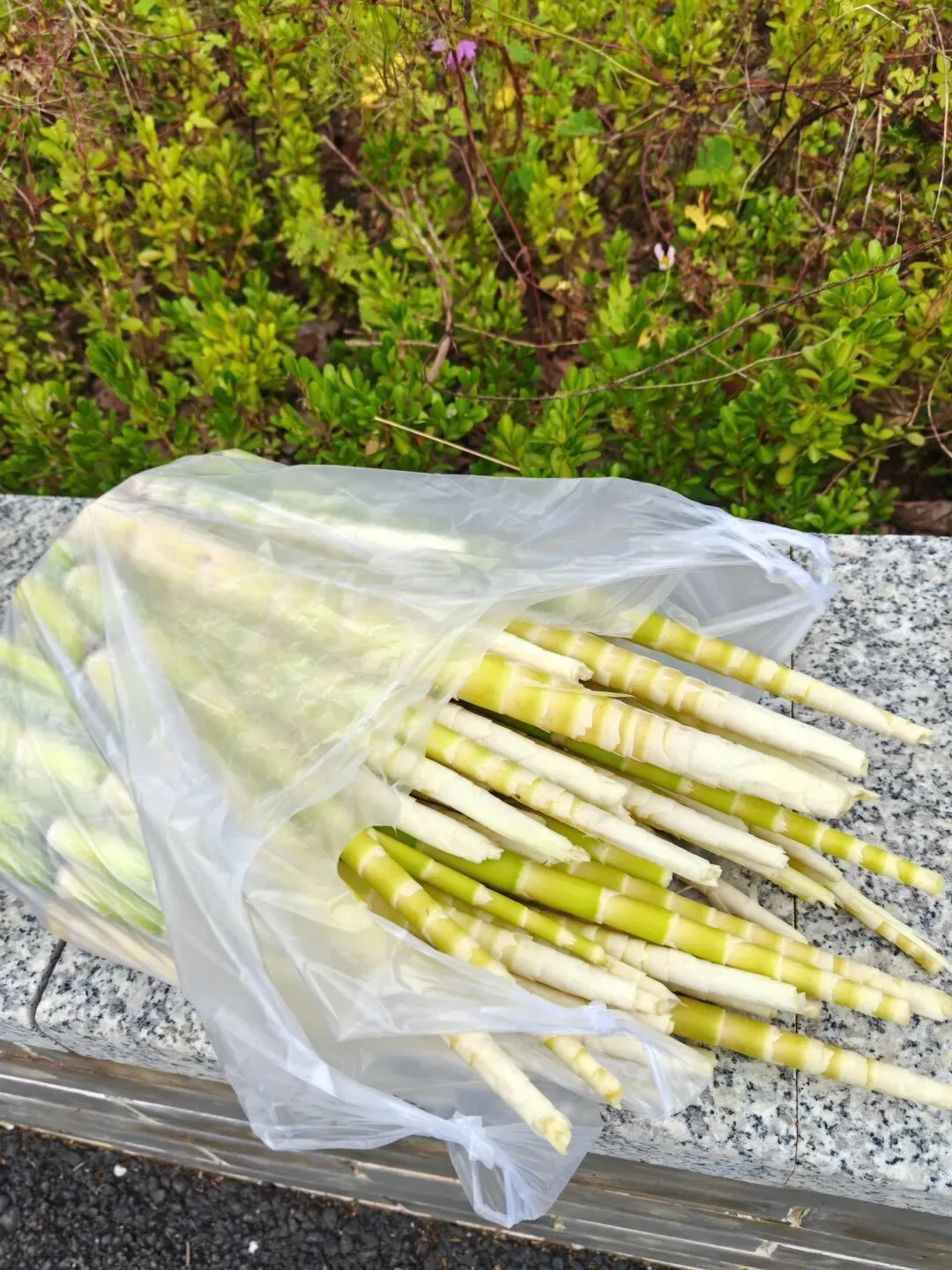
- Spring: Dig fish mint and mugwort around the plum grove — tender and fresh.
- Autumn: Bamboo shoots are pushing through the soil; wild kiwi is in season too.
- Didn’t gather enough? Don’t worry — locals set up stalls near the temple at the bottom selling bamboo shoots for about 5–7 RMB per jin, plus wild kiwi to take home.
- With kids: Stick to the small loop or the temple area — slow pace, not tiring. Have a vegetarian meal at noon, then pick up some local farm vegetables on your way home.
Pitfalls to Avoid
- Wear non-slip hiking shoes or sneakers — dirt paths and mossy sections get very slippery after rain.
- Trekking poles are strongly recommended, especially on the scree descent — saves energy and protects your knees.
- Keep quiet when visiting temple halls.
- Bring sun protection, a hat, a raincoat, and a power bank — signal in the mountains is patchy.
Nearby Add-Ons
- Anren Ancient Town: About 20 minutes by car from He Ming Shan; Liu Family Manor and Dizhu noodles — half a day is enough to wander.
- Xinchang Ancient Town: Fatty intestine blood curd (肥肠血旺) and leaf-wrapped rice cakes (叶儿粑) — grab snacks on the way.
- Huashuiwan Hot Springs: Soak in a hot spring after hiking — perfect for sore muscles.
- Xiling Snow Mountain: Same direction; if you’ve got energy, string it into a two-day trip.
A free Taoist ancestral site, ginkgo about to turn gold, trails just right — bring water and trekking poles, and head out this autumn for a walk.