Shixiang Lake: Chengdu’s Original Flower-Season Superstar — and What It’s Like Now
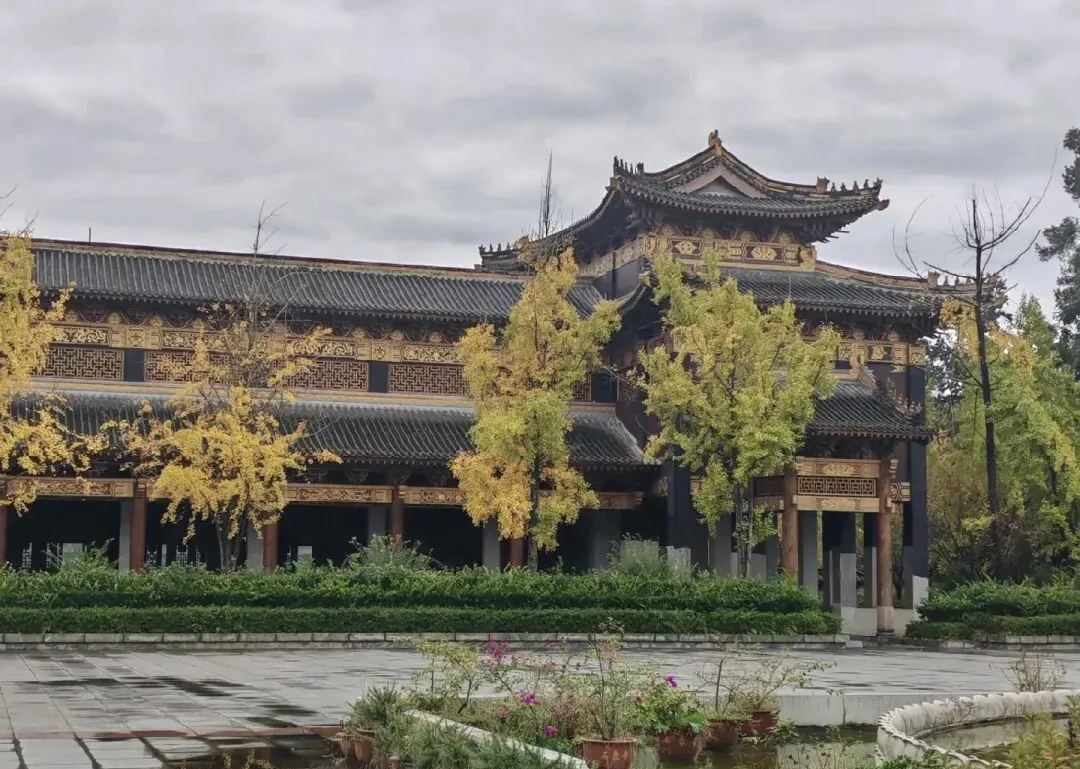
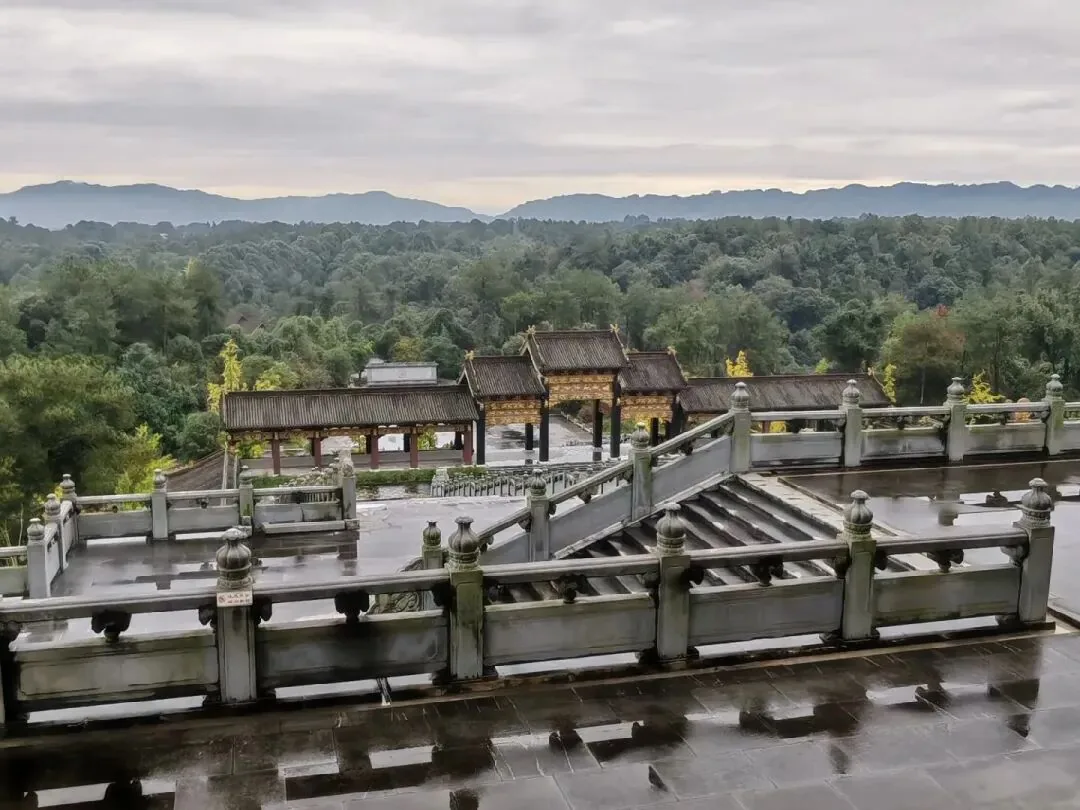
Chengdu has built a lot of big, beautiful parks in recent years, and most of them are close to home — which is one reason life here feels pretty good. But some parks quietly slip out of people’s minds. Even ones that were once wildly popular. Take Shixiang Lake (石象湖景区) in Pujiang — a place that was as hot as it is now quiet.
Most Chengdu locals have heard of Shixiang Lake. Plenty still haven’t been. And these days, when the name comes up, someone will inevitably ask: “Wait — Shixiang Lake closed?” Given how huge it once was, closing seemed impossible. But years later, that’s exactly what happened. Maybe it’s true what they say: peak popularity is followed by decline, and extremes flip to their opposite.
Where It Is and How It Got Famous
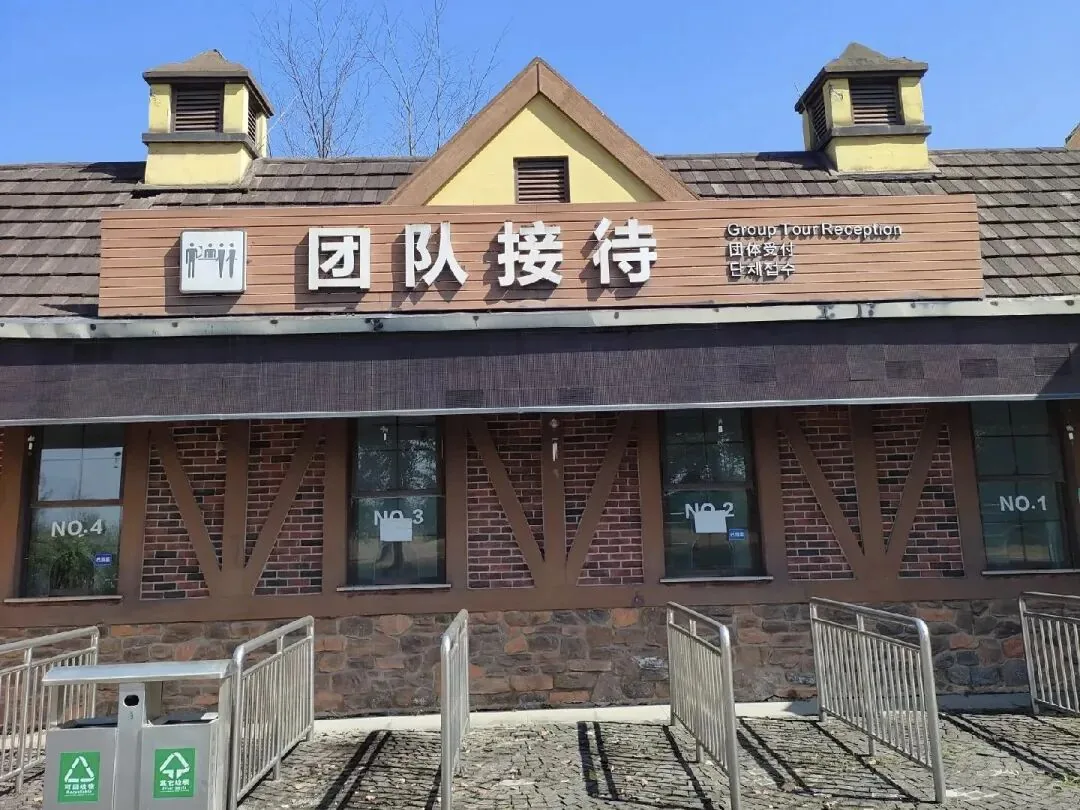
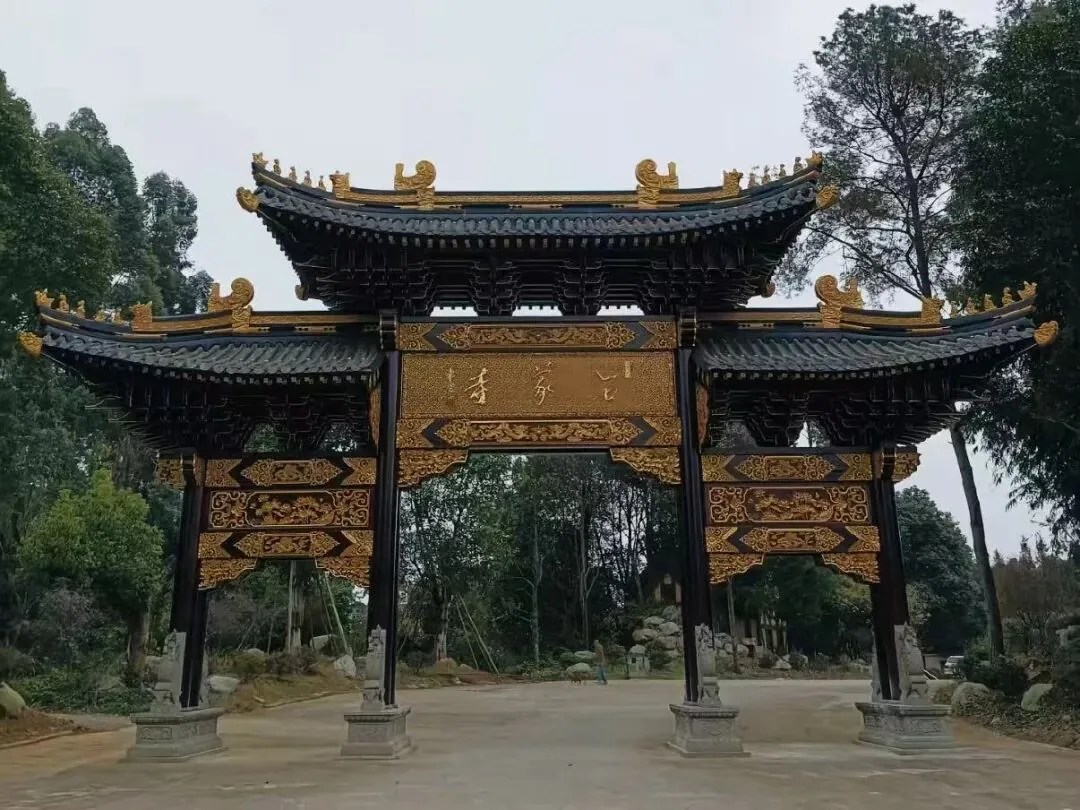
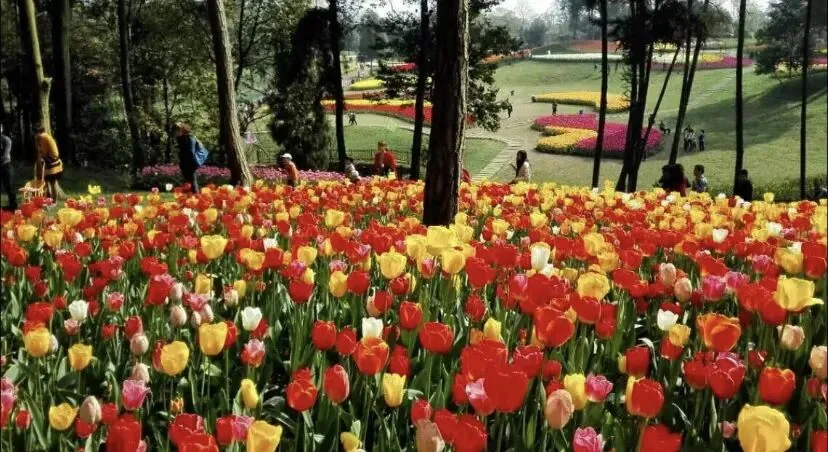
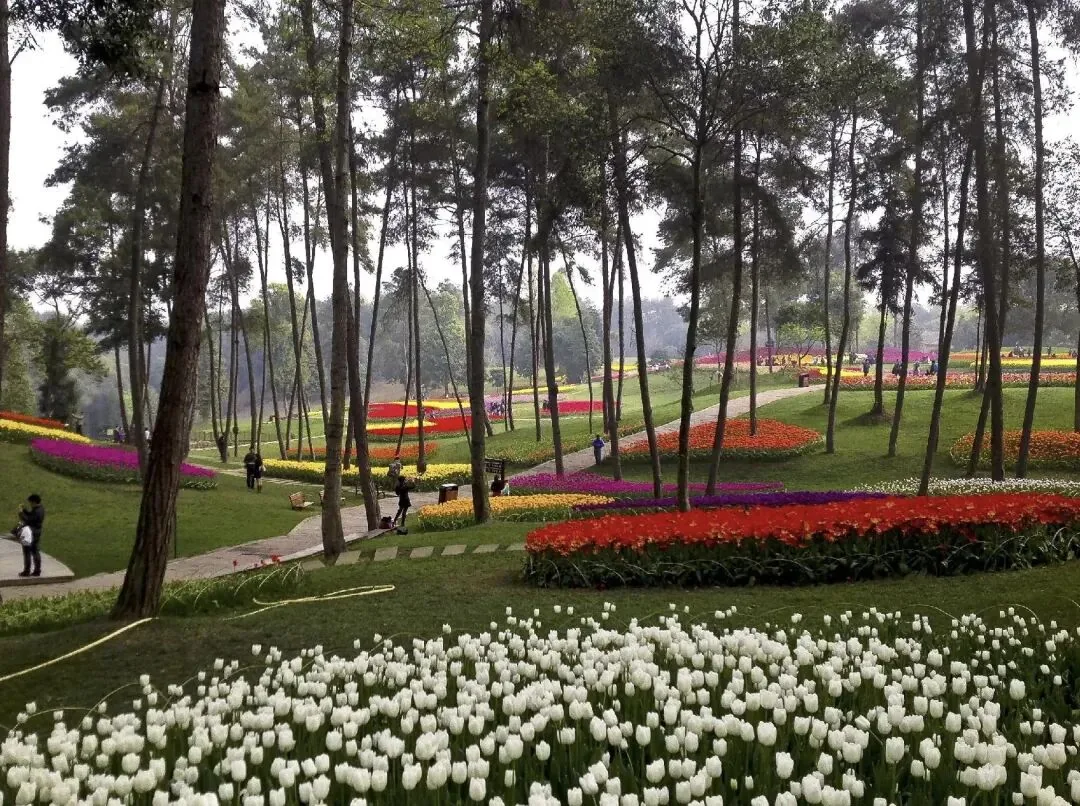
When Chengdu people mention Shixiang Lake, nine times out of ten they think of tulips first — and only then try to remember which county it’s in. Some even think it’s in Xinjin, which is a common mix-up. It’s actually in Chaoyanghu Town, Pujiang County.
The park opened in 2001, so it’s been around for more than 20 years — a real veteran of Chengdu’s outskirts. Its peak years ran from the early 2000s to around 2015. And just how popular was it back then?
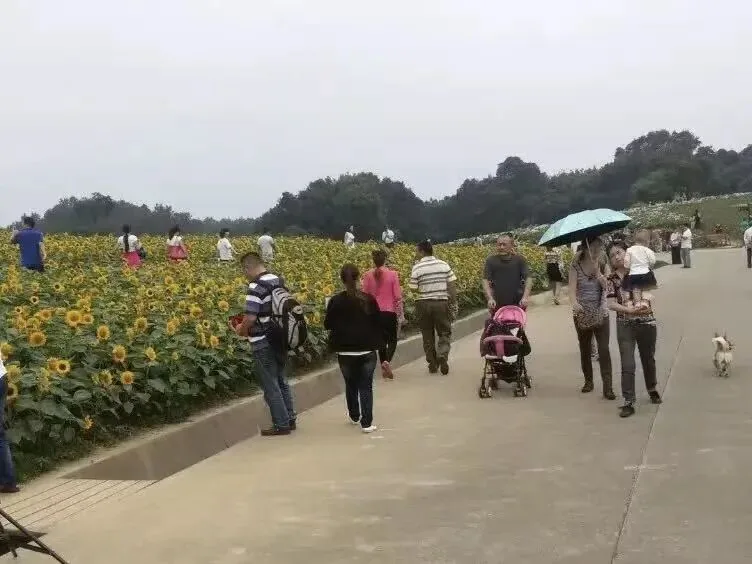
Shixiang Lake was the original top-tier flower-viewing spot around Chengdu — the ceiling, as people say. It was the first scenic area in Southwest China to really make “vast fields of flowers” its signature. For many older Chengdu residents, their spring-outing memories are tied to the tulips at Shixiang Lake. The park imported Dutch tulips and planted over a million bulbs in sweeping patches across pine forests, lakesides, and grassy slopes, creating a sea of flowers. At the time, that kind of open, stylish flower field hit Chengdu visitors hard. People called it “Asia’s Little Holland” and “Chengdu’s Imperial Garden” — a name that spread across Sichuan. Many people transferred buses from far away just to see the flowers.
Later they added lilies and sunflowers, all planted in huge expanses. Car convoys stretched all the way onto the highway mainline; every parking lot was full; buses lined up one after another. The promotion was everywhere — TV, newspapers, outdoor billboards, highway signs, all covered with photos of Shixiang Lake’s flower fields. In the era before short videos, families on outings and couples taking photos all came here. It was a bona fide influencer spot. Back then, if you wanted grand, large-scale, exotic premium flower fields in Sichuan, Shixiang Lake was the only name. Huawu Renjian and Manhua Manor only started doing flower-themed scenic areas after Shixiang Lake had opened up the market.
Of course, ticket prices rose with the tide. At the very beginning there was an 8 RMB ticket; later 50, 60, 80 RMB; eventually 100 RMB during flower season, and for a while it even hit 120 RMB — more exaggerated than some 5A scenic areas.
What It’s Like Now
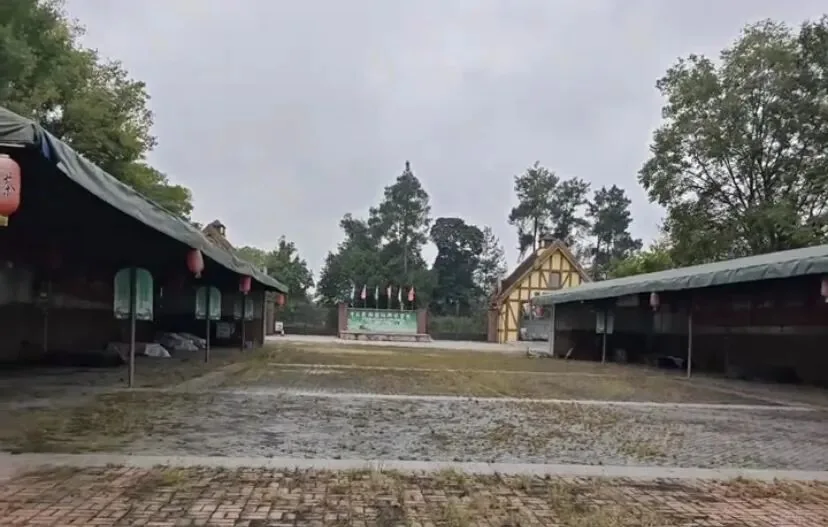
So what about Shixiang Lake today? The whole scenic area is desolate. The traditional flower-field park that once exploded in popularity thanks to tulip and lily festivals has closed and is transitioning to something else. There’s no longer that million-bulb continuous flower sea. The ordinary walk-in flower-viewing model has basically disappeared. The once-bustling commercial street, restaurants, and snack stalls are mostly shut. And there are no more traffic jams.
Many photos online are from the past — go in person and it’s easy to be disappointed. Lots of older Chengdu residents make a special trip down with memories in mind, only to find no flower fields, which is a big letdown. Before you go now, you must confirm whether it’s open to individual visitors. Don’t just rely on old guides and head straight there.
Pro tip: Most online guides and pretty photos are old shots from the peak flower years — the info is outdated. Don’t come expecting a million tulips and lilies, or you’ll be disappointed. If you want to enter the lakeside camp area, call ahead to confirm.
The Scenery That’s Still There
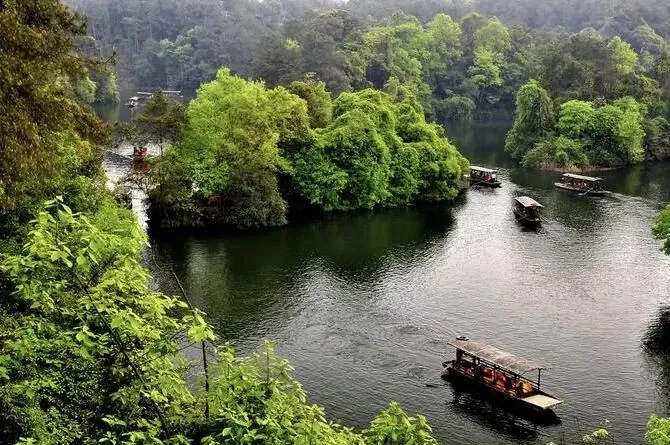
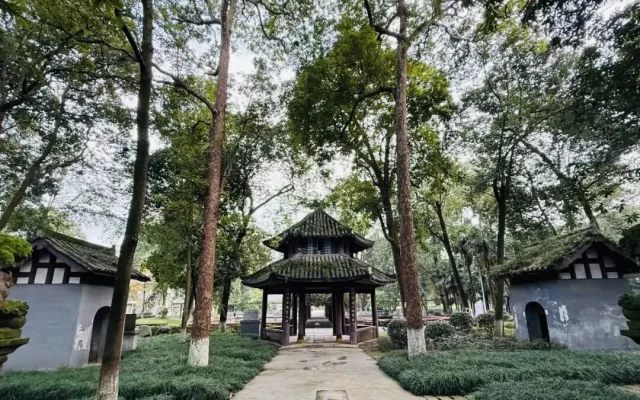
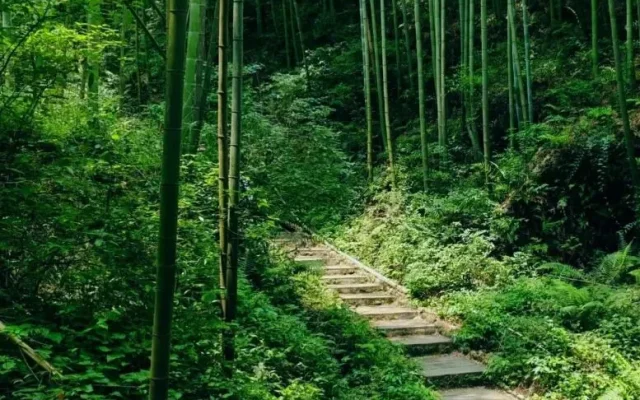
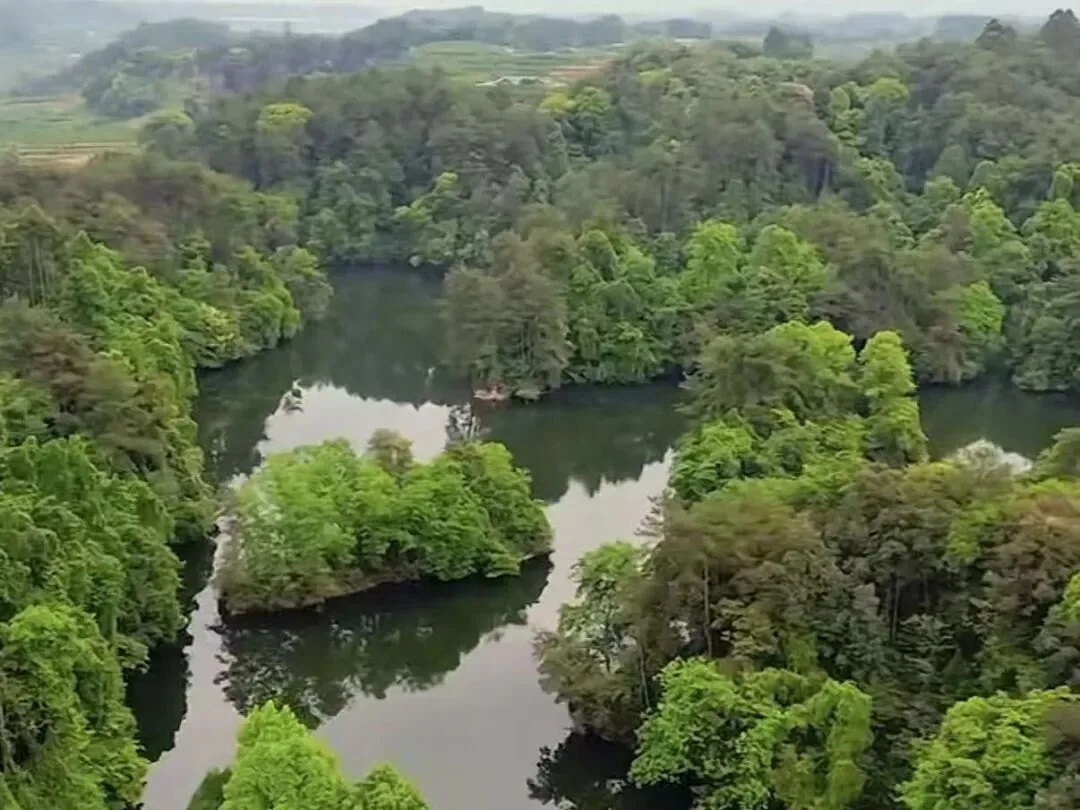
Even though Shixiang Lake has declined, its foundations remain. The whole park is built along the mountains in typical hilly terrain, with extremely high vegetation coverage and good air quality. The lake sits inside a primeval forest, with a surface area of 800 mu, many bays, and interlocking inlets — known as “nine gullies and eighteen forks” and called a “water maze.” In the past you could take a boat and drift on the water, with dense masson pines and dawn redwoods on both banks, giving you a feeling of being lost on the water.
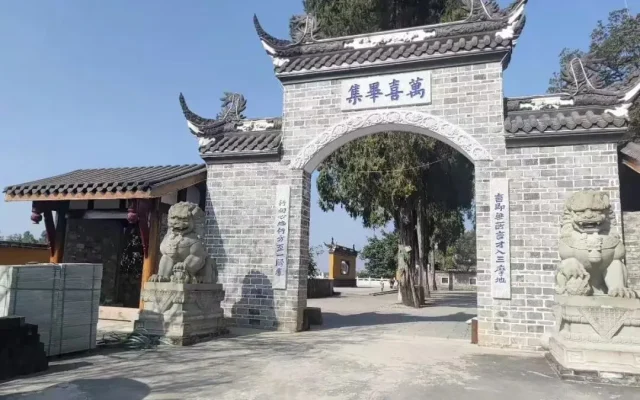
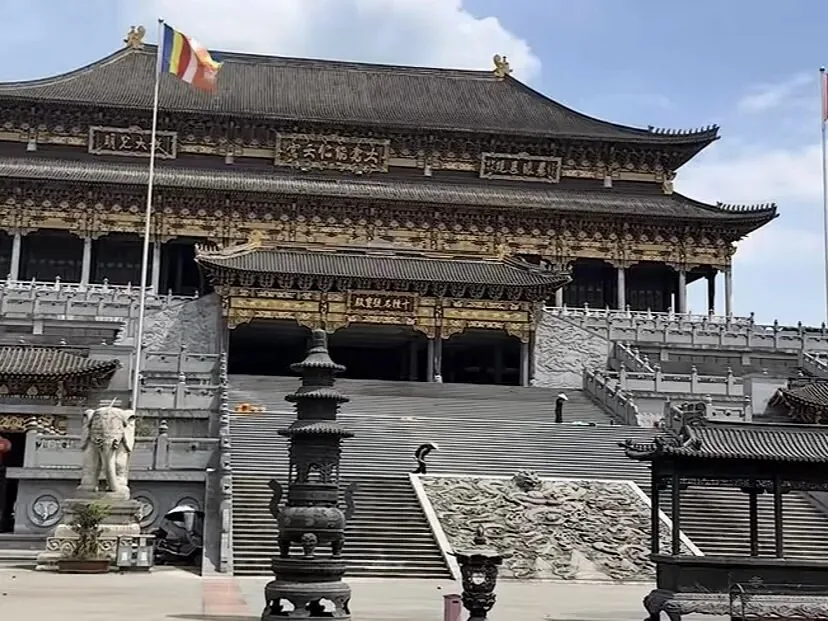
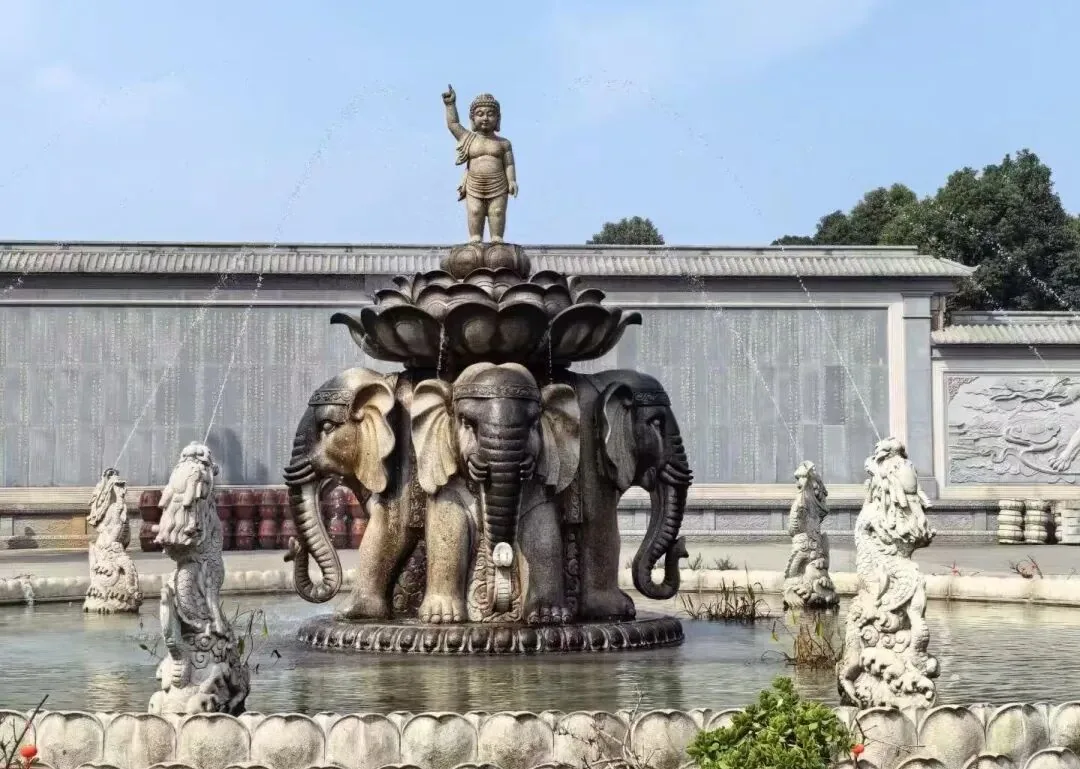
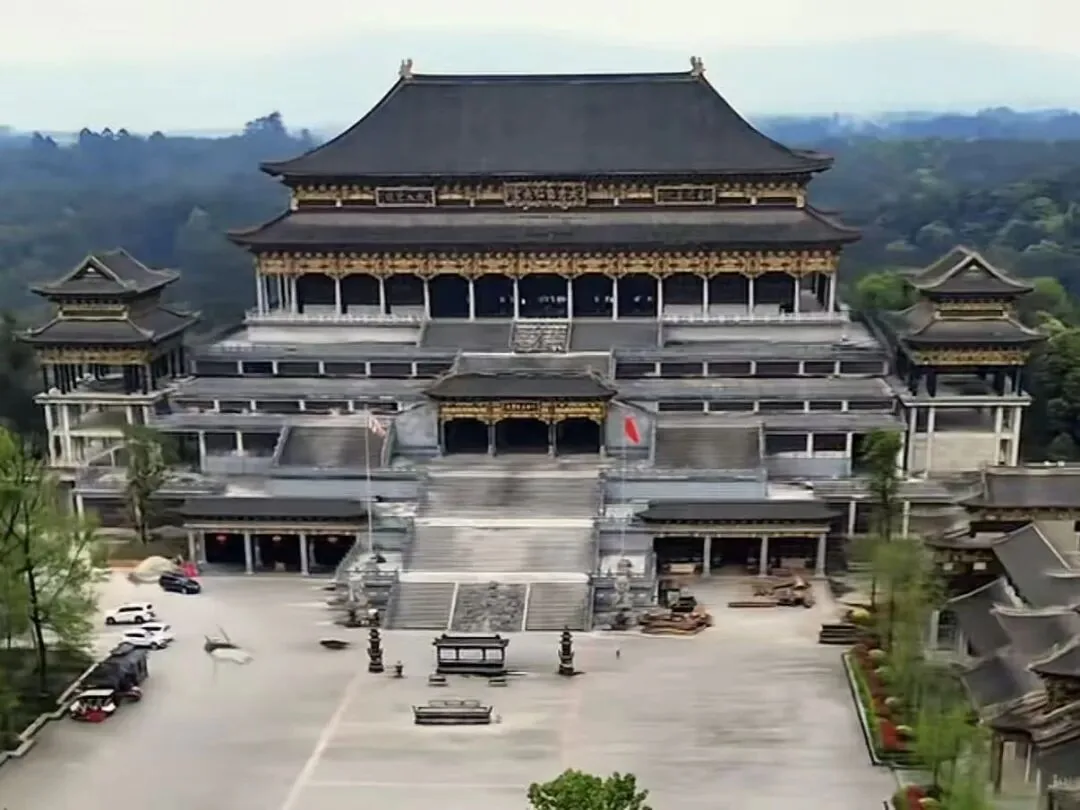
Despite the downturn, there are still plenty of buildings inside. The Shixiang Temple ancient architecture complex is very photogenic, built against Elephant Mountain and facing the lake. Legend says it originated when Yan Yan of the Three Kingdoms era retired here; it was formally established as a temple in the Ming Dynasty, rebuilt in the Qing Dynasty, and later underwent large-scale reconstruction and expansion. It’s divided into the old temple area and the giant new Mahavira Hall area.
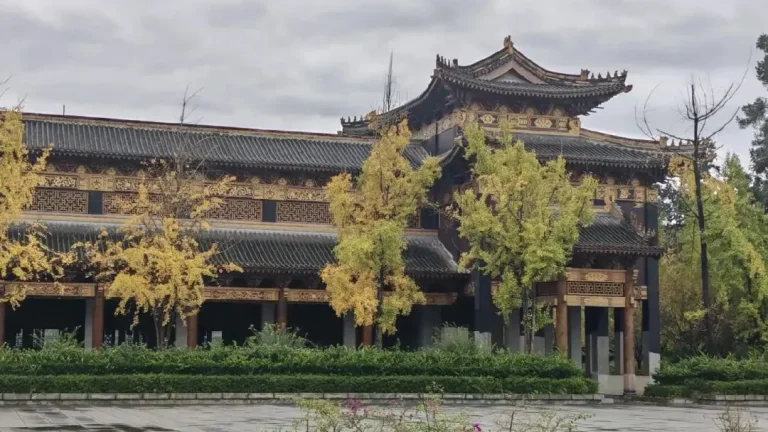
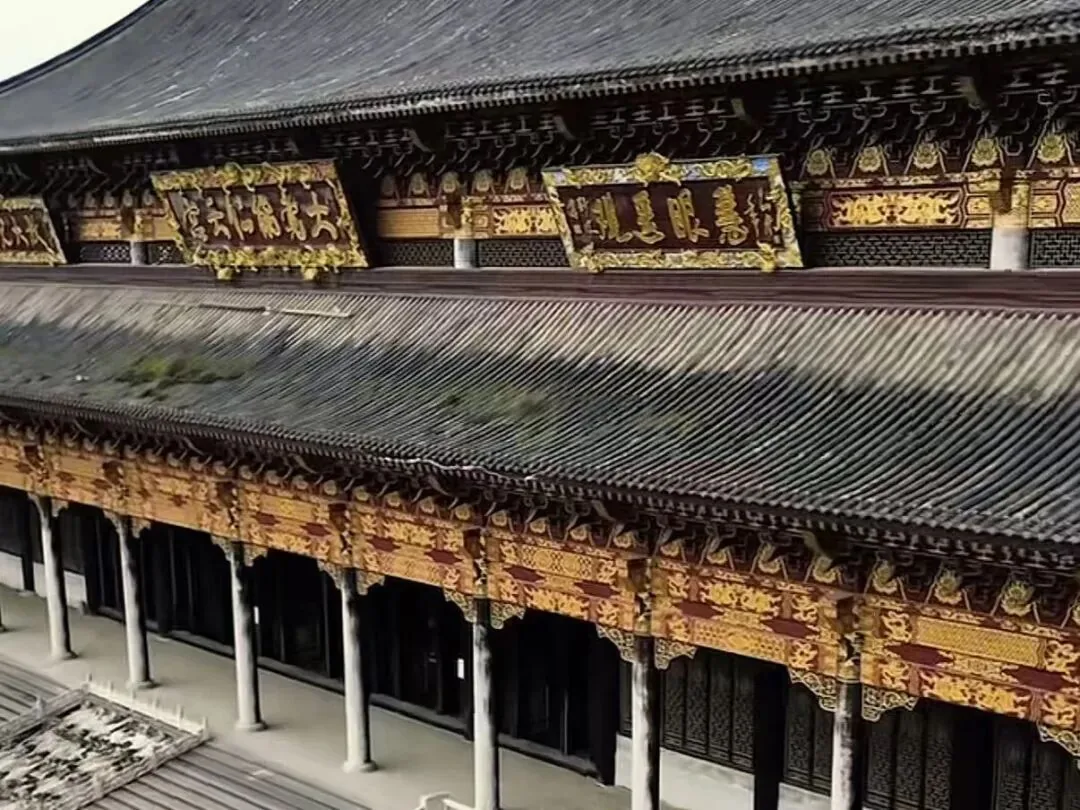
The giant Mahavira Hall is Shixiang Temple’s most stunning landmark — double-eaved hip-and-gable roof, sweeping eaves, extremely open space. It’s one of Asia’s largest single Buddhist halls. In the park there are also the old temple courtyard’s Heavenly King Hall, Guanyin Hall, Ksitigarbha Hall, mountain gate, and screen wall. Around the lake there’s the Seven Star Terrace, the Wenjing Tower built to commemorate Pujiang scholar Wei Liaoweng, plus Xiangshan Academy and Tingtao Pavilion.
The Address, Tickets, and Getting There
- Address: Next to the “Pujiang Service Area Exit” at the 86-kilometer mark of the Chengdu–Ya’an Expressway in Pujiang. Navigate to “Shixiang Lake Scenic Area” (石象湖景区).
- Tickets: 0 RMB. There is no regular individual ticket, and it’s not open for free sightseeing. Shixiang Temple is open independently.
- Transport: About 1.5 hours from downtown Chengdu. The Chengdu–Ya’an Expressway has a dedicated Shixiang Lake exit that leads straight there — an exit originally built specifically for the scenic area.
- Reminder: A large number of online guides and beautiful photos are old shots from the peak flower years. The information is lagging. Don’t come expecting to see a million tulips and lilies — it’s easy to be disappointed. If you want to enter the lakeside camp area, call ahead to confirm.
A Fond Farewell
Shixiang Lake has been closed for several years now, and turning things around would be hard. For one thing, there are more and more similar flower-field scenic areas — more choices. For another, there’s the ticket-price controversy; some places even have free flower fields. But for many older Chengdu residents, Shixiang Lake represents the first golden age of flower-viewing around Chengdu — a collective memory of spring and autumn for a generation. Let’s keep that beautiful memory where it belongs: in our memories.