Xinfan: Chengdu’s Most Underrated Ancient Town (30 Minutes Away, Even Better in the Rain)
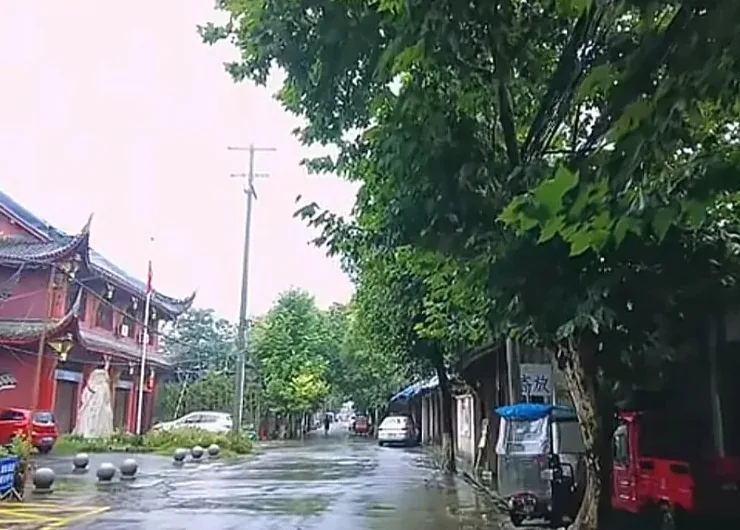
An unexpected rain has cooled Chengdu down, and I figured it was the perfect excuse to take you all to Xinfan. Rainy-day Xinfan has its own kind of magic. Fine drizzle soaks the bluestone slabs, ancient trees drip with water, old eaves stream with rain — one street, one old house, one garden, one Zen temple — all of western Sichuan’s warmth and weight soaked into the misty fog. If I had to describe Xinfan in the rain in one sentence, it’s like a Song dynasty painting where the ink has bled into the paper.
Xinfan Isn’t New — It’s Ancient
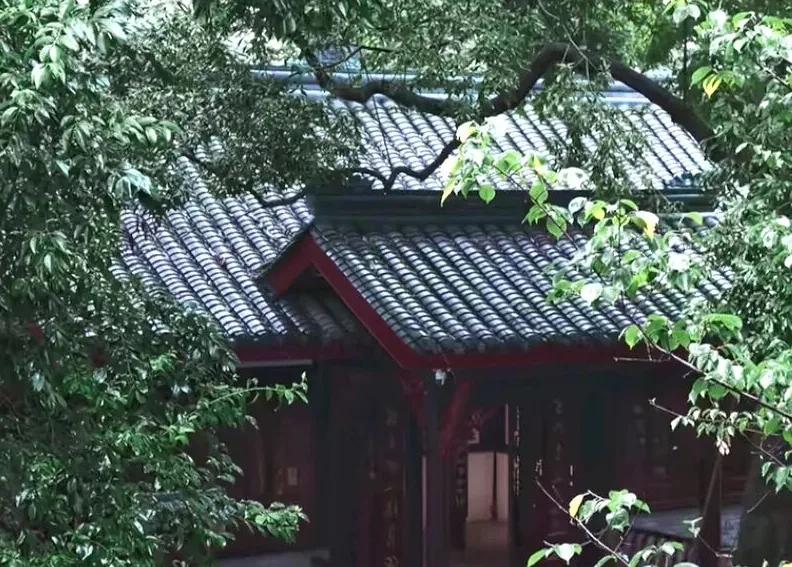
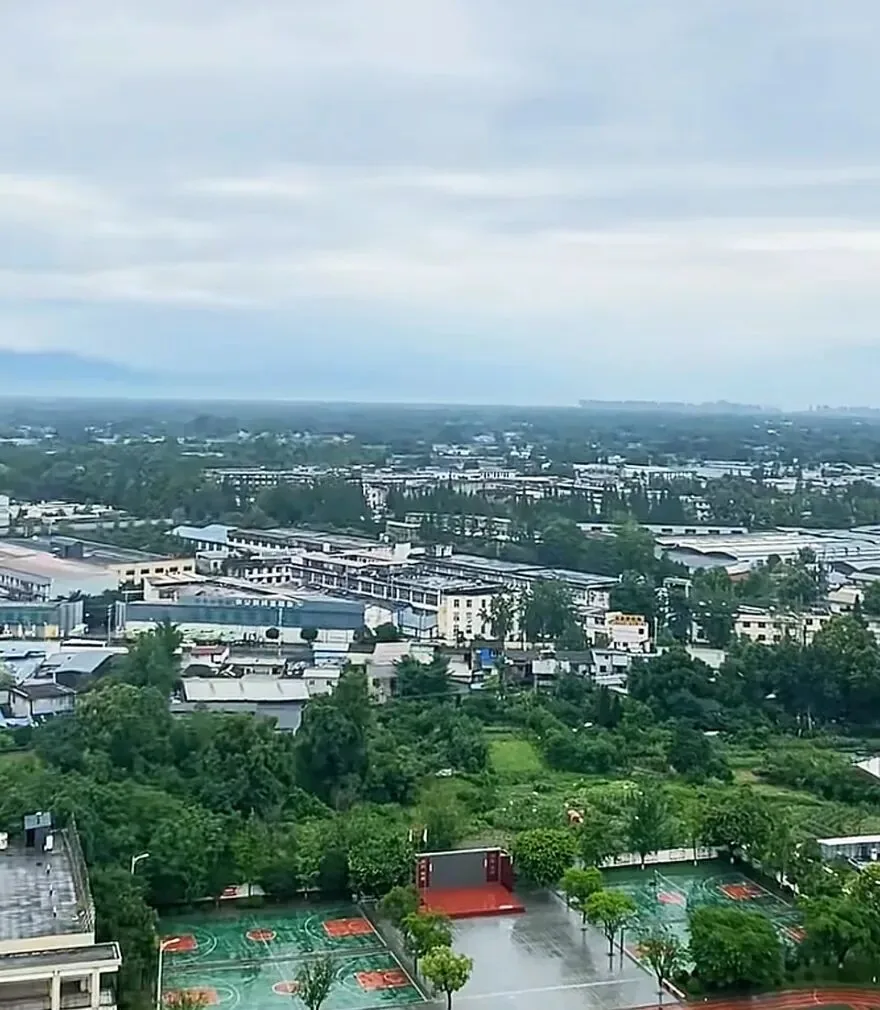
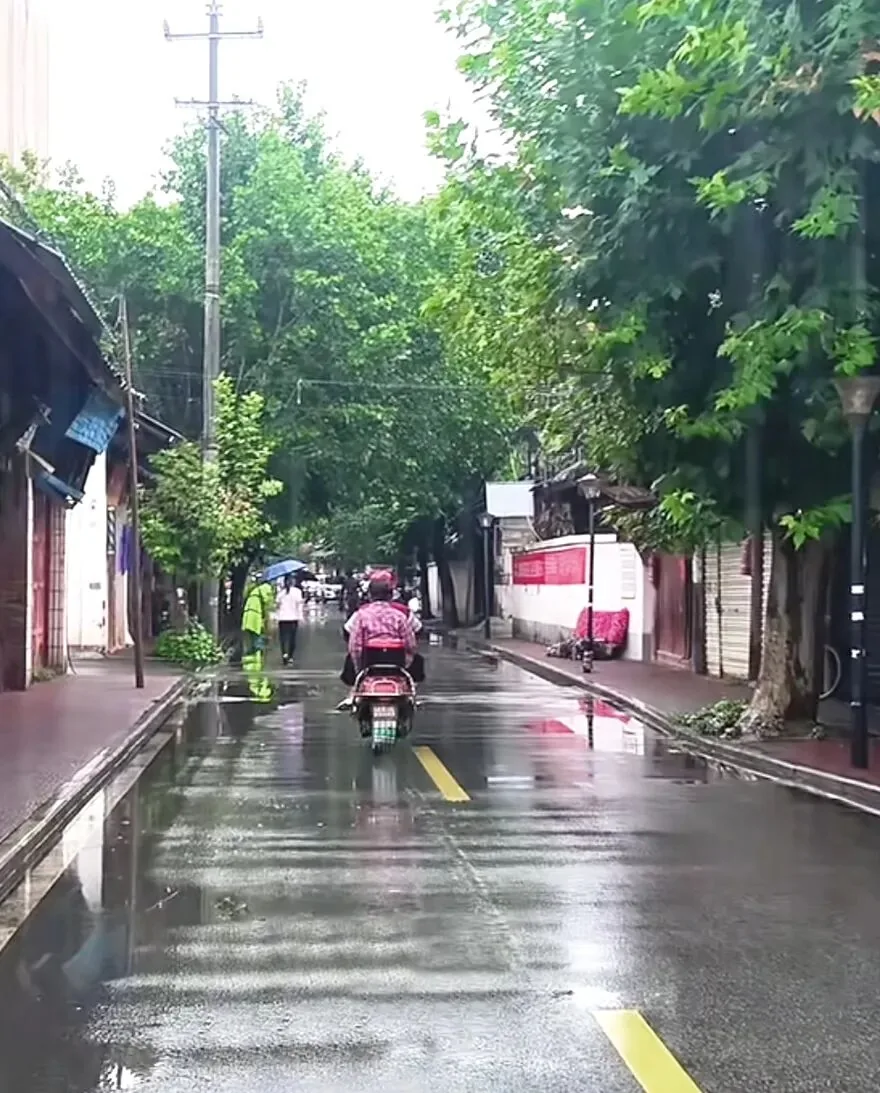
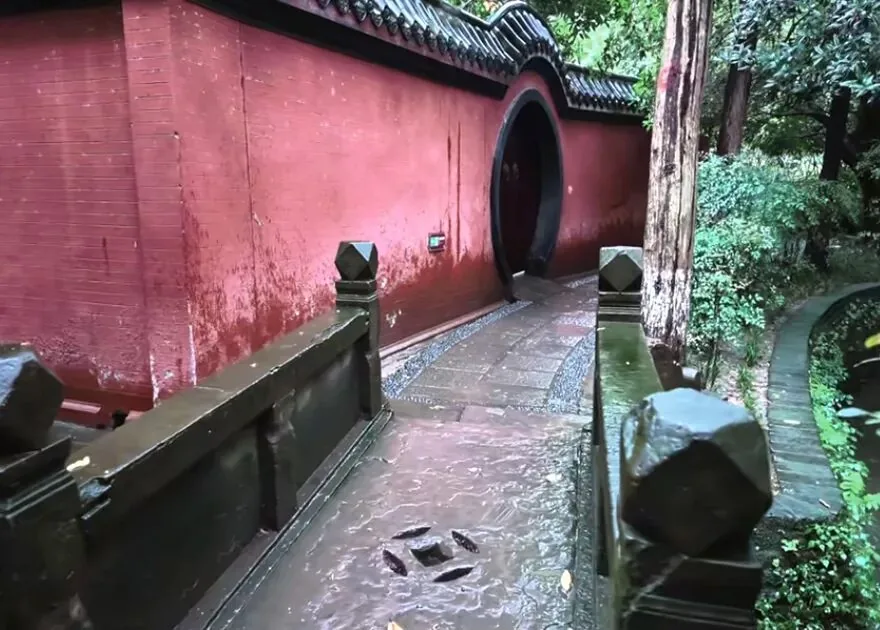
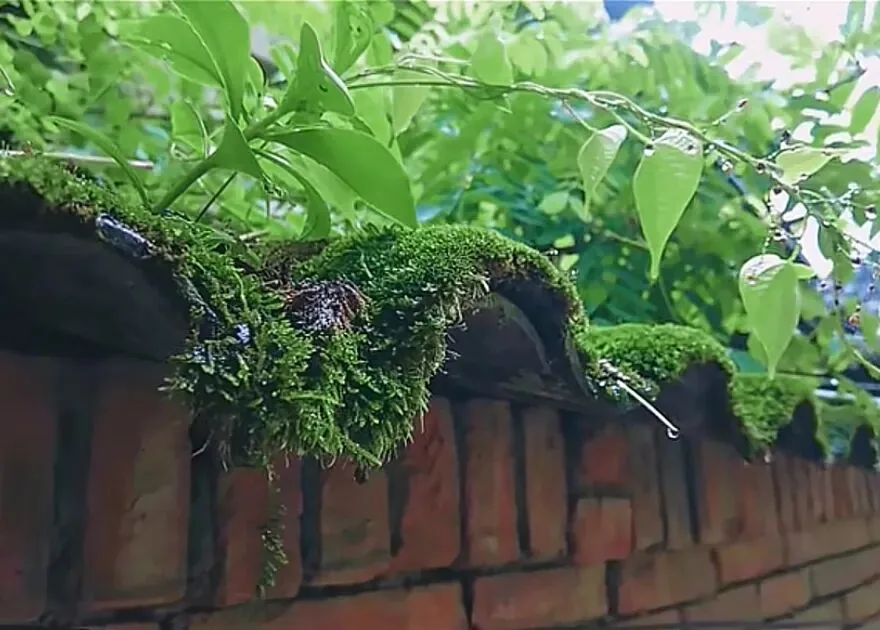
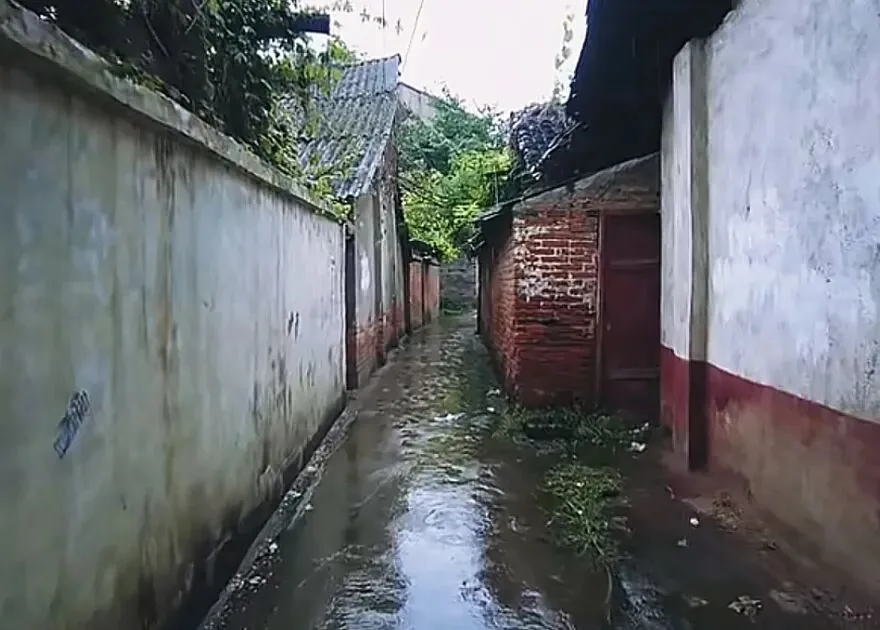
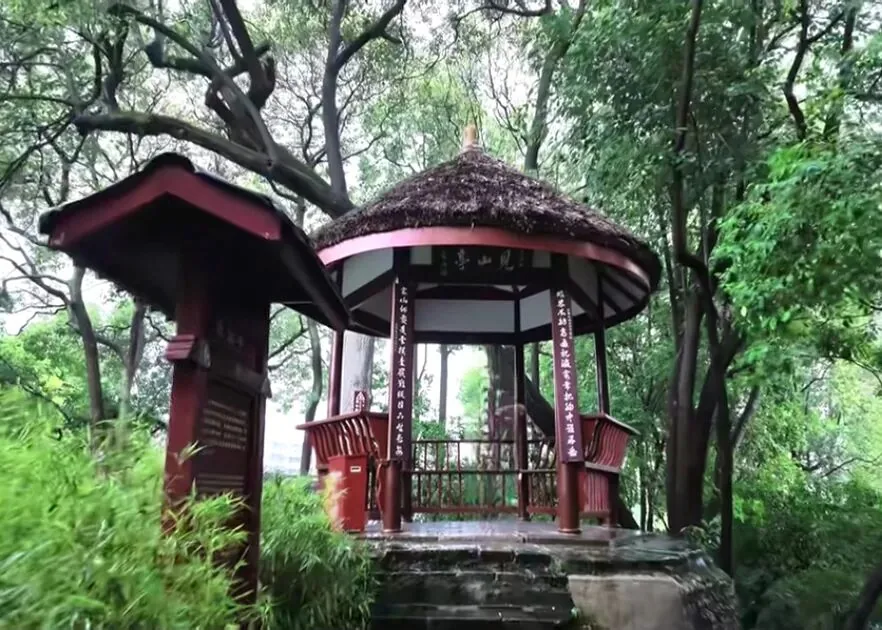
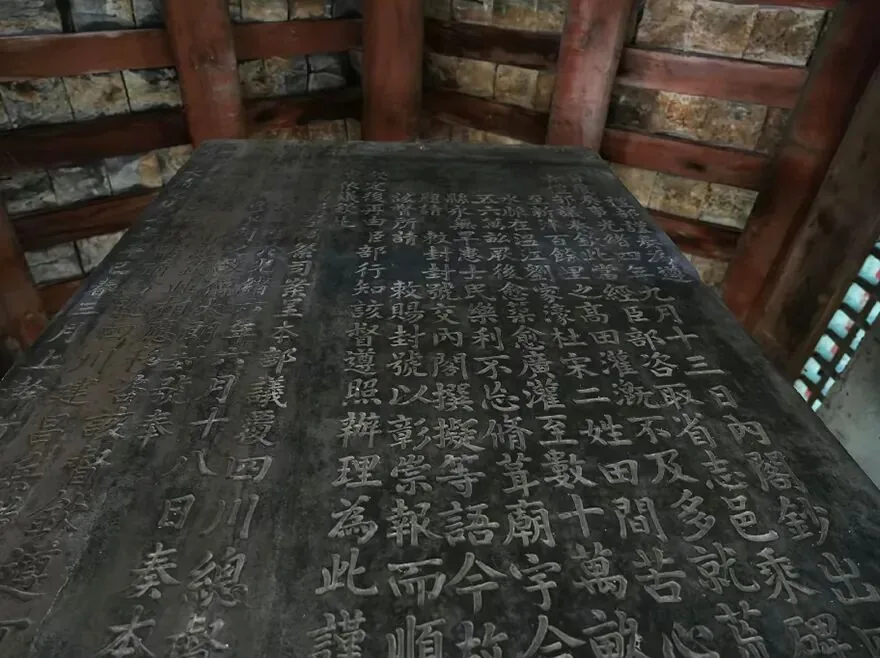
Don’t let the name fool you. Xinfan isn’t new at all — it’s one of the earliest ancient counties in the Shu region. In the 8th century BC, King Duyu of Shu established Fan Yi here. The Qin dynasty set up Fan County. During the Northern Zhou, it was renamed Xinfan County. Through Tang, Song, Yuan, Ming, and Qing, it stumbled along until 1965, when it was merged into Xindu. Its administrative rank kept dropping — from county to town — and in 2019 it became Xinfan Subdistrict. That’s over 2,200 years of city-building history, and the name “Xinfan” itself has been in use for nearly 1,800 years. Properly old.
Today’s Xinfan doesn’t have the noise of a hot tourist town. Old alleys are still home to generations of locals. It has one of the few Tang dynasty gardens still preserved in China, with ancient temples, stele forests, old shrines, and pavilions scattered throughout the town. Du Fu and Lu You both left their mark here. The slow pace of old Chengdu is still alive and well. A day trip from Chengdu is just right. And if you hit an overcast, rainy day in August, it’s actually even better for strolling gardens and visiting temples — fewer people, more peace. Grab an umbrella and wander. That’s the real way to experience a thousand-year-old town and its food.
A Perfect One-Day Itinerary
Here’s how to plan your day:
- Morning: Leave Chengdu, head to Xinfan, and visit Donghu Park (lake stroll in the rain, Huai Li Hall, Sanxian Hall — about 1 to 1.5 hours).
- Noon: Eat on Zhengdong Street — Huangji Douban Chaoshou, Yuji Pig Trotter, and douhua (tofu pudding).
- Afternoon: Visit Guanyin Pavilion on Waixi Street, then Longzang Temple on Rongjun Road (see the stone lions, stele pavilion — confirm opening at the gate first).
- Evening: Back to the old street for yeba (leaf-wrapped rice cakes), buy Xinfan pickles as souvenirs. If the rain has eased, take another loop around Donghu Lake, then head back to Chengdu.
If the rain is too heavy, just spend more time sheltering in Donghu’s pavilions, temples, and old street shops, eating as you go. Xinfan is made for slow wandering — no need to rush.
Donghu Park: A Tang Dynasty Masterpiece for 2 RMB
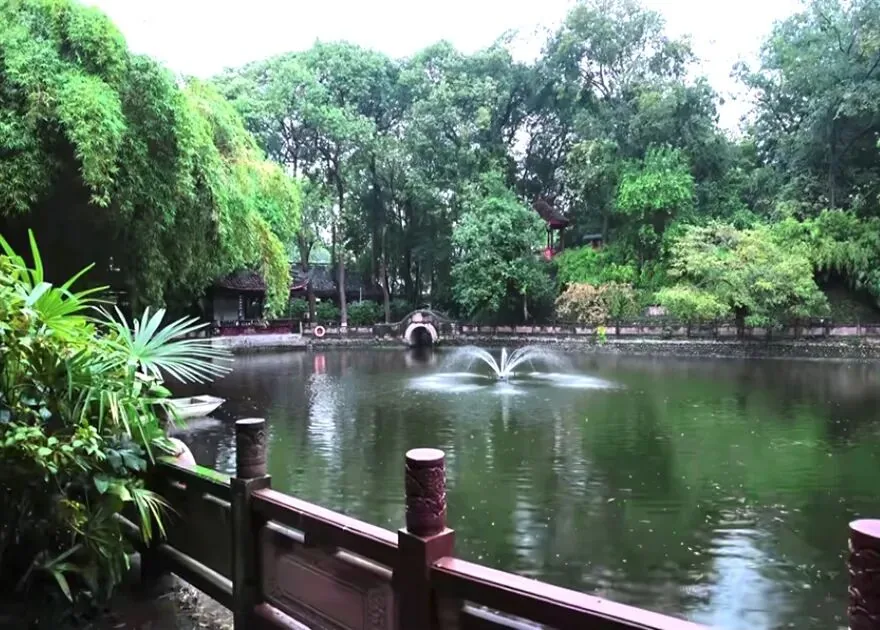
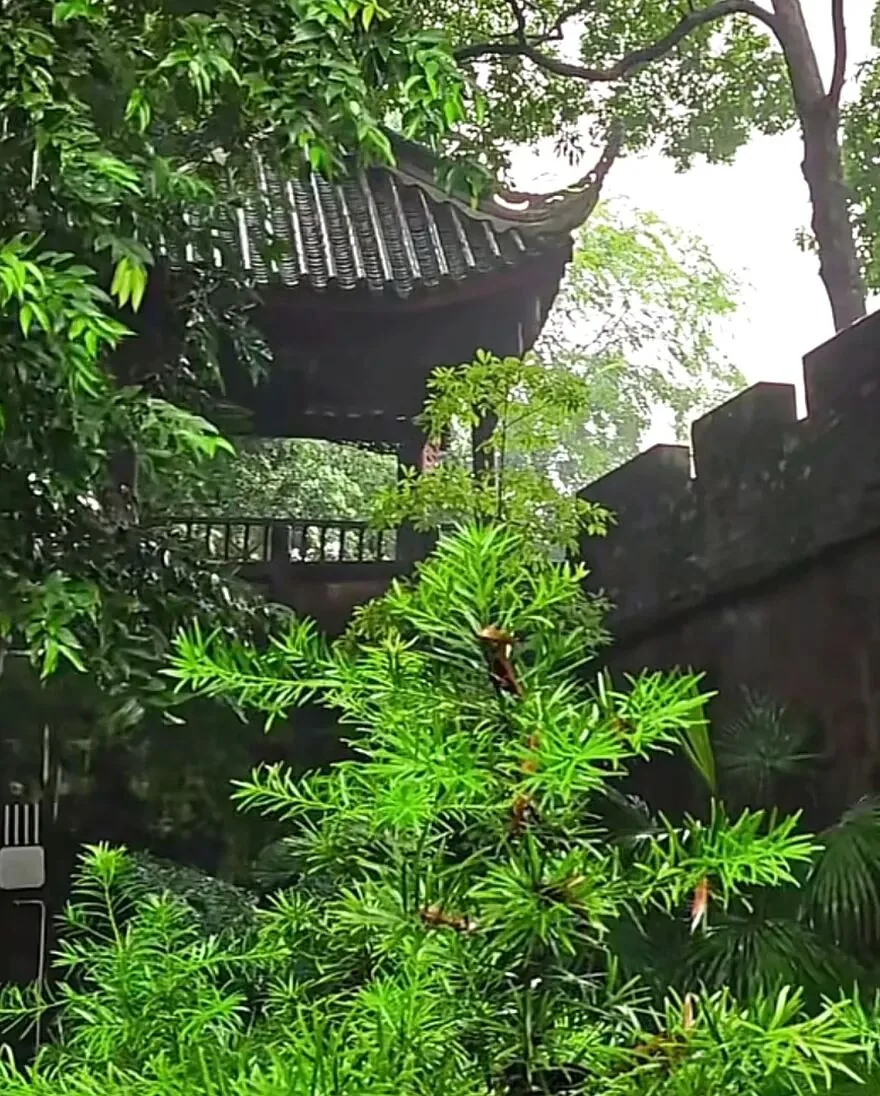
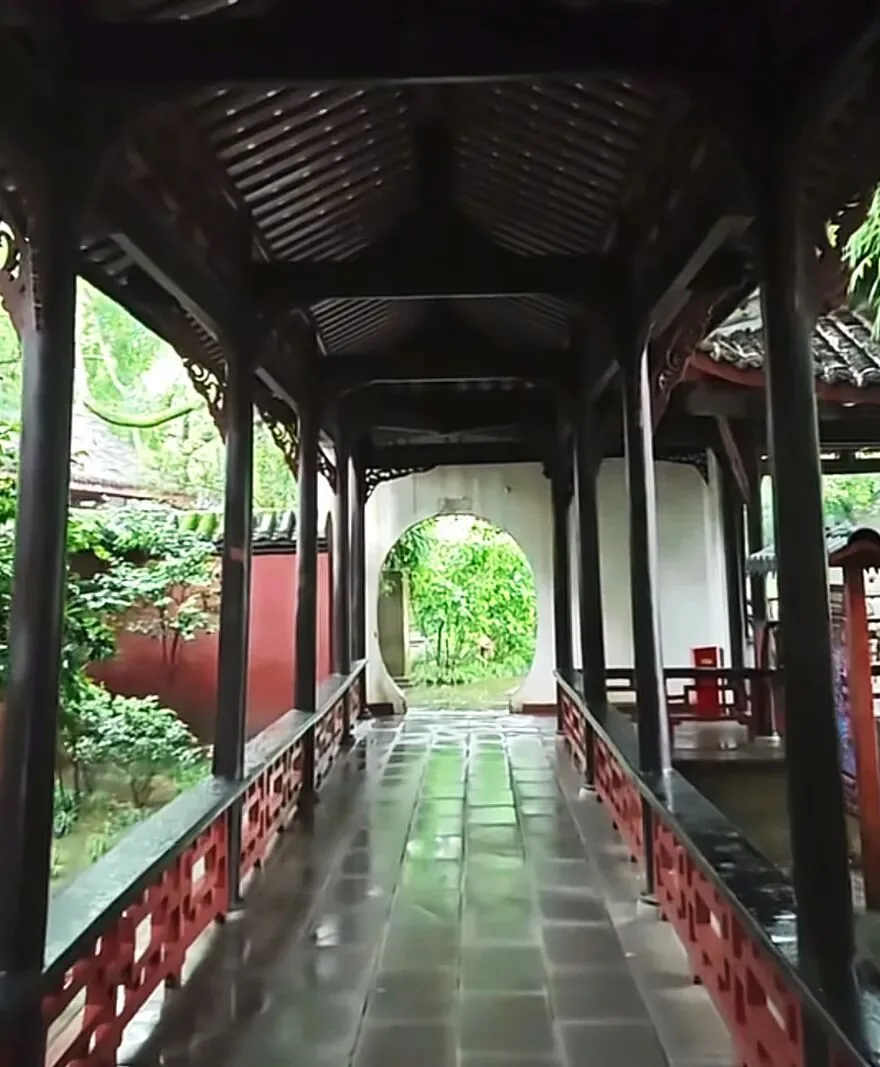
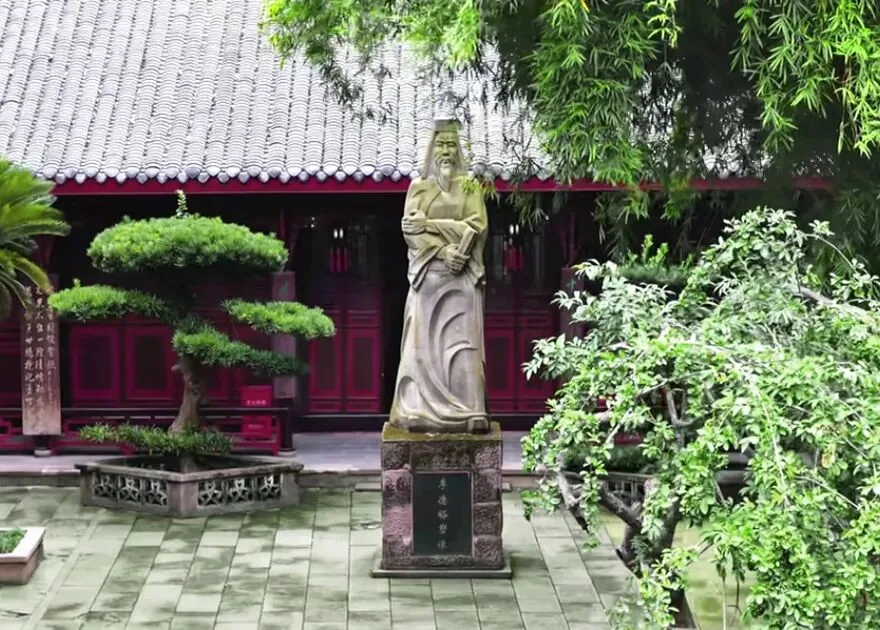
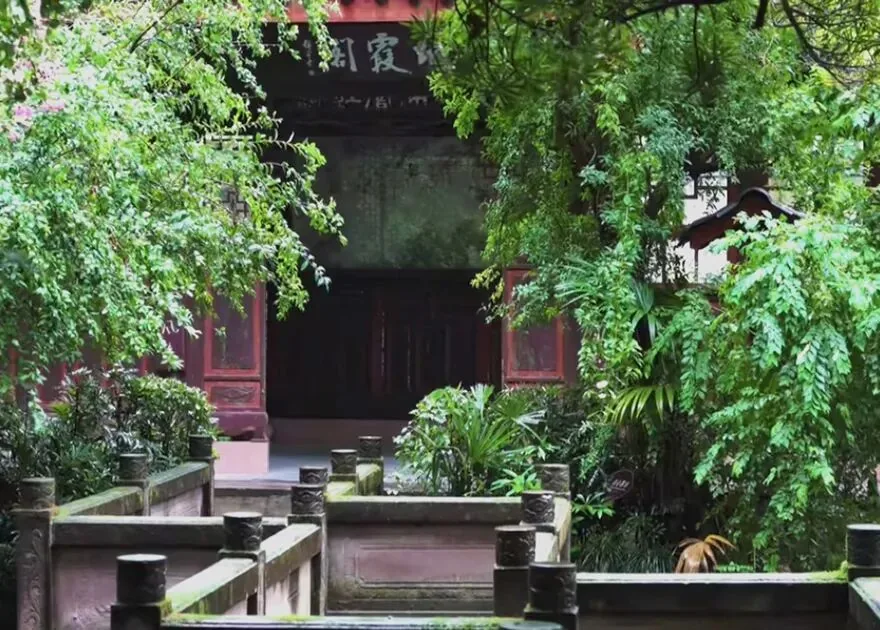
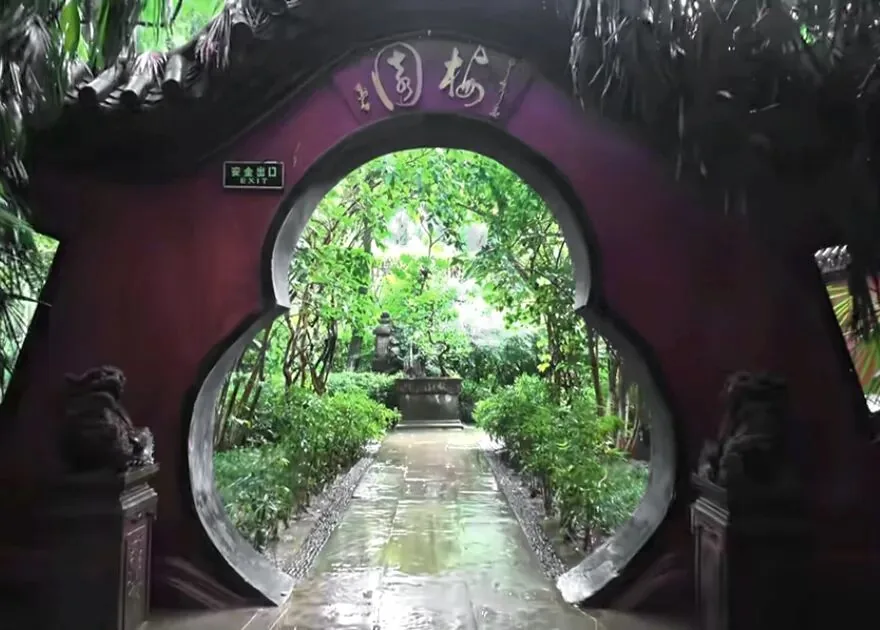
Address: 112 Zhengxi Street, Xinfan Subdistrict, Chengdu
Tickets: 2 RMB per person, cash only (price hasn’t gone up in decades; you can re-enter multiple times in one day)
Parking: Both north and south gates have parking lots; the north gate has more spaces.
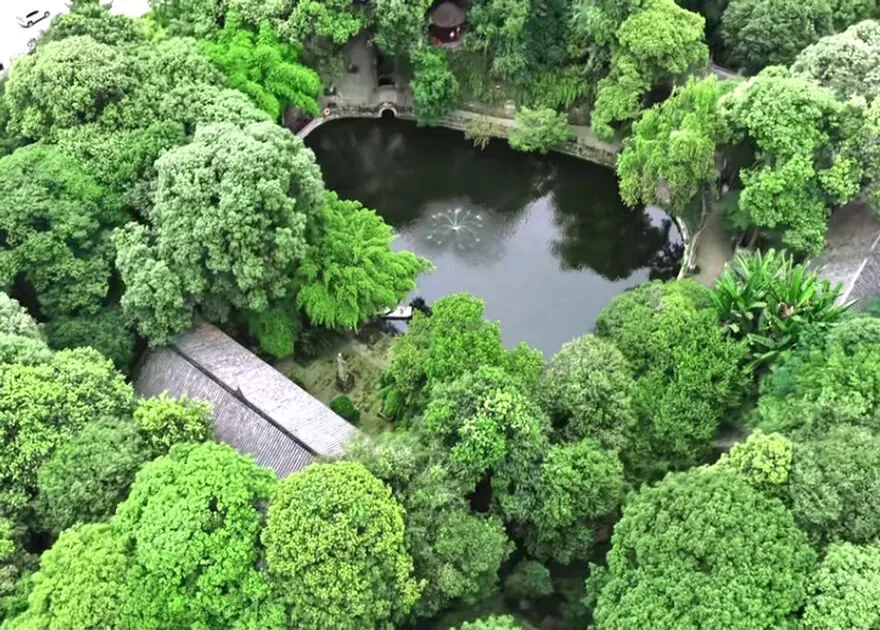
Donghu Park is the soul of Xinfan. It’s one of only two Tang dynasty classical gardens in China with verifiable remains, and the only Tang dynasty garden in China that’s still intact. It predates many Suzhou gardens by over 400 years and is known as a famous garden of western Shu. Donghu was dug by Tang dynasty prime minister Li Deyu when he served as Xinfan county magistrate. Because it was located east of the county office, it was named “Donghu” (East Lake). 1,200 years later, the lake is still here, the water is still green, and the Tang vision is still intact. After a 1984 inspection, landscape architecture professor Wang Juyuan called it “a miracle in the history of Chinese gardens.”
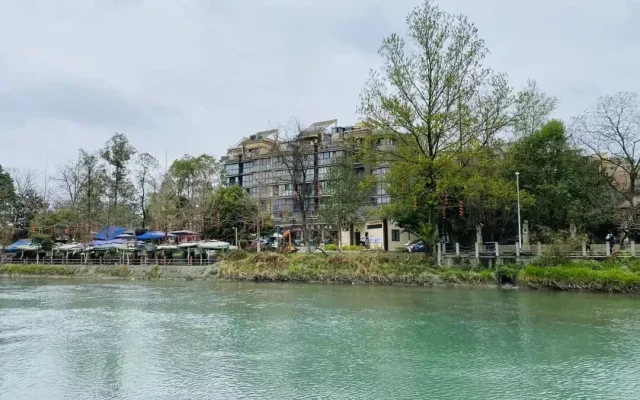
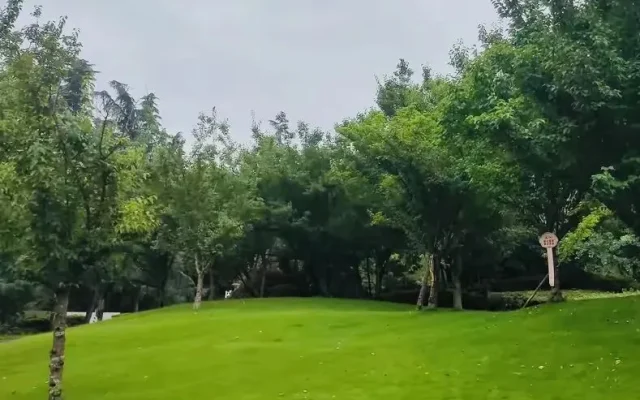
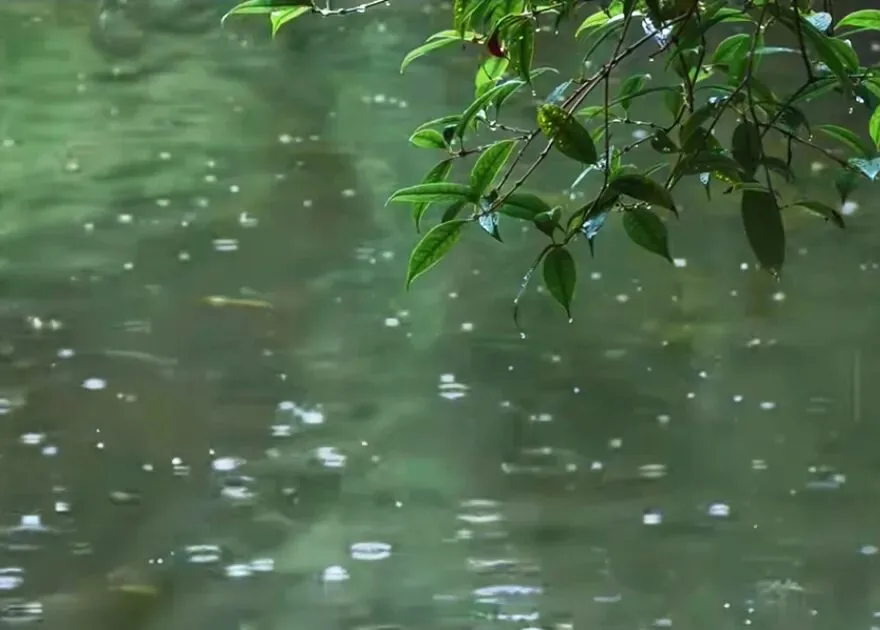
Visiting Donghu in the rain is the only way to truly understand this garden. Drizzle falls on the lake, sending ripples across the surface. Ancient cypresses tower overhead, their leaves heavy with water. After the rain, the greenery is saturated to the max. The garden retains its Tang dynasty lake and pond foundation. Huai Li Hall (the core building of Donghu), Sanxian Hall, Ruilian Pavilion, Wangxue Tower, and the stele corridor are scattered throughout. Curved bridges, waterside pavilions, terraces, and covered walkways — every step is a new view. Sanxian Hall commemorates three sages who made great contributions to Xinfan: Tang dynasty Li Deyu, Northern Song Xinfan magistrate Wang Yi (father of Wang Anshi, who wrote “Ode to the Auspicious Lotus of Donghu”), and local notable Mei Zhi. Both Lu You and Du Fu visited here and left poems behind.
Visiting Donghu in the rain is a blessing. The garden is quiet, ancient trees are lush, and all you hear is rain and birdsong. Find a spot under a covered walkway, sit down, and watch the misty lake. Feel the Tang garden atmosphere that’s been passed down for a thousand years.
Pro tip: Donghu tickets are cash only — bring a few yuan in small bills. You can come and go multiple times in one day, so don’t rush.
Guanyin Pavilion: A Quiet Corner on Waixi Street
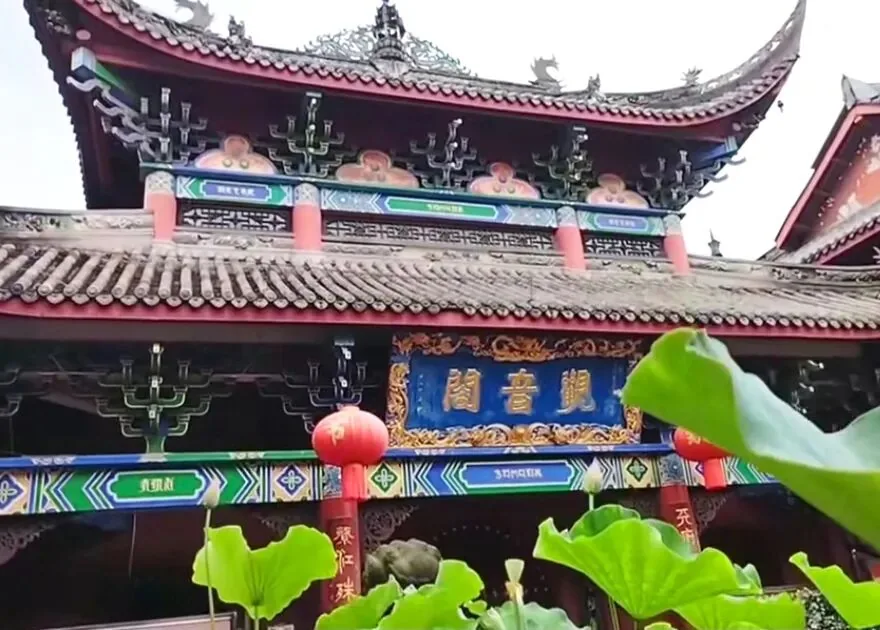
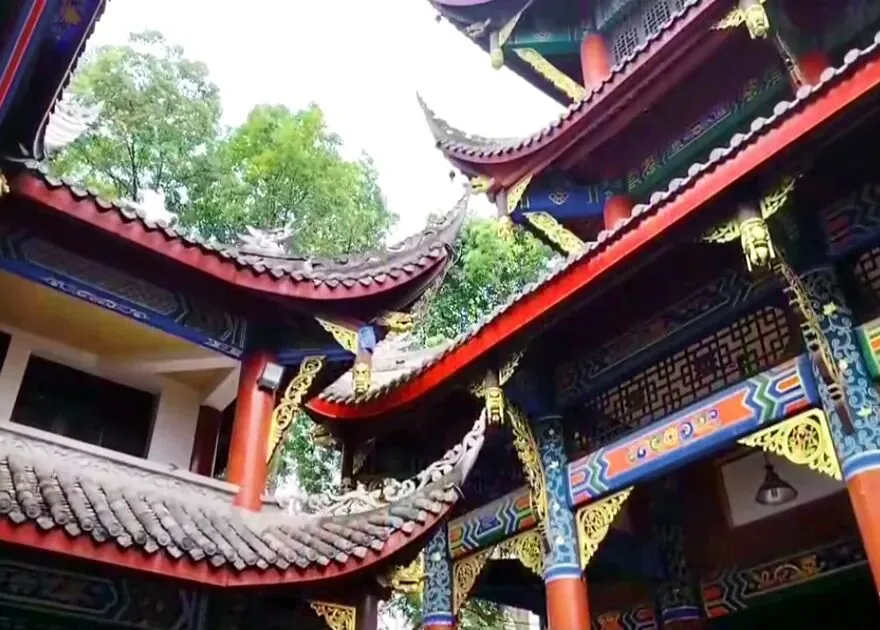
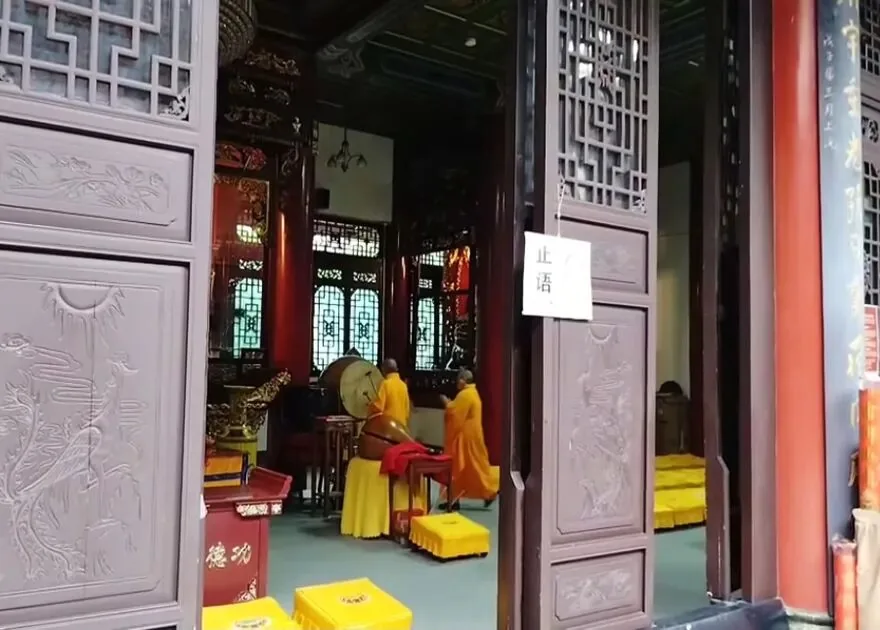
Address: 69 Waixi Street, Xinfan Subdistrict, Xindu District, Chengdu
Tickets: Free
Hidden among the old streets and alleys, Guanyin Pavilion is tucked inside a residential area — easy to miss if you’re not looking carefully. First built in the Tang dynasty, it’s a bustling nunnery famous in the area. It was burned down during the peasant uprising at the end of the Ming dynasty and rebuilt during the Kangxi era. Because fundraising was difficult, the main hall and side halls weren’t completed until the Qianlong period.
Today’s Guanyin Pavilion has changed a lot. There are no tourists in the courtyard — just a few local grandmothers quietly praying before the hall. When they saw me, they only smiled slightly and said nothing. Though small, Guanyin Pavilion has witnessed over a thousand years of Xinfan’s rise and fall. A slow walk takes about ten minutes — perfect for sheltering from the rain and resting your feet.
Longzang Temple: A National Heritage Site Hidden Inside a Hospital
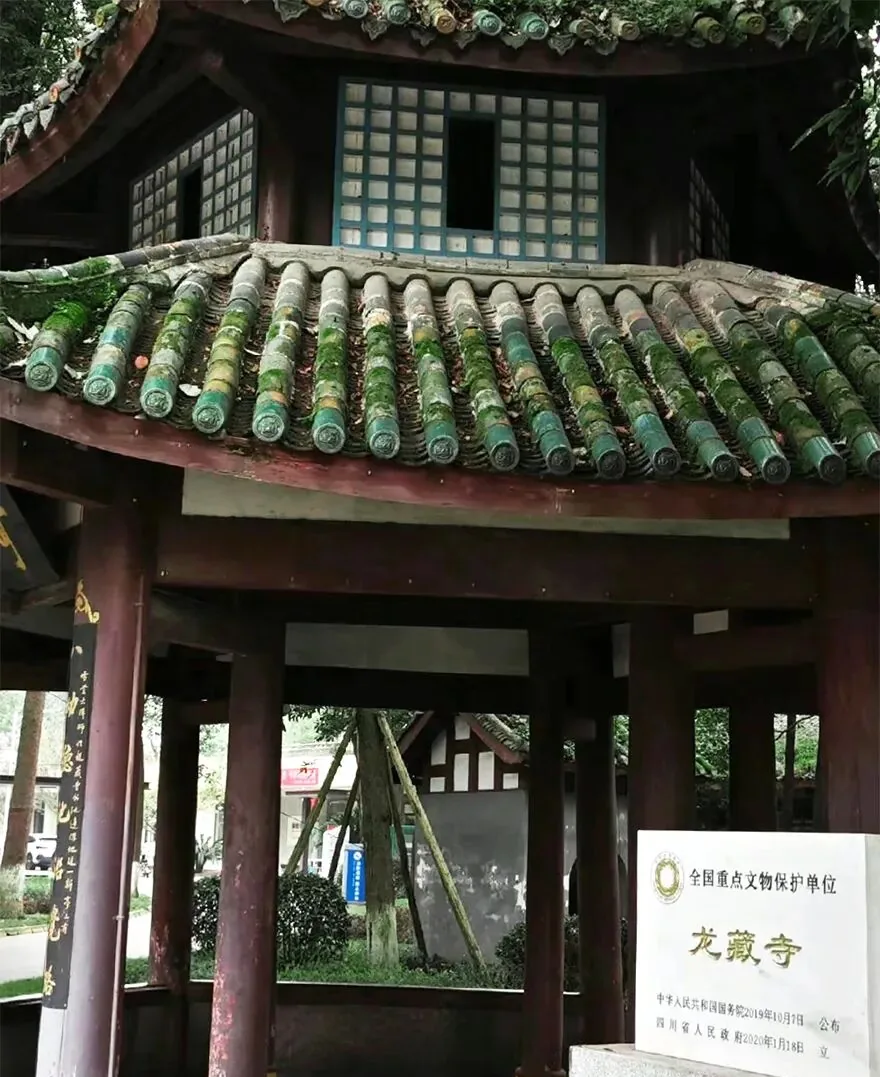
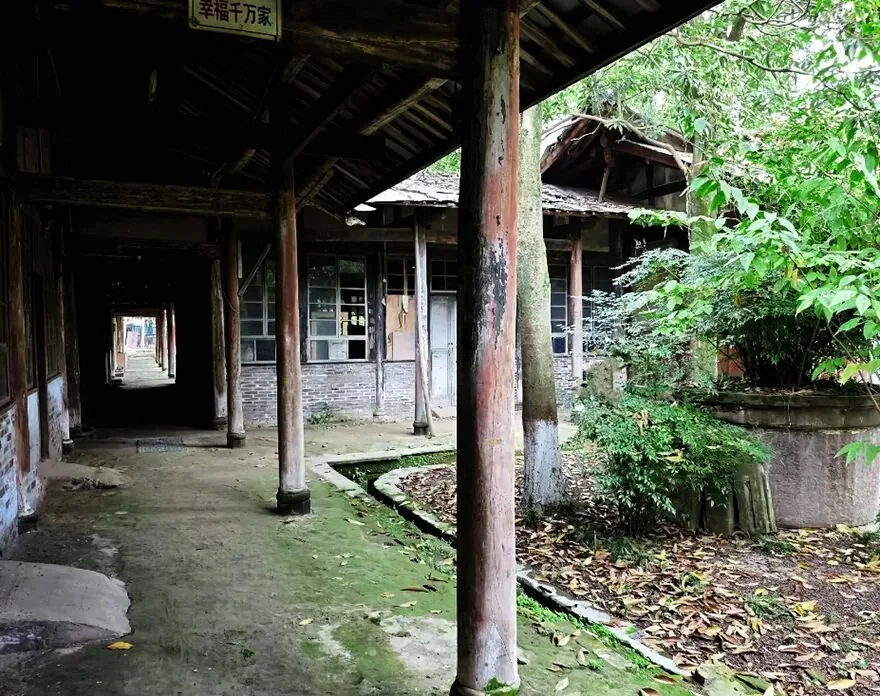
Address: 86 Rongjun Road, Xinfan Subdistrict, Chengdu
Tickets: Free
Opening hours: All day (core area subject to gate registration and maintenance conditions)
Longzang Temple is on Rongjun Road in the west of town. Passing through the Sichuan Provincial Revolutionary Disabled Soldiers’ Sanatorium, a historic old temple appears before you. Originally named Cihui Nunnery, it was first built in the second year of the Liang dynasty’s Tianjian era (503 AD) — much older than Wenshu Monastery. During the Song dynasty’s Dazhong Xiangfu era, it was expanded into a temple and renamed Longzang Temple. It was destroyed in the wars at the end of the Yuan dynasty and rebuilt during the Ming Hongwu and Qing Kangxi eras.
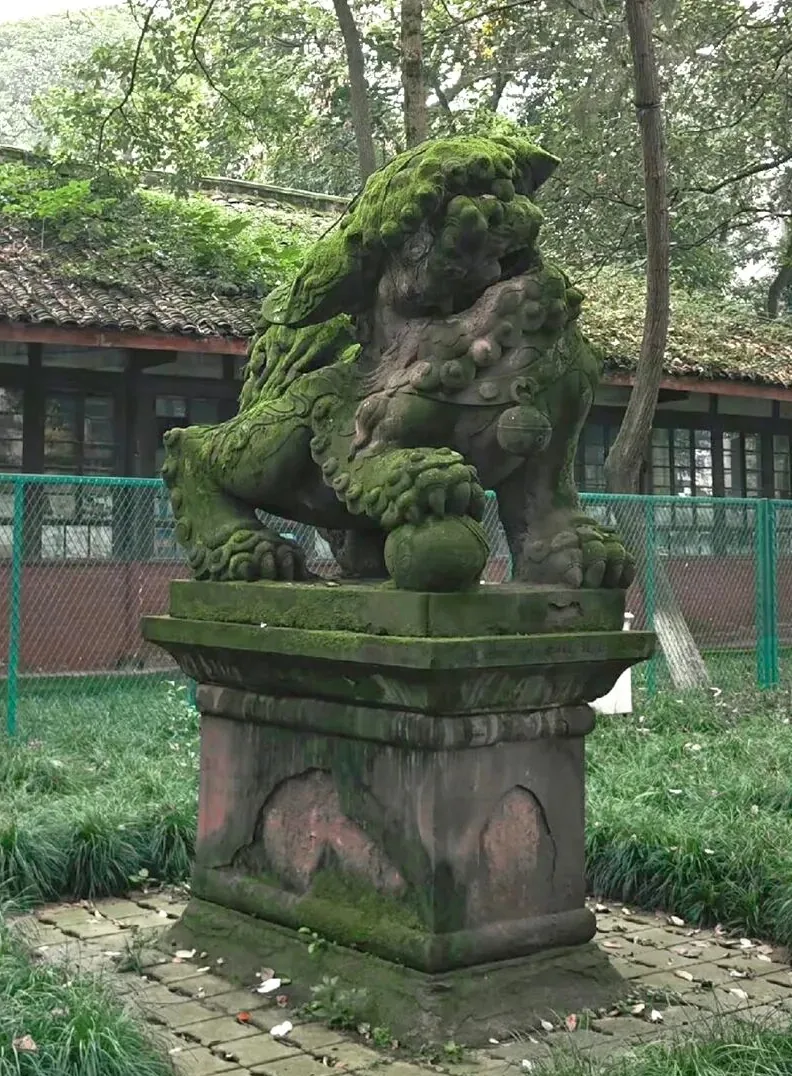
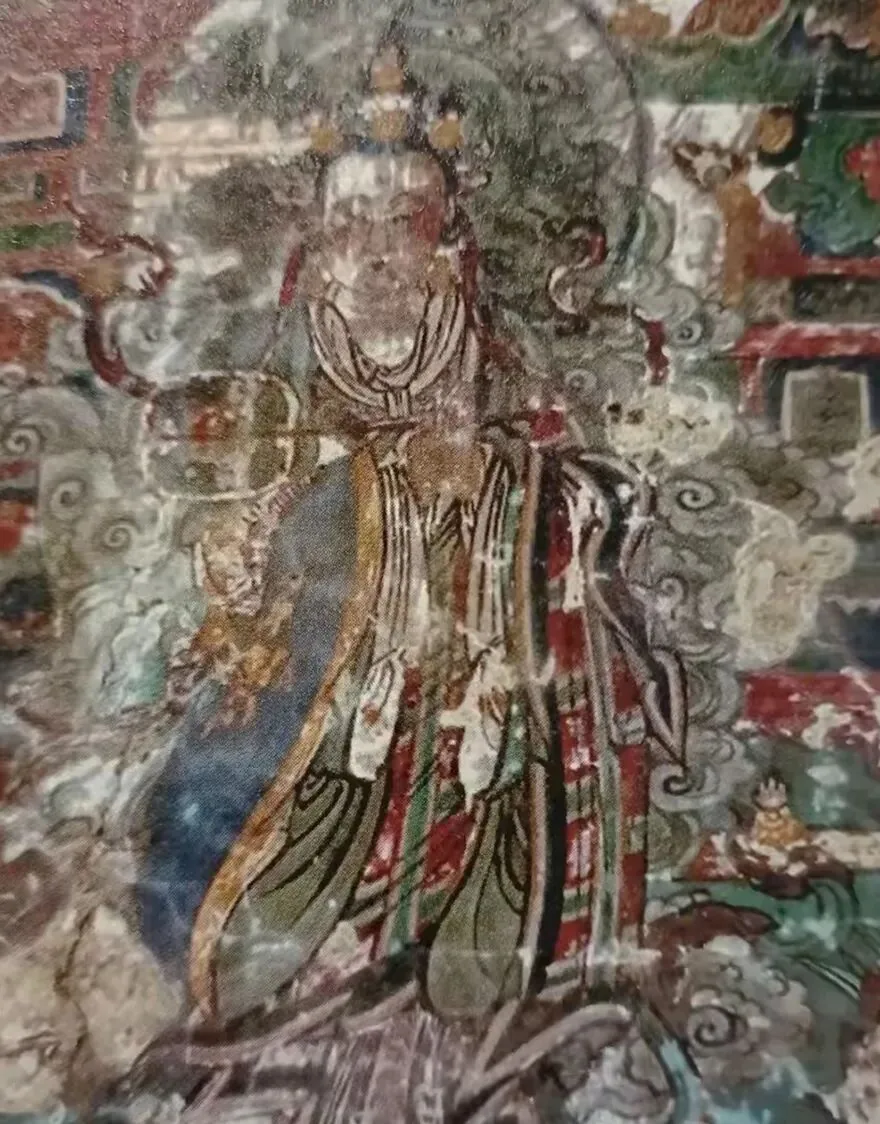
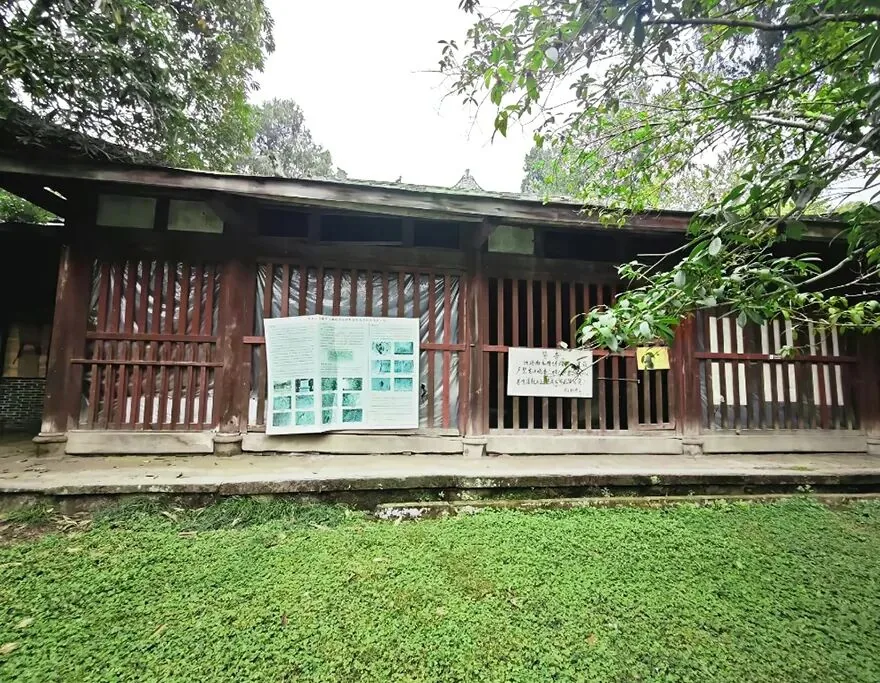
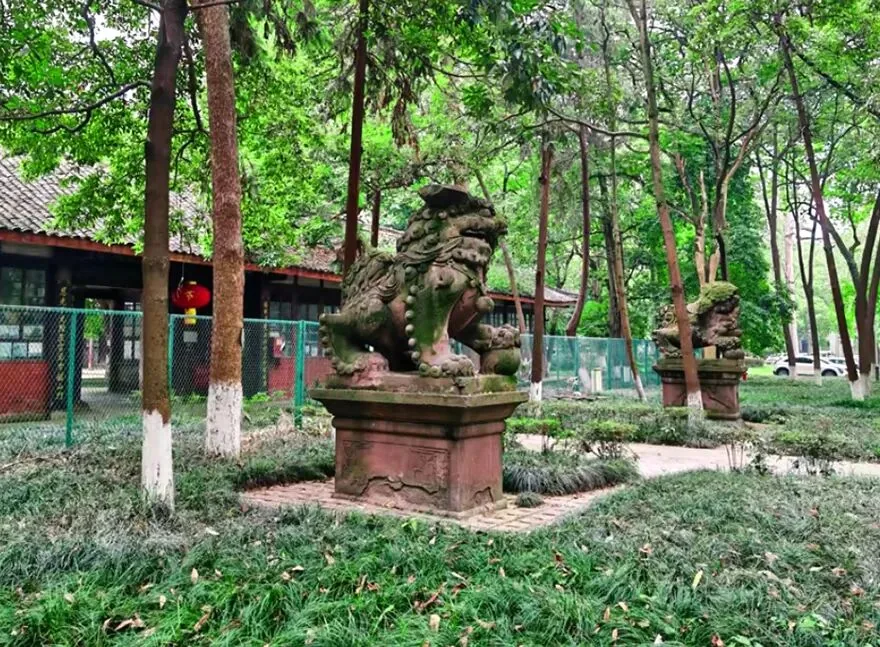
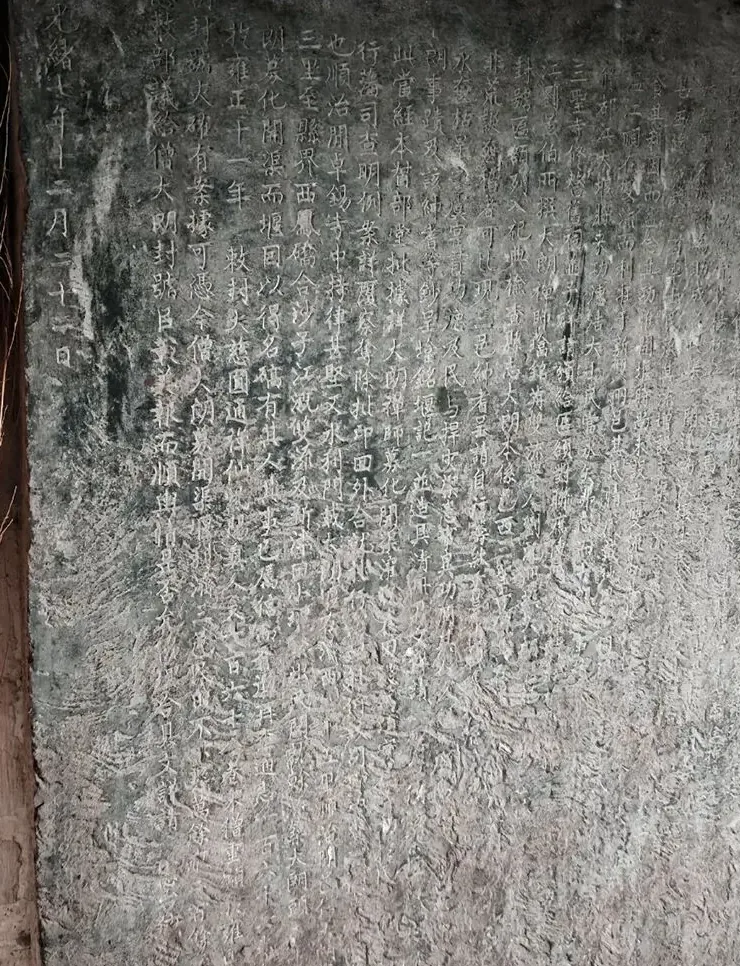
What I couldn’t take my eyes off at Longzang Temple were the pair of stone lions in front of the mountain gate — the largest and best-preserved in western Sichuan. They stand 3.5 meters tall, built in the ninth year of the Qing Daoguang era (1829), and cost 513,000 copper coins. The Mahavira Hall inside was built in the first year of the Ming Chenghua era (1465). The nine Ming dynasty murals, including the “Eight Classes of Heavenly Dragons,” are especially precious. Longzang Temple’s stele forest was once the largest and most exquisite calligraphy stele forest in southwest China, with over a hundred steles remaining. Su Shi, Huang Tingjian, Wen Zhengming, Dong Qichang, Liu Yong, He Shaoji, Shi Tao — a string of famous names all left their ink here. However, the steles have now been moved to Guihu Park in Xindu District.
Visiting Longzang Temple in the rain, the ancient cypresses inside are lush and green, their trunks dark and sturdy after the rain. Special note: It may not be open to the public during rain or maintenance periods. It’s best to ask at the gate registration first. When I visited, I only walked around the outer cypress grove, the mountain gate, the stele pavilion, and the outside of the ancient halls.
Local insight: Longzang Temple sits inside a sanatorium compound — just tell the gate you’re visiting the temple. And always check if it’s open before you go, especially on rainy days.
What to Eat in Xinfan
Xinfan may no longer be a county town, but the food is incredibly honest and filling. You can eat until you’re stuffed for 20 to 30 RMB per person.
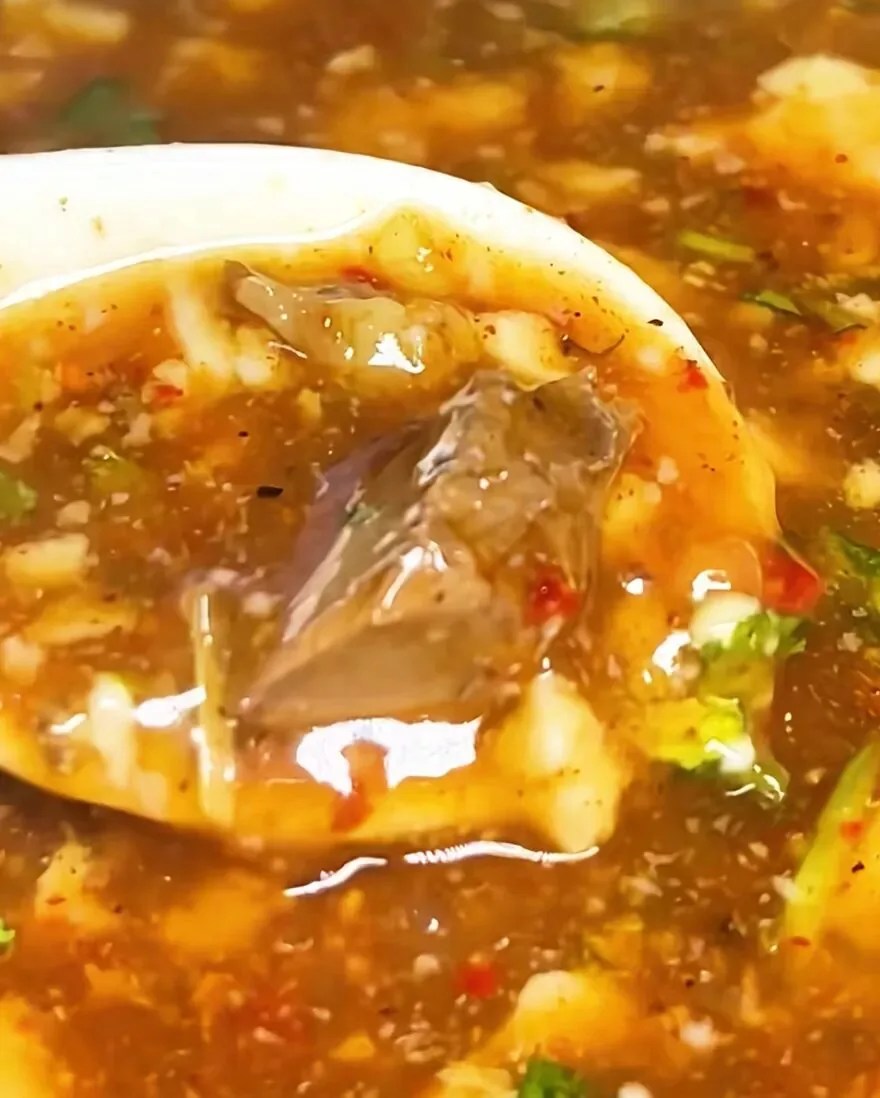
Douban Chaoshou (Spicy Bean Paste Wontons)

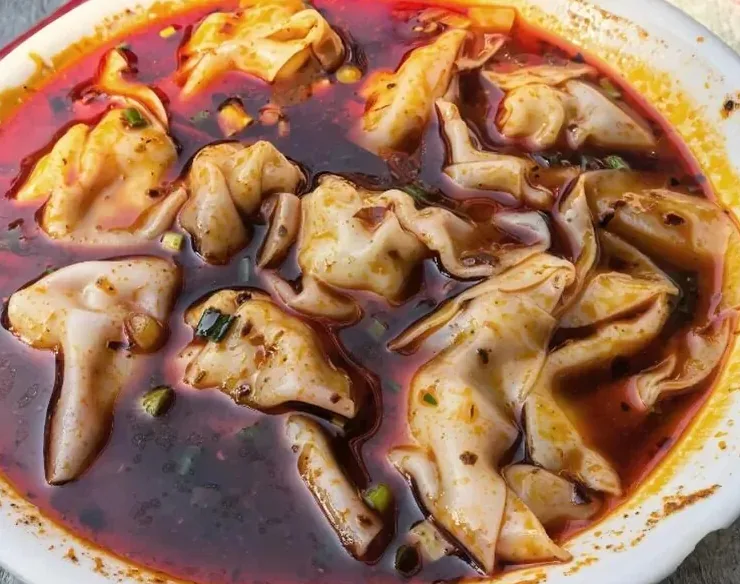
Xinfan’s signature dish. Unlike traditional clear soup or red oil wontons, its soul is in the secret doubanjiang (fermented bean paste). The wontons are plump, the red oil is fragrant, and one bite delivers fresh, spicy, and savory flavors that linger. It’s a one-of-a-kind Xinfan taste.
- Huangji Douban Chaoshou — 122 Zhengdong Street
- Wang Laosi Authentic Douban Chaoshou — 138 Zhengdong Street
- Duanshi Douban Chaoshou Shop — 155 Guangchang West Road
Xiajia Beef Douhua
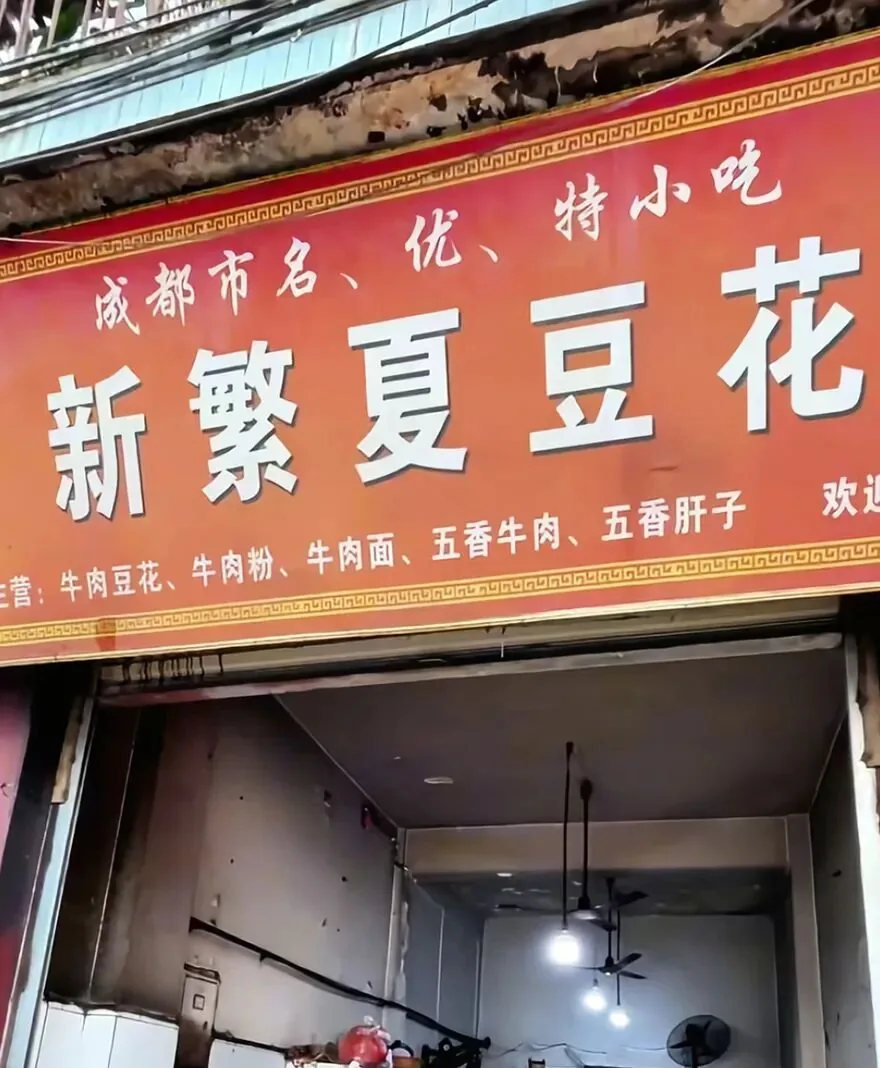
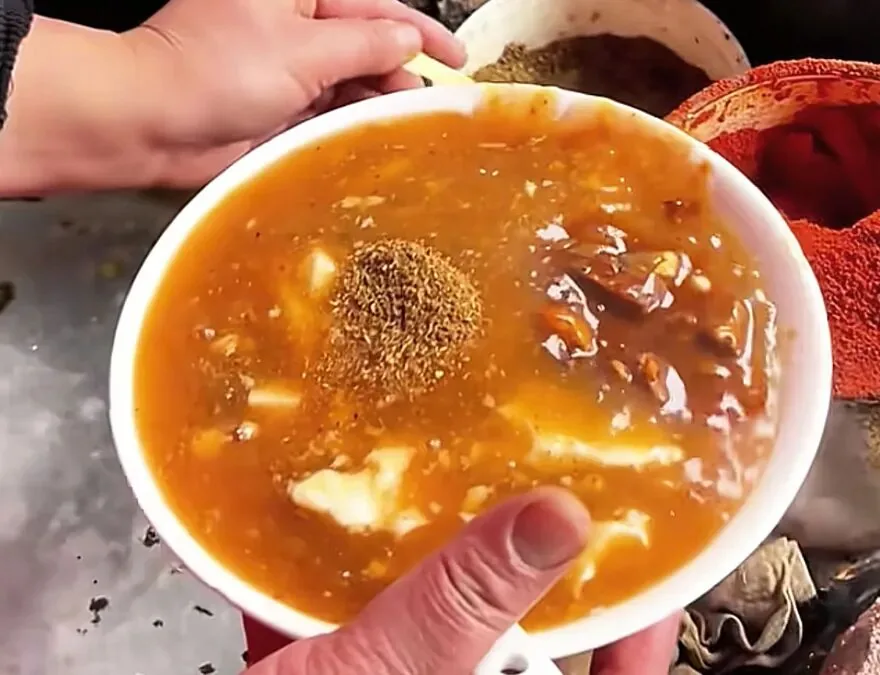
8 RMB per bowl of beef douhua (tofu pudding), tender as clouds. Pair it with an old-style guokui (stuffed flatbread) — that’s the standard order. Address: 10 Waixi Street, a century-old shop.
Xinfan Yeba (Leaf-Wrapped Rice Cakes)
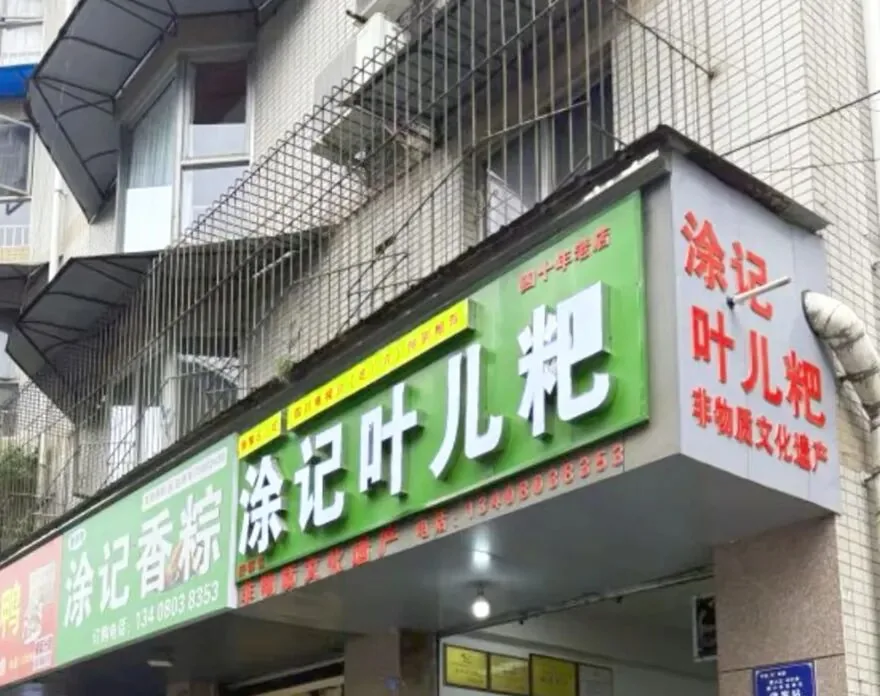
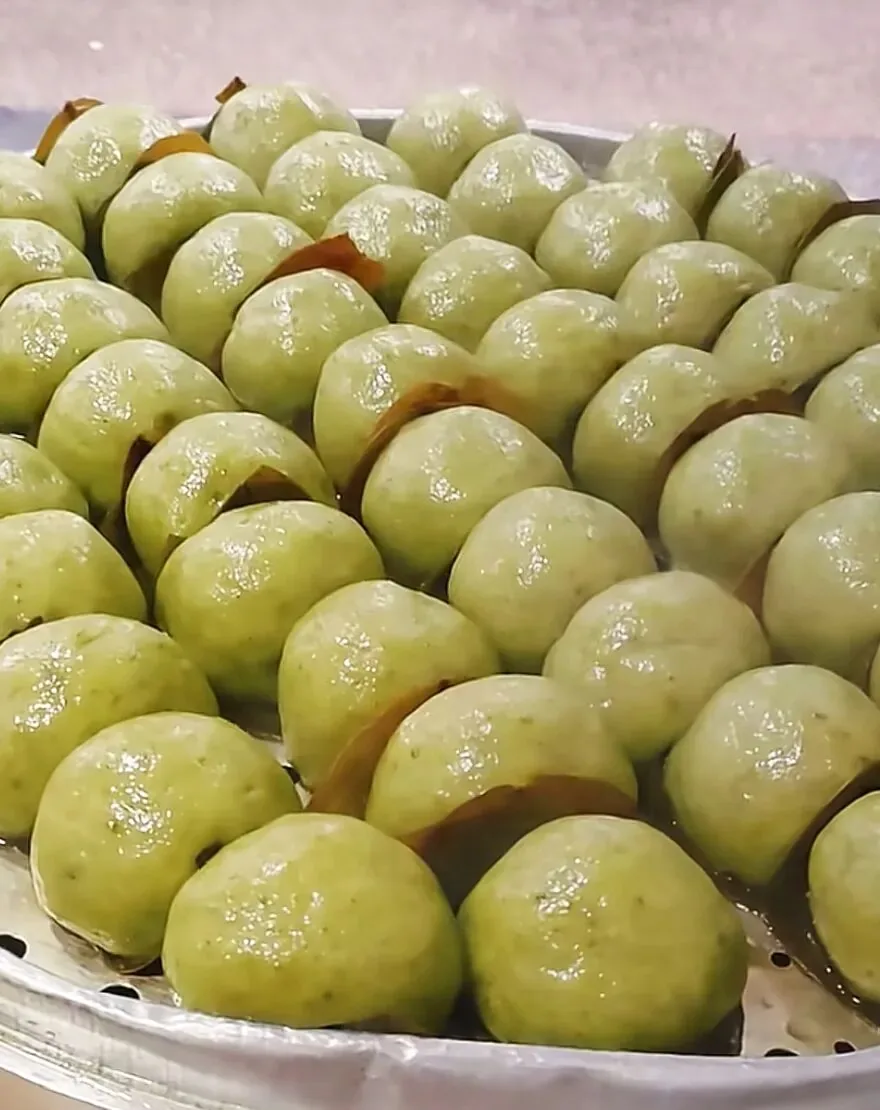
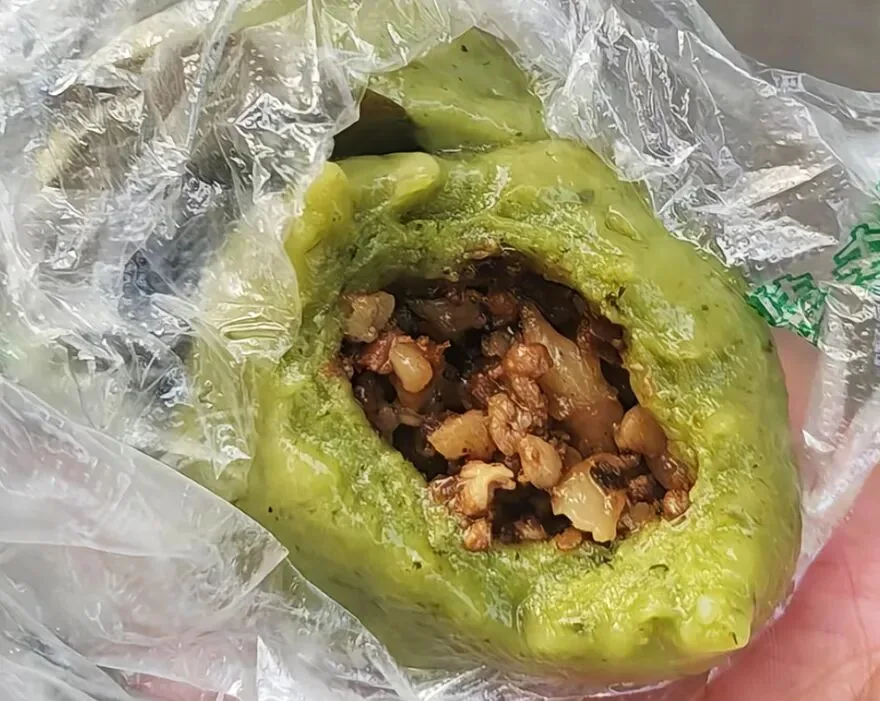
Also called aimo, with a hundred years of history. Soft and chewy without sticking to your teeth, with a savory filling that’s just right. It’s the locals’ favorite breakfast. Recommended: Tuji Yeba on Zhengdong Street.
Original Broth Pig Trotter (Yuantang Tihua)
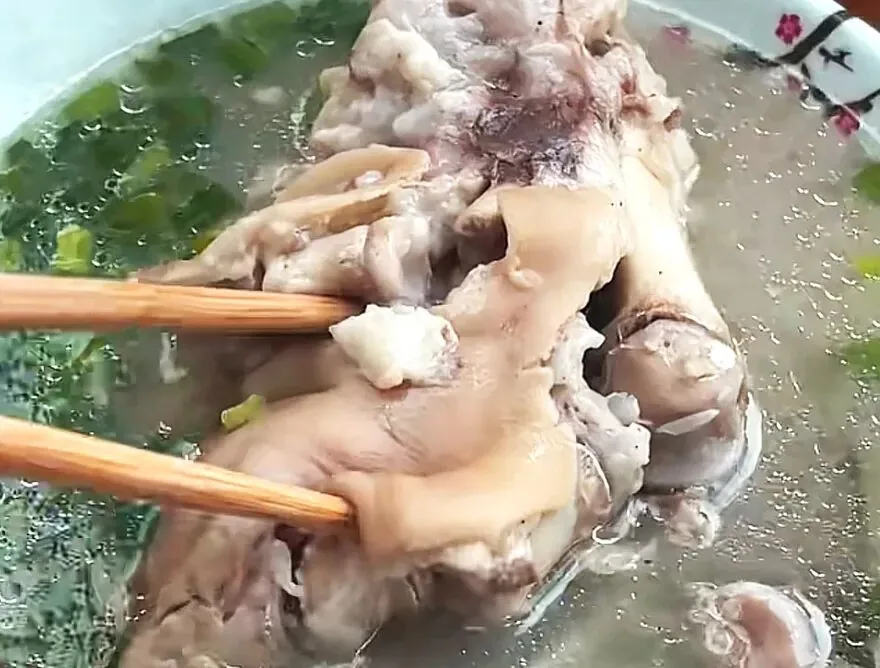
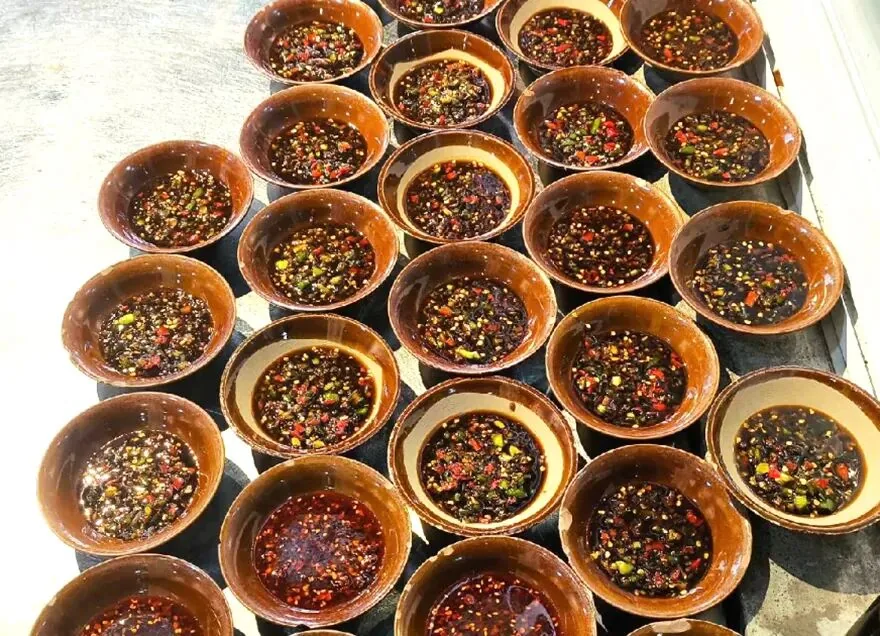
Pig trotters stewed until snow-white and fall-off-the-bone tender. The dipping sauce has huoxiang (agastache) added, giving a mouthful of braised aroma with a grassy note. The soup is free to refill. Address: Jindi Road.
Xinfan Pickles
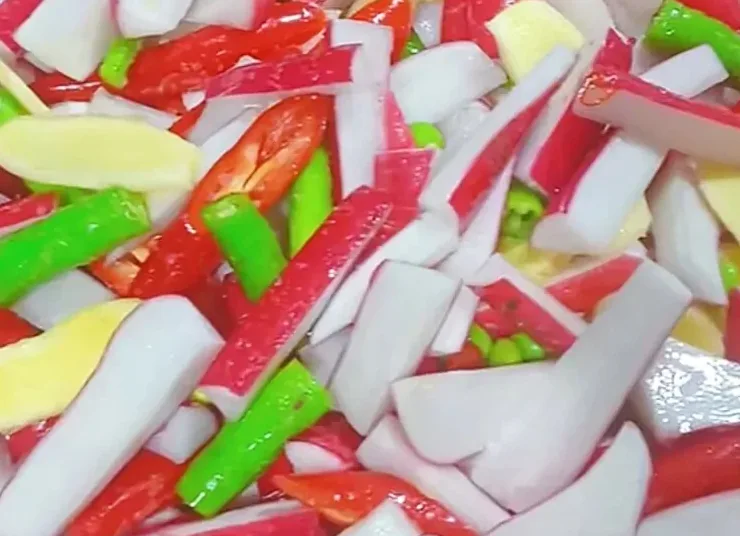
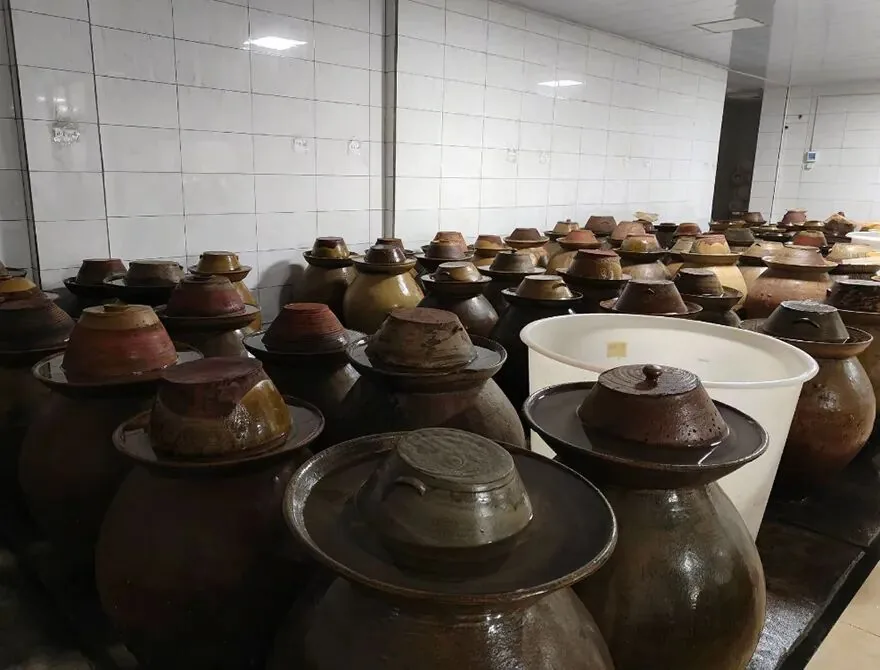
A Xinfan specialty with a history dating back to the Shang and Zhou dynasties. You can buy them at old shops along the street — perfect with rice.
Pro tip: Come hungry. The portions are generous and the prices are low — you’ll want to try everything.
Getting There
Address: Xinfan Subdistrict, Xindu District, Chengdu
By car: Navigate to “Xinfan Donghu Park” or “Xinfan Town.”
By public transport: Take Metro Line 5 to Dafeng Station, exit C1, transfer to Bus 678, get off at Senlin Jinshe Station — Donghu Park is right next to it. Or from Jiulidi Bus Station, take Bus 712 or 149, get off at Xinfan Jinlong Street Intersection Station.
Final Thoughts
Xinfan is the kind of place that rewards slowing down. Whether you’re here for the Tang dynasty garden, the quiet temples, or the cheap and delicious food, a rainy day just makes it better. Bring an umbrella, wear comfortable shoes, and give yourself a full day. You’ll come back feeling like you’ve discovered a secret corner of Chengdu that most tourists never see.