Why Xindu Deserves a Spot on Your Chengdu Itinerary
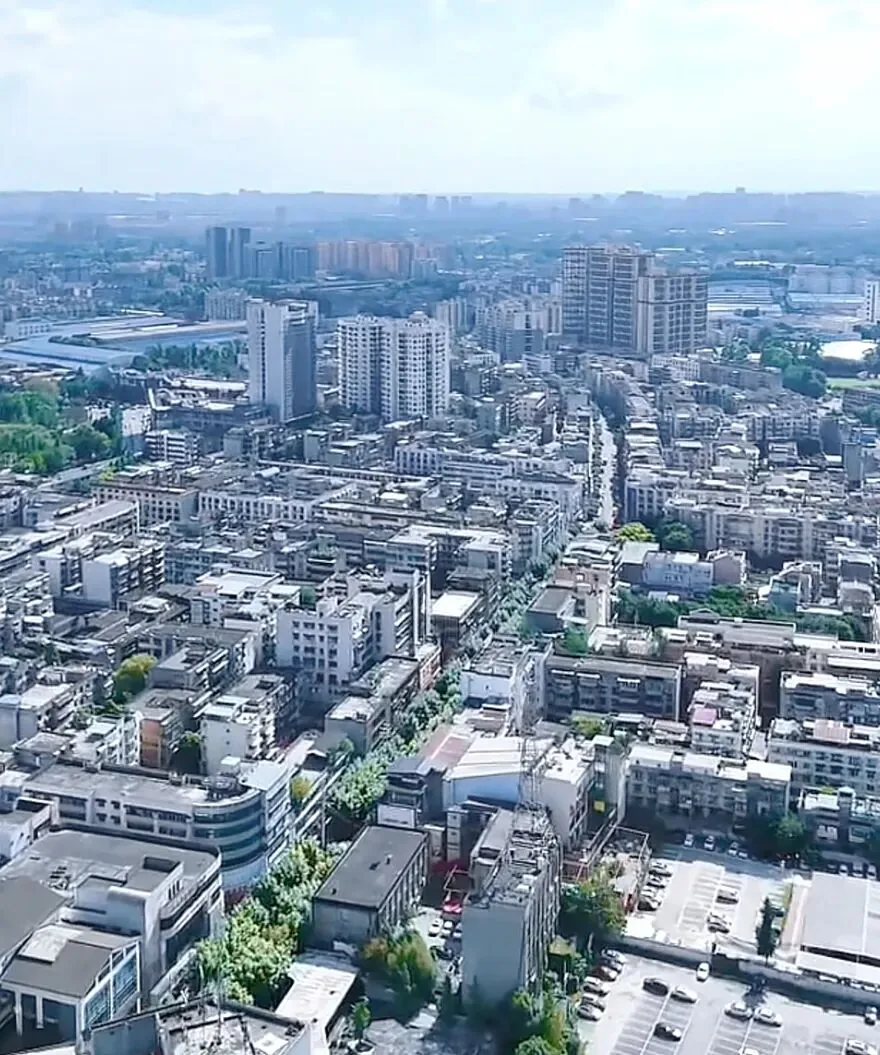
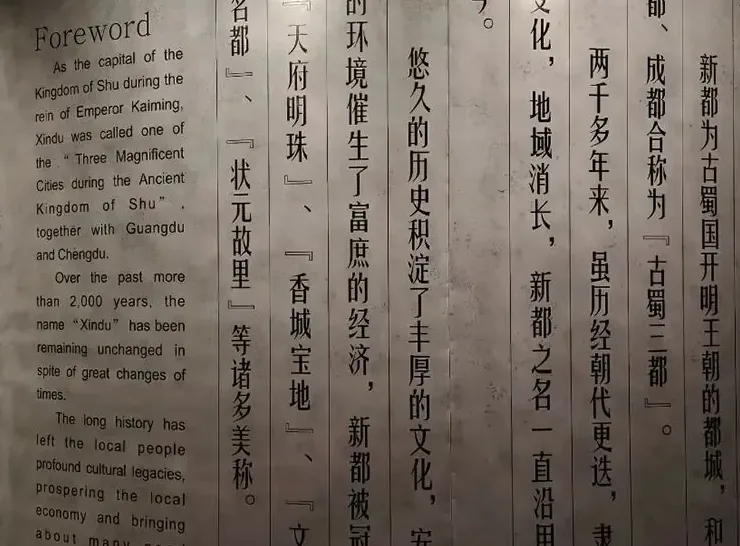
We’ve been wandering the county towns around Chengdu, and this stop is Xindu. Unlike Pengzhou with its ancient Shu ruins and pagodas, or Xinjiang with its river views and ink-wash feel, Xindu’s character comes from osmanthus fragrance, Zen calm, and a deep scholarly streak.
A lot of people underestimate Xindu, but it’s no small place. It was one of the three ancient Shu capitals and once stood on equal footing with Chengdu. Since King Bieling of the Kaiming dynasty established his capital here, through the Qin conquest and the founding of Xindu County, the name has carried on for over 2,700 years. It blends ancient Shu heritage with a culture of top scholars and the Zen spirit of Baoguang Temple. It’s a cultural anchor in Chengdu’s north.
Xindu’s old town is compact and quietly elegant. A temple and a lake face each other across the street, with old lanes weaving between them. It’s made for slow wandering. Duck into Zhuangyuan Street and Shaanxi Alley to hunt for old shops, sip tea in an old teahouse, and try the one-of-a-kind steamed meat in a flatbread or the hot-oil sweet-skin duck. You can lose a whole day here among the scent of books and incense.
Getting There: Closer Than You Think
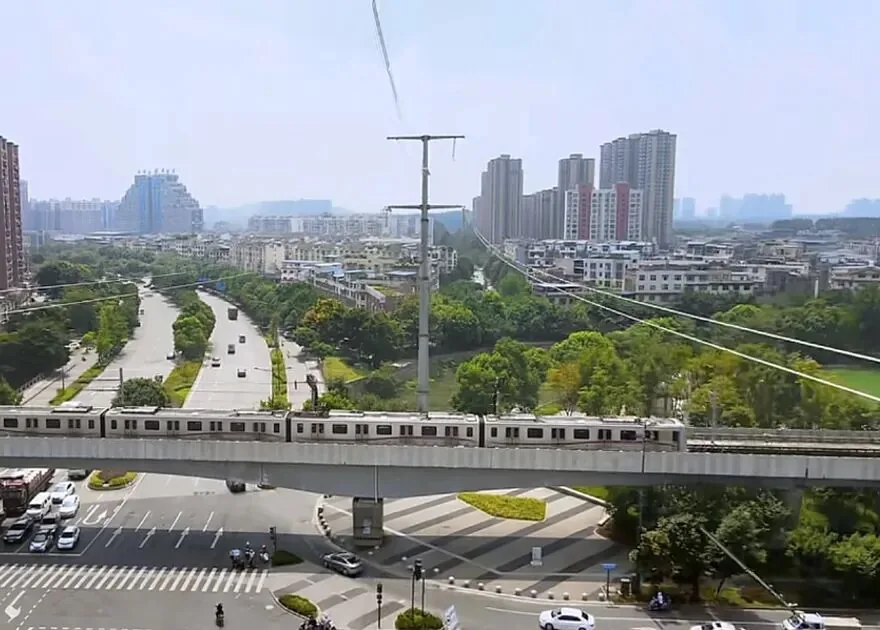
From Chengdu, Xindu is closer than you’d expect. Take Metro Line 3 straight to Zhonglou or Machao West Road station — no transfers needed. Step out and you’re in Xindu’s urban core. The old town is walkable, with Baoguang Temple, Gui Lake, Xindu Museum, Zhuangyuan Street, and Shaanxi Alley all within a 2-kilometer radius. Hop on a shared bike and give the whole day over to the old days of this fragrant town.
A One-Day Walking Route Through Xindu Old Town
- Morning: Metro to Xindu Zhonglou Station, then Baoguang Temple — count the arhats, see the Eastern Leaning Tower, and grab a vegetarian meal at the temple if you like.
- Midday: Eat in the old town — Diao Ji’s old-style steamed beef, Zeng Guokui, or Zhu Ji’s intestine noodles.
- Afternoon: Old Gui Lake Park (Sheng’an Shrine, wisteria corridor, old city wall), then Xindu Museum.
- Evening: Dinner in Shaanxi Alley or the old lanes of Zhuangyuan Street, then head back.
Gui Lake: Not a Park, But Yang Shengan’s Back Garden
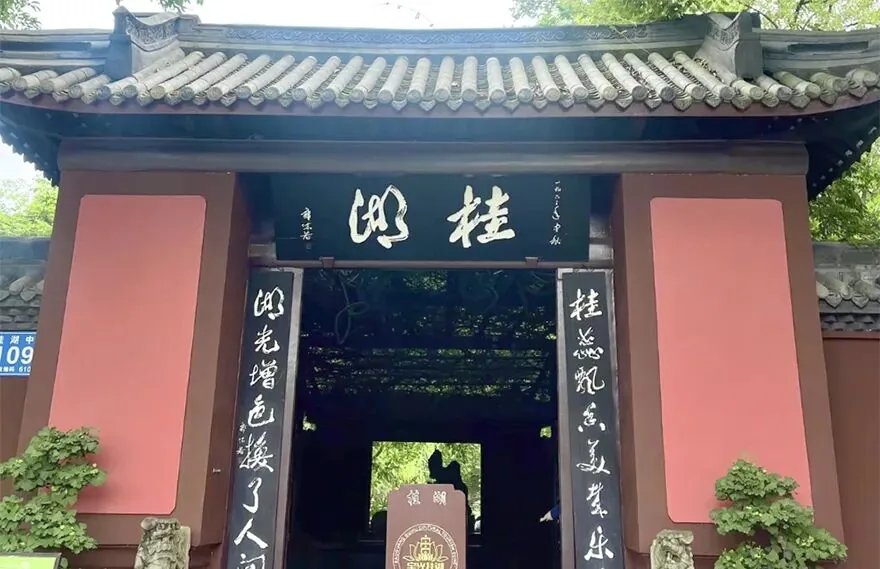
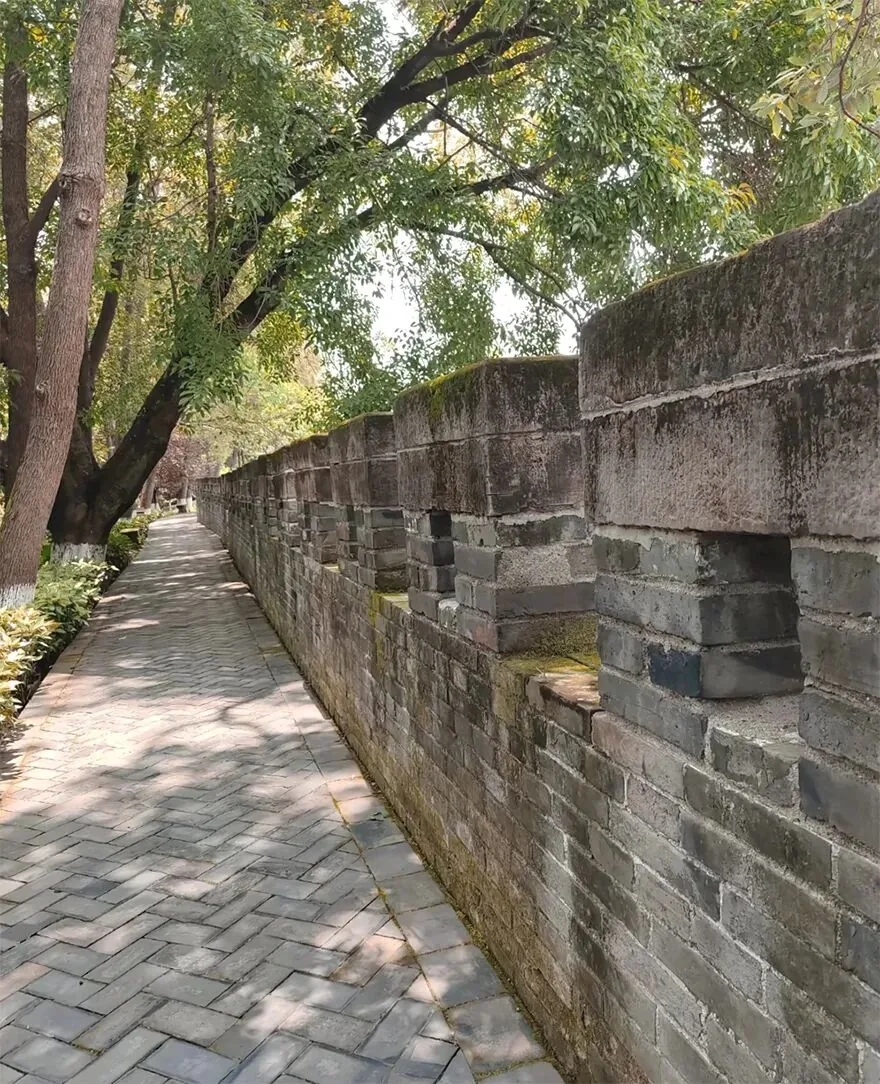
📍 Address: 109 Gui Lake Middle Road, Xindu 🎫 Tickets: Old Gui Lake 20 RMB, New Gui Lake free
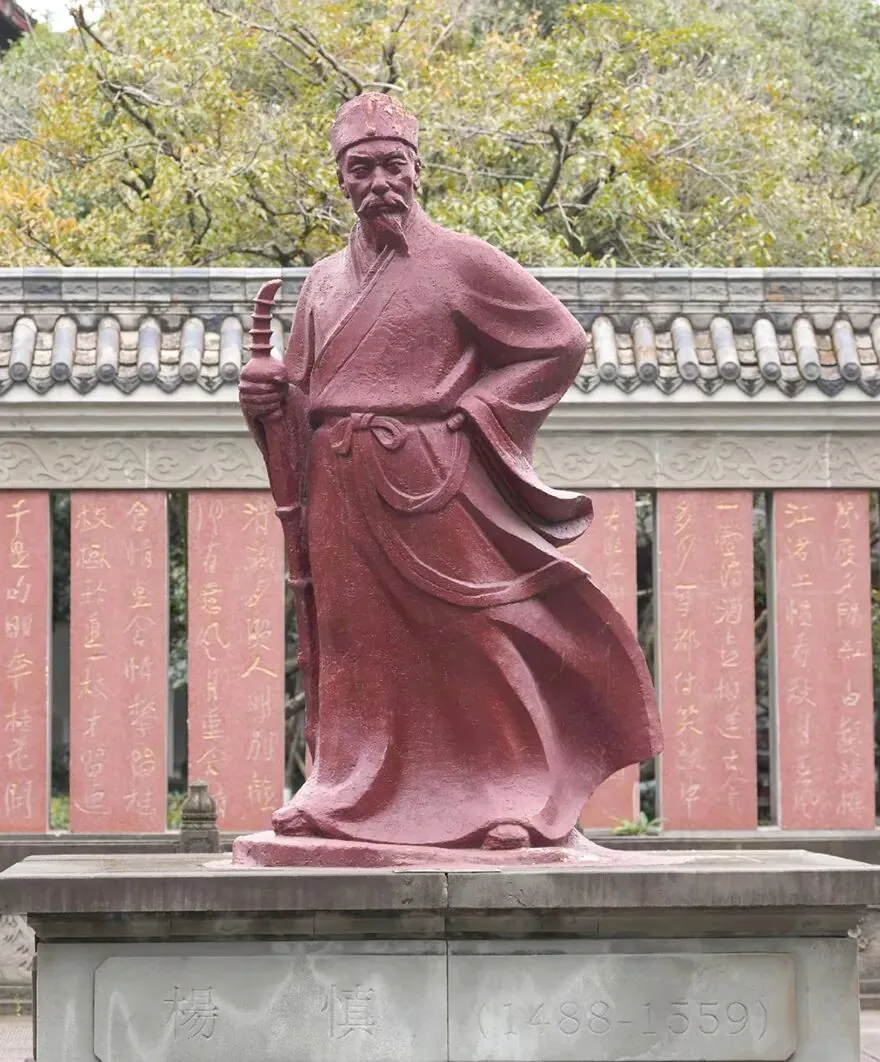
Gui Lake isn’t an ordinary city park — it’s a classical garden surviving from the Sui and Tang dynasties. Originally called South Pavilion, it’s where the Ming dynasty scholar Yang Shengan studied and made his home. He planted osmanthus trees all around the lake and wrote “Song of Gui Lake,” which is how the name stuck.
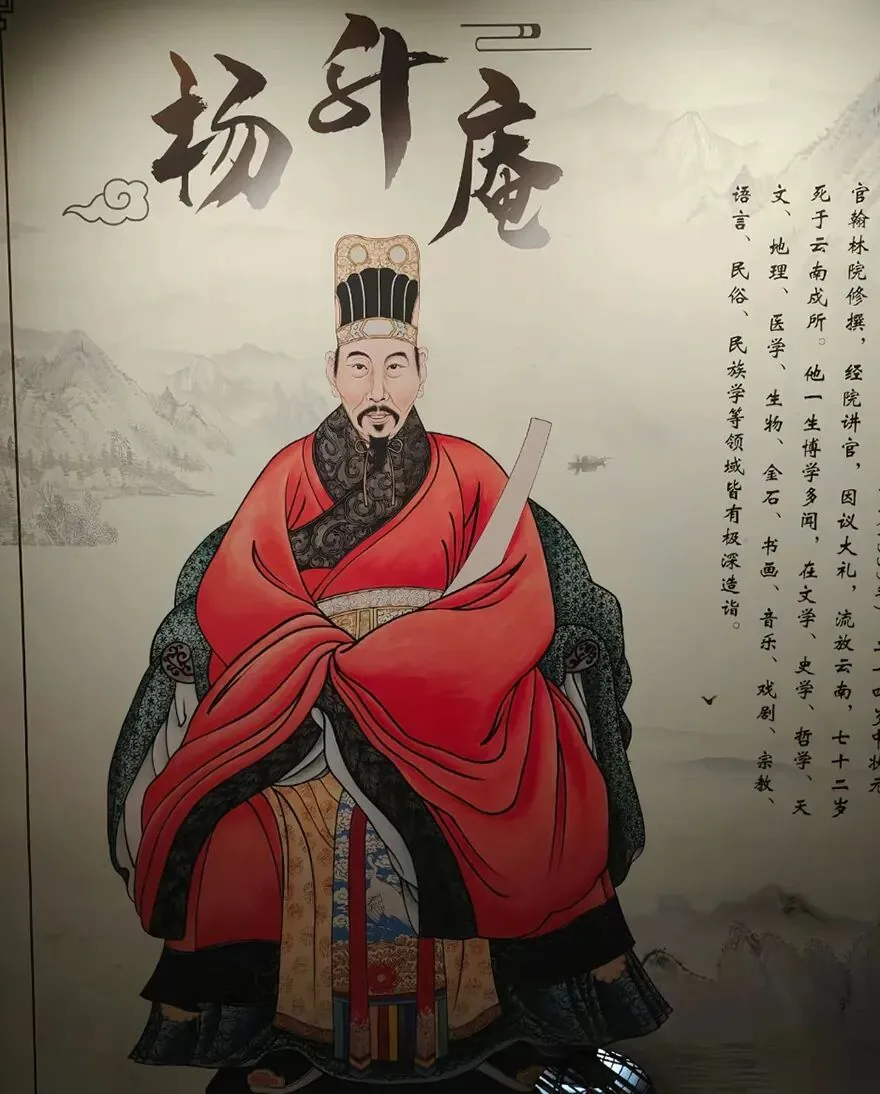
The garden’s heart is Sheng’an Shrine, dedicated to Yang Shengan. He ranked first among the Ming dynasty’s three great talents and wrote the famous line “The rolling Yangtze flows east.” He was Sichuan’s only top scholar in the Ming dynasty, from a family of seven palace graduates and prime ministers. Yet he was exiled to Yunnan for over thirty years for speaking frankly to the emperor, and still produced over 400 works. His integrity lives on in the shrine’s stone inscriptions and books.
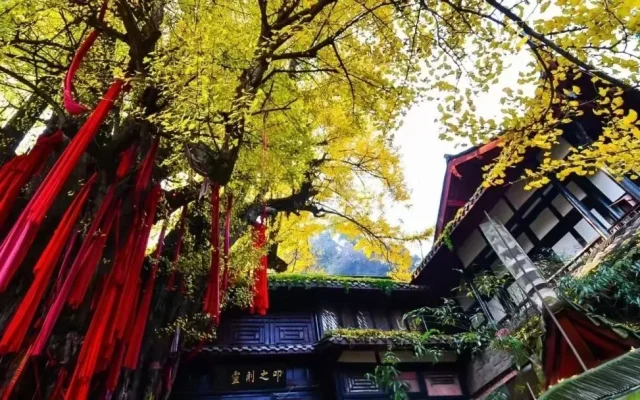
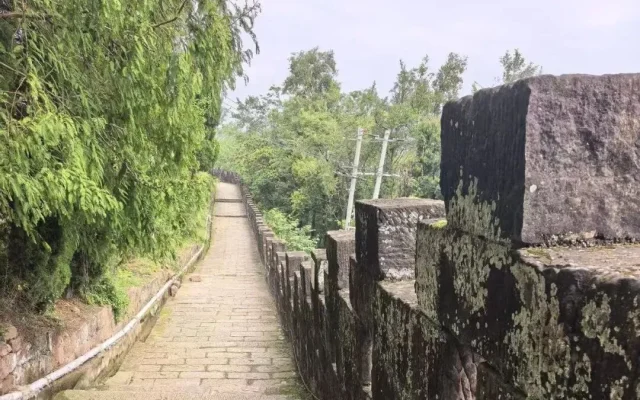
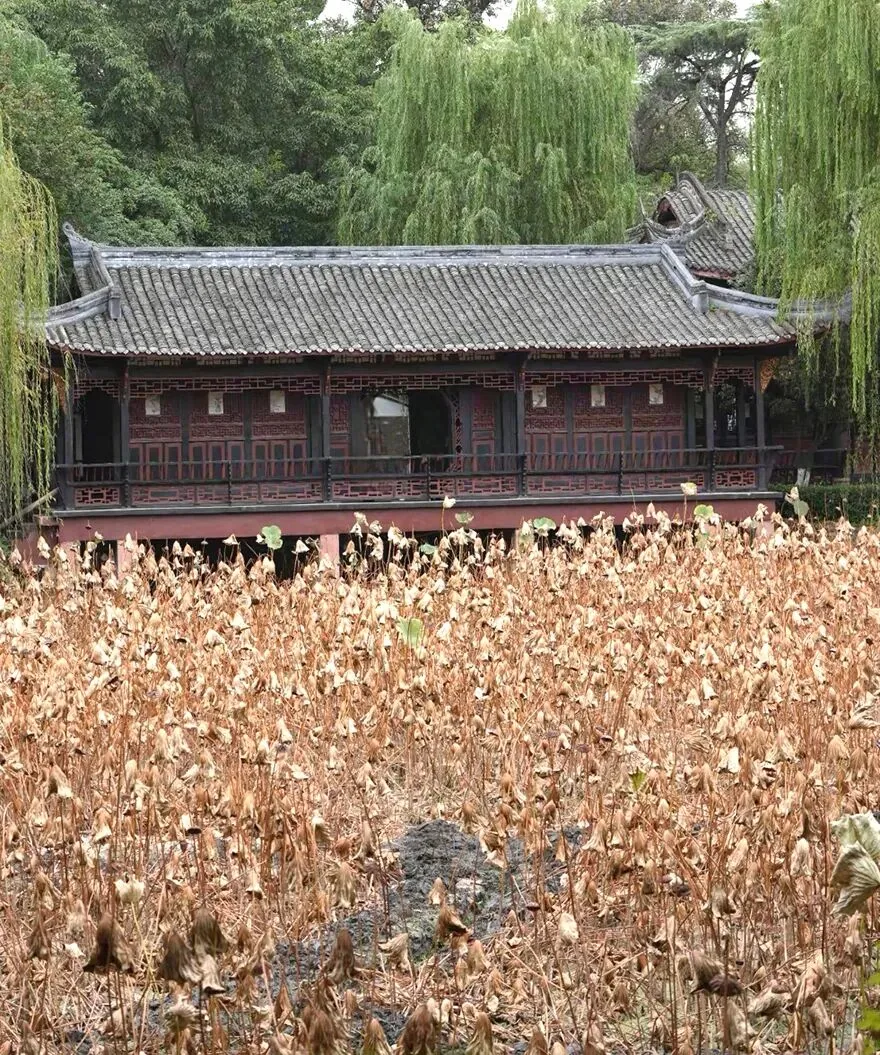
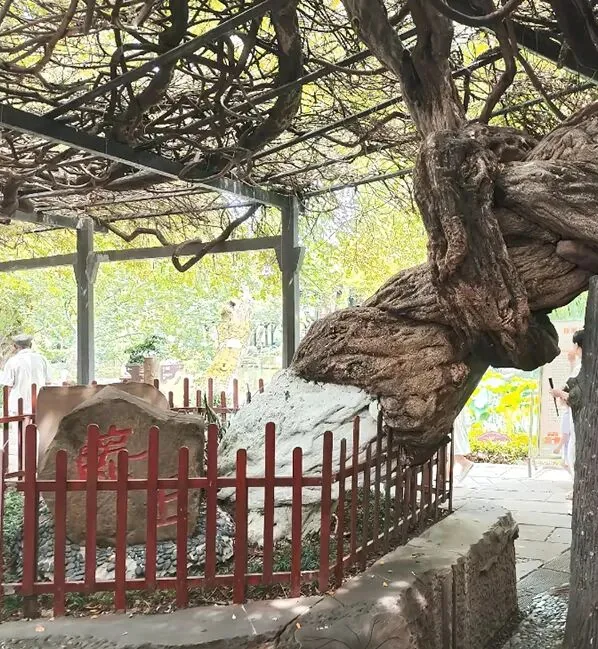
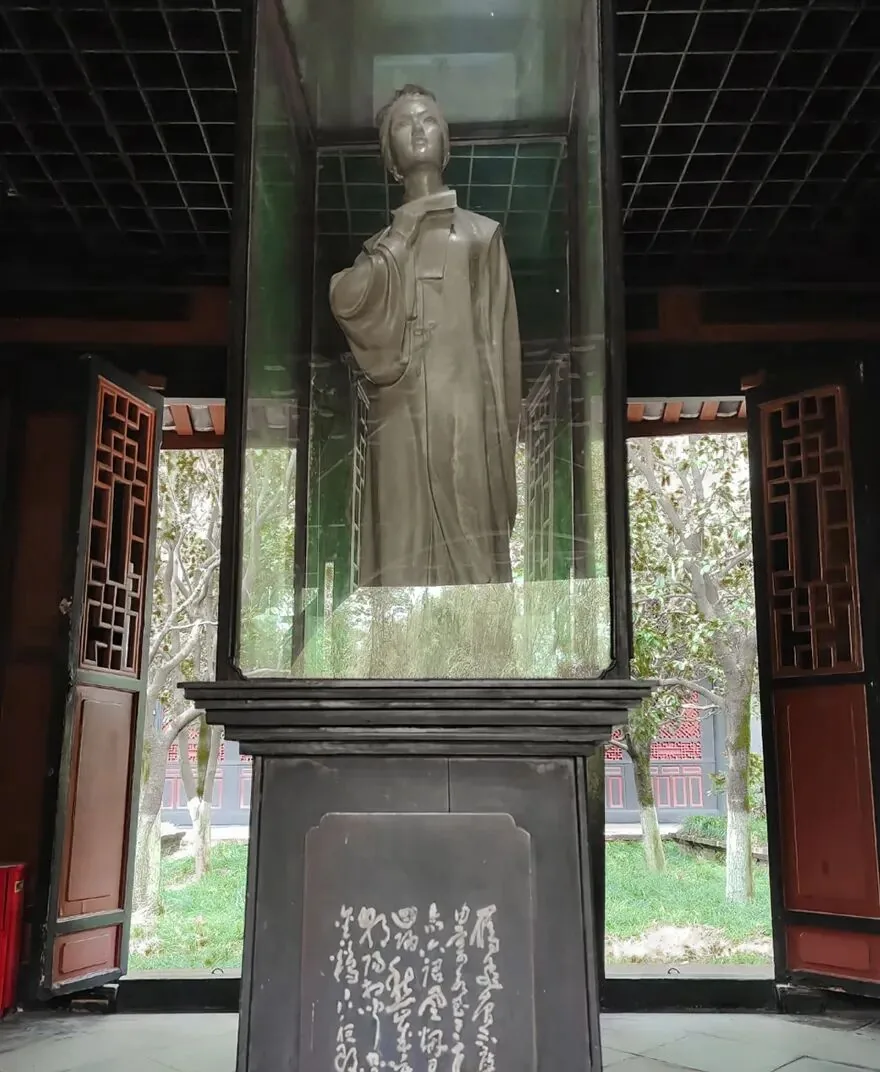
By early November, the osmanthus has faded, leaving a pond of withered lotus and sparse willows by the water. It’s quieter than the bustle of summer lotus. This very spot was a filming location for the 1987 TV adaptation of “Dream of the Red Chamber.” The garden also has Huang E Hall, honoring Yang Shengan’s wife, the talented Sichuan poetess Huang E. A 500-year-old twin purple wisteria stands as the garden’s signature ancient tree. On the west side, a rare stretch of Ming dynasty city wall survives in Chengdu — its blue bricks are weathered, and you can stroll along the wall path. The pavilions, water terraces, corridors, and stone bridges are full of atmosphere; great for photos.
Pro tip: Come in early November for the quiet, slightly melancholy beauty of the lotus pond — and fewer crowds.
Xindu Museum: The Underrated “Little Provincial Museum” by the Lake
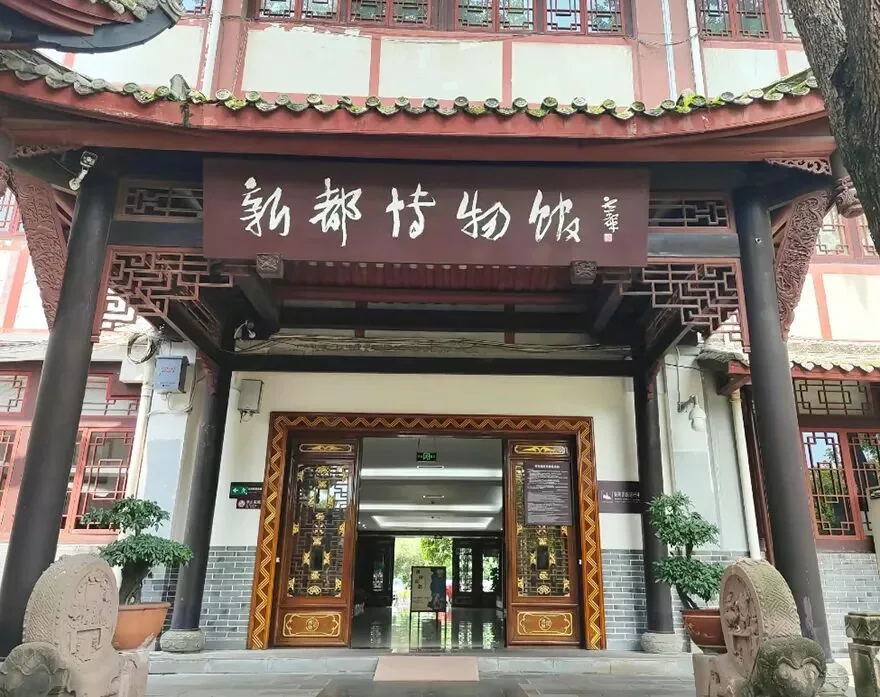
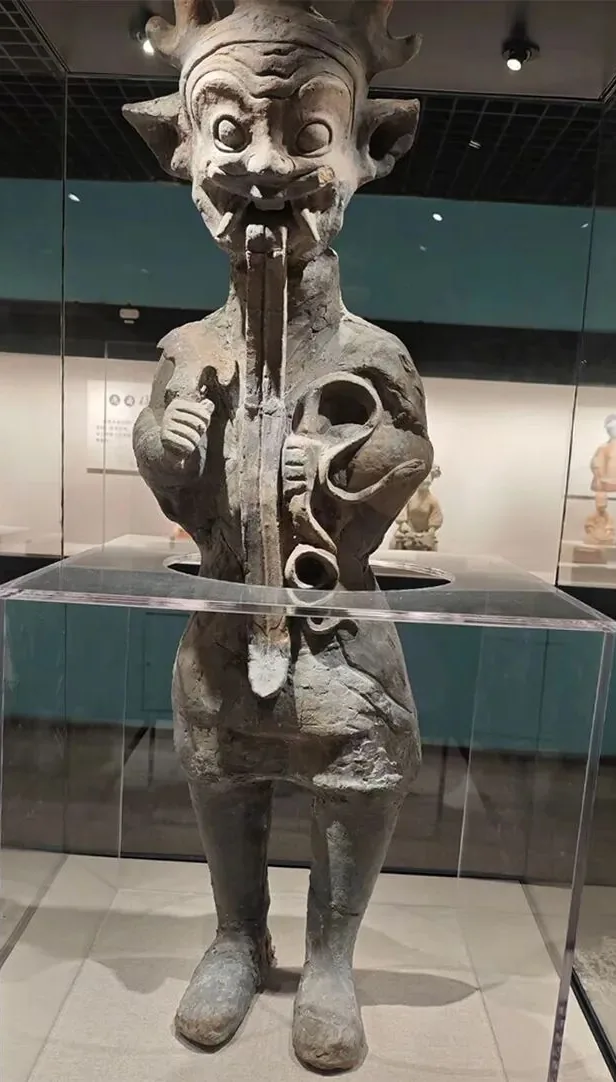
📍 Address: 89 Gui Lake Middle Road (next to Gui Lake Park) 🎫 Tickets: Free; closed Mondays, open 9:00–17:00 (last entry 16:30)
Many people visit Gui Lake and leave, missing this small treasure of a museum next door. Don’t let the modest entrance fool you — there’s real substance inside.
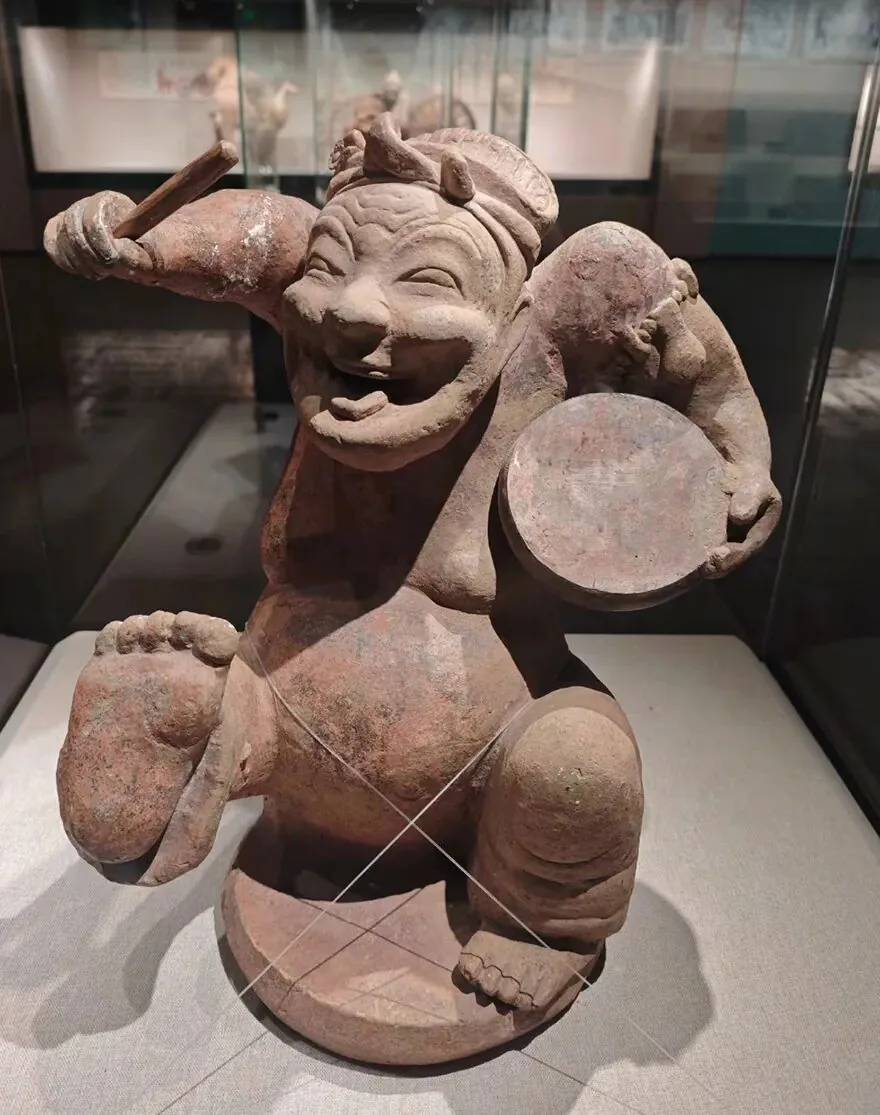
The star exhibit is the original Eastern Han dynasty storyteller figurine. The provincial museum often displays replicas, but here you can see the real thing. It was unearthed in 1982 from a cliff tomb at Majiashan in Sanhe Town, Xindu. Standing 48 cm tall, it is known as “the first figurine of the Han dynasty.” It’s charmingly goofy, dancing with joy, its smile vivid — even after two thousand years, you can feel the lively street life of Han-era Sichuan. That happy expression is what gets you.
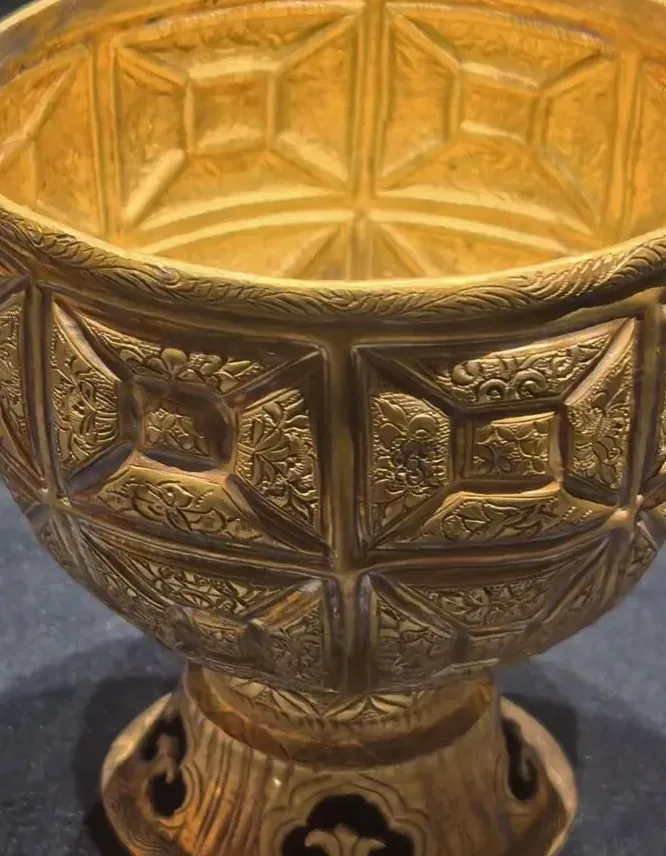
There’s also a first-class national artifact: a Tang dynasty gold stem cup with flower-and-bird patterns. Other highlights include remains of prehistoric people from 4,000 years ago, various Han pottery figurines, and Han pictorial bricks showing chariots, banquets, and farming. The exhibits run from pre-Qin and Han-Wei times through Yang Shengan and Ming-Qing Xindu. It’s not large — you can see it in half an hour to an hour — and it pairs perfectly with Gui Lake and Baoguang Temple.
Baoguang Temple: One of the Four Great Zen Monasteries of the Yangtze, Home to the Eastern Leaning Tower
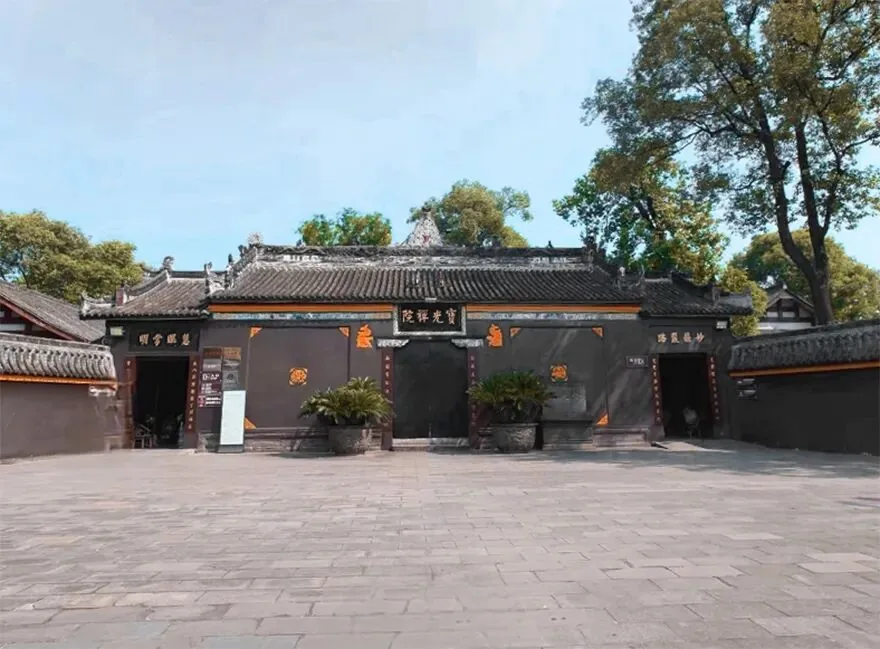
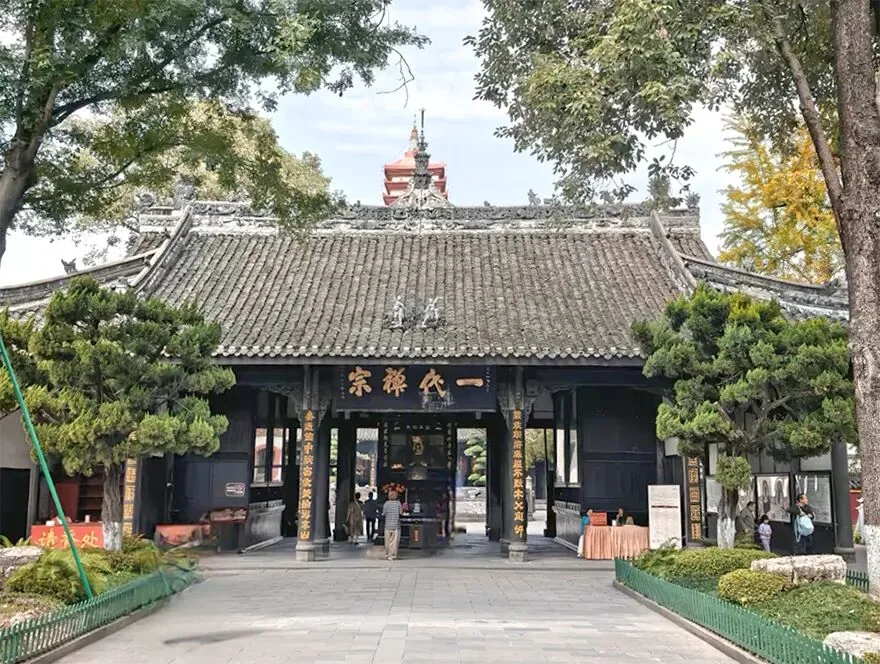
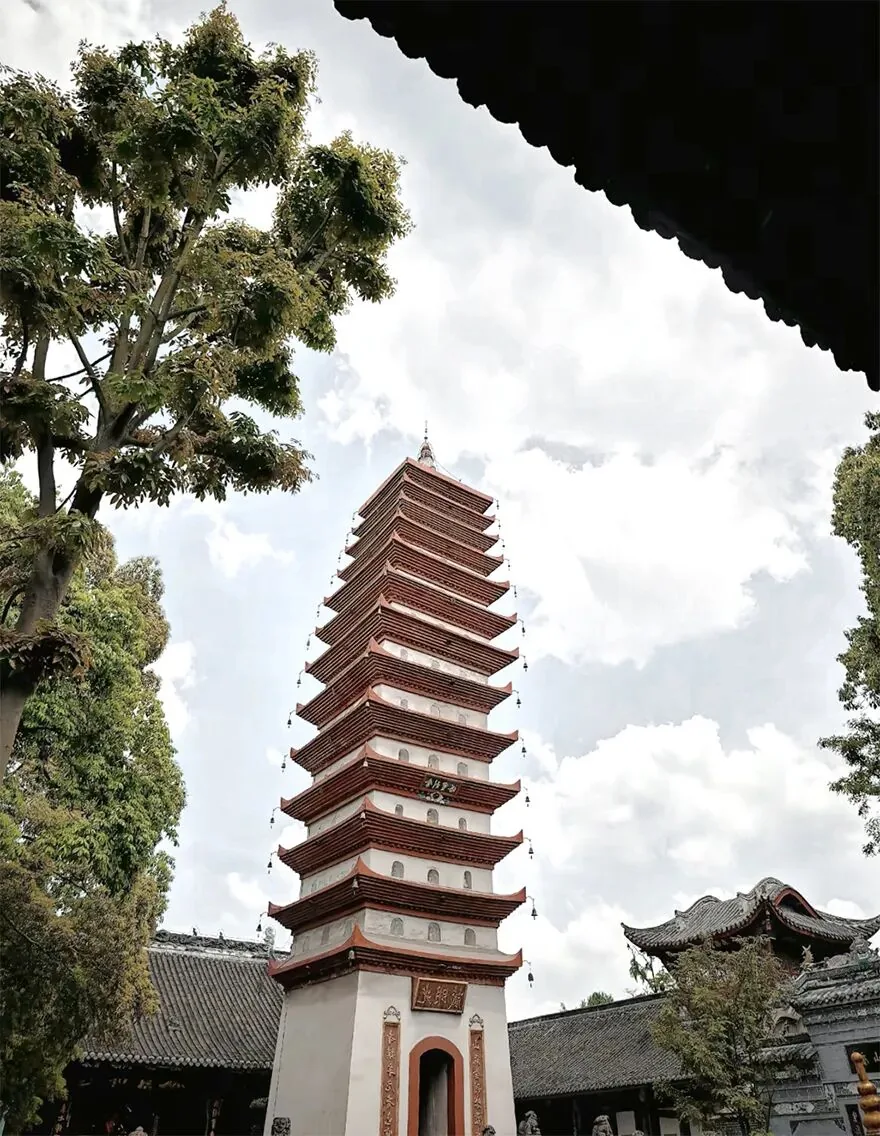
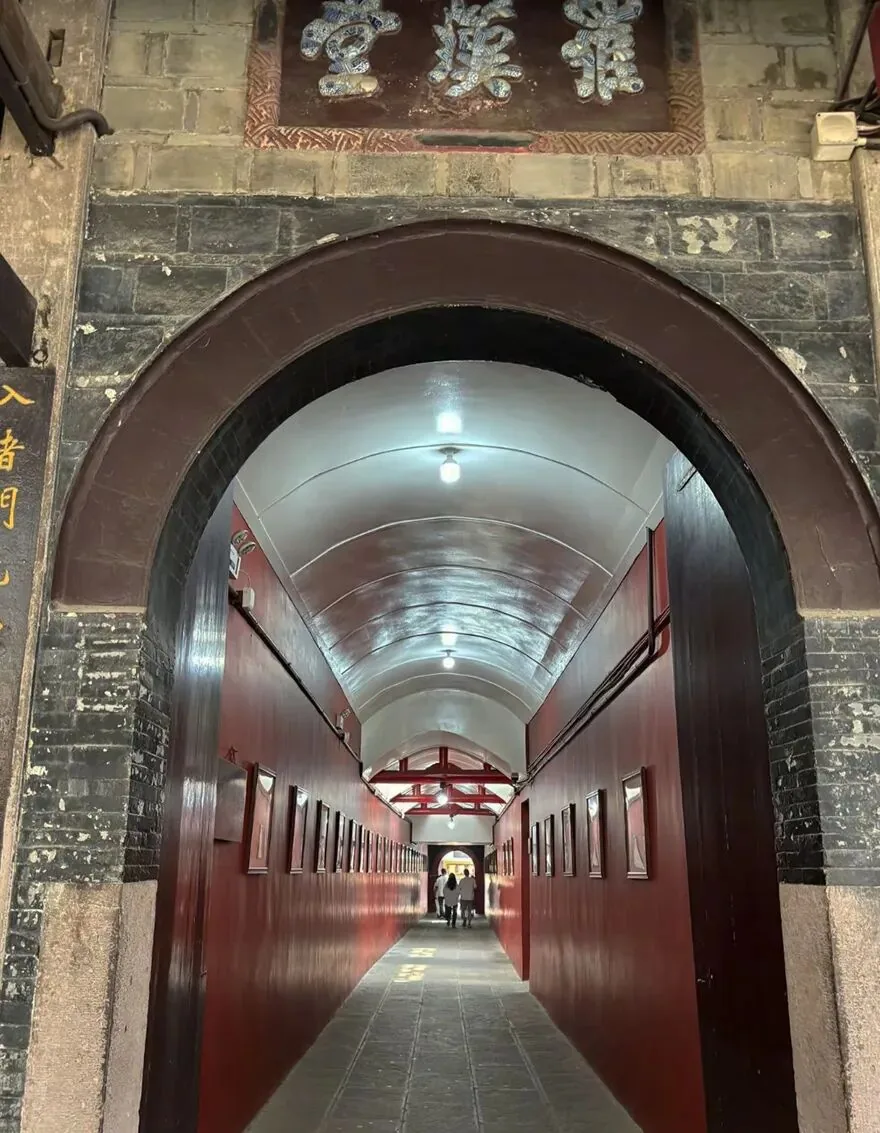
📍 Address: 81 Baoguang Street, Xindu District 🎫 Tickets: 5 RMB; three free incense sticks at the entrance ⏰ Hours: 08:00–17:30, last entry 17:00
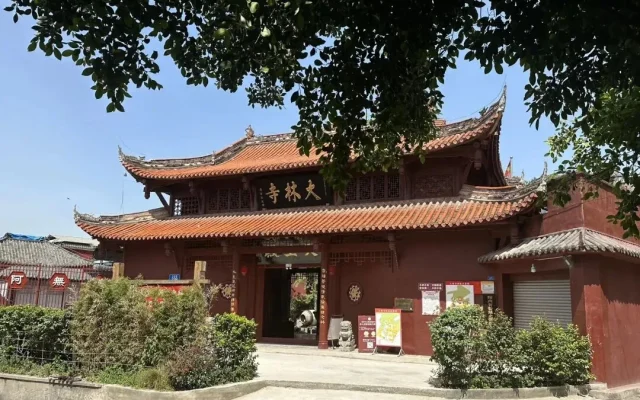
A 5 RMB ticket feels almost embarrassingly cheap. Baoguang Temple is less crowded than Wenshu Monastery. Founded in the Sui dynasty and renamed by Emperor Xizong of Tang, it preserves an early temple layout rarely seen today: “temple centered on the pagoda, pagoda within the temple.” Among western Sichuan Zen monasteries, that makes it unique. The temple holds three treasures: a Buddha relic, a palm-leaf manuscript, and a bronze udumbara flower, kept in the cultural relics hall.
In the center of the temple grounds stands the famous Wugou Jingguang Relic Pagoda, a 13-story square brick pagoda with dense eaves, about 30 meters tall. Its body leans slightly north — people call it the “Eastern Leaning Tower.” When the wind blows, the bells on the pagoda ring, quiet and powerful.
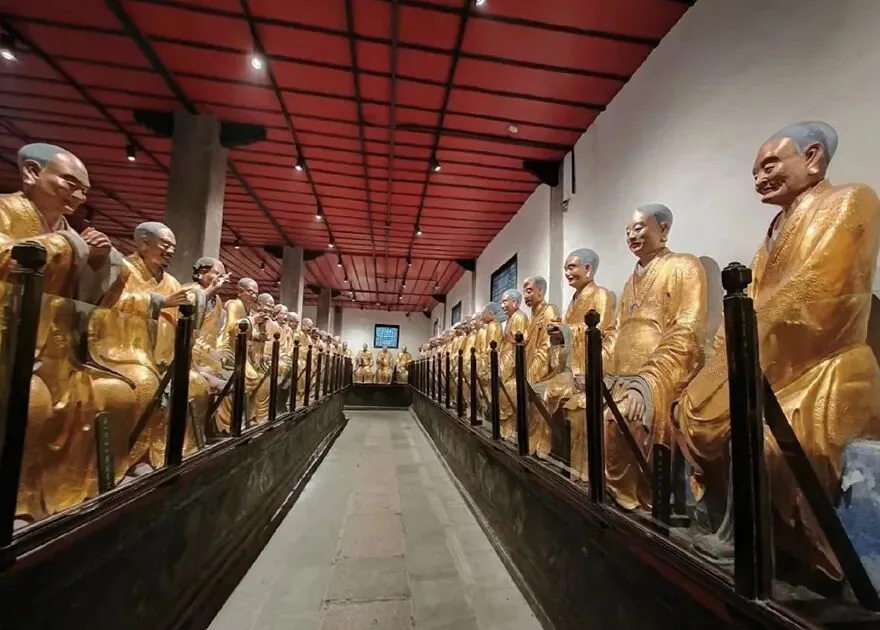
The Arhat Hall, built during the Xianfeng era of the Qing dynasty, is a fascinating place. It houses 577 painted and gilded clay arhats — the oldest and largest existing clay arhat hall in China. They’re all similar in height, but no two expressions are alike. Joy, anger, sorrow, happiness, sitting, lying, walking, standing — all of life’s moods are captured in clay. Many people’s first move in the Arhat Hall is to count the arhats: pick any one to start, then count forward according to your nominal age. Whichever arhat you land on is your answer for the year — a way to seek peace of mind.
Local insight: Counting the arhats is a beloved local ritual — give it a try, even if you’re not superstitious. It’s a bit of fun and a moment of calm.
Zhuangyuan Street and Shaanxi Alley: Top Scholar Legends and the Real Flavor of the Old County Town
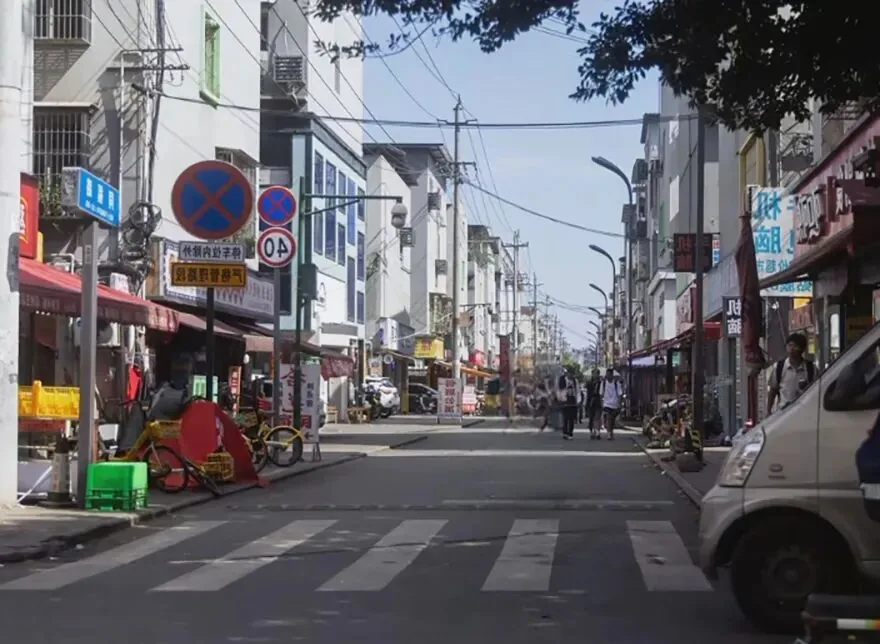
📍 Address: Zhuangyuan Street and Shaanxi Alley, Xindu District (next to West Street)
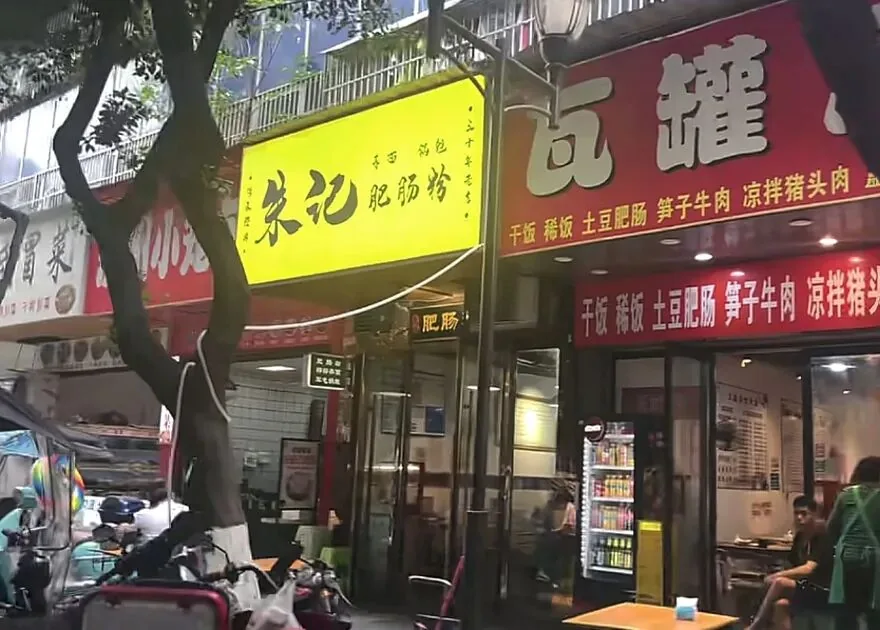
Zhuangyuan Street isn’t long. Legend has it that when Yang Shengan passed the imperial exam as top scholar, the good news entered Xindu via this road leading to the county’s west gate — and the name stuck. Next to it, Shaanxi Alley feels even older. The lane is narrow, its walls weathered by time. It was once a stopping place for merchants from other provinces, and the old Shaanxi Guild Hall is hidden here, connected to West Street. This is the most authentic, most lively part of the old town, packed with good eats: steamed beef in a flatbread, Zhu Ji’s intestine noodles, the old Baoguang Noodle Shop, spring rolls, and more. Your stomach will be satisfied.
Xindu’s Local Food: Old Neighborhood Shops, Skip the Internet-Famous Ones
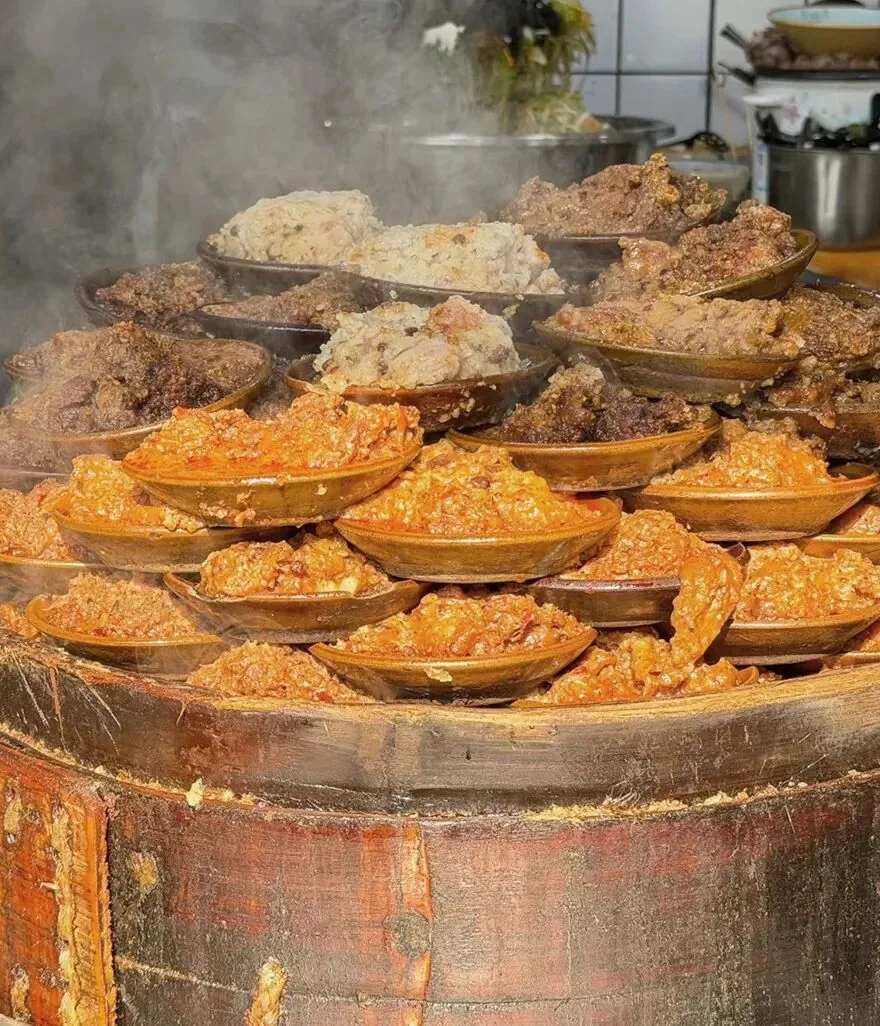
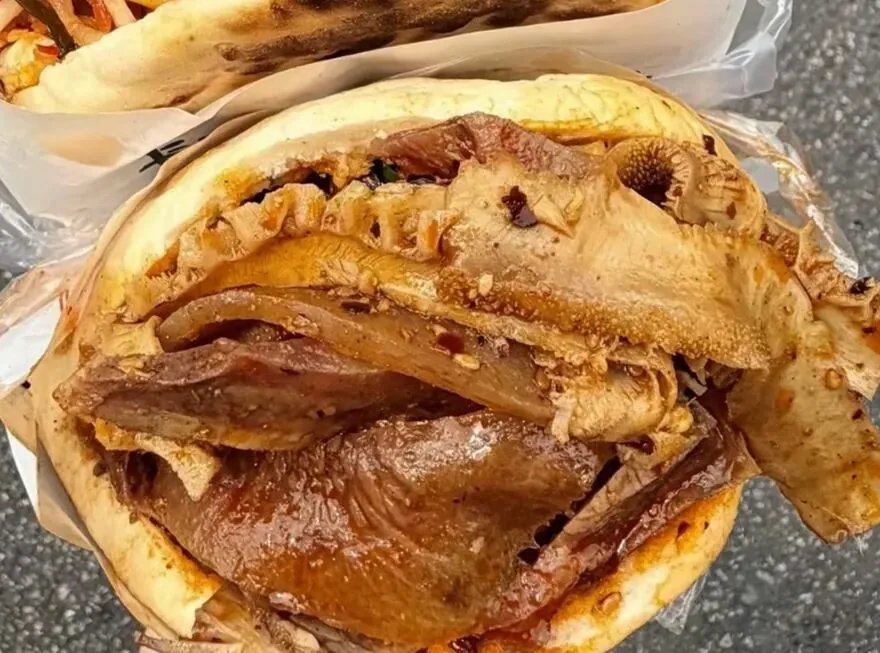
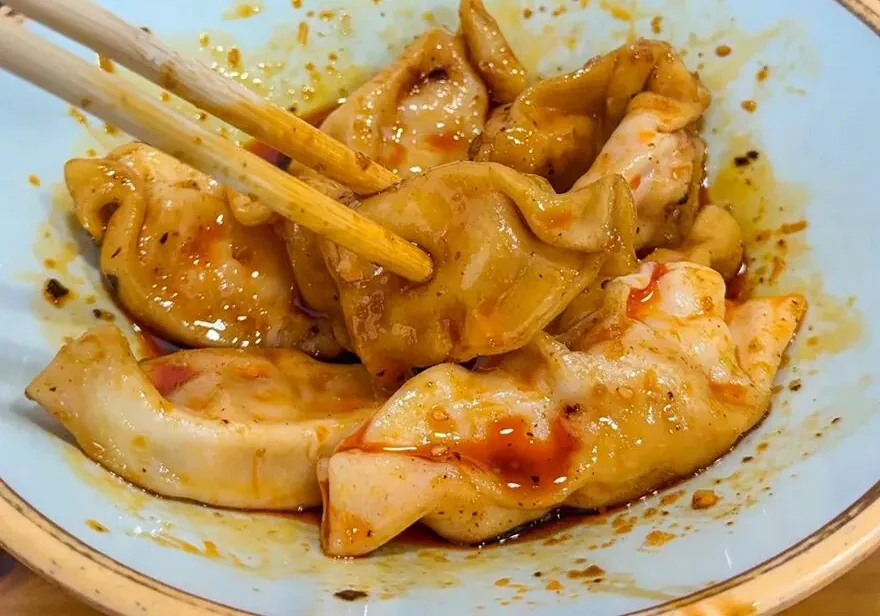
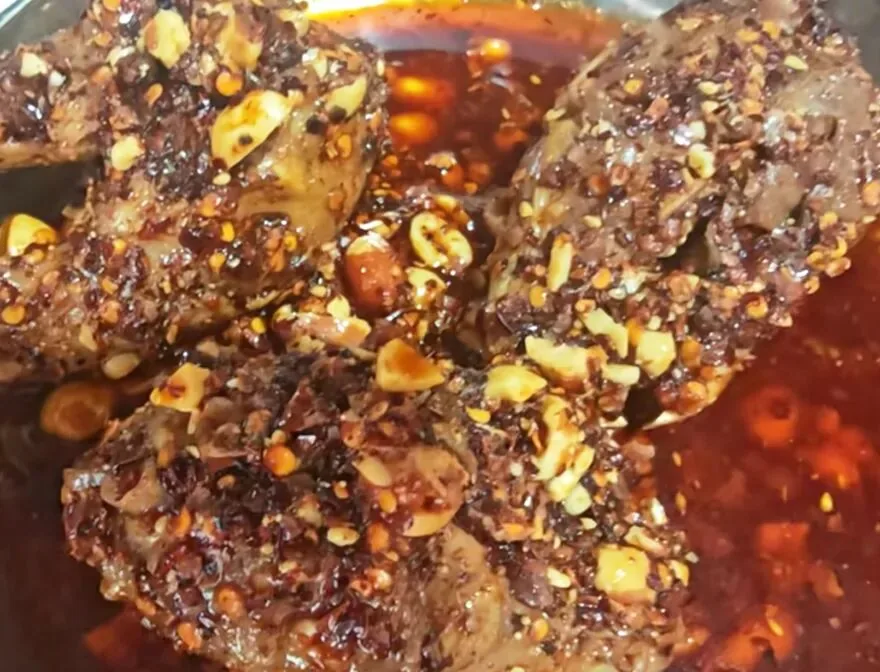
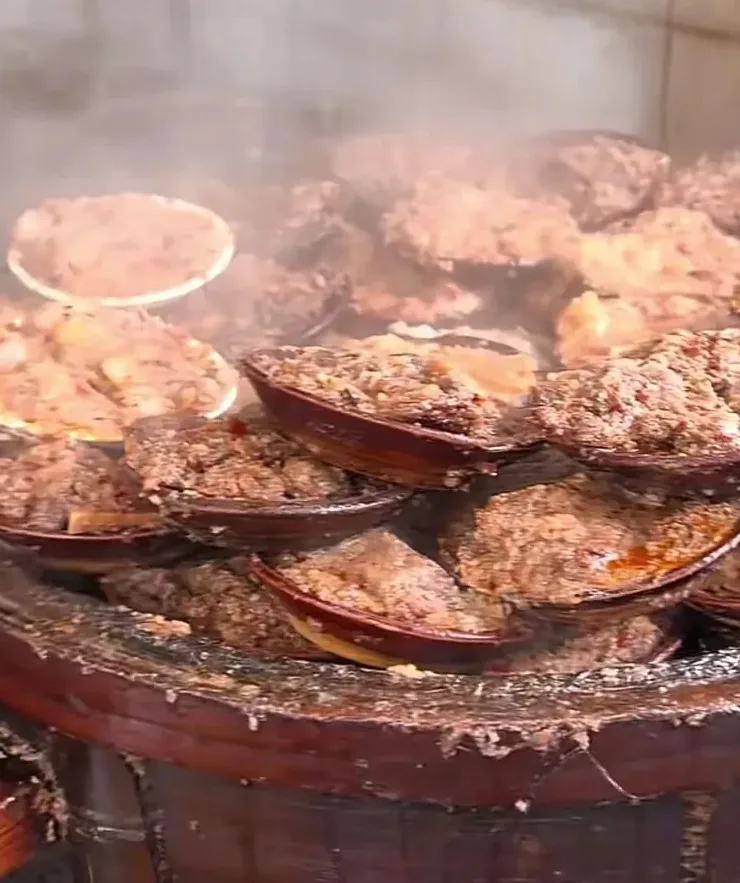
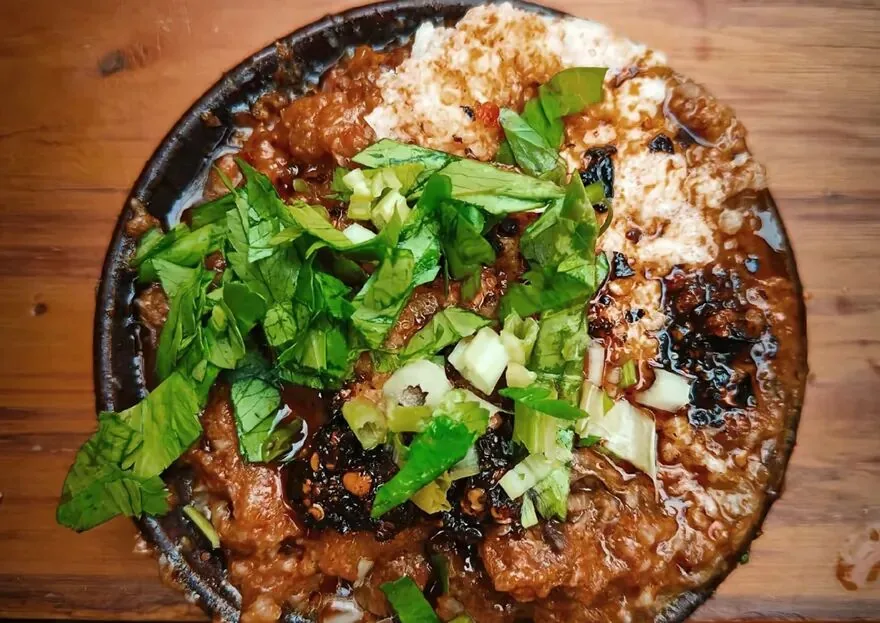
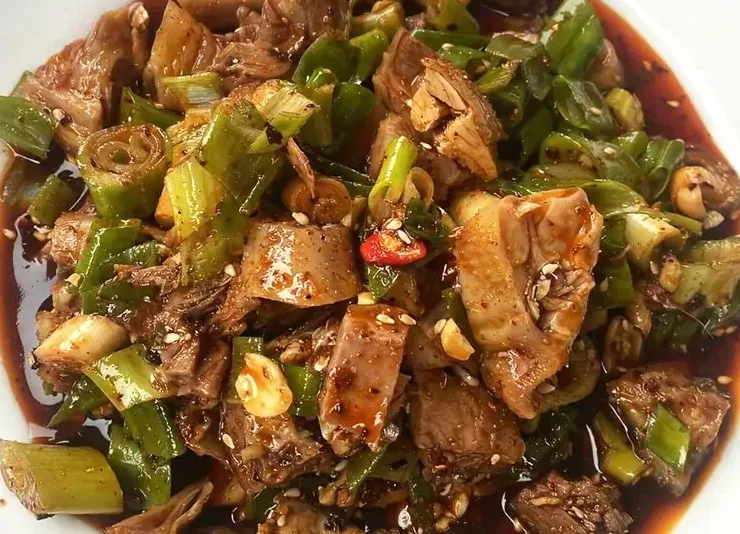
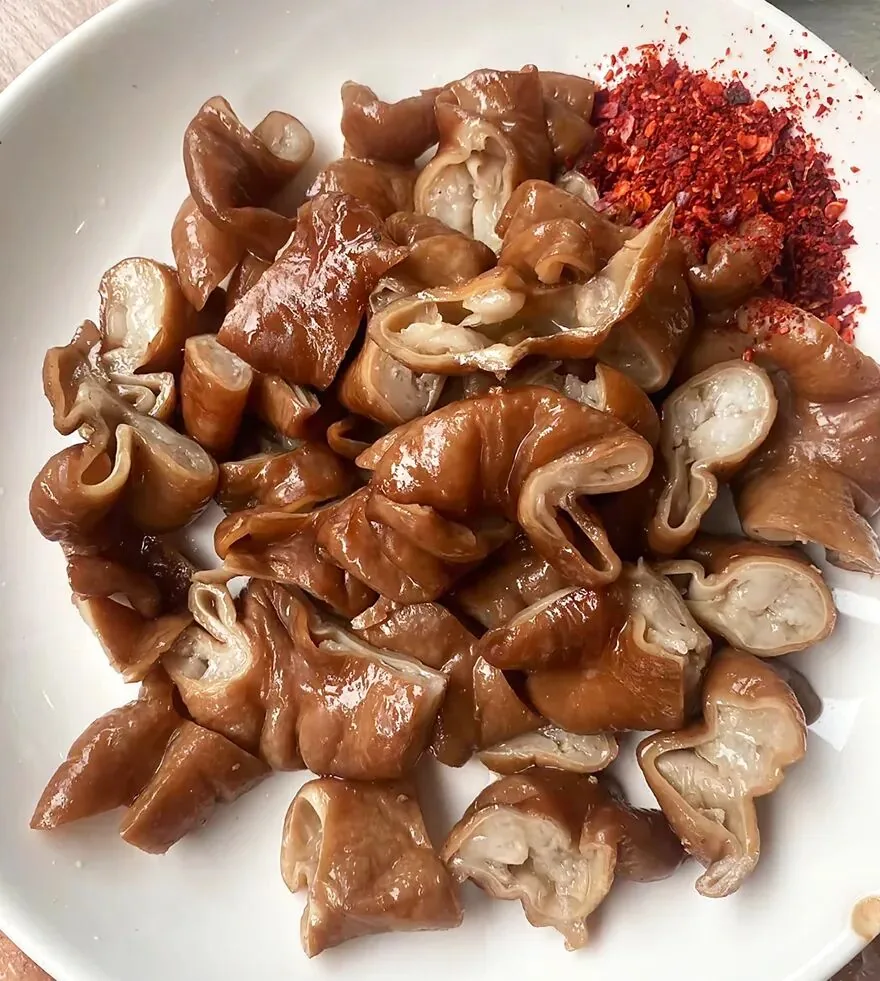
Zeng Guokui — A food Xindu locals have eaten for over 30 years. Dough fermented overnight, baked over charcoal. The plain flatbread has its own wheat fragrance; the soul is the steamed beef or intestine stuffed inside. The dumplings are excellent too. Address: 88 Zhuangyuan Street.
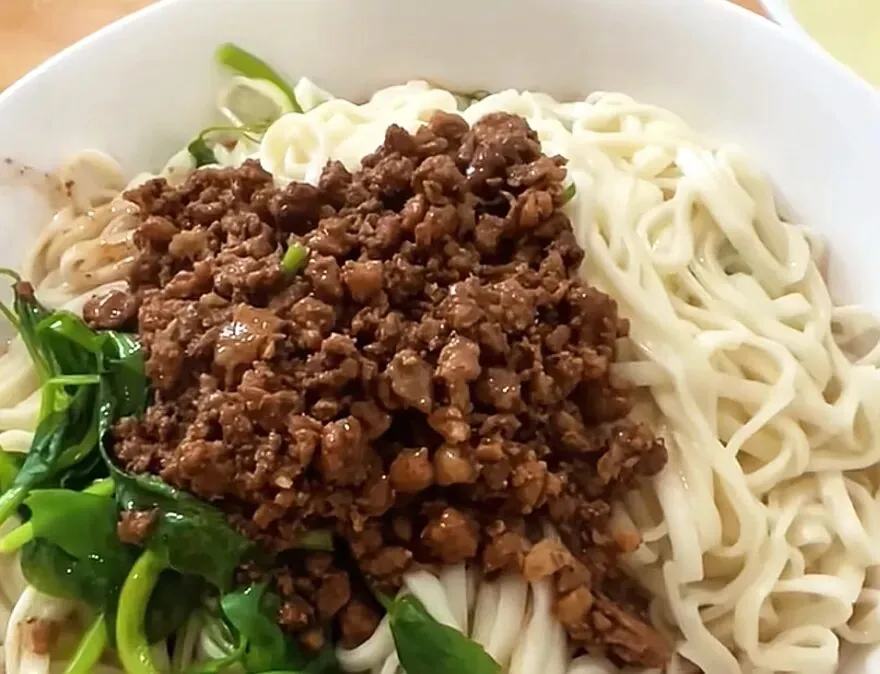
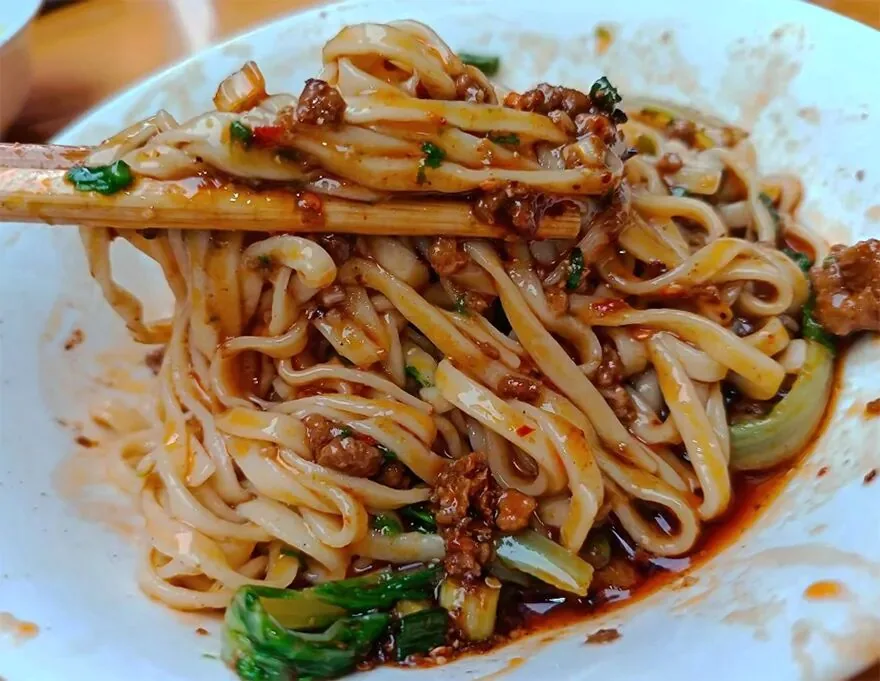
Old Baoguang Noodle Shop — A 30-year-old noodle shop. The signature is dry-tossed zhajiang noodles: handmade flat noodles are chewy, and the freshly stir-fried fatty-lean pork topping is glossy and fragrant. Mix it up and every strand is coated in sauce. Address: 71 Shaanxi Alley.
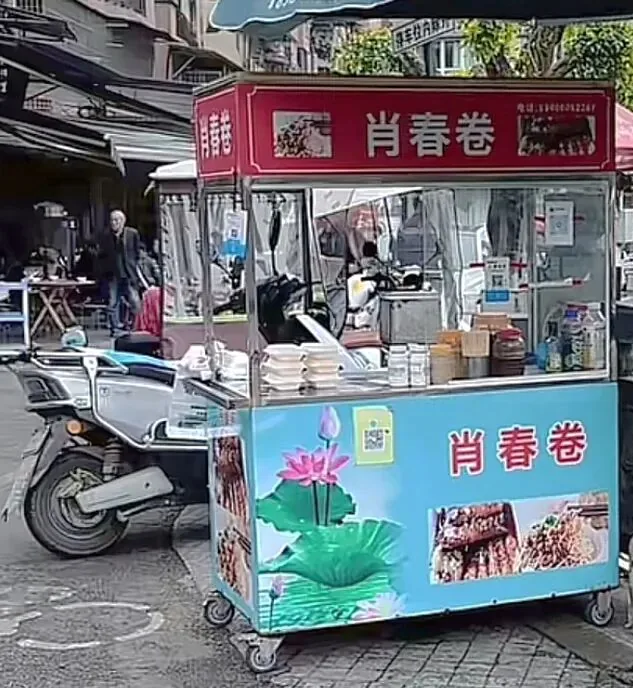
Nanmen Bridge Xiao Spring Rolls — A street stall running for over 30 years, a Xindu signature snack. Handmade thin spring roll wrappers, sweet-and-sour spicy flavor, mustard optional — refreshing and palate-cleansing. Address: Nanmen Bridge, Xindu District.
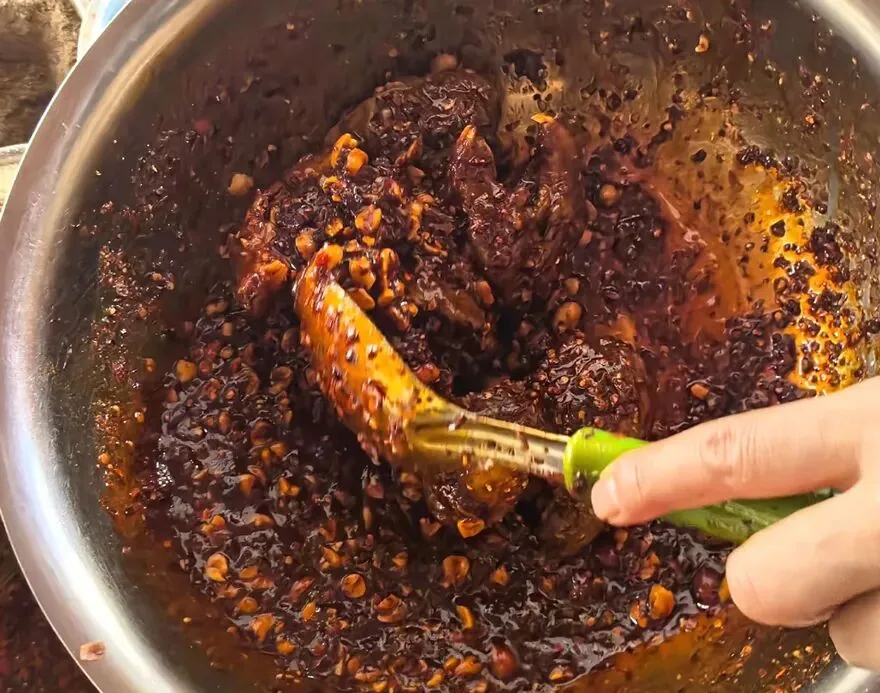
Zhong Ji Rabbit Head — An old-brand rabbit head shop. Braised first, then tossed hot with a secret red oil. Choose from spicy or five-spice; the braised flavor is rich and the meat is flavorful when you gnaw on it. Address: 364 Donghuan Road, Gui Lake Subdistrict (near Zhonglou bus station).
Diao Ji Steamed Beef — An old steamed-dish shop. Steamed beef, steamed intestines, steamed ribs, topped with garlic red oil — tender and flavorful. Perfect with a bowl of shredded kelp soup. Address: old lane off West Street (near Shaanxi Alley).
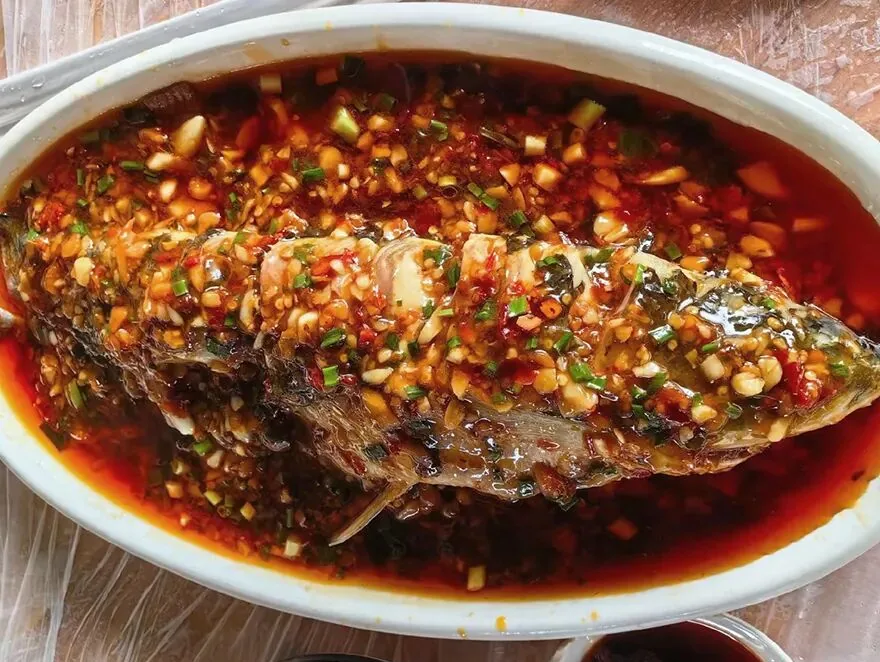
Orchid Restaurant — An old-school hole-in-the-wall in the old town, always bustling. Must-orders: bean-paste fish, cold tossed chicken, braised intestines. Address: 356 Shengyuting Lane, Xindu.
Also worth trying: Wu Niang’s potatoes, He Jie’s fern-root rice noodles, 268 Bakery, Chen Ji’s steamed beef, Huang Niang’s cowpea noodles, Zhang’s clay-pot, and more.
Pro tip: These are neighborhood spots, not tourist traps — go hungry and order a few things to share.
Practical Info

📍 Location: Old town area, Xindu District, Chengdu.
🚇 Public transport: Metro Line 3 to Zhonglou Station, then shared bike — easy.
🚶 Getting around: Baoguang Temple, Gui Lake, the museum, and Zhuangyuan Street are all close — walk or bike. The farthest pair, Baoguang Temple to Gui Lake, is about a 10-minute walk.
🚗 By car: Navigate to “Baoguang Temple” or “Gui Lake Park”; parking lots nearby.
So there you have it — Xindu is a full day of incense, books, old walls, and honest food, all just a metro ride from central Chengdu. Come with an empty stomach and a bit of curiosity.