A Quiet Thousand-Year Temple South of Chengdu: Shuangliu Dalin Temple
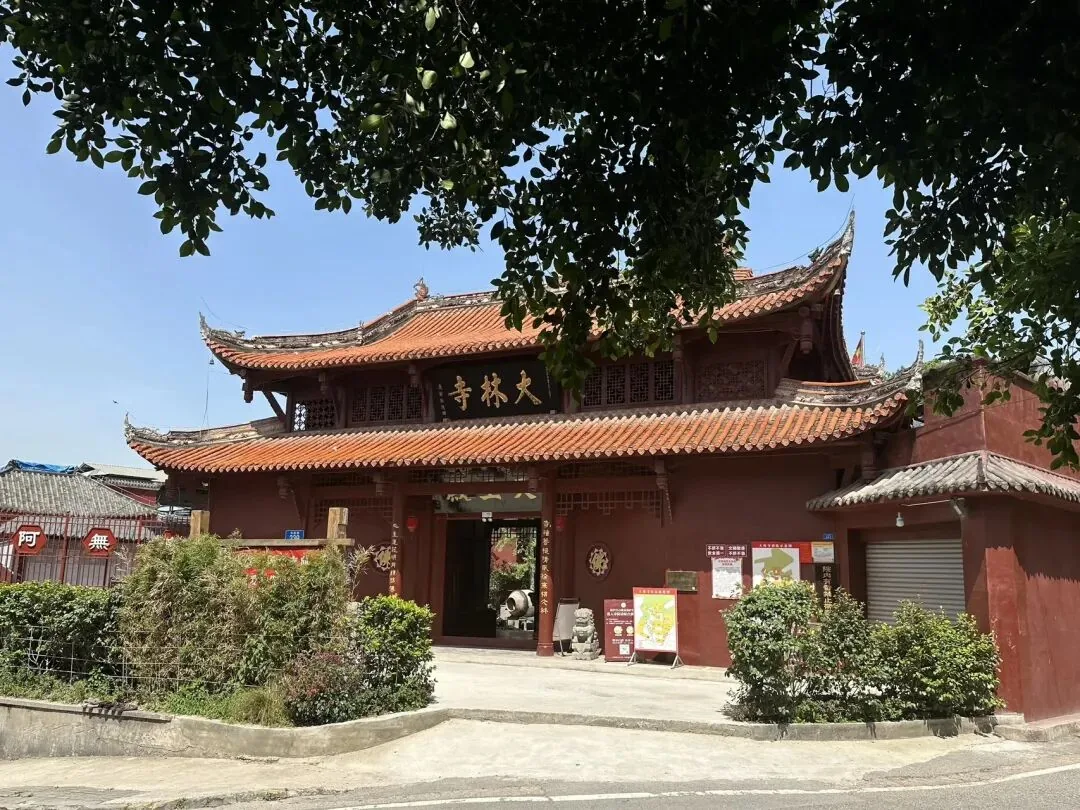
Sometimes you want to get away from the city noise and find a place that feels calm and unhurried. That’s exactly why it’s worth driving south of Chengdu to visit a small temple. It turned out to be the kind of place that makes you slow down without even trying.
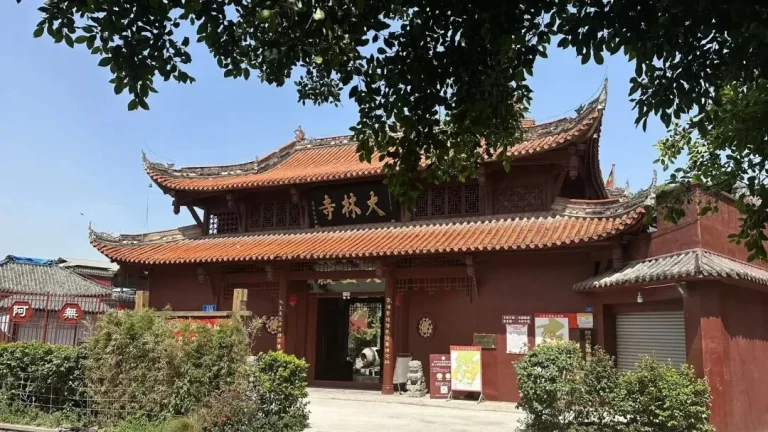
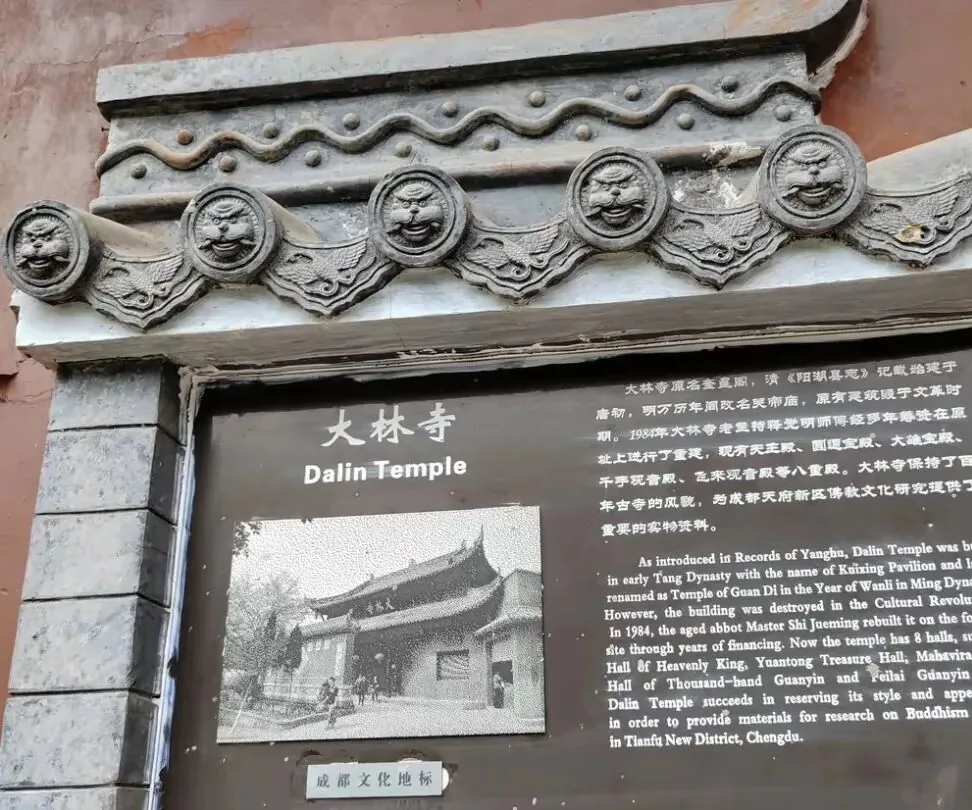
This is Shuangliu Dalin Temple (双流大林寺), a low-key temple in the south of the city. Old Shuangliu locals still call it “Shuangliu Dalin Temple.” It used to sit in Dalin Town, and now the administrative area falls under Jitian Street, Tianfu New Area. It’s tucked deep in an old street, on the shallow hills at the western foot of Longquan Mountain, near where Shuangliu, Renshou, and Jianyang meet. It’s a Chengdu municipal-level cultural relic protection unit.
The temple is modest — just over 20 mu — but it’s a thousand-year-old site. As for the name, one story says it comes from the old Dalin Market and Dalin Township where it stood. Another says it comes from the Buddhist phrase “one tree doesn’t make a forest; many conditions gather into a great forest” (独木难成林,众缘聚大林).
A Thousand Years of History
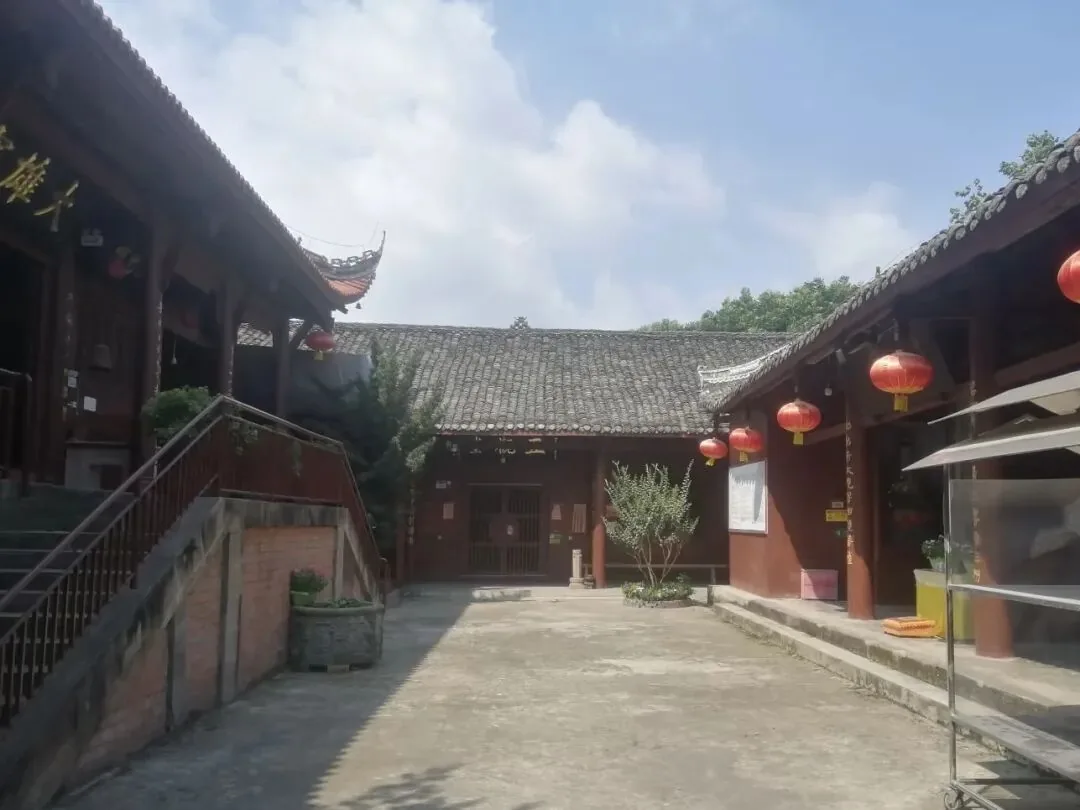
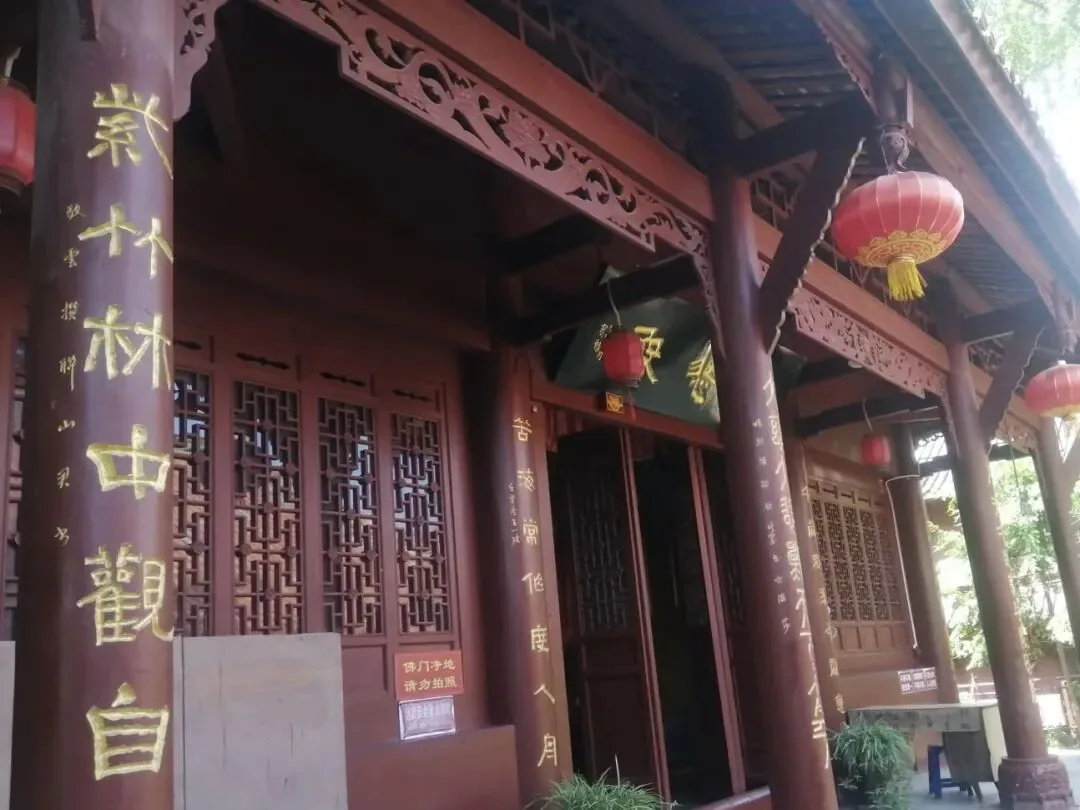
The history of Dalin Temple goes back to the Tang Dynasty. It started as Kuixing Pavilion (奎星阁), a sacred place where scholars and officials came to pray for good fortune and success in their studies. Back then, this was where students from the border area of Huayang, Renshou, and Shuangliu came to worship and make wishes. It carried the simple hopes of scholars from miles around to “pass the imperial exams and become officials” — one of the earliest centers of educational and cultural faith in the Dongshan area.
Later, at the end of the Yuan Dynasty, the pavilion fell into disrepair. When it was rebuilt in the Ming Dynasty, it became a Guandi Temple (关帝庙). In the late Ming and early Qing, Buddhism flourished here and it finally became today’s Dalin Temple. During the Qing Dynasty, there was large-scale construction — seven halls were built, laying out the terraced temple layout you see now. Then in the last century, the temple was abandoned and damaged again, until it was restored and rebuilt in the 1980s, giving us the Dalin Temple we see today.
Over a thousand years, it’s been destroyed and rebuilt many times. Waves of people have come and gone. It seems like everything changed, yet nothing did — it’s still there.
A Temple Built Into the Hillside
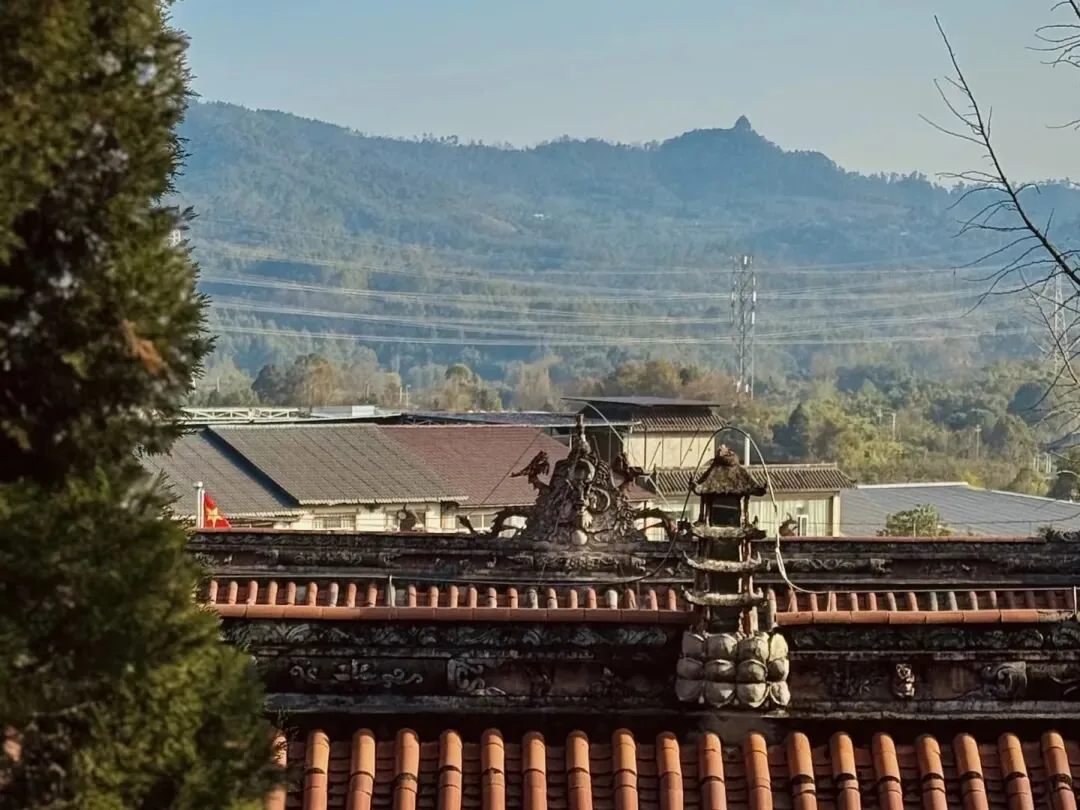
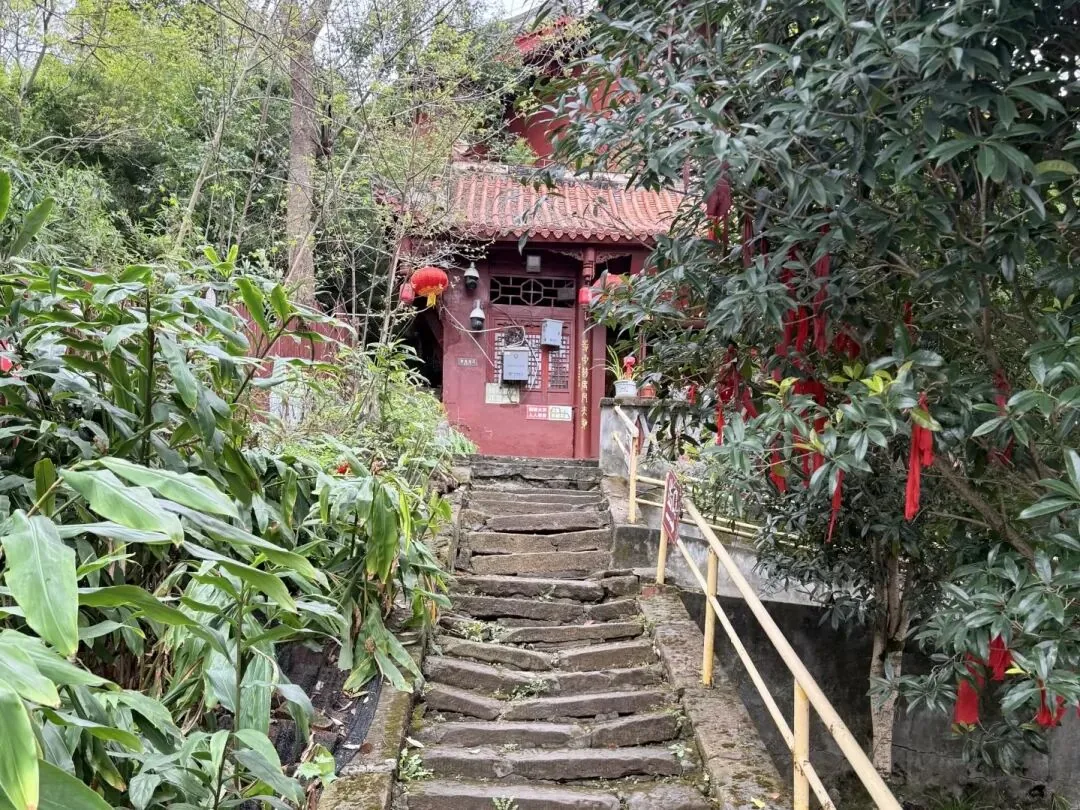
The temple is built along the mountain, layer upon layer, tucked among dense trees. Red walls, dark tiles, upturned eaves — there’s none of the city’s restlessness here. It has a natural, otherworldly quiet. That’s why there aren’t many tourists. Most people who come are drawn by word of mouth, looking for inner peace.
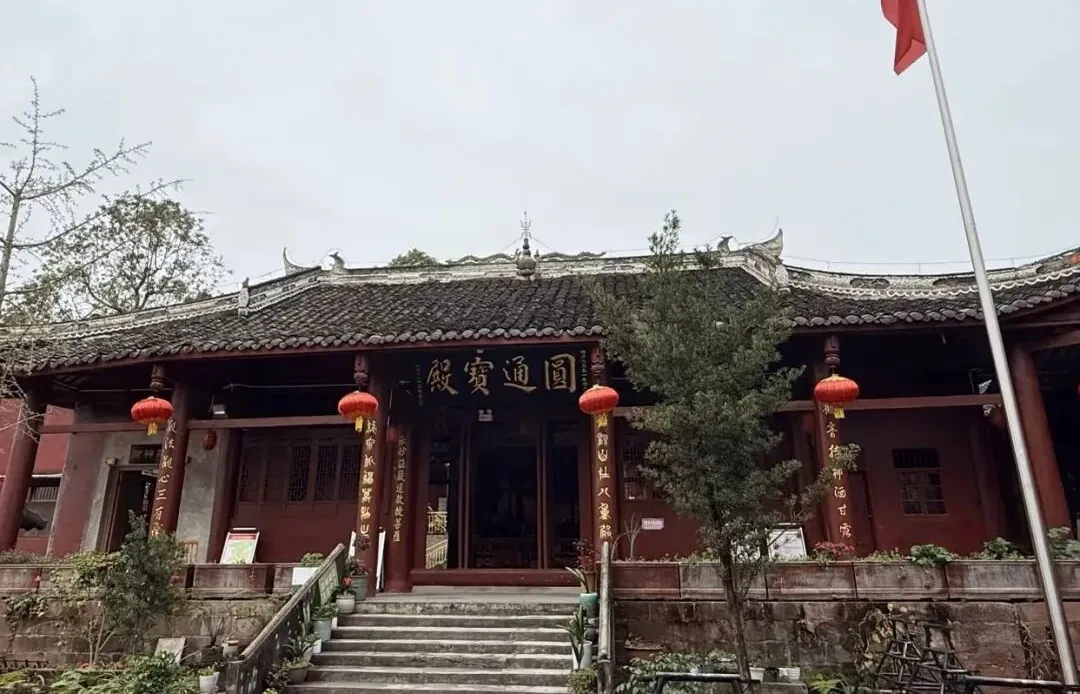
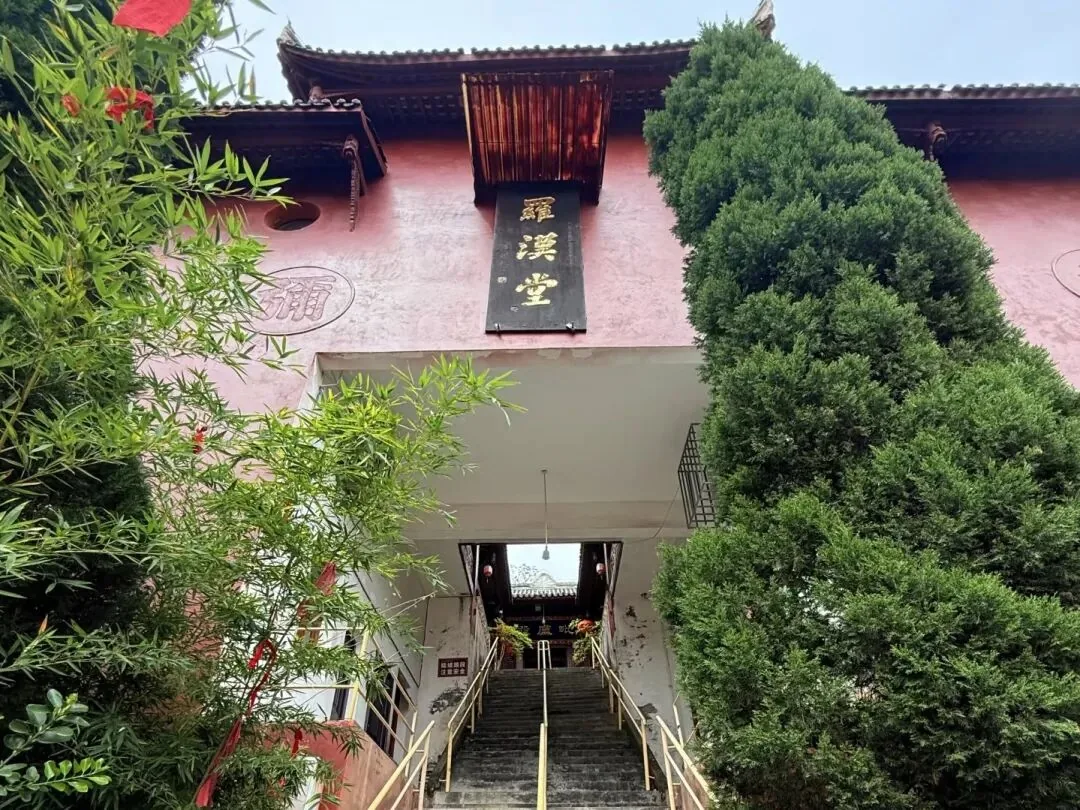
The temple follows the slope, covering just over 20 mu, rising step by step along the central axis — what locals call the seven halls. You’ll pass Heavenly King Hall (天王殿), Yuantong Hall (圆通宝殿), Mahavira Hall (大雄宝殿), Great Compassion Hall (大悲殿), Feilai Guanyin Hall (飞来观音殿), and Patriarch Hall (祖师殿), all the way up to the Arhat Hall (罗汉堂). The stretch up to the Arhat Hall is a bit steep — you’ll want to hold the railing — and when you look up, you’re at the highest point of the whole temple.
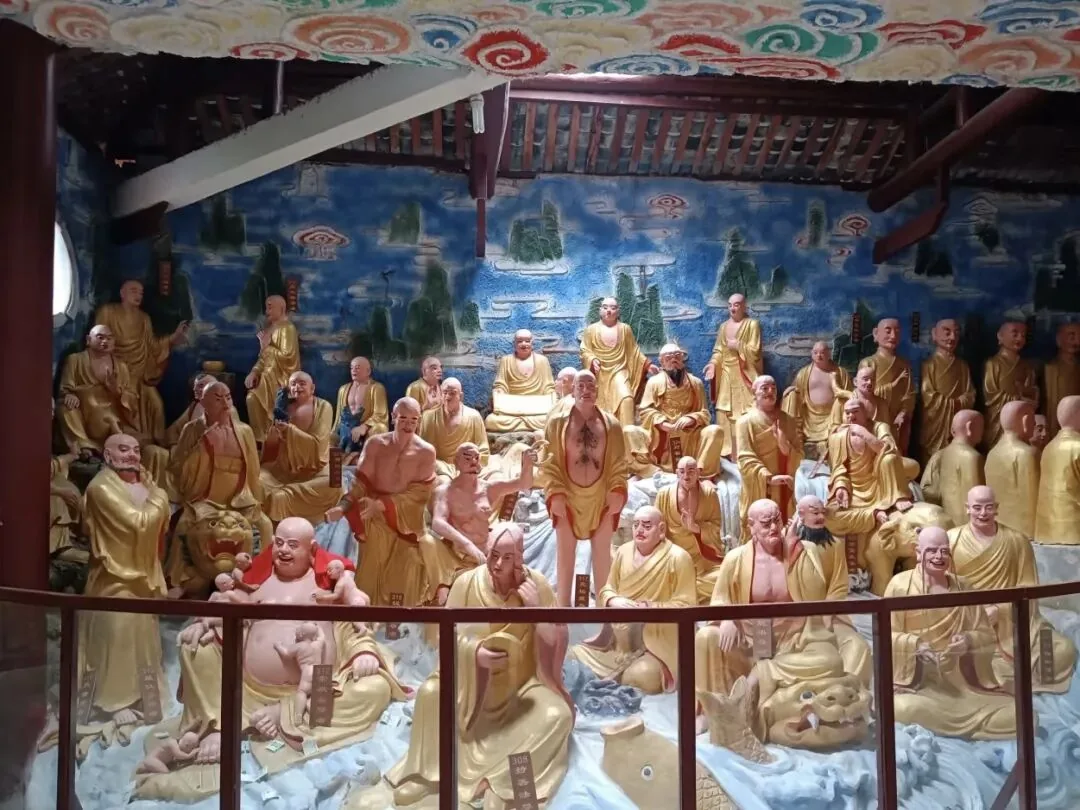
The Arhat Hall is also called Vairocana Hall (毗卢殿). In the center are three bodies of the Buddha, and around the walls are 500 arhat statues arranged in a rectangular loop, each with a different expression. The most unusual is the cloud-sitting arhat hanging from a beam, looking like it’s leaning out from the clouds — a rare sight in western Sichuan temples. There’s a skylight in the roof, and when the sun shines, it falls diagonally onto the shoulder or hand of one arhat. It’s an ancient, easy feeling.
There’s something striking about suddenly coming across a whole hall of statues in a rural temple. Standing in the middle and looking around, 500 pairs of eyes watch you from every direction. That feeling of being surrounded by a silent clamor is hard to put into words.
Local insight: “Four hundred and eighty temples of the Southern Dynasties, how many towers in the misty rain” — that’s the Jiangnan scene. Temples in western Sichuan aren’t in the misty rain; they’re in the sunshine, beside the fields, plain and almost homely.
Treasures and Details Worth Noticing
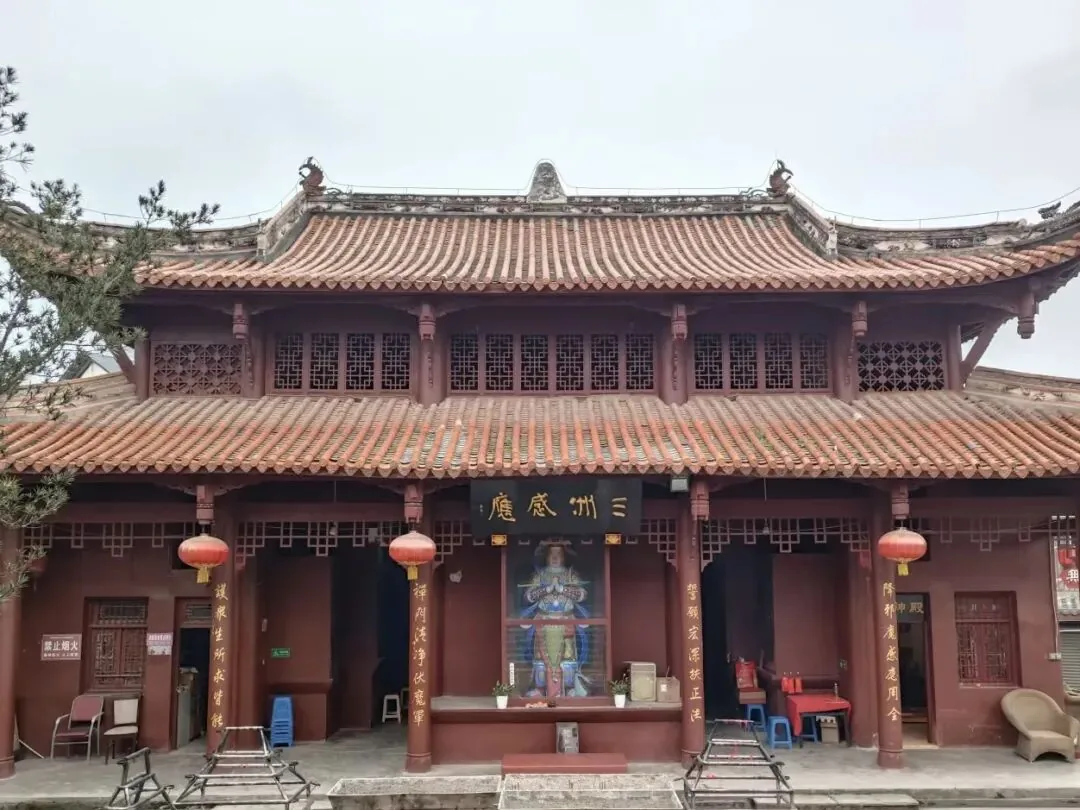
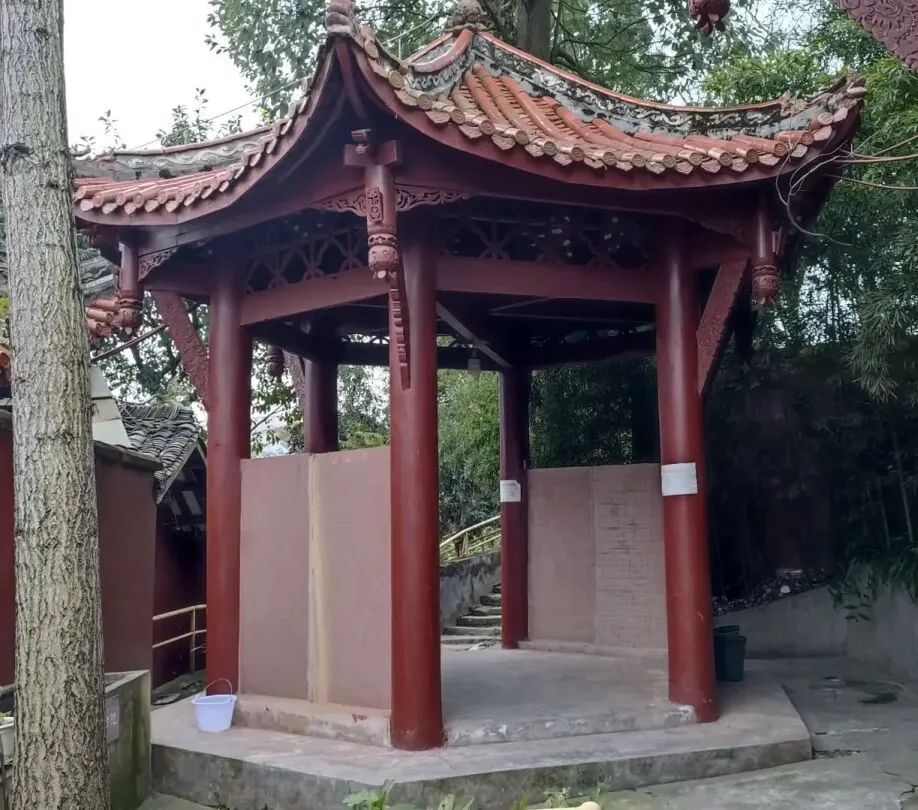
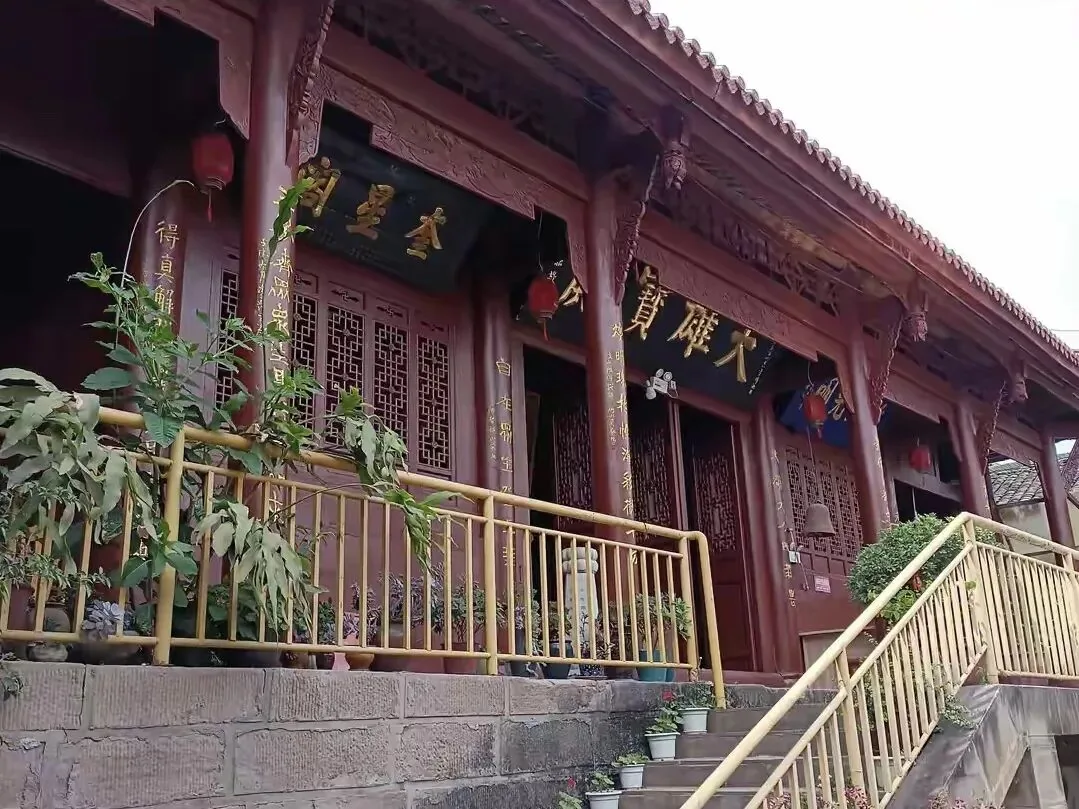
The temple has been listed as a Sichuan provincial cultural relic protection unit. The plaque is at the entrance — small, easy to miss. But for a rural temple, that plaque means a lot. It speaks to its weight of history, and every corner here is treated with care.
In Feilai Guanyin Hall, there’s a Guanyin statue and an old bridgehead stele. When the temple was expanded in 2005, a Ming Dynasty sitting jar carved from a single block of stone was unearthed at the old site of the Buddha Recitation Hall. It’s believed to be the burial remains of a former abbot’s physical body, and it’s considered the temple’s treasure.
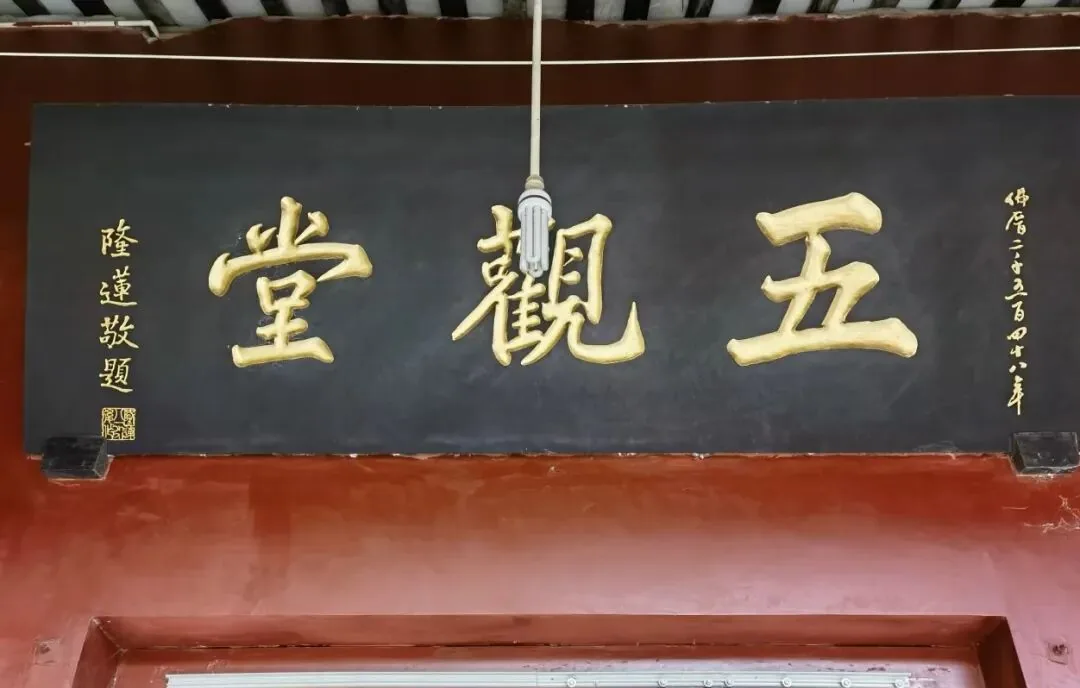
The temple also has two plaques with vigorous calligraphy, the ink still seeming fresh. The “Mahavira Hall” plaque was written by Master Bianneng of Leshan Wuyou Temple — strong strokes, powerful spirit. The “Five Contemplation Hall” (五观堂) plaque was written by Master Longlian of Chengdu Aidao Hall — elegant and refined, with deep Zen feeling.
Autumn at Dalin Temple
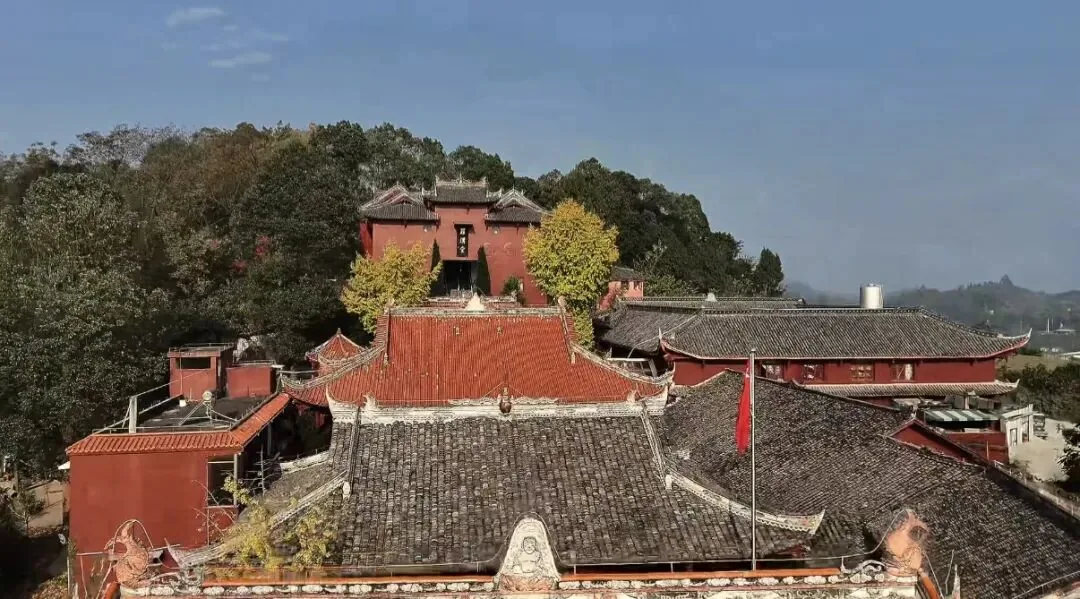
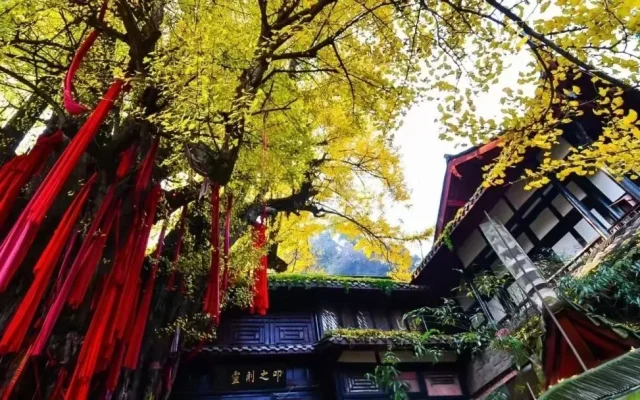
In late autumn, Dalin Temple sheds the lushness of the other seasons and takes on its most peaceful, elegant look of the year. After Frost’s Descent (霜降), the mountain trees gradually lose their deep green. The pines and cypresses stay evergreen, while scattered broadleaf trees take on pale yellow and faint red. Layer upon layer of trees surround the old temple — gentle and quiet.
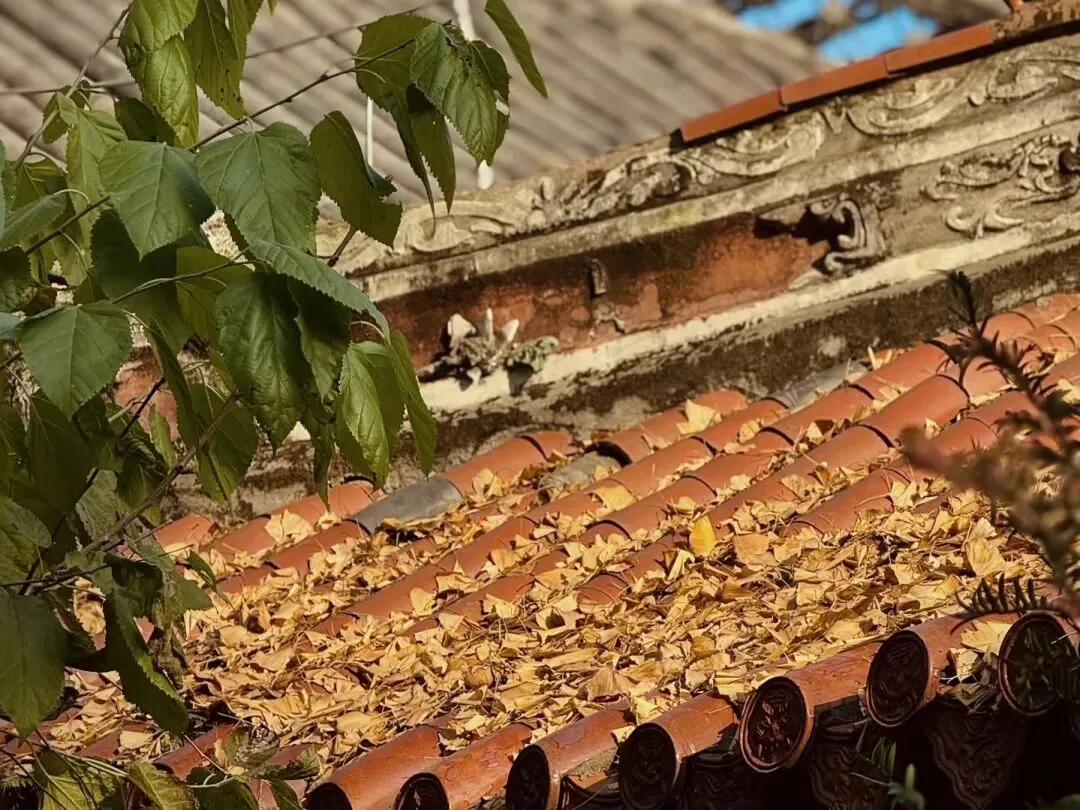
Those old ginkgo trees stand calmly behind the temple. Their leaves are already turning slightly yellow, and before long they’ll fall, turning the ground golden.
Local insight: “Don’t ask about the many troubles of the floating world; keep a Zen heart and wander with the clouds.”
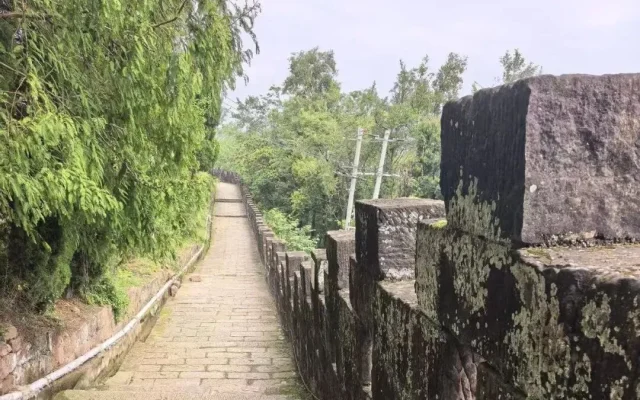
Unlike busy, commercialized temples, Dalin Temple keeps its original, untouched quiet. If you’re willing to walk a few more steps, the shallow hills behind the temple are worth a stroll. Field ridges, bamboo groves, dry canals — the outline of Dongshan in the distance appears bit by bit. This is the most “earthy” and grounded countryside south of Chengdu.
Outside the Temple: Old Street and Local Life
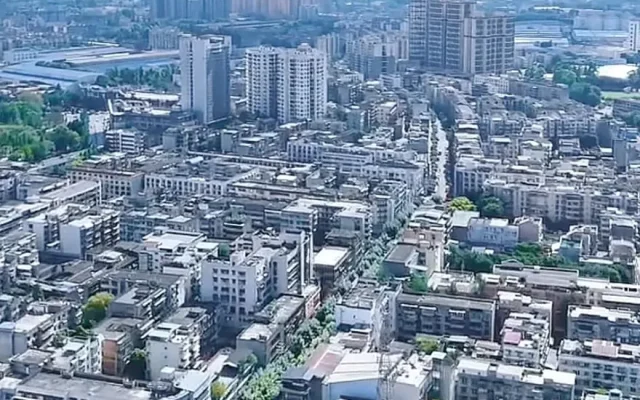
Outside the temple is an old street, looking like a typical western Sichuan market town — douhua rice (豆花饭), teahouses, and citrus collection points. Jitian is the main citrus-producing area of Tianfu New Area, with over 10,000 mu of orange groves. On your way back, buy a bag — fresh and easy. If you happen to come on a market day (赶场天), the whole street gets livelier.
Practical Info
The Five Contemplation Hall (五观堂) inside the temple serves vegetarian meals. It’s 10 RMB per person — simple but light and tasty, not heavy on oil or salt. The food here is genuinely good. Eating a quiet meal is a nice experience in itself.
Pro tip: The temple’s vegetarian meal is served from 11:30 to 13:00, 15 RMB per portion, pay-as-you-wish (随缘). Great for vegetarians.
- Address: 239 Zhongshun Road, Jitian Street, Tianfu New Area (天府新区籍田街道中顺路239号)
- Tickets: Free entry to the ancient temple.
- Public transport: Take Metro Line 18 to Xinglong Station, Exit C3, then transfer to Bus T39 to Dalin Temple directly.
- Driving: Navigate to “Dalin Temple” (大林寺). There’s free parking in front of the temple. About 1 hour from the city center.
Chengdu is too big, too fast. Fortunately, there’s still a small temple like this in the shallow hills to the south — a reason to slow down, let go of distractions, return to yourself, and feel this best kind of peace.