November in Chengdu means one thing for anyone who loves the outdoors: everyone’s hunting for colorful forests, red leaves, and autumn foliage. You probably already know Chengdu’s city tree — the ginkgo. Lately, ginkgos on the plains have turned about 30–40% yellow, but up in the mountains they’re already 70–80% yellow. It’s prime late-autumn viewing season.
Jintang’s Ciyun Temple is worth a trip this late autumn.
The Star of the Show: The 1,800-Year-Old “Couple Trees”
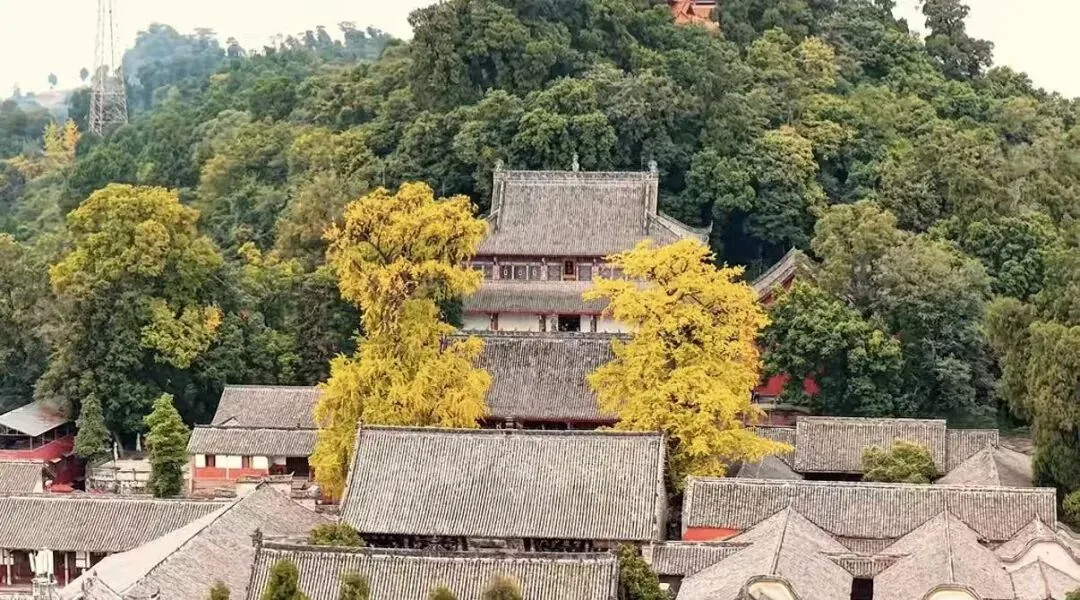
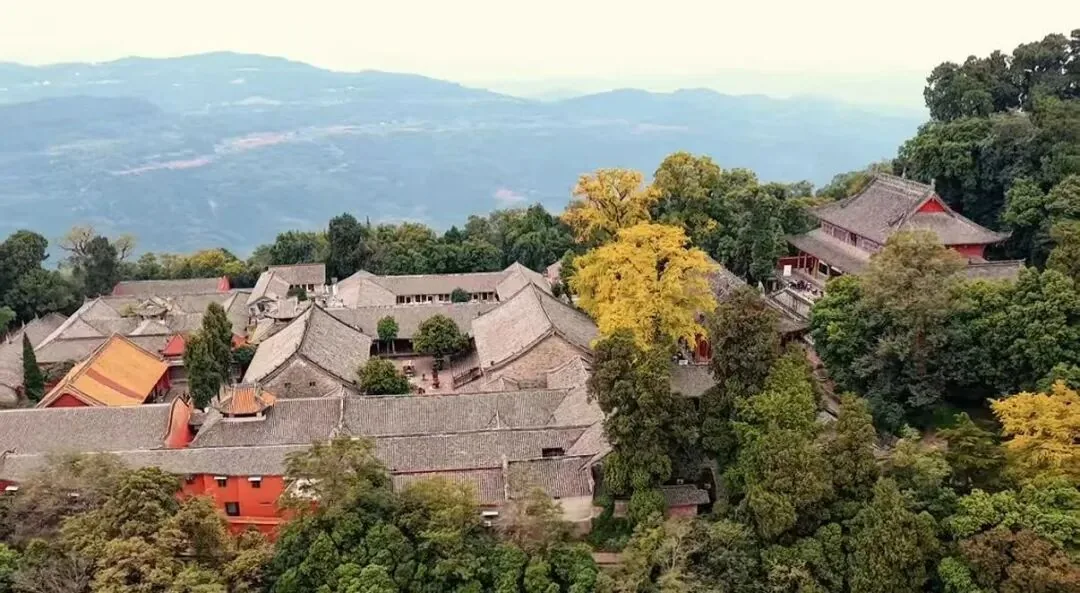
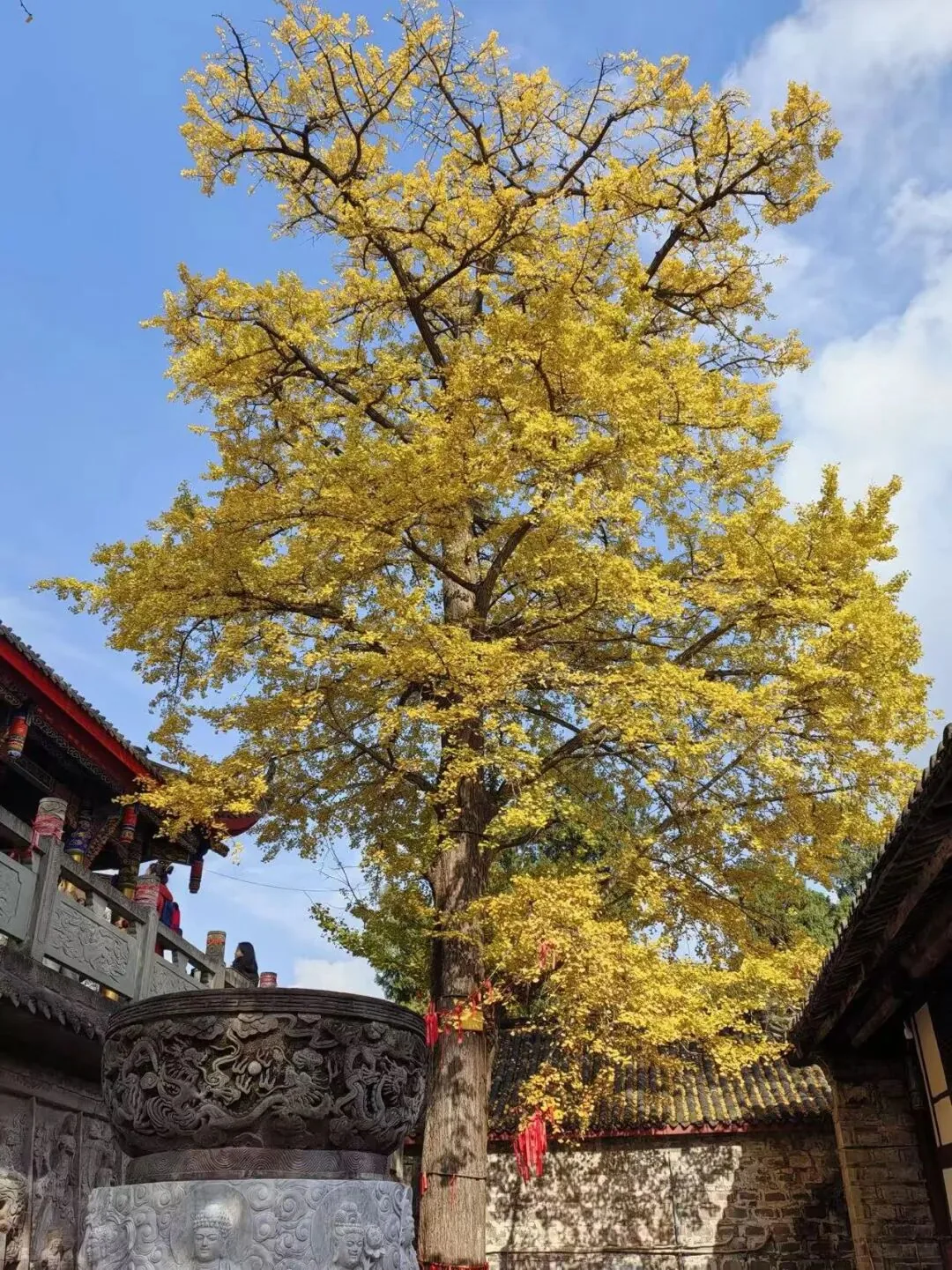
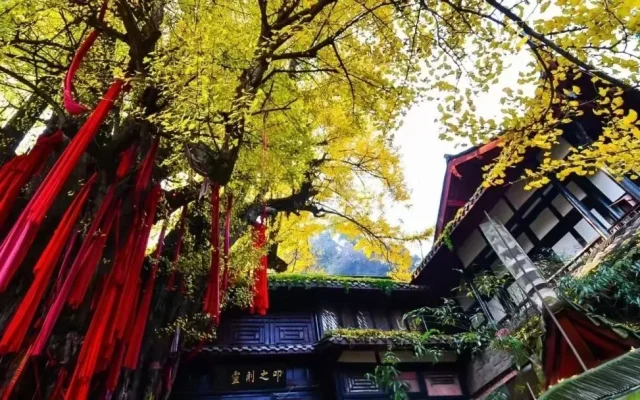
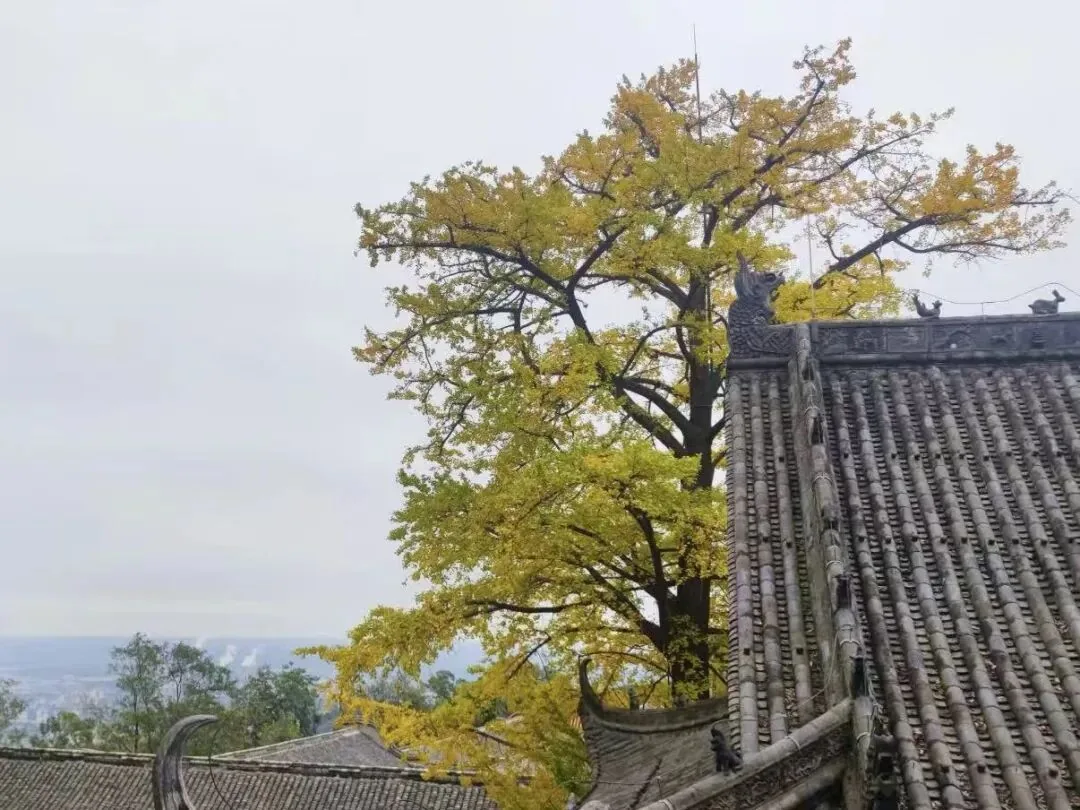
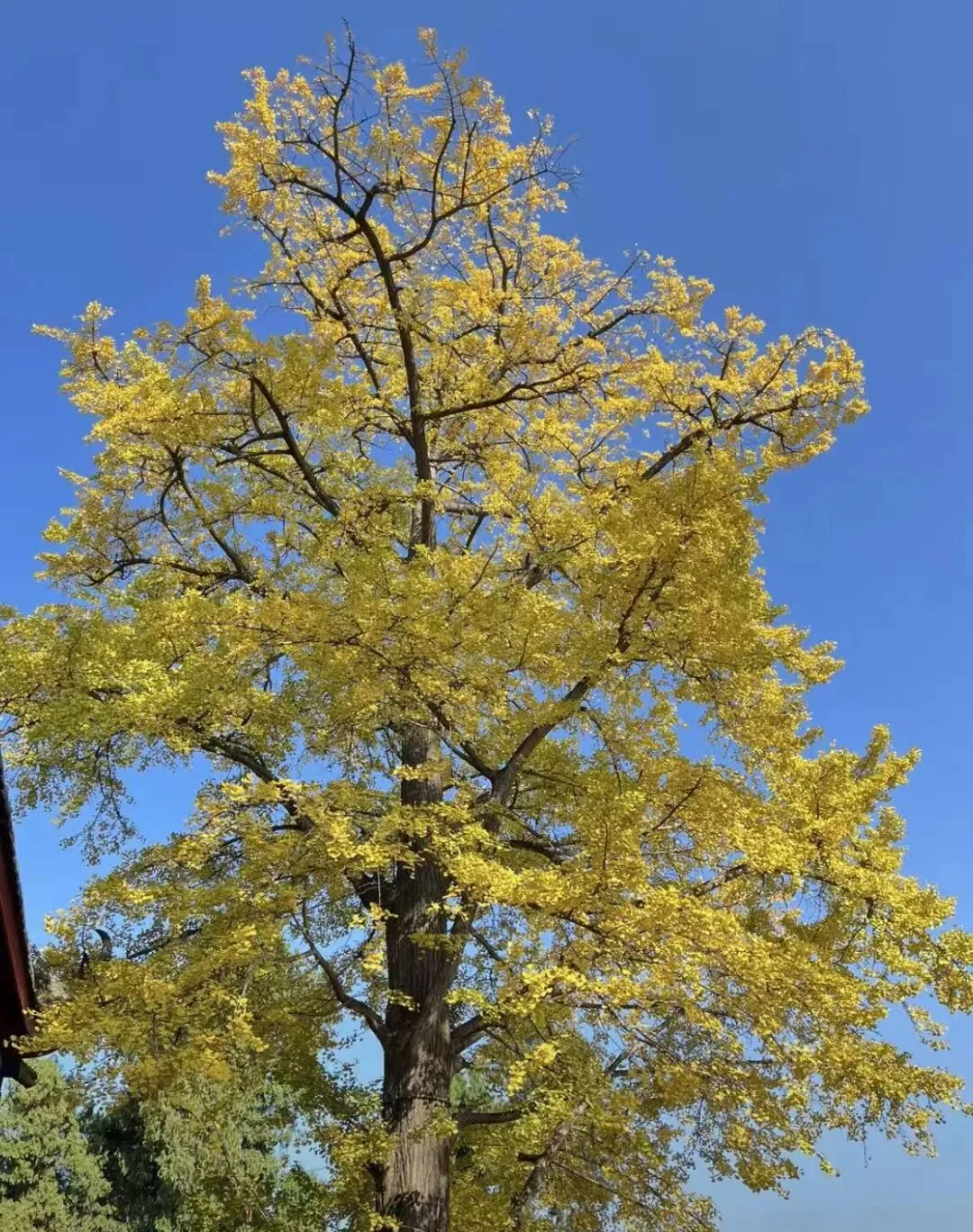
Autumn at Ciyun Temple always comes back to those two ginkgo trees. Inside the temple, a female and a male ginkgo stand side by side. They are 1,800 years old, and locals call them the “Couple Trees.” They stand about 25 meters tall, with trunks over 5 meters around. They were once named among the “Top Ten Ancient Ginkgos of Tianfu.” In late autumn, every leaf turns the same pure, boiling gold. Against the red walls and dark tiles, the whole space sinks into an ancient charm.
Mountain temperatures run lower than in the city, so Ciyun Temple’s ginkgos turn earlier and purer than those around Chengdu. There is no trace of mixed color, as if all the autumn sunlight has been gathered on the branches.
The Qing dynasty poet Li E once wrote: “No dragon scales near the Buddhist incense, yet duck feet still cover the monk’s corridor.” Those “duck feet” were the ancients’ elegant name for ginkgo leaves. Today, the poetry of this thousand-year-old temple, carried by the mountain breeze, turns into a grand autumn spectacle.
It’s so beautiful that it’s drawn quite a crowd. Recently, visitors here are noticeably more numerous than usual — most come just for this tree, for this one burst of gold. If you see this scene, it’s worth the trip. Compared to a plain ginkgo avenue, Ciyun Temple’s red walls, old bricks, yellow leaves, and river mist set each other off — the colors are deeper and more enduring.
Local insight: The mountain air is cooler up here, so the ginkgos at Ciyun Temple turn earlier and purer than those around Chengdu. Time your visit right and you’ll catch them at their golden peak.
A Temple That’s More Than a Temple
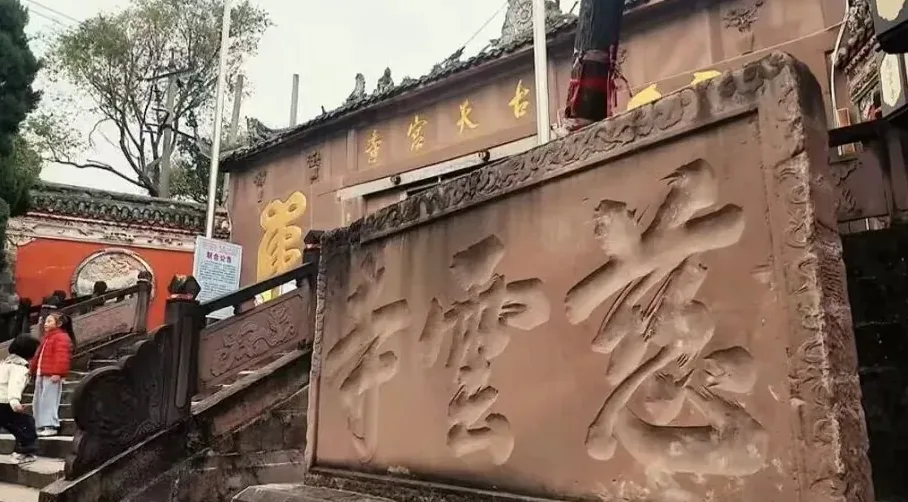
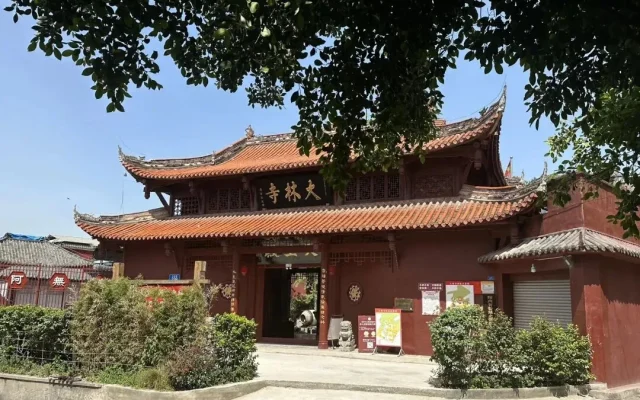
Ciyun Temple sits in Qixian Street, Jintang County, right next to the Tuo River. It’s not an isolated attraction but more like a “living” memory of a small Western Sichuan mountain town. Historical records say it was first built in the Tang dynasty, originally called “Zhenji Temple.” In the Song dynasty its teachings matched Emperor Huizong’s reign title, so it was granted a plaque reading “Ciyun Xiangguang” (Auspicious Cloud of Compassion). Word of the temple spread from there.
Here you’ll find the through-joint structure common to Western Sichuan temples, carved window lattices, broken stone steles, and wind chimes under the eaves ringing softly in the autumn wind.
Hike the Essence Loop (3–4 km)
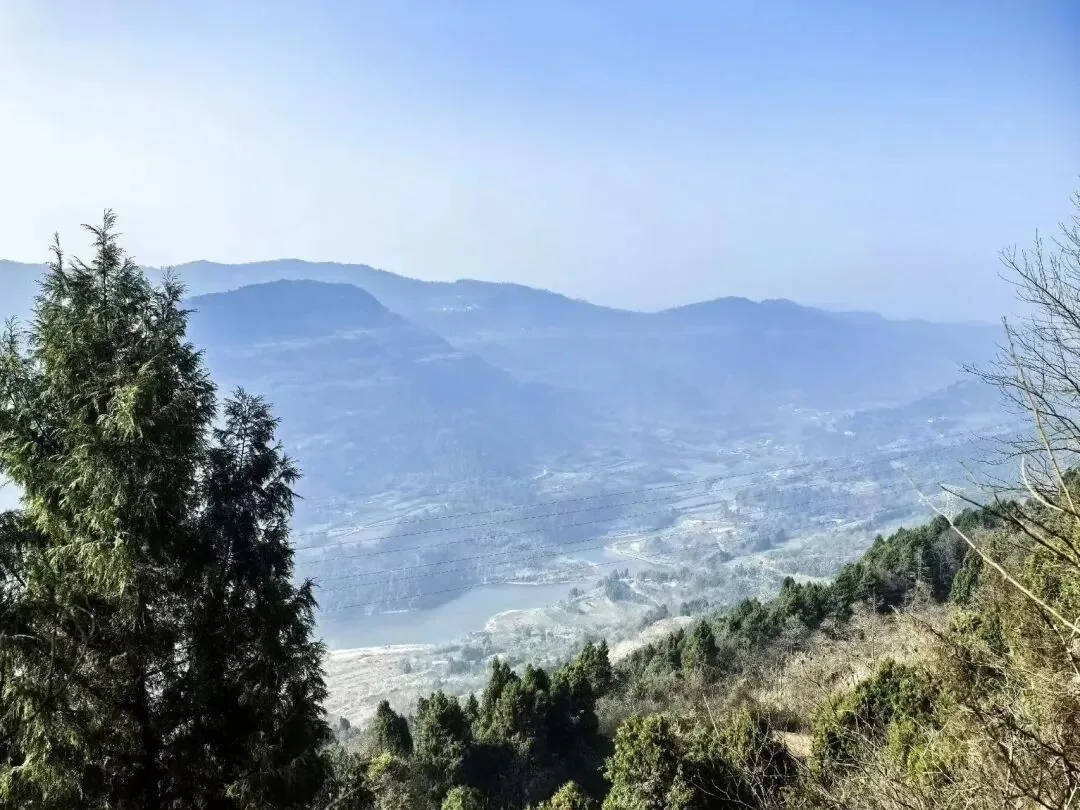
Driving straight to the temple gate is easier, sure. But besides the ginkgos, hiking up is highly recommended. The best option is the essence small loop: about 3–4 km total, easy on the knees, and doable for beginners and families with kids.
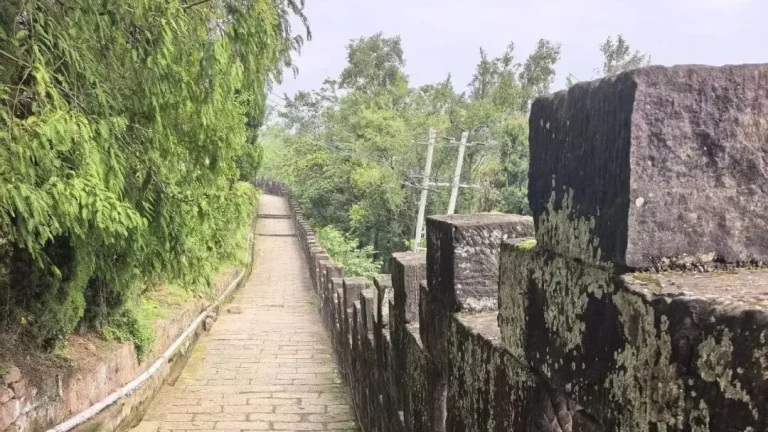
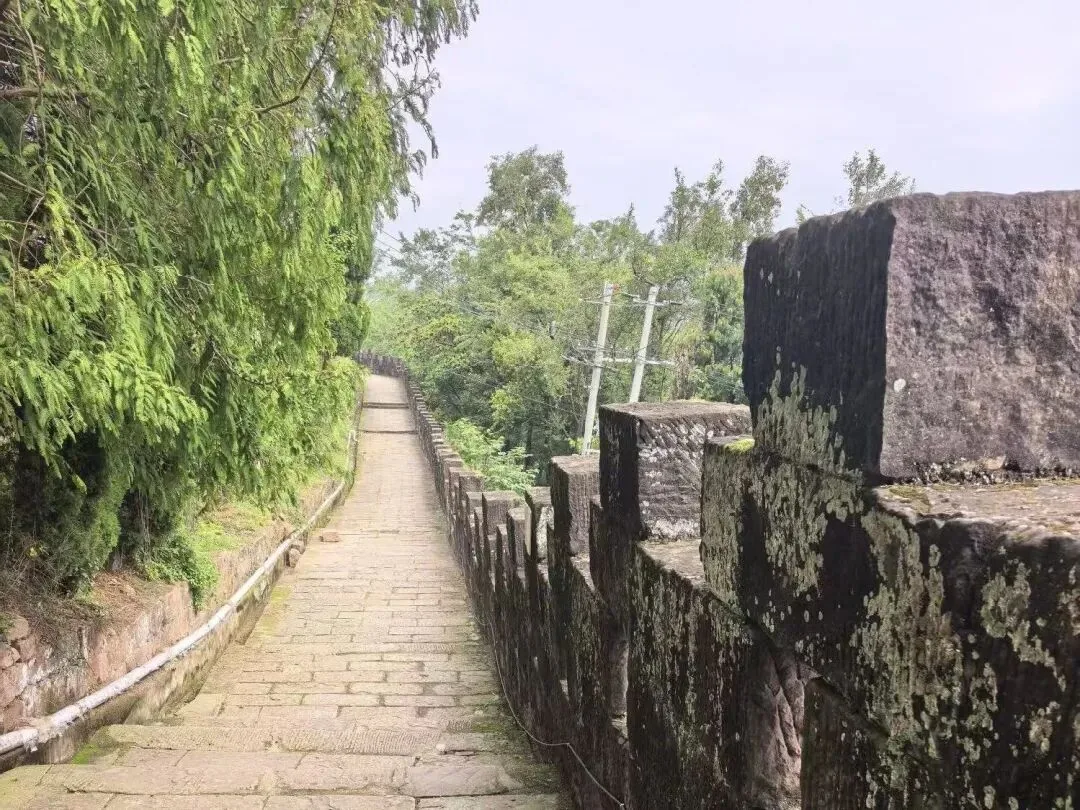
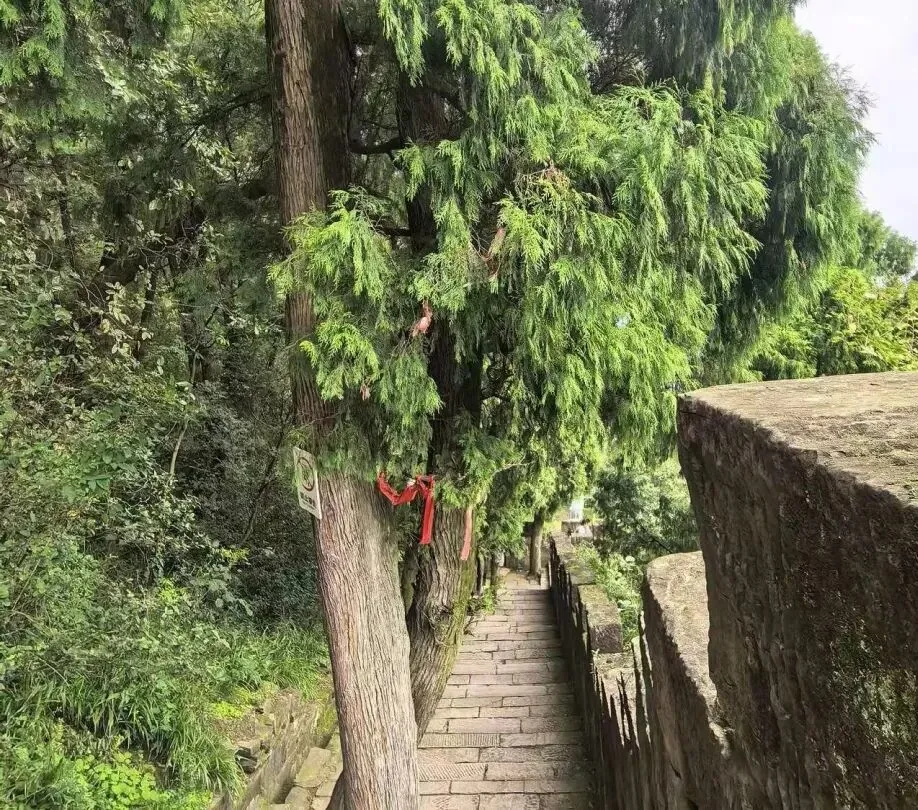
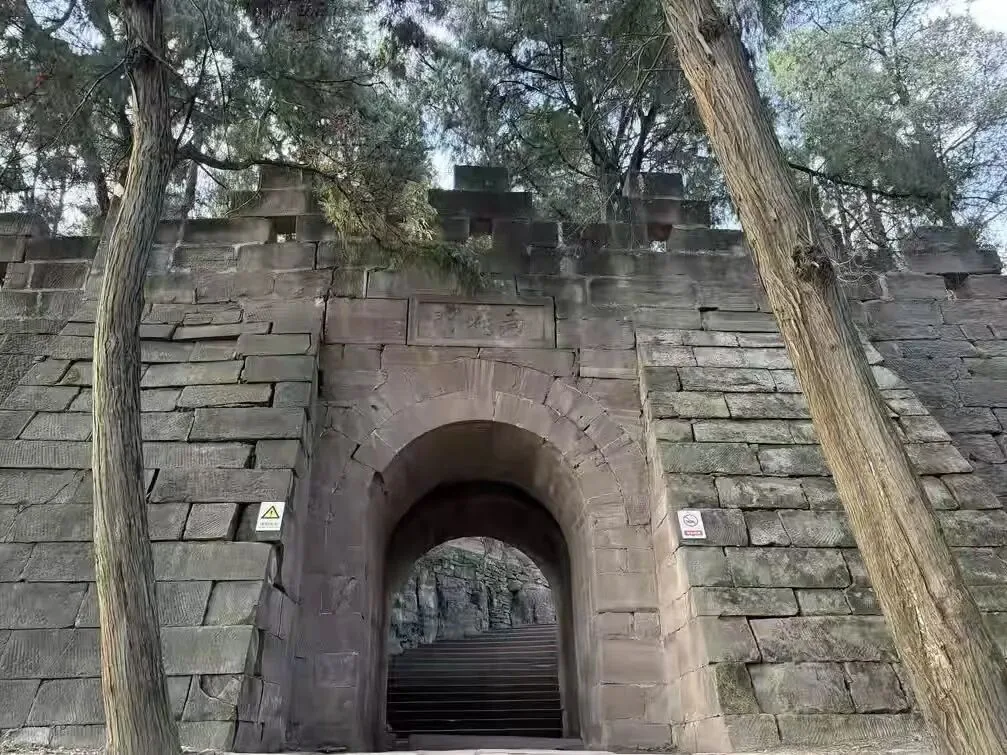
Yunding Mountain, anciently called Shicheng Mountain, sits at 982 meters above sea level, like a reclining dragon on the right bank of the Tuo River. For the hike’s starting point, navigate to “Fengjie Farmhouse Restaurant” or “Yunding Village Party-Mass Service Center.” The start is by the stone gate tower of Yunding Stone City. Pass through the gate, and you’re on the Dragon’s Back Ancient Trail — a winding bluestone path with lush trees on both sides.
Along the way you’ll pass General’s Cypress, an old tree with a crooked neck, sturdy trunk, and still-thriving branches, like a silent gatekeeper. Further up is Yuxian Pavilion, where you can look back at the Tuo River’s Little Three Gorges. Keep going, and the ruined walls of the South Gate appear. Yunding Stone City is the only remaining Song-Yuan War site in Western Sichuan. Every notch on the stone steps carries over 700 years of history — as the ancients said: “Rivers and mountains leave famous sites; we of this generation climb again.”
Standing on these ancient walls, looking down at the land and river below, you feel awe for history and gratitude for the present. Walking here, your steps unconsciously soften.
Past the South Gate is Ciyun Temple. The whole route has almost no steep slopes — seniors and kids can handle it. Breathe in, breathe out, open your heart, and let yourself sink into these enchanting mountain forests. If you’re fitter, you can walk the full Big and Small Yunding Mountains — suited to long-distance hikers, passing more wild trails and cannon-site ruins, with views over the Tuo River canyon. About 10 km, taking 4–6 hours.
Pro tip: The last 2 km up to the temple is a narrow, winding one-way mountain road that can get jammed on weekends — arrive early. If you park at Fengjie Farmhouse Restaurant or Yunding Village Party-Mass Service Center at the foot of the mountain and eat there, parking is free.
Practical Info
- Address: Yunding Stone City Scenic Area (Ciyun Temple).
- Tickets: The ancient temple and hiking are free.
- Driving: Public transport isn’t convenient; self-driving is recommended. Navigate directly to “Jintang Ciyun Temple” — 10 RMB per car. The last 2 km up is a narrow, winding one-way mountain road, prone to weekend traffic — arrive early. Alternatively, navigate to Fengjie Farmhouse Restaurant / Yunding Village Party-Mass Service Center at the foot of the mountain. Parking is free if you eat at the farmhouse restaurant.
- Best viewing time: Ciyun Temple’s ginkgos usually peak from mid-November to early December, but the yellow leaves don’t last long — plan your trip early.
- Food: The temple serves vegetarian meals, usually 11:30–13:00, about 15 RMB per person. Light, fragrant, and very tasty. Along the way and outside the temple there are plenty of snack stalls and farmhouse restaurants offering Tuo River fish and firewood chicken and other local specialties.
When you rush through the busy city every day, it’s easy to forget how lovely the plants and trees in the mountains are. They’re colorful and mottled, a final farewell to autumn — because once winter comes, they’ll turn bleak and rest.
High mountains, short roads; deep autumn, ancient temple. Half a day in the mountains, and you’ll see the old temple, the old fortifications, and the Tuo River like a ribbon of silk. This late autumn, why not leave the city’s noise behind and take a walk on Jintang’s Yunding Mountain?