Tangchang Ancient Town: Chengdu’s 40-Minute, Zero-Ticket Escape
Here’s the thing — you don’t need a big budget or a full day to feel like you’ve truly escaped Chengdu. Tangchang Ancient Town is about 40 minutes away, costs nothing to enter, and lets you eat your way from morning to night for around 50 RMB per person. Tea is 3 RMB. Congcong rolls are 5 RMB. And the whole place runs on real local life, not ticket gates.
If you’re the kind of traveler who’d rather wander a quiet stone alley than fight crowds at a commercialized attraction, this one’s for you. Come hungry, bring a little patience, and let Tangchang show you a slower side of Chengdu.
A Town That Lives Without Ticket Gates
Tangchang has no scenic area gate, no ticket office. The Confucian Temple, the park, the Hanlin Academy — all 0 RMB entry. Not free as in “waived today.” Free as in they’ve never charged. This isn’t a place that survives on tourism; it survives on locals going about their daily lives.
That’s the charm. You’re not visiting a staged version of old Sichuan — you’re walking through a living neighborhood.
Stone Alleys and Old Courtyards
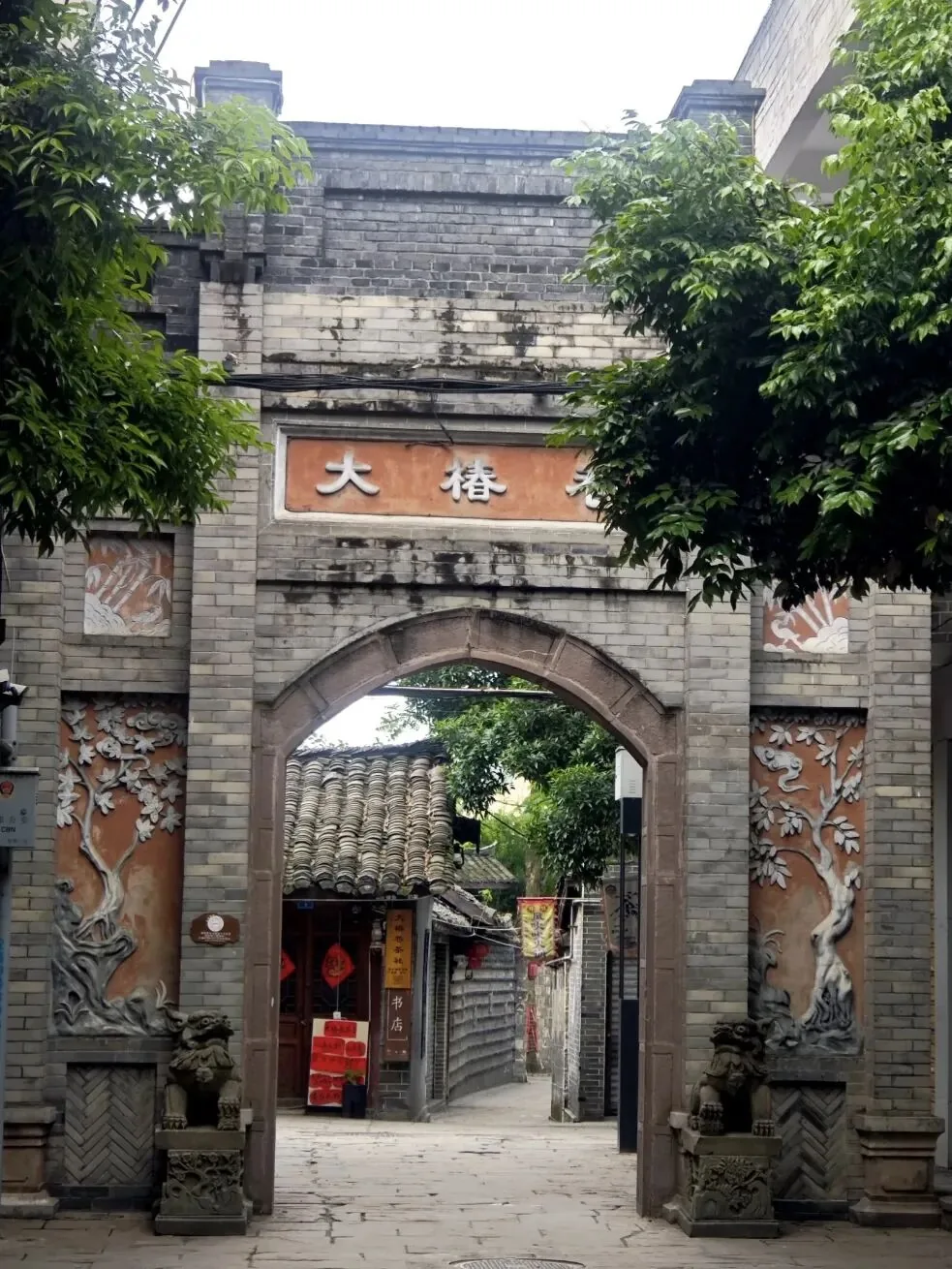
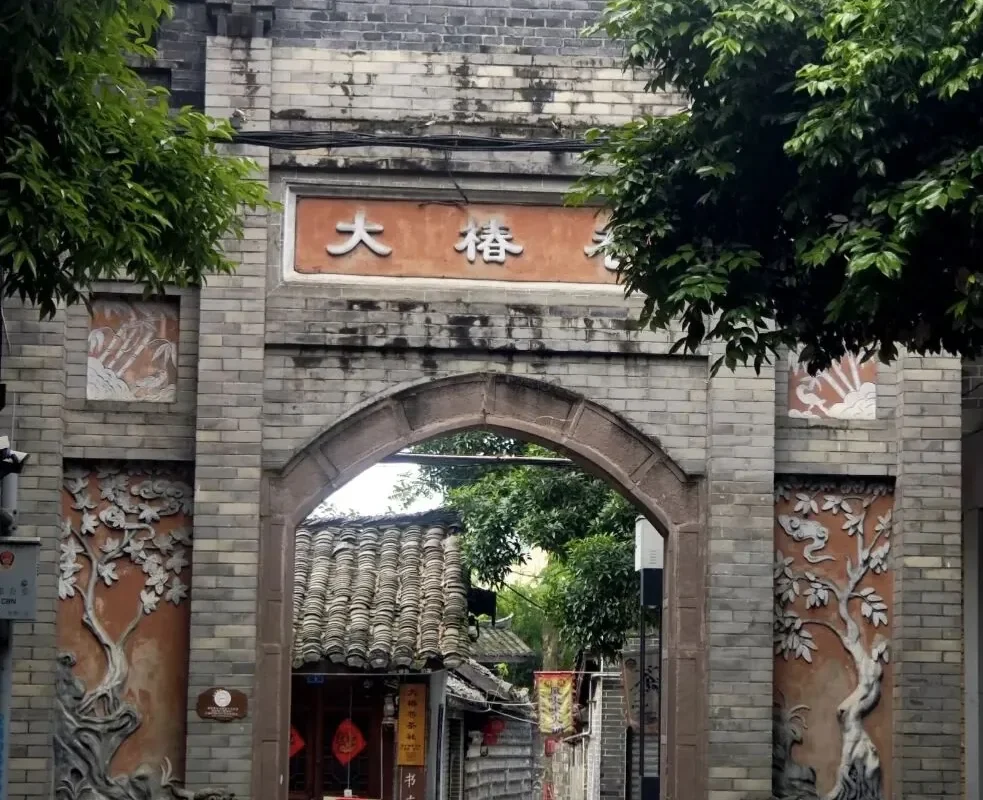
Start with the alleys. Dachun Lane (大椿巷) got its name from a big camphor tree that once stood here. The tree was snapped by a strong wind during the Republic of China period. The tree is gone, but the lane name stayed.
The stone-paved path here is slick after rain — step carefully. An electric scooter might hum past, tires rumbling softly over the wet stones. Tucked inside the lane are a few old mansions (公馆) with green tiles and blue-gray walls. The carved details above the doorways have started to peel with age.
Must-Try Eats: Where Locals Line Up
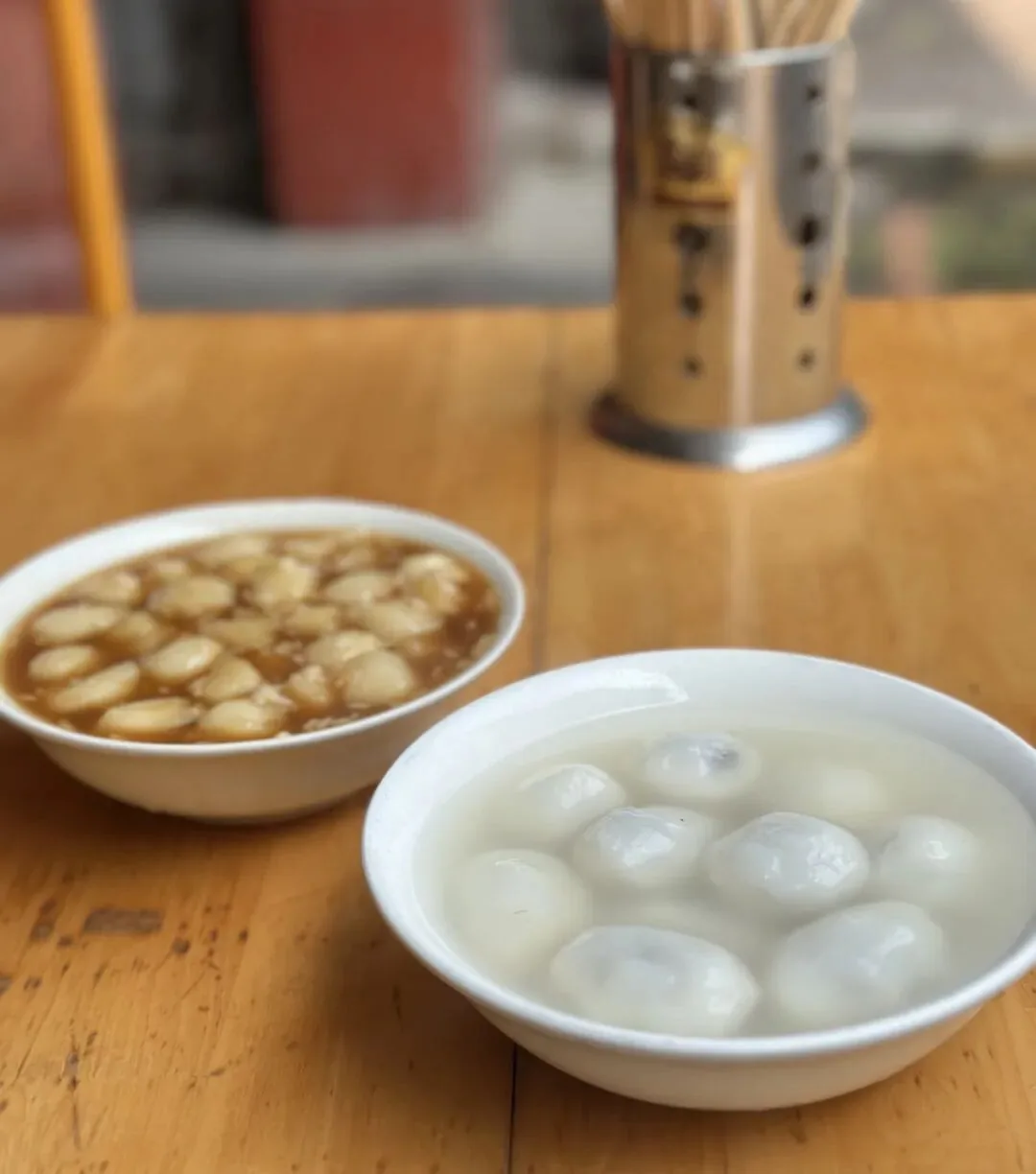
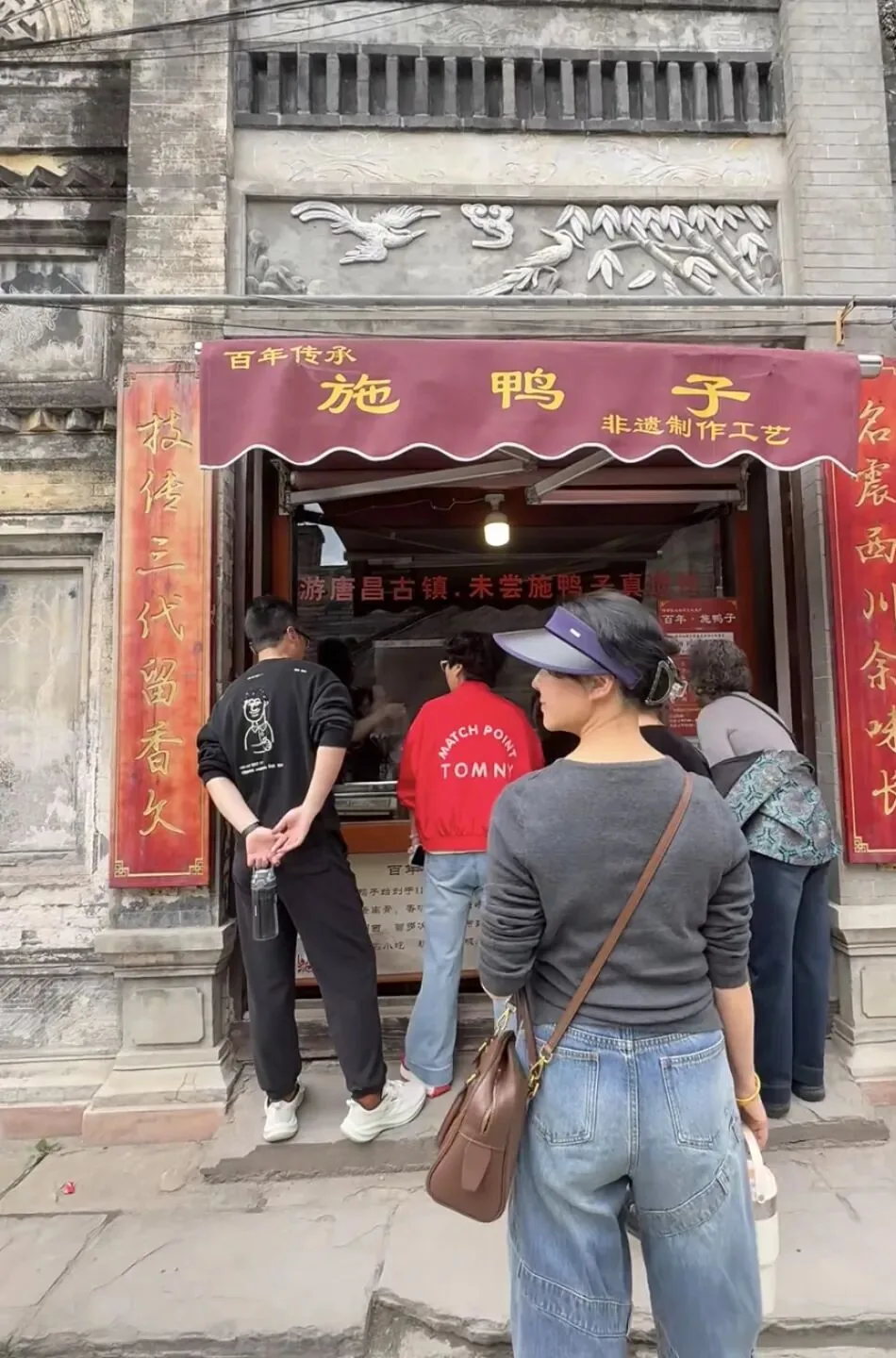
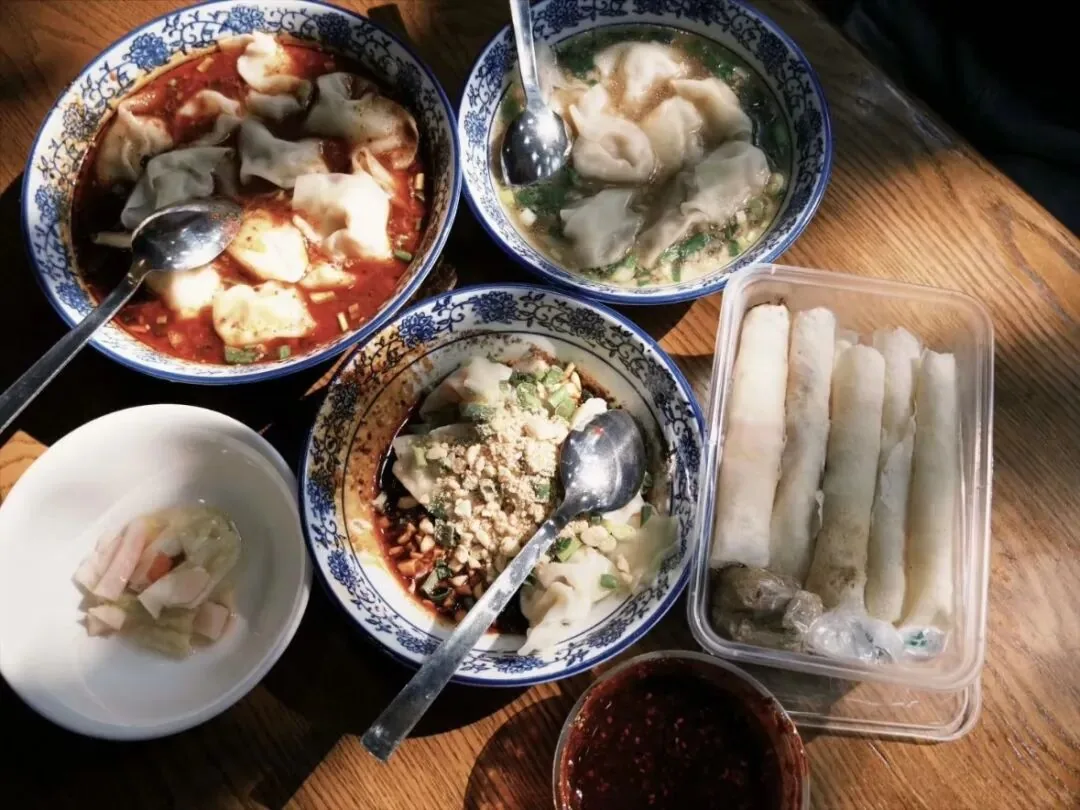
You’ll want to arrive hungry. Tangchang’s food scene is the real reason people keep coming back.
- Shi Duck (施鸭子) — No. 56 Xizheng Street, at the South Gate city wall opening. Founded in the 11th year of the Guangxu reign, with a master stock passed down for 140 years. Braised with more than 20 kinds of Chinese herbs. Crispy skin, tender meat.
- Luo Tang Rou (罗烫肉) — No. 127 West Street. Open for over 20 years. Boneless pork hock sliced thin, blanched in original broth, dipped in a secret sauce.
- Yang Chaoshou (杨抄手) — No. 89 East Street. Red-oil wontons with wrappers so thin you can see through them. Add a portion of preserved mustard greens (芽菜) for a more authentic taste.
- Du Ji Su Rou Dou Fen (杜记酥肉豆粉) — Diagonally across from Nanxun Gate. The pea starch is tender like early autumn mist, melting the moment it hits your tongue. But it closes after noon. Tangchang folks don’t get greedy with their food business.
- Zhu Ji Beef House (朱记牛肉馆) — No. 16 Xiaobei Street. They sell one whole cow a day, lunch service only. Go late and it’s gone.
- Jia Tangyuan (贾汤圆) — No. 136 Xizheng Street. Three generations of handmade, freshly wrapped glutinous rice balls. Bite in and black sesame flows out — sweet, but just right.
- Congcong Rolls (葱葱卷) and Fengchuichui (风吹吹) — Also worth seeking out. Fengchuichui is in Nanxi Lane.
Pro tip: For the price of one hotpot meal in the city, you can eat from morning to night here. Pace yourself — the portions add up.
The Market: Go Early, Go on an Even Day
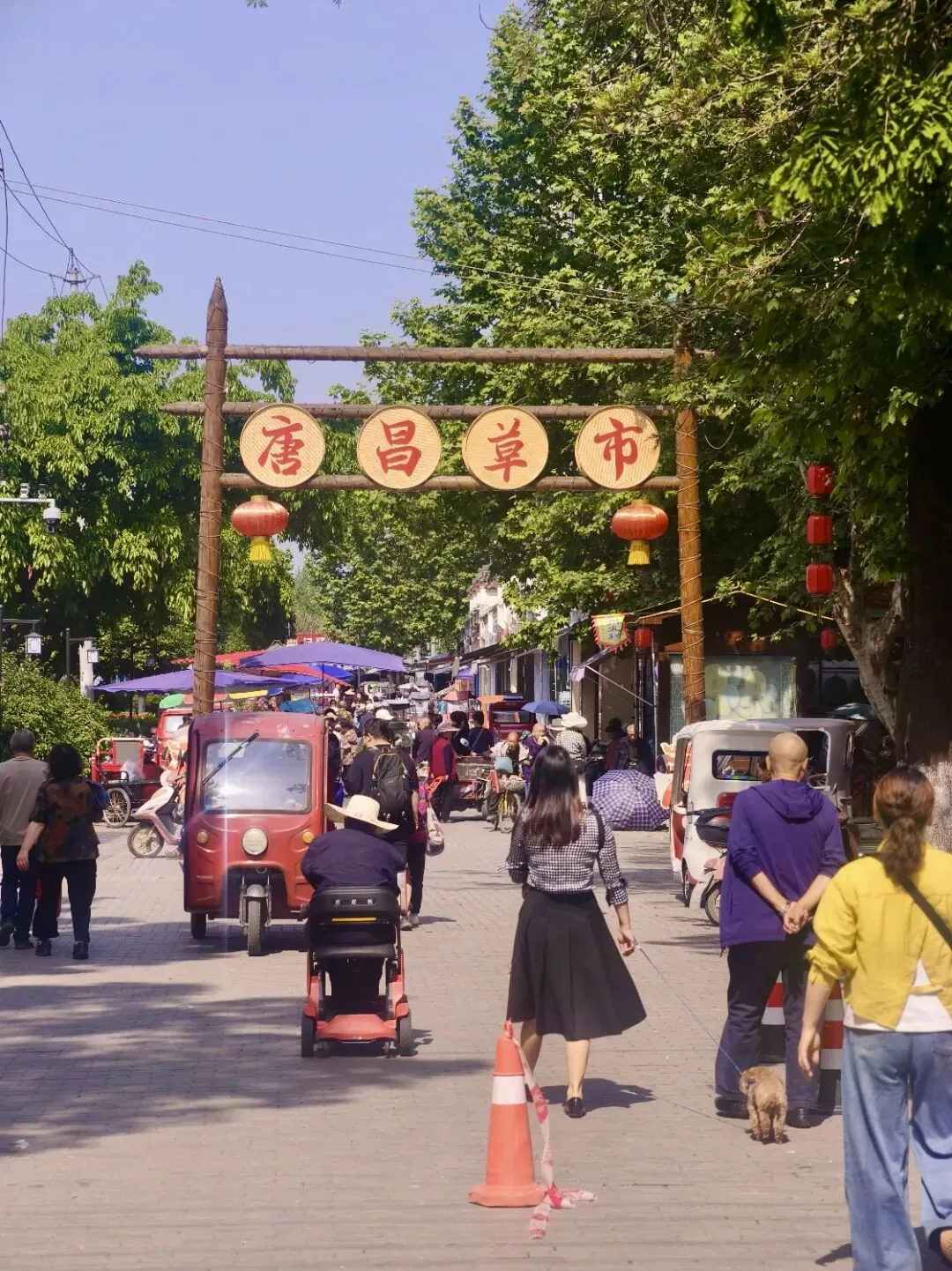
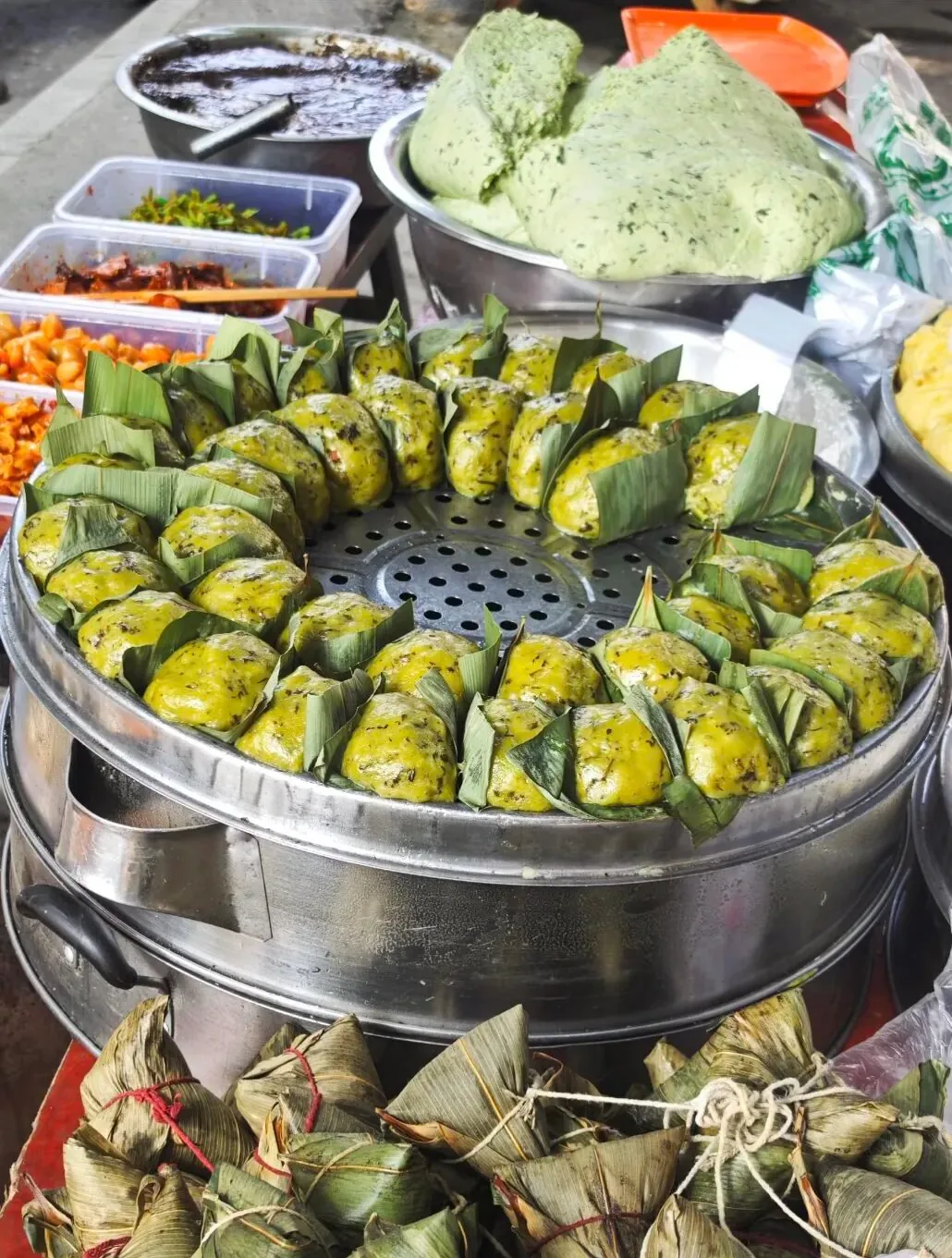
On even-numbered days of the Gregorian calendar, Tangchang holds its market (赶集).
Baskets and crates overflow with seasonal vegetables, local snacks, and daily goods. The market is loud and lively — a vegetable seller calls out “相因得很” (dirt cheap!), an older woman squats to pick through long beans, and the scale weight clangs against the metal tray with a satisfying thud.
Local insight: Come in the morning. By noon, the market starts packing up.
Chongning Confucian Temple: Red Walls and Living History
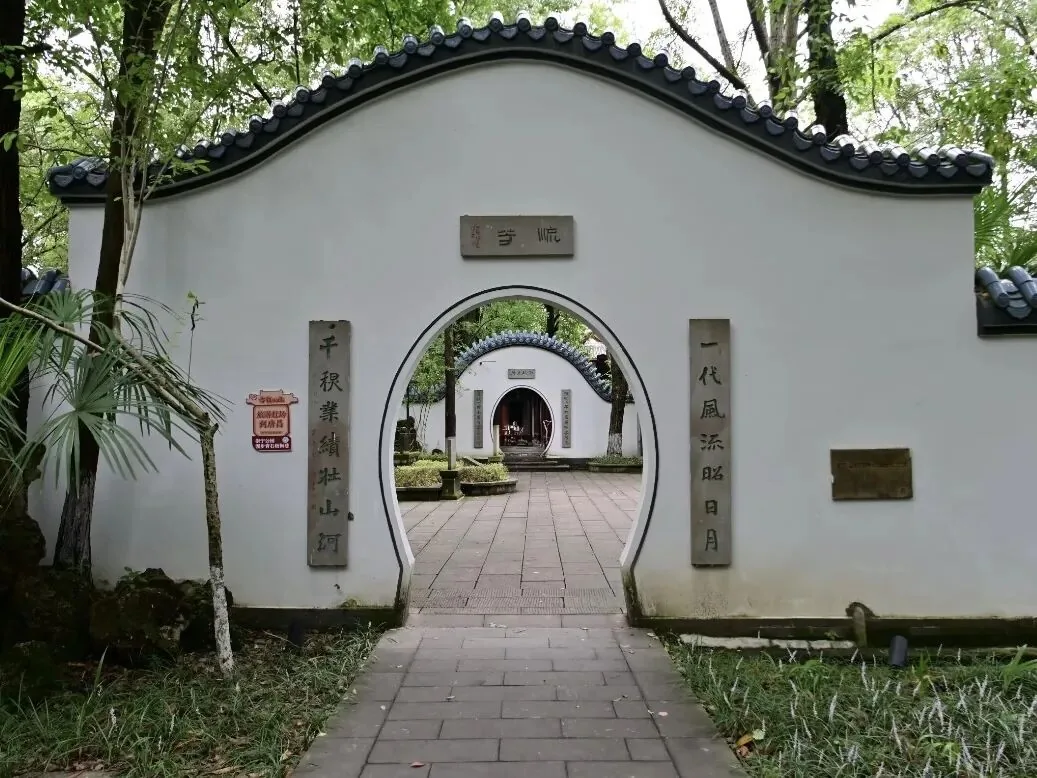
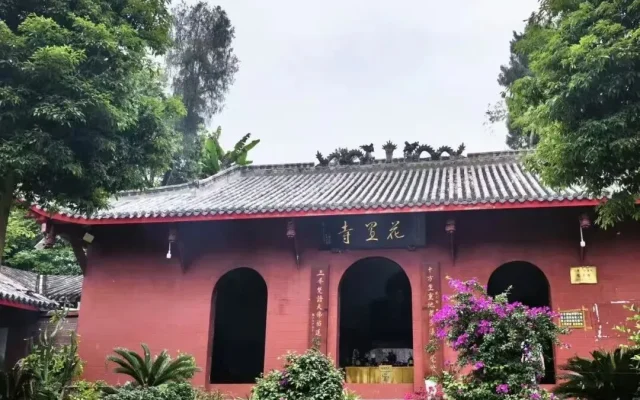
After you’ve eaten your fill, head to the Chongning Confucian Temple (崇宁文庙).
First built in the Northern Song Dynasty, the current structures reflect Qing Dynasty architecture from the Qianlong and Jiaqing periods. The red walls aren’t freshly painted — they’re old, faded, weathered by rain and time into a deep, settled red. Ancient cypresses. The Zhuangyuan Bridge, its stone slabs worn smooth. Locals say only the top scholar (状元) was allowed to walk across it back in the day.
Inside the Lingxing Gate, you’ll often find two elderly men practicing calligraphy — water as ink, the ground as paper. The sponge brush strokes dry and vanish within minutes.
Right next to the temple is the Hanlin Academy (翰林书院), the former residence of Qing Dynasty Hanlin scholar Luo Jinwen. It’s the only surviving Hanlin Academy in the Western Sichuan region. The courtyard is very quiet — the only sound is the coffee machine.
Just inside the entrance on the right, there’s a “Tangchang” photo wall. Visitors pose with a cup of douban coffee (豆瓣咖啡) — the town’s breakout hit of the past couple of years. Pidu’s douban (fermented broad bean paste) brings a subtle sweet-savory note that melts into the coffee’s rich bitterness. They sell over a hundred cups a day on average.
Chongning Park: 3 RMB Tea and a Seat Until Sunset
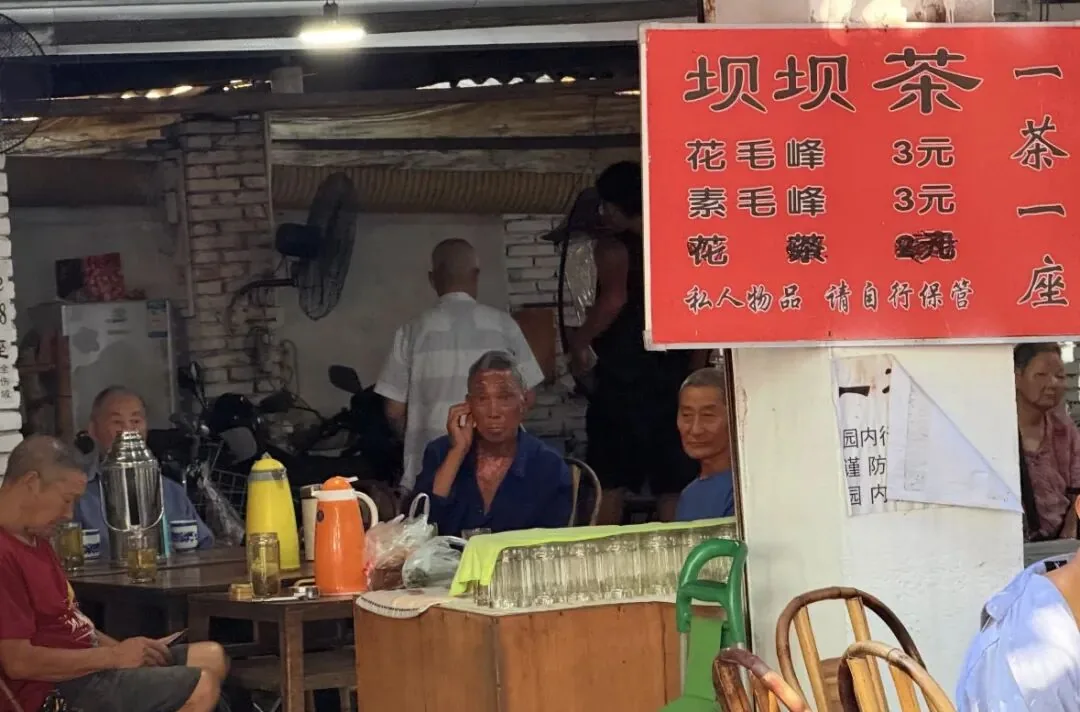
Exit the temple and turn into Chongning Park (崇宁公园).
Bamboo chairs and tables have been set out here for decades. A cup of jasmine tea costs 5 to 10 RMB, and you can sit from morning until the sun goes down. At the old teahouse, a covered-bowl tea (盖碗茶) is 3 to 5 RMB.
Deep in the park are the remains of the Chongning Prince’s Palace imperial garden. For 3 to 5 RMB, you can sit down and soak it in.
Plum Blossom Imperial Well: A Hidden Courtyard Find
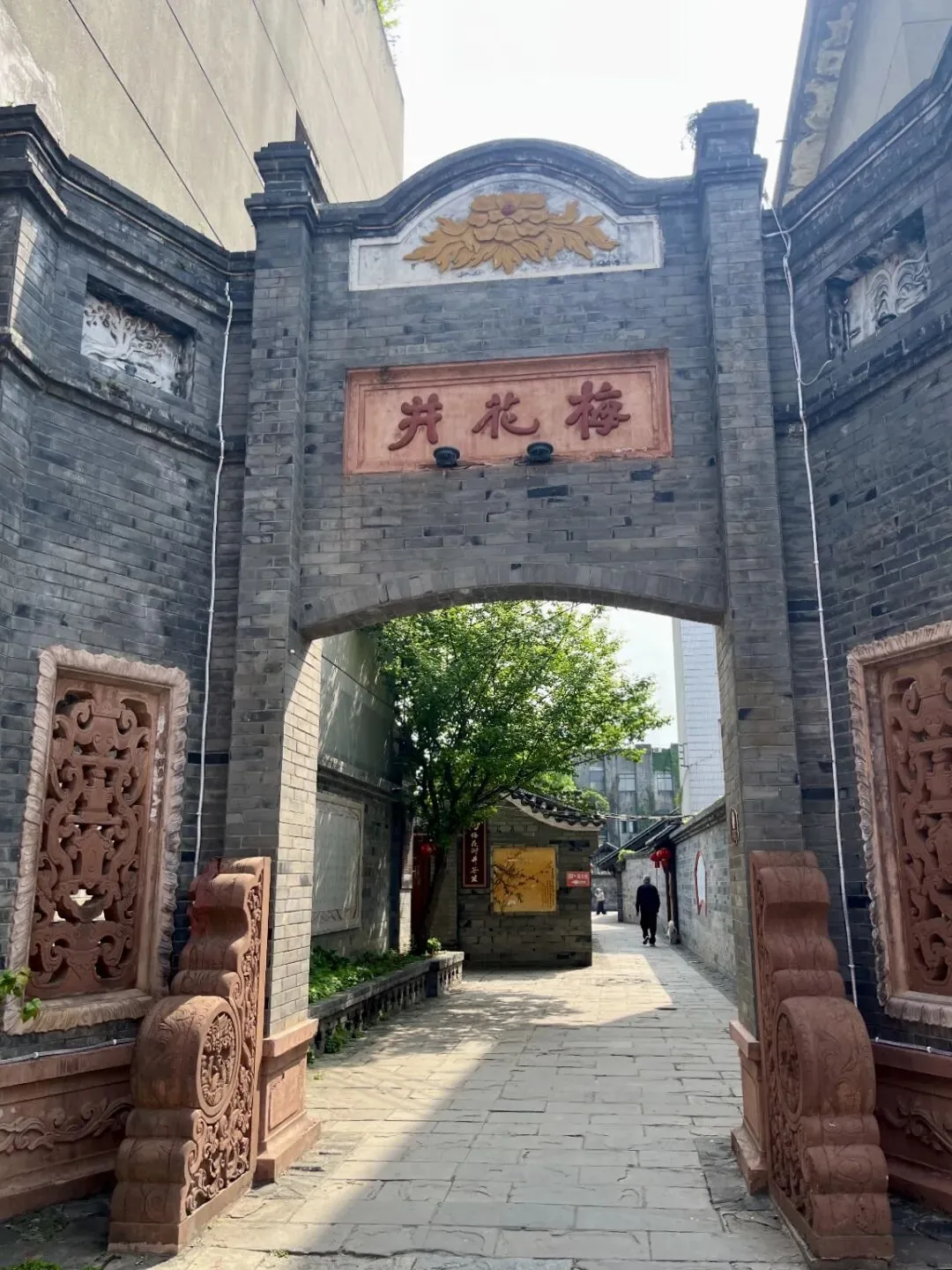
Head to Xiaonan Street to find a well. The Plum Blossom Imperial Well (梅花御井) sits inside a residential courtyard at No. 16 Meihua Lane, Xiaonan Street. The outer rim of the well curb is carved with plum blossom petal shapes. Back in the day, this well supplied water and was used for brewing wine at the Chongning Prince’s Palace.
Liang Family Compound: Peek Through the Door
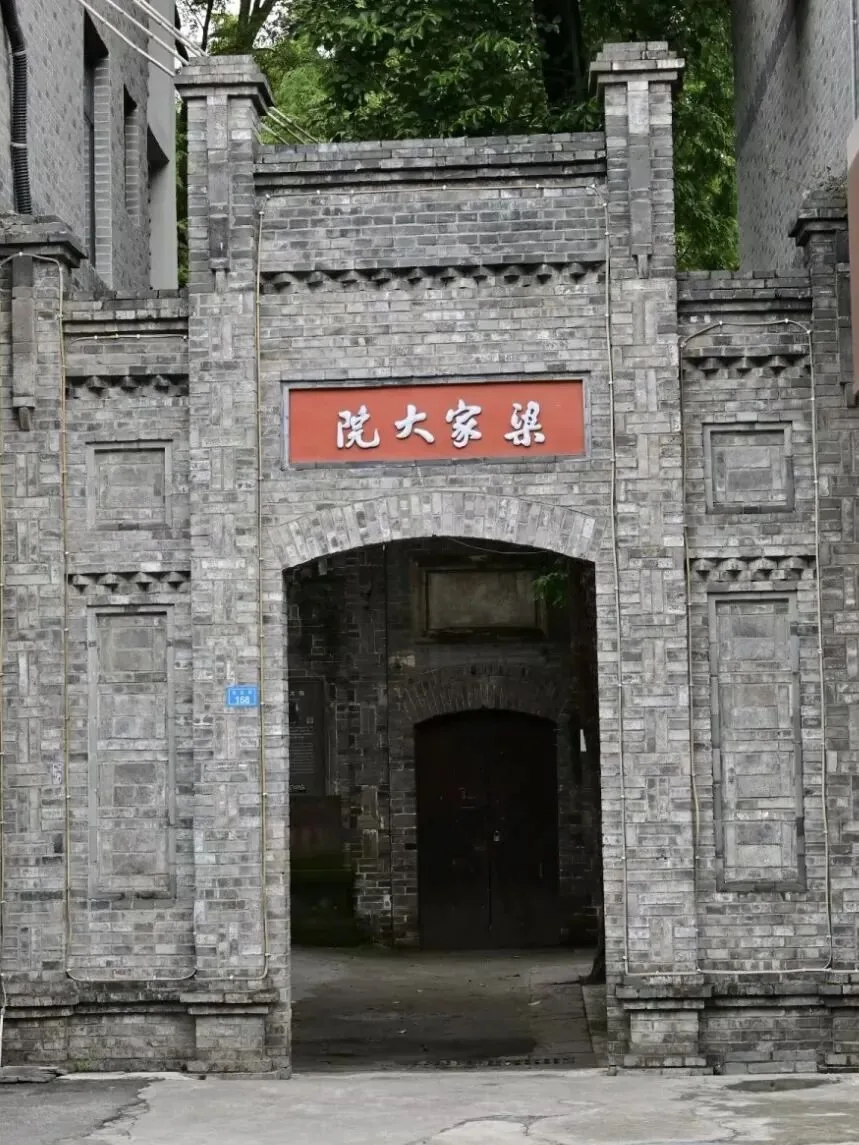
Walk from the park toward North Street’s Youth Lane to see the Liang Family Compound (梁家大院).
Built during the Qing Dynasty’s Xianfeng period, it’s one of the largest surviving Qing-era ancient building complexes in Western Sichuan. It’s not currently open to the public.
You can only stand outside the door and peek through the crack. Sunlight slants across the flagstones in the courtyard. No one there. Stand a moment, and you’ll hear a bird call from inside.
Getting There & Practical Tips
- Navigation: Search “Pidu District Tangchang Ancient Town” or “Chongning Confucian Temple.” About 40 minutes from Chengdu. 0 RMB entry.
- Public transport: Metro Line 2 to Xipu Station, transfer to Bus P212. Or Metro Line 6 to Xingsheng Station, transfer to Bus 715.
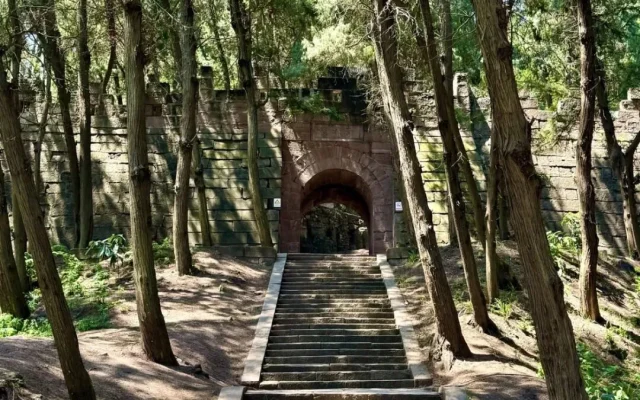
- Route: Nanxun Gate → Du Ji Su Rou Dou Fen → Ancient City Wall → Dachun Lane → Wenchang Palace Lane → Chongning Confucian Temple → Hanlin Academy → Chongning Park → Plum Blossom Imperial Well → Liang Family Compound → East Street Yang Chaoshou / West Street Luo Tang Rou.
- Terrain: Stone-paved paths and alleys, no elevation gain.
- Food list: Shi Duck (No. 56 Xizheng Street, founded in the 11th year of Guangxu), Luo Tang Rou (No. 127 West Street), Yang Chaoshou (No. 89 East Street), Du Ji Su Rou Dou Fen (diagonally across from Nanxun Gate), Zhu Ji Beef House (No. 16 Xiaobei Street), Jia Tangyuan (No. 136 Xizheng Street), Fengchuichui (Nanxi Lane).
Pro tip: If you have time, swing by Zhanqi Village’s Douban Museum (free entry) on the way. And travel safely.
The Takeaway
Tangchang doesn’t rush you. No timers, no checklists. 3 RMB tea, 5 RMB congcong rolls. Kuanzhai Alley shows you Chengdu; Tangchang lets you live it.
This weekend, if it’s an even-numbered day, head out in the morning. Navigate to “Chongning Confucian Temple” and go catch the Tangchang market.