The Giant Wetland Park Near Chengdu That Almost Nobody Knows About
Here’s the thing — just over an hour’s drive from downtown Chengdu, in Chongzhou, there’s a seriously underrated wetland park. It’s called Qimu River Wetland Park (桤木河湿地公园), and most visitors have never heard of it.
We’re talking 5,040 mu of planned area — bigger than 700 standard soccer fields. The water alone covers 1,365 mu, which is roughly the water capacity of two West Lakes. More than 850 million RMB has been poured into building it, and it’s a national AAA-level scenic area. Yet very few people know it exists.
Why This Park Is a Big Deal
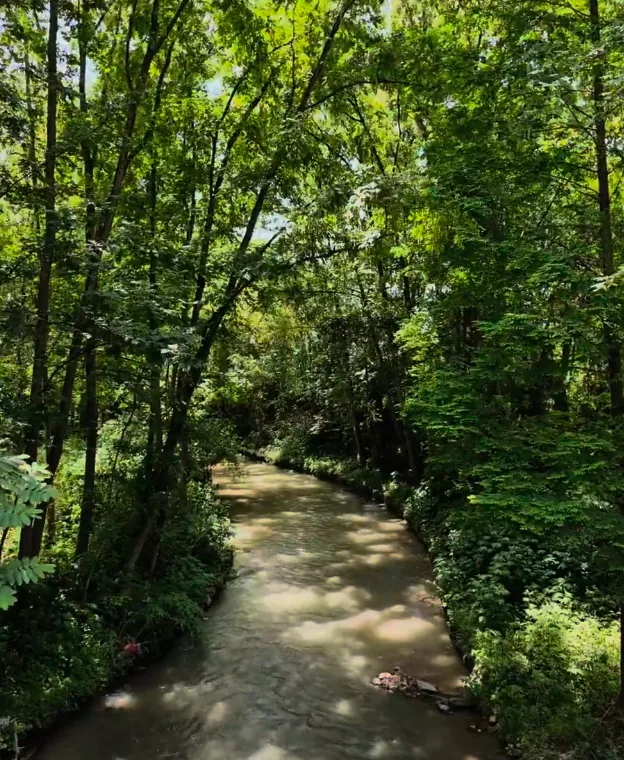
What’s worth mentioning is that the Qimu River water system connection and rural water system comprehensive improvement project was one of the first pilot projects nationwide by the Ministry of Water Resources and the Ministry of Finance. That piece alone saw a total investment of 650 million RMB.
Chongzhou’s citywide greenway plan totals 895 kilometers with about 1 billion RMB in investment, and Qimu River Wetland Park is the core node of that network.
The 2.3-kilometer improvement project on the southern section cost nearly 11 RMB per square meter — a rare level of spending, to say the least.
Even more interesting: this park is in the business of “selling air.” In April 2024, the Qimu River project passed carbon sink verification by the Chengdu Ecological Environment Bureau, generating 2,981 tons of carbon emission reductions. Under the Carbon Benefit Tianfu mechanism, these trade at 80 RMB per ton — meaning the park earned back over 200,000 RMB just by planting trees and growing grass.
Among Chengdu’s wetland parks, it’s pretty rare to see ecological value converted directly into cash flow like this.
What You’ll See: Water, Forests, and Wildlife
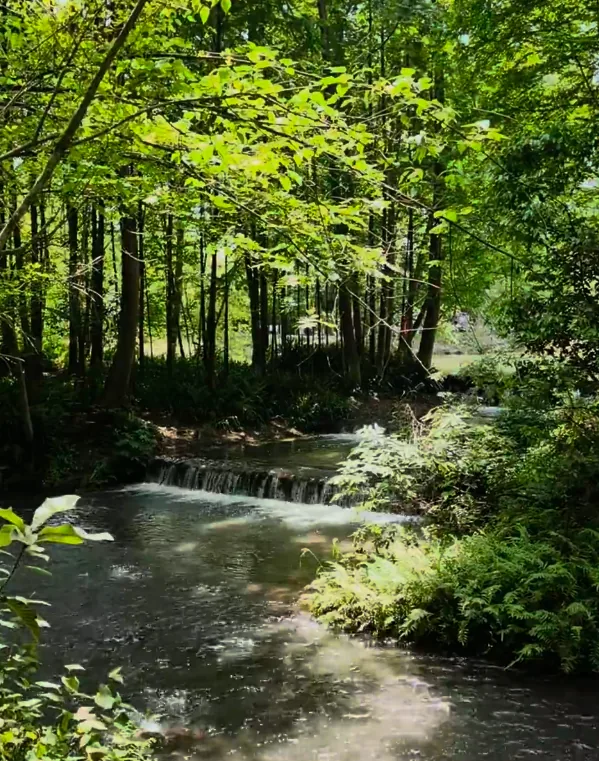
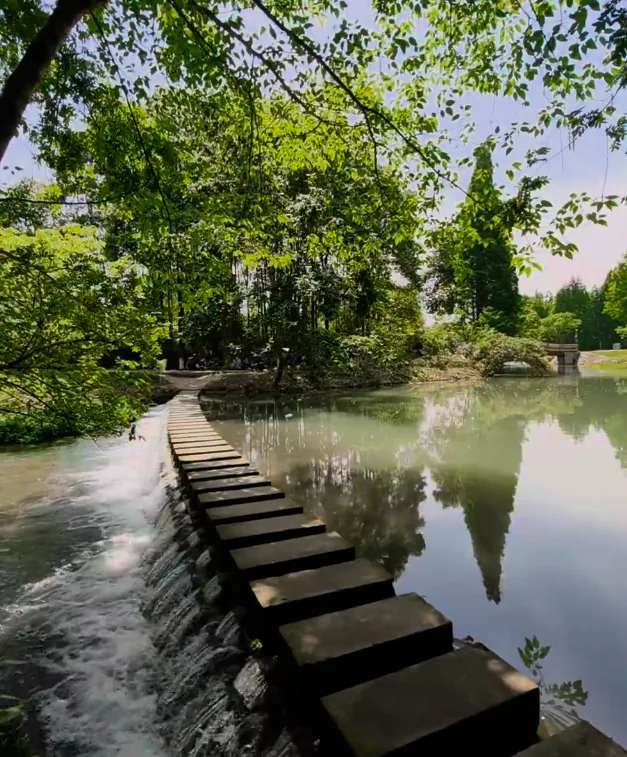
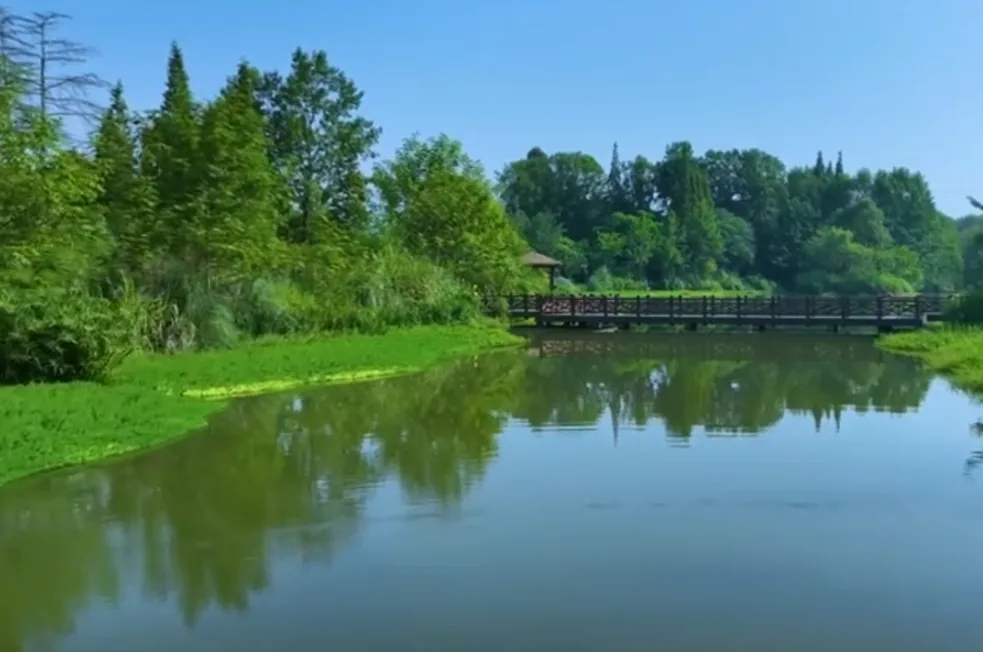
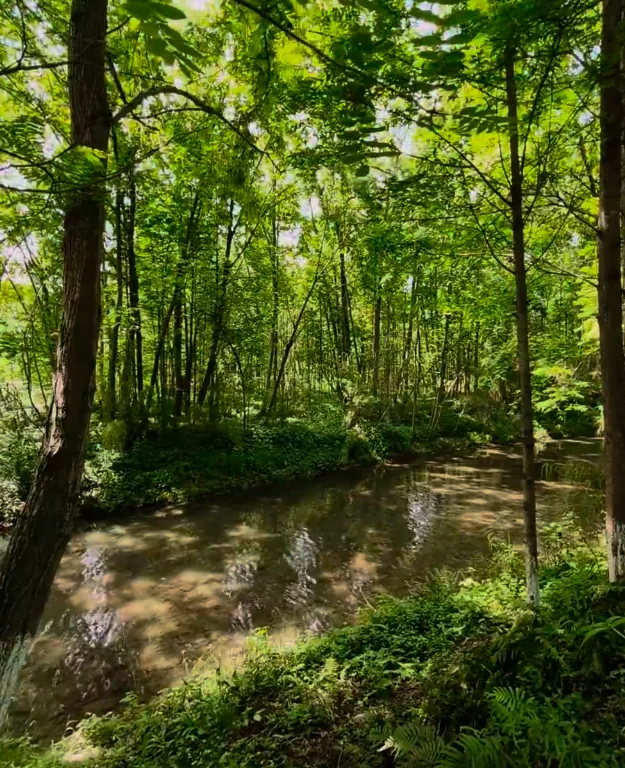
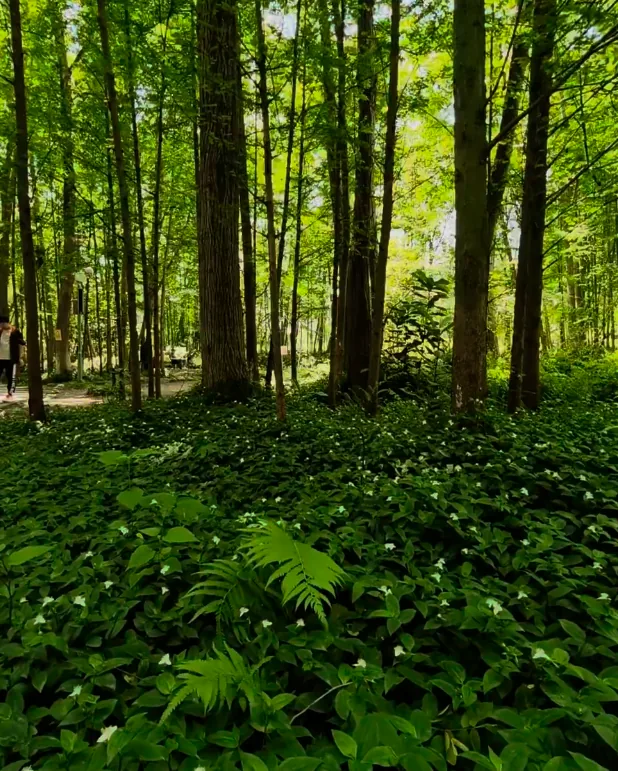
The whole park is basically a natural combination of the Qimu River, old river channels, low-lying land, fish ponds, and original vegetation. Over 30 plant species grow naturally along the riverbanks — 麻柳 (Chinese wingnut), 水杉 (dawn redwood), 桤木 (alder), 狐尾藻 (water milfoil), and 鸢尾 (iris) are scattered throughout. The greenery coverage is as high as 79%, and the moment you step in, you can smell the damp, earthy scent of plants.
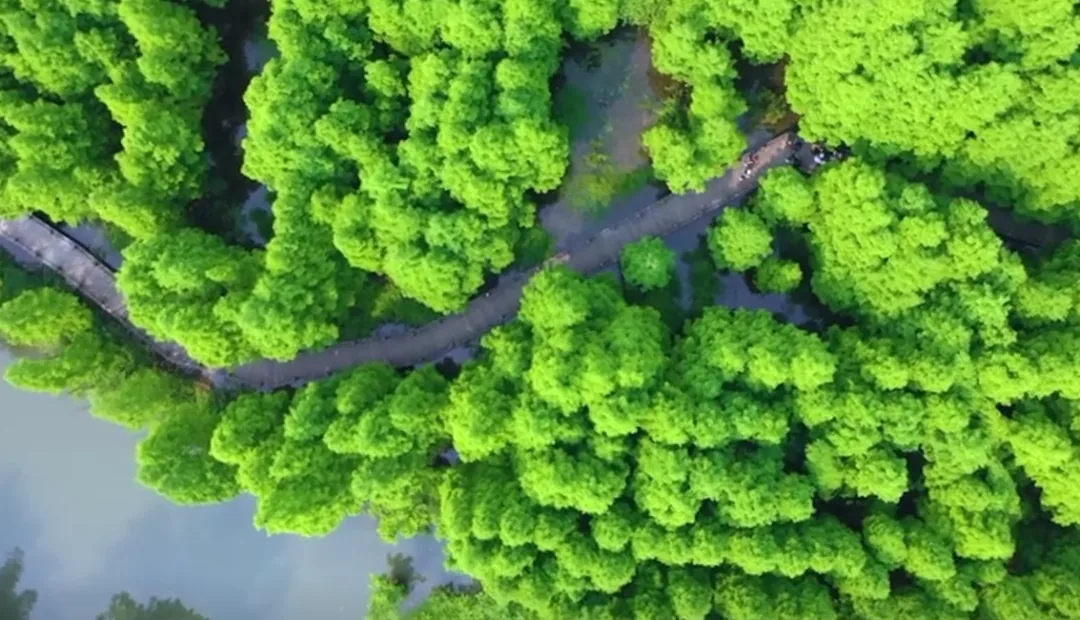
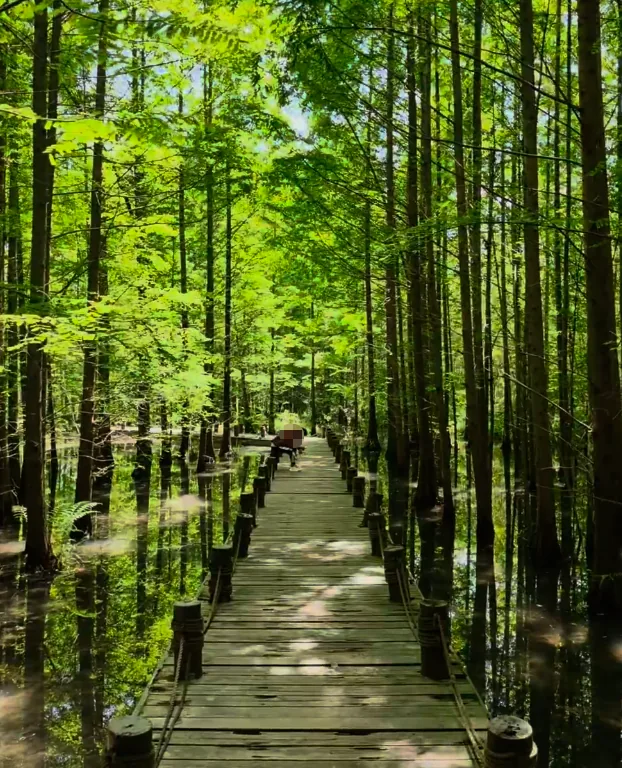
Thousands of dawn redwoods stand straight in the water. In early winter, their leaves turn from green to red to gold, reflected on the water’s surface. From a drone’s view, it looks like an oil painting floating on the water.
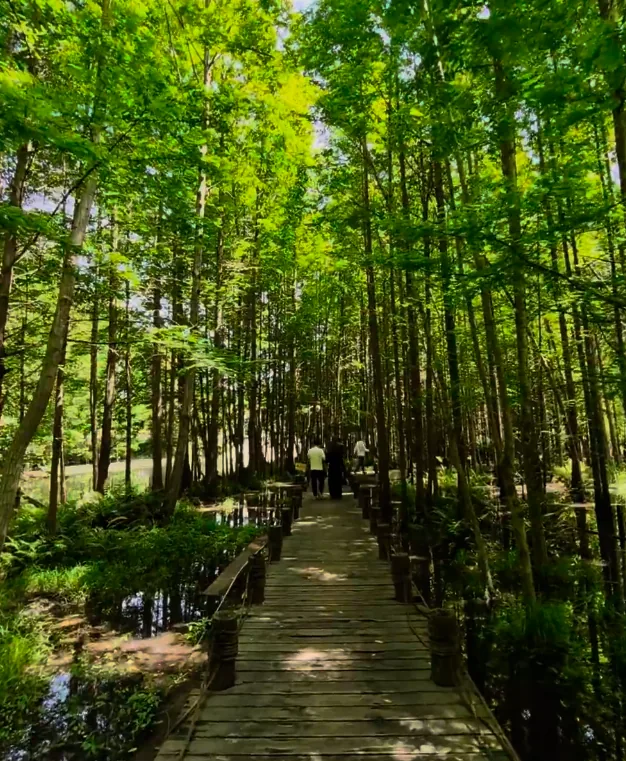
There’s a wooden boardwalk winding through the forest among the dawn redwoods. It creaks slightly underfoot, and when the wind blows, tree shadows sway on the water. Walking through feels like stepping into a movie set. Come in spring or summer for lush greenery, or autumn and winter for layers of color — it photographs well in any season.
Hiking, Biking, and Birdwatching
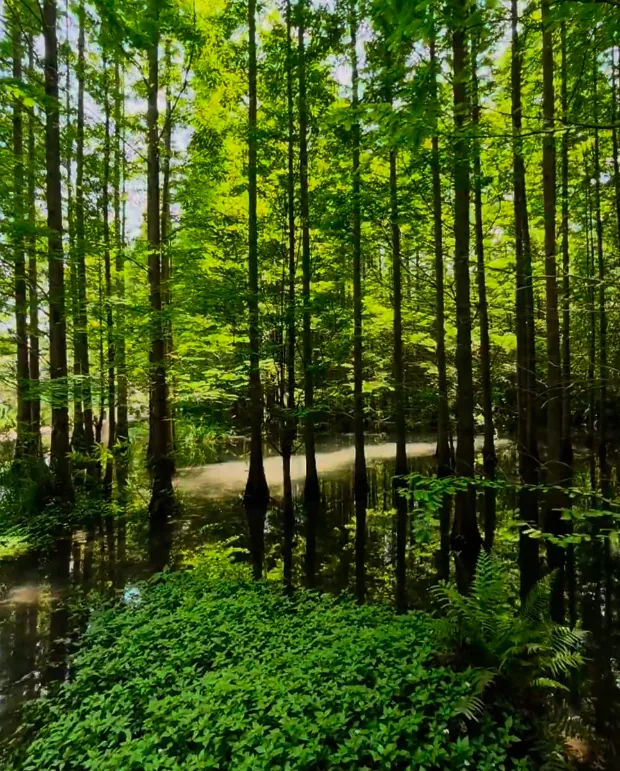
A 25-kilometer walking path circles the water system. In spring, you can enjoy flowers along the riverbank; in summer, cool off in the dawn redwood forest; in autumn, step on fallen leaves and watch the redwoods change color; in winter, crouch by the reeds and wait for migratory birds. Every season is different.
For cyclists, the 18-kilometer greenway has been fully converted from stone-paved paths to dedicated cycling lanes. It’s a smooth ride, with rest stations along the way for breaks and water refills.
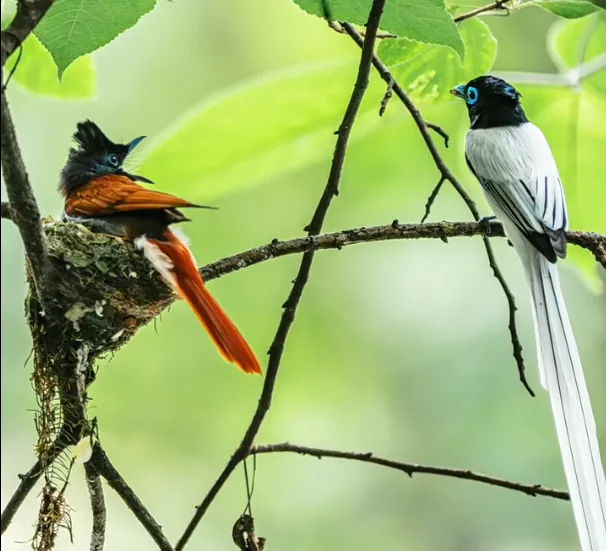
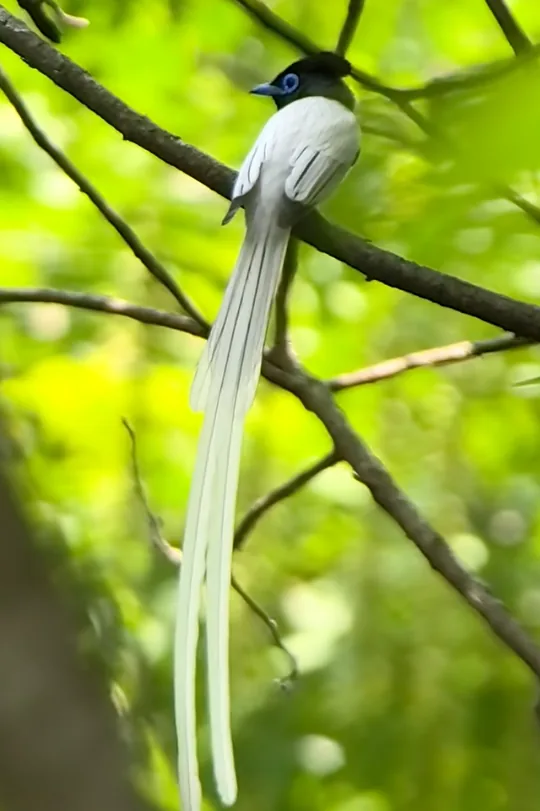
Birdwatchers are in for a treat. Over 100 species of birds and small animals live in the park. Egrets and wild ducks are everywhere, and if you’re lucky, you might spot squirrels darting through the trees. Every winter, large numbers of migratory birds fly here to spend the winter — the riverbanks and fish ponds are full of flapping wings. Bring binoculars and you can watch for half a day without seeing the same thing twice.
Family Fun and Relaxation
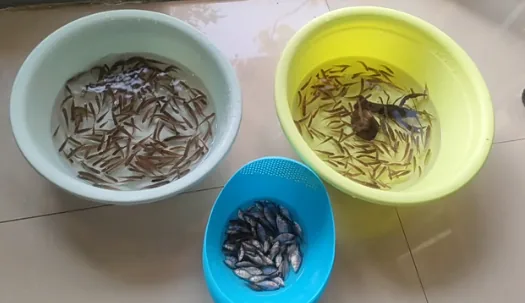
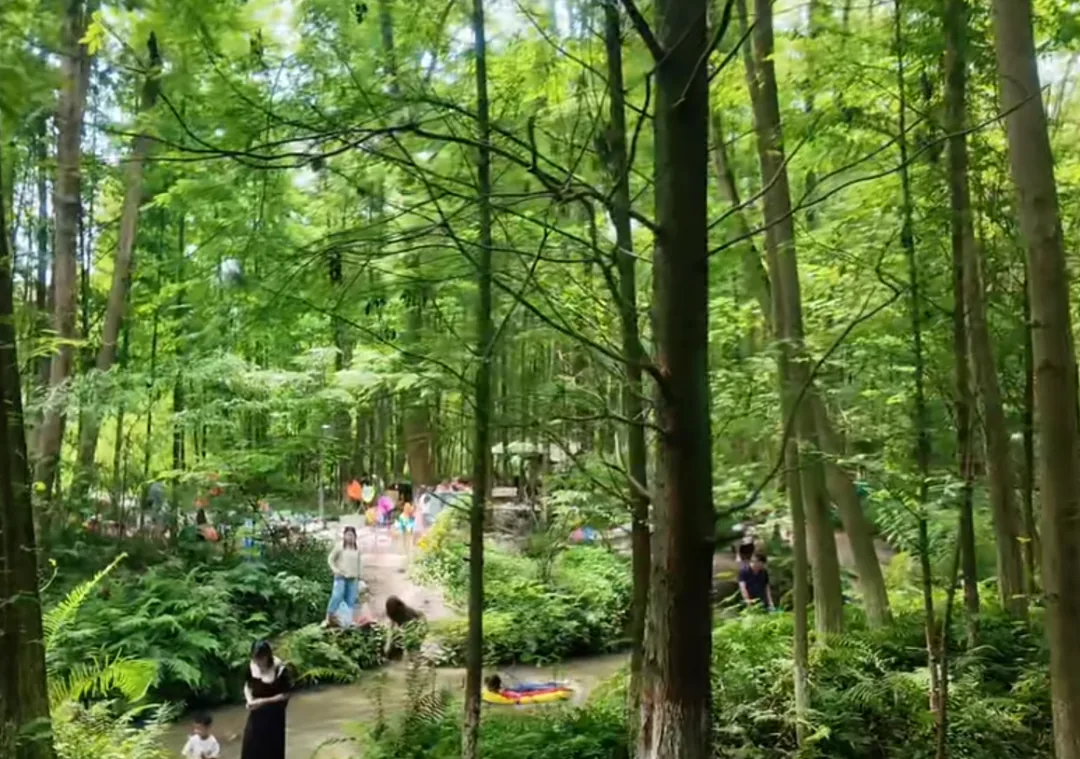
The shallow, gentle shoals aren’t deep — kids can safely splash around and catch small fish and shrimp. The river channels are full of aquatic plants, making it a great spot for catching shrimp too.
On the large lawns, you can picnic, set up hammocks, or pitch tents. The dawn redwood forest provides natural shade, so even in summer you won’t get scorched. The park also has a soil and water conservation experience center — put on a VR headset and you can immersively experience the soil and water conservation process in the Qimu River basin. It’s a fun way to learn, much more intuitive than textbooks.
Eat Like a Local in Chongzhou
Chongzhou has leveraged 500 million RMB in investment to bring multiple industrial projects to the area. Baitou Town’s Wuxing Village, near the park, has benefited from the wetland park’s traffic — farm stays, homestays, and rice field experiences are thriving, and nearby farm restaurants are doing brisk business.
After exploring the park, head to town for a meal. Dishes like clear stewed steamed pork with rice flour, rice field fish, douhua rice (tofu pudding rice), and cold dressed free-range chicken are local favorites. You can eat your fill for just a few dozen RMB per person.
How to Get There
Just navigate to “Qimu River Wetland Park” (桤木河湿地公园). It’s not far off the Chengdu-Wenjiang-Qionglai Expressway, and parking is free.
When sunlight filters through the dawn redwood branches and leaves, casting dappled shadows, you’ll understand what it means to find a hidden gem right next door.