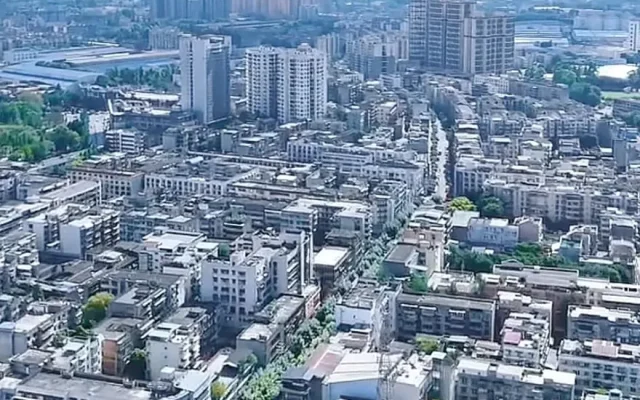
Looking for a Chengdu day trip that doesn’t feel like a tourist treadmill? Pengzhou (彭州) is about 20 minutes from Chengdu by fast train, and its old town runs at the pace locals have kept for generations. No hard sell, no crowds — just temples, a small museum with serious treasures, old teahouses, and food that locals grew up on. Give it one day: see the temple, hunt down some artifacts, eat your way through the old streets, and soak up a teahouse afternoon.
Why Pengzhou
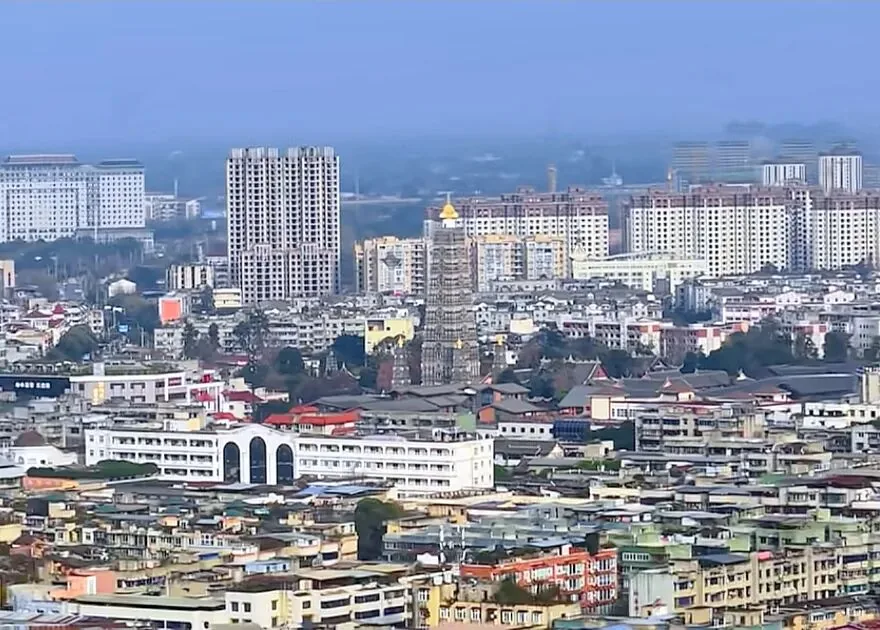
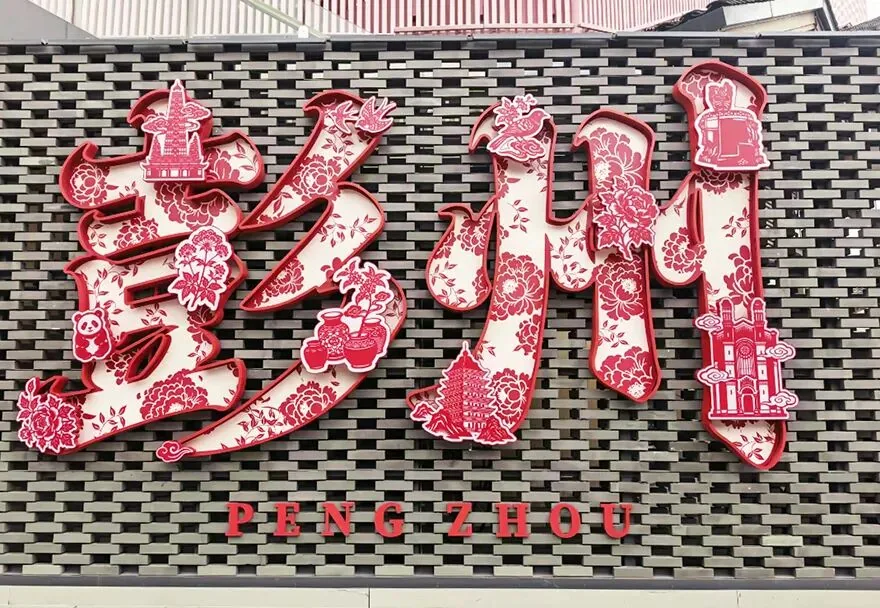
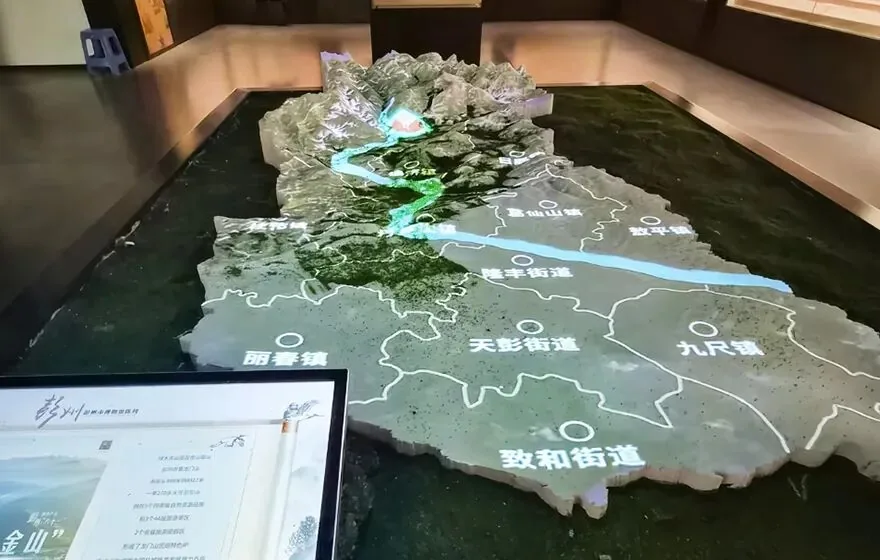
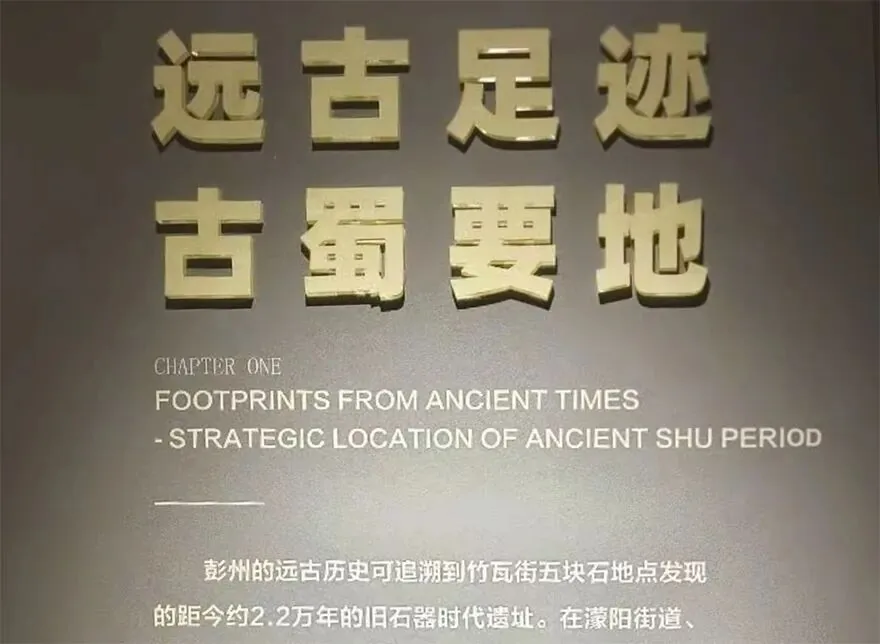
Pengzhou sits against the Longmen Mountains to the north, with the Chengdu Plain spreading south. In ancient times it was called Tianpeng, the “Qianjiang gateway” of ancient Shu. Over 3,000 years ago in the Western Zhou, the Peng people established a state here. They made Qushang (around today’s Tongji town) their capital. They were one of the “Eight Allied States of Muye” that joined King Wu’s campaign against the Shang.
In the second year of Chuigong in the Tang (686), Empress Wu divided Yi Prefecture to create Pengzhou, and it stayed a prefecture-level administrative region for over 600 years through Tang, Five Dynasties, Song, and Yuan. In the Tang–Song period it was a key route through western Sichuan, with thriving tea-horse trade and commerce, and temples everywhere — Longxing Temple and Sanmei Water both rose then. In the tenth year of Hongwu in the Ming, Pengzhou was downgraded from prefecture to county and became Peng County. Today’s Pengzhou doesn’t hustle for tourists like the popular old towns do — the old town’s rhythm is something locals have guarded generation after generation.
Getting There & One-Day Route
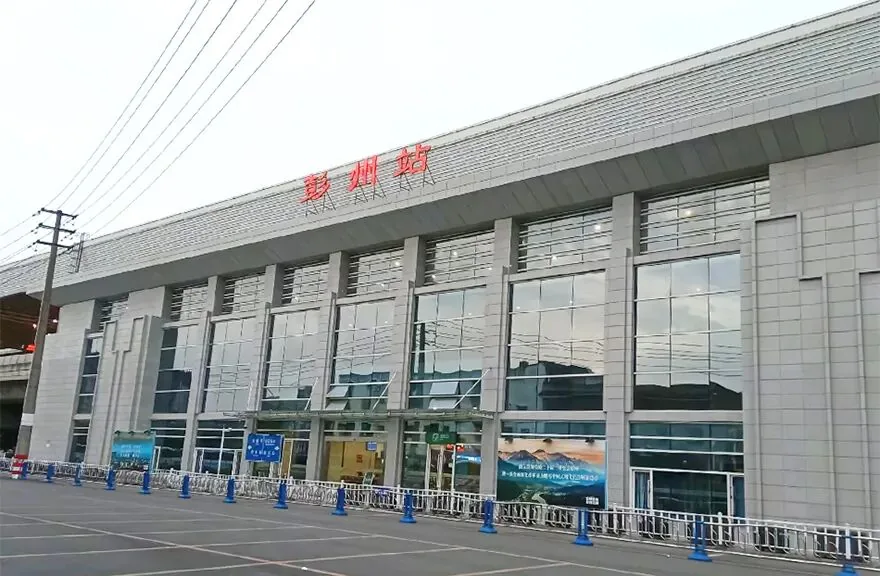
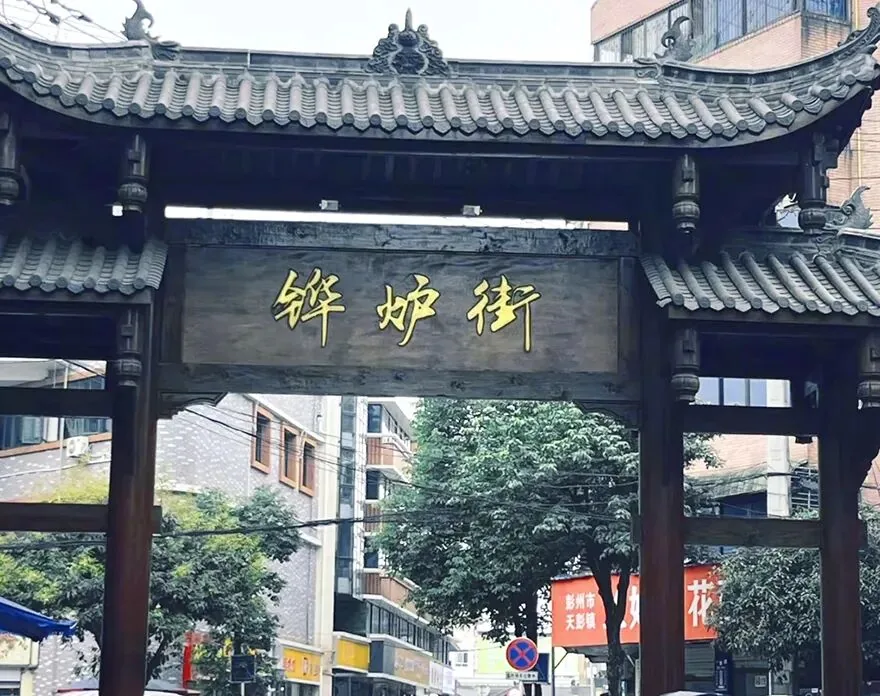
From Chengdu’s Xipu station, take the Chengdu–Pengzhou fast train — about 20 minutes to Pengzhou station. From there, a 10-minute taxi ride or a local bus gets you into the heart of the old town. No need to rush: one day is enough for temples, artifacts, food, and an old teahouse — a slow county-town citywalk.
Here’s a simple plan for your day:
- Morning: Chengdu Metro to Xipu station, then the fast train to Pengzhou station. Head to Longxing Temple to see the pagoda and pay respects, then stroll Longxing Water Street.
- Midday: Eat local food in the old town — steamed beef, intestine rice noodles. Pick up a guokui (stuffed flatbread) while you’re at it.
- Afternoon: Pengzhou Museum for the buried silver and gold, then Pengzhou Park and Li Yimang’s Former Residence. Rest your feet with tea at Tianpeng Old Teahouse.
- Evening: Wander Wangshu Li block, grab dinner, and head back to Chengdu.
Longxing Temple: Western Sichuan’s One-of-a-Kind Zen Landmark
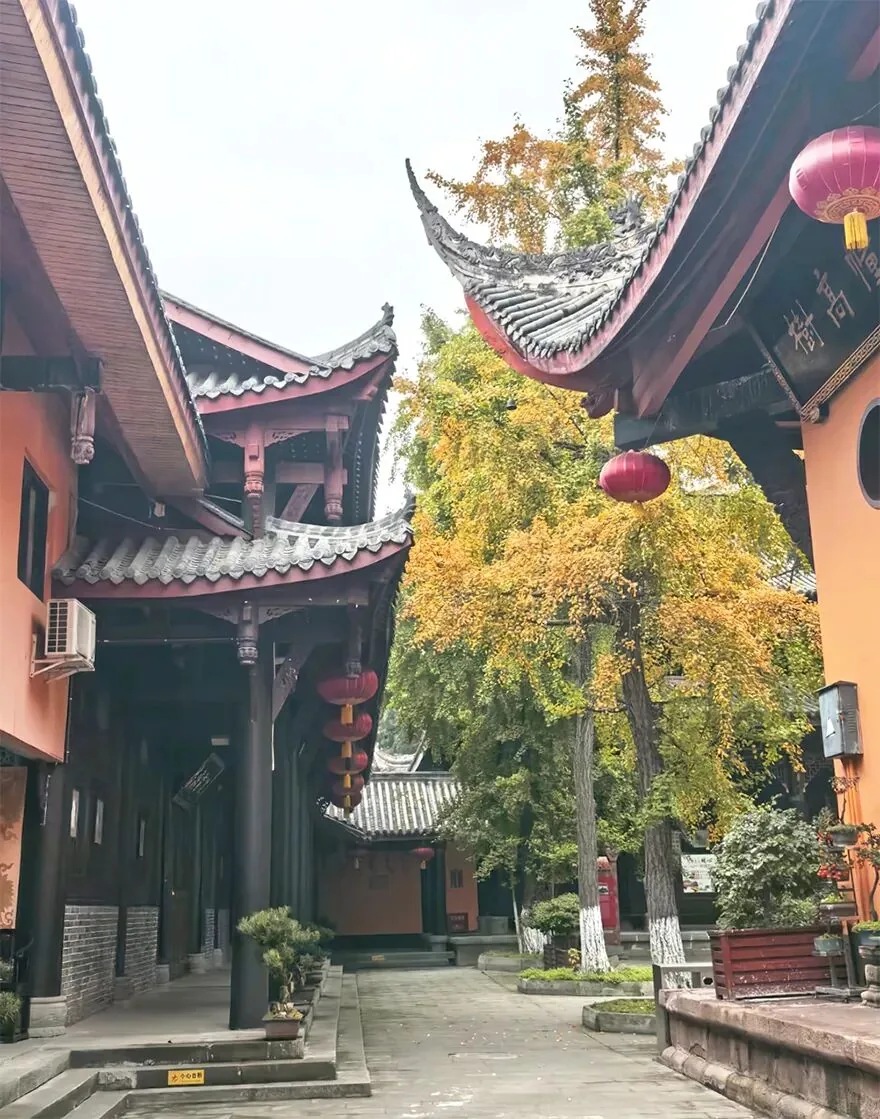
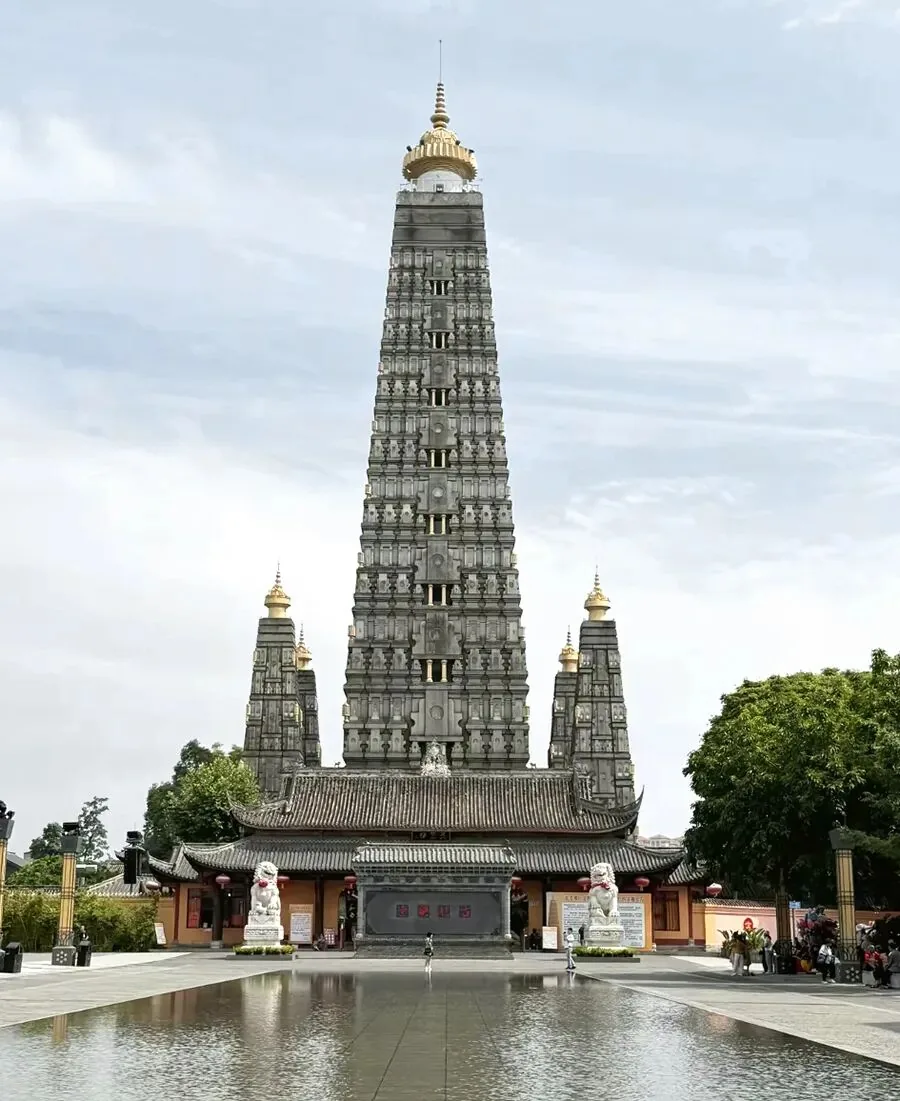
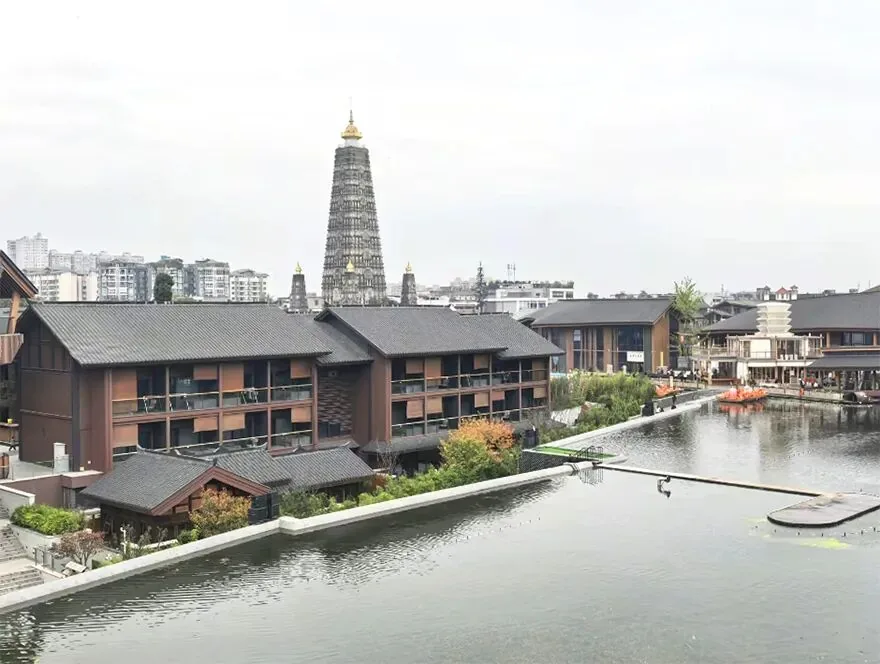
📍 Address: No. 1 Longxing North Road, Pengzhou 🎫 Tickets: Free (2 RMB cleaning fee; 20 RMB to climb the pagoda)
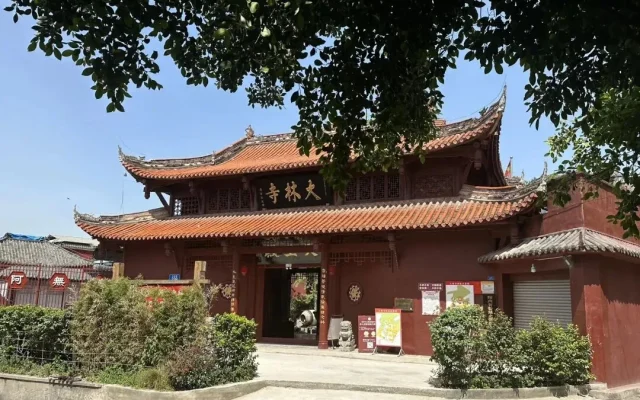
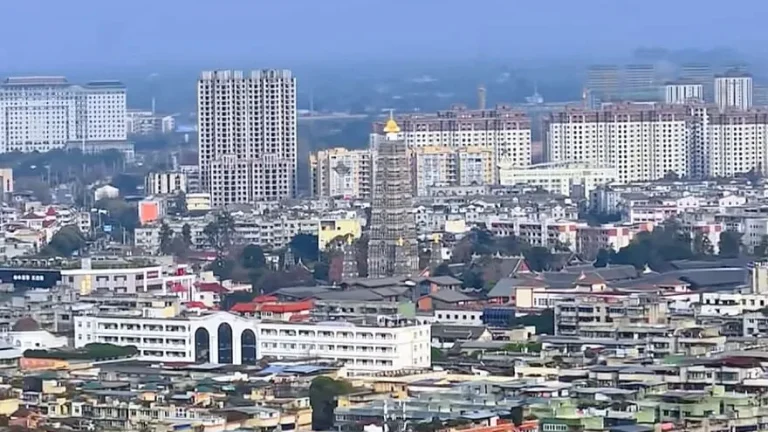
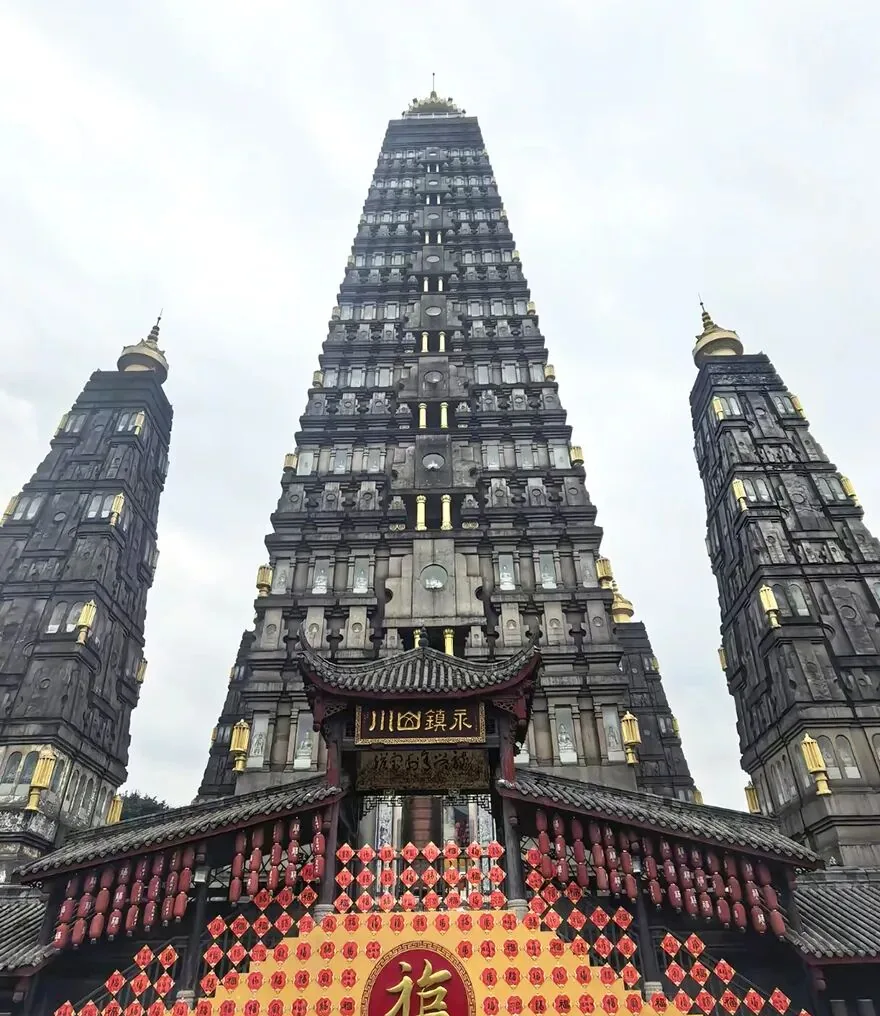
Longxing Temple is the core of Pengzhou’s old town — you can’t really skip it. First built in the Eastern Jin, it hasn’t moved in over 1,600 years and carries the name “Holy Land of Seven Buddhas.” It’s also one of only 19 pagodas in China that enshrine a true relic of Shakyamuni. It is the only one in Sichuan closest in style to the Mahabodhi Temple in Bodh Gaya, India — a diamond-seat relic pagoda.
The relic pagoda stands 81 meters tall with 17 tiers of dense eaves. Its grand scale and distinctive foreign style make it look, from a distance, like a golden mountain rising out of the Chengdu plain — 1,080 Buddha figures are embedded on its four sides. Climbing the pagoda costs 20 RMB, and they stop letting people up at 4:30 pm. From the top platform, gray-blue rooftops roll to the horizon, and the Longmen Mountains fade in and out of the mist.
After the temple, right next door is Longxing Ji, a water street converted from an old shantytown — dark tiles over water, mist, and lanterns. Locals call it “Pengzhou’s Taikoo Li.”
Pengzhou Museum: Small Building, Scary Density of Top-Tier Artifacts
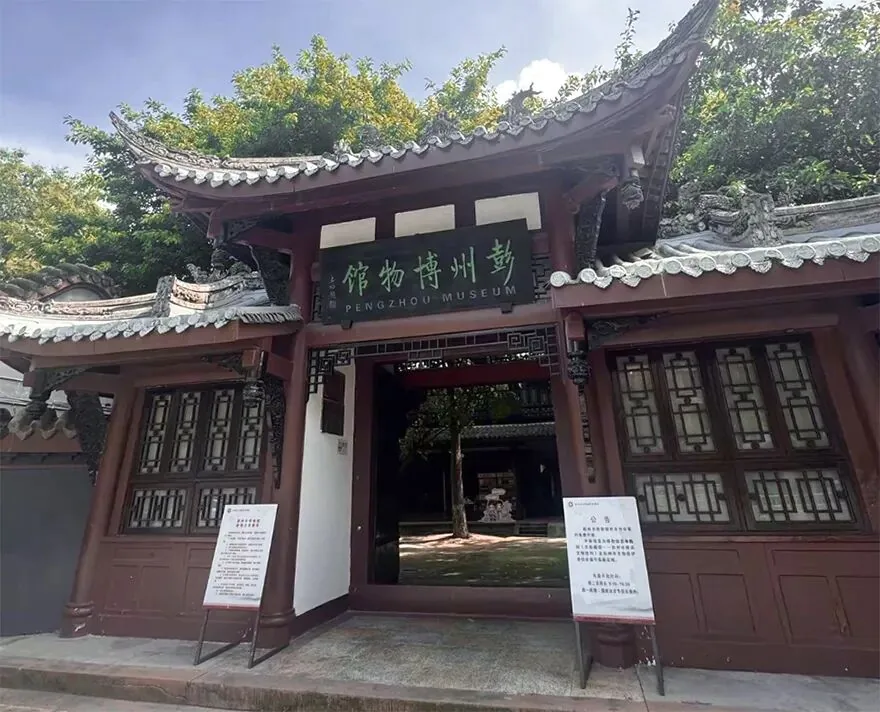
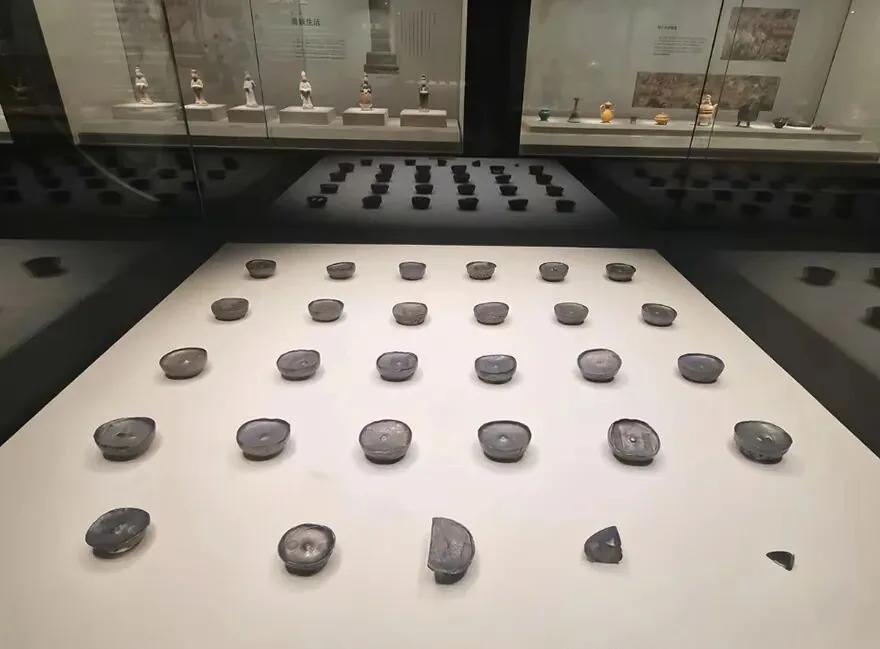
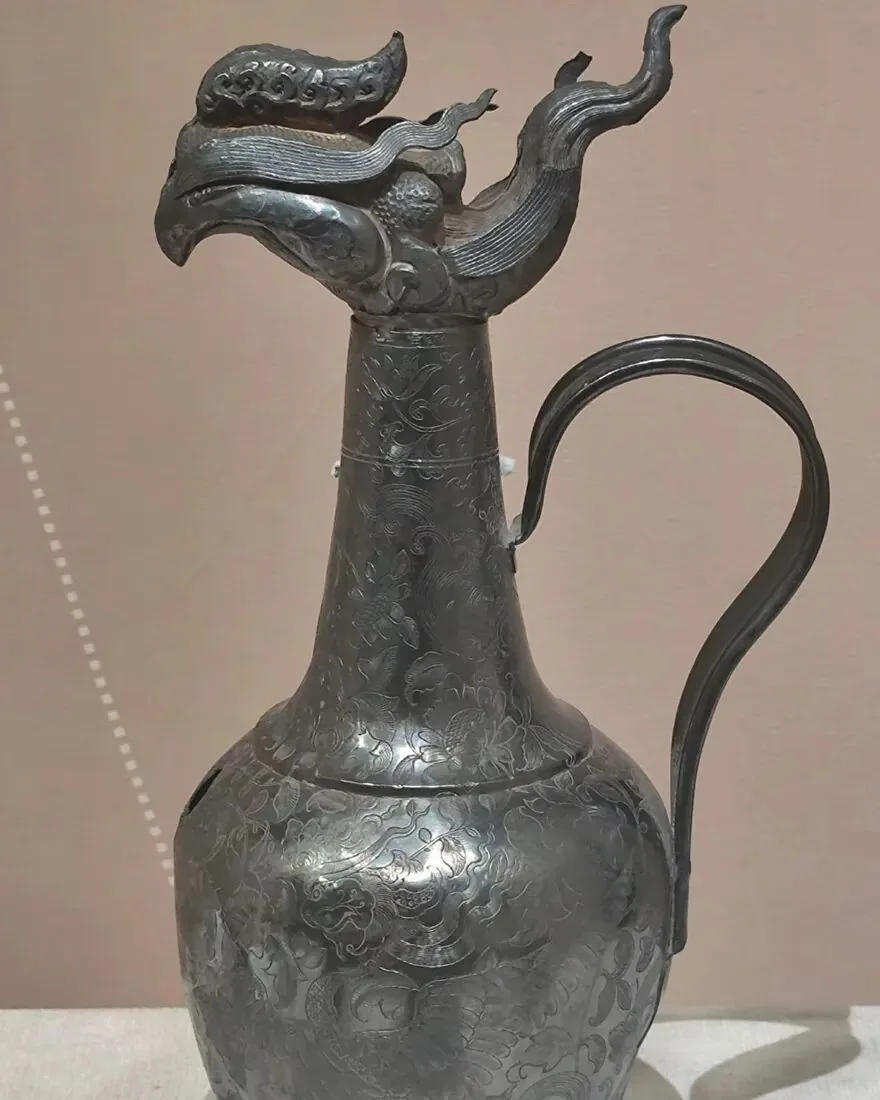
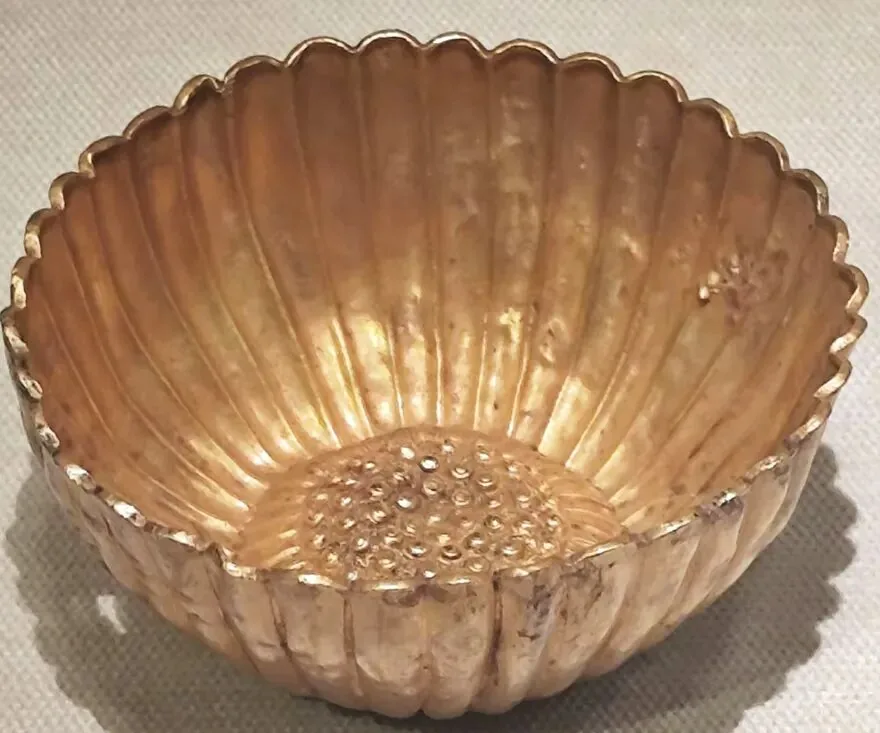
📍 Address: No. 403 Jinpeng West Road, Pengzhou 🎫 Tickets: Free, Tuesday to Sunday (9:00–16:30), closed Mondays
This is a third-tier museum that a lot of people walk right past. It’s small, but it’s a heavyweight among county-level museums in southwest China — over 5,000 artifacts in its collection, and more than 100 of them are first-class national treasures. The showstopper is the Song dynasty silver and gold hoard unearthed in 1993 on Pengzhou’s West Street — the “Number One Silver and Gold Vault Under Heaven” name comes from right here. Spend an hour reading the displays and you’ll understand: Pengzhou’s confidence isn’t just a pagoda — it’s the prosperity that ancient Shu people and Song craftsmen buried, vault by vault, in this land. The exhibition hall is small; an hour of careful looking is just right.
Pengzhou Park: The Old Town’s Everyday Backyard
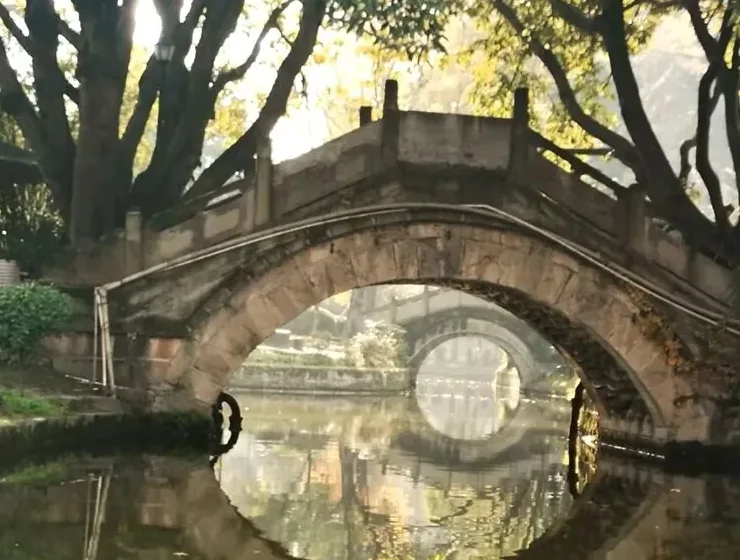
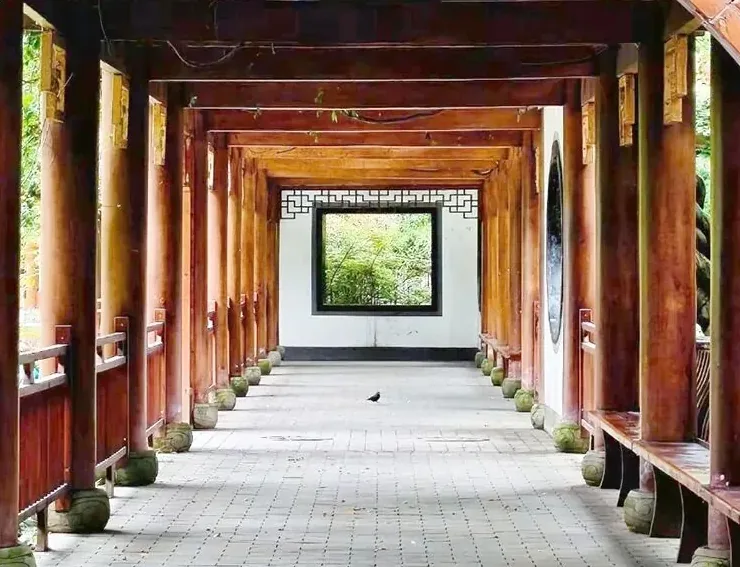
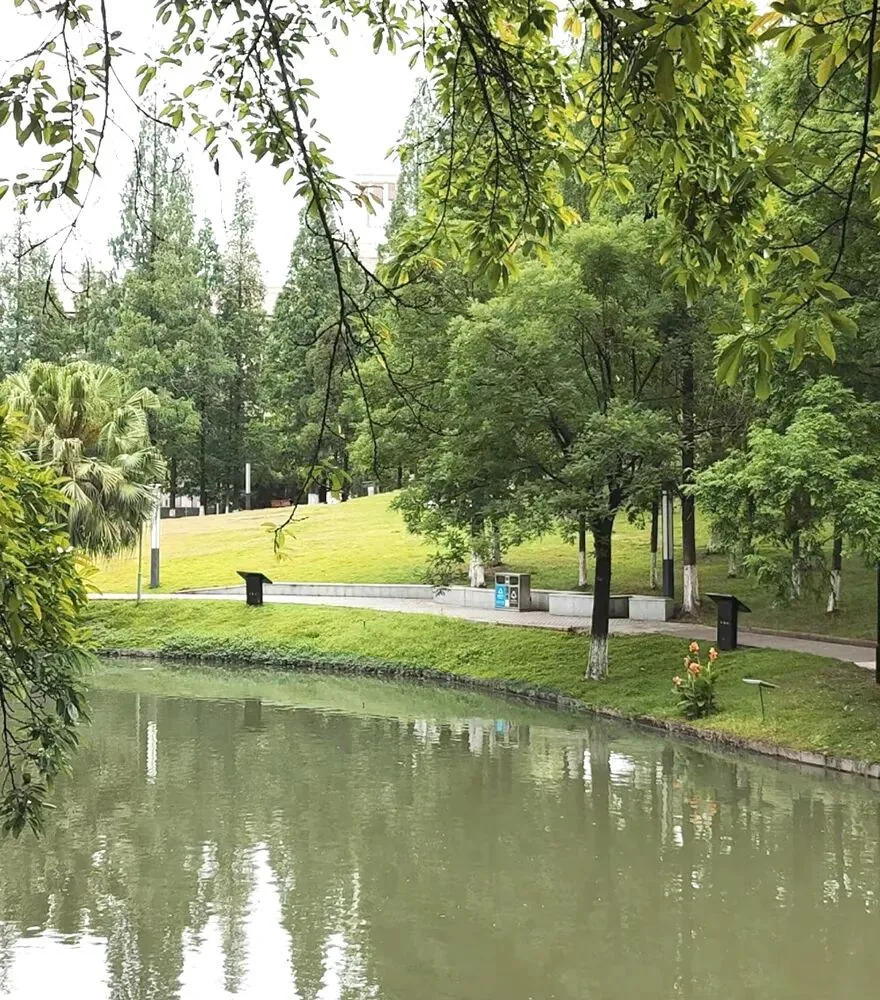
📍 Address: No. 375 Jinpeng West Road (next door to the museum) 🎫 Tickets: Free, open all day
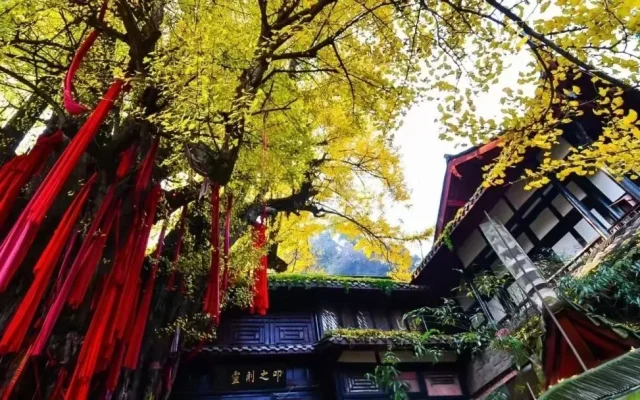
Built in the 1990s, Pengzhou Park was for a long time the city’s only municipal park, and locals call it the “city’s green lung.” Every year during peony season the peony garden puts on a show, and that’s when the park is at its liveliest. The grounds are thick with trees: in November the banyan and camphor trees are still deep green while the ginkgo has turned yellow. The lake is calm, stone bridges zigzag, pavilions sit scattered — and there are more locals than tourists.
Tianpeng Old Teahouse: A Western Sichuan Courtyard Built from Old Timber
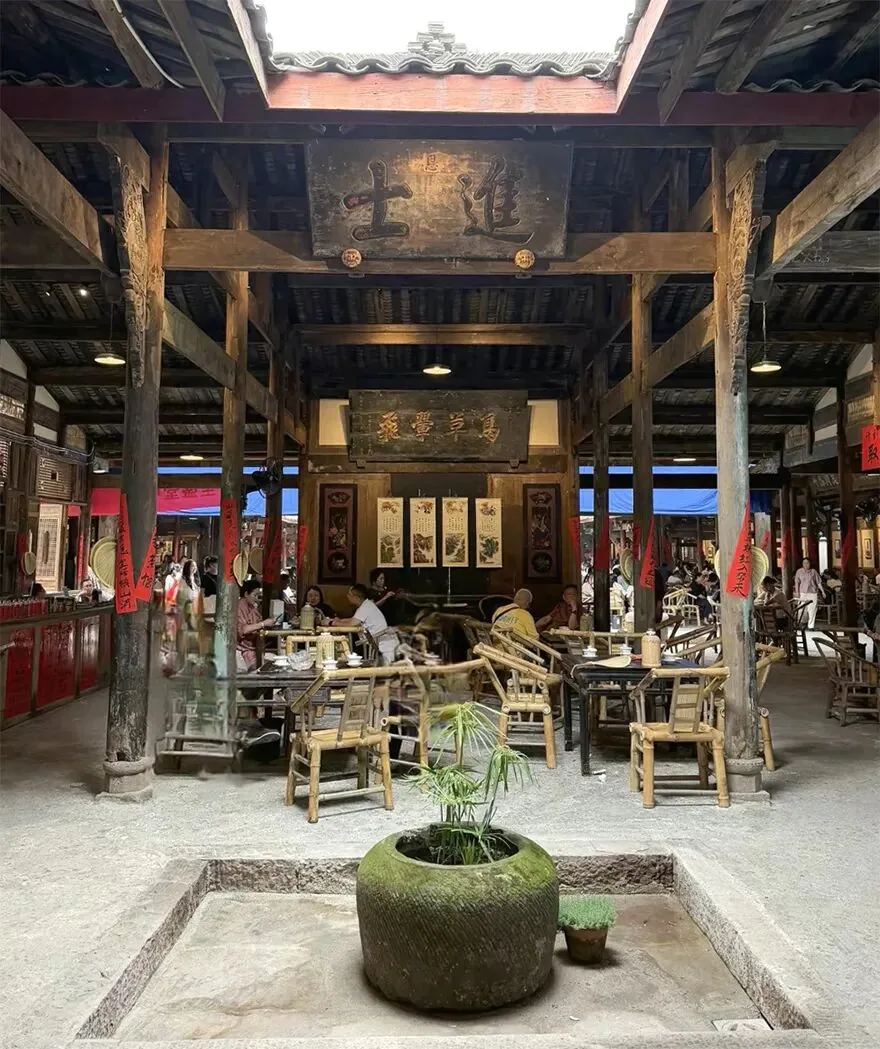
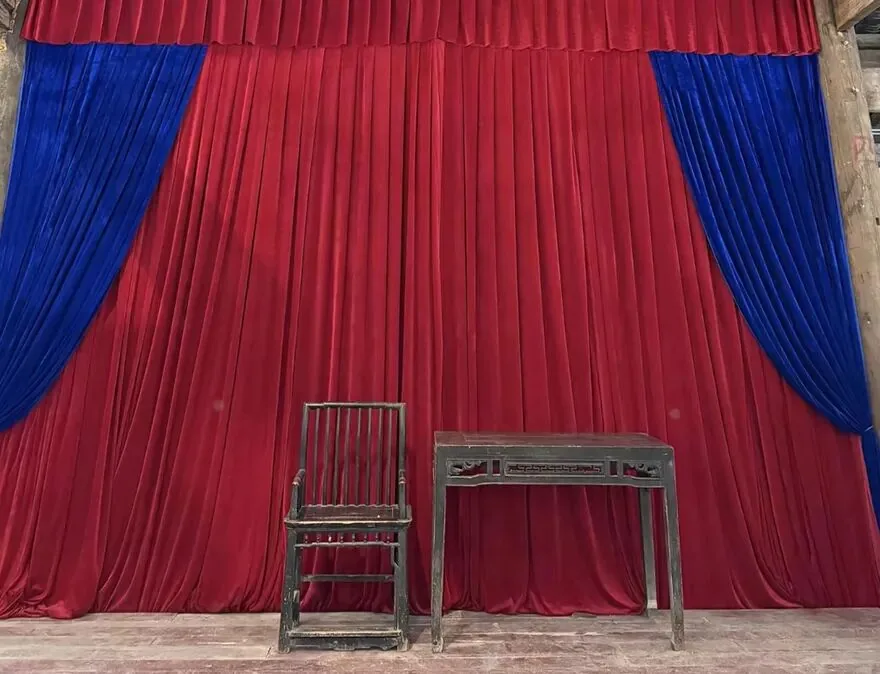
📍 Address: No. 98 Beida Street, Tianpeng Subdistrict, Pengzhou
A few hundred meters from Longxing Temple, down an old lane in the north of town, stands a courtyard rebuilt from collected old timber. The wood ranges from the Ming and Qing dynasties through the Republic, assembled with traditional mortise-and-tenon joinery. Old beams, old pillars, old carvings: every joint carries the marks of time. It was originally the Feng Family Courtyard.
Everything here looks old — the grain of the beams, moss on the gray bricks, the patina on the copper kettle over the tiger stove — but you know it’s also new, because it opened this year. Everything here looks old — the grain of the beams, moss on the gray bricks, the patina on the copper kettle over the tiger stove — but you know it’s also new, because it opened this year. Sink into a bamboo chair, listen to the kettle gurgle, and order a covered-bowl tea starting at 10–20 RMB. Every week there’s also Sichuan opera tunes, gongs and drums, and qingyin folk singing.
Li Yimang’s Former Residence: One Small Street, Half a Century of Modern Literary History
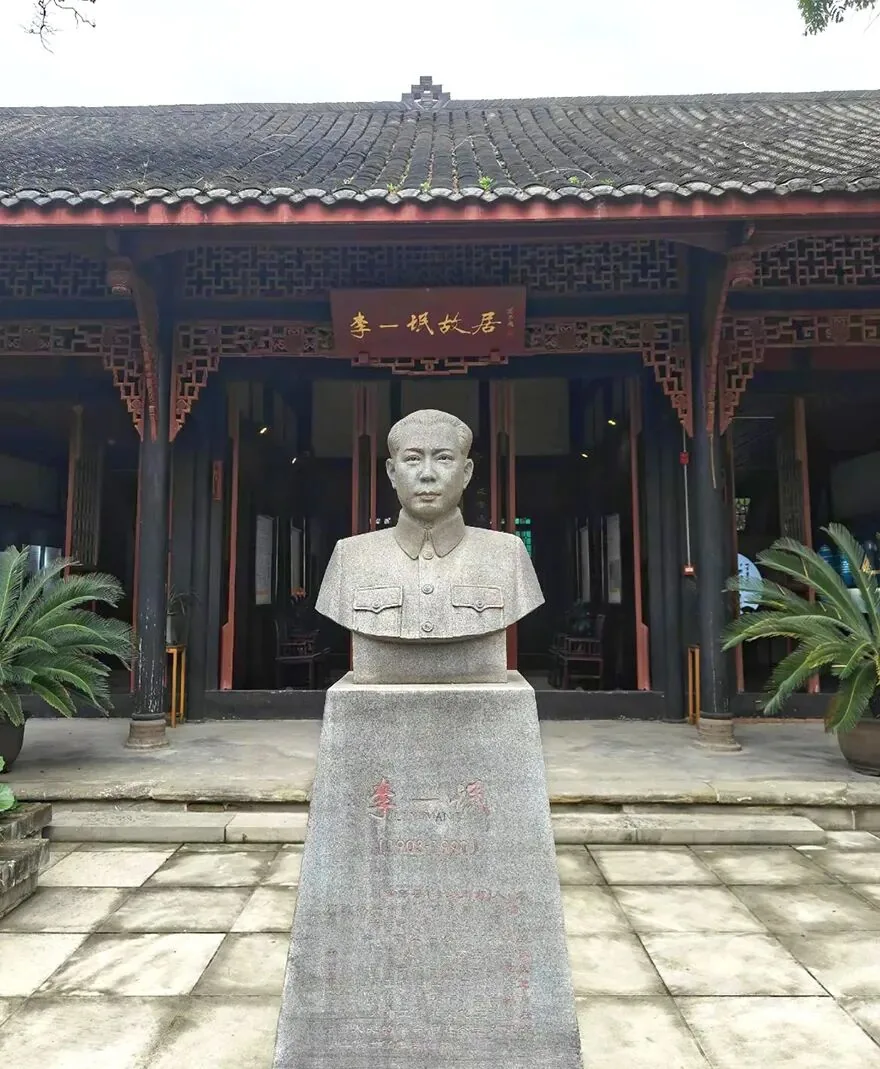
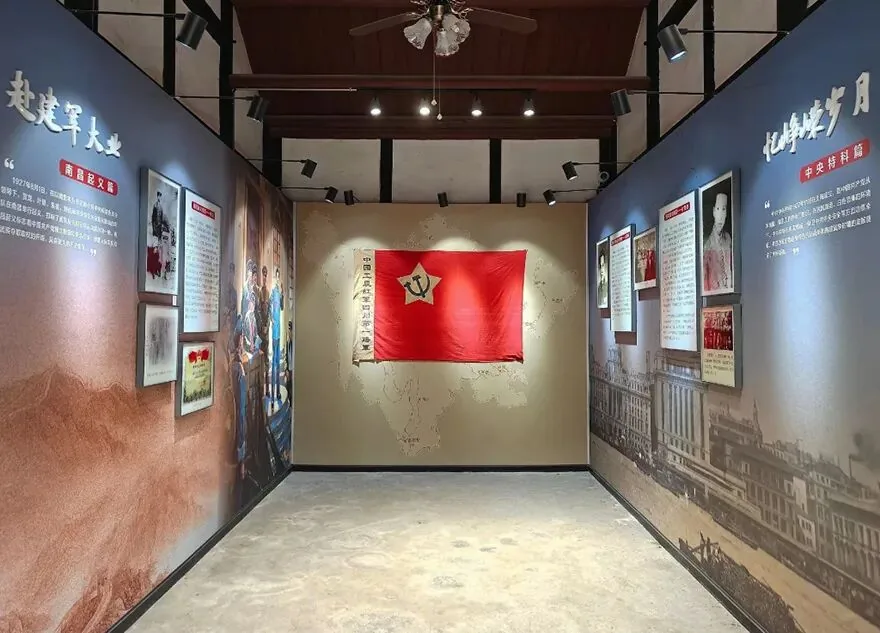
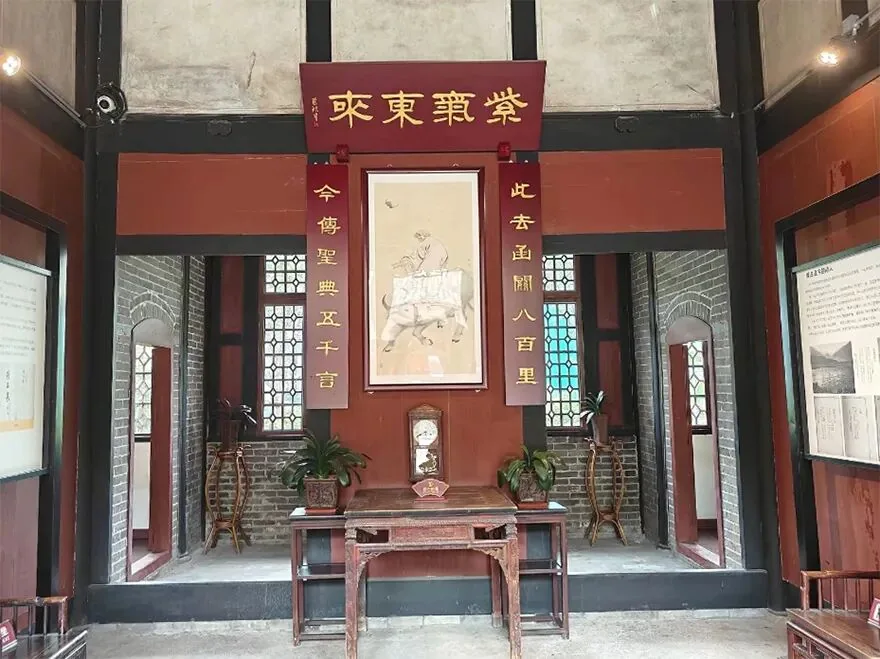
📍 Address: No. 19 Dongnanshi Street, Pengzhou 🎫 Tickets: Free, 9:00–16:30 (closed Mondays)
Mr. Li Yimang was a revolutionary and diplomat, but also a poet and calligrapher. In the exhibition hall, text, old photos, and manuscripts slowly tell the story of his eventful life. The residence is a century-old three-courtyard house, typical western Sichuan architecture — gray-tile roof, double eaves, bracket-supported wooden pillars — quiet and elegant. A man who left Pengzhou as a teenager, traveled across most of China, and in the end sent his lifetime collection of books back to this small town. The residence isn’t big; 20 minutes is enough to walk through.
Pengzhou Food: A World Built on Steam, Mix, Guokui, and Intestine Noodles
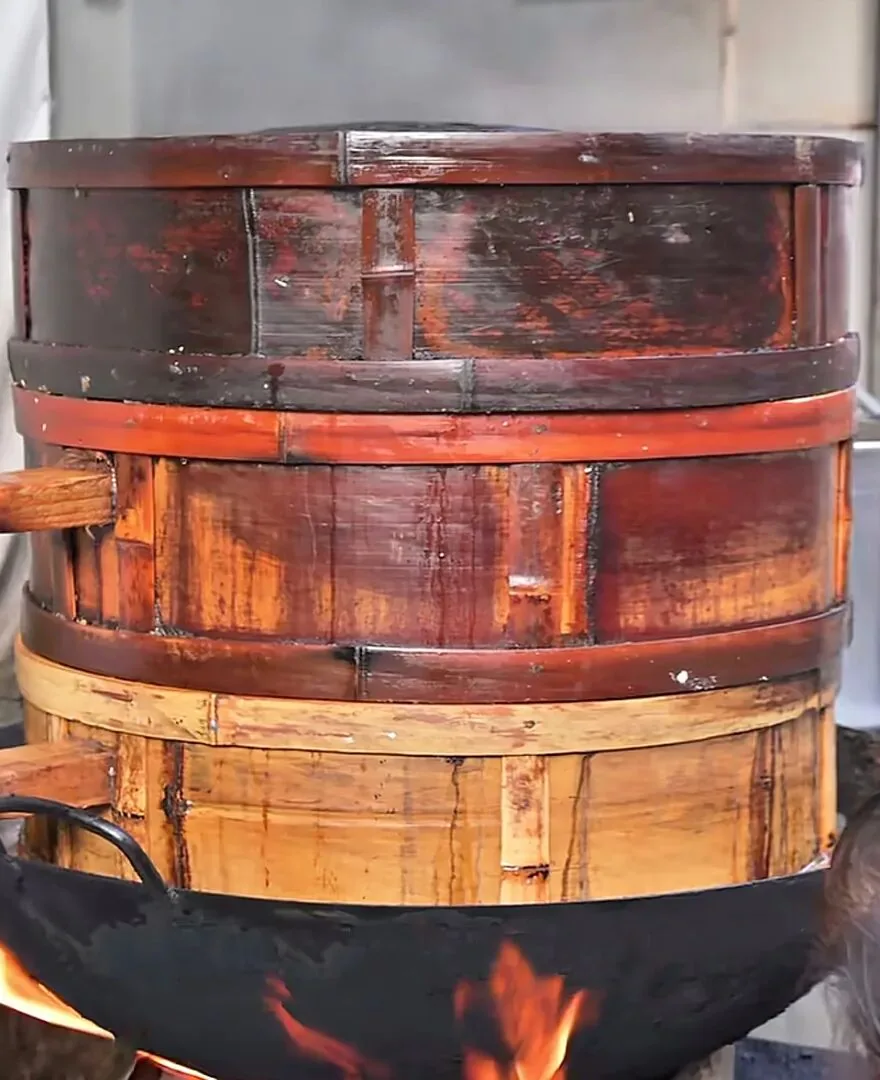
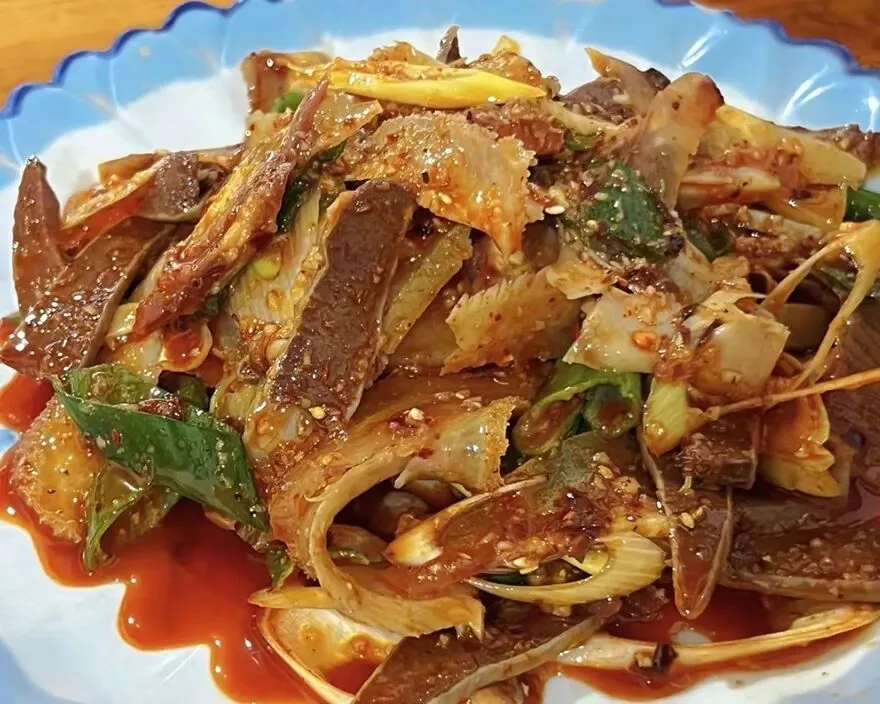
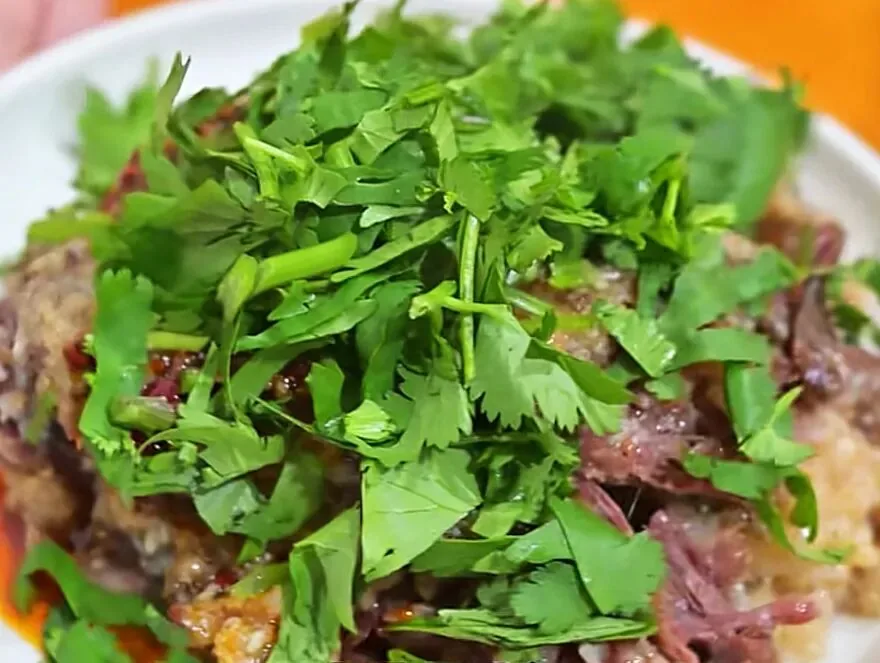
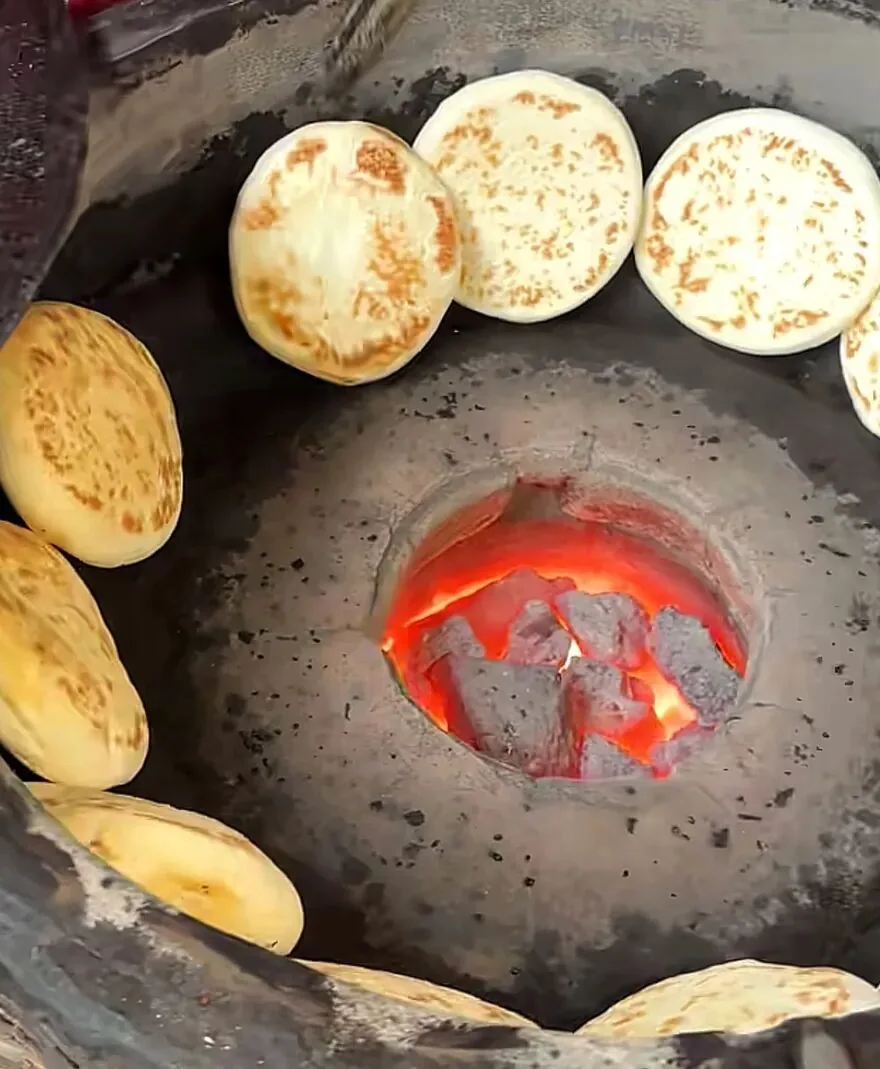
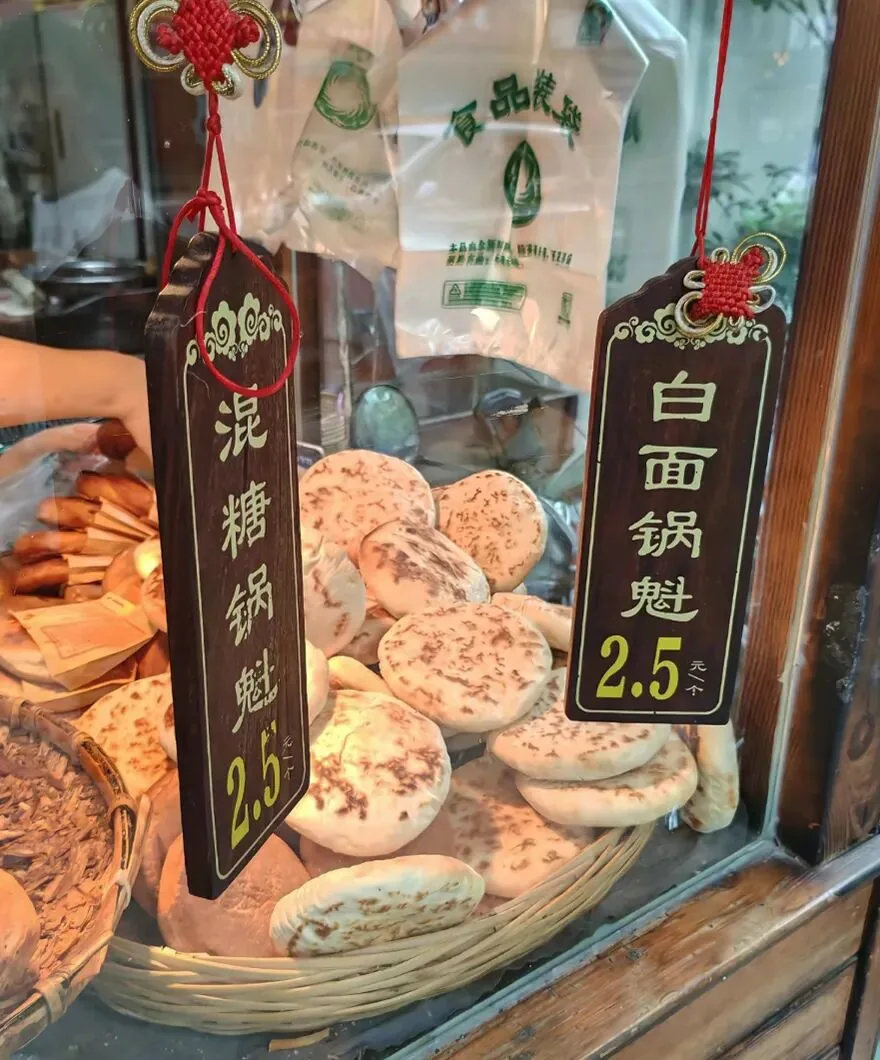
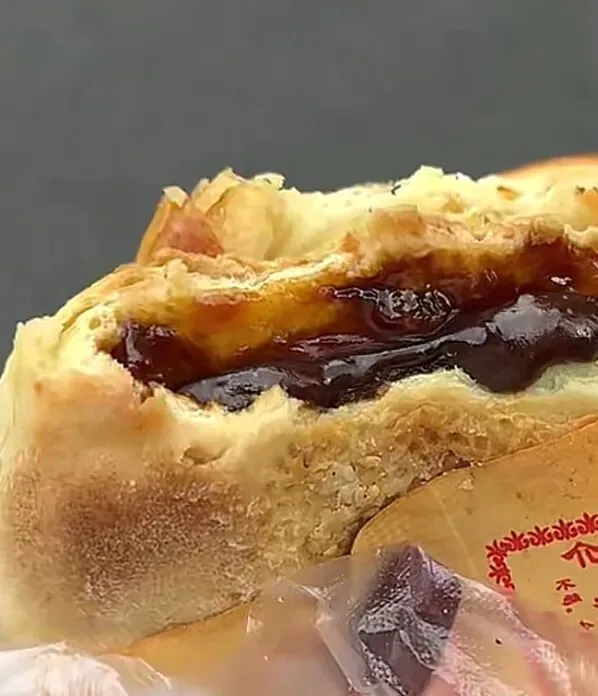
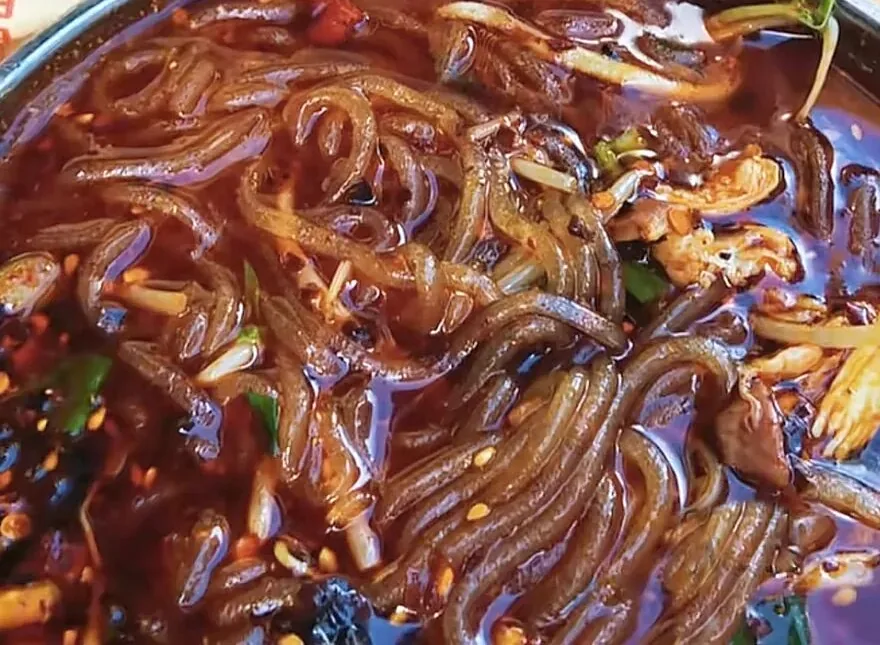
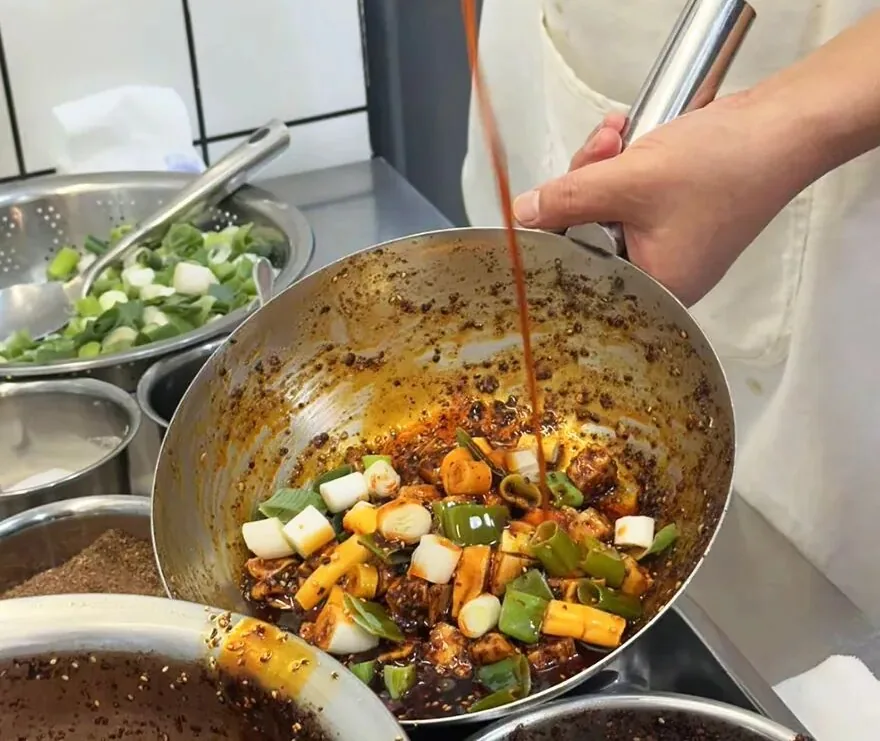
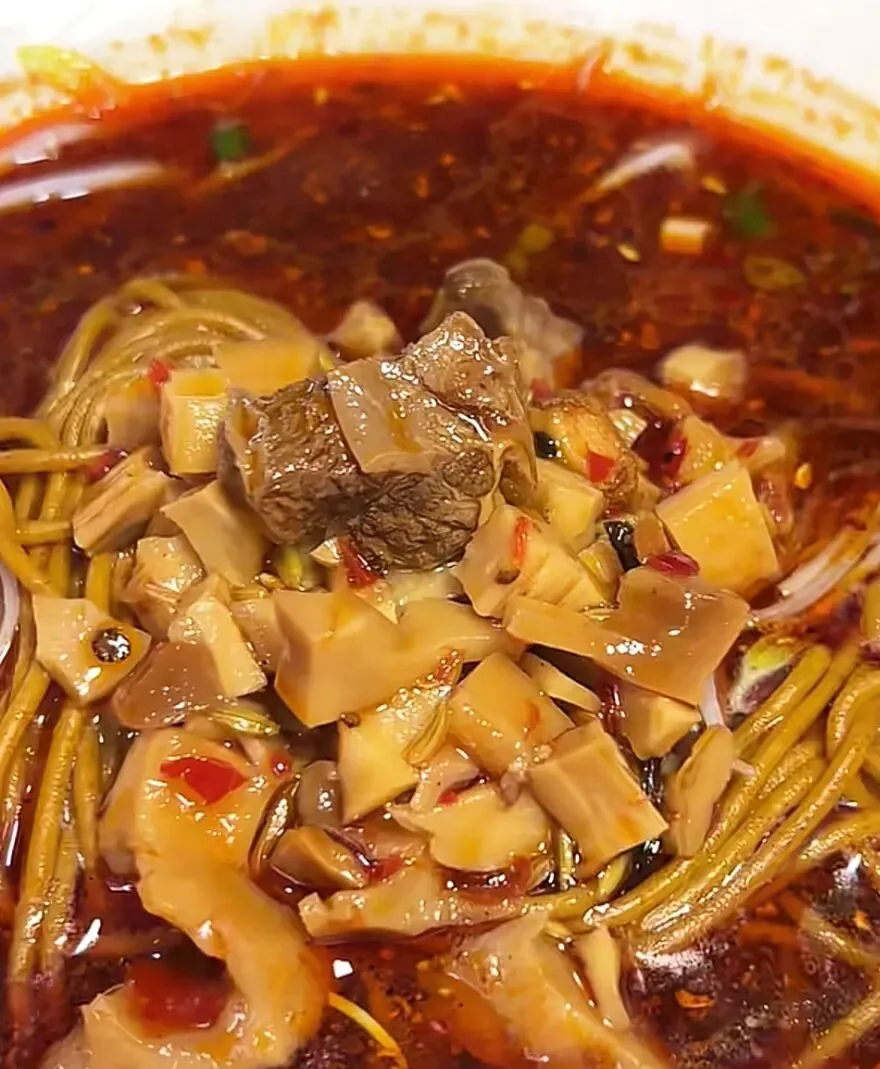
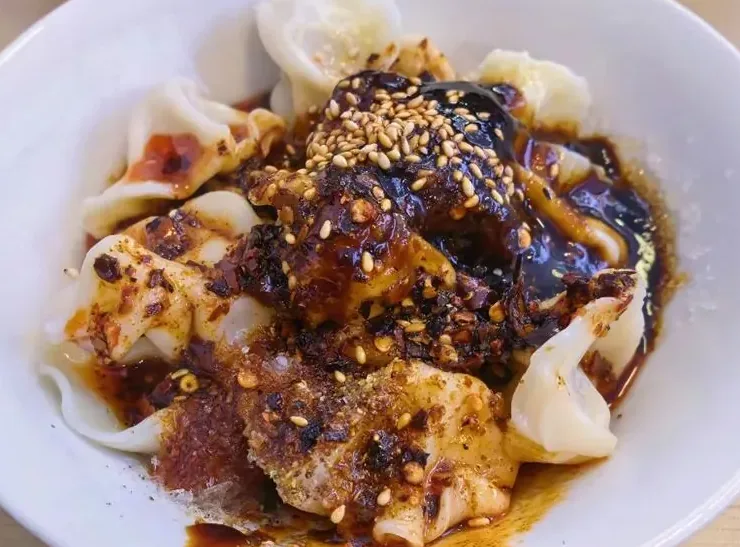
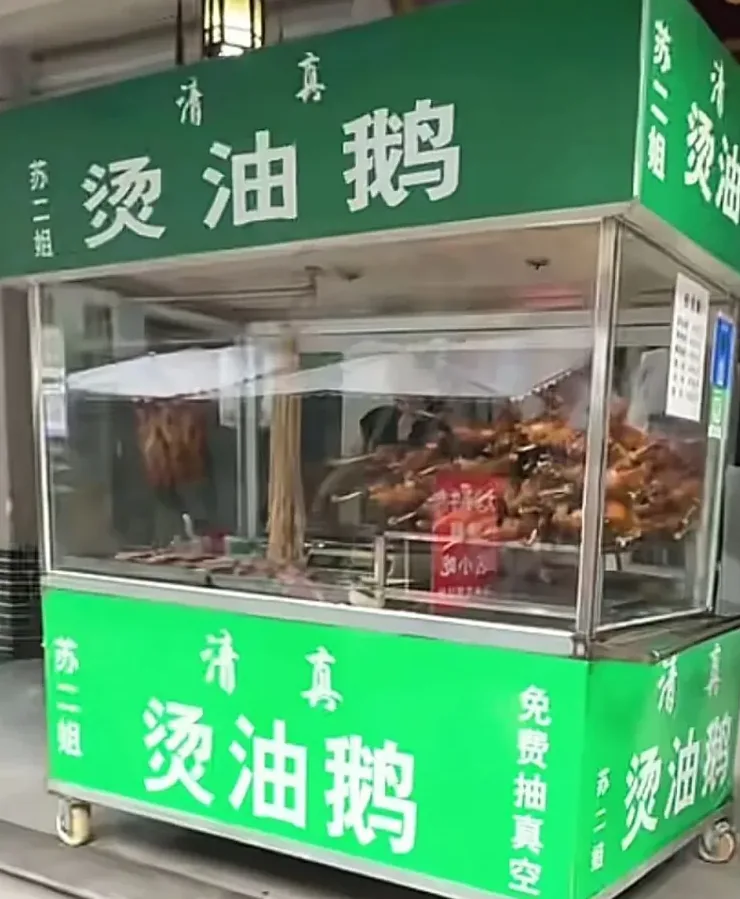
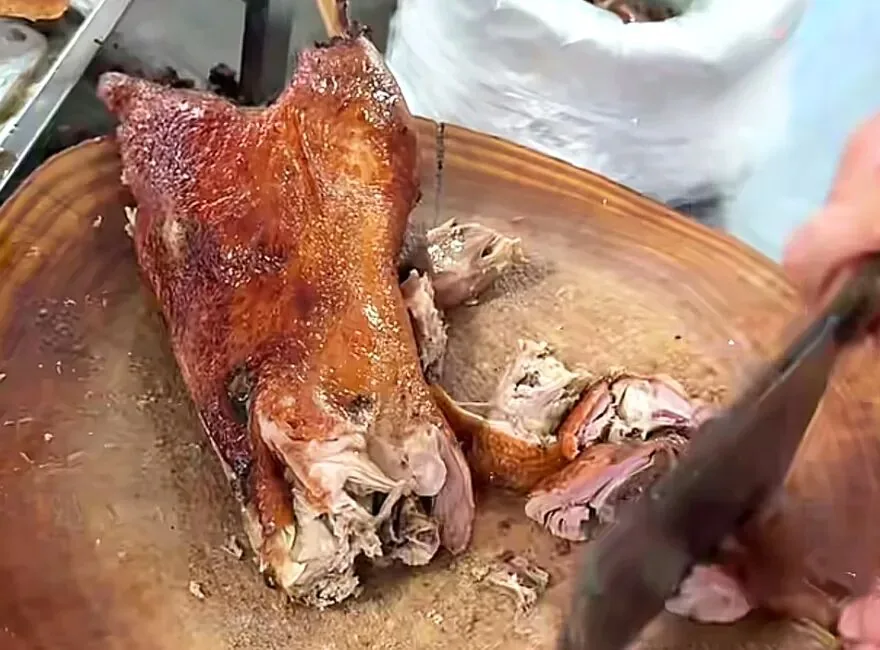
Pengzhou has a lot of food — a whole world held up by steamed dishes, cold-mixed plates, guokui, and intestine rice noodles. Every one is an old taste locals have eaten since childhood. I can’t recommend the whole country’s worth, only what I’ve eaten myself.
- Dasang Steamed Beef (大伞蒸牛肉): The signature of Pengzhou steamed dishes — an old stall passed down from the Republic era. Beef is coated in rice flour and steamed until tender and sticky, then mixed with red oil. Full of wok heat, one bite and you’re hooked — not refined, but addictive. On the old street near Longxing Temple (Huagou Street).
- Ji Guokui (纪锅盔): An old shop with Junton style. The beef guokui is crispy enough to shed flakes; the pepper-salt and brown-sugar guokui are sweet and fragrant. Best eaten hot. Near Longxing Temple (Tuanjie Street).
- Lao Wafang Intestine Rice Noodles (老瓦房肥肠粉): Clear red broth, cleanly prepared intestines, springy noodles. Pair it with a guokui dunked in the soup — absolutely perfect. Near Longxing Temple (Taiping Street).
- Shuyao Dingding Rabbit (蜀肴丁丁兔): An old Pengzhou rabbit braise-and-mix shop that started as a street stall. They specialize in fresh rabbit, braised and mixed to order — no frozen rabbit. A representative taste of the old town’s everyday bustle: red oil, sweet-and-sour, numbing-spicy. A great drinking snack. Yanxiu Street, Pengzhou.
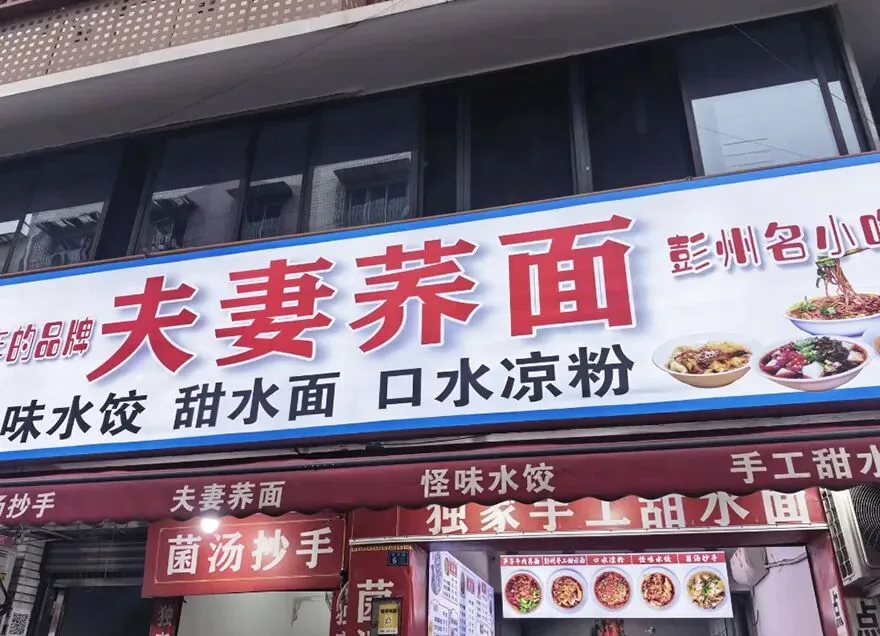
- Fuqi Buckwheat Noodles (夫妻荞面): A local shop passed down for over 40 years, a benchmark for old-town snacks. The signature isn’t the buckwheat noodles — it’s the “weird flavor” dumplings. A classic old-town hole-in-the-wall with plenty of everyday bustle. Near Longxing Temple (Taiping Street).
- Sister Su’s Oil-Soup Goose (苏二姐油汤鹅): Locals call it oil-soup goose. In the old town’s Taziba food circle, this is a halal old shop with three generations of craft. The goose liver and goose gizzards often sell out by the afternoon. Best for takeaway — it’s right on the street corner with no seating. At the intersection of Huagou Street and Tuanjie Street, diagonally across from Dasang Steamed Beef.
Pro tip: Pengzhou’s old town isn’t big and there are no crushing crowds — just thick everyday bustle. You can absolutely walk the whole thing in a day.
Practical Info
- 📍 Address: Pengzhou, Chengdu, Sichuan.
- 🚗 By car: Navigate to “Longxing Temple”; parking is convenient nearby.
- 🚄 Public transport: Chengdu Metro Line 2 to Xipu station, transfer to the fast train, about 20 minutes to Pengzhou station. From there, take a bus or taxi — about 10 minutes to the old town.
- 🚌 Getting around Pengzhou: Taxis and shared bikes are both convenient. The old-town spots aren’t far apart, and walking between them is comfortable.