Pengzhen Ancient Town: A Laid-Back “New Old Town” in Shuangliu, Chengdu
Chengdu is a city loved for its easygoing pace, and nothing captures that better than tea. Teahouses are everywhere here, but if you want to experience the unique charm of tea culture in the western Sichuan countryside, there’s one spot you absolutely shouldn’t miss: Pengzhen Ancient Town in Shuangliu.
Years ago, I visited Pengzhen and thought of it as just an old market town, not an “ancient town.” But now, search for it on a map and you’ll find it’s officially called “Pengzhen Ancient Town” — maybe Shuangliu is working hard to turn it into a brand-new ancient town.
A Town with Deep Roots
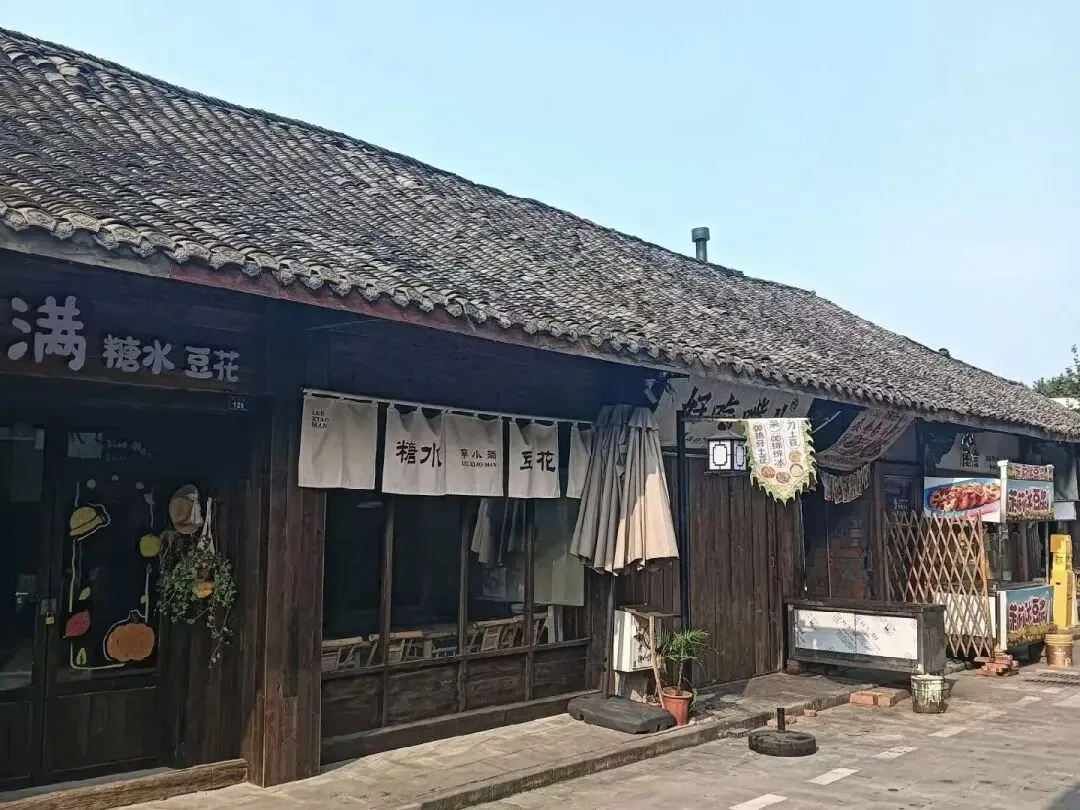
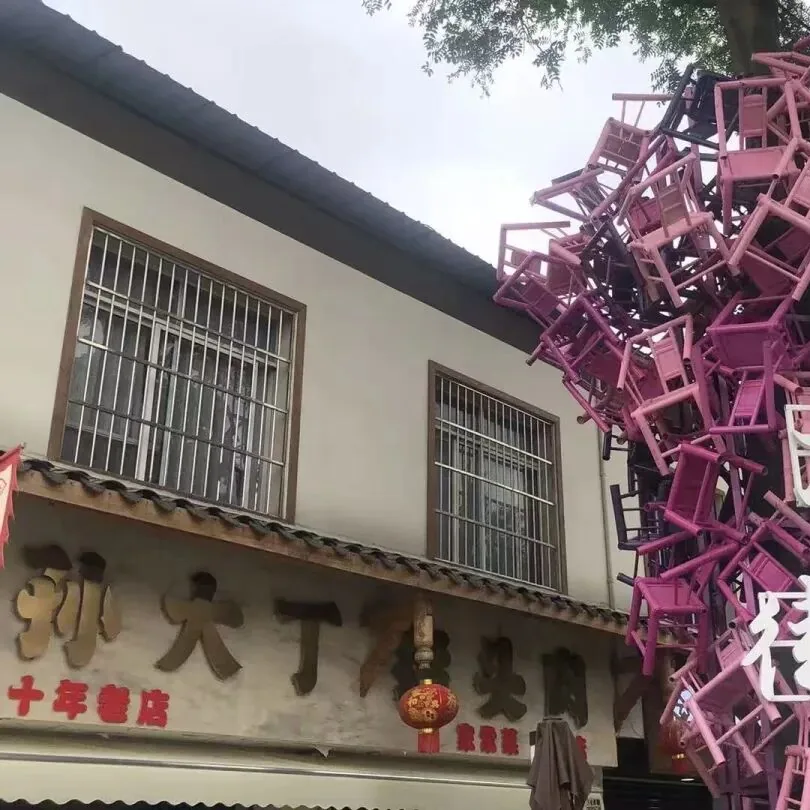
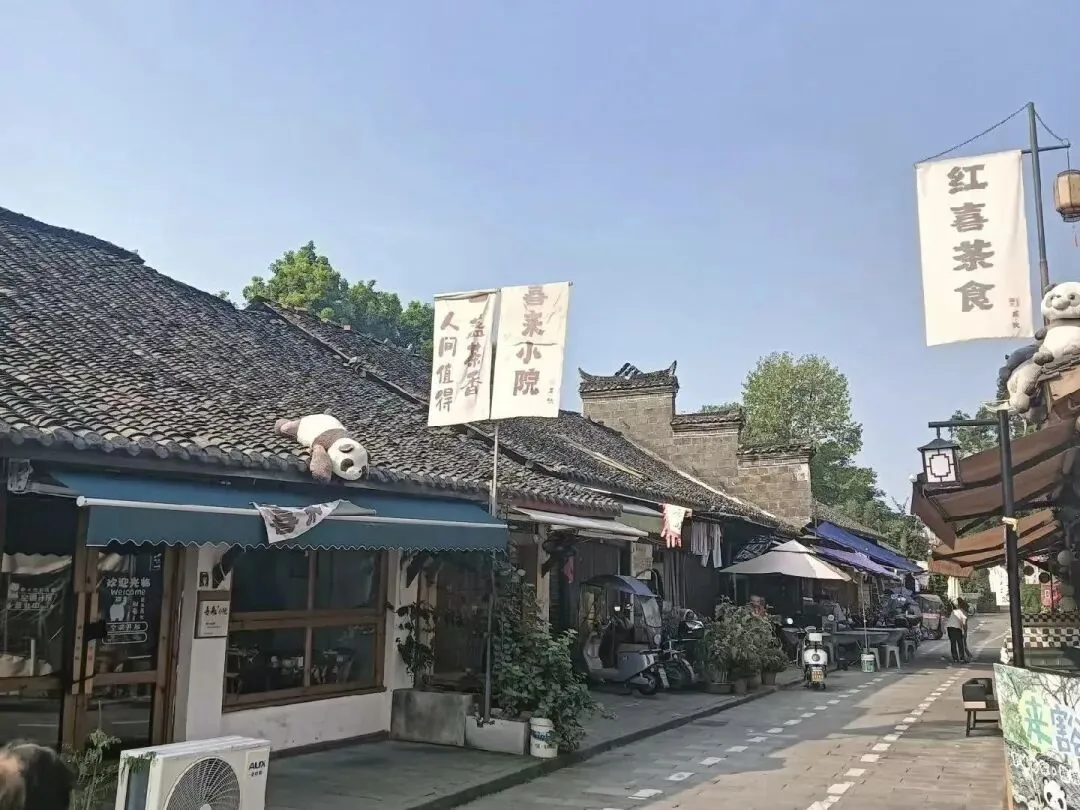
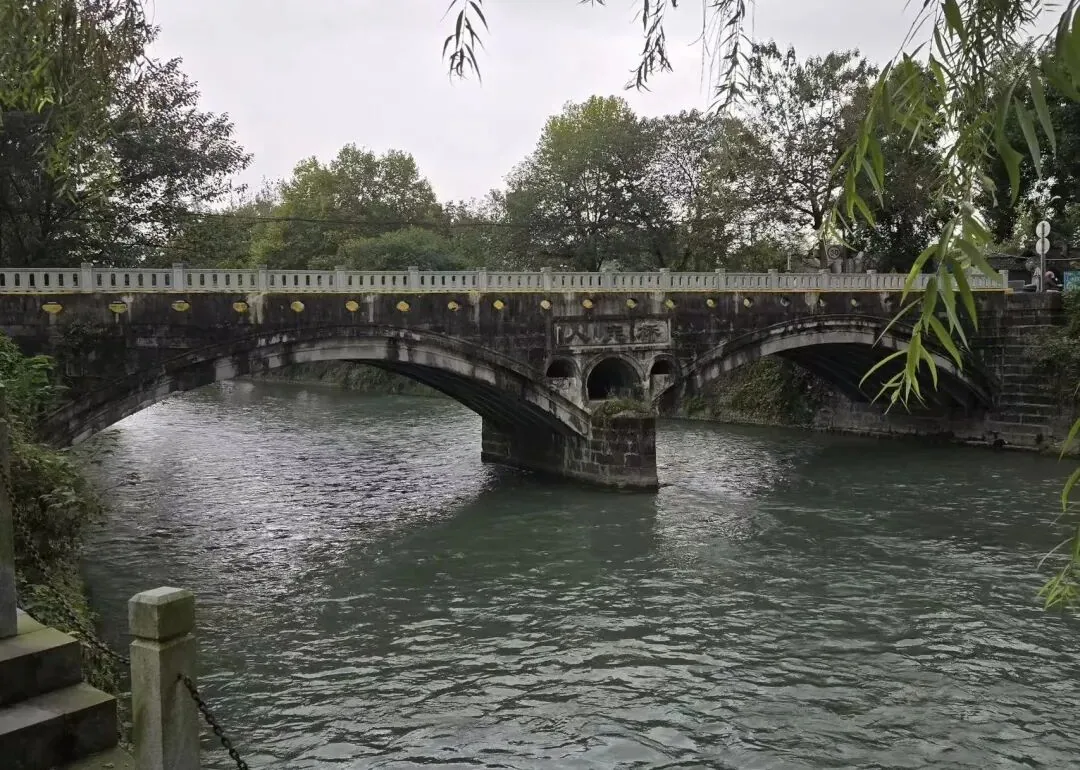
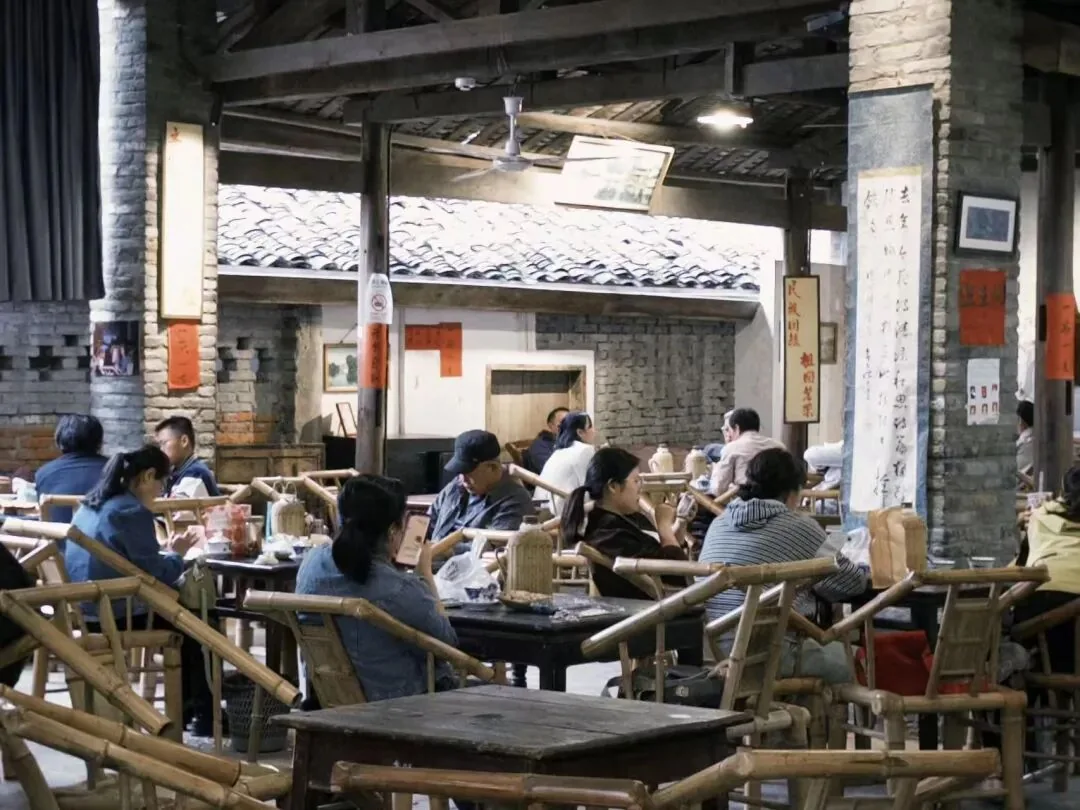
Pengzhen has a long history. It was first built during the Yongle period of the Ming Dynasty and originally named Yongfeng Chang. Back then, the Yangliu River flowed through the town, boats came and went, and merchants gathered — it was an important water-and-land wharf west of the city, bustling with activity. Later, the town was destroyed and rebuilt in the Qing Dynasty. Because families with the surname Peng lived there, and because the family of Peng Duanshu, a talented scholar from Sichuan, moved here, it was renamed Pengjia Chang, later shortened to Pengzhen.
Peng Duanshu was a Qing Dynasty imperial scholar and one of the “Three Talents of Sichuan.” In his essay On Learning, he wrote: “Is there difficulty or ease in the world’s affairs? If you do them, the difficult become easy; if you don’t, the easy become difficult.” It takes profound knowledge to write such wisdom about learning.
Tea Culture: Don’t Leave Without a Cup
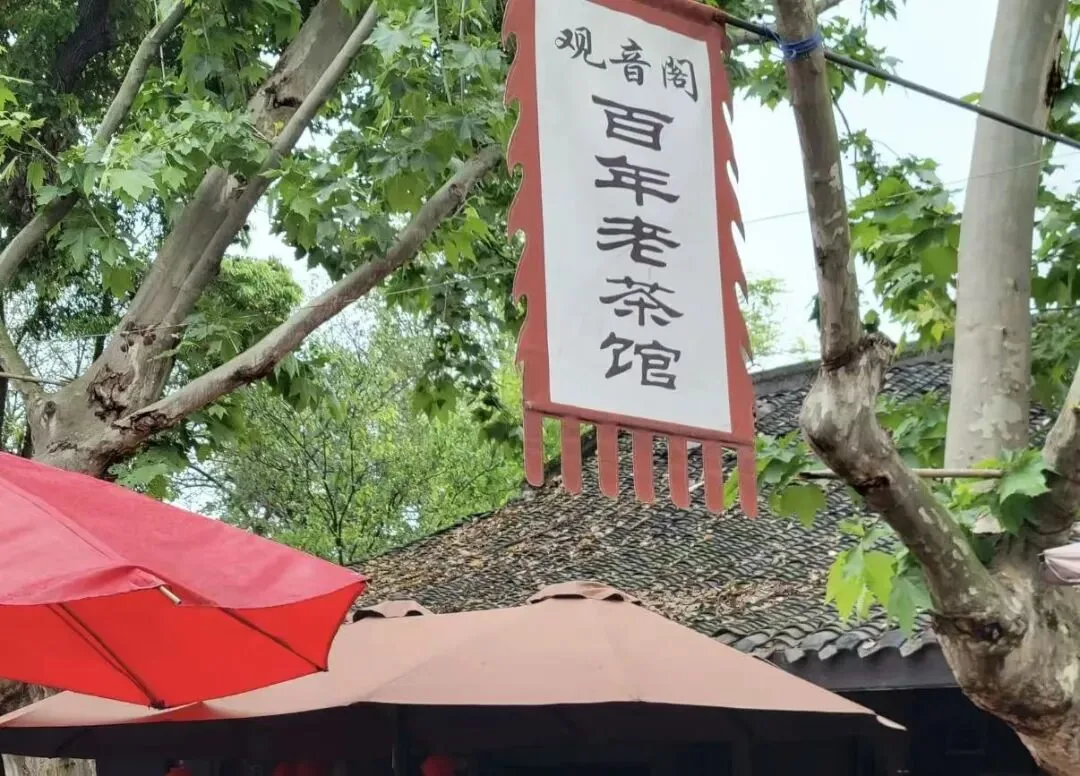
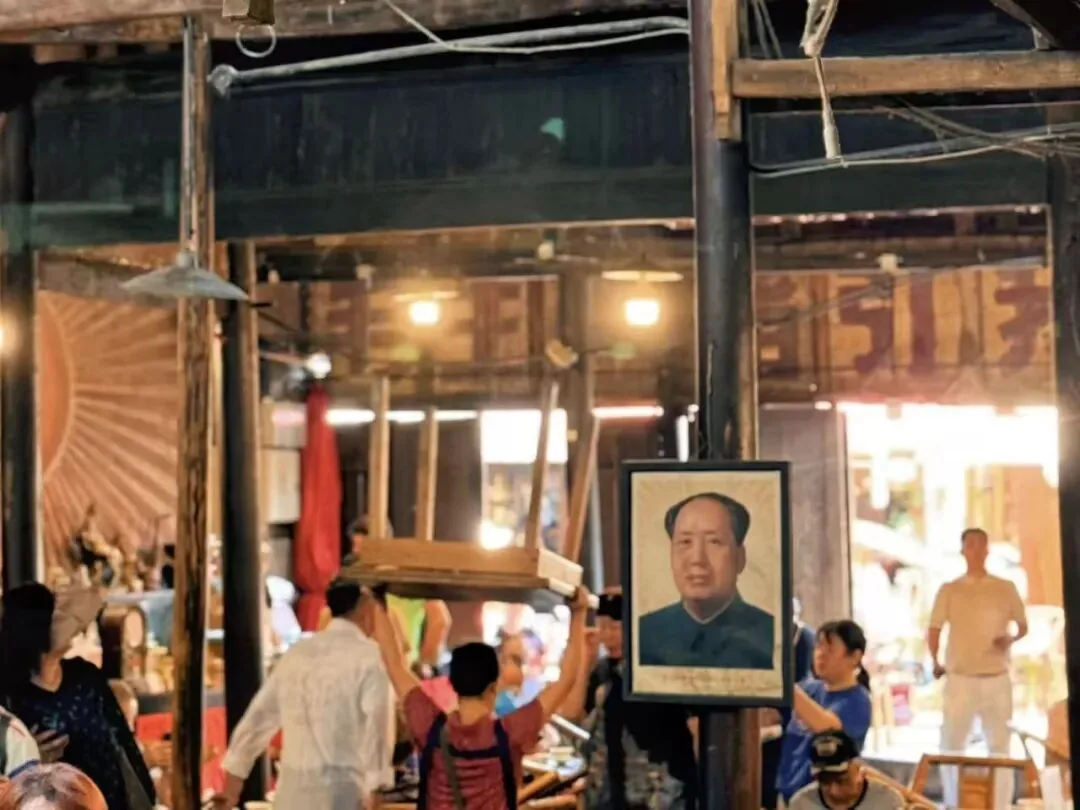
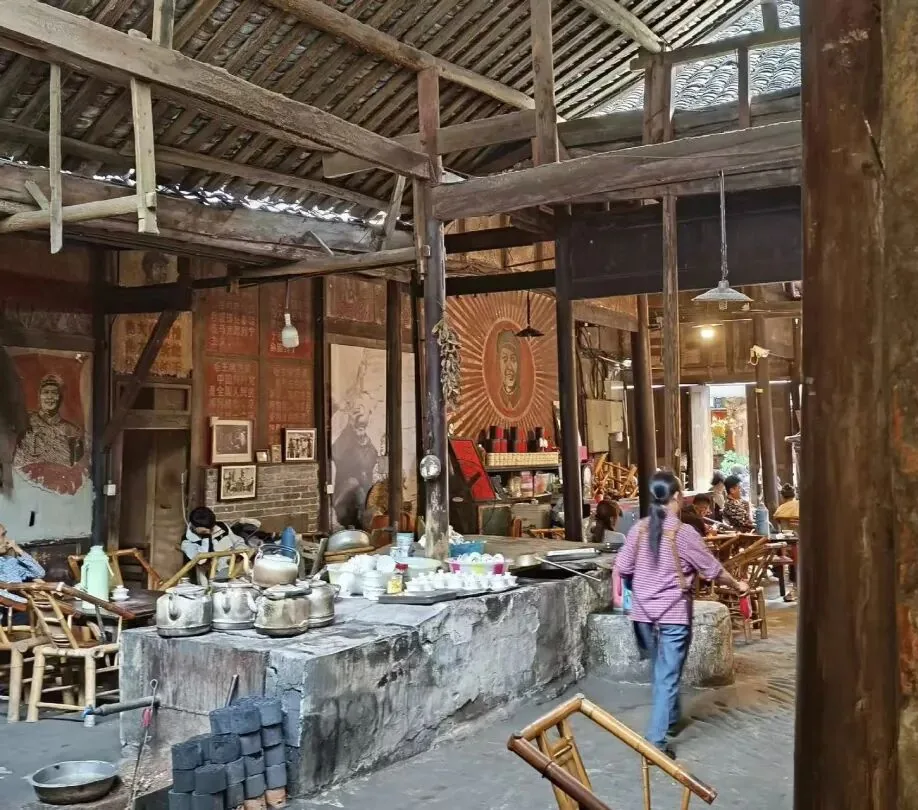
Today, when people talk about Pengzhen, the first thing that comes to mind is its tea culture. Visiting Pengzhen without drinking tea is like not coming at all. Among all the ancient towns in Chengdu, Pengzhen’s tea culture is truly one of a kind. The most famous spot is Guanyin Pavilion Old Teahouse.
This teahouse was originally the Guanyin Pavilion, built during the Qianlong period. A massive fire once swept through Pengzhen, reducing almost the entire town to ashes — only this building survived. People believed it was protected by Guanyin Bodhisattva, so they named it Guanyin Pavilion. In the early Republic of China period, it was converted into a teahouse and has been operating ever since.
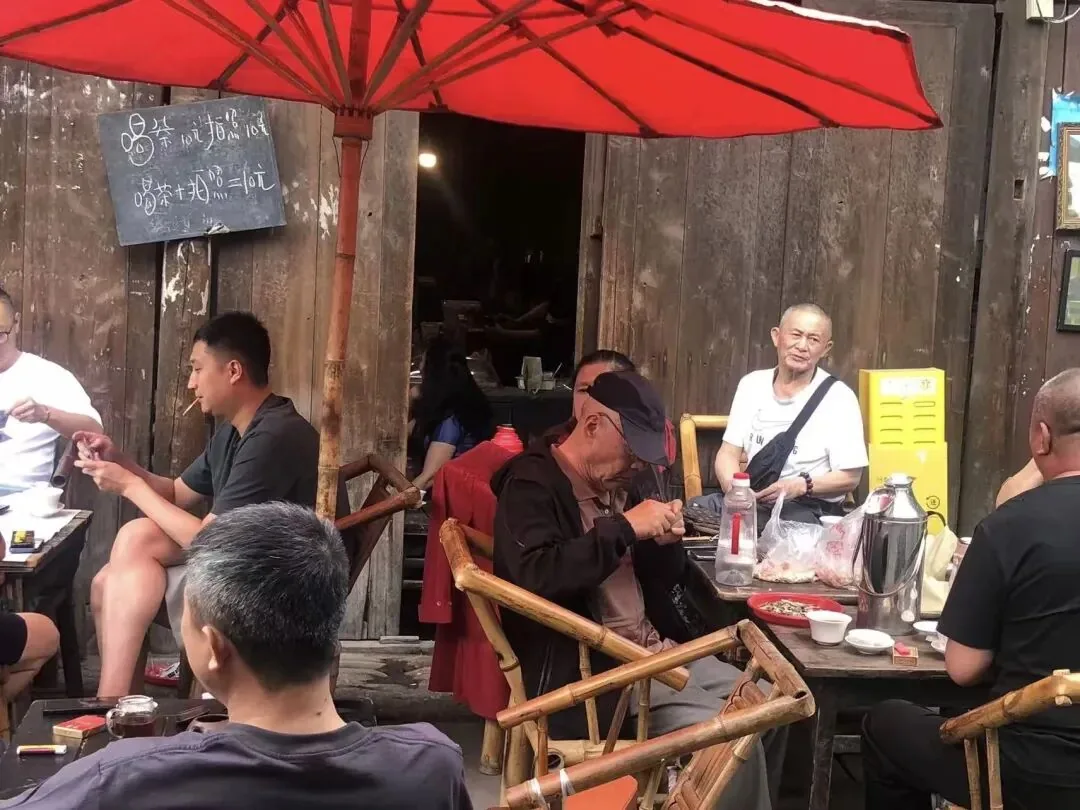
Step inside and you’ll feel the old-world charm: dim incandescent bulbs, red posters on yellowed walls, an uneven dirt floor worn by countless feet, bamboo chairs with a thick patina, and a tiger stove burning honeycomb coal. Everything has been kept as it was in the 1950s and 1960s — not deliberately styled, but simply original. On sunny days, beams of light filter in, creating a magical interplay of light and shadow that makes this old place a favorite for photographers.
The owner, Li Qiang, has been holding down the fort here for decades. 10 RMB gets you a cup of gaiwan tea and you can sit for half a day. Customers gather in small groups, chatting, napping, getting their ears cleaned, or playing cards. Photographers are welcome — both the regulars and the owner won’t mind, and they’ll even pose for you. But it’s polite to order a cup of tea before you start snapping. If you just walk in and take photos without drinking anything, the owner might feel a bit uncomfortable.
Pro tip: Order a cup of tea before taking photos — it’s the respectful way to enjoy the teahouse.
Beyond the Teahouse: Old Streets and Local Life
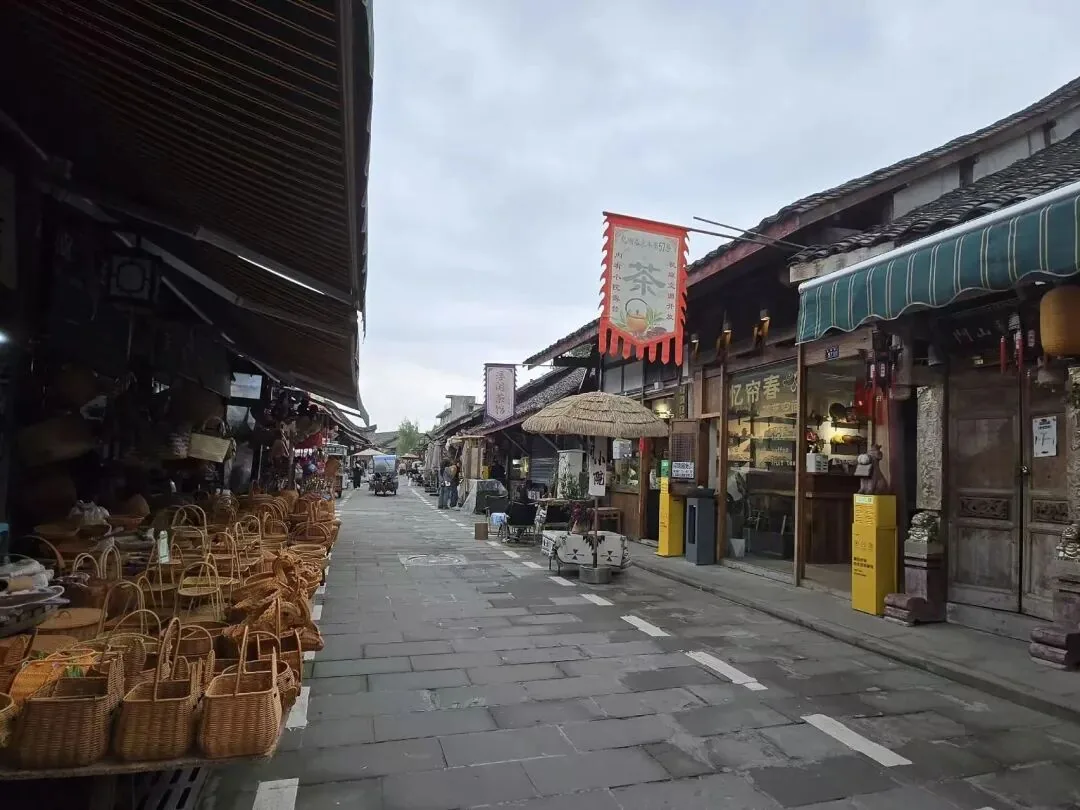
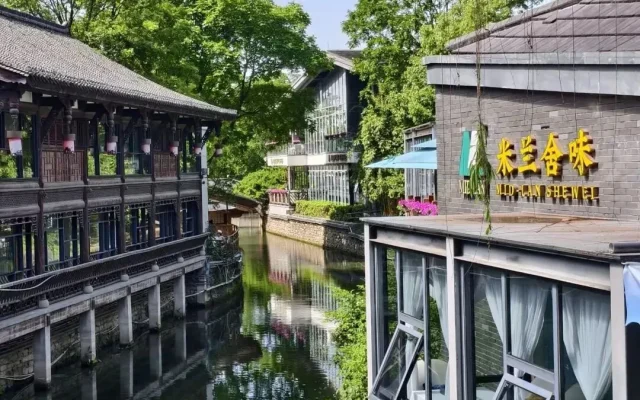
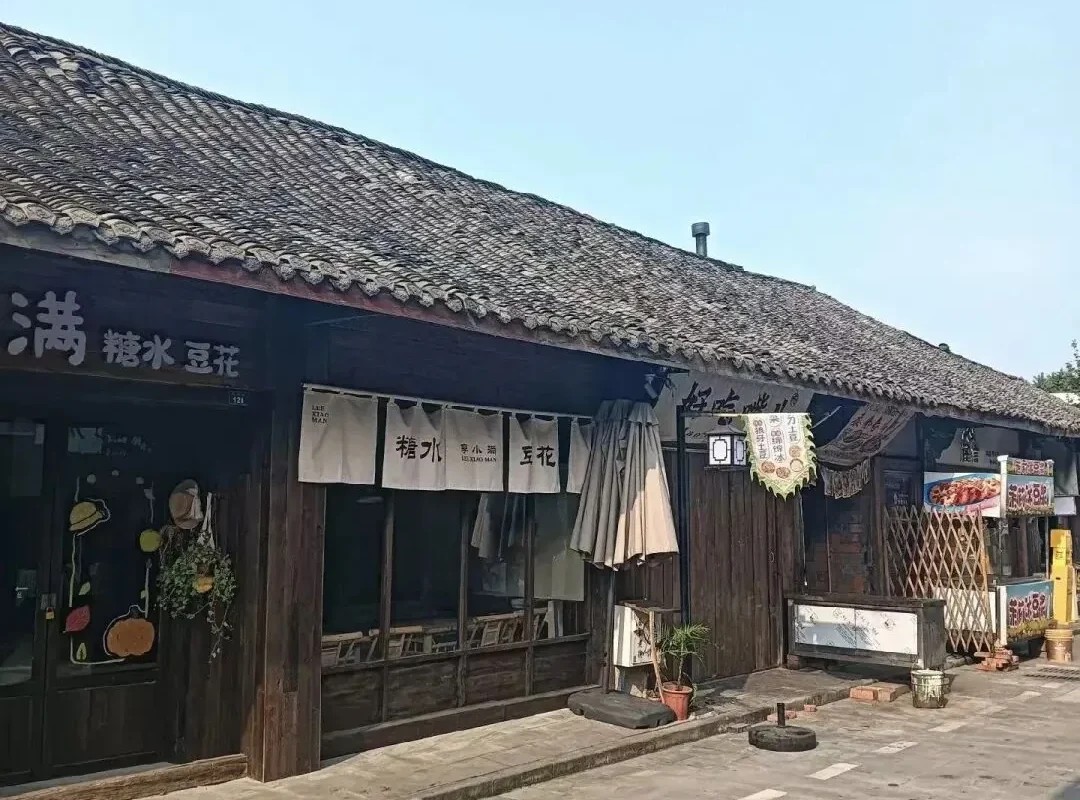
Outside the teahouse lies the old town street. Stroll along it and you’ll see the Yangliu River flowing quietly, an old stone bridge spanning the water, clear shallows, and weeping willows on the banks. Many of the old houses date back to the last century — quite worn, with shops that open in a casual, unhurried way. The roughly 200-meter-long Yongfeng Street is lined with traditional western Sichuan dwellings with blue tiles and white walls.
Besides several teahouses, you’ll find an old-fashioned barbershop, noodle shops, feichang fen (intestine rice noodle) shops, a general store, an oil press, and more. On market days, the area around Mashiba Street by the bridge and river comes alive with chickens, ducks, eggs, grains, farm supplies, and daily necessities — everything you can imagine.
Local insight: Come on a market day to see the town at its liveliest.
Current Conditions: Road Work and Rising Popularity
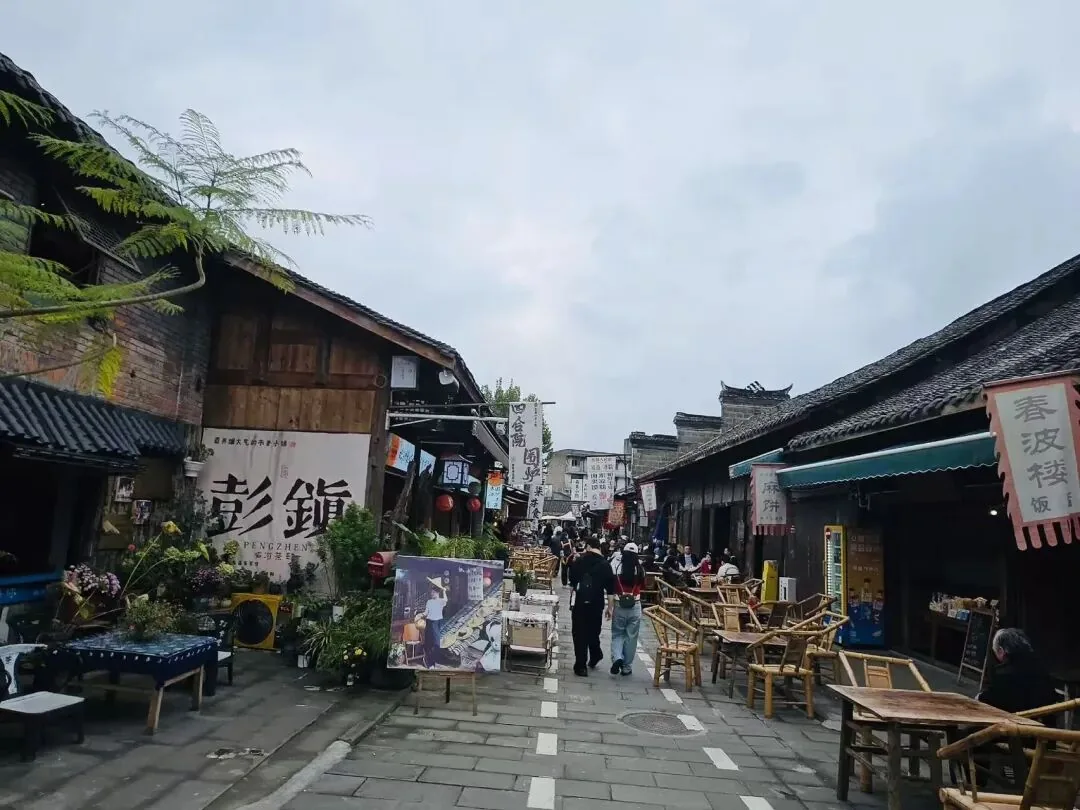
Pengzhen is currently undergoing road construction. A while ago, the bluestone roads were dug up and full of potholes; now most of it has been repaired, though some sections are still being worked on. I’d guess it’ll be finished before Mid-Autumn Festival and National Day — after all, with such a long holiday, it wouldn’t be right for visitors to have trouble walking around.
Pengzhen isn’t super popular yet, but it feels like it’s on the way there, because it’s looking more and more like a proper ancient town. Yet even in the midst of it all, there’s a quiet corner. Travelers come from afar — some for photography, some just for a bowl of authentic gaiwan tea, some simply yearning for this slow life. Tourists come and go, but the town’s elderly residents go about their days as always, guarding the old street.
A Living Ancient Town
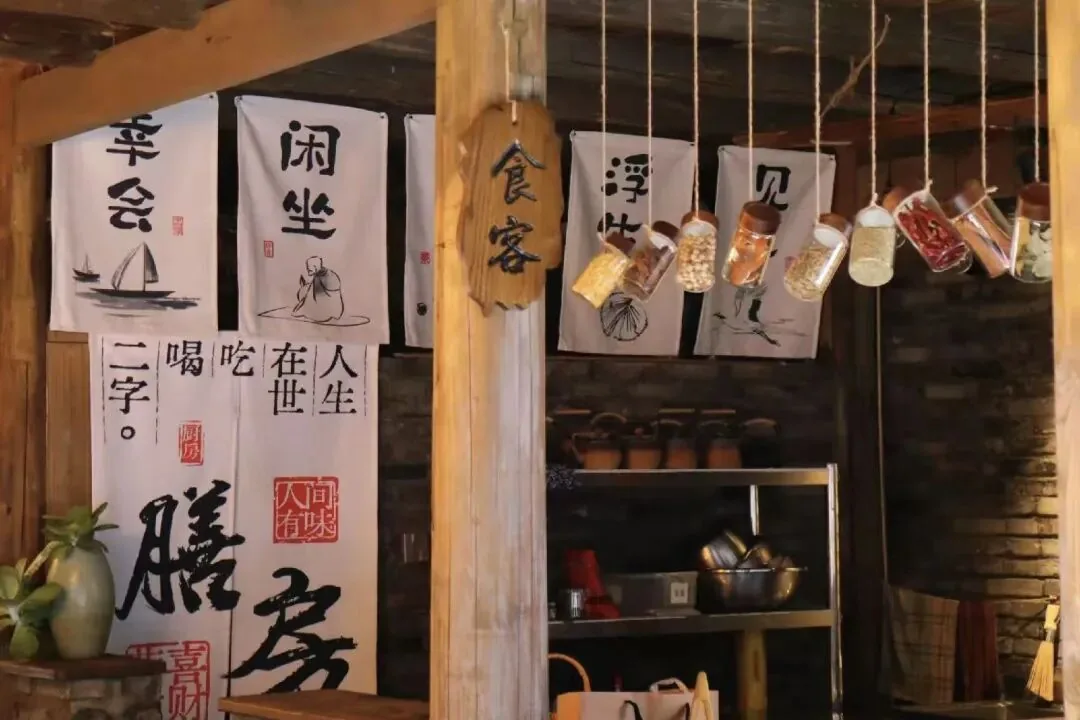
“Three cups of wine in the bustling world, a pot of tea for a grand enterprise.” Pengzhen is quietly transforming, gradually becoming a rare “living ancient town” on the outskirts of Chengdu. It has witnessed the prosperity of wharves and merchant ships, survived war and the ravages of time, and now it stands calm and composed, showing people the most beautiful scenery of life. Life is like that — there’s hustle and bustle, vicissitudes, perseverance, and new beginnings.
Do you like this kind of Pengzhen Ancient Town?
Address: Mashiba Street, Pengzhen, Shuangliu District, Chengdu (search “Pengzhen Ancient Town” or “Pengzhen Old Teahouse” in your navigation app).
Tickets: Completely free.
Transport: Take Metro Line 3 to Dongsheng Station, transfer to Bus S03 to Pengzhen Bridge Station, then walk 5 minutes to the old street. If driving, navigate to Pengzhen Old Teahouse; parking is 10 RMB per day.