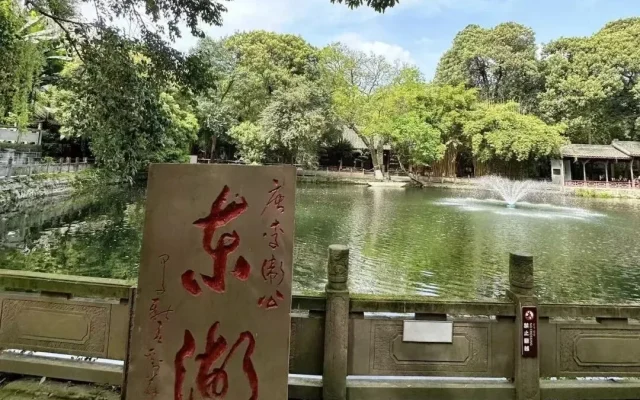
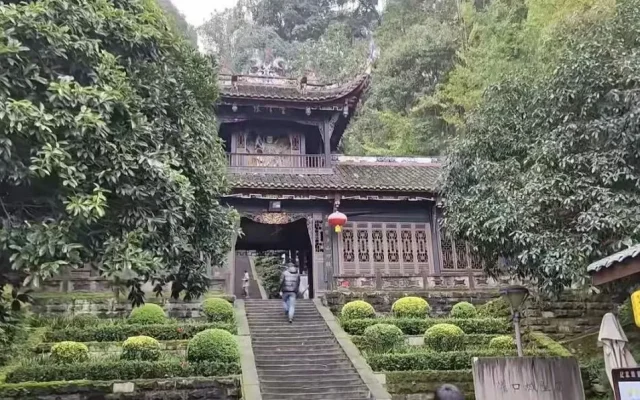
Tucked away on Xinfan Street in Xindu District, Chengdu, there’s an ancient temple so low-key that even many locals don’t know it exists. But inside its quiet walls lies some of the finest Ming Dynasty murals in all of Sichuan — earning it the nickname ‘Little Dunhuang of Shu’ from those who’ve visited. This hidden gem, Longcang Temple, is a must-visit for art and history lovers.
I stumbled upon this place by chance, and it turned out to be a hidden gem. Its founding dates are debated — some say it was first built in 503 AD during the Liang Dynasty as Longgong Yuan, others claim 629 AD during the Tang Dynasty as Cihui An. Either way, its thousand-year roots are solid.
A Storied Past, Written in Stone
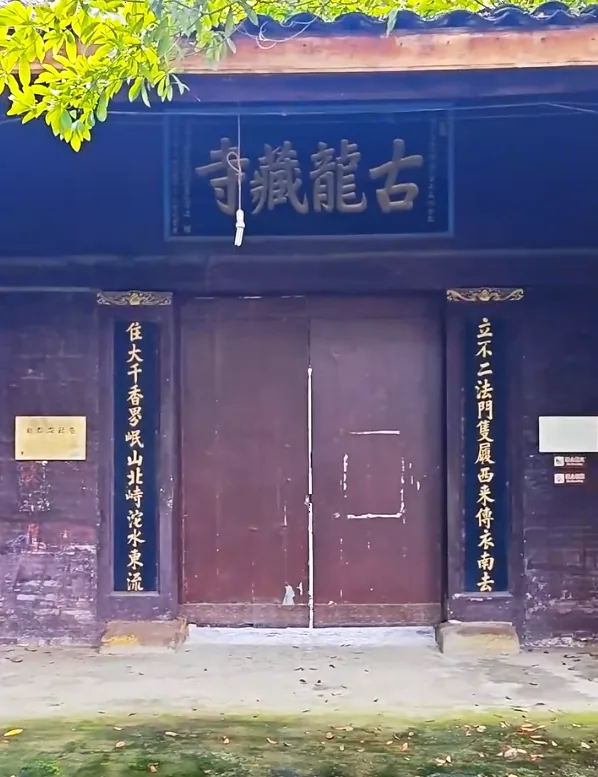
According to the Xindu County Annals, Longcang Temple flourished during the Tang and Song dynasties, was repaired in the Yuan and Ming, and revived in the Qing. At its peak, it stood alongside Daci Temple and Zhaojue Temple as one of the great Buddhist temples of Shu. Sadly, it was destroyed by war at the end of the Yuan Dynasty, then rebuilt in the early Ming Hongwu period and again during the Kangxi reign of the Qing. From the Daoguang to Guangxu reigns, two generations of Zen masters, Yunwu and Xuetang, carefully planned its expansion, turning it into a grand Zen temple in western Sichuan where scholars gathered. In 2019, it was listed as a National Key Cultural Relic Protection Unit (8th batch).
A Garden-Style Temple, Unlike the Rest
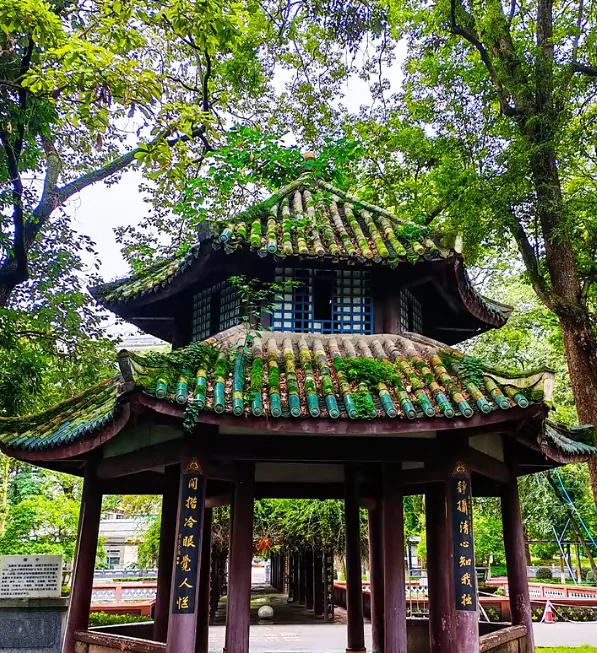
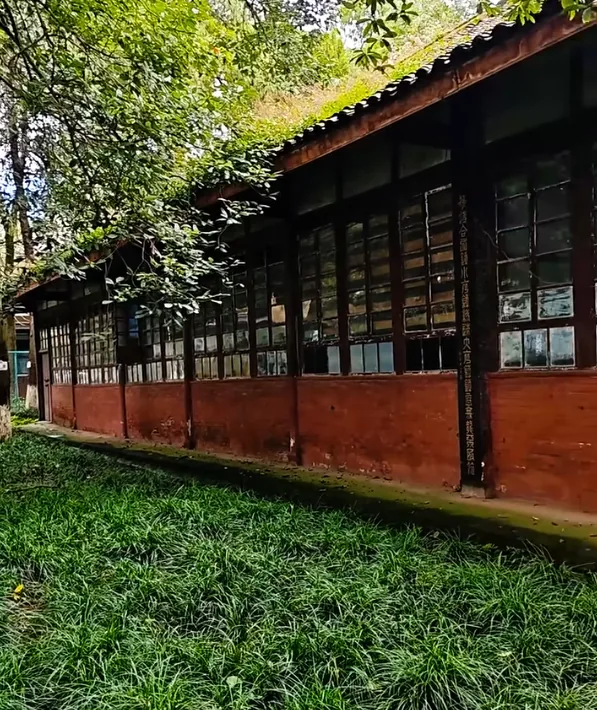
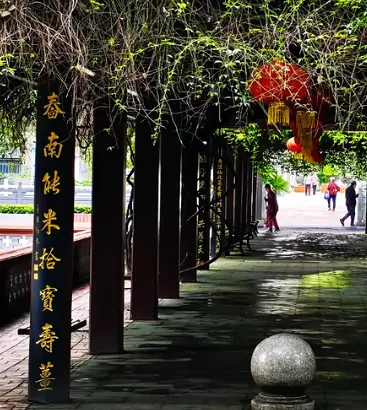
This temple breaks the mold of solemn, rigid Buddhist temples. It’s designed in a garden style — truly unique among western Sichuan temples. The complex faces south, covering about 300 mu (roughly 20 hectares). Along the central axis, you’ll find a glazed screen wall, a single-arch stone bridge, the Heavenly Kings Hall, and the Dabei Pavilion, arranged in a layered, unpretentious progression.
The most striking structure is the Dabei Pavilion — a five-eaved tower soaring 33 meters high, housing a Song Dynasty bronze Thousand-Armed Guanyin. Standing before it, looking up at the overlapping eaves against ancient cypress trees, you feel both solemnity and a touch of grace. Walking through the temple feels like strolling through an ancient scholarly Zen garden — trees scattered, paths winding, and the rustle of leaves in the wind bringing a sense of peace.
Three National Treasure Highlights at Longcang Temple
1. Ming Dynasty Murals — The Temple’s Crown Jewel
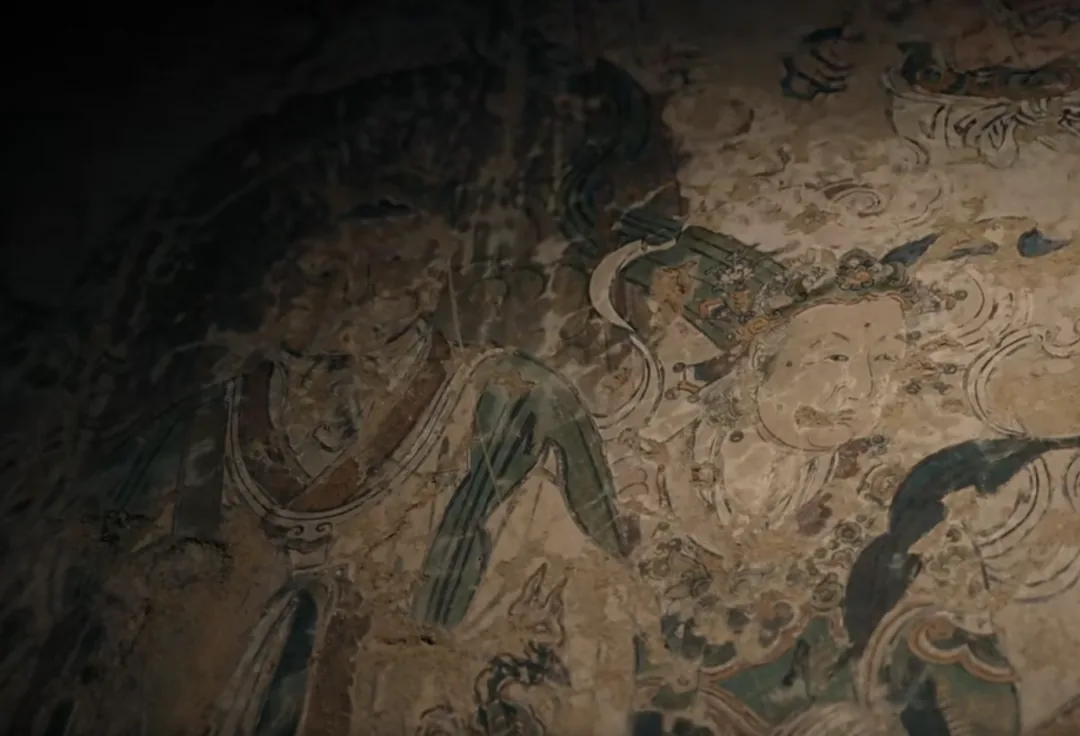
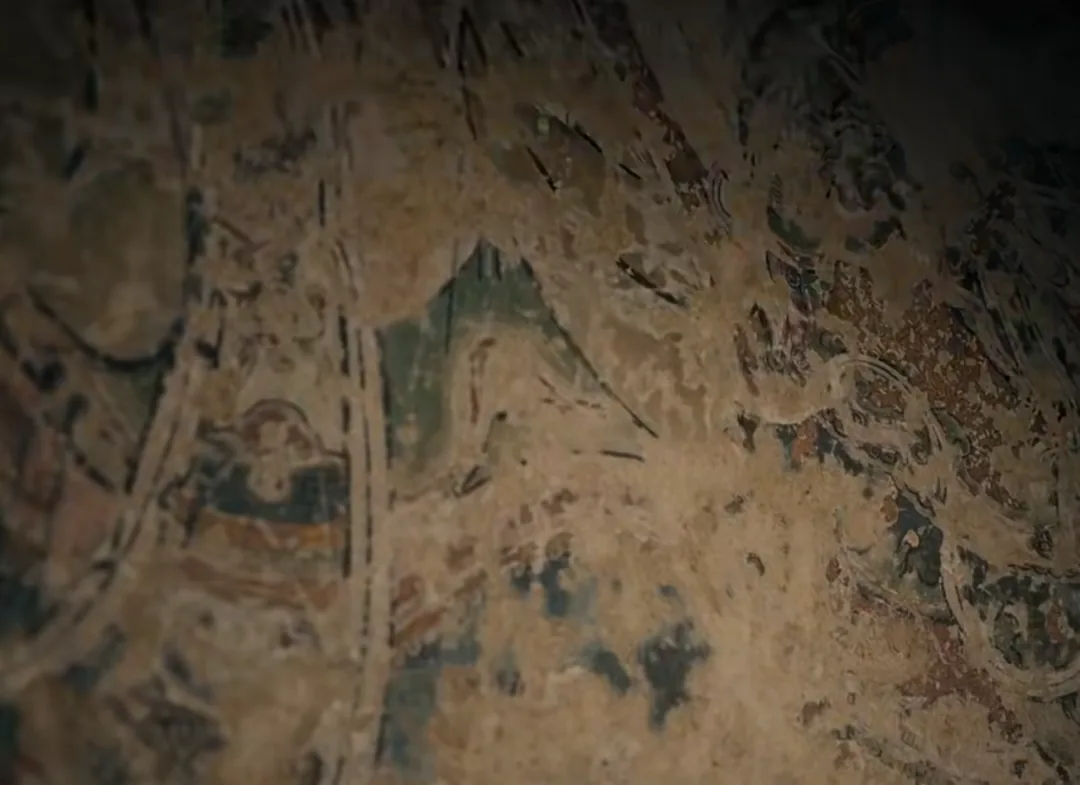
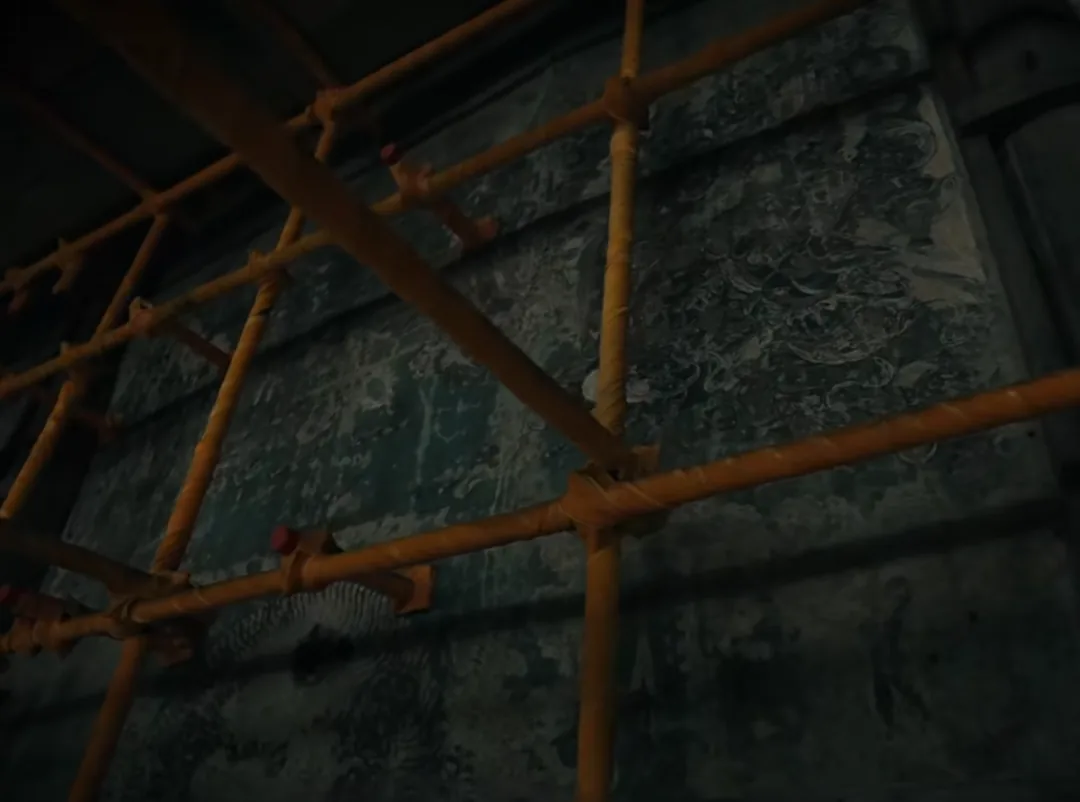
The Mahavira Hall was built in 1465 (the first year of the Chenghua reign of the Ming Dynasty). Inside, nine panels of Buddhist murals survive, covering a total area of 127 square meters. The moment I stepped in, I was stunned into silence. The murals depict classic themes like the ‘Eight Divisions of Devas and Nagas’ and ‘Sudhana’s Fifty-Three Visits,’ rendered with meticulous brushwork, rich colors, and the technique of gilding with raised paste. The lines are crisp, and after over 500 years, the colors remain dignified and elegant.
Many experts consider these among the finest surviving Ming Dynasty murals in Sichuan. Look closely, and you’ll notice the attendants and commoners are dressed in everyday Ming-era Sichuan clothing, and the objects and architectural details reflect the secular style of the time. These murals are not only Buddhist art treasures but also invaluable historical records for studying Ming Dynasty social life.
Local insight: These murals are often called the ‘Little Dunhuang of Shu’ — a must-see for art lovers and history buffs alike.
2. The ‘First Forest of Steles in Western Sichuan’
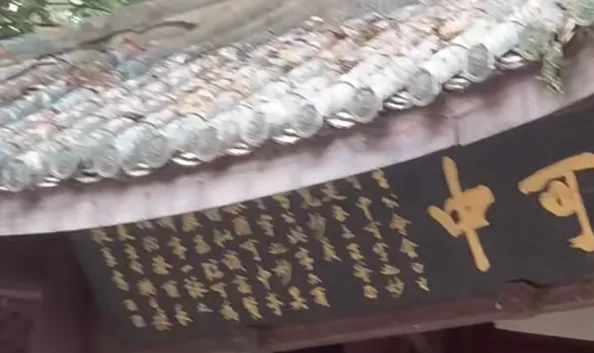
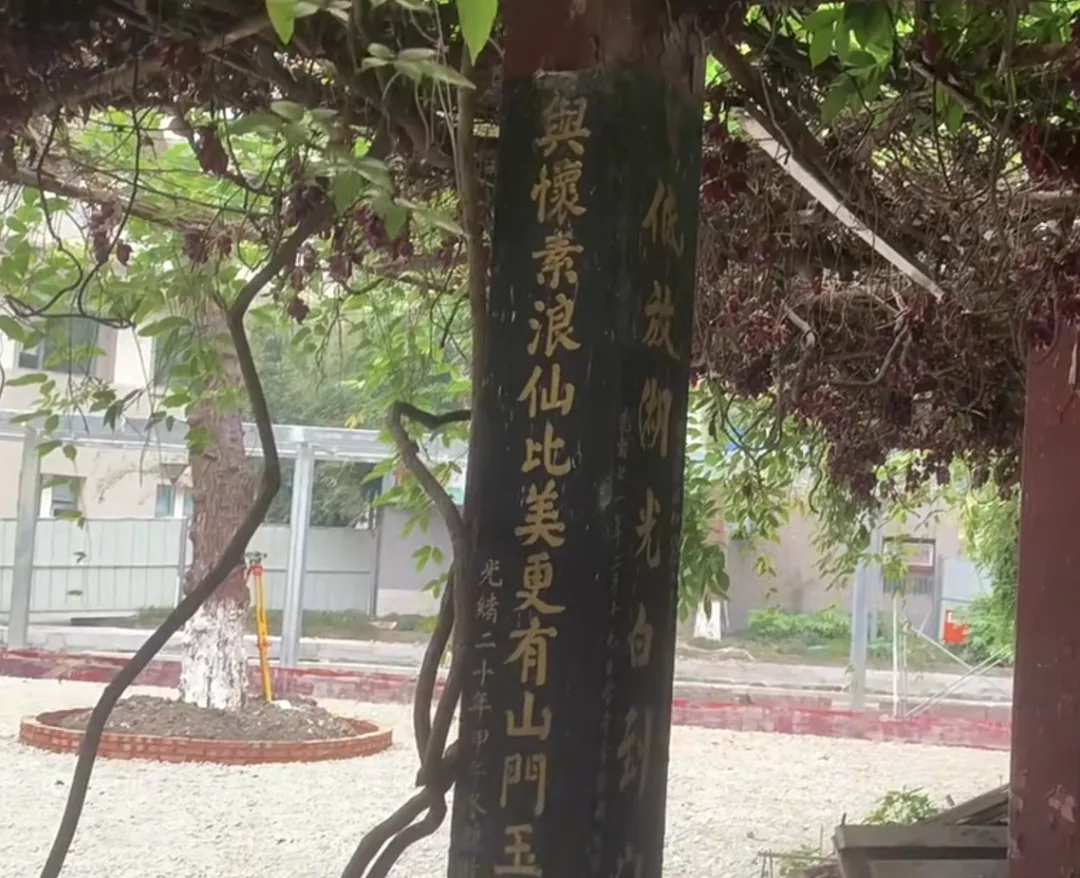
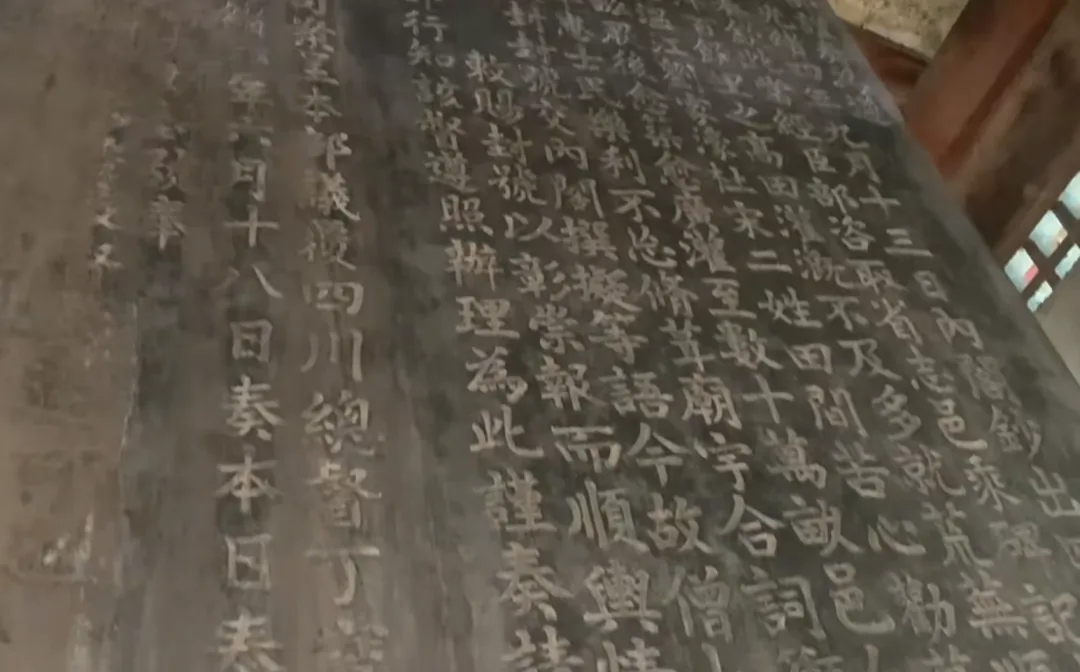
In its heyday, the temple reportedly housed over 200 inscribed steles, featuring calligraphy by famous masters like Su Shi, Huang Tingjian, Wen Zhengming, Wang Shouren, and Dong Qichang. This was once a major printing and engraving center in western Sichuan. Besides Buddhist scriptures, the Qing Dynasty Zen master Xuetang also compiled and engraved the ‘Fangwai Shixuan’ (Selected Poems of Monks), a key text in Bashu Buddhist literature.
Unfortunately, most of the steles have been relocated to Xindu Guihu (Osmanthus Lake), but within the temple, you can still feel the atmosphere of scholarly gatherings and the fusion of Zen and ink art from those days.
3. A Pair of Majestic Qing Stone Lions
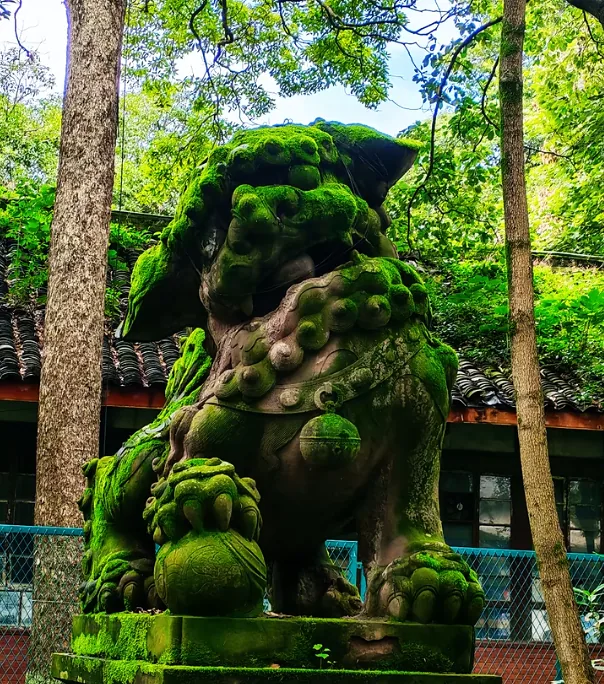
In front of the second mountain gate stand a pair of stone lions from the Qing Dynasty, carved in 1829 (the ninth year of the Daoguang reign). Standing 3.5 meters tall, they are among the largest and best-preserved stone lions in western Sichuan. Their powerful forms and intricate details make you feel the solemn grandeur of a century past just by standing beside them.
How to Visit Longcang Temple
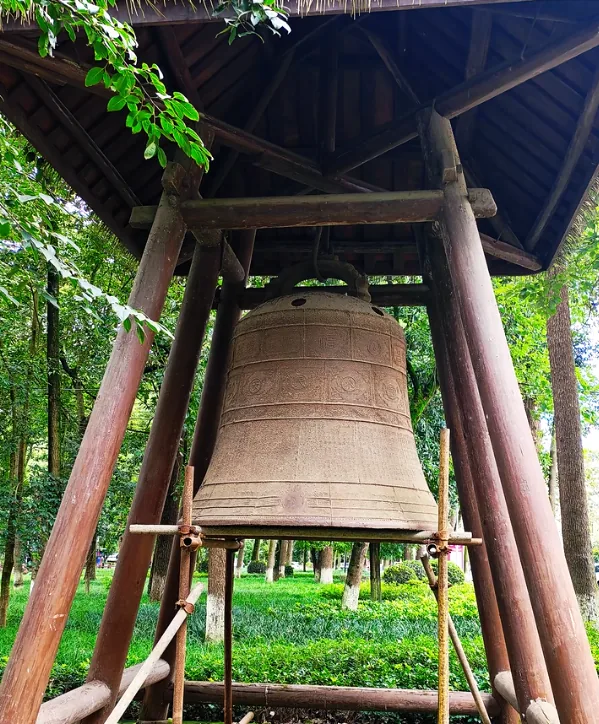
Today, Longcang Temple remains low-key, with few tourists and no heavy commercialization — a true hidden gem.
Location: No. 86 Rongjun Road, Xinfan Street, Xindu District, Chengdu (Longcang Temple)
Getting There: – By Bus: Take bus 362 or 675 to Rongjun Xiao (荣军校) stop, or bus 712 to Rongxiao (荣校) stop, then walk about 100 meters. – By Car: Navigate directly to ‘Longcang Temple’ or ‘Longcang Temple Sanatorium’ (龙藏寺休养院).
Admission: Free
Whether you’re a fan of ancient art, a history enthusiast, or just seeking a peaceful escape, Longcang Temple offers a rare chance to see authentic Ming Dynasty murals up close and soak in the serene, scholarly atmosphere of a thousand-year-old Zen forest. Don’t sleep on this one — it’s a treasure waiting to be discovered.