Chengdu’s Hidden Tang Dynasty Cliff Buddhas: A Thousand Statues on an Island You Reach by Boat
Most visitors to Chengdu know Qionglai (邛崃) for Pingle Ancient Town, Tiantai Mountain, Linqiong Ancient City, and the love story of Zhuo Wenjun and Sima Xiangru. But here’s the thing — Qionglai’s stone carvings are seriously underrated, and hardly anyone talks about them. Maybe the city just doesn’t promote them enough.
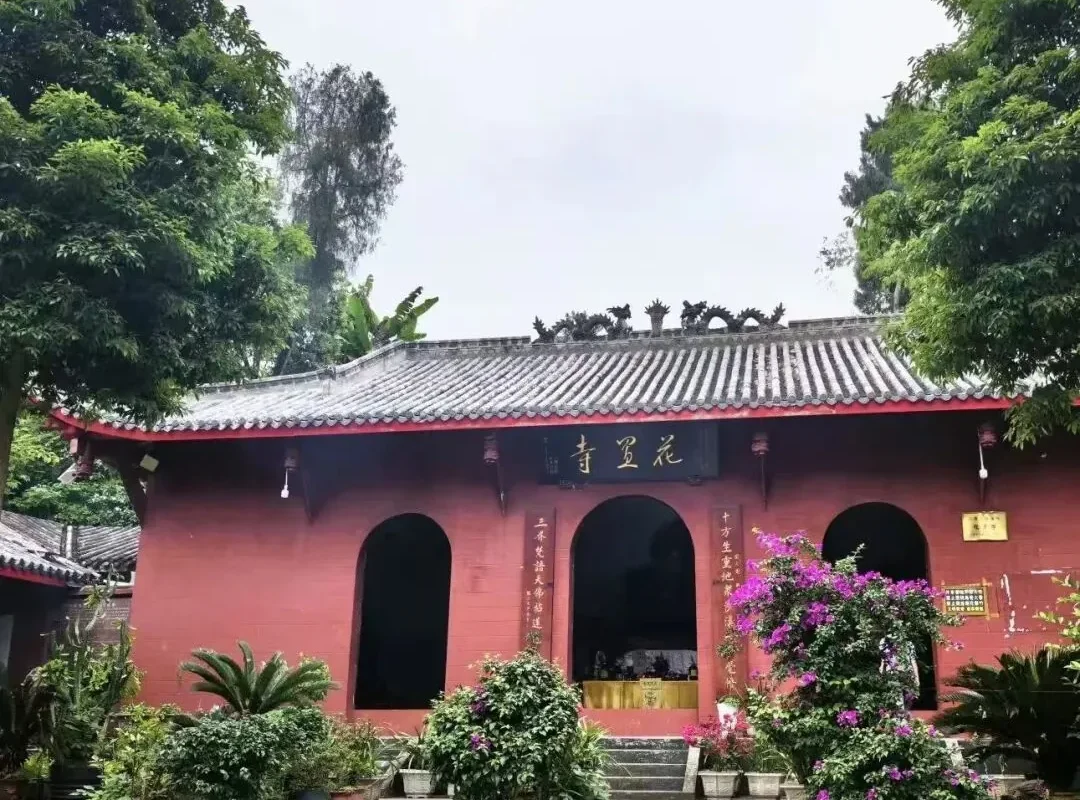
Among these carvings is a spot that sits on a small island, which is pretty unusual. It’s called Huazhi Temple (花置寺), and to see the carvings, you first have to take a boat. Sounds like a secret worth chasing, right?
The Cliff Carvings: A Tang Dynasty Time Capsule
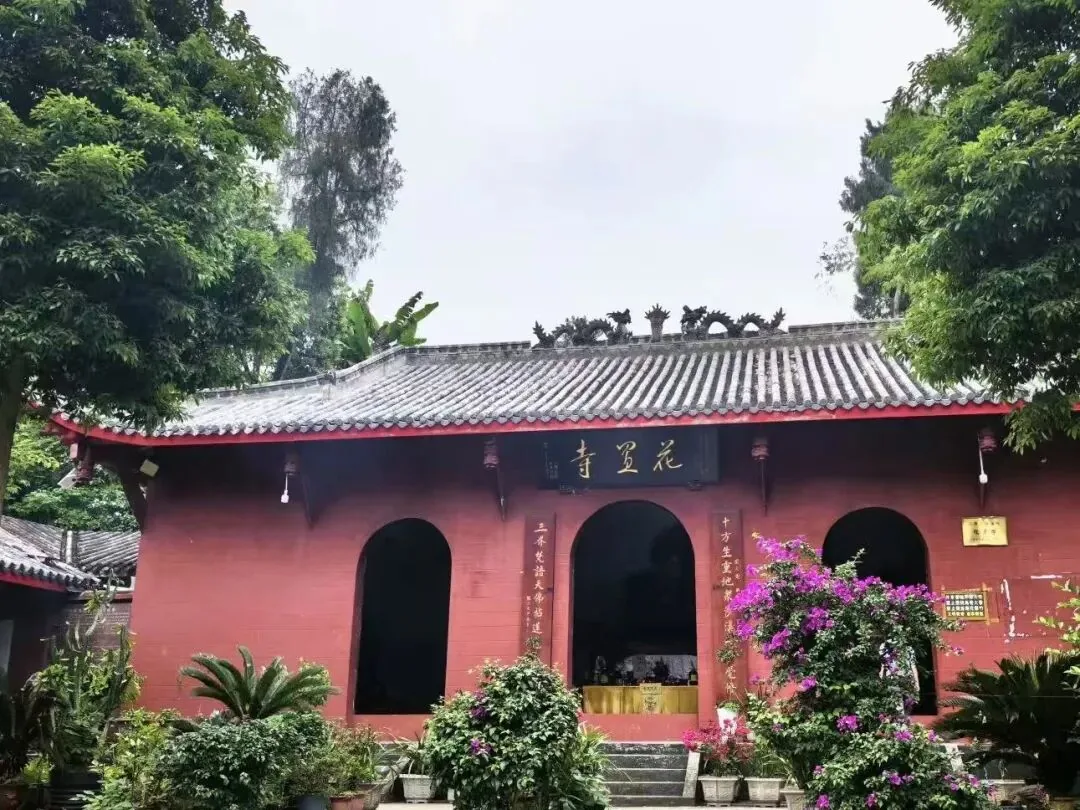
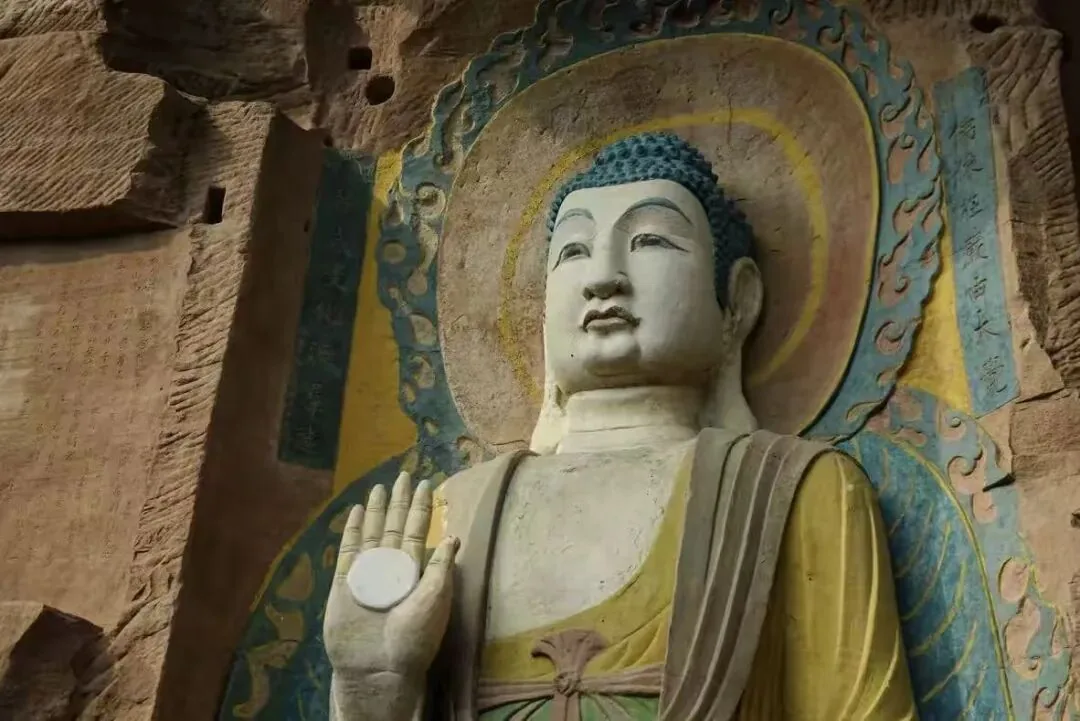
The Huazhi Temple cliff carvings date back to the Tang Dynasty — over 1,000 years of history. And they weren’t carved by ordinary craftsmen. The man behind them was a high monk named Ma Cai from Chang’an. He wasn’t just anyone: Ma Cai was a descendant of Ma Yuan, the Eastern Han general known as the “Wave-Subduing General.” He came to Sichuan on imperial orders to spread Buddhism, traveled through Qiongzhou, and arrived at this beautiful spot. He then carved the grand cliff statues on Huashi Mountain — and that’s how we have these Tang relics today. After more than 1,000 years of wind, rain, and snow, they’re still standing. That’s something special.
Today, 10 niches remain, stretching over 30 meters. The star is the standing Amitayus Buddha: the niche is 6 meters high, and the statue itself is 4.7 meters tall. It has a kind, gentle expression — still yet dynamic, kind yet solemn. Scholars call it the “living fossil of Southwest Tang Dynasty grottoes.”
The Thousand Buddha Niche and Other Treasures
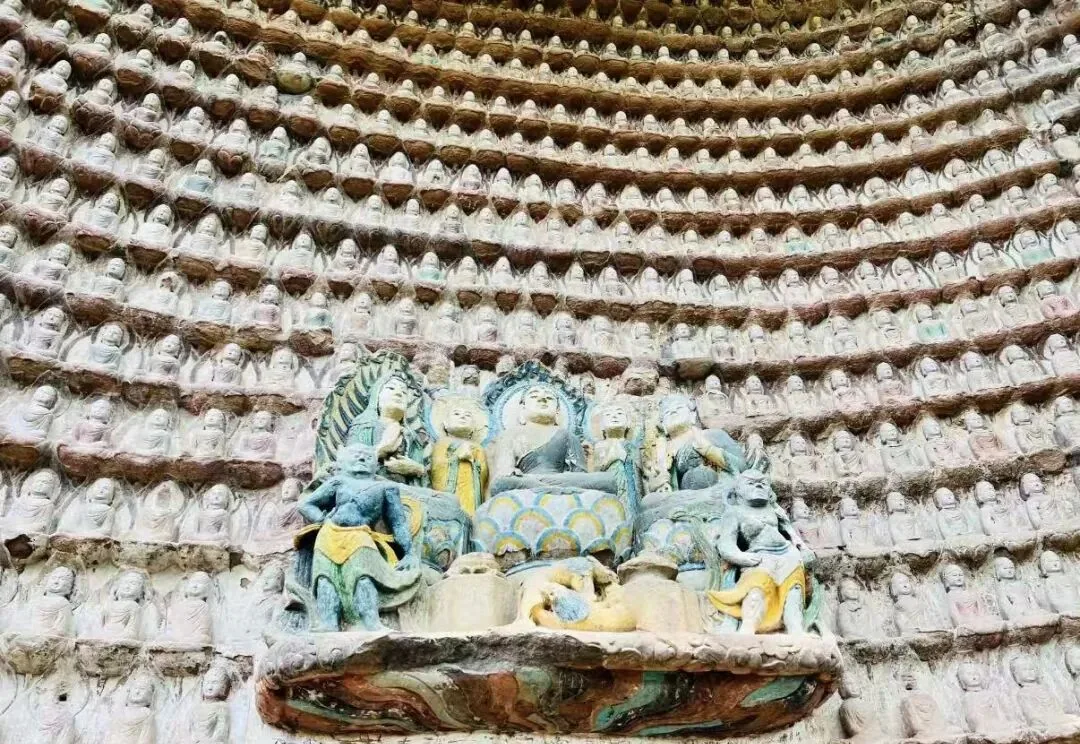
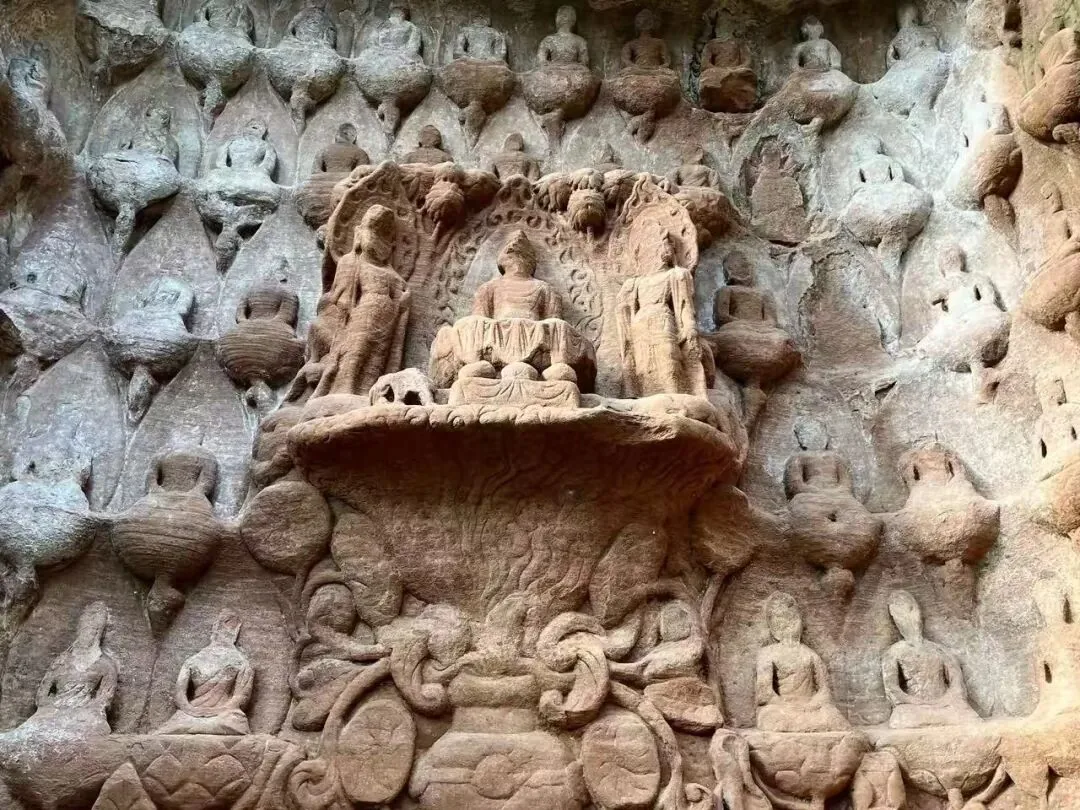
To the right of the Buddha is the Thousand Buddha Niche — two connected large niches arranged symmetrically. Together they hold 1,745 small Buddha statues, packed densely across the cliff face. It’s a spectacular sight. Back in the day, Huazhi Temple had halls upon halls and thriving incense, known as the place of “thousands of billions of Buddhas.”
Inside the niches, you’ll also find carvings of the Western Pure Land Transformation, Thousand-Hand Thousand-Eye Guanyin, and Vaisravana. And remember — this is after a lot of destruction. You can imagine there used to be even more Buddhas here. From the Ming to the Qing to modern times, who knows how many were lost.
Zhuxi Lake: How the Temple Became an Island
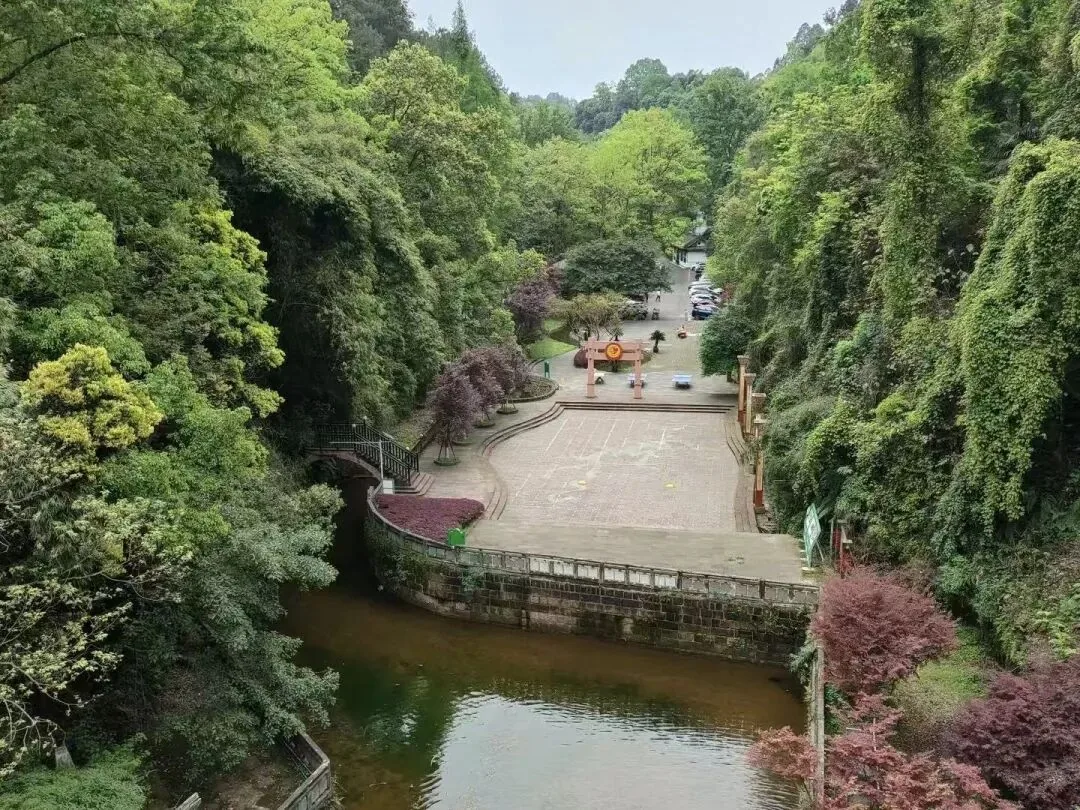
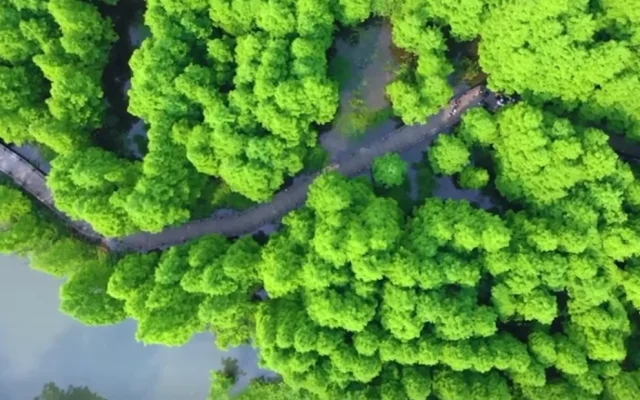
In the 1970s, a reservoir was built next to the temple — that’s today’s Zhuxi Lake (竹溪湖). People love coming here to boat and hang out, especially in summer. The original Huashi Mountain was connected to land, but became an island in the lake. Well, not completely an island — it’s mostly surrounded by water, and there’s a muddy dirt-and-stone road you can drive to reach Huazhi Temple. But it’s not really recommended.
The name Zhuxi Lake has its own story. The Song Dynasty poet Zhang Fang once wrote “Zhuxi” (Bamboo Stream) on Jicui Rock. Lu You and Wen Tong also visited. The lake was completed in the 1980s, and the name “Zhuxi Lake” was chosen to develop tourism.
Getting There: Take the Boat
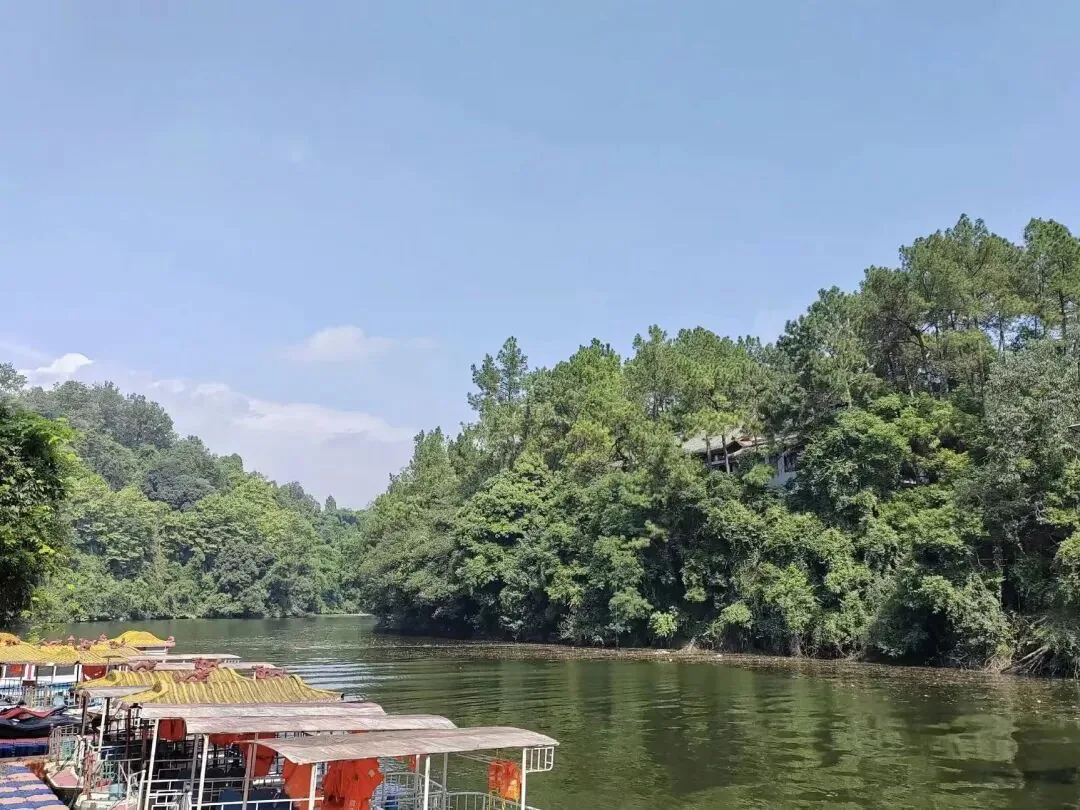
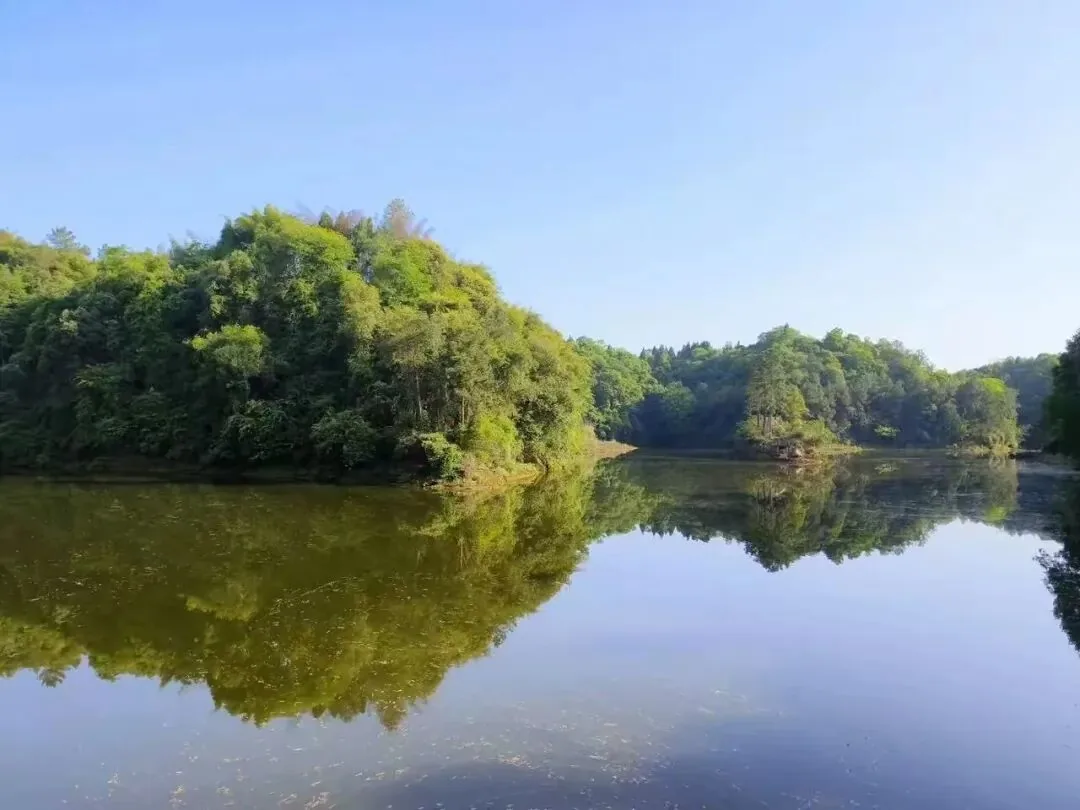
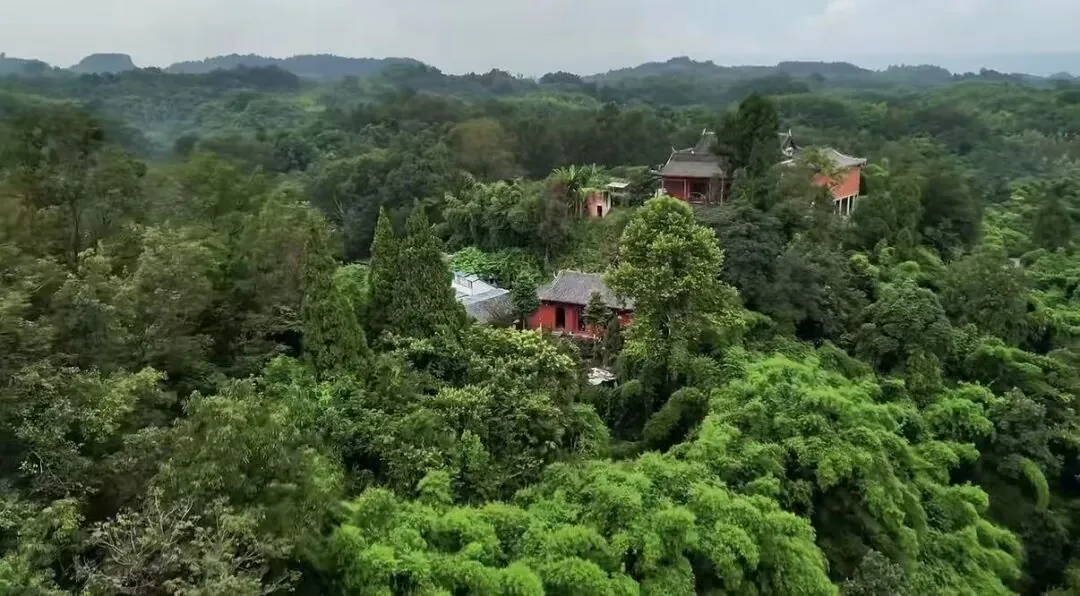
Usually, people go to Huazhi Temple by water — you take a ferry from the dock to the island. The boat costs about 10 RMB per person. Cruising on the lake, looking at the cliff caves from afar, is slow and easy. Very relaxing.
In September, the lakeside forests shed the summer heat. The greenery is still lush, bamboo groves line both banks, trees are dense and dark, and mountain shadows reflect on the water. When the ferry docks, you step onto a stone path, and the smell of plants and trees hits you immediately.
Pro tip: The boat ride is the way to go — it’s cheap, scenic, and part of the experience. The land route is muddy and not worth the hassle.
The Temple Today: Simple, Quiet, and Still Sacred
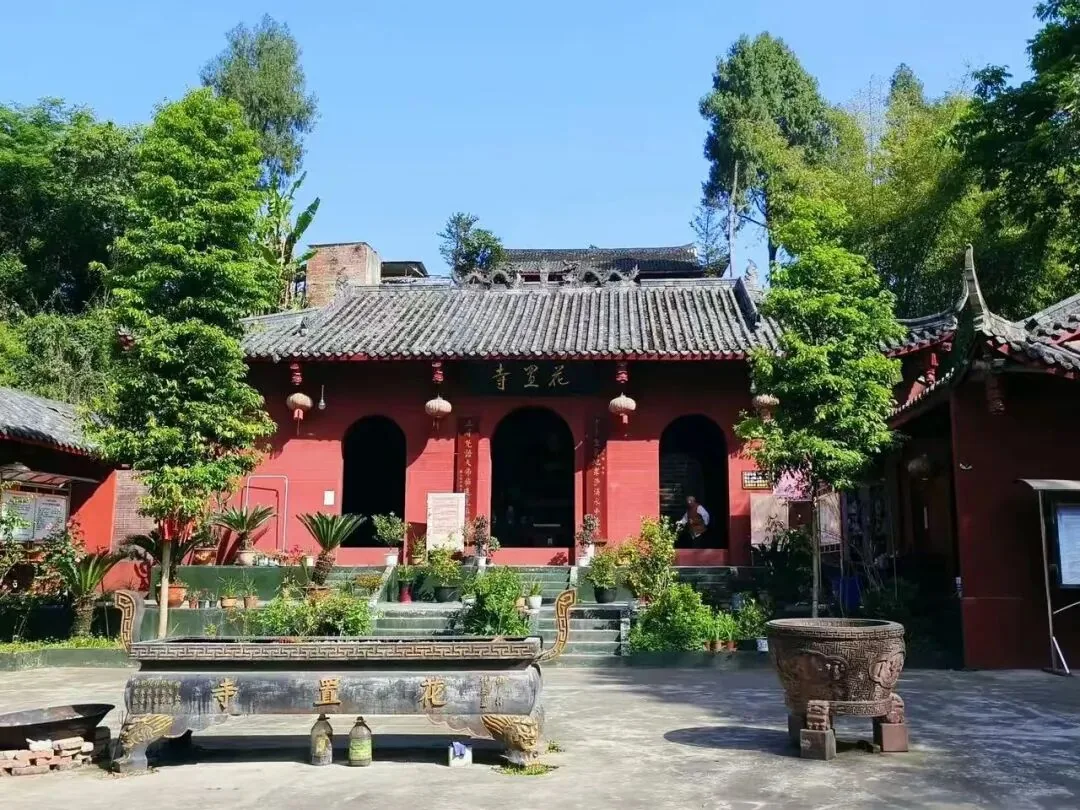
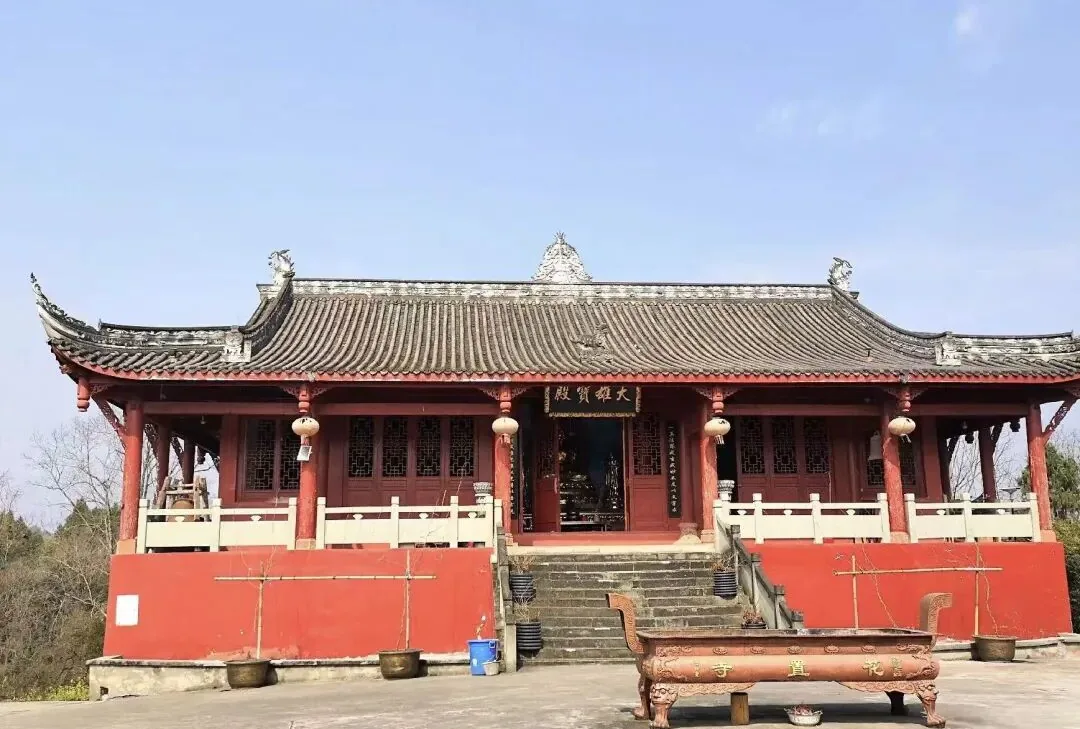
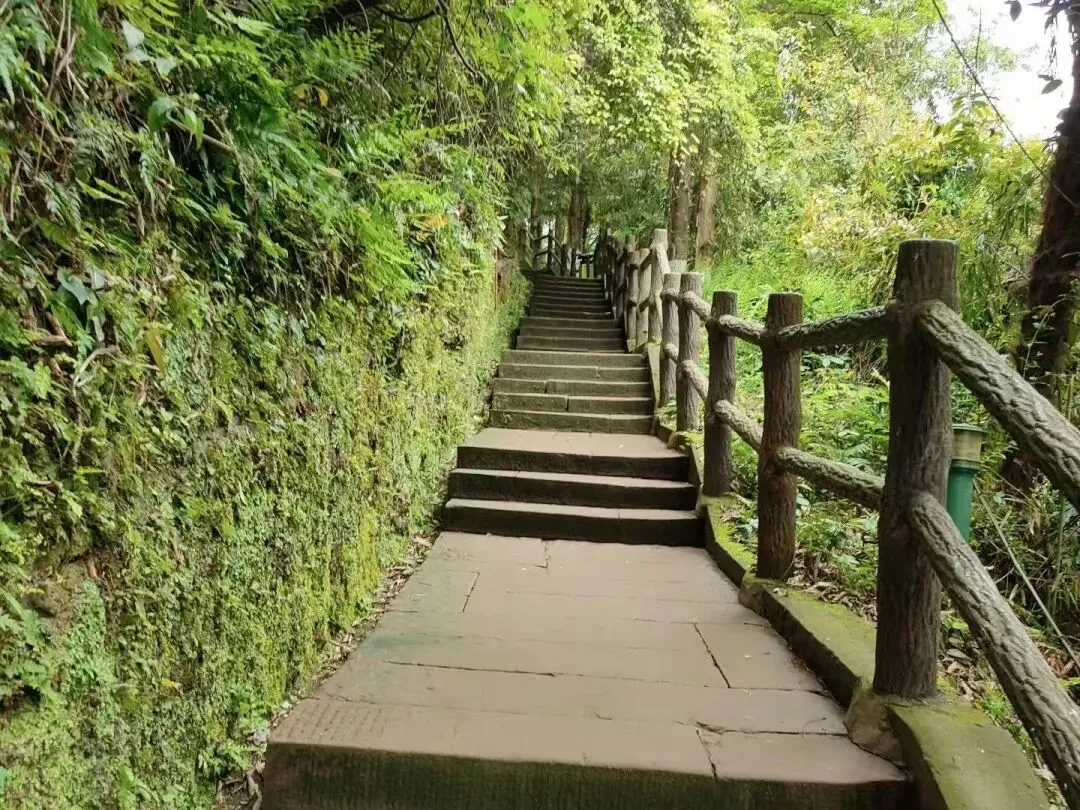
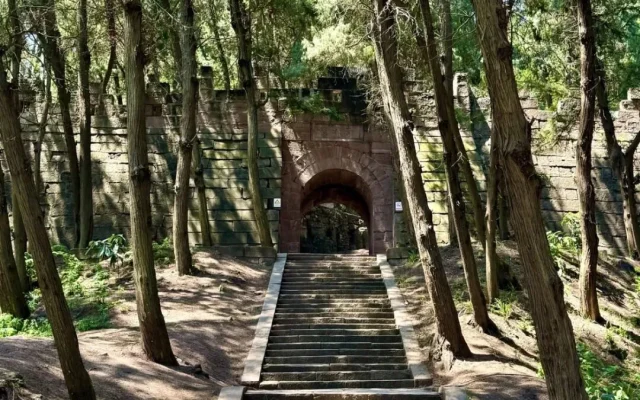
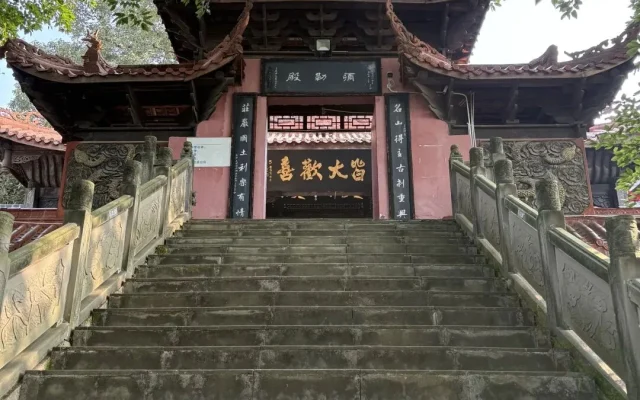
The current temple was rebuilt on the original site. A few simple halls spread up the hillside: the Mountain Gate Hall, Heavenly King Hall, Guanyin Hall, and Mahavira Hall. It’s not grand — there are barely any worshippers — but everything feels peaceful and timeless.
These days, most people go to Huazhi Temple and Zhuxi Lake for boating, tea, and letting kids run around. Few actually cross to the temple on the other side. Outside the niches, later generations left an inscription: “Dew drops form an immortal island, the rock opens to gather Buddhas.” Over 1,200 years have passed, the lake has risen and fallen, people have come and gone, but these thousand pairs of Buddhas remain.
You can almost picture why people chose this spot to carve the grottoes. The ancient path is now overgrown, the reservoir turned the mountain into an island. It doesn’t have the fame of Leshan Giant Buddha or the grandeur of Dunhuang’s Mogao Caves, but it keeps its own quiet solemnity on this lonely island — for hundreds, thousands of years. So, do you like this kind of Huazhi Temple?
Practical Info
- Address: Inside Zhuxi Lake Scenic Area, Linqiong Street, Qionglai City, Chengdu (Huazhi Temple carvings)
- Tickets: The grottoes and temple themselves are free. The two ways to get there have different costs. The water route is recommended, with a 10 RMB boat fee. The land route is inconvenient and not recommended.
- Transport: Self-driving is best — navigate to “Zhuxi Lake.” Pure public transport is not advised.