Chengdu’s Real Old Streets — Skip the Tourist Traps and Walk Like a Local
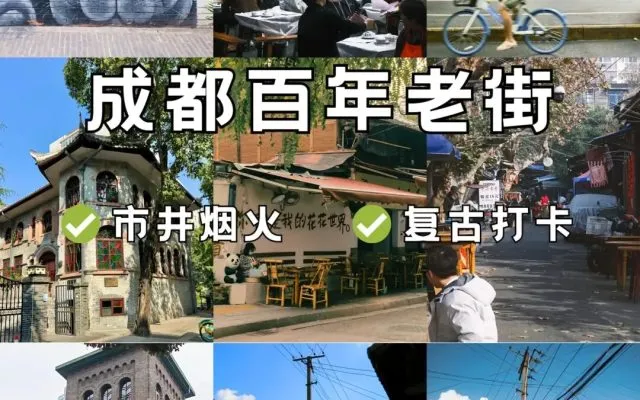
Chengdu’s internet loves pushing Kuanzhai, Jinli, and Yulin. But after 20 years living here, locals know the real old streets aren’t in those polished, photo-ready blocks. It’s in the unrenovated, unmarketed alleys where families have lived for generations — no staged Republic-era gates, no mass-produced souvenir stalls, no tour groups. Instead: tangled overhead wires, laundry strung across narrow lanes, old men fanning themselves under banyan trees, and the smell of home-style cooking drifting out of tiny eateries. If you want to see the city’s true soul, this is where you go — and every single spot on this list is free and off the tourist radar.
We’ve grouped these Chengdu old streets by district, with navigation pointers and reliable local eateries. Head out early, keep your camera ready but your expectations open — these are living neighborhoods, not museums.
Qingyang District — The Old Heart of Shaocheng: Chengdu Old Streets
Fangchi Street – Shizi Lane – Renhou Street: A Time Capsule Minutes from Kuanzhai
Just a few hundred meters from Kuanzhai Alley, this cluster feels like a completely different city. It’s part of the old Manchu city’s original street network. The 1940s Li Jiayu Mansion hides deep inside a courtyard, its mottled gray brick walls and vine-wrapped wooden windows left untouched. There are no trendy cafés here — just aging apartment blocks, residents’ tiny flower beds, and people who’ve lived on the same block for decades. Shizi Lane’s old ginkgo trees and Fangchi Street’s preserved foreign-style houses block out the noise. You’ll naturally slow down, like stepping into a 1990s residential quarter.
📍 Navigate to: Fangchi Street (方池街)
🍜 Nameless Community Noodle Shop – Address: Under a residential building mid-Fangchi Street – Hours: 07:30–14:00 (morning and noon only; closes when sold out) – No printed menu. They serve red-oil noodles (hongyou sumian) and zhajiang noodles by the liang (50g). The douban red-oil sauce tastes like home. Regulars don’t even order — the boss knows their preferences. It’s the familiar taste of a quick lunch or after-school snack.
Dongsheng Street – Xisheng Street: Old Names, Old Rhymes
These streets were called Zuosi Hutong in the Qing dynasty and renamed during the Republic era. Plane trees shade the whole block, old brick houses line the road, and a shoe-repair stand and a long-standing tailor shop still operate. The former site of Sichuan TV Station and the remains of Saliman Hotel hide behind walls — they don’t bother with tourist signage. Life moves slowly: in the evening, residents wander home with groceries, the smell of braised food fills the air, and no loudspeaker breaks the calm.
📍 Navigate to: Dongsheng Street (东胜街)
🍜 Old-School Braised Snack Stand – Hours: 16:00–21:00 – Braised pork intestines, cold dressed pig ears, and braised tofu — sold by weight. Locals grab a packed portion on the way home to eat with congee or a little liquor, a ritual that’s been going on for decades.
Zaozi Lane’s Original Branch Roads (Skip the Main Tourist Street)
Don’t walk the renovated Republic-era commercial street at the entrance. Instead, head deeper into the branch lanes around Xi’an Road Primary School, where old residential courtyards cluster. Walls are peeling, and you’ll find locksmith shops, herb stalls, and small convenience stands scattered along the roadside, right next to the provincial TCM hospital — everyday life in full swing. No tourist atmosphere here; the scenery is just people running errands, buying medicine, and picking up kids.
📍 Navigate to: Zaozi Lane (枣子巷) — go into the inner branch roads, don’t stop at the metro exit.
🍜 Mobile Cart Snacks – Freshly baked pepper-salt guokui (puffed flatbread), brown-sugar ye’erba (sticky rice cake wrapped in leaves), steamed cake. A few RMB gets you a hot snack — the childhood staple for generations on their way to school.
Shudeli – Shuduxiang (Beside Shude High School / Jiuzhong)
Most people only know Ningxia Street’s main road, missing the two half-length lanes on either side of the school: Shudeli and Shuduxiang. In the Republic era, these housed the boys’ and girls’ branches of Shude Middle School, holding the campus memories of generations of “Jiuzhong” alumni. The lanes are narrow, walls mottled, old residential courtyards pressed against the school. No commercialization — just stationery shops, home-style noodle joints, and old grocery stores. During school pickup, they’re full of students; at other times, quiet and peaceful. This is one of the last surviving campus-era alleys in the old west gate.
📍 Navigate to: Shudeli (青羊区宁夏街)
🍜 Local Noodle Shop – Sujiao zhajiang noodles and braised beef noodles, generous portions, a steady canteen for students and residents. Unpretentious, no fancy gimmicks.
Wenshu Fang Riverside Lanes (Baiyunsi Street, Jinma Street, Toufu Street — Avoid the Main Tourist Street)
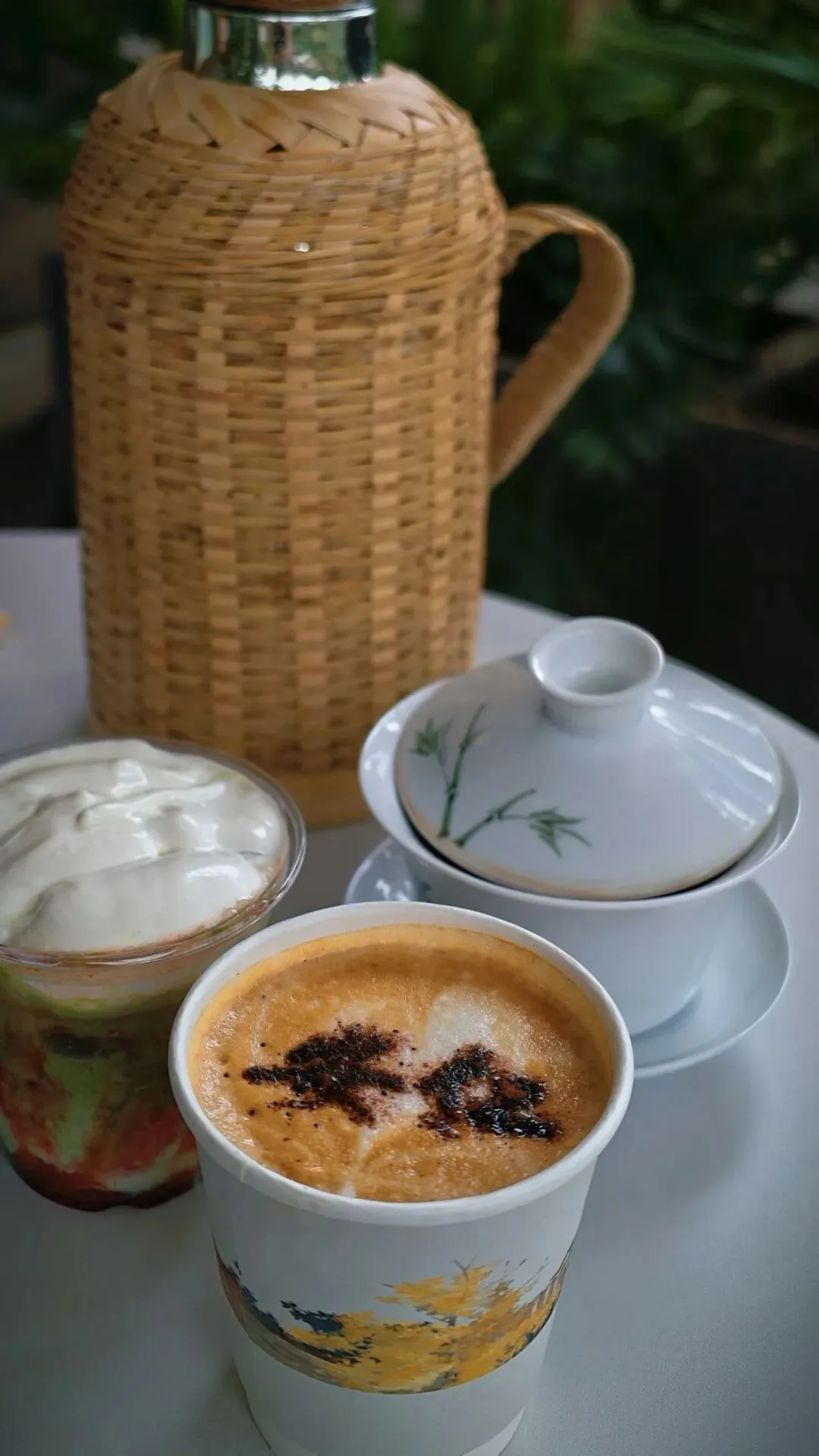
⚠️ Important: Do not walk the main tourist street of Wenshu Fang — it’s heavily commercialized. The real character lies along the inner side of the Fu River, where Baiyunsi Street, Jinma Street, and Toufu Street form a chain of old lanes. Right beside Wenshu Monastery’s walls and the riverbank, rows of old residential courtyards with low walls and green tiles hide behind street-front shops. Locals sit by the river with tea all day; there’s no polished promenade, just the original look of the old riverside neighborhood. Old-timers call this area “Beimen Gen’er” (the root of the north gate). Decades ago, people came here for temple fairs, riverside strolls, and grocery shopping. In the morning, old men walk their birds along the bank; afternoons bring neighbors chatting in the courtyard. It’s a stone’s throw from Wenshu Monastery but completely separated from the tour buses.
📍 Navigate to: Baiyunsi Street (白云寺街)
🍜 Local Old Shops – Chen Popo Traditional Snacks (白云寺街): egg puff cakes (danhonggao), ice jelly (bingfen), cool shrimp jelly (liangxia) — family-run for years, simple flavors, a popular stop after a riverside walk. – Old Vegetarian Noodle Shop in the Lane: home-style red-oil plain noodles and sweet-water noodles (tianshui mian) — eaten by Wenshu locals since childhood.
Jinjiang District — Urban Corners That Survived Redevelopment
Shiyi Street (Behind Jiuyanqiao, Residential Zone)
Less than 200 meters long, tucked behind tall buildings. No online hype — this lane is packed with fly-by-night eateries that’ve been around for over a decade. At mealtime, low stools are set out, wooden tables hug the curb, and the smoke of wok-fried dishes fills the air. Almost no tour groups come here; the diners are nearby residents and office workers. Cramped, noisy, and full of life — one of the last authentic food lanes in the city center.
📍 Navigate to: Shiyi Street (十一街)
🍜 Restaurant List (still open per Gaode/Dianping): 1. Yaoji Noodle (幺鸡面) – Address: 十一街10号 – Hours: 10:00–20:30 – Signature: crispy topping zhajiang noodles and chicken soup wonton. Rich sauce, loyal local following. 2. Laomaza Shijing Hotpot (老马扎市井小火锅) — Shiyi Street old branch – Address: 十一街9号 – Hours: 17:00–02:00 – Signature: tofu-beef hotpot. Milky beef tallow broth, 35–50 RMB per person, no pot-bottom fee. Eat on low stools by the roadside.
Daqiangxi Street
Near the former cultural palace site and Taisheng South Road. It gets its name from the old yamen’s back wall. Once a hub for handicraft shops, it still keeps old hardware stores and a long-established community teahouse. The street is plain, shaded by old trees, and full of familiar faces — a rare peaceful corner in the busy city, preserving the remnants of Chengdu’s handicraft era.
📍 Navigate to: Daqiangxi Street (大墙西街)
Dongguang Street + Dongguang Beishun Street (Next to Donghu Park, Original Residential Area)
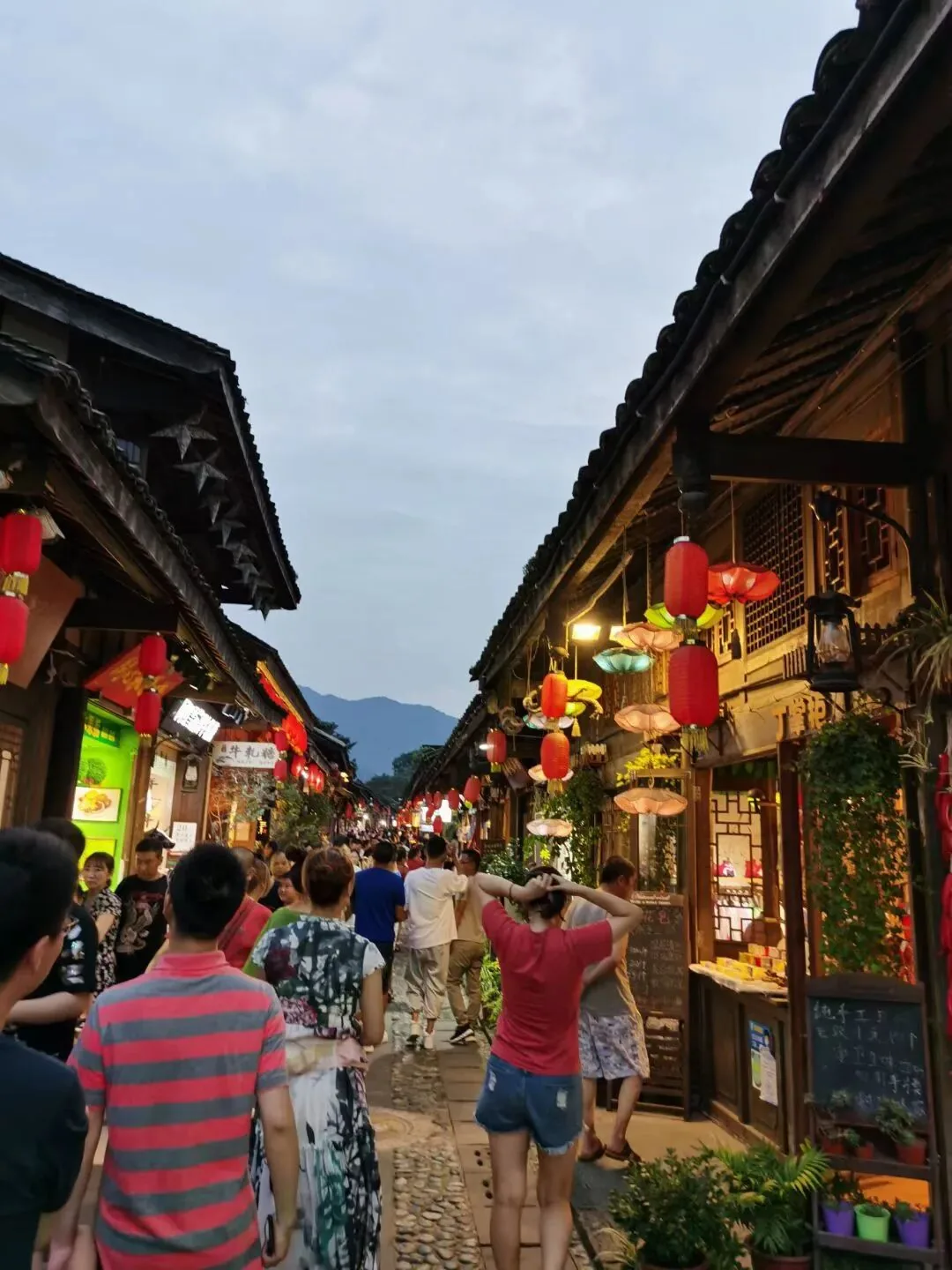
Skip the lakeside promenade of Donghu Park and walk along its outer wall into the old Dongguang family compound. Here you’ll find rows of 1990s unit buildings, spiderweb-like wires, old entrance plaques, a lively public market where aunties haggle over vegetables, and kids darting through the alleys. Donghu Park is a later addition; the Dongguang area is the area’s original living foundation. The childhood memories of visiting the lake and then ducking into these lanes for food and shade all live in this residential zone, not on the viewing platform.
📍 Navigate to: Dongguang Beishun Street (东光北顺街)
🍜 Restaurant List (verified via Gaode): 1. Yuanyuan Snacks (源源小吃店) – Address: 锦华路一段275号 – Hours: 07:00–14:00 – Open 20+ years. Signature spare-rib noodles and sujiao zhajiang noodles. Lunch service ends early — try to arrive before noon. 2. Erge Pa Ti Hua Da Pai Dang (二哥耙蹄花大排档) – Address: 锦华路一段267号 – Hours: 09:00–04:00 (next day) – Slow-braised pig trotters until tender, milky broth, falling off the bone. Covers both meals and late-night snacks. Perfect after a walk around Donghu.
Guojiabao North Street (Diagonal from Donghu, Side Lane near Sichuan University Wangjiang Campus)
This narrow lane connects Donghu Park with Sichuan University’s Wangjiang campus. It’s a mix of old residents and students. Aged storefronts, cooked-food stalls, and small community shops line the street — zero tourist dressing, just daily life, shut off from the park’s bustle.
📍 Navigate to: Guojiabao North Street (郭家桥北街)
🍜 Maoding Hand-Grilled Rabbit (泖丁手撕烤兔) – Address: 郭家桥北街17号附2号 – Hours: 09:30–21:00 – Grilled and dressed fresh daily, in spicy or five-spice flavors. Locals take it home to go with drinks — not a souvenir shop.
Jinniu District — Old West Gate Living Zones (Shawan, Xijiao, Huapaifang)
Wenhui Lane (Huapaifang · Guangrong Community)
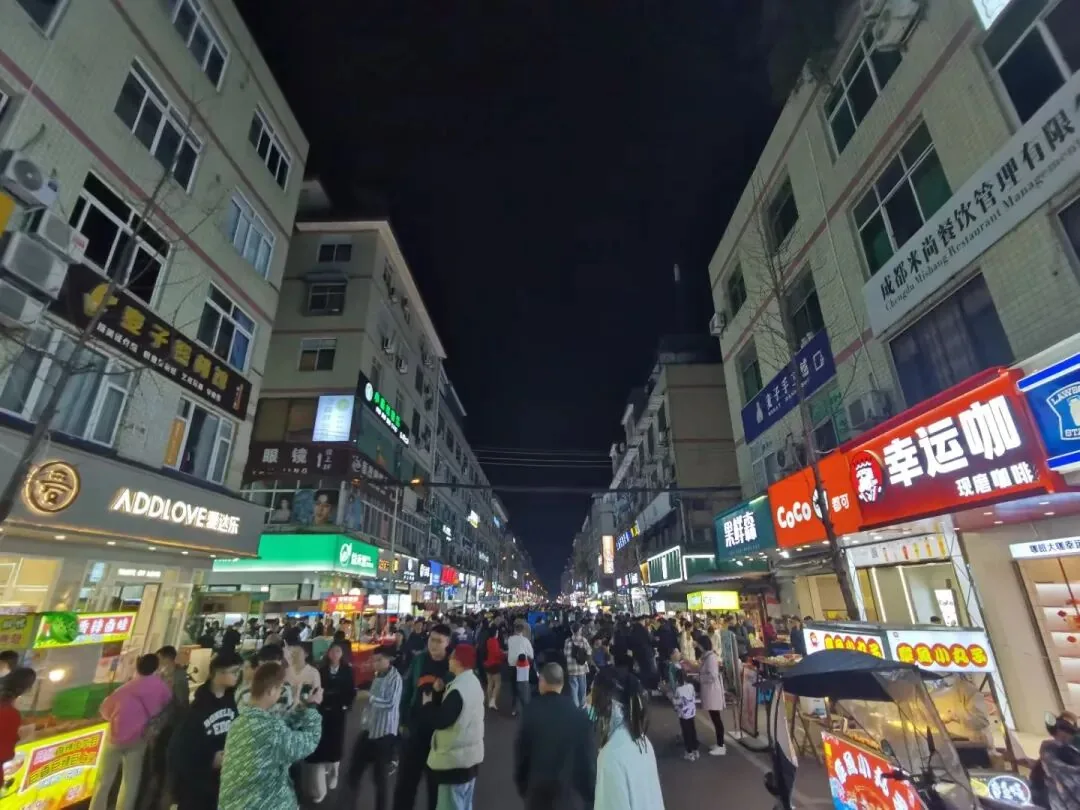
Close to the inner ring road, this lane is part of the Guangrong community’s old residential blocks, linking Huapaifang and Wenjia Lane. Next to the renovated “noodle street” next door, Wenhui’s depths preserve large clusters of 1980s–90s apartment buildings. No fake facades. Hardware shops, community restaurants, and a small wet market are scattered about. In the early days, this was the core area for residents of Yingmenkou and Huapaifang — the old west-gate folks’ usual spot for shopping, groceries, and meals. Quiet, accommodating, few tourists ever find their way here.
📍 Navigate to: Wenhui Lane (文汇里, inside 一环路北一段, Jinniu District)
🍜 Feng Yaomei Qiaojiao Niurou (冯幺妹翘脚牛肉) – Address: 文汇里31号 – Hours: 10:00–21:00 – Community-style qiaojiao beef (thin-sliced beef in broth). Fresh, affordable, served with steamed beef with rice flour and pig blood. The go-to for nearby residents’ regular gatherings.
Jiaogui Lane + Puyuan Road (Near Southwest Jiaotong University Jiuli Campus North Gate)
Just north of Jiaoda’s north gate, narrow lanes squeezed between faculty family courtyards and old residential buildings. Jiaogui First and Second Lanes interconnect. Banyan trees provide dense shade; clotheslines stretch across the lanes; a transitional wet market, tailor shop, shoe-repair stand, and daily-goods store sit in sequence. No renovation has touched this place — it’s a complete 1990s family-compound look. Alumni and faculty of the old Jiaoda have their memories rooted here. Tourists rarely find it; only residents, faculty, and students pass through.
📍 Navigate to: Jiaogui Lane (交桂巷)
🍜 Luo Dafa Restaurant (罗大发餐饮店) – Address: 圃园路6号 – Hours: 08:00–20:00 – A community rice-and-dish joint running for 20+ years. Twice-cooked pork (huiguorou), sour vegetable duck blood, and mixed meat-veg plates—generous portions, fair prices. Always full of old neighbors and Jiaoda students.
Guangrong North Road – Weimin Road Area (Shawan Convention Center Old Living Zone)
Right inside the Second Ring Road at Shawan, Guangrong Xiaoqu and Weimin Xincun form a web of 1980s–90s unit buildings. This is a mature west-gate residential area with zero internet-famous businesses — everything serves local residents. Community teahouses, wet markets, and home-style restaurants abound, with the liveliest smoke rising at dusk. The memories of old Shawan and old Jiaoda generations are all tucked into these streets.
📍 Navigate to: Weimin Road (为民路)
🍜 Restaurant List (still open per Dianping): 1. Guangrong Roast Duck (光荣烤鸭) – Address: 为民路7-9号 – Hours: 08:30–21:00 – Open 26 years. Sichuan-style mao roast duck (roast duck simmered in spicy broth) is the signature — the duck skin is sticky and fragrant, the broth rich. Top pick for family dinners. 2. Lei Sao Noodles (雷嫂面) – Address: Guangrong Xiaoqu ground floor, Weimin Road – Hours: 07:30–15:00 – Sujiao zhajiang noodles and pickled-bean minced-meat noodles. The topping is dry-fried until fragrant. A breakfast regular for old west-gate locals. 3. Peng Bei Can (朋辈餐) – Address: 为民路1号附2-3号 – Hours: 10:00–21:00 – An old-school home-style Sichuan restaurant. Tomato meatball soup and huobao feichang (spicy stir-fried pork intestines) have a rock-solid reputation. Open over 20 years.
Quick Tips Before You Go
- Getting around: All these old lanes are best reached by public transit — don’t drive. Parking is scarce inside the alleys. Take the metro, then walk into the residential areas for the best feel.
- Timing matters: Many community eateries only serve morning and noon, closing around 14:00. Night snack spots generally open in the evening. Plan ahead or you’ll miss out.
- How to explore: Don’t treat this as a checklist. The real old Chengdu doesn’t require fixed photo stops. Just duck into any nameless branch lane, follow the smell of red oil, and sit on a curb to listen to the neighbors chat.
- Two ready-made walking routes: – Old Town Culture Line (one day): Fangchi Street → Shizi Lane → Dongsheng Street → Shudeli (beside Jiuzhong) → Baiyunsi Street (Wenshu Riverside) → Shiyi Street → Daqiangxi Street – East + Northwest Folk-Life Line (one day): Donghu Dongguang area → Guojiabao North Street → Wenhui Lane → Jiaogui Lane (SW Jiao Tong) → Guangrong North Road & Weimin Road
Chengdu’s urban fabric keeps changing, and many old streets are gradually disappearing. The ones that survive are precious not for their looks, but for the people who’ve lived there for generations. Don’t rush with the crowd. Go slow — when the wind passes through the old tree branches, you might just find the old Chengdu that lives in your memory.
If you’ve lived in Chengdu for a while, which old street holds your memories? Drop a comment and tell us about the no-sign, word-of-mouth old flavors you love.