Chengdu’s Quiet Herbal Park: Furong Changjuan Medicine Garden
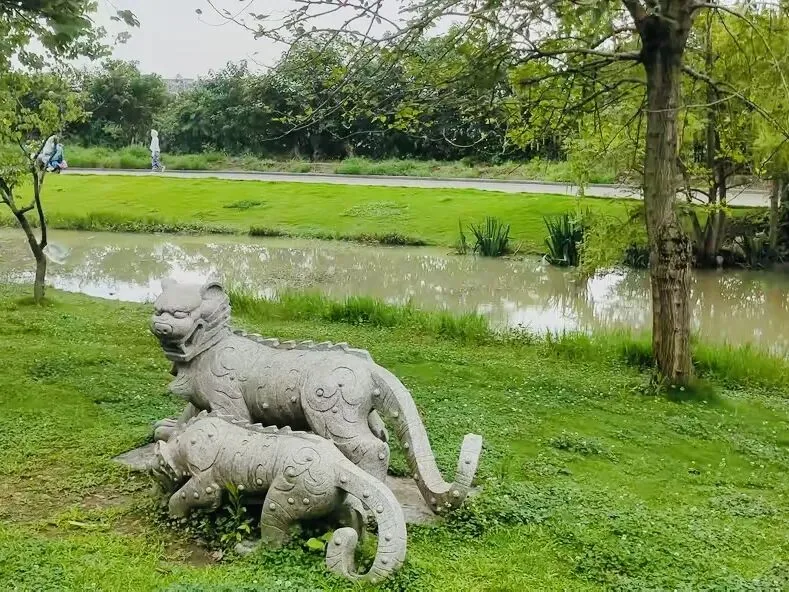
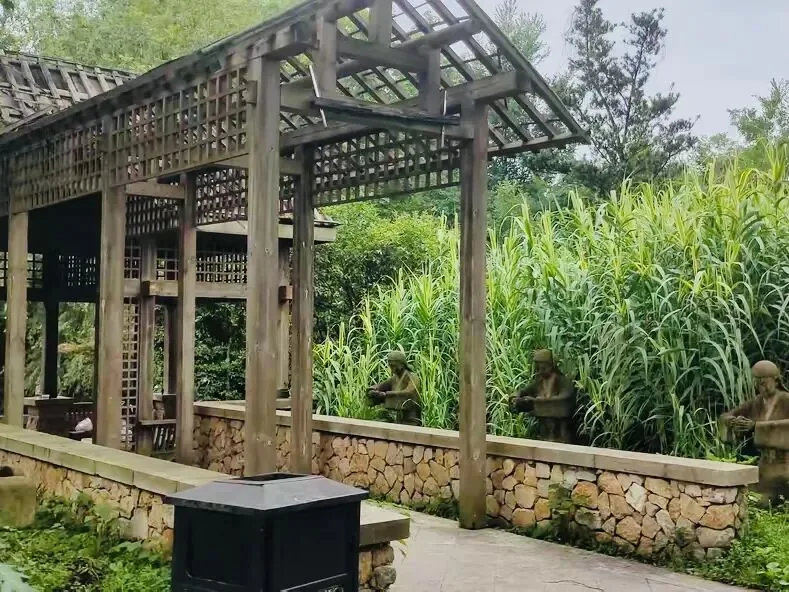
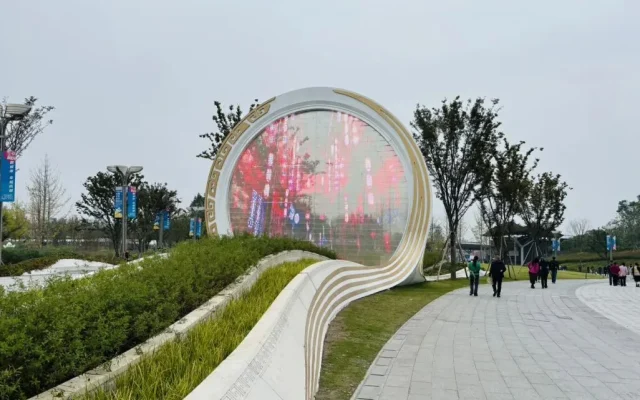
I love wandering the streets and alleys of Chengdu. The more I walk, the more I realize how big this city really is — and how many places I still haven’t been to. Not just small pocket parks, but proper-sized spots that aren’t even out of the way. That’s exactly what today’s park is — a quiet Chengdu herbal park worth seeking out.
It’s called Wenjiang Furong Changjuan Medicine Garden (芙蓉长卷药博园) — a place with few crowds, lovely scenery, and a seriously laid-back vibe.
The first time I heard the name, I stumbled over it. You have to slow down and read it carefully before it rolls off the tongue. But its location is actually great — right where the Ring Road meets Furong Avenue. Yet not many people go. Maybe because it sits beside a major traffic artery, or because there are fewer residential buildings nearby. And there’s no direct metro line.
Why September Is the Perfect Time to Visit
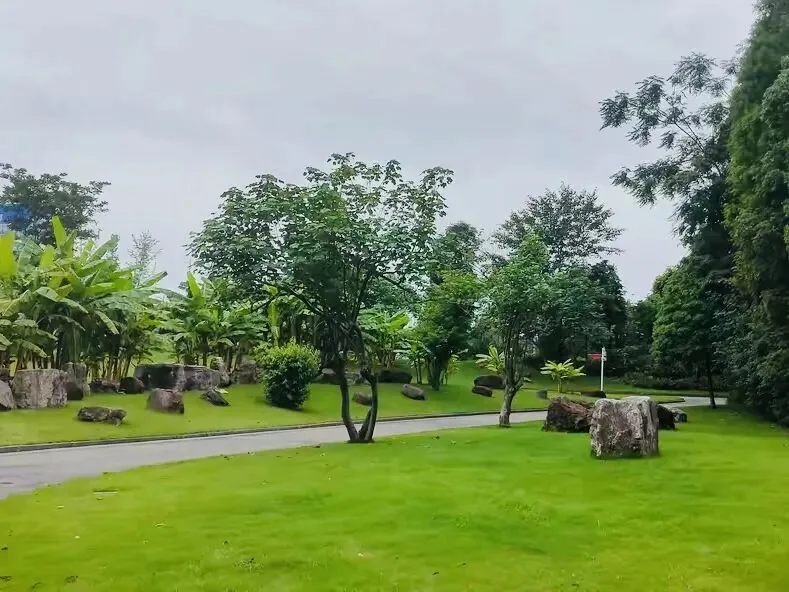
September is the best season of the year — high skies, light clouds, crisp autumn air. It’s a wonderful time to visit the Medicine Garden. Since ancient times, the Shu region has been rich in medicinal herbs, and Wenjiang is a fertile plain with mild, moist soil — ideal for hundreds of plants to grow. Here you can smell the fresh scent of vegetation and, among the plants, get a sense of the long history of traditional Chinese medicine culture.
What Exactly Is This Place?
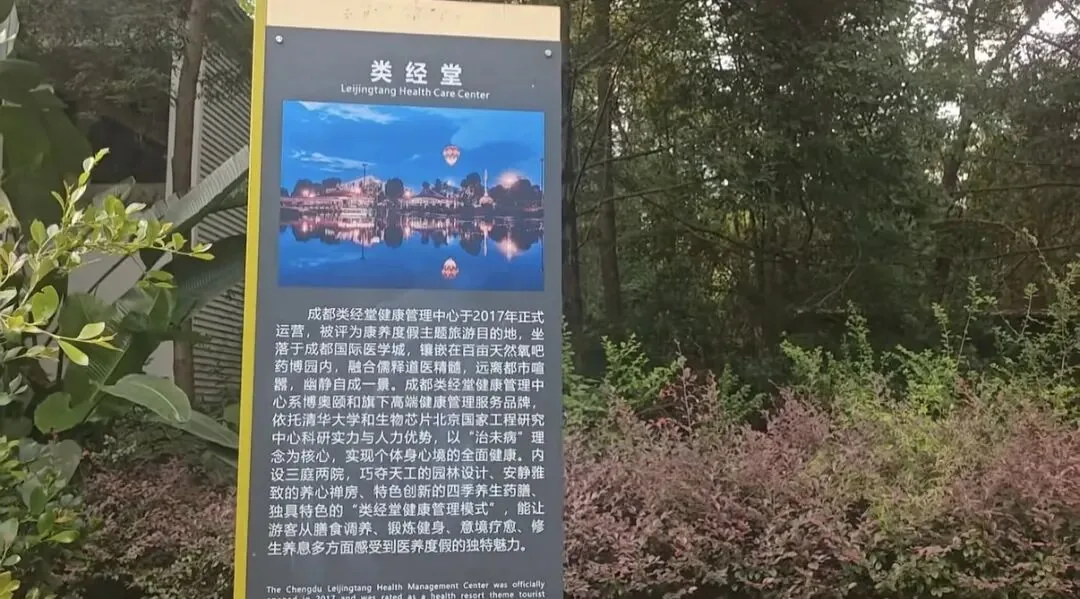
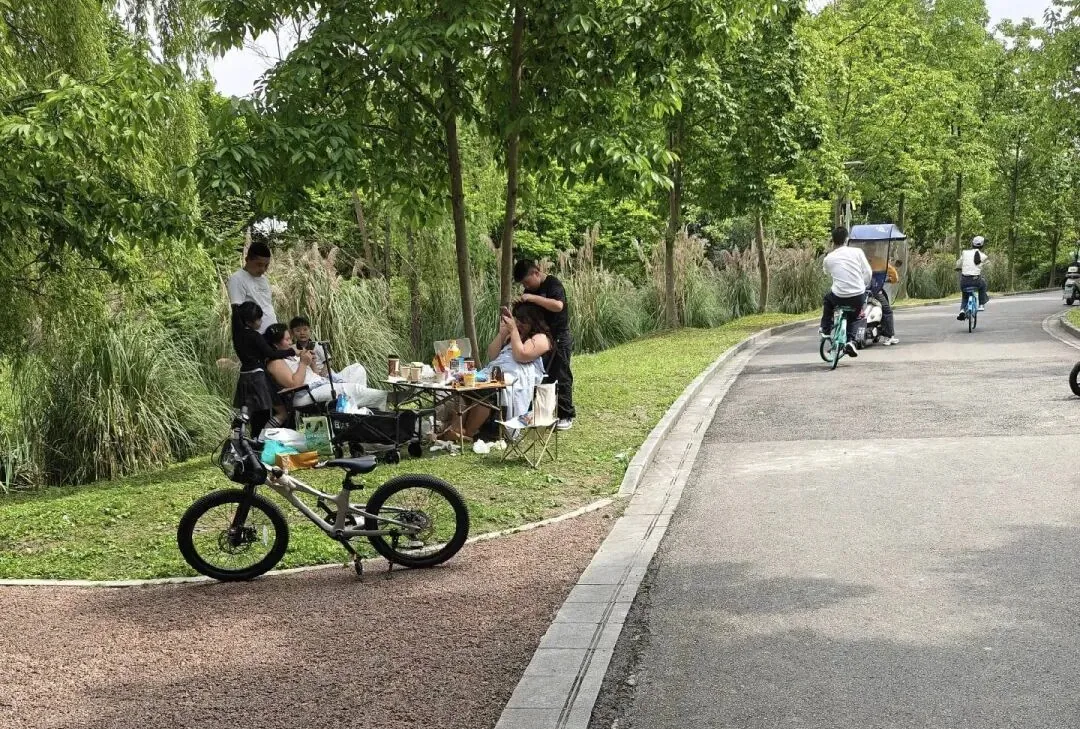
Wenjiang’s traditional Chinese medicine industry is quite developed — it’s home to Chengdu University of Traditional Chinese Medicine and a medical city. Furong Changjuan Medicine Garden is part of Chengdu International Medical City. The whole area covers about 3,000 mu, including commercial spaces, courtyards, and green spaces. But the medicinal plant garden itself is about 300 mu — that’s the part I explored. It’s divided into four main sections: Shenlong Field, Bencao Garden, Qianjin Formula, and Zongheng Jing.
Local insight: The garden is home to over a hundred species of medicinal plants — it’s an open-air TCM science park set in the countryside.
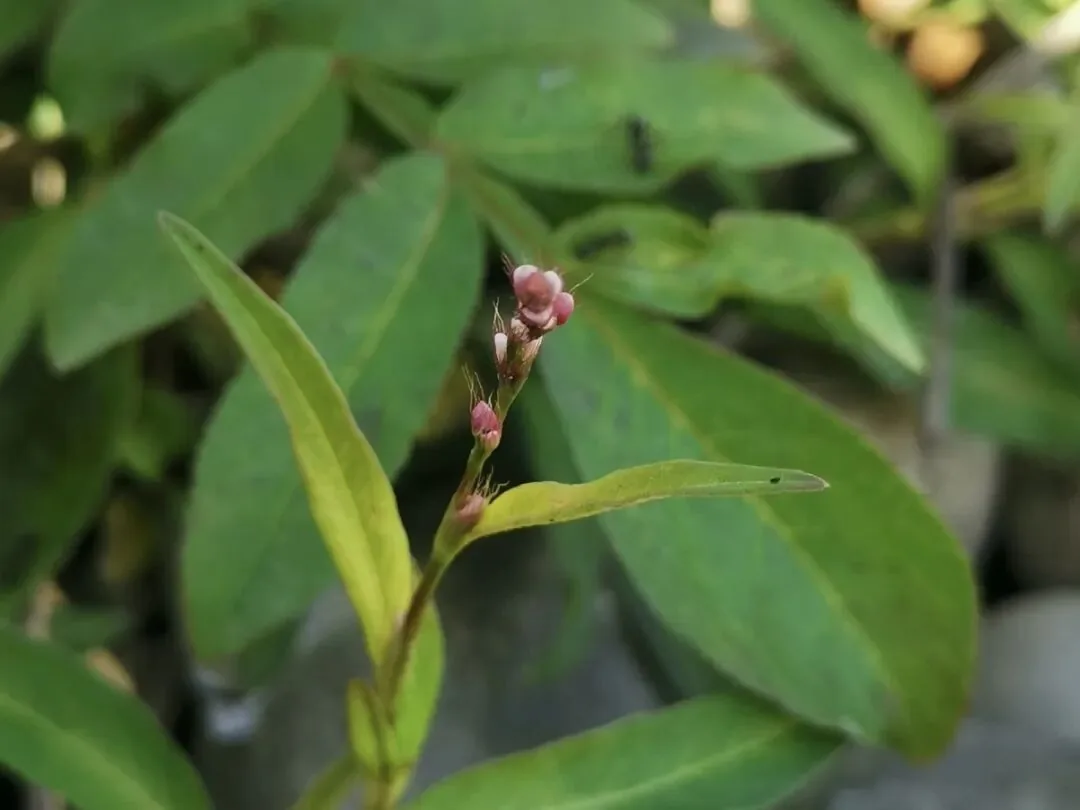
You’ll find all sorts of herbs here: Yuzhu (Solomon’s seal), Xianmao (curculigo), Xiuxianju (spiraea), Tougusan, Gougu (holly), Choumudan (clerodendrum), Diguo (fig), Longsheilan (agave), and many more. The thing is, a lot of them look alike — good luck telling them apart.
What to See and Do
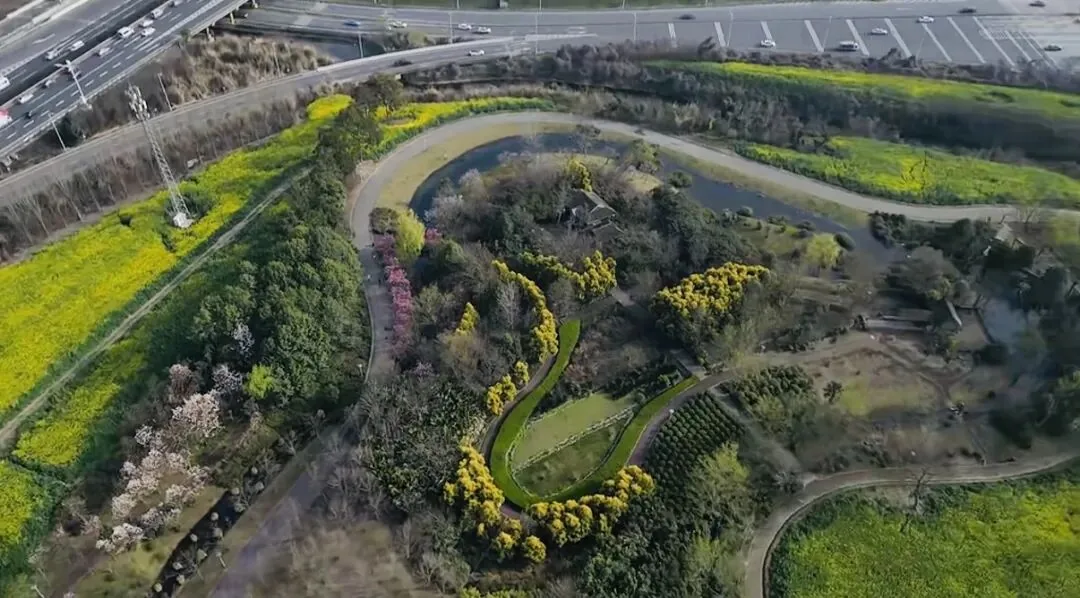
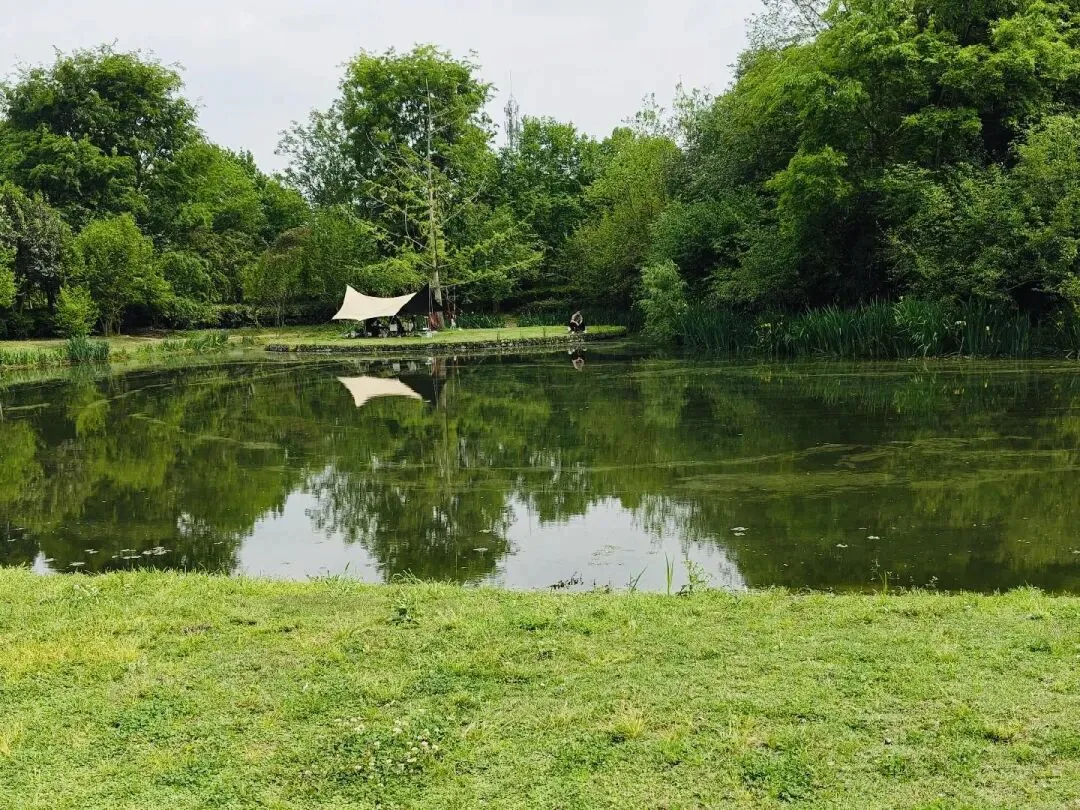
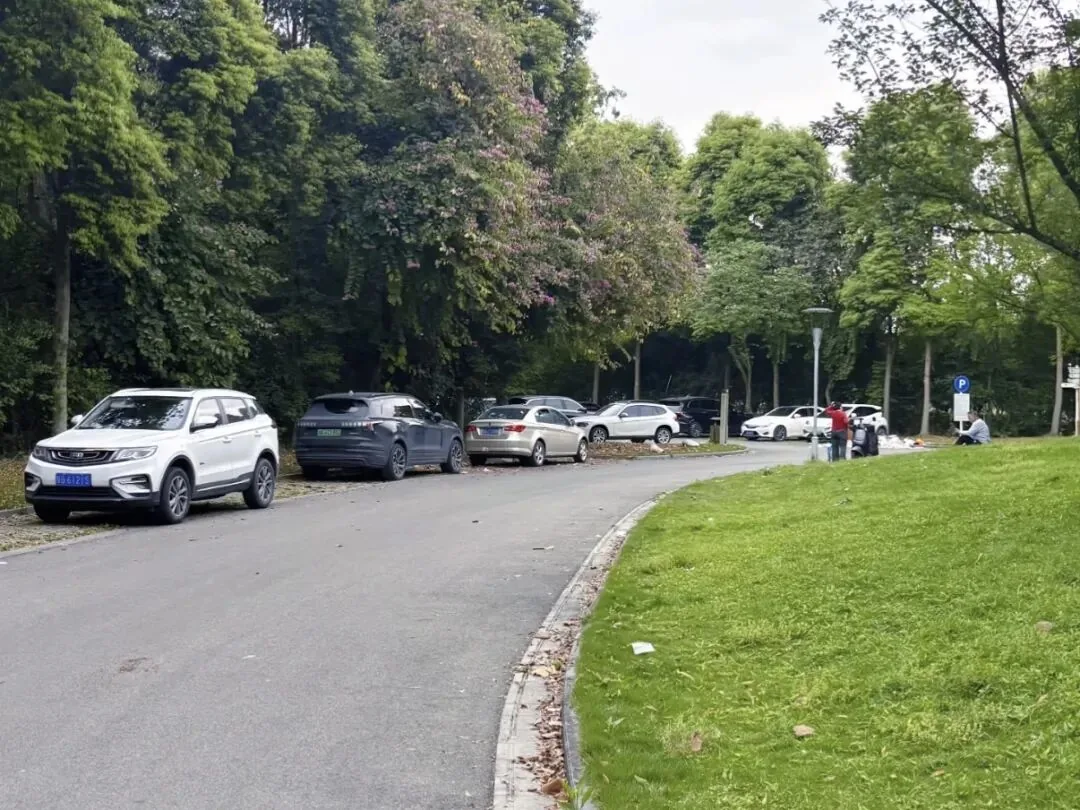
Honestly, for visitors like us, the main draw is just the scenery — walking around in nature, breathing fresh air. That’s already satisfying enough. You can drive right into the park. When I went, there was no parking fee, which is pretty friendly.
The osmanthus trees in the garden are starting to bloom. Golden osmanthus and red osmanthus flower almost at the same time. After the rain a few days ago, you can smell the fragrance from far away along the paths and around the pond — it really lifts your spirits. Tiny petals fall on the stone paths and onto the pond’s surface. The hibiscus is also blooming gradually. Hibiscus is Chengdu’s city flower, and the pink-white blossoms hanging on the branches add a lively, playful touch.
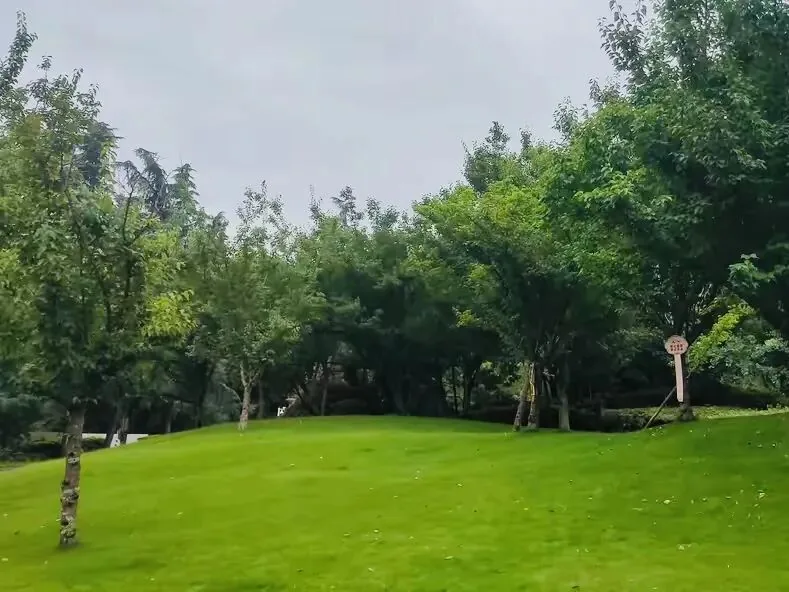
The park is truly peaceful. No vendors hawking goods, no noisy amusement rides — just the rustle of wind through leaves and the occasional bird call. You can bring a book and sit in the shade for half a day. And in this season, you can also bring camping gear, pitch a tent on the grass, face the wetland and flowing water, and turn the whole afternoon into slow time. This is the most genuine kind of Chengdu leisure.
Pro tip: Bring a book or a tent — this is the kind of place where you make your own afternoon.
A Park with a Wild, Untamed Feel
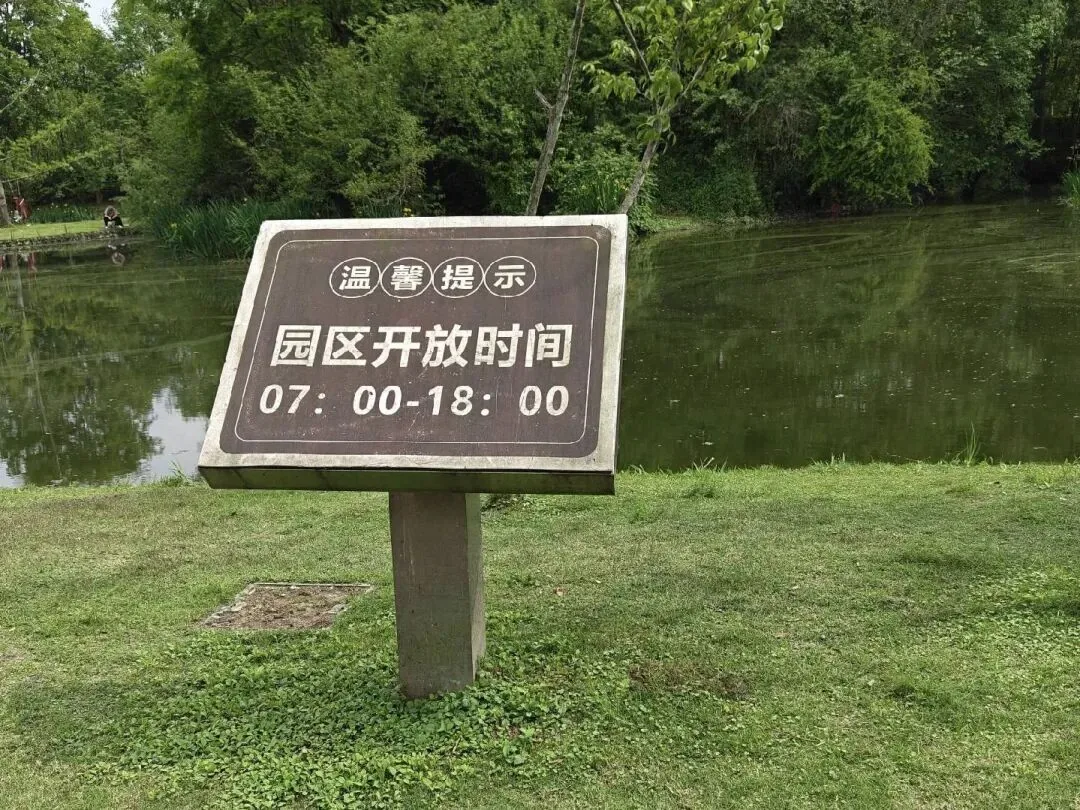
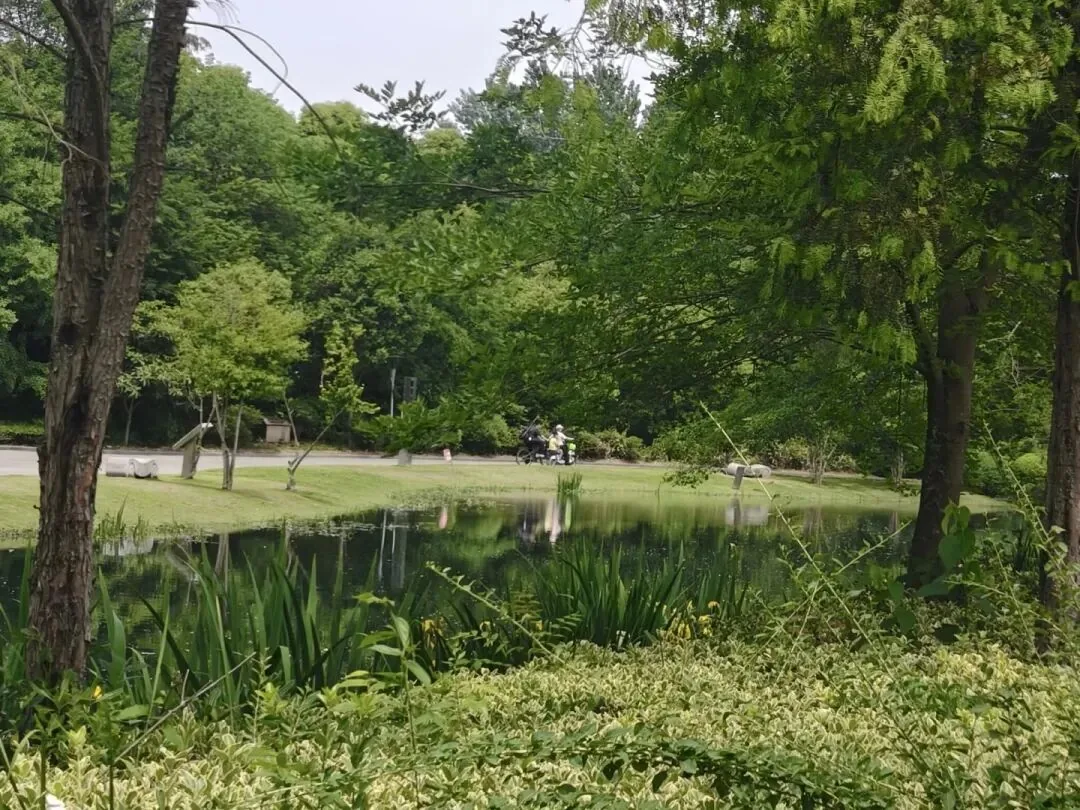
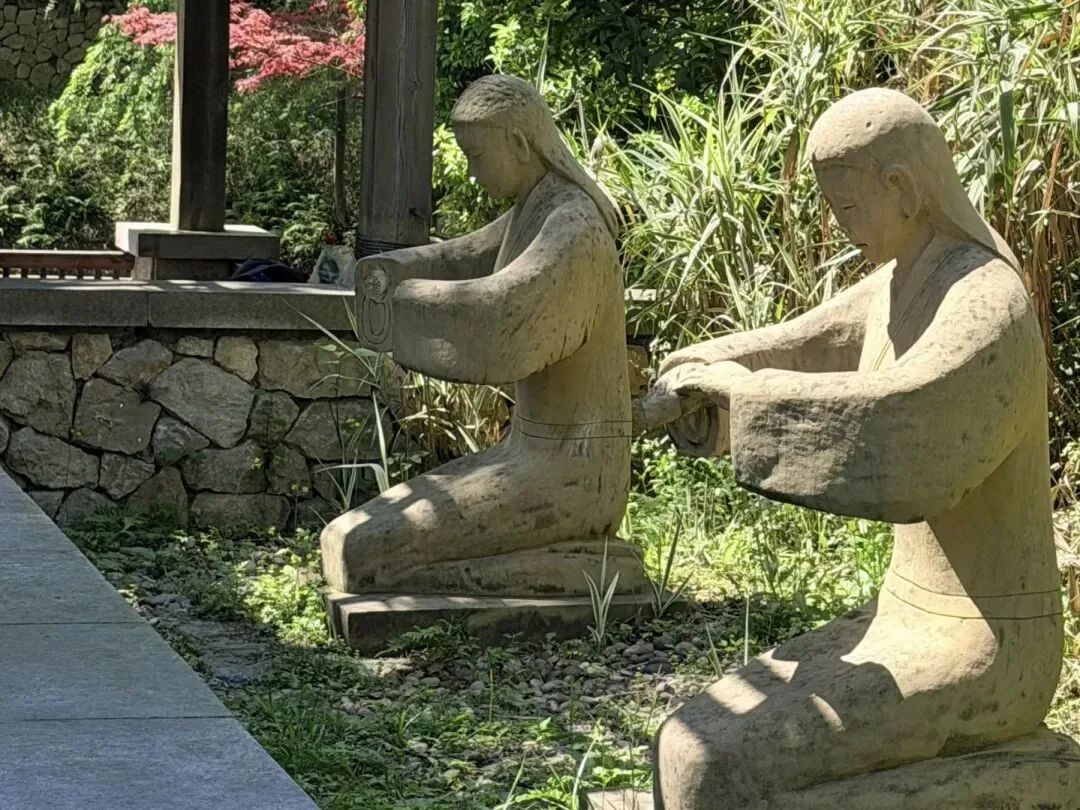
The Medicine Garden gives off a somewhat abandoned feel. In many places, plants grow wild, as if no one manages them. There’s no entrance fee — you just walk in. But inside, I saw a sign that said opening hours are 7:00–18:00. I’m not sure if it actually closes in the afternoon. Doesn’t matter much though — it’s best for daytime wandering anyway.
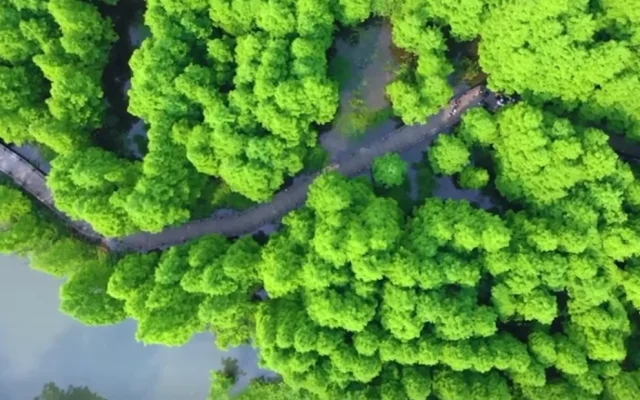
I actually like parks like this: raw, natural, full of wild charm, with not too much city noise. Walking through the woods, the sun casts dappled shadows. A small river winds through the garden, shallow streams flow around the herb fields, and cattails and reeds sway in the breeze along the banks. The plants still keep their rich green, with a few yellow leaves falling here and there — a hint that autumn has arrived.
Lu Xun once said, “Infinite distance, countless people, are all related to me.” I feel the same way right now. As long as my mood is comfortable, that’s enough.
Among the grass, wild chrysanthemums quietly push out buds — tiny dots of tender yellow. Gougu trees bear small green fruits. Yuzhu stretches its slender branches. And herbs like Xianmao and Maidong grow quietly. Along the way, I even saw a pomelo tree with fruits already quite large.
Sun Simiao once said: “All things under heaven are spiritual medicine; among all things, there is nothing that is not medicine.” These seemingly casual little flowers and grasses all have their purpose in this world — it just depends on whether people are willing to slow down and recognize them.
An Honest Take
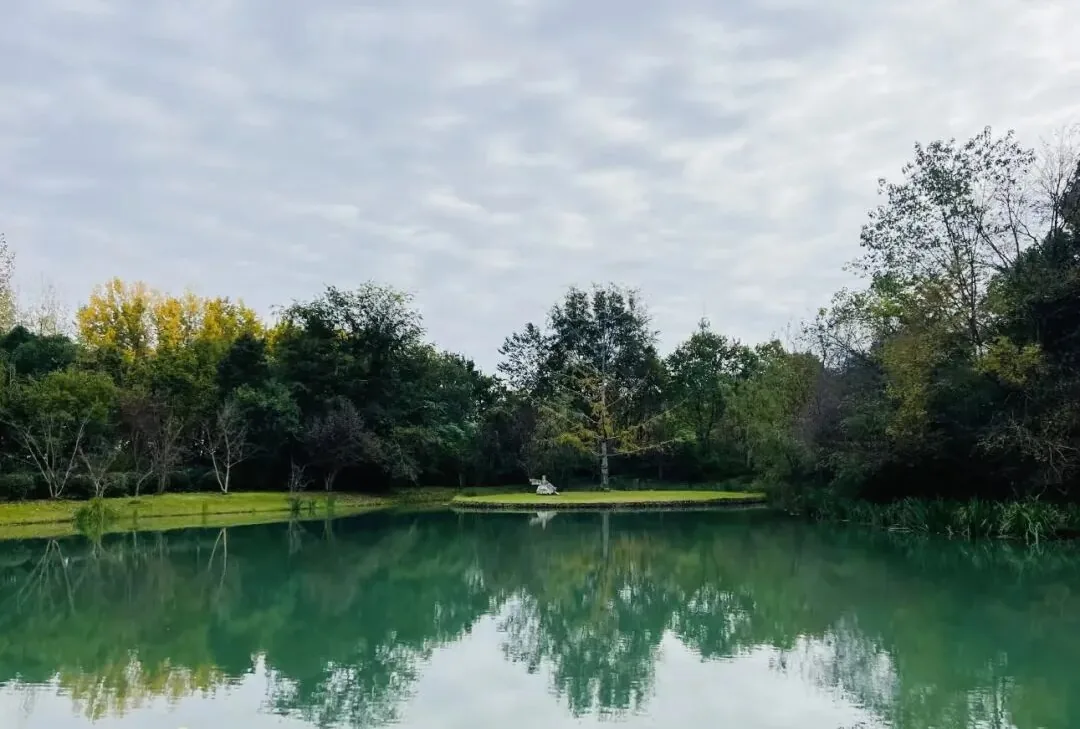
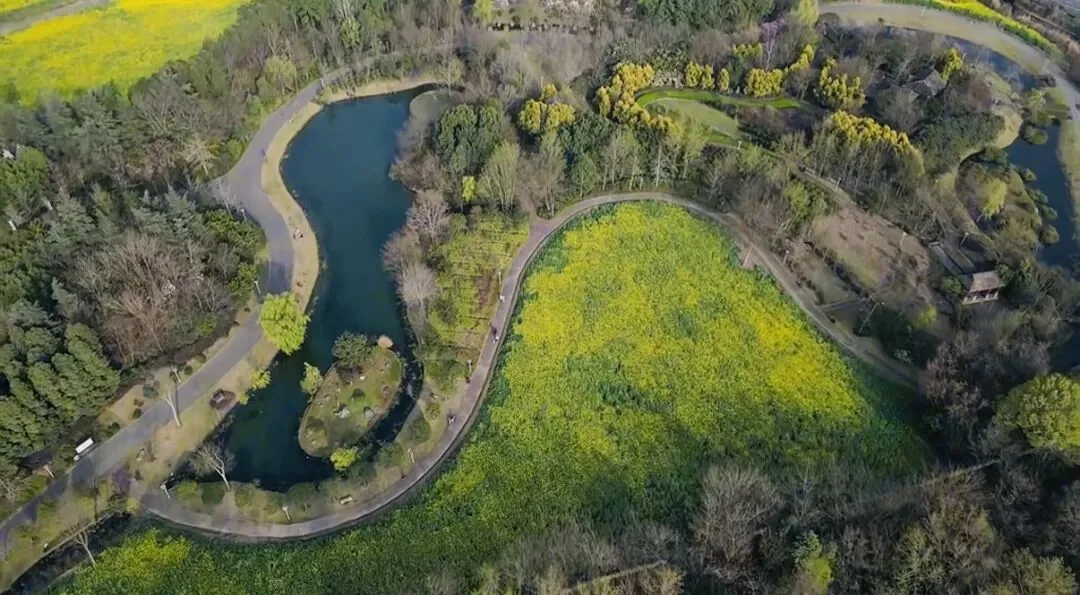
Of course, I have to be honest: the Medicine Garden isn’t a perfect park. But it retains a simple, almost “wild” character, and a relaxed rural pastoral feeling. Walking along the greenway, there aren’t many visitors — mostly nearby residents. That’s actually quite nice. Slow and easy.
Wenjiang has been a fertile, abundant land since ancient times. This medicine garden is named “Furong Changjuan” — Furong (hibiscus) is Chengdu’s city flower, and the name also hints at a long scroll of herbal medicine. But the park doesn’t use a sea of hibiscus as its selling point. Instead, it focuses on hundreds of herbs.
I often think: city life is noisy and rushed. People are often trapped among buildings, forgetting the scent of the earth and plants. Here, time seems to slow down. You can walk slowly along the field ridges, sit quietly by the water, or smell the plants. It’s a rare kind of peace and comfort.
Practical Info
- Address: Tianwang Village, Yongning Street, Wenjiang District, Chengdu — east side of the intersection of Furong Avenue and Yongning Avenue.
- Tickets: Free entry, no main gate ticket.
- Public transport: Metro Line 2 to Chadianzi Bus Station Exit D, then transfer to Bus 763 to Furong Avenue Tianwang Village Station.
- Driving: Recommended. Navigate to “Furong Changjuan Medicine Garden” (芙蓉长卷药博园). Take Furong Avenue. About 40 minutes from the city center. Parking is inside the park — get out and you’re in. Free parking.
- Tips: There are no convenience stores or restaurants inside the park. The Leijingtang medicinal cuisine restaurant has closed. Be sure to bring your own water, snacks, and picnic food. When I went, I couldn’t even find a toilet — a bit awkward.
Pro tip: Pack water, snacks, and maybe even a picnic — there’s nowhere to buy anything once you’re inside.