The Best Streets in Chengdu for a Real Local Experience (According to a Local)
If you’re visiting Chengdu for the first time, you’ve probably heard about the famous tourist streets. But here’s the thing — the real Chengdu isn’t found on those polished, Instagram-ready blocks. It’s in the quiet residential lanes where old teahouses still serve 10 RMB jasmine tea, where grandmothers sell hand-pressed guokui (stuffed flatbread) for 5 RMB, and where the only people around you are locals going about their day.
This guide to the best streets in Chengdu is for anyone who wants to skip the tourist assembly line and experience the city the way Chengdu people actually live it. All these streets are metro-accessible, easy to combine into half-day or full-day routes, and packed with honest, affordable food. Trust me on this — you’ll want to arrive hungry.
Must-Visit Old Streets in the City Center (Metro Direct)
These are grouped by district, and each area can be comfortably explored in half a day.
Jinniu District: The King of Affordable Street Eats
Fuqin Area (抚琴片区)
Streets: Yinghe Lane (营和巷), Fuqin West Road side streets (抚琴西路支路) — skip the crowded main-road night market.
Getting there: Metro Line 5 to Fuqin Station, Exit A, then a 3-minute walk straight to the lanes.
Background: This was a mature work-unit residential area in the 1980s on the west side of the city. The main road’s night market gets packed, but the side streets in the residential blocks are full of quiet, old community shops with no influencer marketing — just old Chengdu locals living their lives.
What it’s like: During the day, wander through old noodle shops and home-style restaurants in the residential area. After 5pm, the night market stalls set up, and the atmosphere is unbeatable. Street snacks average around 10 RMB — some of the best value in the whole city.
Local-approved old shops (verified on Dianping as of 2026):
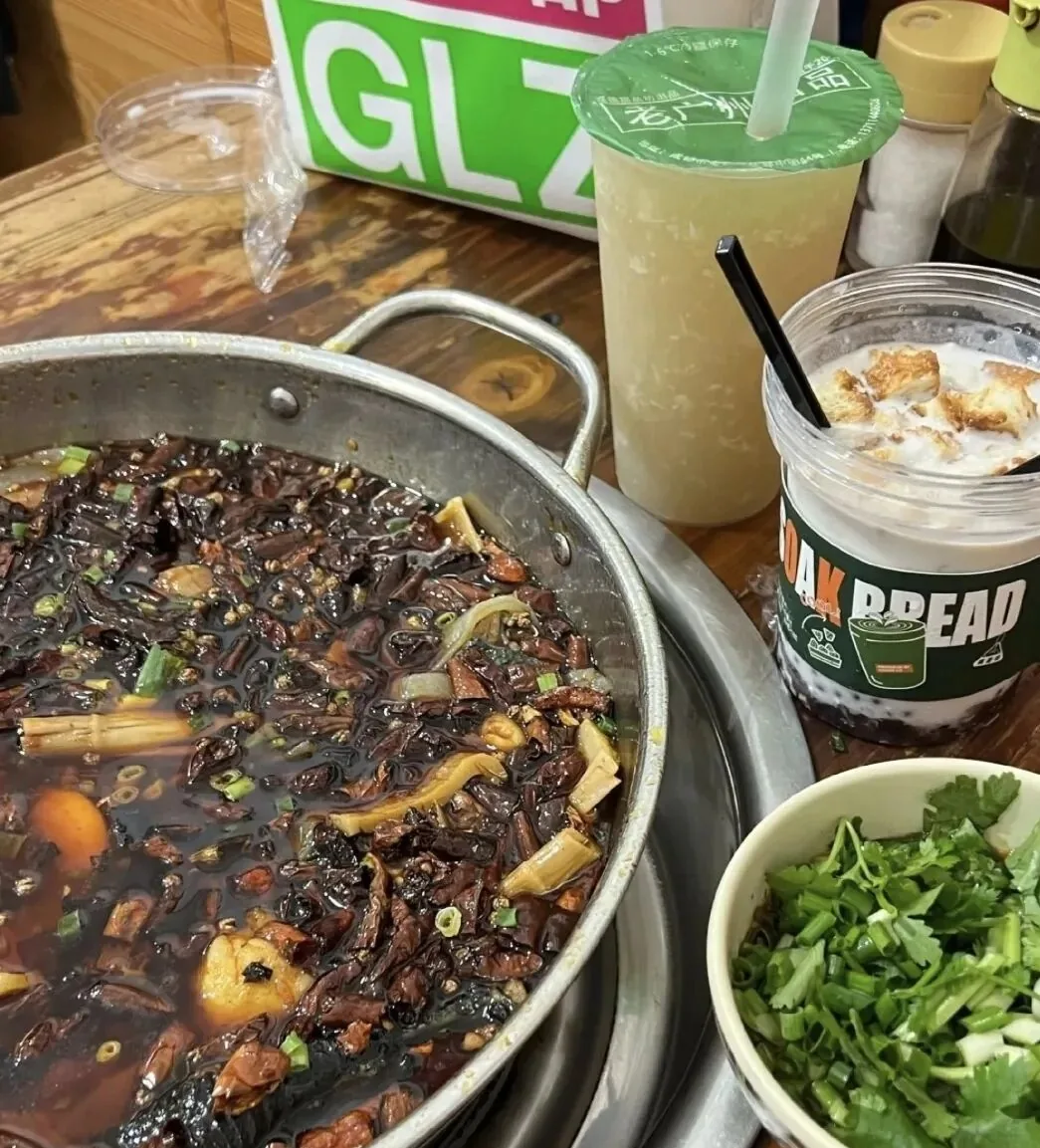
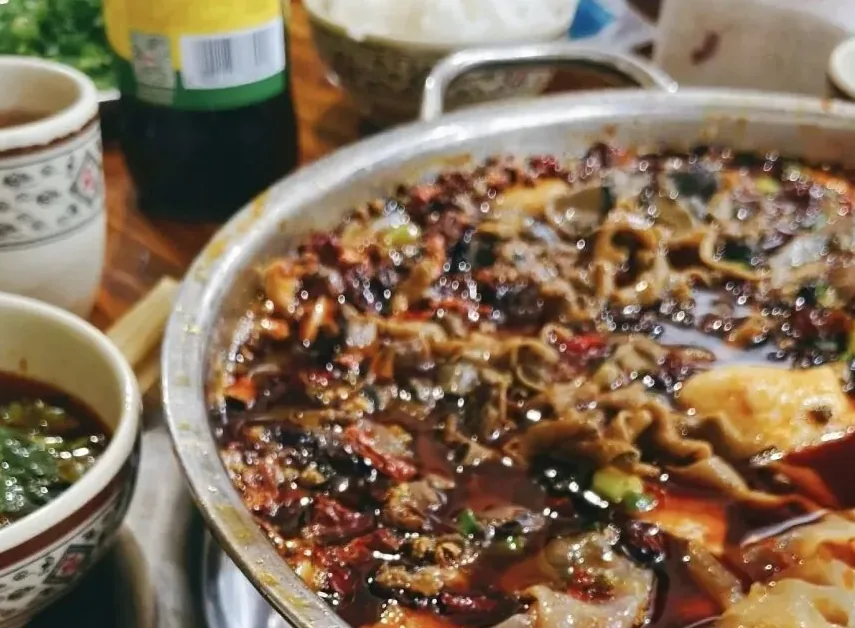
- Heizhu Xiangji (黑竹香鸡) — No. 20 Yinghe Lane. Open 11:00–21:00. A local hidden gem for home-style cooking. The chicken is braised until fall-apart tender and packed with flavor, served with vegetables over rice. Around 30 RMB per person and you’ll be stuffed. Hardly any customers.
- Fuqin First BBQ (抚琴第一烤) and Guai Laotou Tianbula (怪老头甜不辣) — Stalls open at 17:00. Old-school charcoal BBQ. Tianbula (sweet-not-spicy) is a classic Chengdu street snack — locals never skip it when hitting the night market.
Outer and Inner Caojia Lane (外曹家巷、内曹家巷)
Getting there: Metro Line 3 to Ma’anshan North Road Station, Exit B, then a 5-minute walk.
What it’s like: These are old factory worker family lanes from the 1950s–60s. Old-style apartment blocks, neighborhood wet markets, and hole-in-the-wall eateries are packed together. The street life is thick — at mealtimes, low stools line the streets.
Local-approved old shops:
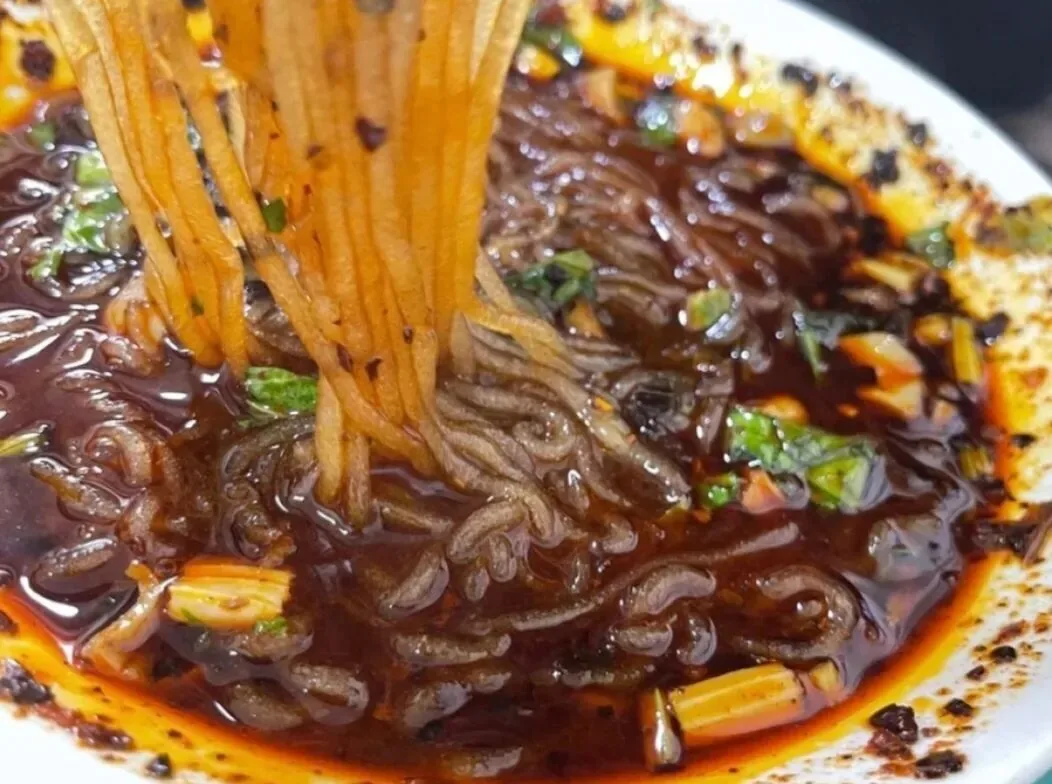
- Ganji Feichang Fen (甘记肥肠粉) — No. 18 Ma’anshan North Road. Open 07:00–14:00. An old-school breakfast spot in the north of the city. The pork intestine is soft and never gamey, and the Maojiedzi (stuffed intestine segments) burst with juice. Pair it with a guokui from Grandma Yan’s next door (严太婆锅盔) — that’s the classic old Chengdu breakfast combo.
Qingyang District: Slow Old-City Life, Perfect for a Leisurely Morning
Jinsi, Yinsi, and Tongsi Streets (金丝街、银丝街、铜丝街)
Getting there: Metro Line 1 to Wenshu Monastery Station, Exit K, then a 4-minute walk.
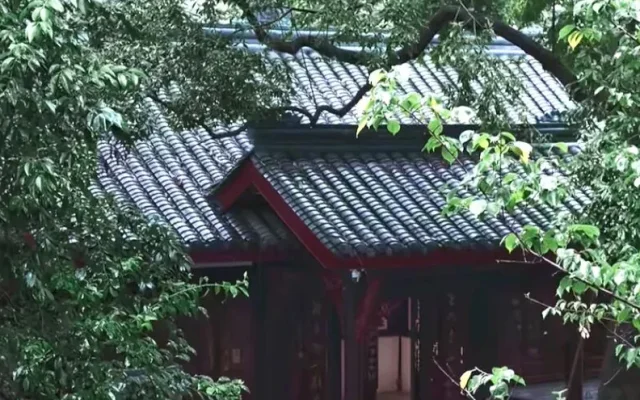
Background: These were gathering places for gold, silver, and copper jewelry craftsmen during the Ming and Qing dynasties. The lane layout hasn’t changed in hundreds of years, and there are no trendy cultural-creative shops — just three parallel narrow lanes with old Sichuan-style courtyard homes and century-old community teahouses.
What it’s like: Quiet and uncrowded, no tour groups. At the lane entrance, a cup of jasmine flower gaiwan tea costs 10 RMB. Local elders fill the seats, chatting and playing cards. It’s a full immersion into Chengdu’s relaxed “sunbathing and tea-drinking” daily life.
Local-approved old shops (still open as of 2026):
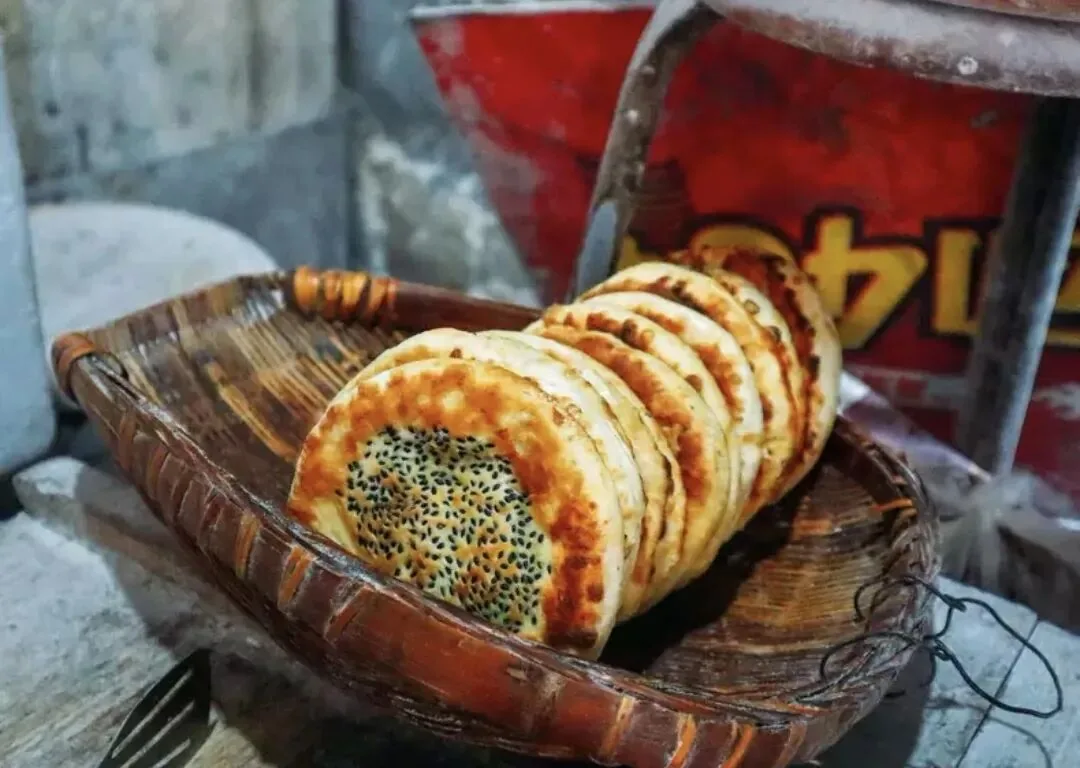
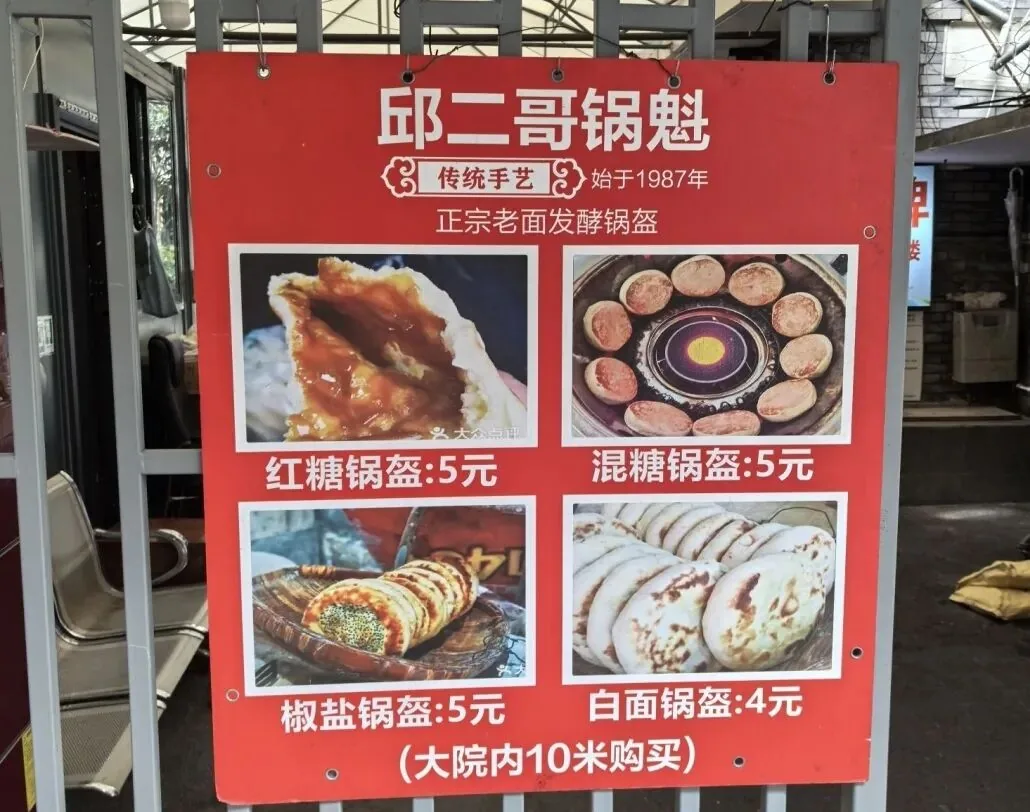
- Qiu Er Ge Guokui (邱二哥锅盔) — No. 45 Jinsi Street. Open 08:00–18:00, closes when sold out. Handmade charcoal-baked brown sugar guokui with a molten center. Cash only. Locals make special trips for these — 5 RMB each, a childhood-style treat.
- Zhide Hao Xiaolong Zheng Niurou (治德号小笼蒸牛肉) — A 30-year-old shop. Steamed beef coated in chili powder, served with a plain white guokui. Authentic old Chengdu street food.
North Shuyuan Street (北书院街)
Getting there: Metro Line 4 to Kuanzhai Alley Station, Exit C, then a 6-minute walk.
What it’s like: A residential area built alongside a Qing dynasty academy, turned into a late-night food street in the 1990s. No influencer packaging — just a pure local late-night canteen. The whole street is full of Jianghu-style restaurants that have been running for over 20 years.
Local-approved old shops:
- San Ge Tianluo (三哥田螺) — No. 53 North Shuyuan Street. Open 17:00–02:00. An old Chengdu Jianghu restaurant. Fiery huanghou (beef aorta) and fish-fragrant shrimp are heavy on oil and spice. Locals’ top choice for late-night gatherings. No tourist markup.
Jinjiang District: Quiet Spots Near the Hustle, Close to Chunxi Road
1. Dongmen Shijing (东门市井)
Getting there: Metro Line 7 to Shizishan Station, Exit A1, then a 5-minute walk. Free entry, no ticket.
Background: This area recreates late Qing/early Republic Sichuan-style residences based on Li Jieren’s novel Ripples Across Stagnant Water. It covers over 40 mu (about 6.6 acres). The renovation was restrained, and locals make up most of the visitors — no assembly-line tourist shops.
What it’s like: Blue-tiled stone-paved lanes, old mansion courtyards, intangible cultural heritage performances, and old teahouses. When you’re tired, sit down with a gaiwan tea. It balances old-world charm with street life, and it’s very beginner-friendly. Photos come out soft and pretty, and it never gets packed.
Neighborhood snacks: Handmade yerba (leaf-wrapped sticky rice cakes), old-style bingfen (ice jelly), Sichuan cold dishes. Average price 8–15 RMB.
2. Shiyi Street (十一街)
Getting there: Metro Line 6 to Niuwangmiao Station, Exit D, then a 7-minute walk. It’s a narrow lane in a residential area behind the high-rises of Jiuyanqiao.
What it’s like: Less than 200 meters long, a pure community gathering spot for hole-in-the-wall eateries. No tourist renovation at all. At mealtimes, small folding stools line the street, and the diners are all nearby office workers and old residents. It’s noisy, vibrant, and utterly authentic.
Local-approved old shops:
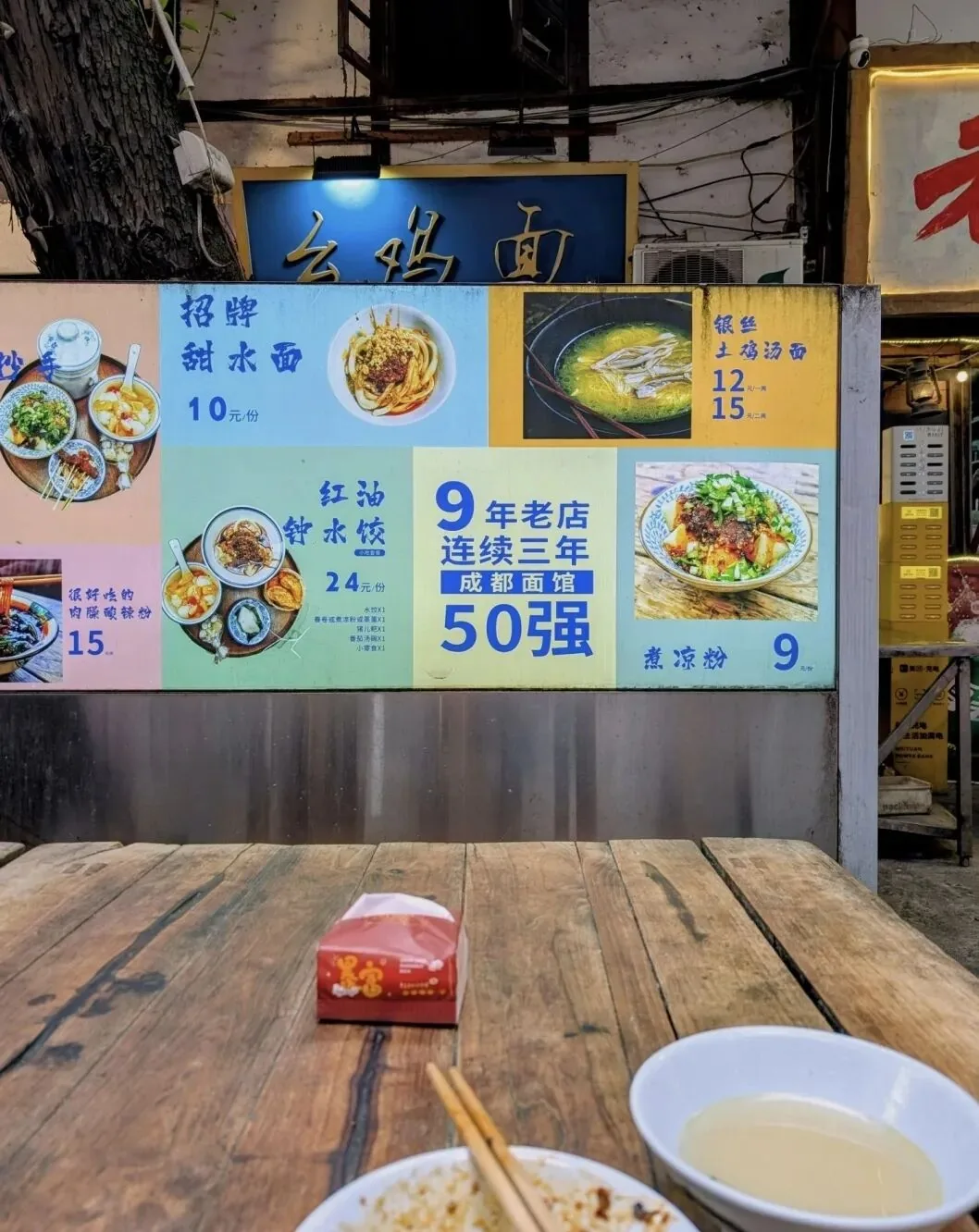
- Yaoji Mian (幺鸡面) — No. 10 Shiyi Street. Open 10:00–20:30. Crispy minced pork zhajiang noodles and chicken soup wontons. Generous portions.
- Lao Maza Shijing Xiaohuoguo (老马扎市井小火锅) — No. 9 Shiyi Street. Open 17:00–02:00. Tofu and beef hotpot base, no base fee, around 40 RMB per person.
3. Tangpa Street (镋钯街)
Getting there: Metro Line 2 to Dongmen Bridge Station, Exit D1, then a 4-minute walk straight to the street.
Background: A century-old street, once a gathering place for weapon shops. It’s right next to Taikoo Li and Chunxi Road, yet completely removed from the mall crowds.
What it’s like: Blue-tiled old lanes mixed with old residential buildings — a balance of old and new, not overly trendy. Great for a short stroll or a simple afternoon tea. Afterward, walk 10 minutes to Taikoo Li to check out the climbing panda — the route connects seamlessly.
Chenghua District: Affordable Eats Near Universities
Tashuiqiao West Street (踏水桥西街) and Xiuyuan Lane (秀苑巷)
Getting there: Behind the UESTC (University of Electronic Science and Technology of China) Wanren Apartment complex. Skip the crowded Jianshe Lane night market. Metro Line 6 to Jianshe North Road Station, Exit C, then a 6-minute walk.
What it’s like: These are 1980s factory residential lanes in the eastern suburbs. Avoid the tourist-packed Jianshe Lane main street — the side lanes behind are full of affordable old shops serving students and locals. Quiet and calm, with breakfast and home-style food everywhere.
Local-approved old shops:
- Zhang Ma Niurou Doufunao (张妈牛肉豆腐脑) — Open 07:00–19:00. Silky tofu topped with minced beef, served with a beef kebab. Around 10 RMB per person. The standard student breakfast.
3 Ready-Made Routes
Route 1: Half-Day Relaxed Stroll (Morning Tea in the Old City, Great for Solo Travelers or Families, Easy on the Feet)
Metro Line 4 to Kuanzhai Alley Station → walk to Jinsi/Tongsi Streets for tea and guokui → walk to North Shuyuan Street for a simple lunch → Metro Line 5 direct to Fuqin area, evening night market snacks. Few transfers, slow pace, focused on the old Chengdu slow-life experience.
Route 2: Full-Day Classic City Loop (Street Life, Old Charm, and Shopping — Best for First-Timers)
Morning: Metro Line 7 to Shizishan Station → Dongmen Shijing to see old Sichuan residences and eat local snacks. Noon: Metro Line 7 transfer to Line 6 to Niuwangmiao Station → Shiyi Street for a hole-in-the-wall lunch. Afternoon: Walk 10 minutes to Tangpa Street for a stroll, then walk to Taikoo Li and Chunxi Road for photos. Evening: Metro Line 2 transfer to Line 5 to Fuqin Station → Fuqin night market to finish, with late-night BBQ.
Route 3: North City Street Food Express (For Spice Lovers, Affordable Local Eats, Foodie Favorite)
Metro Line 3 to Ma’anshan North Road Station → breakfast feichang fen at Outer Caojia Lane. Transfer to Line 5 to Fuqin Station → lunch of home-style dishes at Yinghe Lane. Evening: Line 6 to Jianshe North Road Station → student-priced snacks at Tashuiqiao West Street. Late night: Jianghu food at North Shuyuan Street.
Near-City Short Trips (If You Have Time, Easy by Metro/High-Speed Rail)
Jingde Lane 1 and 2, Pidu District (郫都景德一巷、景德二巷)
Getting there: Metro Line 2 to Xipu Station, transfer to Bus P04 direct to Jingde Lane. About 40 minutes total.
What it’s like: A residential settlement next to the old Qing county office, over 200 years old. No commercial renovation — quiet old-town street life.
Local-approved old shops:
- Songji Yerba (宋记叶儿粑) — Handmade mugwort leaf-wrapped sticky rice cakes, just over 2 RMB each.
Mopan Street, Longquanyi (龙泉驿磨盘街)
Getting there: Metro Line 2 to Longping Road Station, then a 10-minute taxi ride.
Background: The old main street of the Dongshan market town from the mid-to-late Qing dynasty. It retains complete Qing-era Sichuan chuan-dou wooden houses. No scenic-area renovation — it’s a living area for locals.
Local-approved old shops:
- Fage Fanguan (发哥饭馆) — Signature dishes: cold dressed junba (beef aorta) and stir-fried liver and kidney. Authentic home-style Sichuan flavors.
Practical Tips
-
Where to stay: Choose chain hotels or guesthouses near Metro Line 5 Fuqin Station, Line 2 Dongmen Bridge Station, or Line 4 Kuanzhai Alley Station. You can reach any old street directly by metro, and it’s convenient for morning and evening food runs. Prices are more affordable than around scenic spots.
-
Getting around: Always prioritize the metro — Chengdu’s subway covers all the recommended streets. During peak hours, driving in the old city is a nightmare, so self-driving is not recommended. For short trips of 1–2 km, shared bikes are more flexible for weaving through small lanes.
-
Old-shop dining tips: – Noodle shops and home-style restaurants mostly close after lunch, around 14:00. Arrive by noon for a proper meal. – Night market stalls don’t set up until after 17:00. Don’t go too early. – None of the recommended shops have influencer packages or tourist markups. They won’t water down flavors for outsiders. If you want authentic, heavy, spicy old Chengdu flavors, just tell the boss directly.
Pro tip: Bring cash for Qiu Er Ge Guokui — it’s cash only, and they close when they sell out.
Local insight: The best time to explore these streets is mid-morning for tea and snacks, then again after 17:00 when the night market stalls roll out. Plan your day around those two windows.
So there you have it — the real Chengdu, street by street. Pick a route, hop on the metro, and let your appetite lead the way. You won’t find these places on a tour bus, and that’s exactly the point.