Why You Should Skip the Crowds This October
National Day holiday rolls around again, and Chengdu’s big-name attractions turn into a sea of people. If you’d rather find somewhere quiet and local — a place that feels like a secret — Xincheng’s Baihetan National Wetland Park is calling your name.
It’s not the kind of park with mountains or roller coasters, and you won’t find much in the way of snack stalls. But that’s exactly the point. Baihetan has its own quiet magic, and it’s perfect for anyone who wants to slow down and breathe.
What Makes Baihetan Special
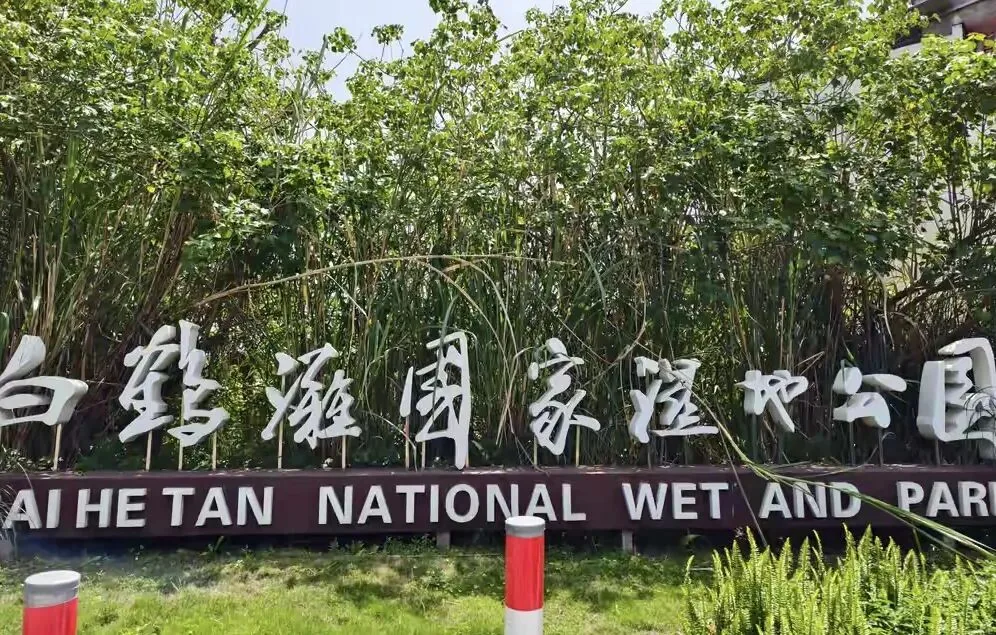
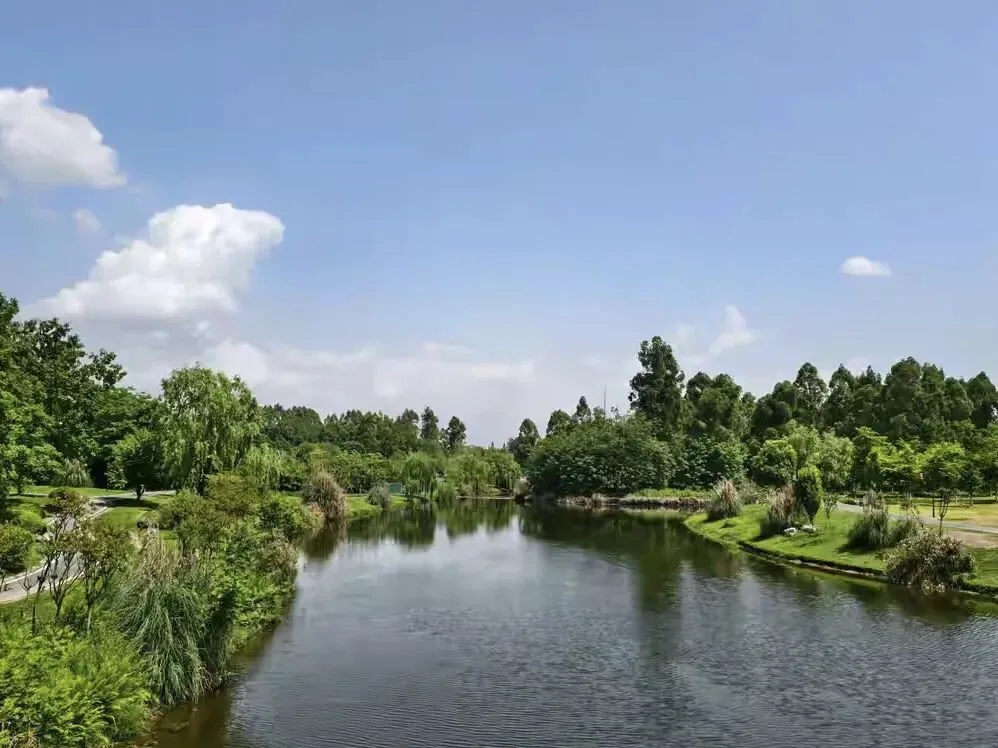
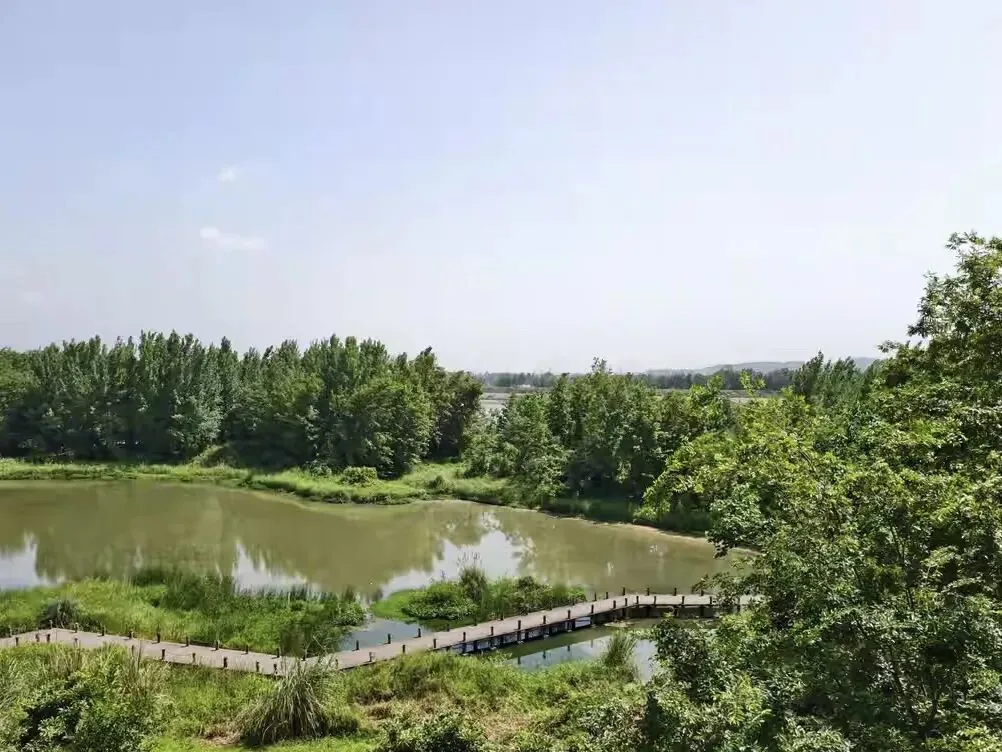
Baihetan Park sits in Xinjin, covering the stretch from the Minjiang River’s Xingyi Bridge to where the Jinma River meets the Xi River, plus part of the Xi River wetland. The total area is 9,750 mu — nearly 10,000 mu — making it a massive park with a wetland rate of 95%. It’s not flashy, and it doesn’t have a big reputation, but it’s Chengdu’s only national-level wetland park, and it’s remarkably pristine, with very few man-made traces.
Local insight: If you’re used to big commercial scenic spots, this place might surprise you — in the best way.
The Reeds Are the Star of October
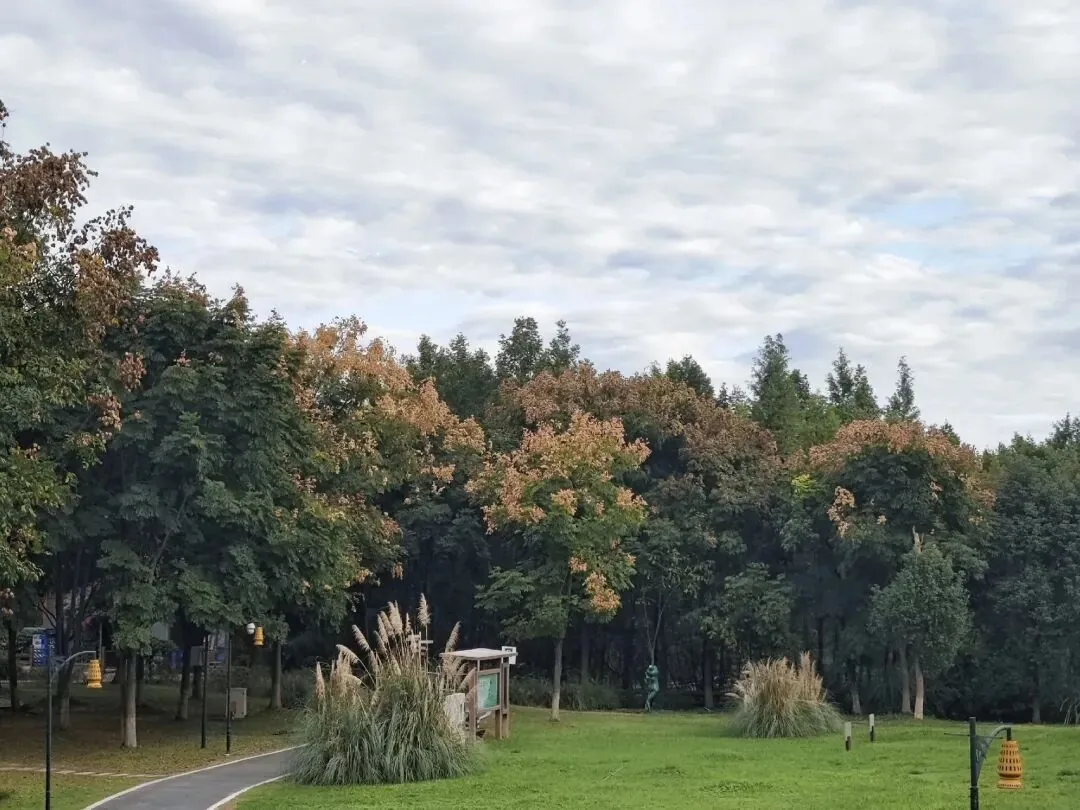
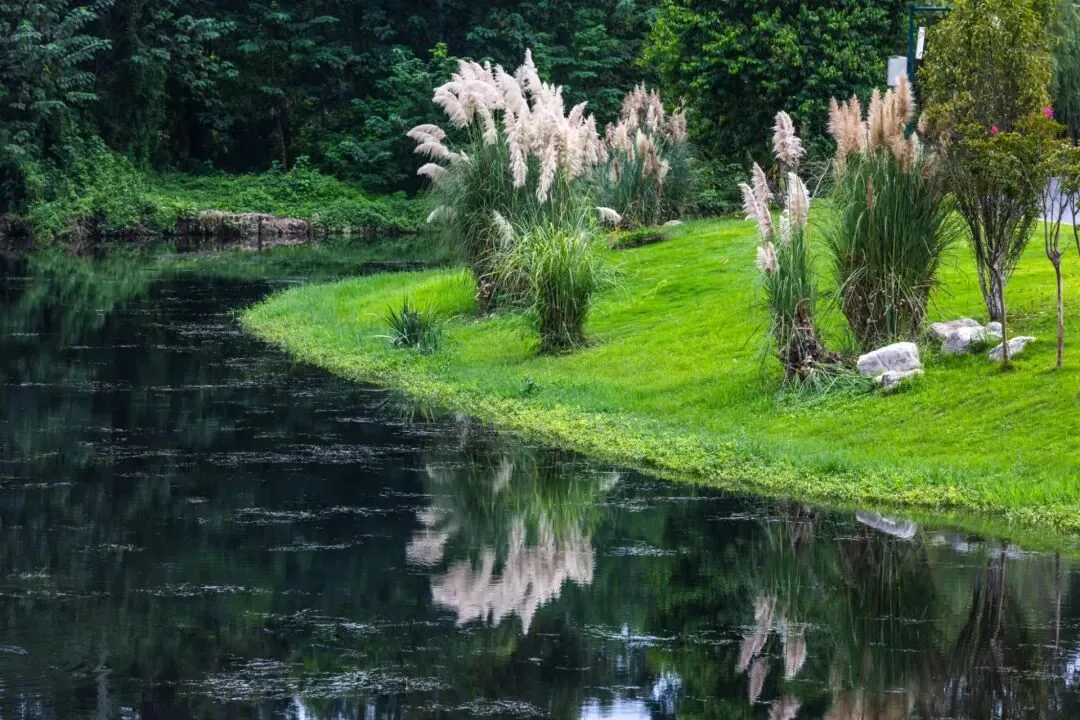
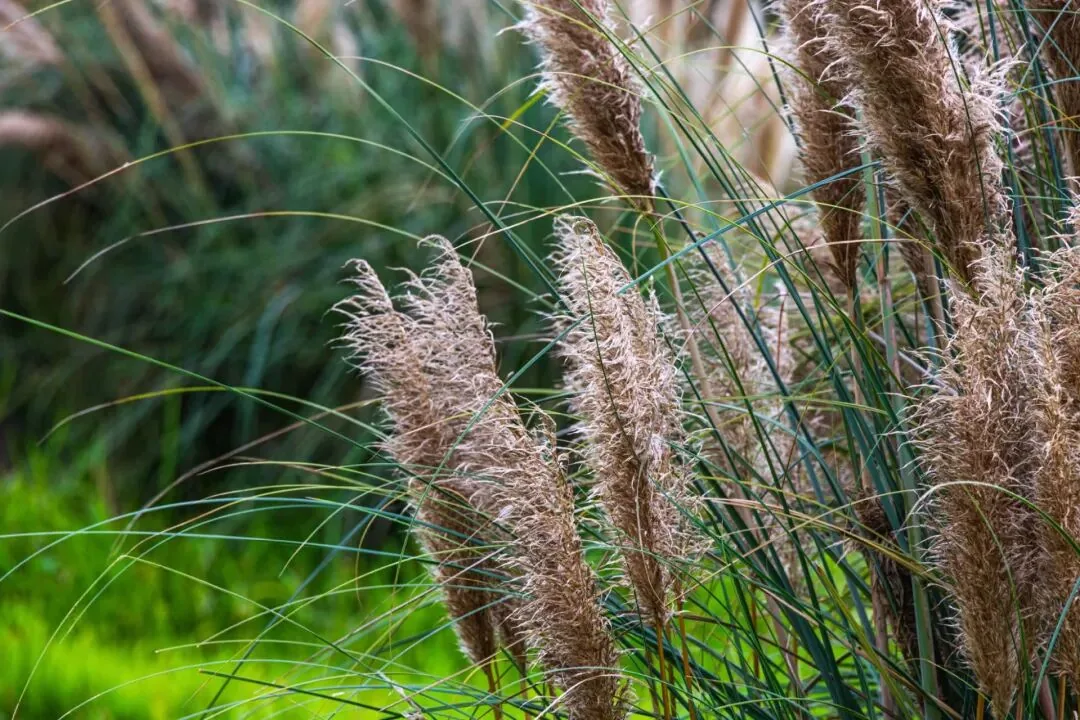
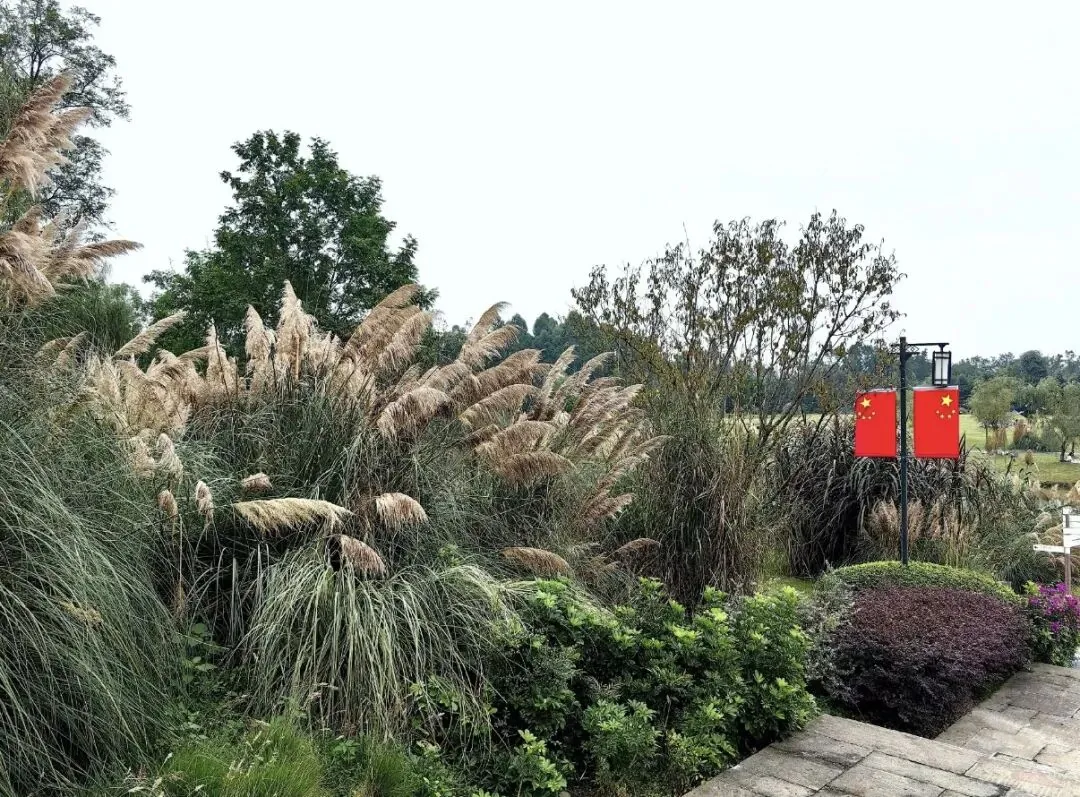
October is when Baihetan looks its best, thanks to the endless stretches of reeds. Right now they’re at peak viewing. If you grew up watching TV, you might remember how reeds always carried a nostalgic vibe — that’s exactly the feeling here.
These reeds aren’t planted for decoration. They’re native “ecological guardians”: they purify the water, their roots hold the riverbanks and soil in place, and they provide habitat, food, and breeding grounds for birds. Standing on the long reed embankment, you’ll hear the rustle of wind through the stalks mixed with the calls of waterbirds in the distance — a true autumn-only scene.
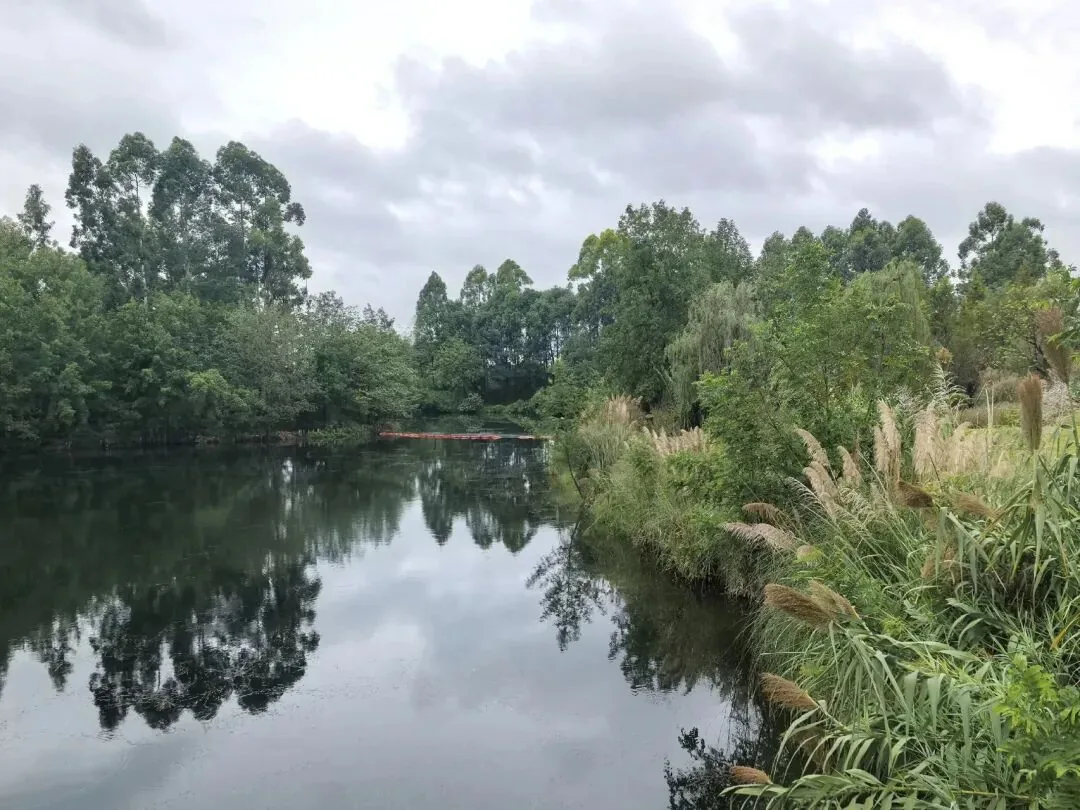
The Minjiang River flows down from Dujiangyan, forming an alluvial sandbar wetland. Over 70 sandbars of various sizes have piled up, creating this complex river-and-sandbar wetland. A 3,000-meter-long reed embankment stands by the river. When the October wind blows, the reed flowers turn white, and the wooden boardwalk winds deep into the park, seemingly without end.
A Living Poem
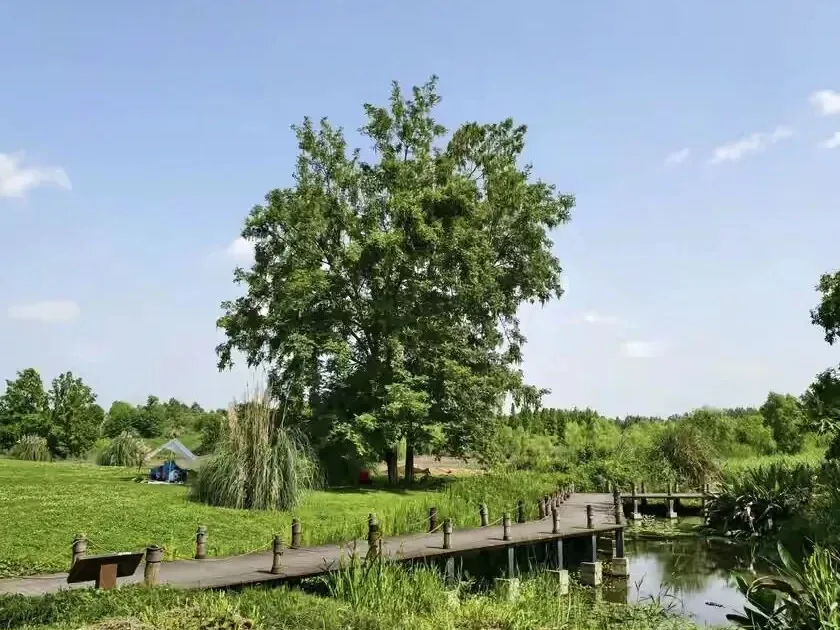
“Thick grow the reeds, white dew turns to frost.” The reeds that ancient poets wrote about a thousand years ago are swaying here today. The vast reed sea spreads along the water’s edge; the leaves have lost their bright green and taken on a pale yellow, while fluffy white reed flowers hang on the tips, light and dancing in the wind.
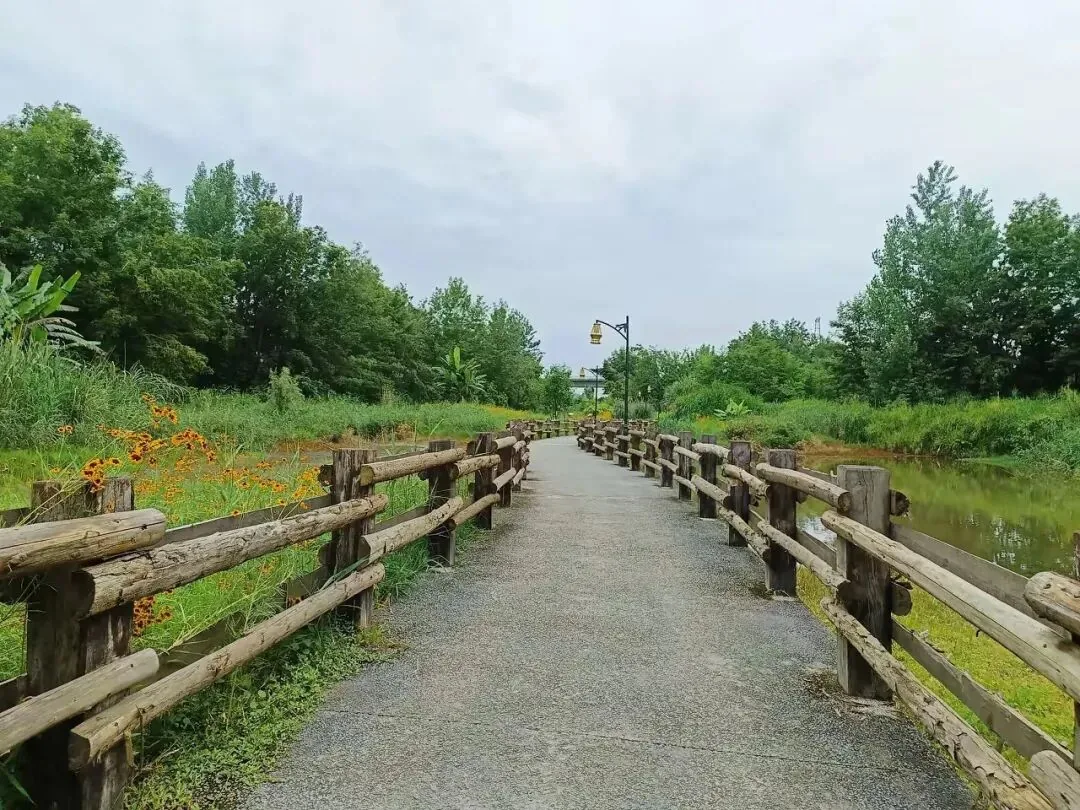
Soon, when the autumn wind sweeps through, thousands of reed flowers will rustle and drift like snow or mist. Walking on the wooden boardwalk, with reed waves rolling on both sides and a fresh breeze carrying the scent of plants and water, you’ll feel all your restlessness settle.
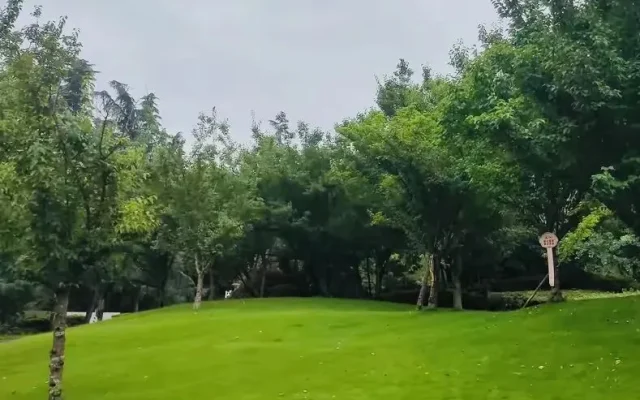
It’s a great time for photos. The park has a boundless wilderness feel, with a touch of desolation. There are also colorful little flowers — gesang flowers — dotting the area. The boardwalk weaves through reed seas, shallow beaches, lawns, and flower fields. The paths are flat and easy, perfect for a family outing.
Wildlife and Birds

The park is home to many egrets — it’s their home. Actually, the park doesn’t have any white cranes; locals used to call the flocks of egrets “white cranes,” and the name stuck, giving the place its poetic title.
The park has hundreds of species of birds, plants, and fish. Soon it’ll be time for migratory birds to head south, and you’ll see spectacular flocks of egrets. Some people come specifically with cameras to photograph birds.
If you catch a clear evening, as the sun sets, you might recall the line: “A crane soars through the clear sky, carrying poetry to the blue.” Autumn isn’t bleak here — on this mudflat, it’s lofty, clear, and full of wings.
Historic Wharf and Modern Contrasts
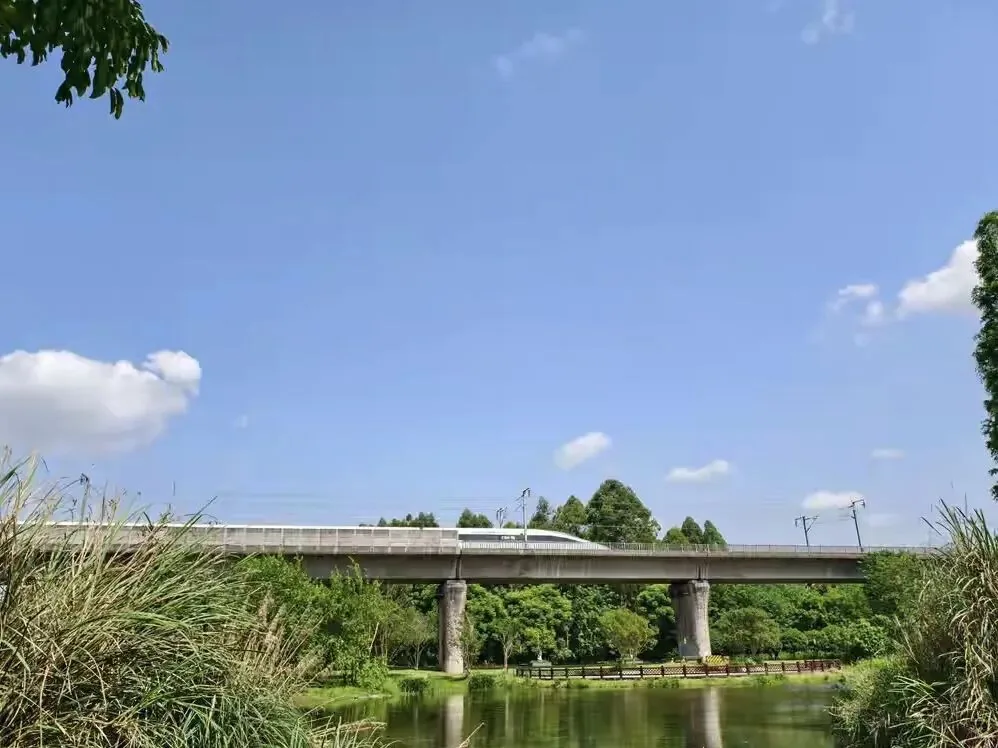
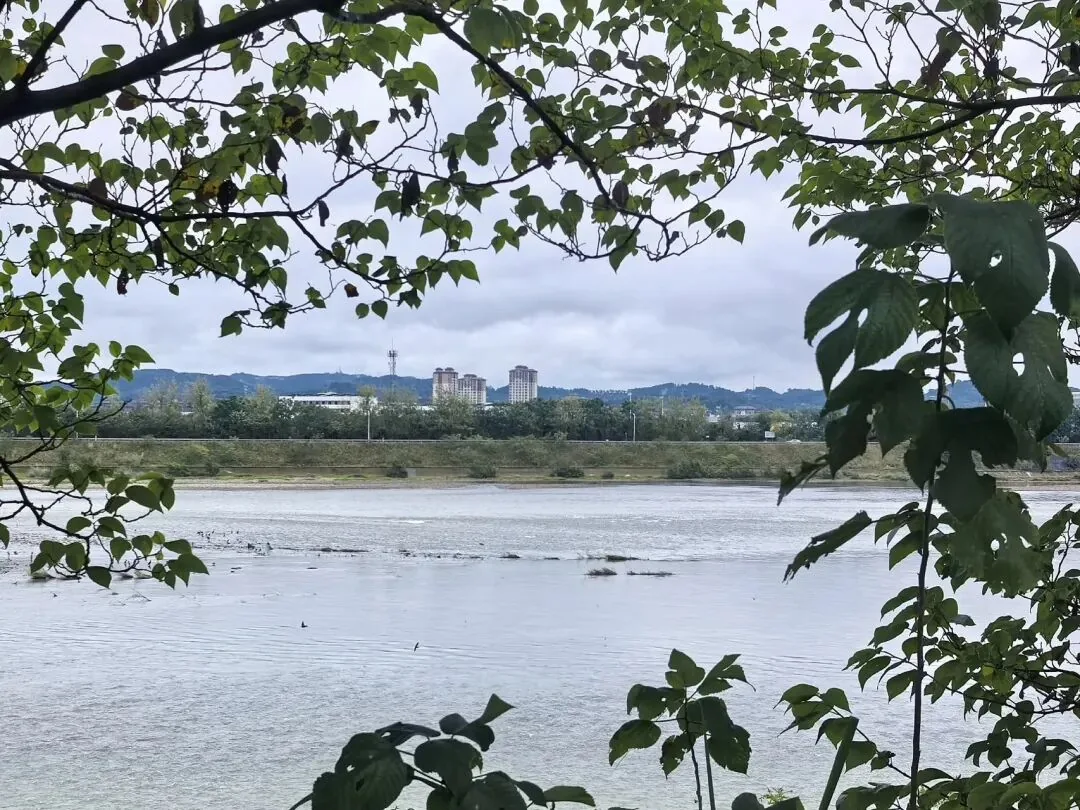
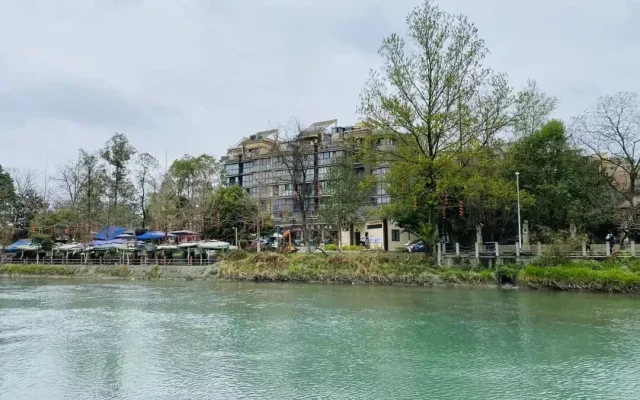
Deep in the park, an old ferry wharf stands quietly. Once a busy crossing, it’s now serene. Ancient stone steps lead down to the water, and the Changxing and Daxing bridges span the river. In the distance, a high-speed train zips by — the ancient, the rural, and the modern all blend here.
Leaning on the railing, you can gaze at the slow river, the vast reeds, and the flitting birds. The plains stretch out openly, the sky is high and clear. Autumn at Baihetan lacks the lush intensity of spring and summer, but gains a settled tranquility — every view feels relaxed and peaceful.
Practical Info
- Address: Huangjiao Community, Huaqiao Street, Xinjin District. Navigate to “Xinjin Baihetan National Wetland Park” directly.
- Tickets: Free entry; sightseeing bus 10 RMB per person.
- Public transport: Metro Line 10 to Wujin Station, Exit C, then transfer to bus G2B to Baihetan Wetland Park stop.
- Driving: Self-driving is more flexible — navigate to “Baihetan National Wetland Park.” For camping, navigate to “Yuantuo Xinjin Baihetan National Wetland Park Camp” (secondary entrance).
Pro tip: Bring a camera — the reed fields and birdlife make for unforgettable shots.
A Final Thought
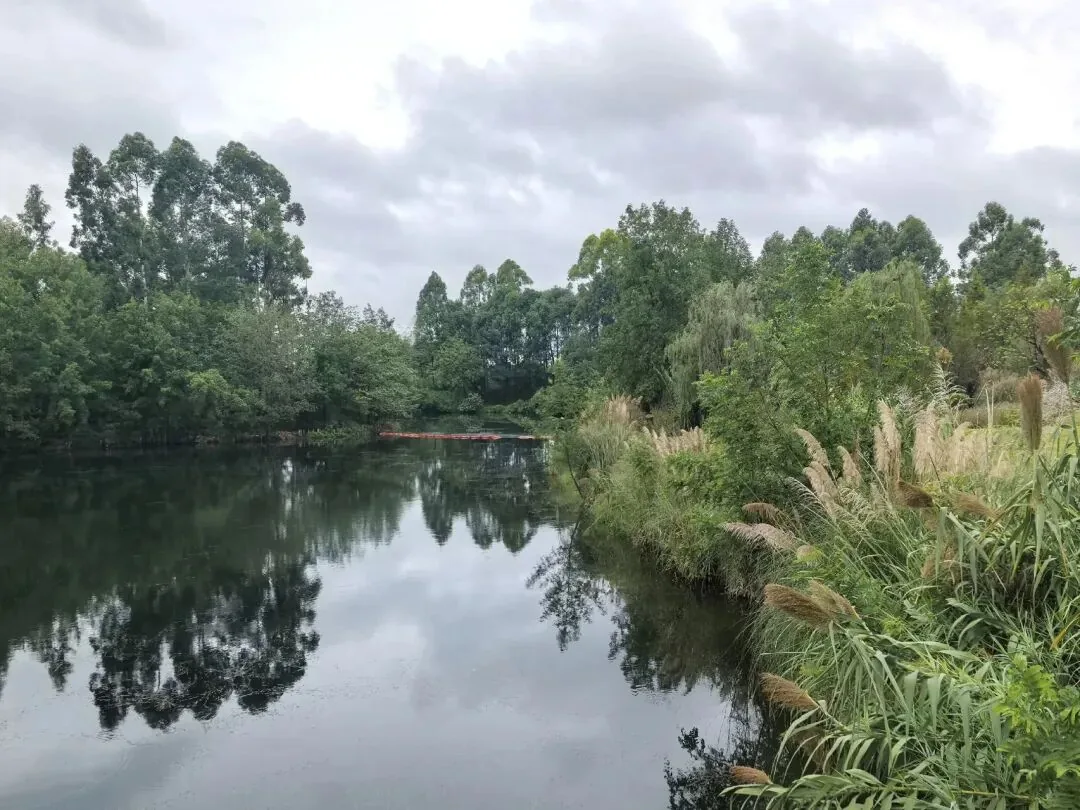

Outside the park is the human world; inside, it’s autumn’s lingering wild water and long wind. If you’re tired of the city’s concrete jungle, come take a walk here. In the sound of the Minjiang’s waves, you might just find the self you left behind in nature.