Anren Ancient Town: Chengdu’s Free 5A Gem With a Republic-of-China Soul
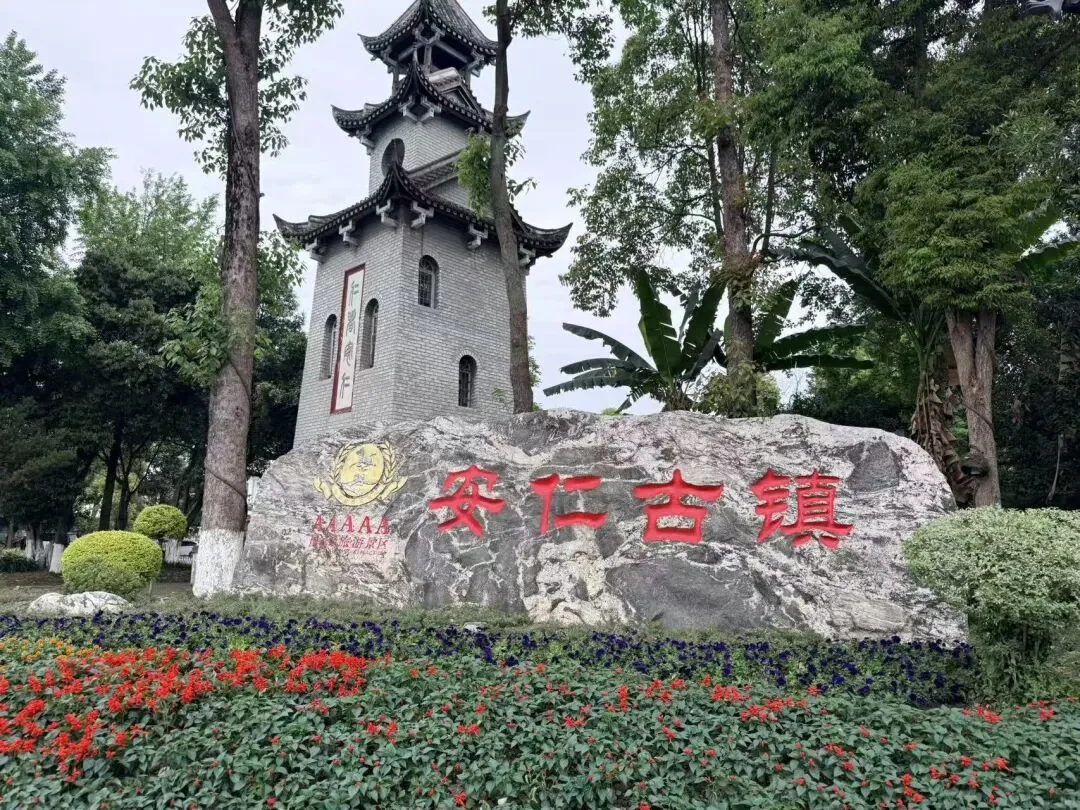
Ask most people in Chengdu to name a 5A scenic spot and they’ll probably say Dujiangyan or Qingcheng Mountain. Fair enough — but did you know Chengdu now has four 5A-level scenic areas? There’s also the beautiful Tiantai Mountain. All of those charge admission, though. And then there’s this one — the honest, good-value option.
Welcome to Anren Ancient Town (安仁古镇) in Dayi County — a place made for slow wandering.
For most Chengdu locals, Anren is a familiar name. As a kid, I’d hear family say there was a landlord in Dayi named Liu Wencai who was famously ruthless — that was my first impression of Anren. I never went as a child. Years later, after it became a 5A scenic area, I finally made the trip.
A Name Rooted in the Analects
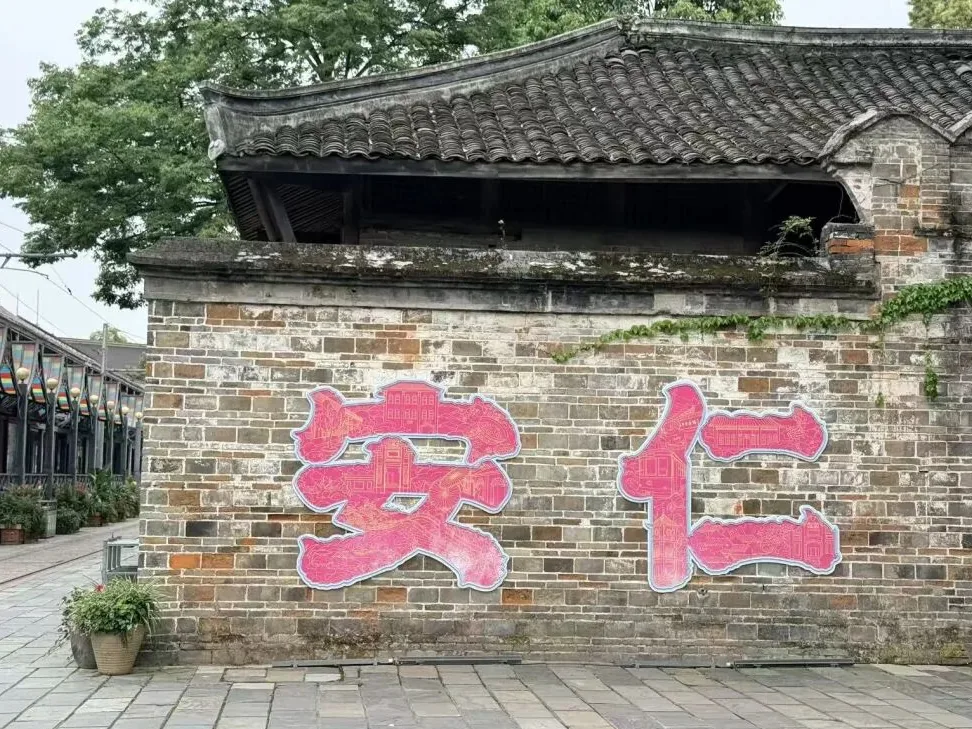
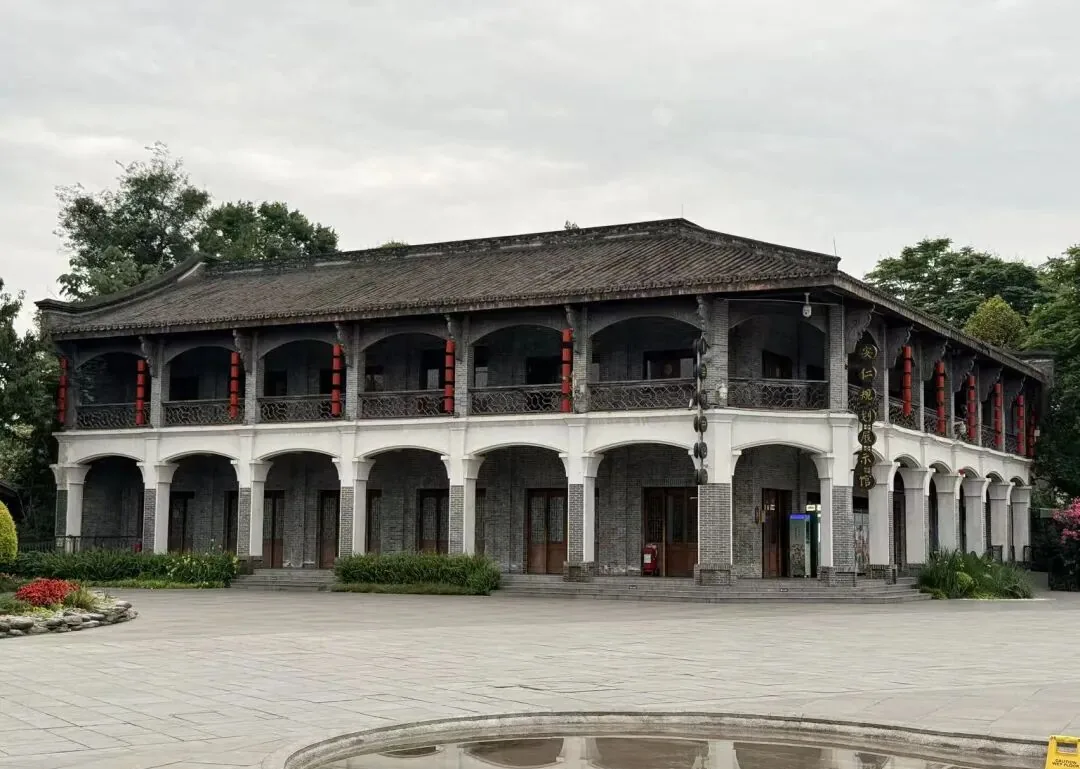

The name Anren comes from a line in the Analects: “The benevolent find peace in benevolence; the wise find profit in benevolence.” A place named after “benevolence” carries a certain simple aspiration in itself.
The town has a long history — it was first established in the Tang Dynasty, 1,380 years ago. It has been a county seat and had that status revoked, been destroyed and rebuilt many times, and at one point was even less prosperous than Tangchang Ancient Town across the river. It only saw its heyday again in modern times. During the Republic of China period, a large number of military and political figures and local gentry came from here, leaving behind rows of deep-walled courtyards. Those old buildings and old streets aren’t far from us — you can really feel them. The Ming and Qing dynasty towns of western Sichuan, by contrast, always feel distant.
What Makes Anren Different
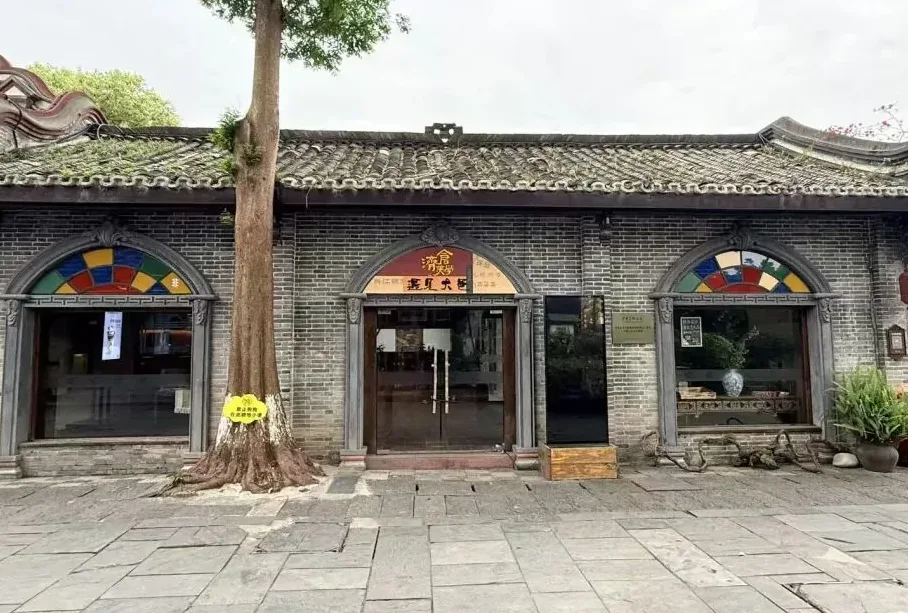
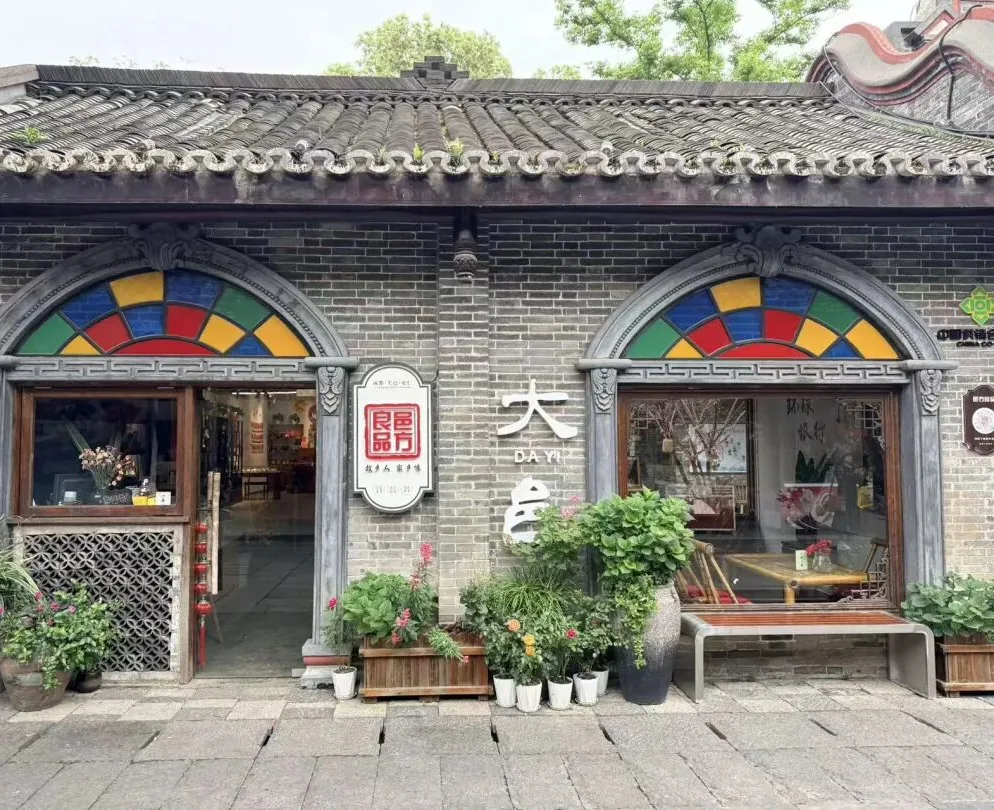
Unlike other ancient towns on the Chengdu plain with their little bridges, flowing streams, white walls and gray tiles, Anren’s defining features are its mansion architecture (公馆), museum culture, and the weight of modern history.
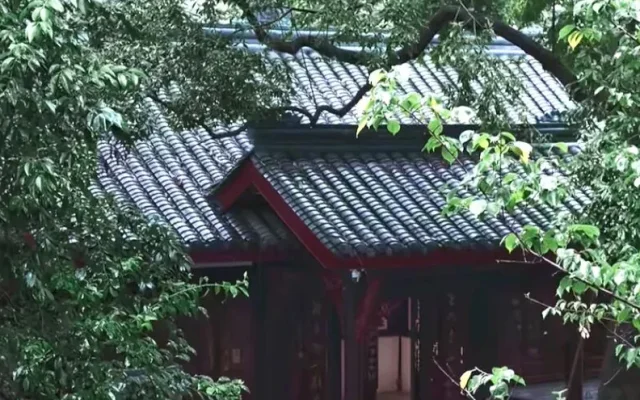
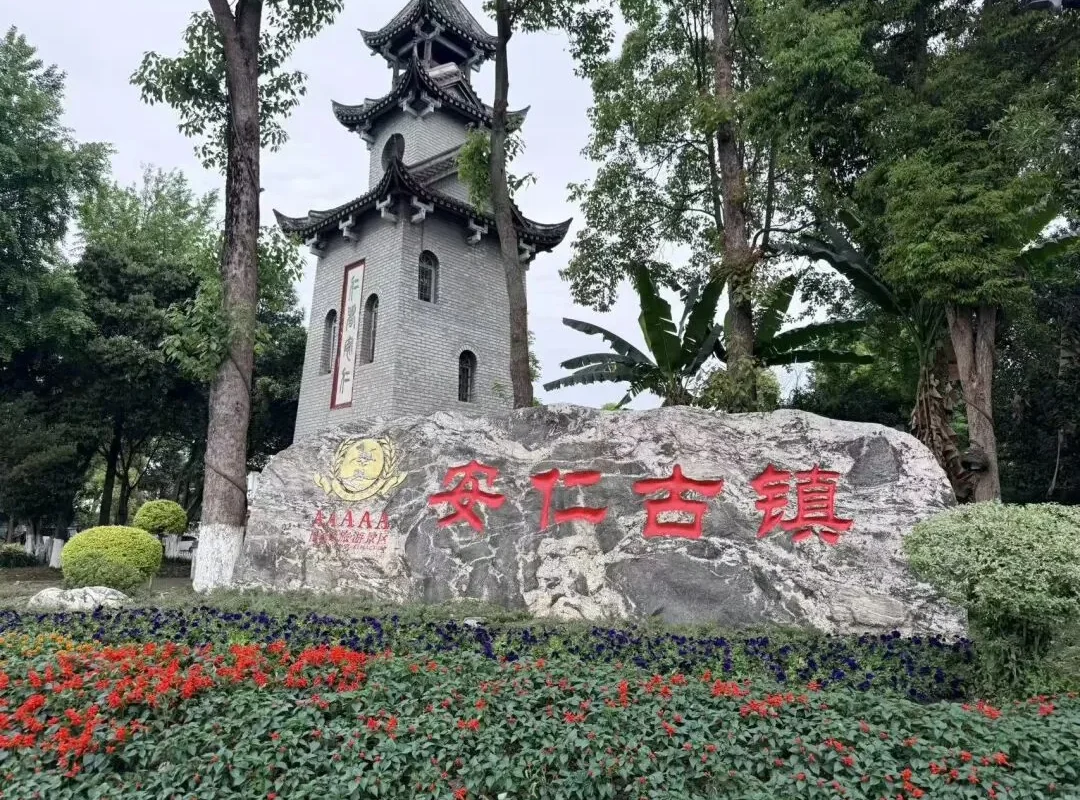
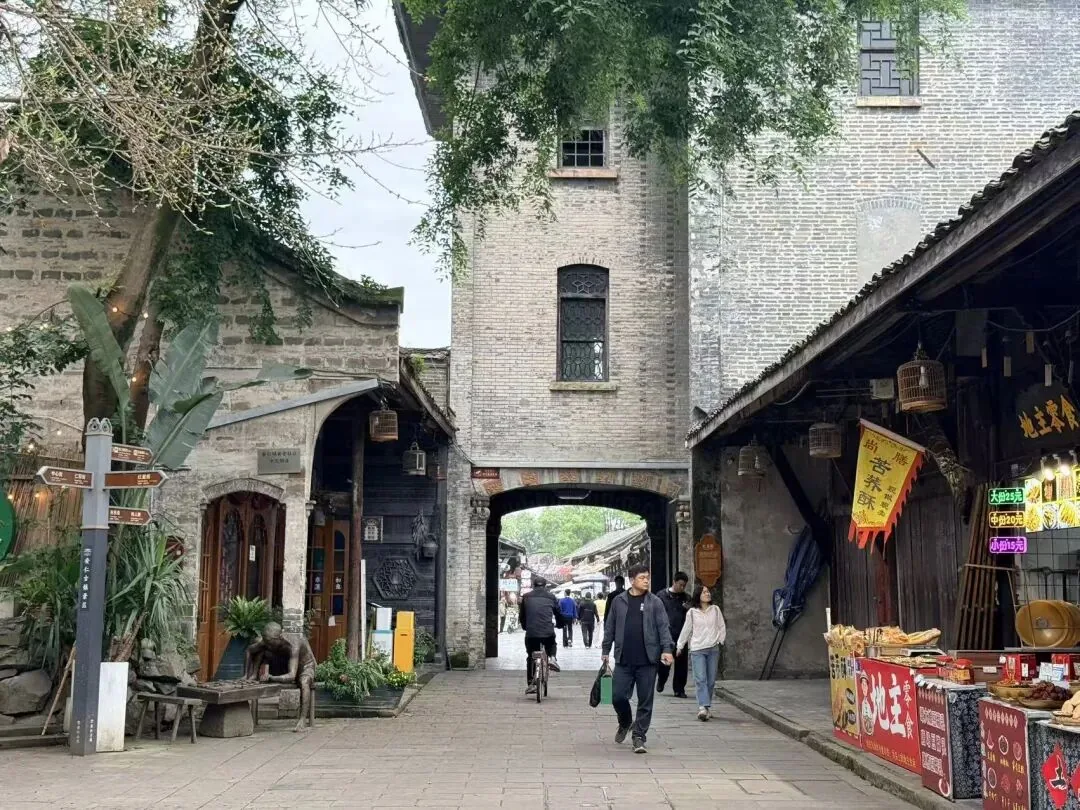
Walk into Anren and the first thing you’ll see is the clock tower nestled among green trees, standing quietly on the entrance plaza of the old mansion street. Follow the path past the tower and you reach the old street — winding bluestone-paved lanes lined with continuous mansion buildings, gray bricks and tiles, a blend of Chinese and Western styles. Strolling here feels like walking into a scene from a Republic-era film. Three old streets — Shuren Street, Yumin Street, and Hongxing Street — crisscross and connect one old courtyard mansion after another. Now that the town is a 5A scenic area, it’s more commercialized, but it’s still kept fairly clean and tidy.
Local insight: The town’s clock tower is the perfect starting point — it marks the entrance to the old street, and from there everything unfolds on foot.
The Mansion Kingdom of Sichuan
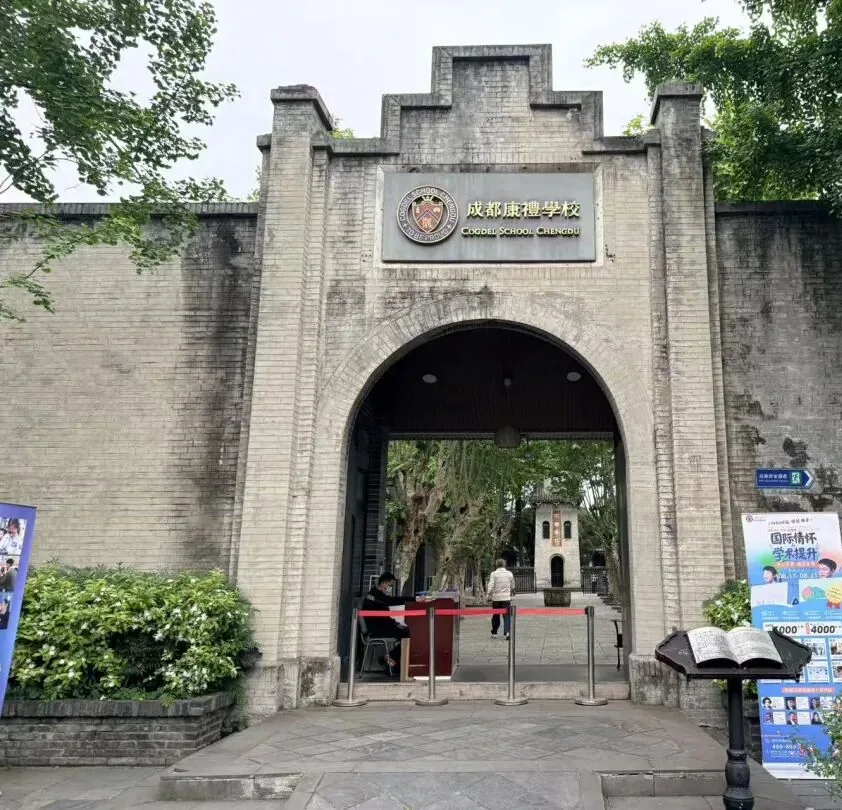
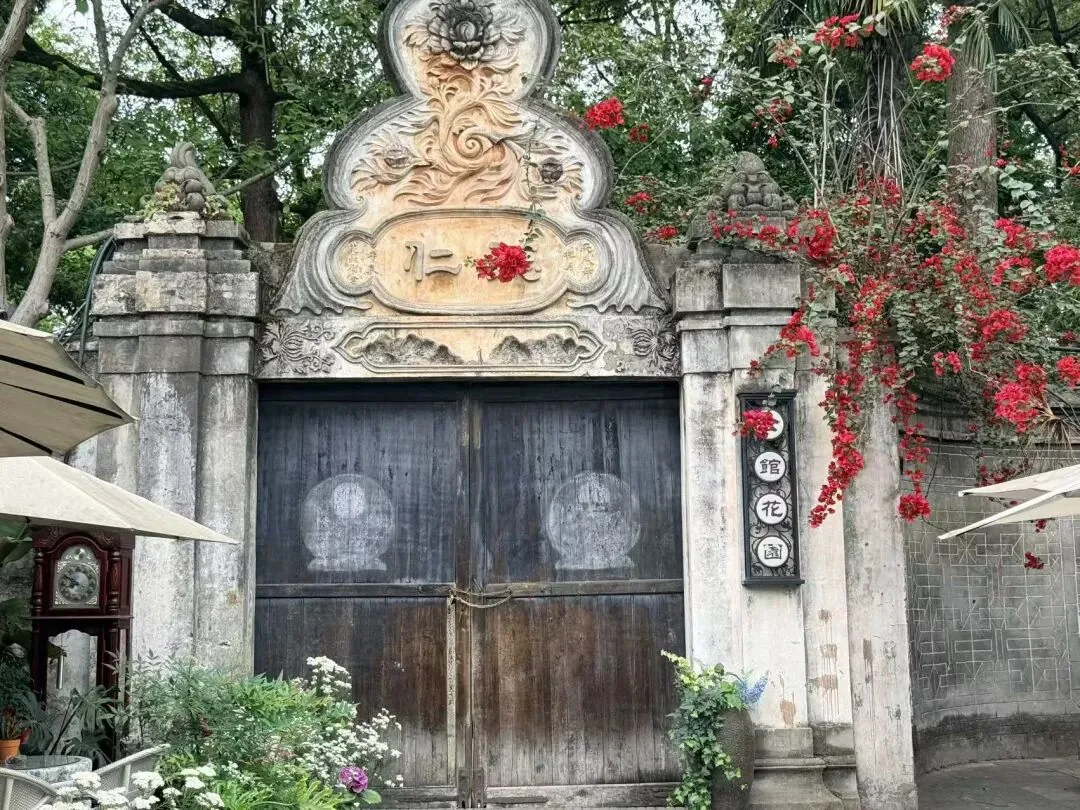
In the past, Sichuan warlords Liu Xiang, Liu Wenhui, and others all came from Anren. When they returned home in glory, they built extensively, leaving behind dozens of Chinese-Western fusion mansions. The most famous is Liu Wencai’s estate, now also called the Liu Family Manor Museum (刘氏庄园博物馆). With high walls and interconnected courtyards, it was an extremely luxurious landlord’s estate at the time, and the scale is huge. Inside, rich artifacts, old photographs, and scene recreations authentically document the social landscape, folk life, and changing times of modern western Sichuan. The people who lived here enjoyed it, but many were exploited — thinking about it leaves you with a touch of melancholy. The Liu Family Manor requires a ticket to enter.
The entire ancient town preserves 27 Republic-era mansions, which is a large scale even nationally — it’s called the “Mansion Kingdom of Sichuan.” Most are from the peak period of the Liu family. There’s also the former residence of Liu Xiang, commander of the Sichuan army, which is quite grand. But history moves on — these former “luxury homes” are now museums we visit and tour. There’s a bit of irony in that.
Anren’s architecture itself is a condensed history of modern western Sichuan.
Jianchuan Museum Cluster: A Must-See

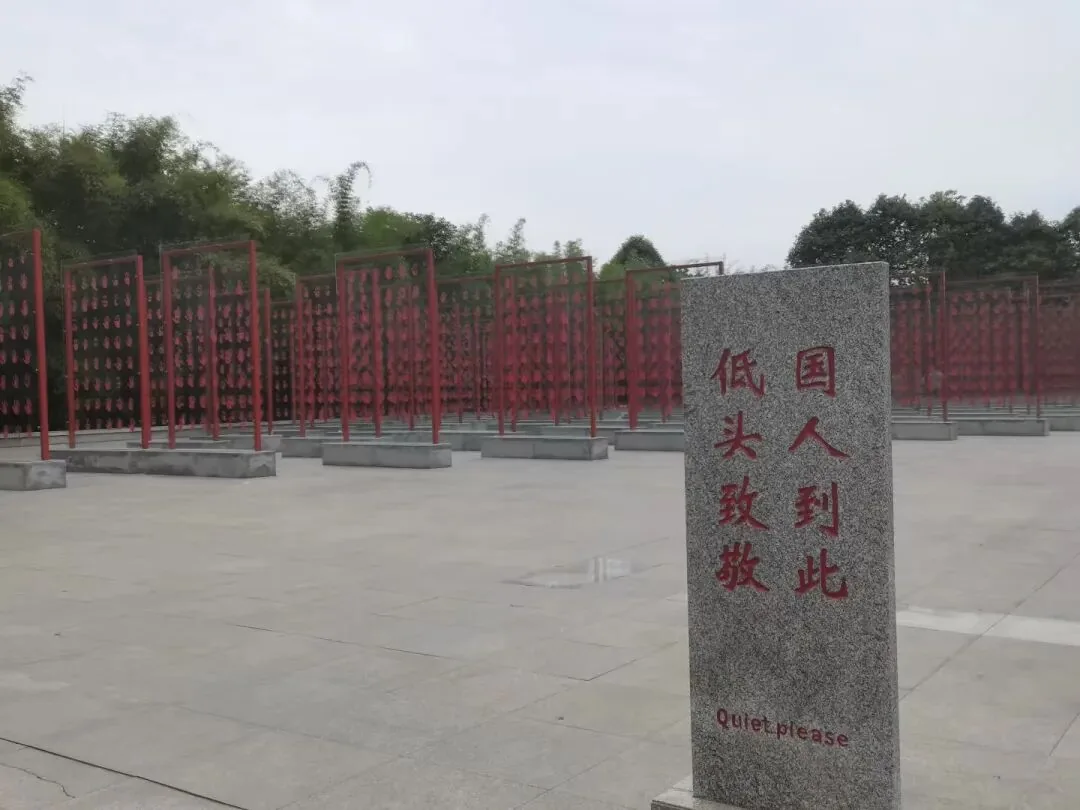
Another major highlight is the Jianchuan Museum Cluster (建川博物馆聚落). As the largest private museum cluster in China, it has over 70 exhibition halls, tens of millions of artifacts, and thousands of national first-class cultural relics, covering the War of Resistance, revolutionary history, folk objects, modern life, and more. Even a quick walk-through would be hard to finish in one visit. These are the marks of history — walking among them, the weight of history presses heavily underfoot.
What makes Anren rise above ordinary ancient towns is precisely this profound memory of home and country, giving the small town deep cultural substance. Of course, Jianchuan Museum also requires a ticket.
Ride the Trolley
The town’s ding-ding car (铛铛车) is really fun — it’s the first retro tram in southwestern China. If you’re traveling with kids, it’s definitely worth experiencing the joy of this old-fashioned trolley.
Don’t Miss the Food
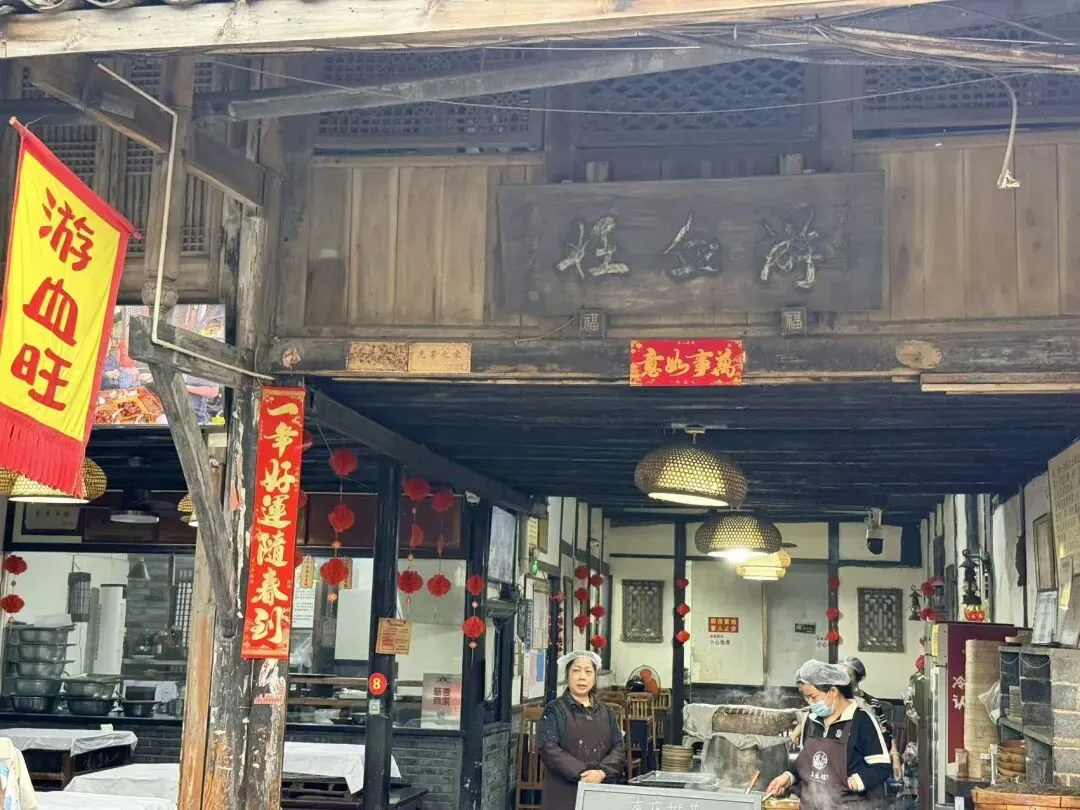
When you come to Anren, don’t miss the local food. On Shuren Street, try You Xuewang (游血旺); on Yumin Street, Yang Laozao (杨醪糟); and Fan San Niang’s sweet water noodles (樊三嬢甜水面). Add Tangchang fermented tofu (唐场豆腐乳) and Guo Chicken (郭鸡肉) — all delicious. I love the blood curd here; it’s so good with rice I can eat three bowls and leave completely stuffed.
Pro tip: Anren Ancient Town is free to visit — no entrance ticket. Just wandering the old streets is lovely. For a deeper experience, the paid Liu Family Manor and Jianchuan Museum are worth it. It’s up to you — not spending has its perks, spending has its purpose.
Practical Info

- Address: Anren Town, Dayi County, Chengdu. Navigate to “Anren Ancient Town” (安仁古镇).
- Tickets: Old street is free, open all day. Liu Family Manor Museum: 36 RMB per person. Jianchuan Museum Cluster: 60 RMB per person. The iconic ding-ding car also charges a fee. You can enjoy the town without spending money, but if you want to learn more about the history and culture, paying is worthwhile.
- Transport: Take the high-speed train from Chengdu to Dayi, then transfer to Bus 211.
- Driving: From Chengdu, take the Chengwenqiong or Chengming Expressway, exit at Anren. The whole trip takes about 1 hour.
- What to wear: Republic-era qipao or plain long skirts fit the mansion atmosphere perfectly.
A Final Thought
Now that the holidays are over, you can visit Anren without the crowds and enjoy the town slowly. Walk alone, wander alone, and let the inner tension gently unwind. Looking back at the small town, I’m reminded of Gu Cheng’s poem: “The grass is bearing its seeds, the wind is shaking its leaves. We stand, not speaking — and it is beautiful enough.”
Life, really, is already beautiful. We just haven’t noticed.