Why Yuan Tong Is Worth the Trip
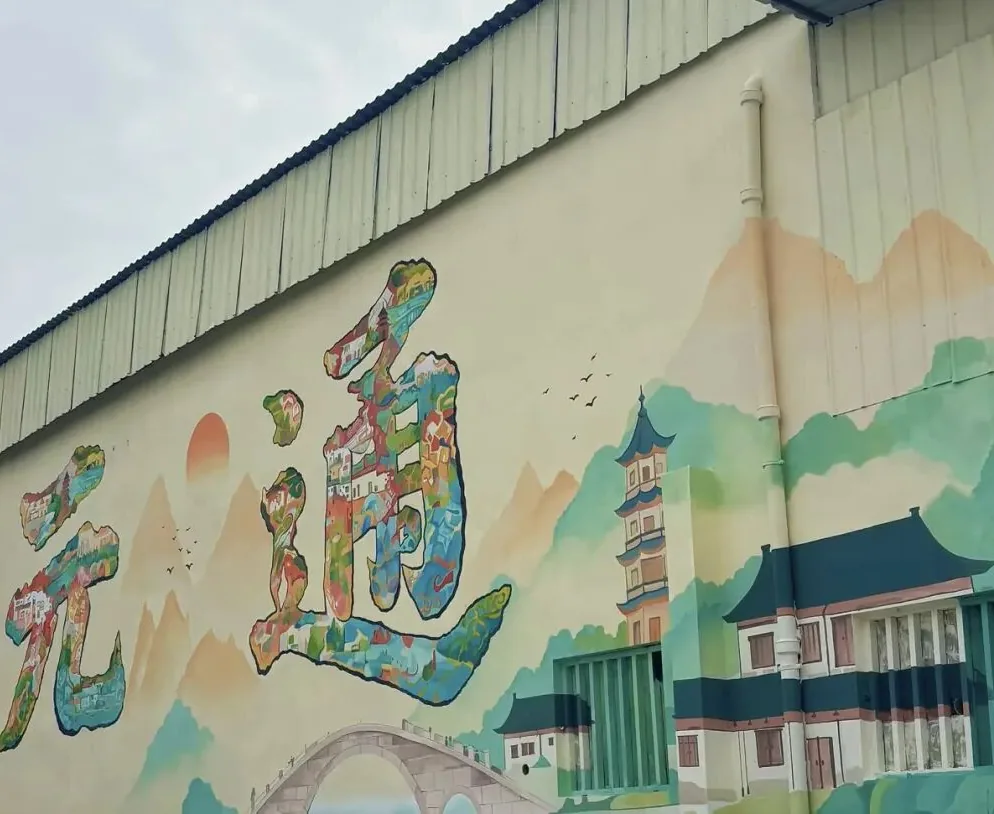
If you’ve been to Pengzhen and fallen for the teahouse bustle, you might be wondering: is there another old town near Chengdu that’s just as authentic, without the over-commercialization? The answer is a firm yes — Yuan Tong Ancient Town (元通古镇) in Chongzhou.
People call it a “living Along the River During the Qingming Festival” — a thousand-year-old river port where three rivers meet, gently preserved by time. For over 1,600 years, it hasn’t been overrun by trendy shops or cookie-cutter commercial streets. You’ll find flagstone paths, stilt houses, old teahouses, and locals soaking up the sun at their doorsteps. If you love that raw, original Western Sichuan flavor, Yuan Tong is not to be missed.
Getting There & Orientation
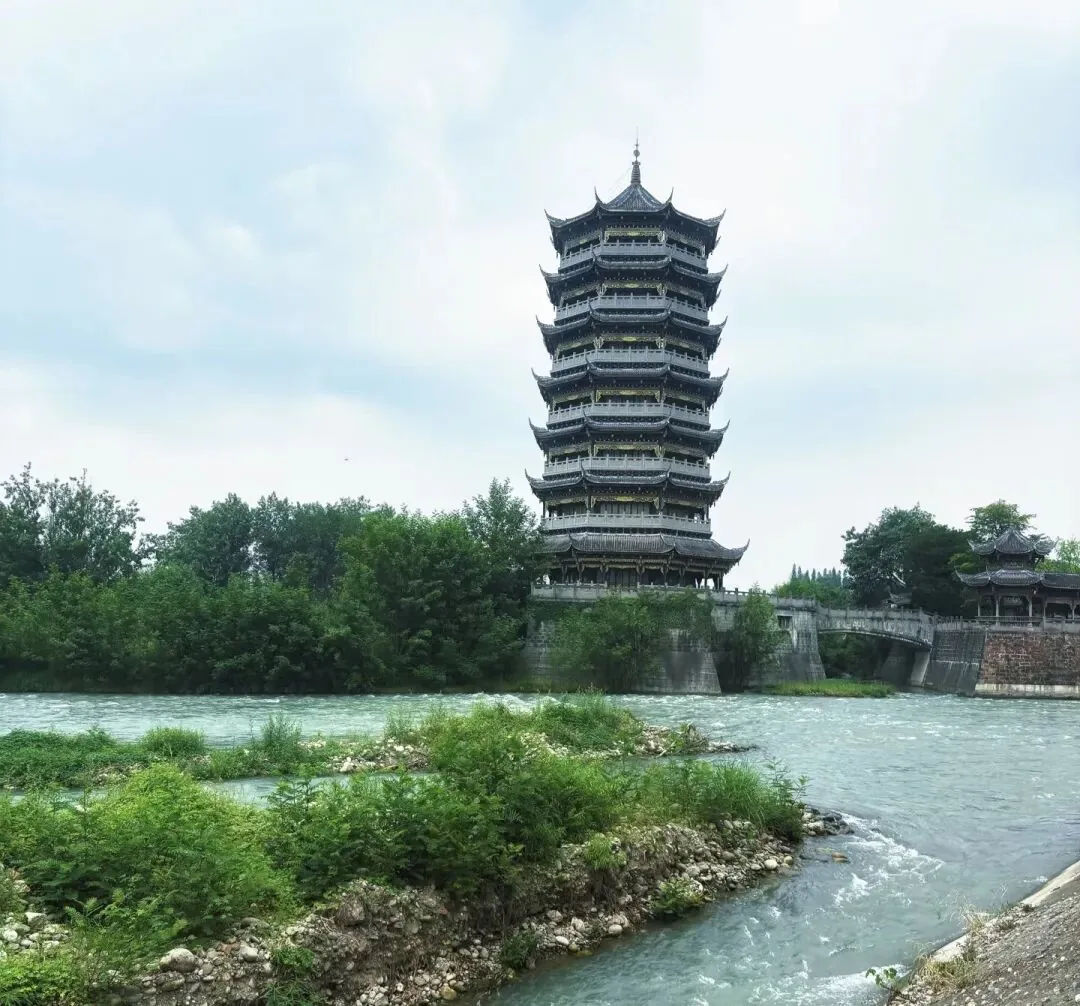
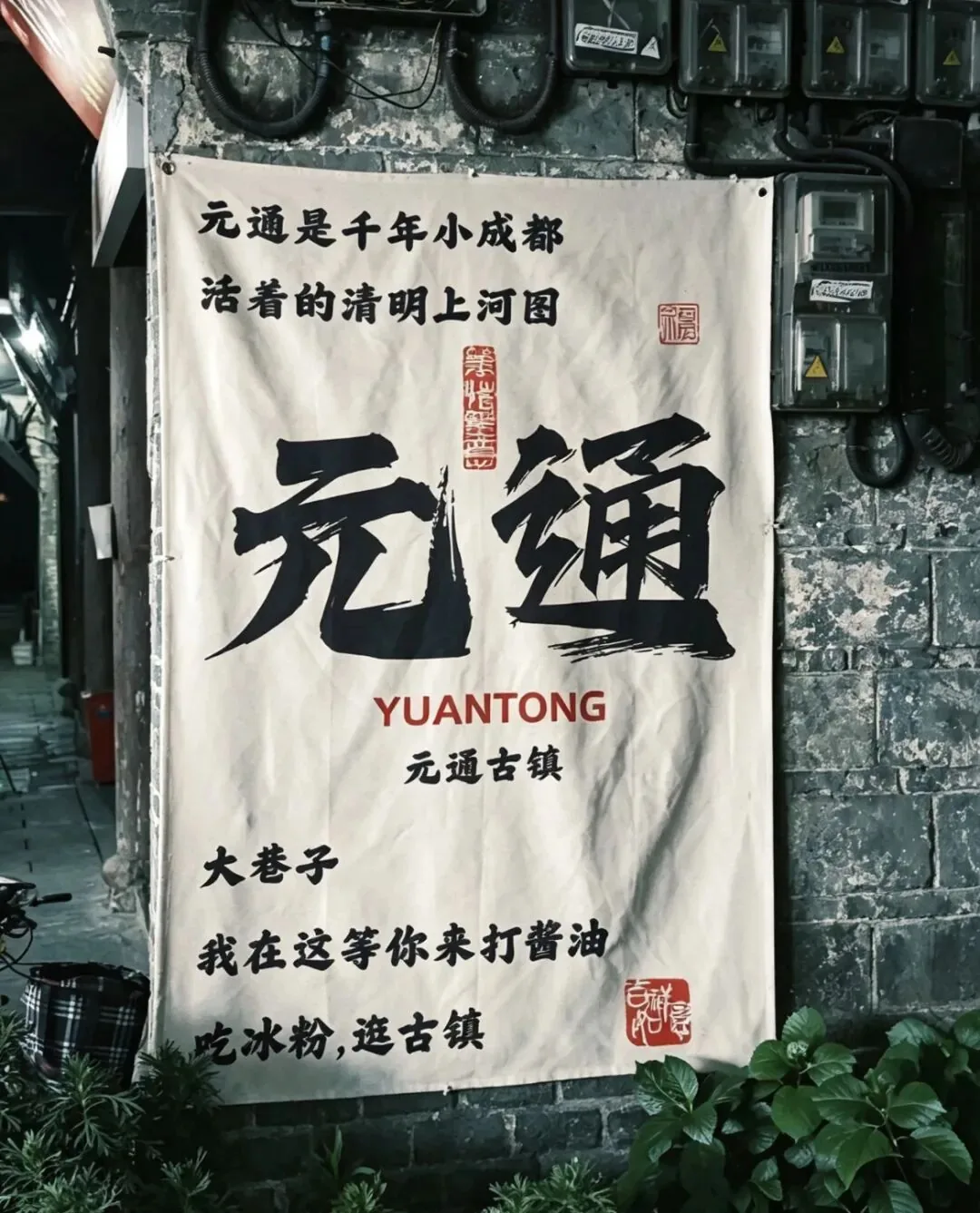
Yuan Tong Ancient Town sits in the northwest of Chongzhou, about 11 km from Chongzhou city center and roughly 40 km from downtown Chengdu. It’s surrounded by water on three sides and backed by a hill — the Wenjing, Wei, and Bo rivers converge here, and after they join, the combined flow is called the Hui River. Since ancient times, it’s been a key land and water port in Western Sichuan, known as the “Water Town of Western Sichuan” and “Little Chengdu of a Thousand Years.”
Its history goes back over 1,600 years: founded in the Eastern Jin Dynasty, it rose and thrived because of the water. It wasn’t always called Yuan Tong — originally it was Shuiqu Township. During the Zhengtong era of the Ming Dynasty, a Yuantong Temple was built here. Because it sat at a busy crossroads for both land and water, monks and merchants gathered, and businesses gradually clustered in, making it more and more prosperous. In the Qing Dynasty, a market town was established here and named after the temple. It was only during the Republic of China period that it was renamed Yuan Tong.
What Makes Yuan Tong Different
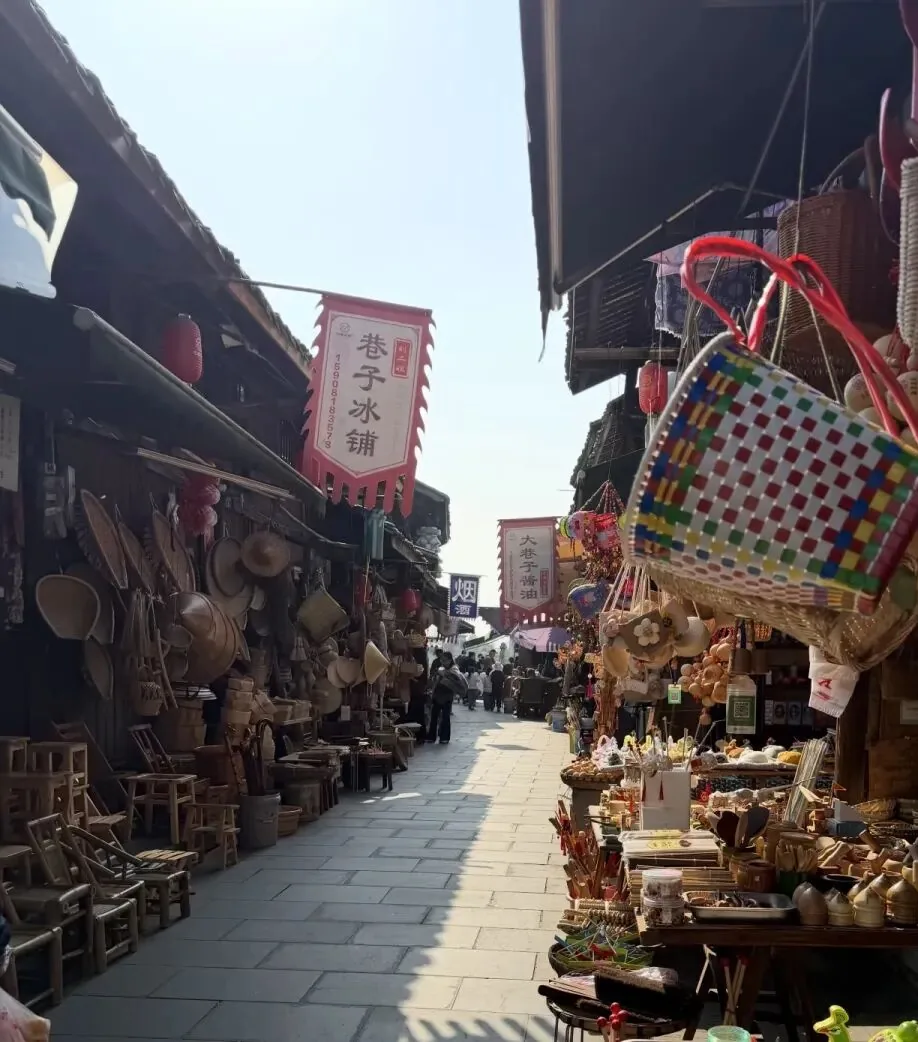
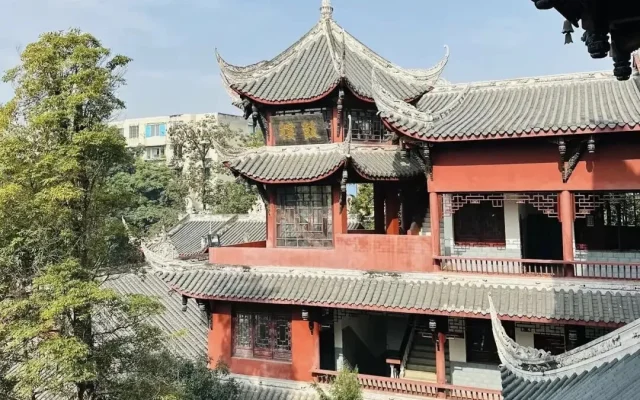
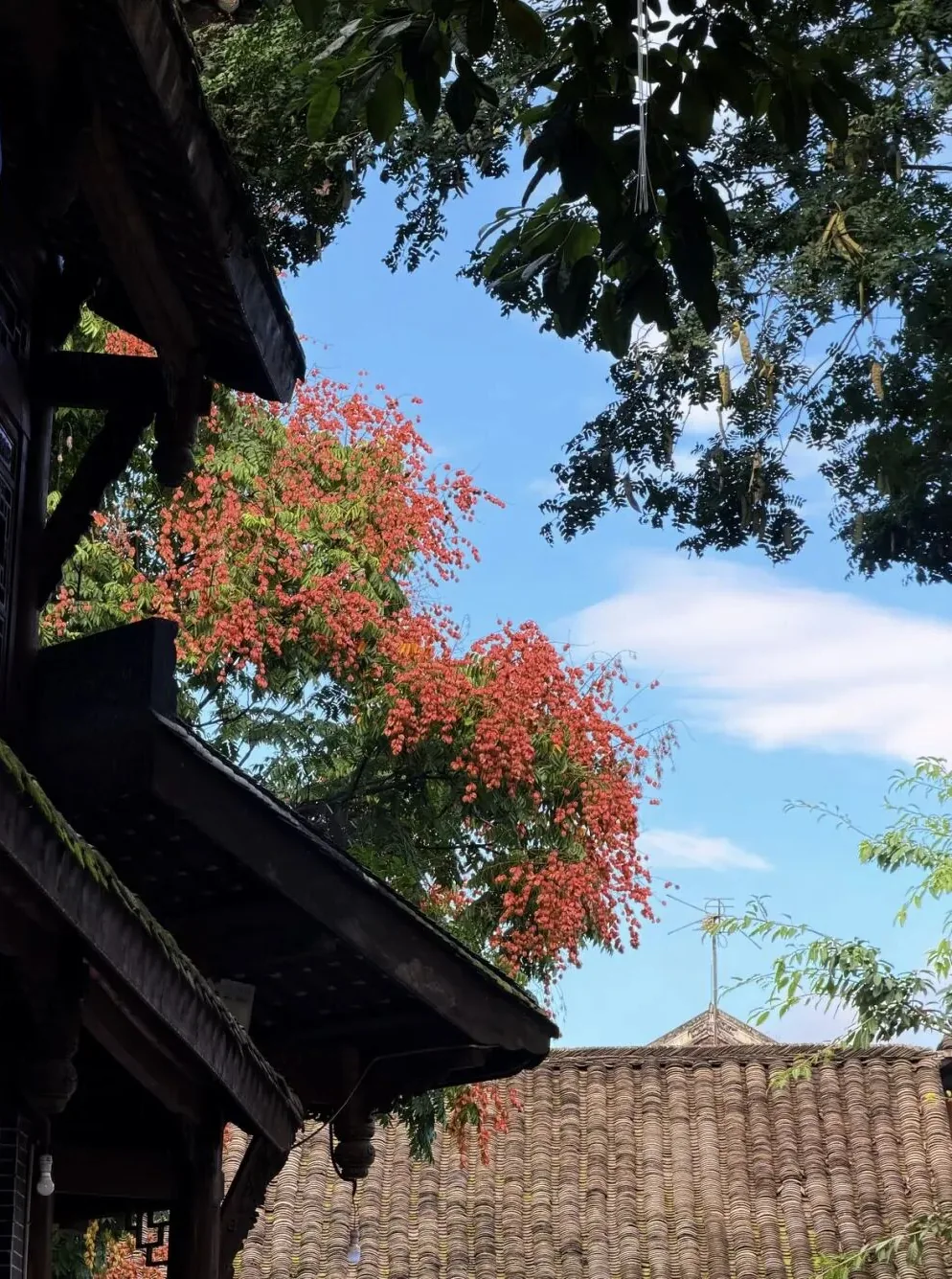
What strikes you most is its unique character. Unlike typical old towns, where one main street runs from end to end, Yuan Tong works like a network of lanes. Qilin Street, Changshou Street, and Banbian Street are laid out in a scattered pattern. The flagstone roads have been polished smooth by time, and rows of Western Sichuan homes sit by the hill and the water, with dark tiles and wooden eaves layered one after another. Don’t bother with a map — just turn into any alley and you’ll find life itself.
Hui River Bridge
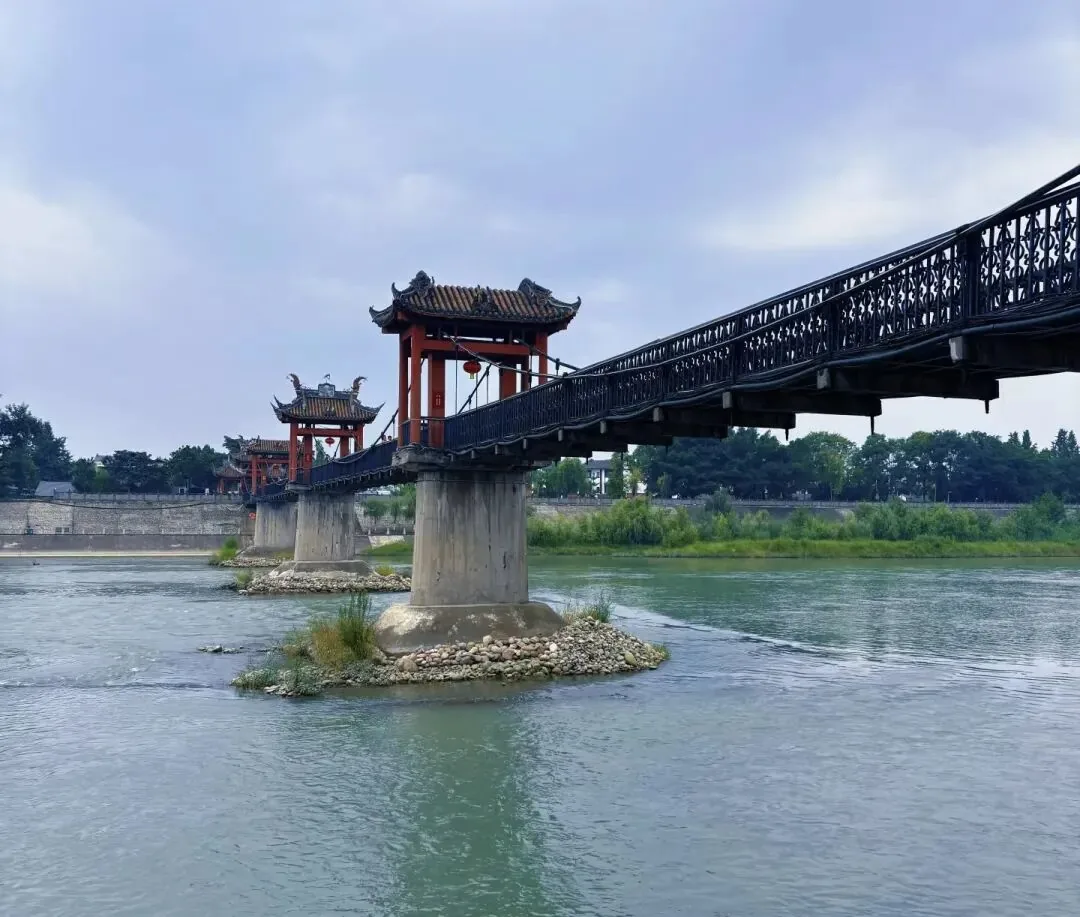

Known as the “First Iron Chain Bridge of Western Sichuan,” it was first built during the Jiaqing era of the Qing Dynasty; the current bridge was rebuilt in 1985. This covered bridge spans the river, with pavilions at both ends and on the piers, all with red pillars and dark tiles. Standing on the bridge, you’ll see three rivers flowing gently on one side and stilt houses reflected in the water on the other. Snap a photo and you have a classic western Sichuan water town scene.
Many locals set up bamboo chairs and tea stalls right by the bridge and riverbank. A cup of gaiwan tea costs 10 RMB — you sip it in the river breeze, watching the water drift by. That laid-back feeling is the romance of a river port.
Yongli Bridge
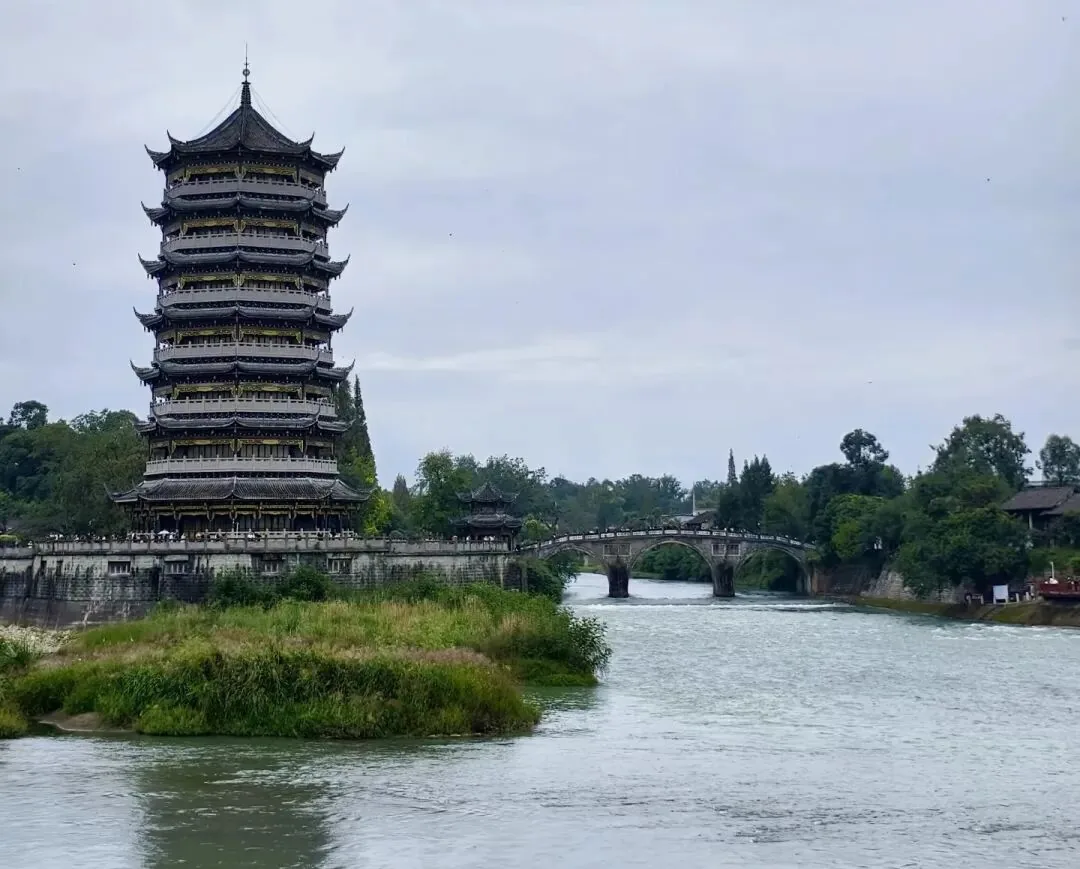
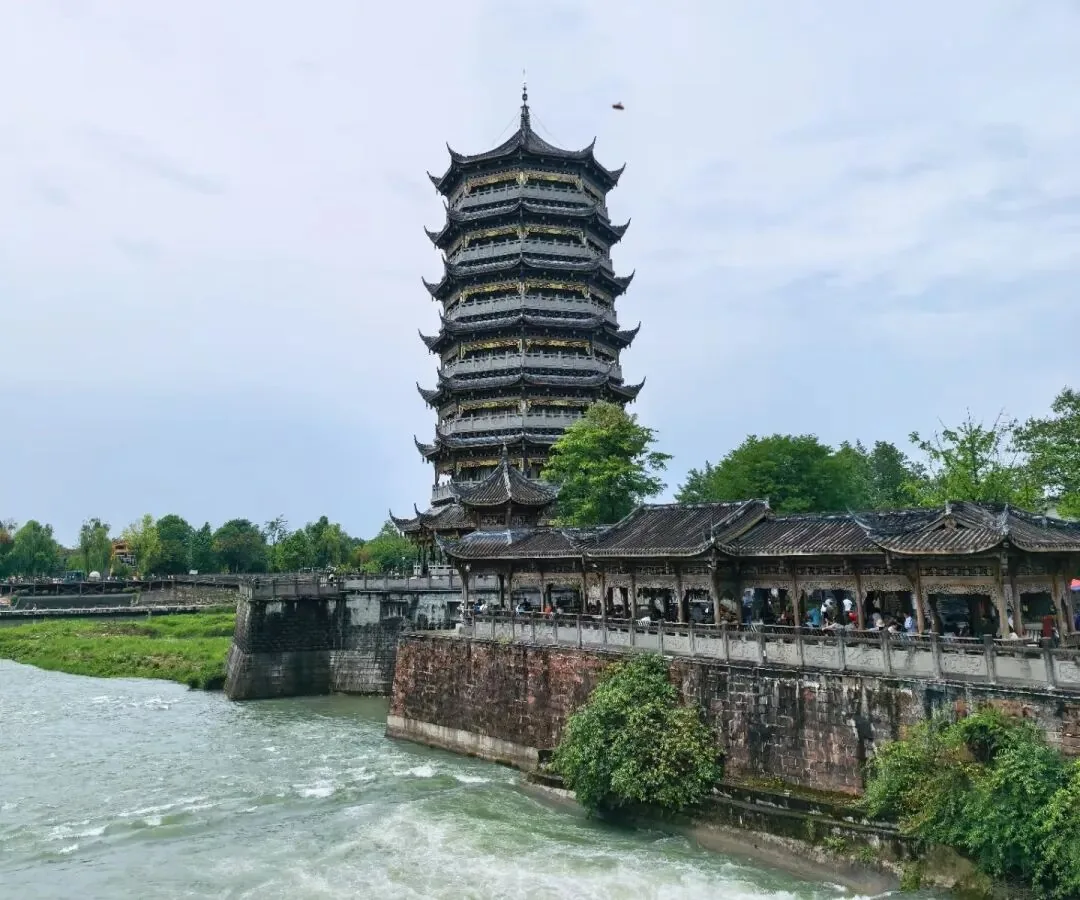
If Hui River Bridge is the gentle, lively covered bridge of the water town, then Yongli Bridge is Yuan Tong’s steady, solid guardian. First built in the Ming Dynasty and rebuilt in the 15th year of Jiaqing in the Qing Dynasty with funds raised by local gentry, it lies quietly over the Bo River. It’s one of the few ancient three-arch stone bridges remaining in Chongzhou and one of the oldest historic sites in the town.
The most amazing part is the stone carvings on the piers: two water-dividing piers, with a dragon head carved upstream and a dragon tail downstream. When floods come, the river crashes against the piers, and from a distance it looks like two green dragons weaving through the bridge arches, cutting through the waves. The stone pillars of the bridge railing are carved with auspicious patterns — stone lions, goats, snakes, peaches, grapes, and more. Many have weathered away over the years, but you can still glimpse the exquisite craftsmanship of the artisans.
The Old Streets
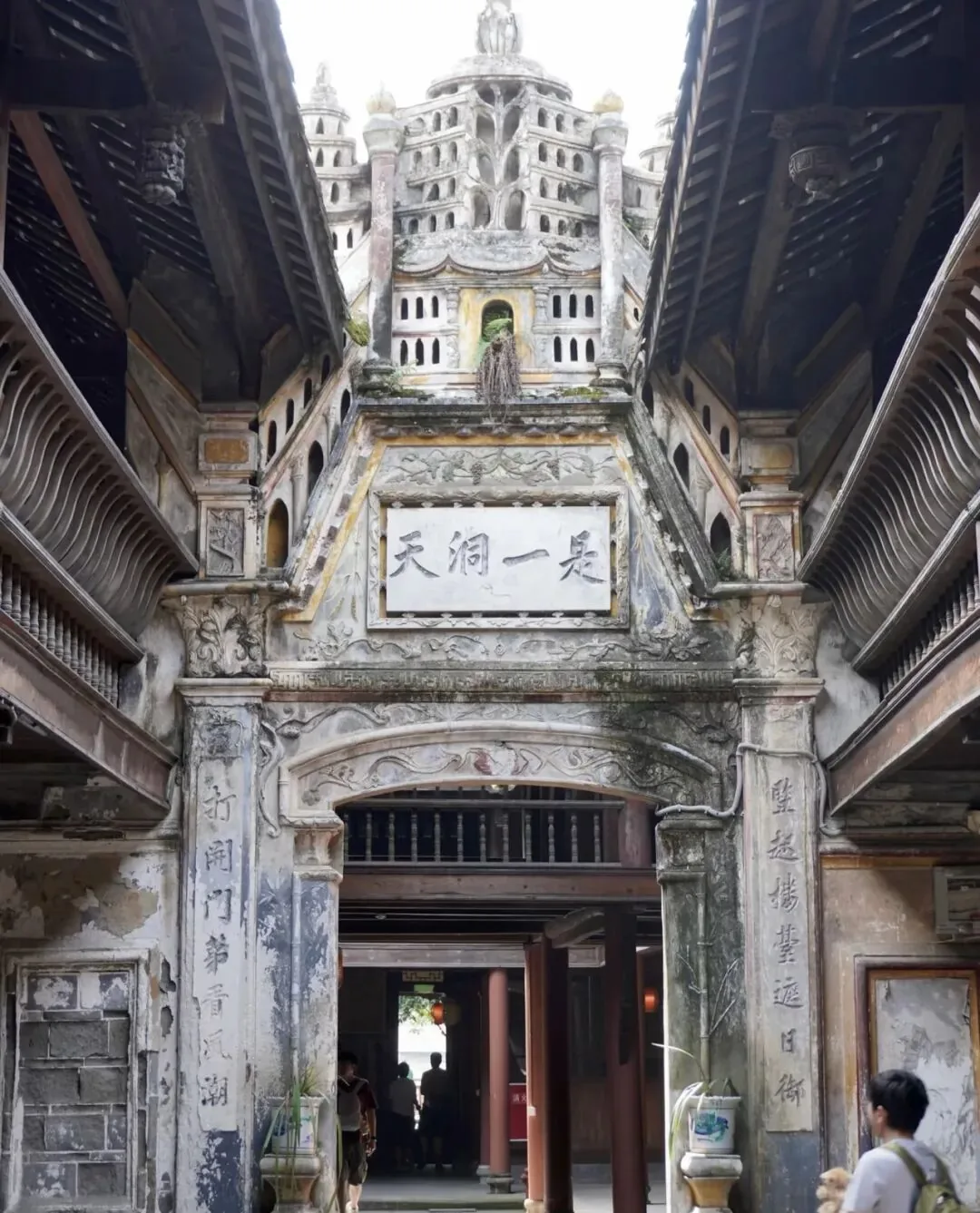
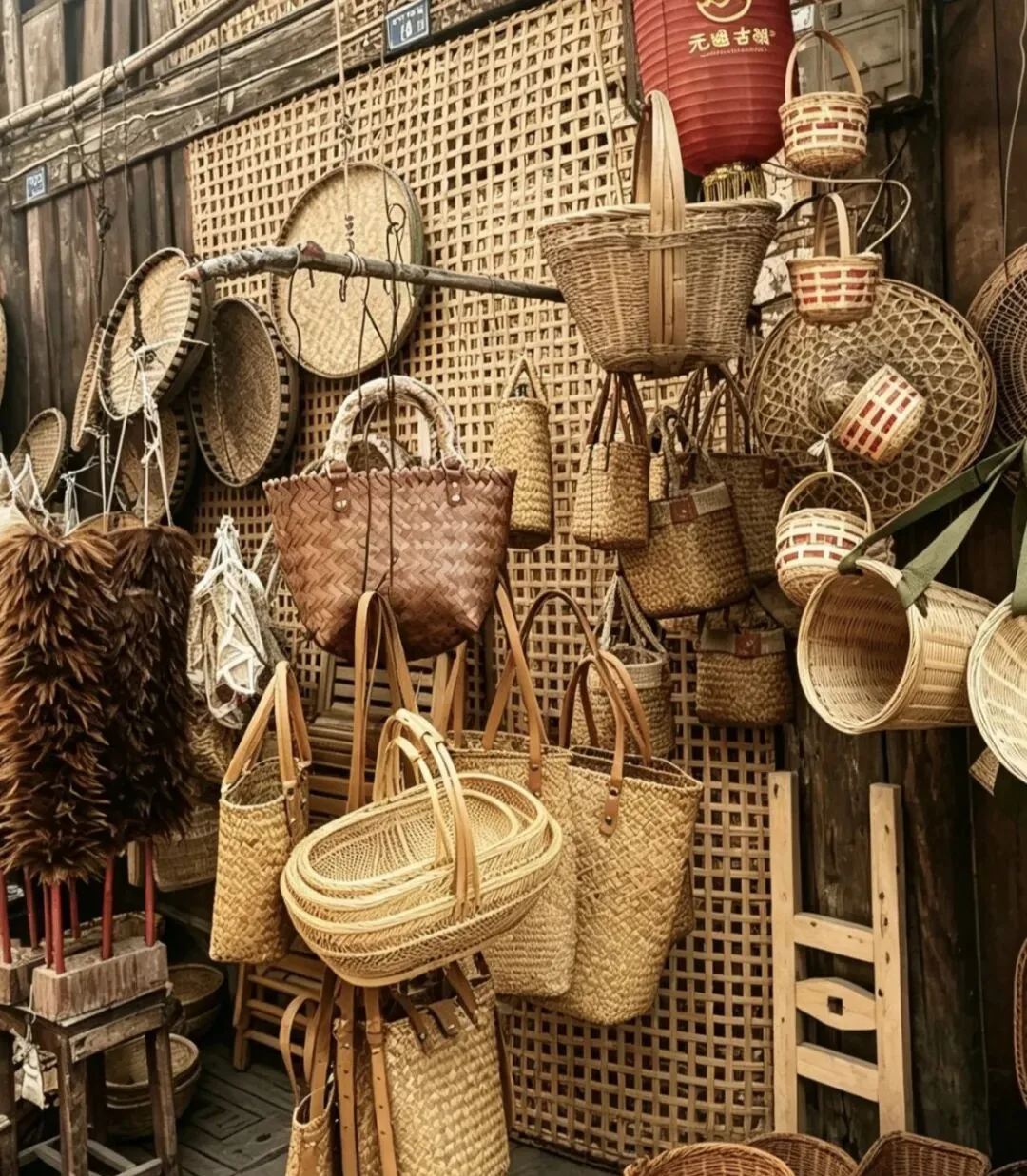
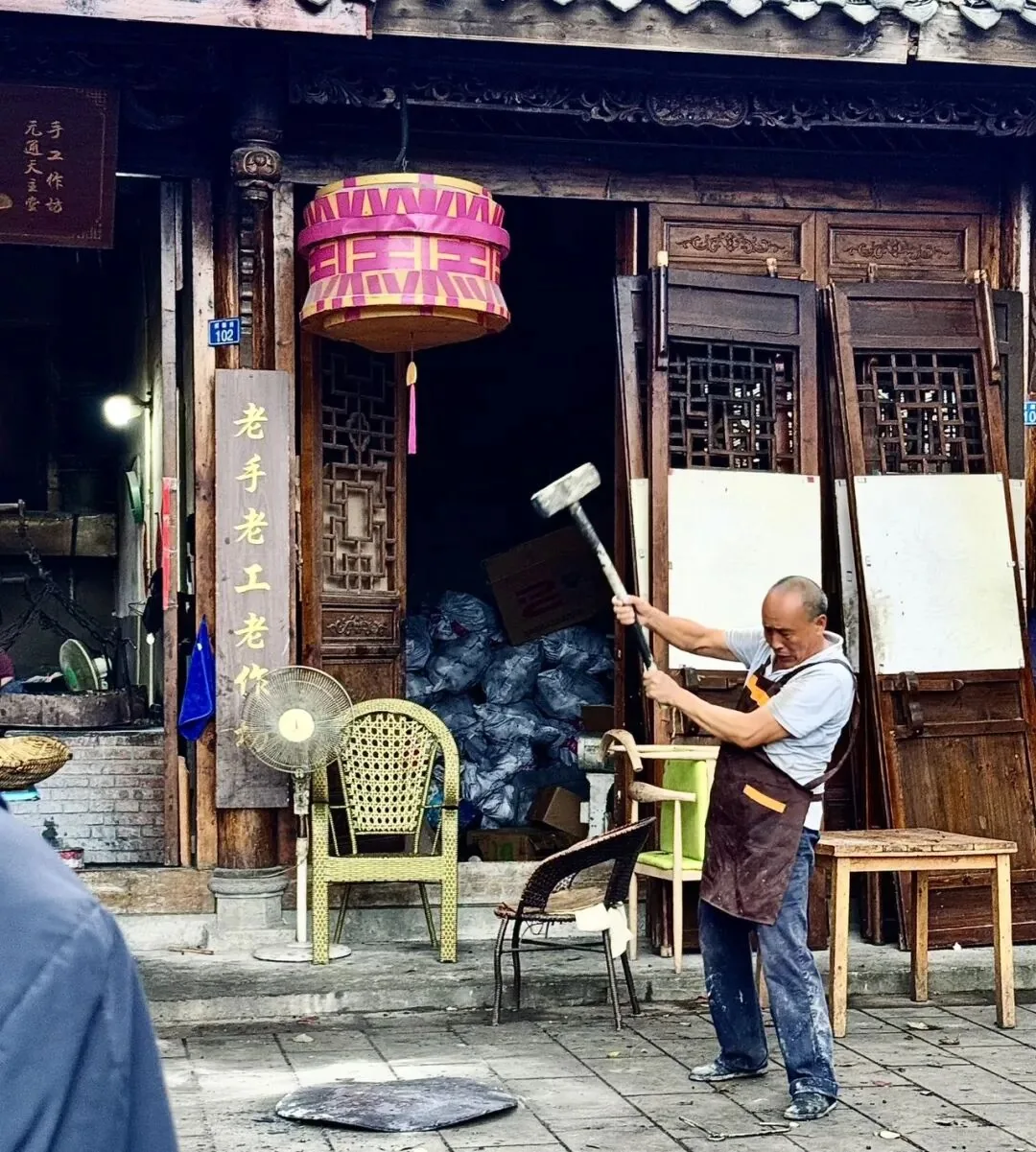
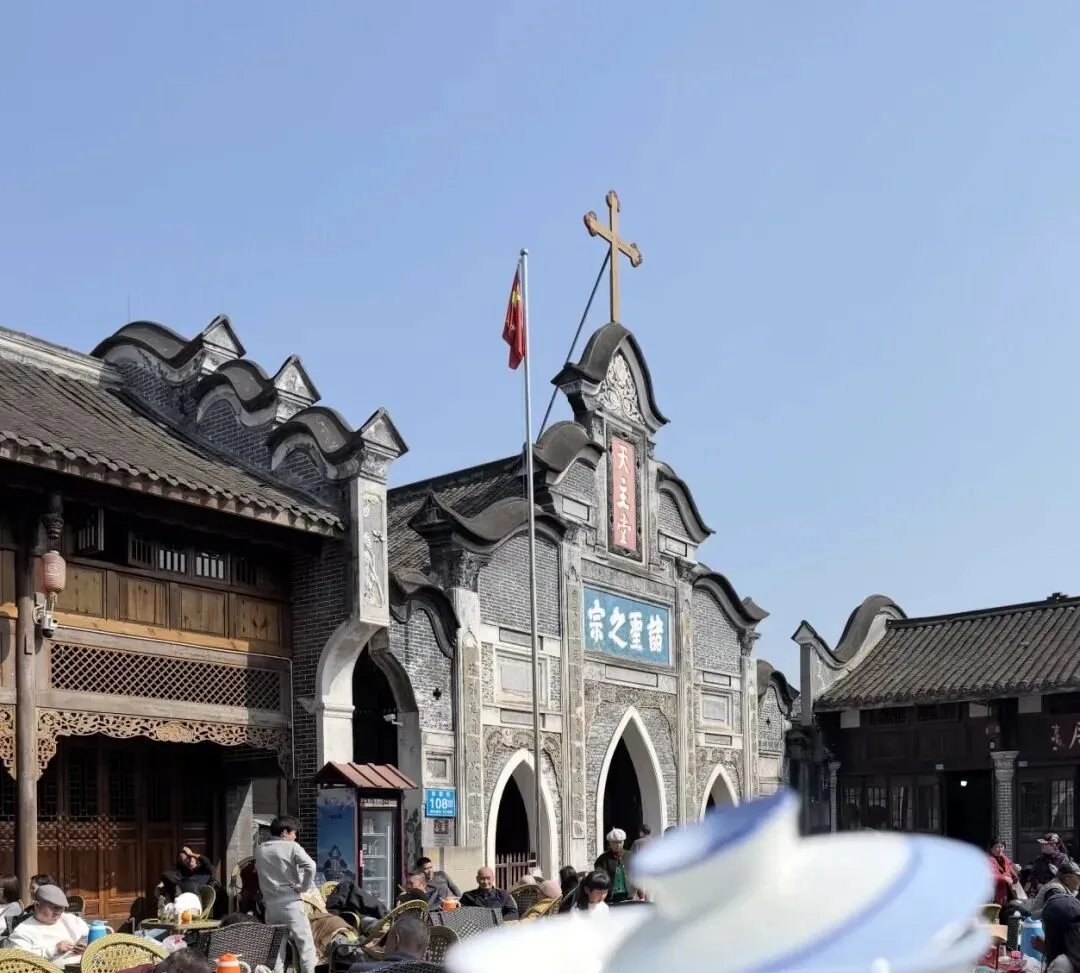
The old streets are also home to the Guangdong Guild Hall, a Catholic church, and Xizi Palace. Buildings of various styles coexist in one town — traces of merchants from all over who once gathered here. There are no dense clusters of trendy shops; instead, you’ll find grocery stores, tailor shops, and old-style teahouses. Elderly people sit at their doors chatting in the sun, and tourists are just visitors, not the main characters — that’s why so much of the original flavor remains.
What to Eat
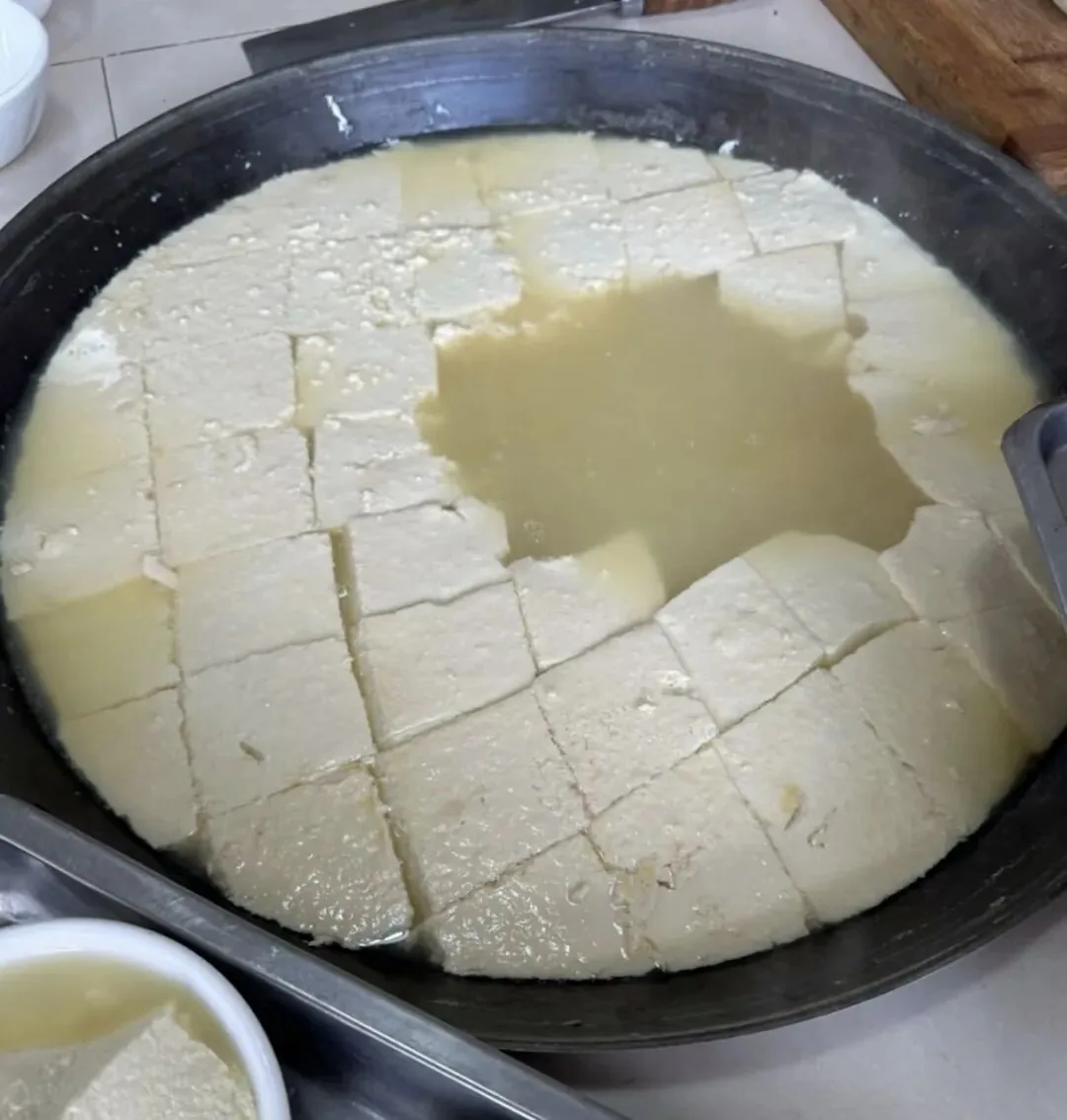
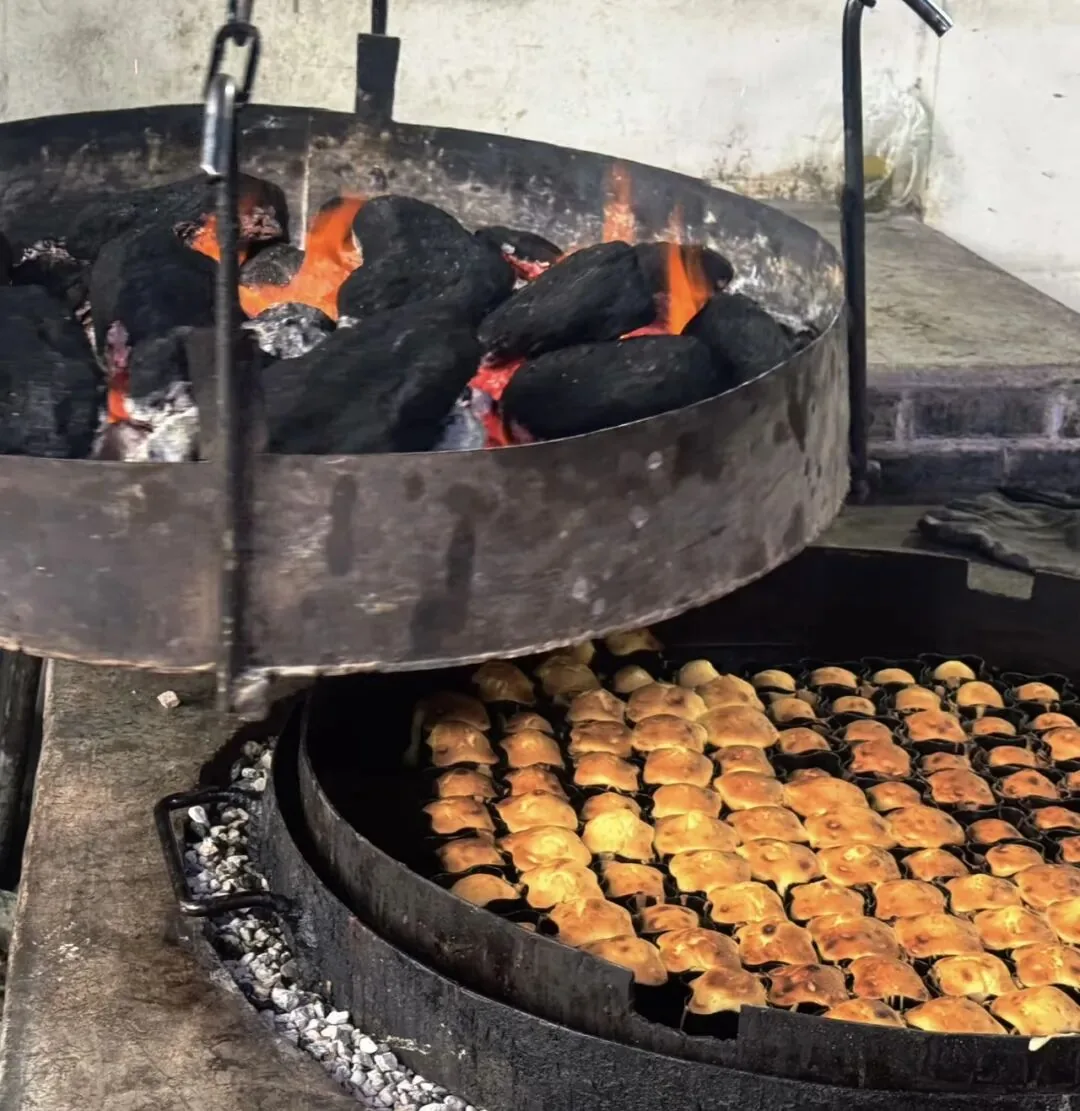
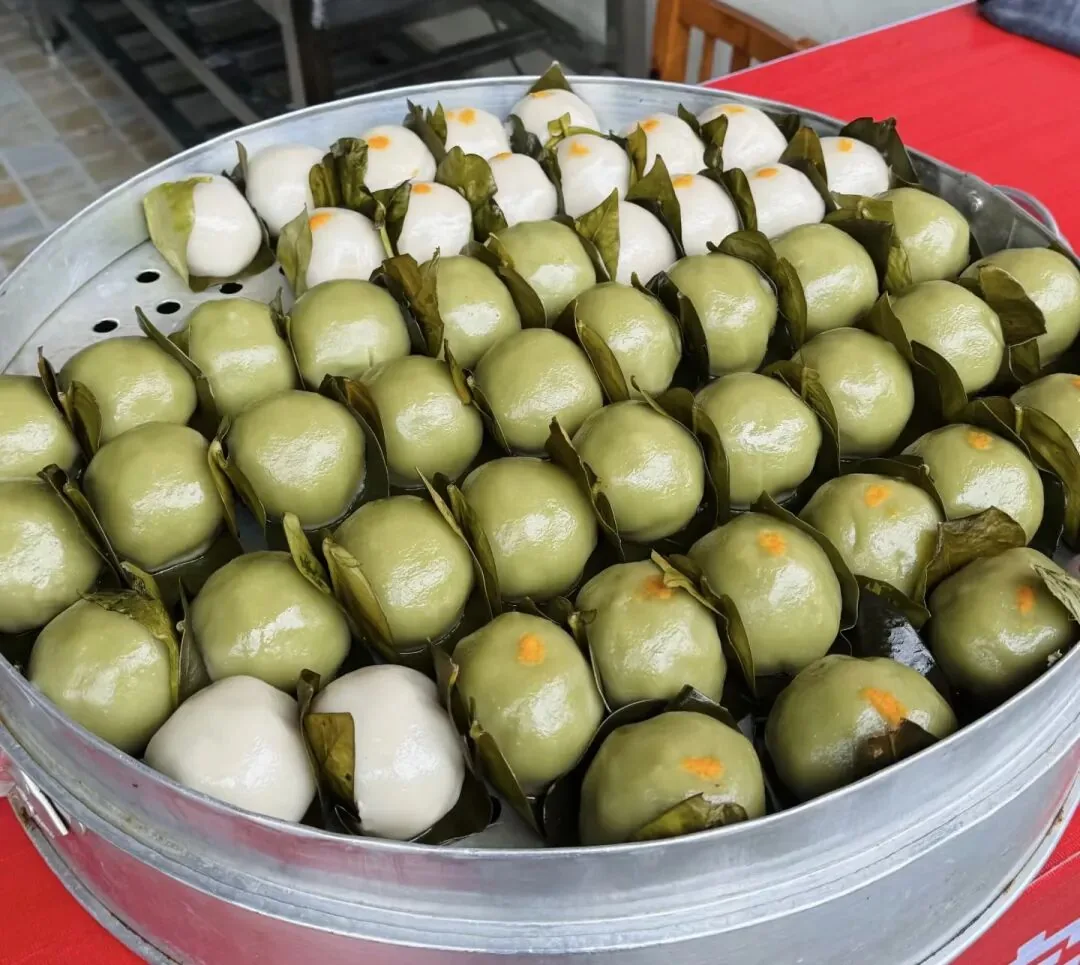
A visit to an old town isn’t complete without the food. Yuan Tong’s flavors are home-style Western Sichuan dishes passed down for generations.
The “Four Flowers” of Yuan Tong: Huangdou Hua (yellow bean curd) / Yuan Tong Douhua, Yuan Tong Pig Trotter, Yuan Tong Brain, and Yuan Tong Youhua (Xiaoshu Youhua).
The douhua is so tender you can’t pick it up with chopsticks — you have to scoop it with a spoon. It comes with a dipping sauce of red chili oil, fermented bean paste, and chopped scallions. It’s so fragrant you won’t want to leave a drop of the soup.
The pig trotters are stewed until snow-white and falling-off-the-bone tender — they melt in your mouth. If you find it too plain, no worries: the owner can provide a special dipping sauce. A bowl in winter warms you from head to toe.
Beyond the “Four Flowers,” look for Caozi Gao (steamed cake), Tangma Bing (sesame cake), Wanwan Xiang, and Sichuan pepper smoked duck. Then come Western Sichuan Zhazha noodles, iced tangyuan, Dongba, Yerba, Chuanxiong eggs — the list goes on.
Local insight: If Pengzhen is a teahouse full of life’s ups and downs, Yuan Tong is a Western Sichuan scroll spread out over three rivers. It’s not loud, but it’s worth savoring; not commercial, but moving. It’s worth a special trip.
Practical Info
- Address: Yuan Tong Ancient Town, Chongzhou City
- Tickets: Free
So if you’re looking for an authentic old town near Chengdu with no entrance fee, Yuan Tong delivers. Come hungry, wander without a map, and let the rivers and teahouses set the pace.
Nearby: Pair Yuan Tong with Jiezi Ancient Town, a free old town an hour from Chengdu, or Yihua Chi — an 8 RMB Tang-dynasty garden where Lu You once lived.