Ever feel like you’ve seen all the famous old towns around Chengdu? Here’s one that almost nobody talks about. It’s called Gucheng (literally “Ancient City”), and it sits quietly in the fields northwest of Chengdu, in Pidu District. No crowds, no ticket gates, no souvenir shops — only everyday life on top of 4,000 years of history.
What Exactly Is Gucheng?
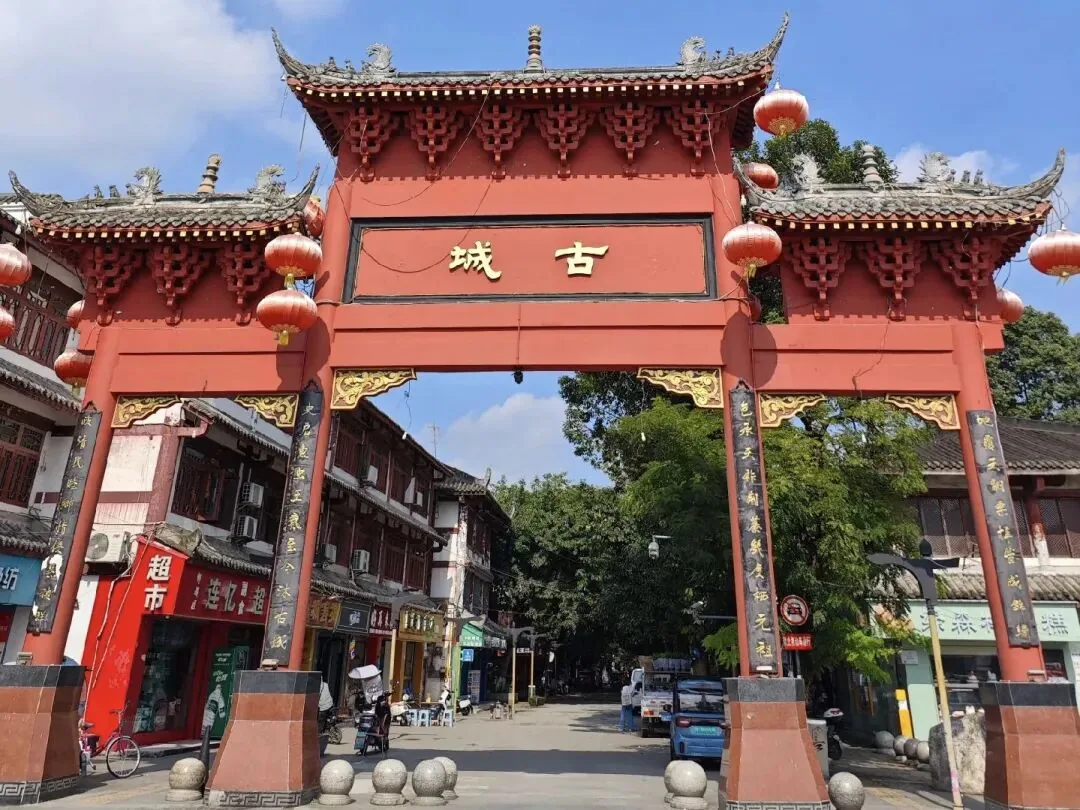
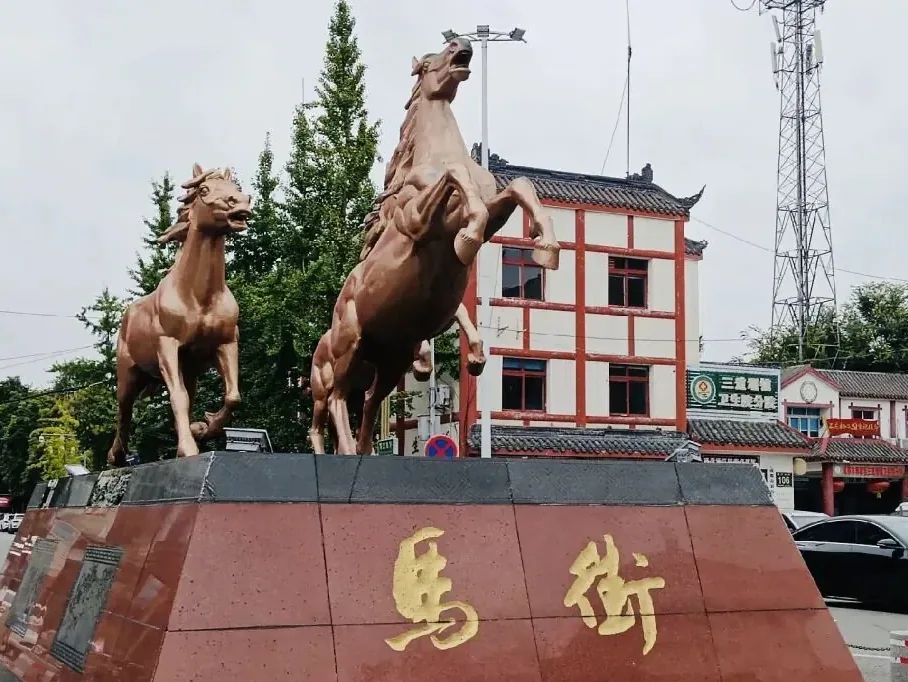
Gucheng is a village and a small market town in the northern tip of Pidu District, on Chengdu’s northwest outskirts. Locals call it “Ma Jie” (马街, “Horse Street”). It used to be a town called Gucheng, but in 2019 the town was dissolved and placed under Sandaoyan Town’s administration. Today it’s Gucheng Village and Majie Community. Even so, people who live nearby still call it Gucheng Town out of habit.
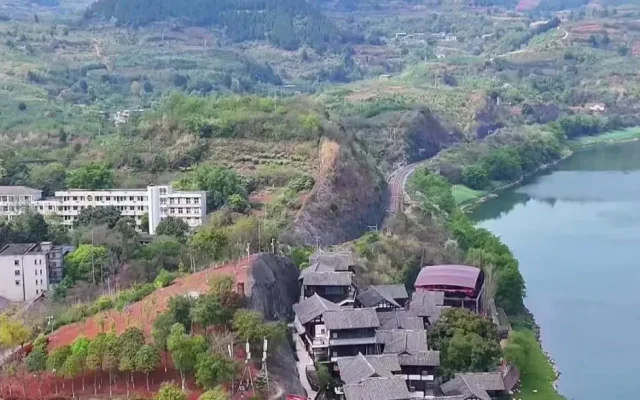
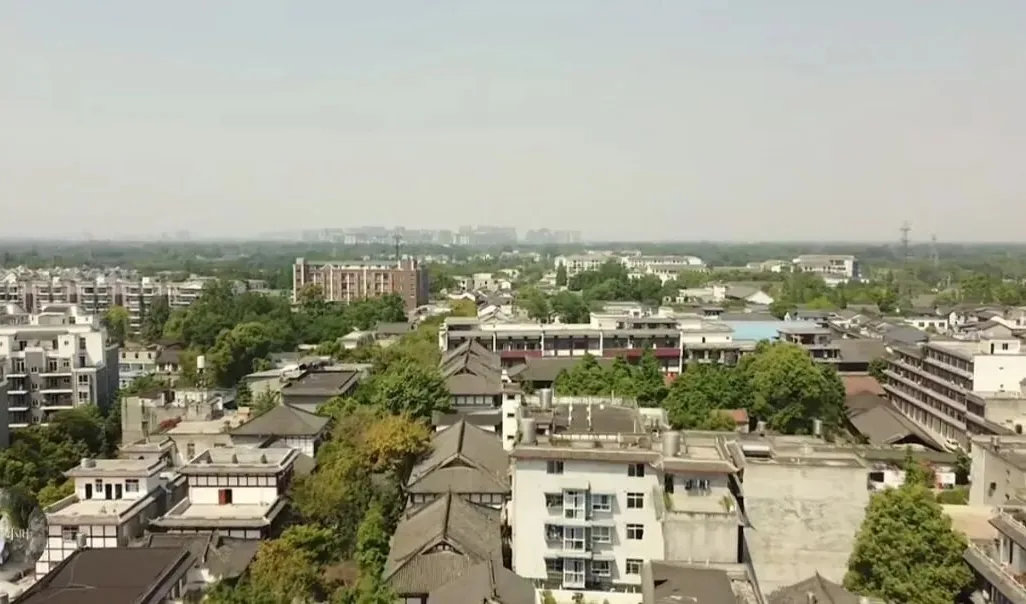
Don’t expect city walls or grand courtyards. A friend once went expecting long stone-paved lanes and Ming- and Qing-dynasty buildings, but found a typical West Sichuan farm village instead. The land here is flat and fertile, with a dense network of rivers and canals. The “ancient” part isn’t above ground — it’s buried in the soil.
The 4,000-Year-Old Secret in the Fields
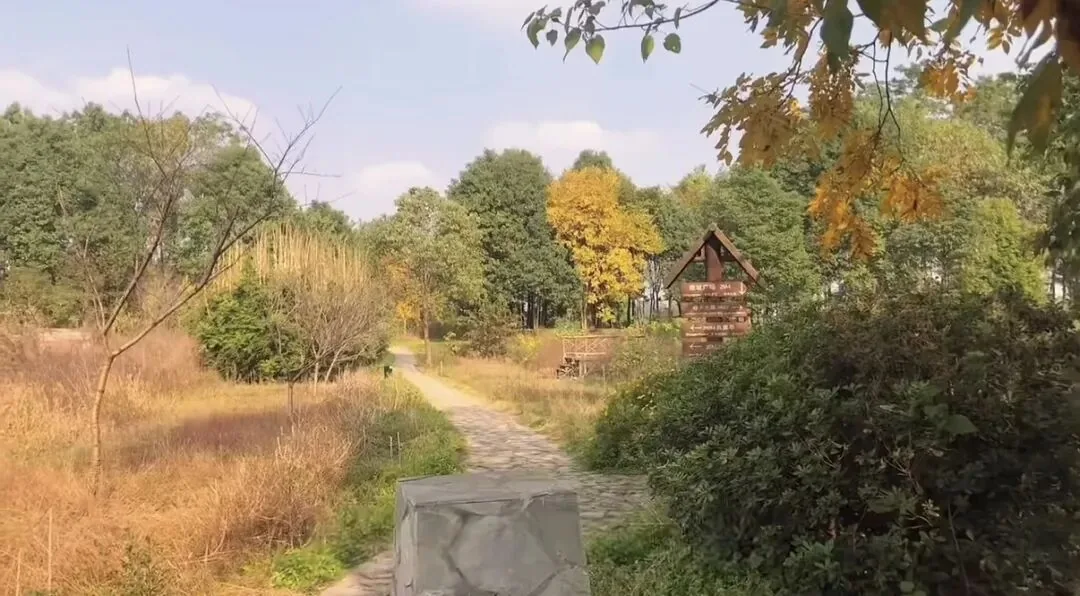
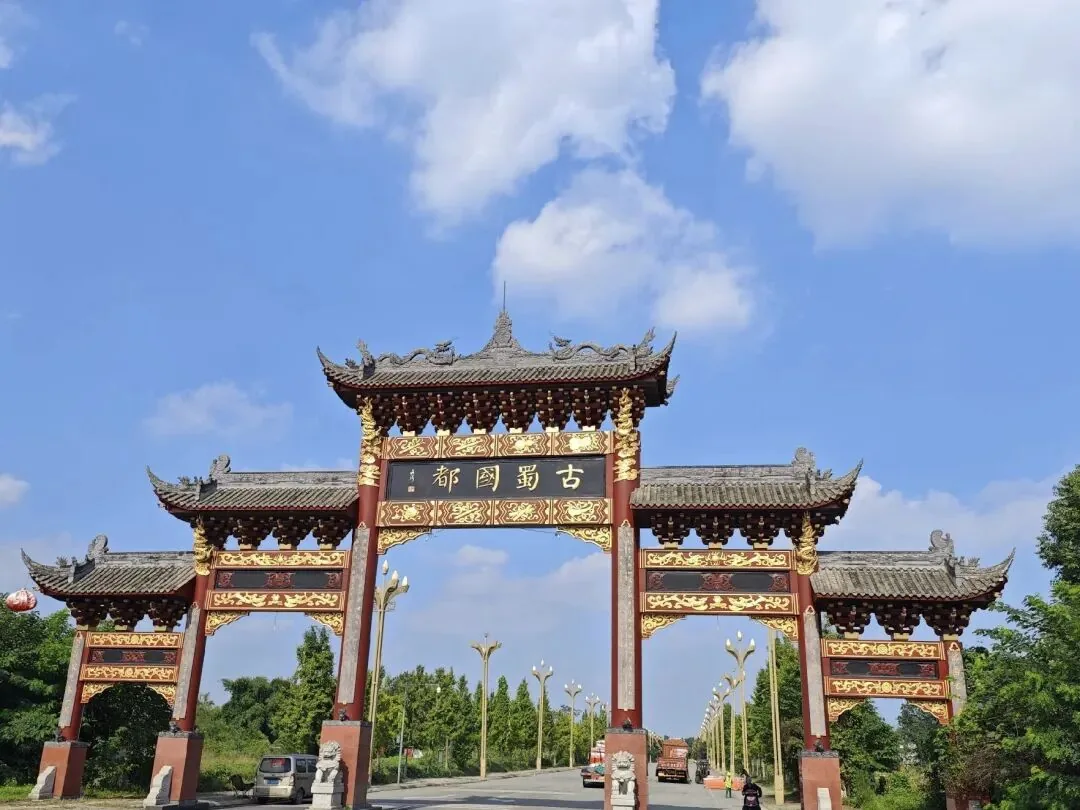
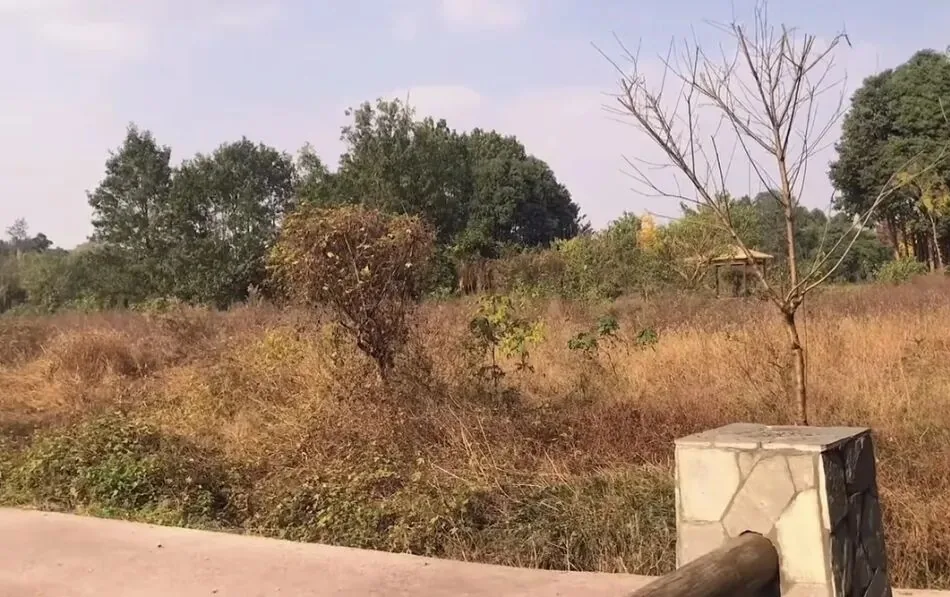
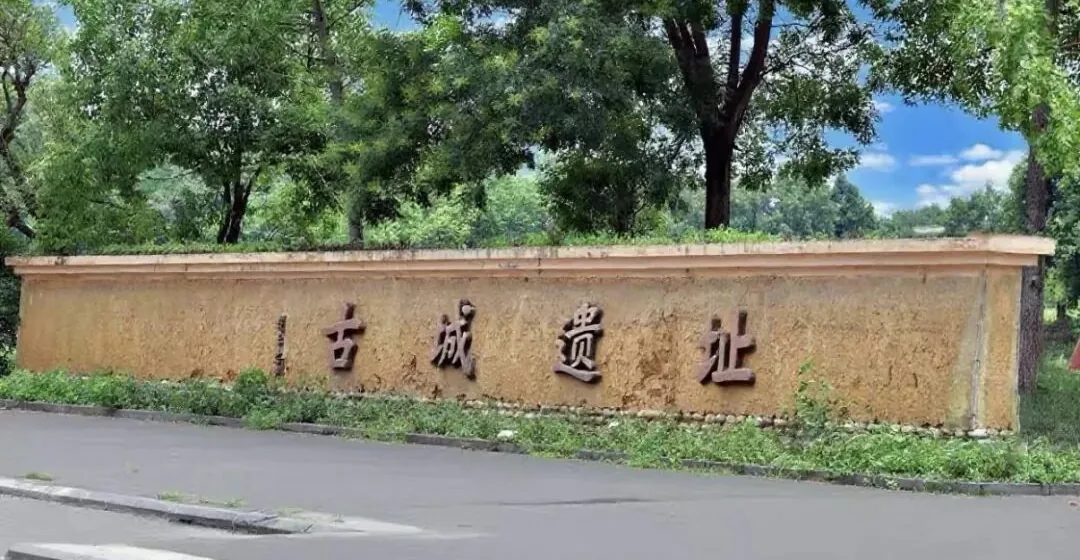
Right outside the town lies a prehistoric site. The earthen walls are buried in the fields — so low-key you might walk right past. Up close, you can make out the rammed-earth outline. This is a late Neolithic city site, over 4,000 years old, linked to the Baodun culture. It predates Sanxingdui in Guanghan by about 1,000 years.
There’s nothing grand above ground — no palace foundations, no stone carvings. Only a few grassy ridges rise above the fields. Experts believe this was a place where ancient Shu people held rituals and gatherings.
In the early Republic of China period, a stone mast was unearthed here with the inscription “Xian Han Gucheng” (先汉古城, “Ancient City of the Former Han”). Later, because of the ancient city ruins in the area, the place was renamed Gucheng.
As for “Ma Jie,” that’s another story. Legend says that during the Three Kingdoms period, Wei Yan stationed troops and raised horses here. Soldiers used the abandoned city walls to build a horse ranch and farmland, and a market gradually formed. The street took its name from the horses.
A Town That Lives Its History
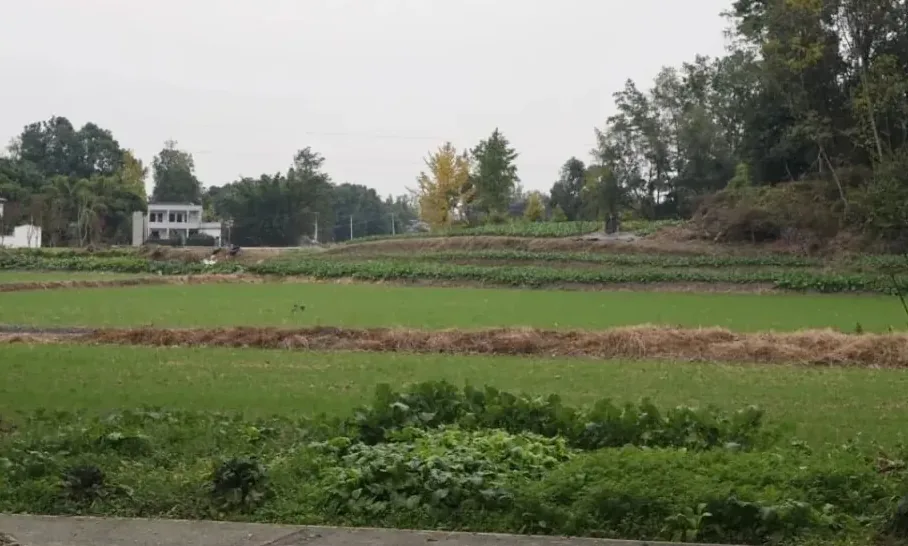
Today, Gucheng locals still farm, manage water, and go to market on this land. Stand on the earthen ridge outside town and look around: green fields, straight irrigation ditches, scattered farmhouses. It feels as if nothing has changed for thousands of years. People still live off the land — only the crops have changed, and the people have changed.
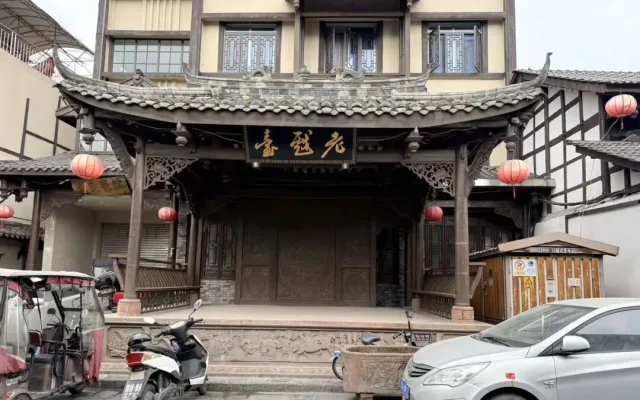
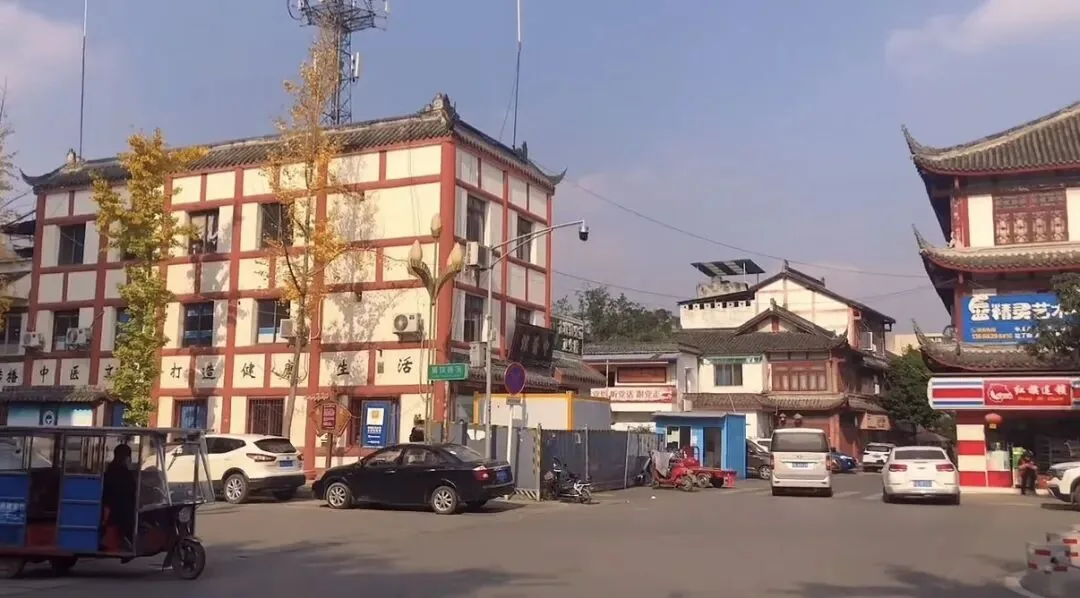
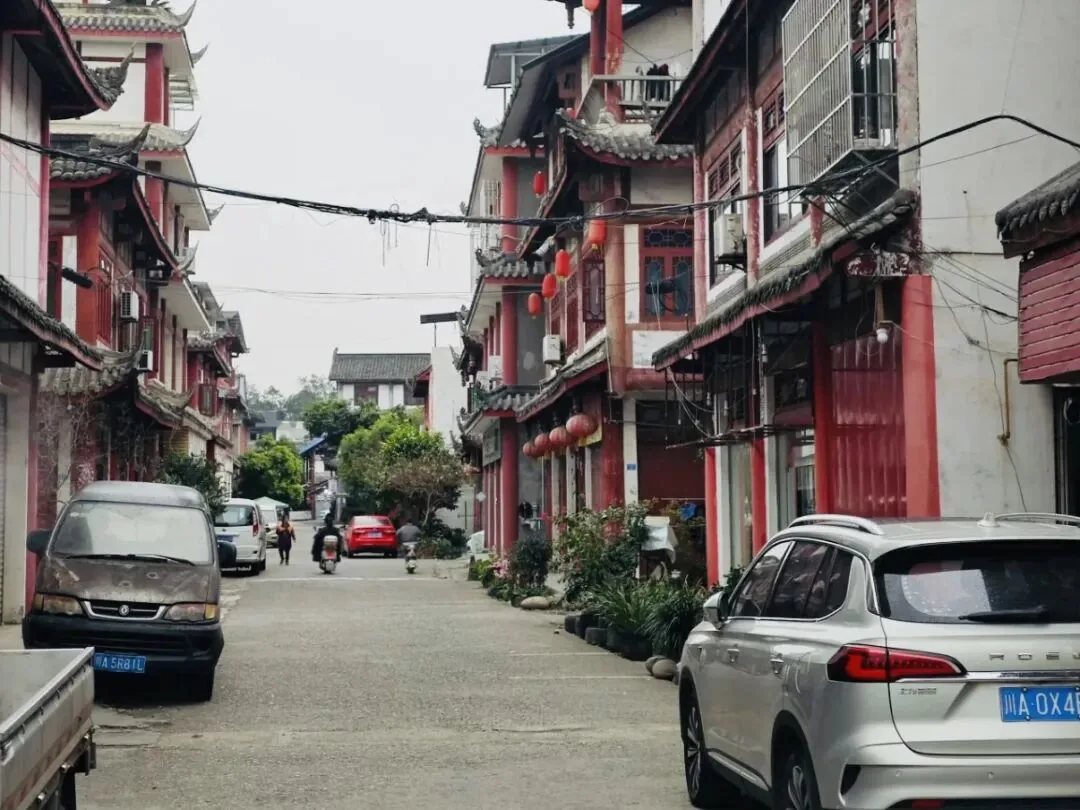
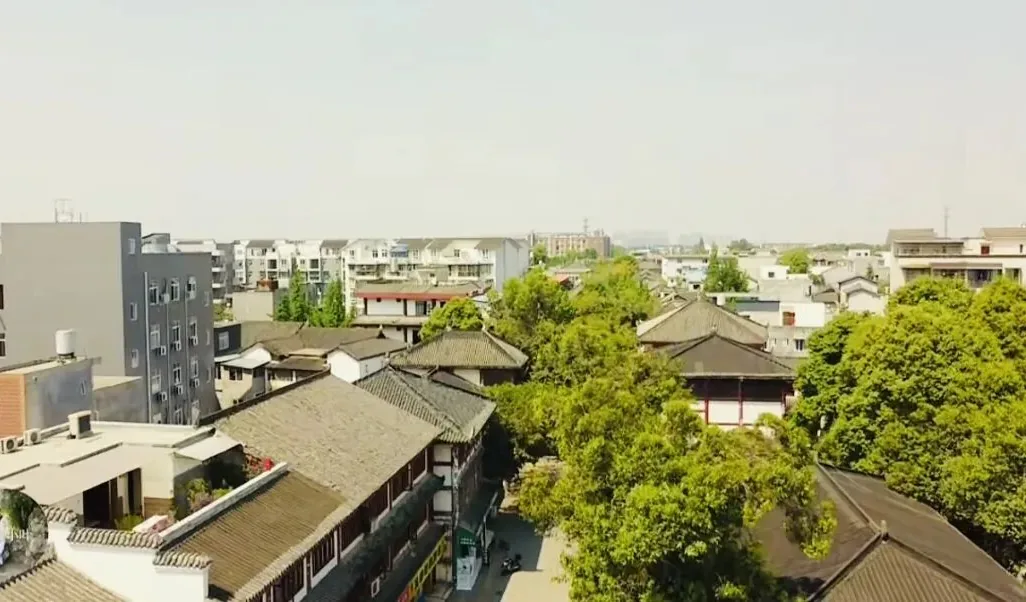
There is a bit of “old” in town too. A roughly 1-square-kilometer cluster of buildings called “Western Shu Ancient City” mimics Han, Tang, Ming, and Qing styles, with gray bricks, flying eaves, and folk courtyards. It’s not a historic site — it’s a replica street and a filming location for movies and TV shows.
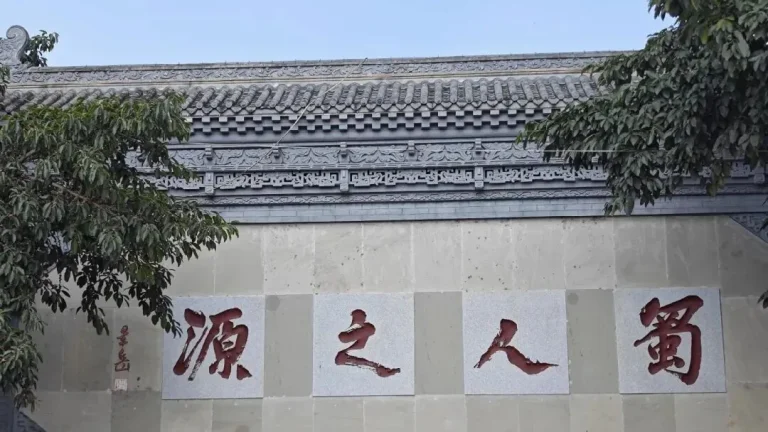
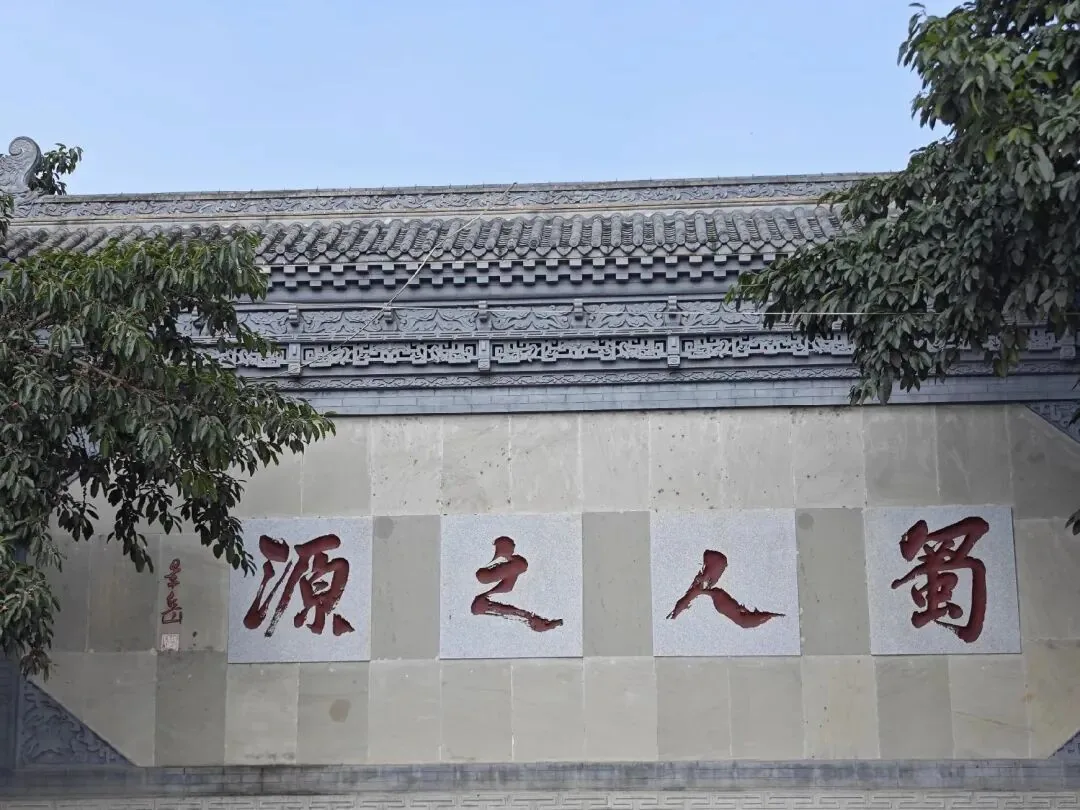
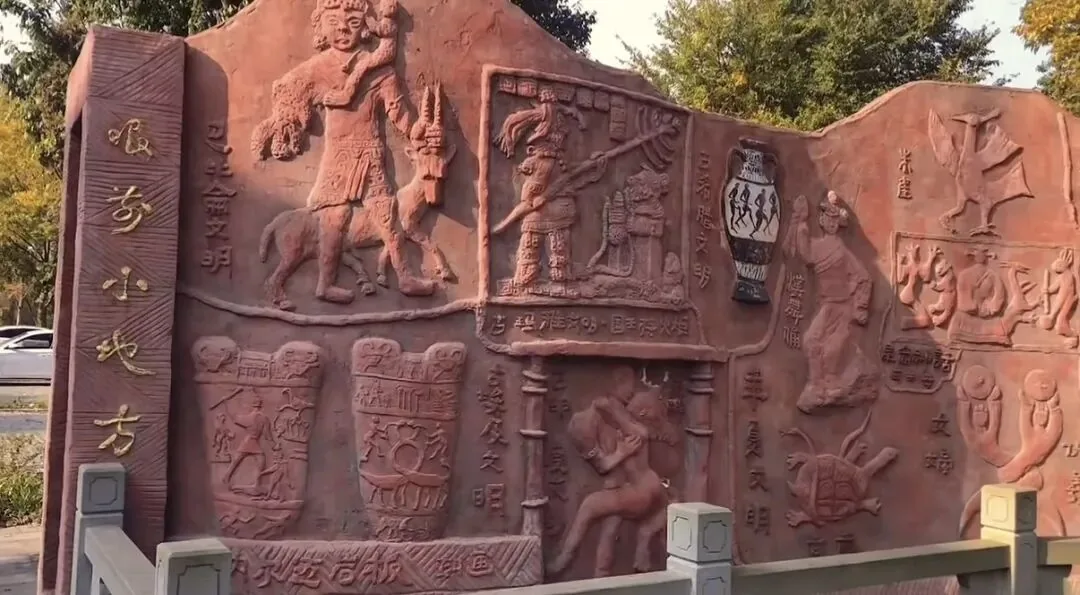
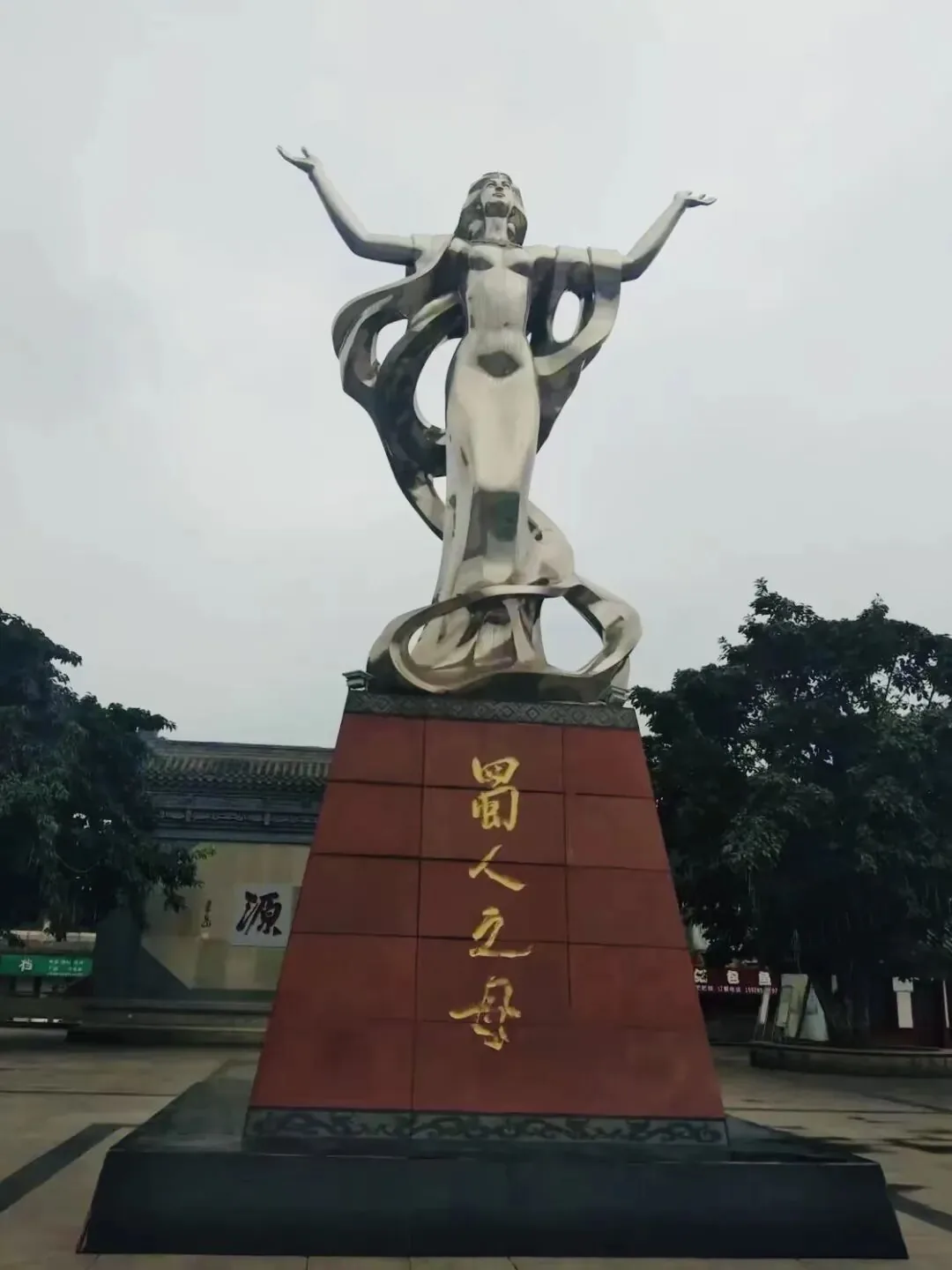
At the town entrance, there’s a cultural square called “Source of the Shu People.” In the center stands a statue of the “Mother of Shu,” with ancient Shu harvest dances, goose shooting, market traders, and banquet scenes carved on the base.
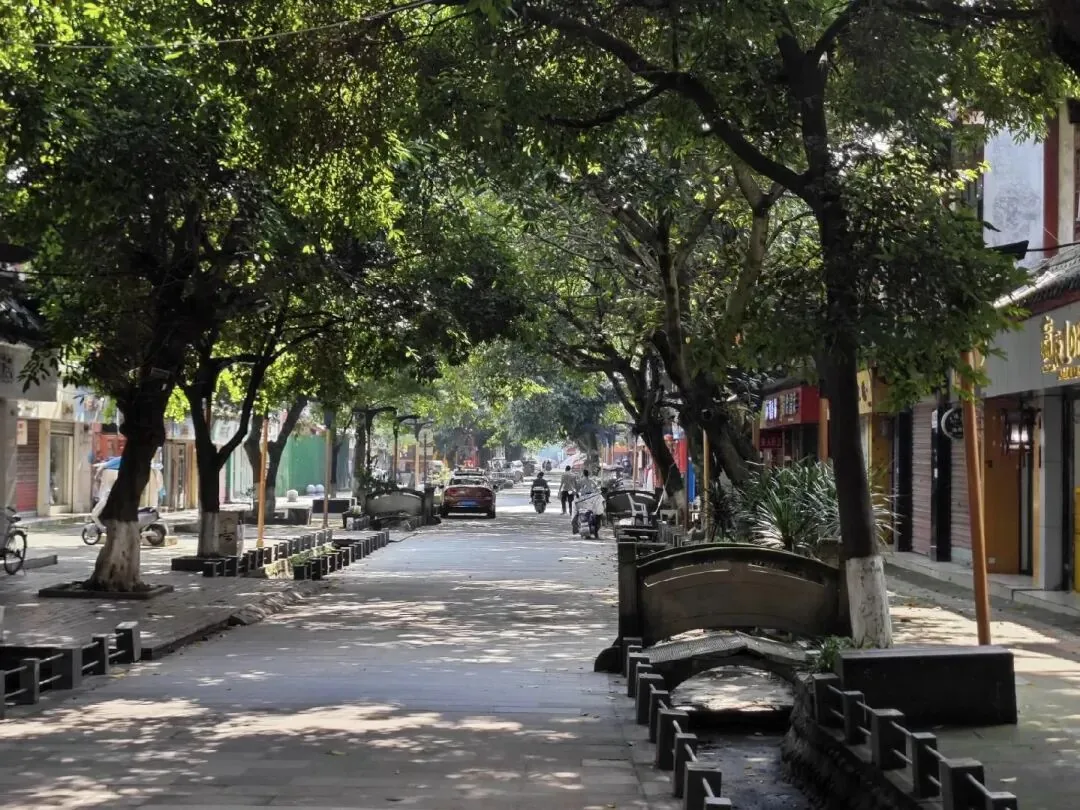
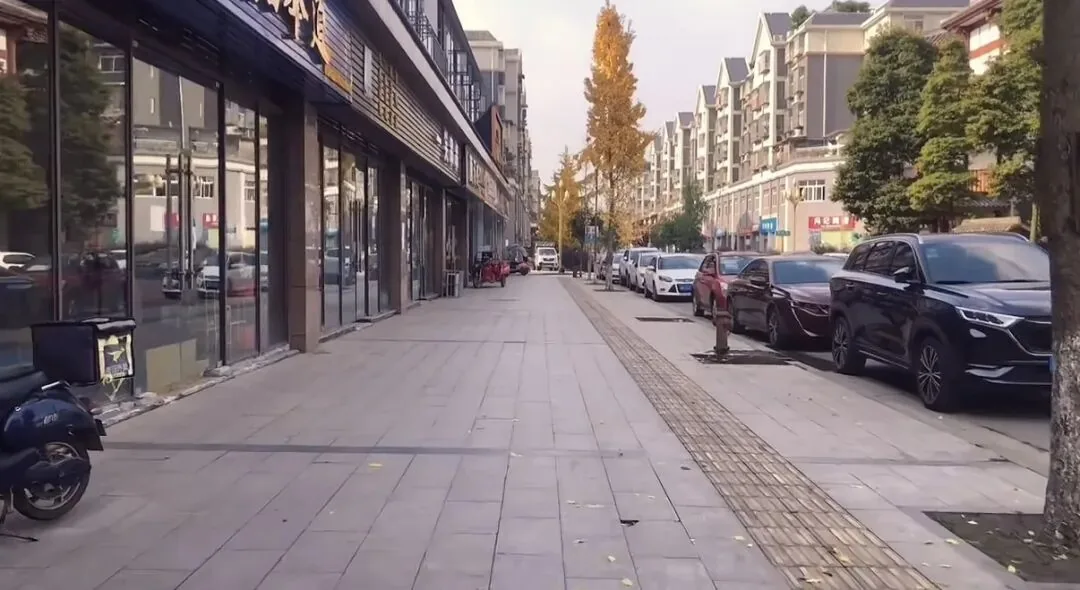
The old street isn’t long — one main street plus a few side alleys. The surface is concrete, not the stone slabs you’d find in a tourist area. Buildings are a mix of old and new: some traditional wooden storefronts, some tiled buildings.
Market Days and Quiet Afternoons
If you come on a market day, the street gets lively. Vendors sell vegetables, meat, daily goods, and farmers bring yellow chives, garlic sprouts, and radishes. Stalls line the road, and people squat down to shop. A street vendor’s handmade douhua (silken tofu) costs 5 RMB a bowl — tender, smooth, with a dipping sauce, simple and delicious.
This custom is the same across West Sichuan. After hundreds of years, people still love this old way of selling. Modernization hasn’t fully replaced it.
On regular days, the town is quiet. Only a few noodle shops, teahouses, and small supermarkets are open. Elderly people sit outside in the sun, cracking sunflower seeds and chatting. This kind of old street isn’t much to look at — you’ll see similar ones all over rural West Sichuan — but it has energy, everyday life, and a strong sense of community.
Bamboo Weaving and the Soul of Sichuan Cuisine
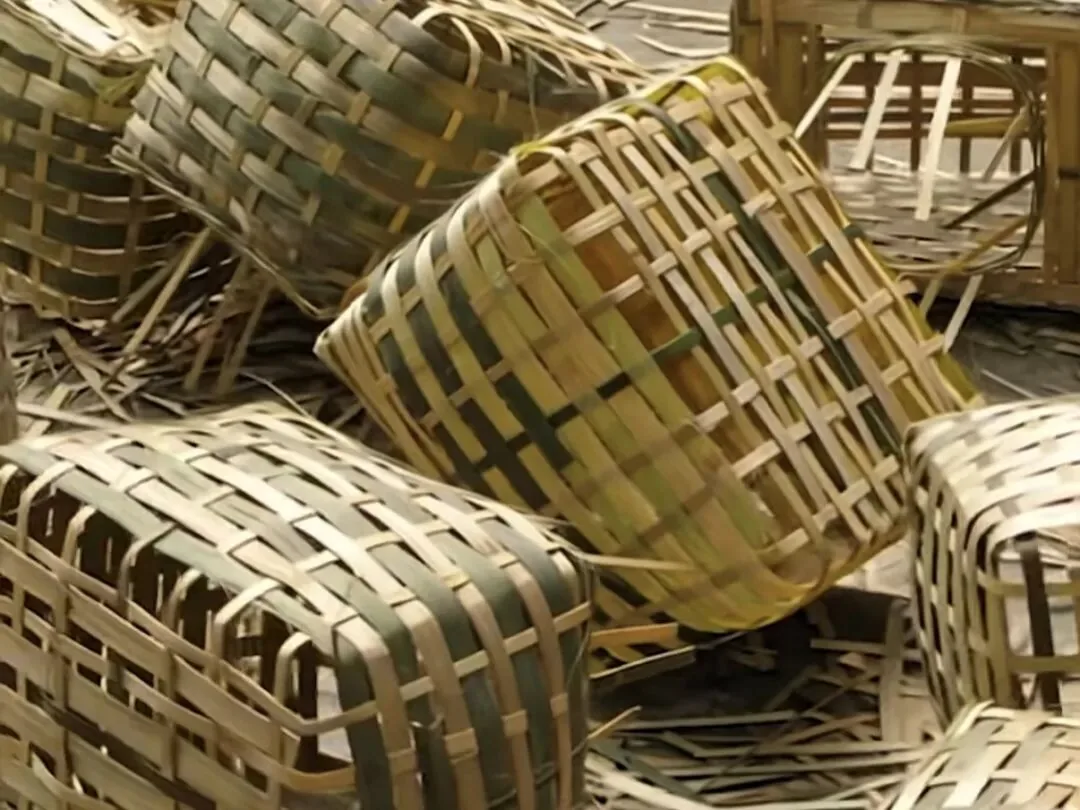
Since the Song dynasty, Gucheng has been known as one of the “Three Weaving Towns” of the Chengdu Plain — grass weaving, palm weaving, and bamboo weaving. Bamboo birdcages from here are famous nationwide. Back then, people said, “Every household cuts bamboo to make cages; every family walks their birds.” These products were sold domestically and abroad.
There’s also the Chengdu Sichuan Cuisine Museum in town. With a ticket, you can eat as much Sichuan food as you like inside and see many exhibits. Of course, you’ll find Pixian douban (fermented broad bean paste), the “soul of Sichuan cuisine.” In the drying yard, the paste is turned and sun-dried, and the red oil gives off an aroma you can smell from far away.
Many people, when they hear “Pidu,” think of douban, Sichuan food, and farmhouse restaurants. Gucheng is hardly mentioned — yet it stood here 4,000 years ago.
History doesn’t have to be sealed in glass cases or turned into a big commercial district. It can also be grown in fields, woven into bamboo, and stir-fried in a wok.
We’re always searching for the origins of civilization, forgetting that the West Sichuan plain beneath our feet — the one we’ve walked over countless times — holds the earliest home of the ancient Shu people. It’s probably better that this place hasn’t been developed into a scenic area. It’s simply a normal, living symbol of West Sichuan.
Gucheng isn’t ancient in the usual sense — it lives its old age as life’s most original form.
Practical Tips
Address: Gucheng Village / Majie Community, Sandaoyan Town, Pidu District, Chengdu (formerly Gucheng Town). About 19 km from downtown Chengdu. Shaxi Line, Shuyuan Avenue, Pipeng Road, Chengpeng Express Rail, and the Second Ring Expressway all converge here. When navigating, search for “Pixian Gucheng Ruins” or “Chengdu Sichuan Cuisine Museum” — they’re close to each other. Don’t type “Gucheng Town” alone.
Tickets: The ruins, old street, and intangible heritage museum are free. The Sichuan Cuisine Museum is about 60 RMB.
Public transport: Take Metro Line 6 to Xingsheng Station, then transfer to bus 715A to Shaxi Line Gucheng Road Intersection Station. Or take Metro Line 2 to Xipu Station, then transfer to bus P22 to Majie Community South.
By car: From downtown Chengdu, take the Shaxi Line; about 40–50 minutes. Navigate to “Gucheng Ruins” or “Majie.” There are free parking spots along the road, and you can temporarily park on the field paths.
Market days: Market days fall on even-numbered dates. The market is lively then; on regular days it’s quiet.
Who it’s for: People who don’t need a busy scenic area, who enjoy rural scenery, ancient Shu history, and authentic market days. Not suitable for tourists looking for ancient architecture or a bustling old town.
Pro tip: Don’t search for “Gucheng Town” on your map — use “Pixian Gucheng Ruins” or “Chengdu Sichuan Cuisine Museum” to find the right spot.
Local insight: Come on an even-numbered date to catch the market at its liveliest. On other days, it’s peaceful and you’ll have the place to yourself.