The Only Mountain Town in Chengdu: Half Mountain, Half River, Quiet and Fun in Early Winter
Early winter in Chengdu hasn’t hit its coldest yet, but the leaves are already turning — a patchwork of colors. People head for the hills or parks to see the autumn foliage. That’s fine, but lately the old towns have been calling. It’s not a holiday, so the crowds are thin, and you can soak up the charm of an early-winter old town in peace.
Jintang’s Wufengxi Old Town is a place that’s half mountain, half river — and it’s a great spot to slow down.
Why Wufengxi, and Why Now
Wufengxi has built up a bit of a name over the years, and more visitors are showing up than before. The town is starting to go commercial, but early winter is low season — no shoulder-to-shoulder crowds.
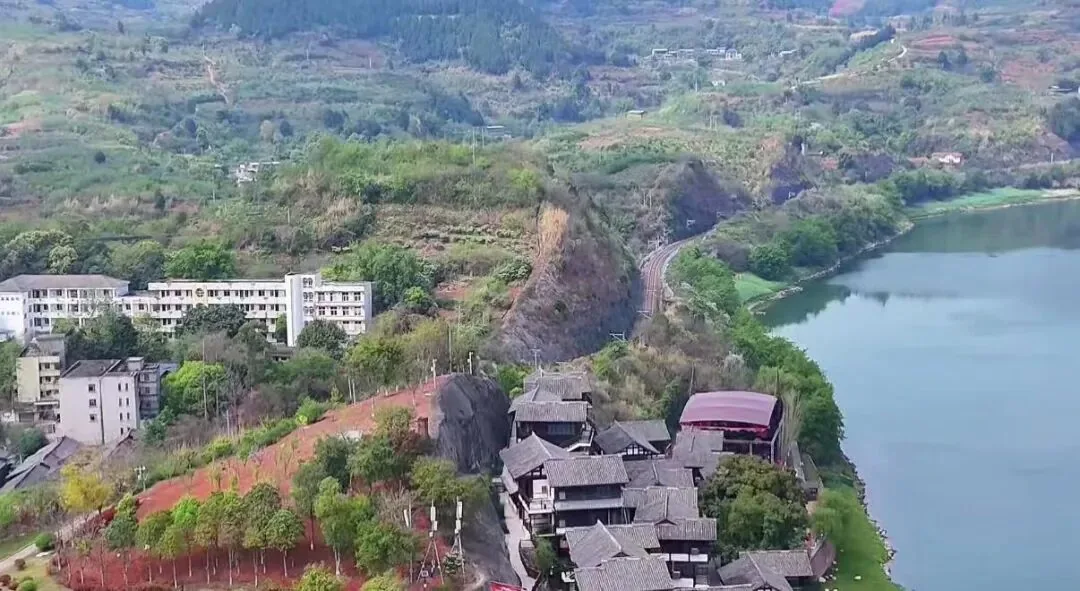
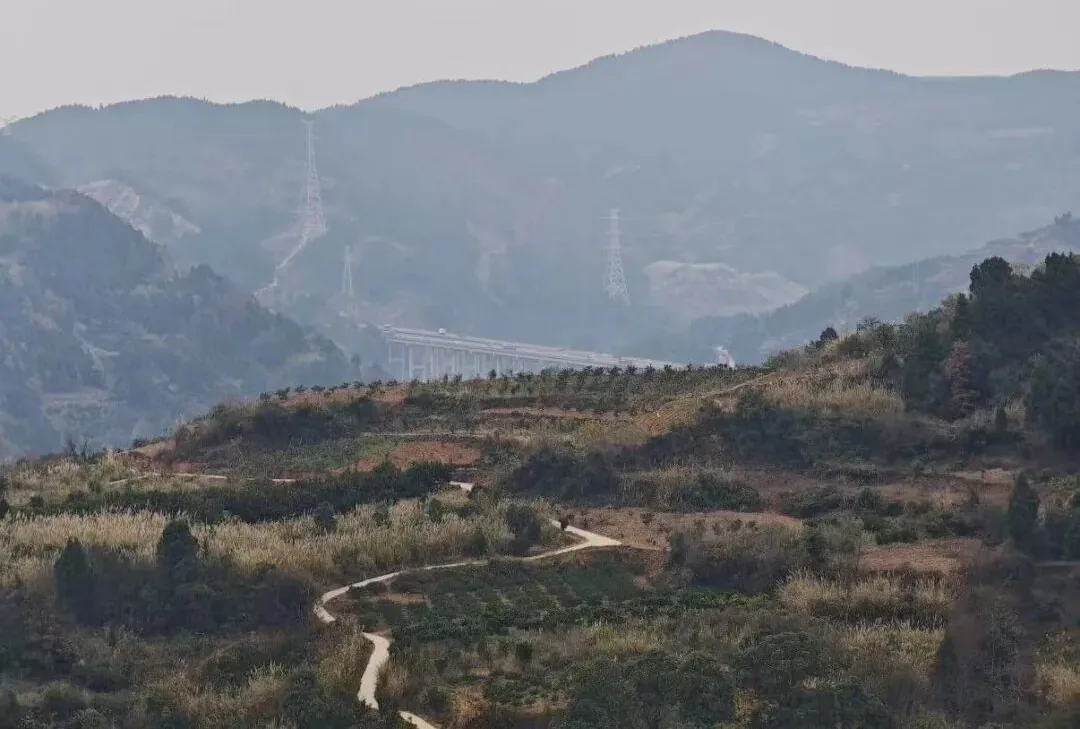
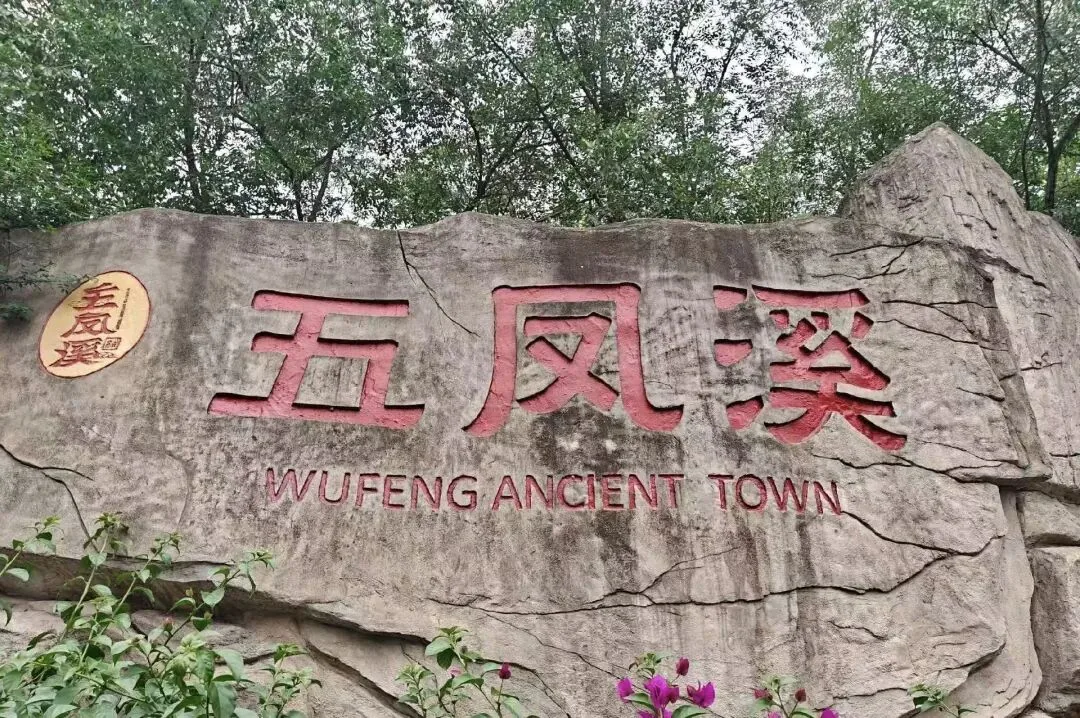
The Longquan Mountains that Wufengxi sits in aren’t very high; the town occupies a corner of them. The name “Wufeng” (Five Phoenixes) is a lovely one — probably the prettiest name among all the old towns around Chengdu.
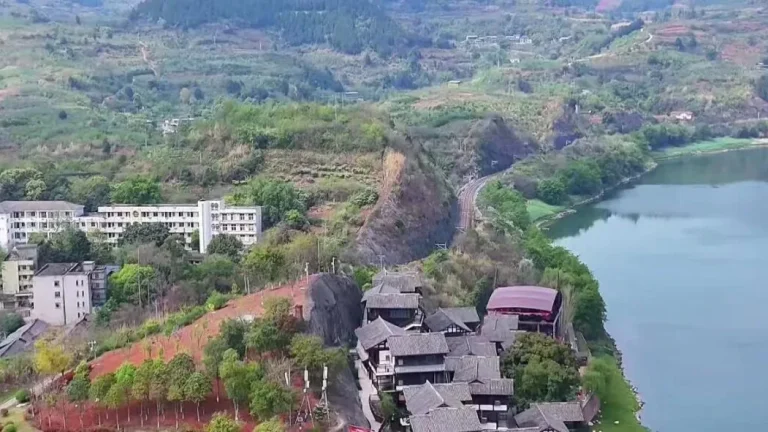
Looking down from above, the town is built to follow the mountain’s shape. Five peaks stand like phoenixes, which gives the place its name. There are five streets — Jinfeng, Qingfeng, Yufeng, Baifeng, and Xiaofeng — each with “feng” (phoenix) in its name, hence Wufengxi. Baifeng Street is also called Banbian Street (Half-Side Street). It’s 460 meters long, with mountain on one side and cliff on the other. Among Chengdu’s top ten old towns, it’s the only mountain town.
A Town Shaped by the River
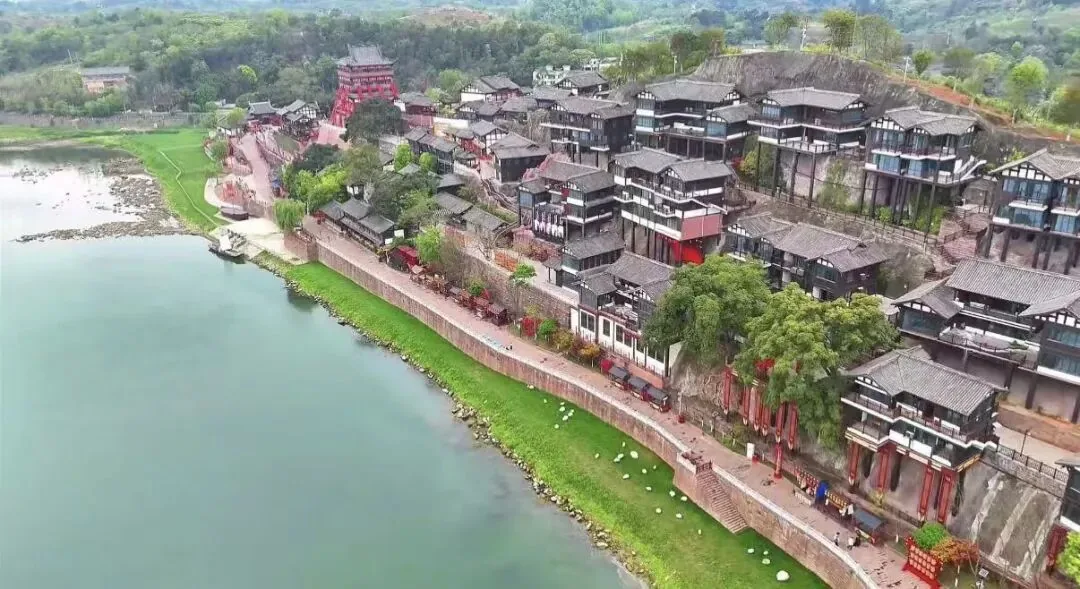
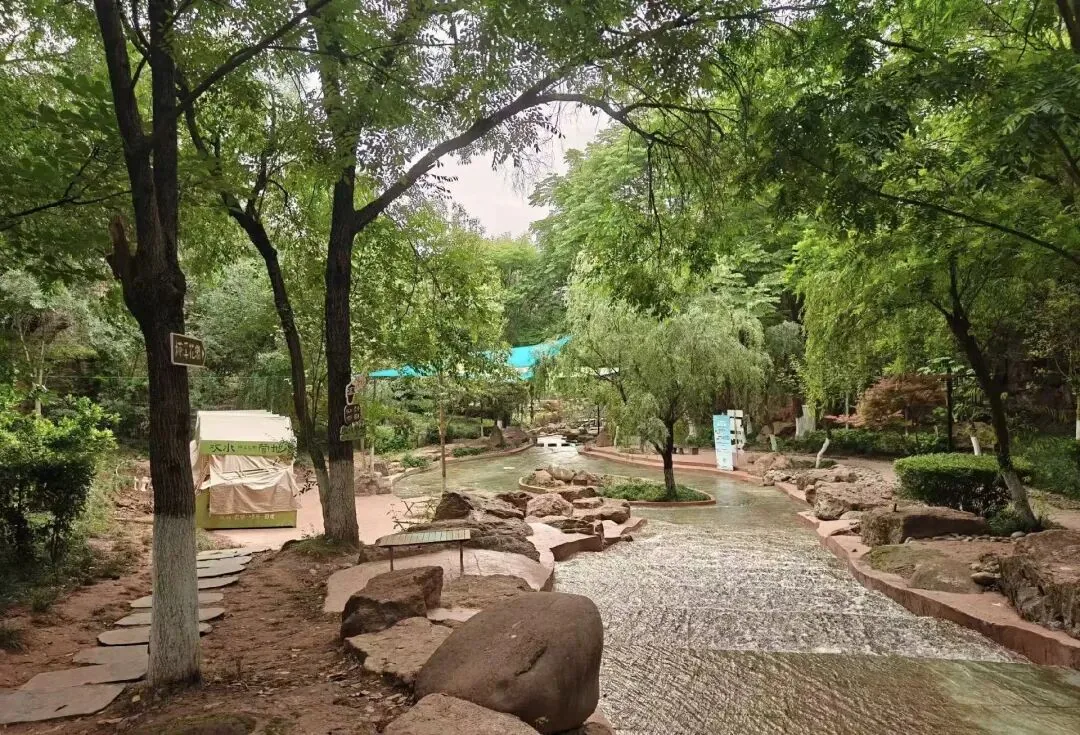
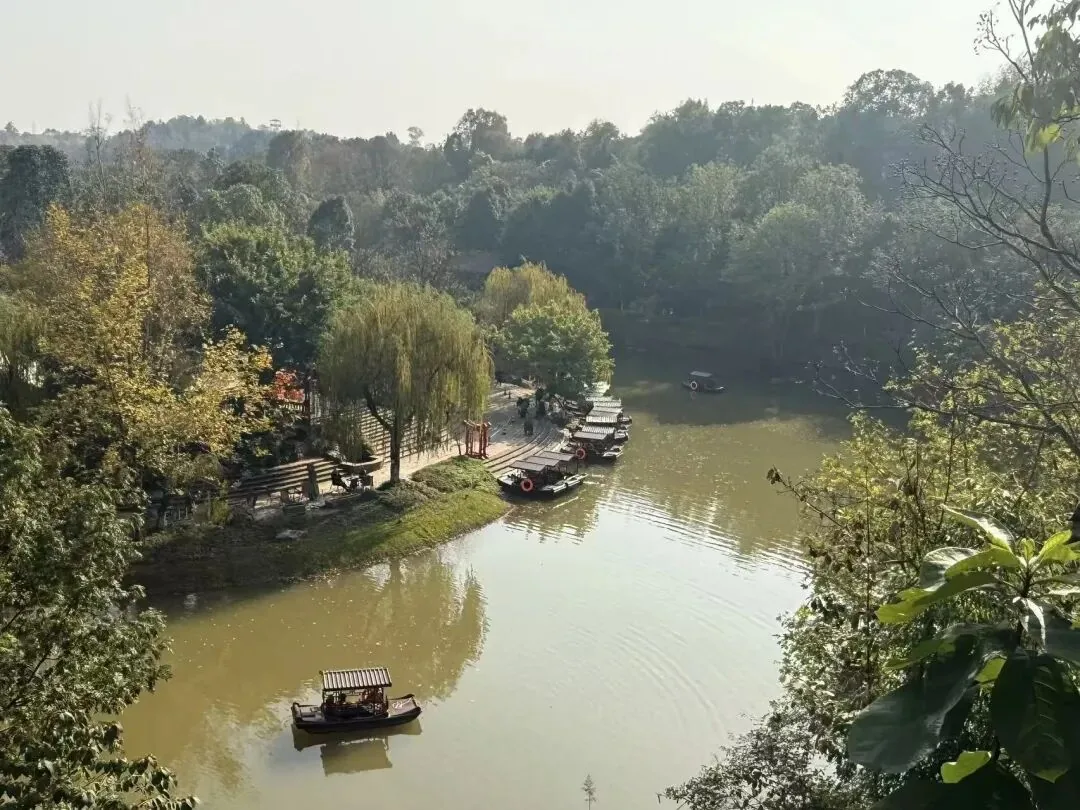
The Tuo River makes a big bend as it flows through Jintang, and Wufengxi sits right on that bend — back to the mountain, facing the river. A single street runs from halfway up the slope all the way down to the water’s edge. Locals call the town “half mountain-river, half city.” From the opposite bank, you see layers of dark-tiled roofs stacked against gray-green slopes — quite a sight.
Back in the Han and Tang dynasties, this was already a busy river-and-land hub on the upper Tuo River, a trading node on the route from Chengdu to eastern Sichuan. By the Kangxi era of the Qing dynasty, during the “Huguang fills Sichuan” migration, settlers turned it into “the biggest dock in western Sichuan.”
A folk song went: “One sail carries half the city’s salt, one oar carries half the city’s sugar.” Old-timers also said, “A thousand people bow by day, ten thousand lamps glow by night.” The boatmen’s work songs are still intangible cultural heritage. These days, though, more people used to sing them than listen.
Standing by the river in early winter brings a touch of melancholy. After the Chengdu-Chongqing Railway opened, river transport declined and the bustle faded. What’s left isn’t desolation — it’s a kind of settling. The water runs lean; a few small boats are tied at an angle to their mooring posts, rusting and still.
History You Can Walk Through
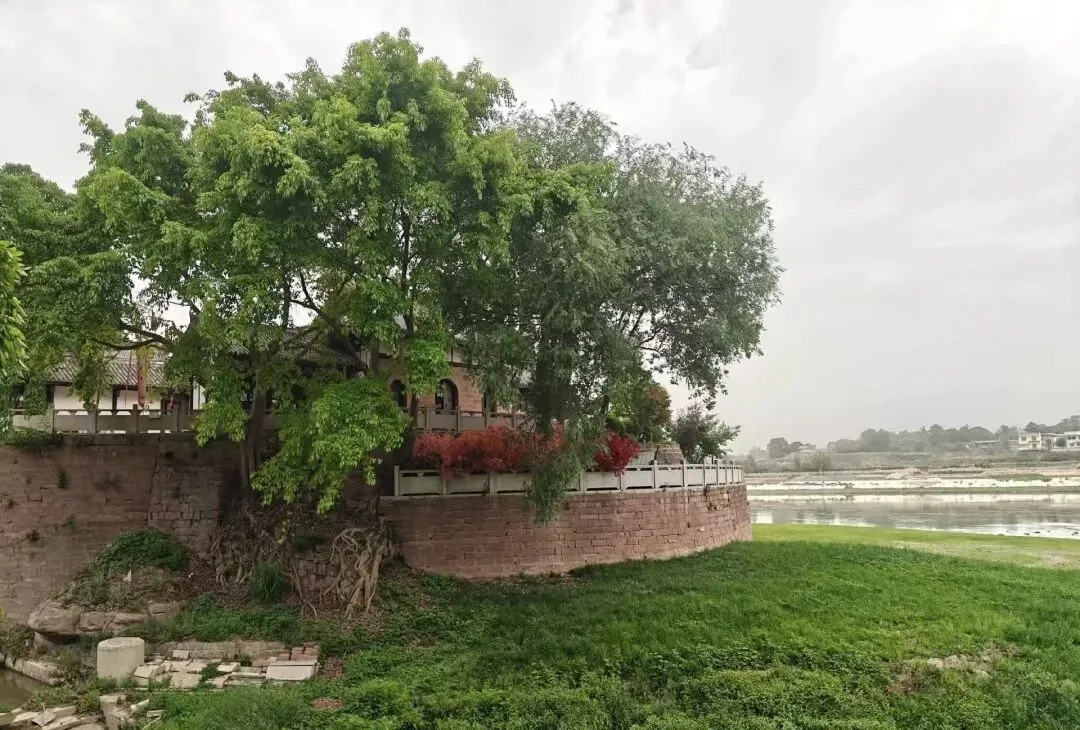
The town has the former residence of He Lin, a famous 20th-century Chinese philosopher. He studied and translated Hegel, and was known as “the Oriental Hegel.” His family home stands here in Wufengxi: a western Sichuan courtyard with dark tiles and wooden frames, a small skywell, and his manuscripts, old books, and photos inside.
There are also Guansheng Palace (Shaanxi Guild Hall), Nanhua Palace (Guangdong Guild Hall), Wanshou Palace (Jiangxi Guild Hall), and Yuwang Palace (Huguang Guild Hall) — each one a witness to history.
Strolling the Old Streets
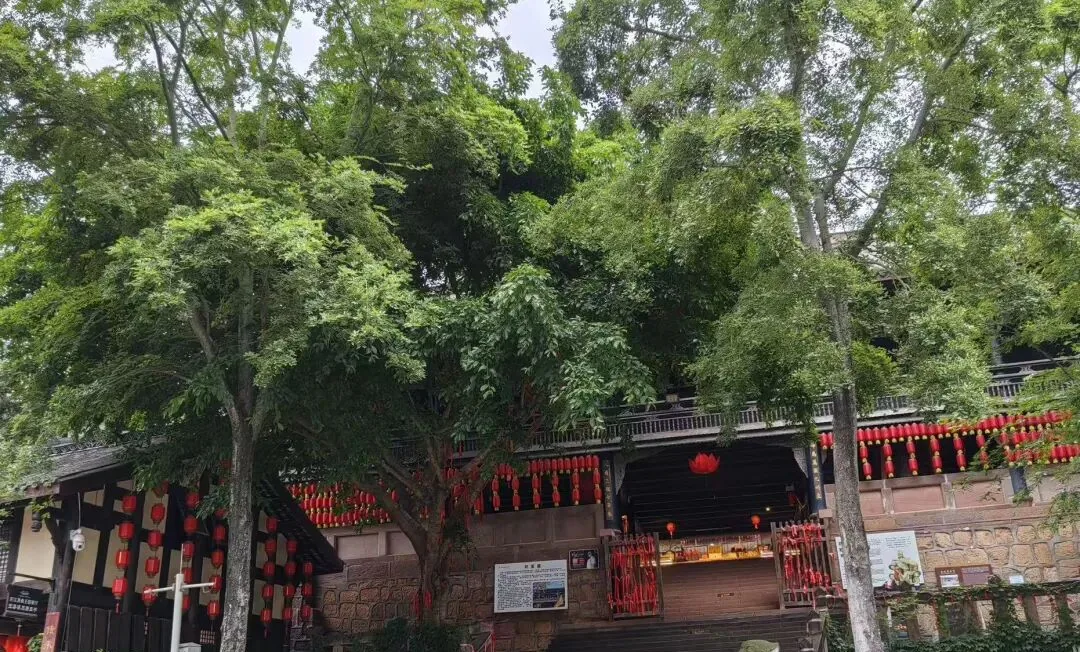
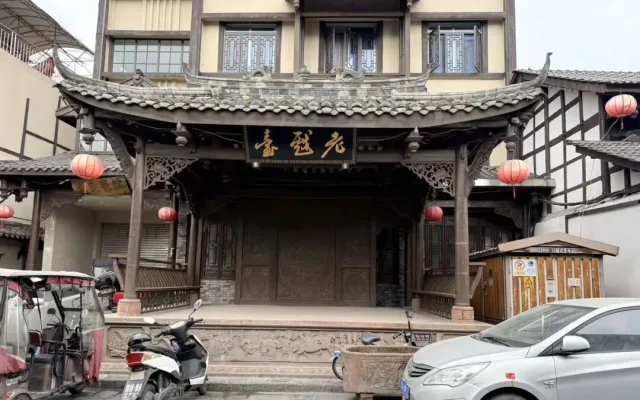
The streets are flagstone, lined with old shopfronts with wooden doors — some open, some shut. The closed ones have faded couplets pasted on their boards. The lanes are narrow. Unlike the flat streets of the Chengdu plain, these mountain lanes go up and down and twist a lot. Turn a corner and you’ll often find a family courtyard wall or a small terrace with a view of the river.
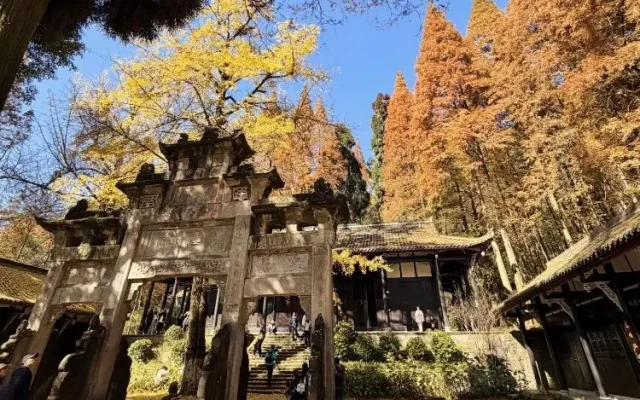
Local insight: The ginkgo trees are bright yellow right now, and the plane trees are turning caramel. Leaves are falling — some trees are nearly bare, the rest hanging on, ready to drop at any breeze. They land on dark tiles, stone steps, and the open ground before wooden doors.
Head further toward the red-faced slope and the oranges should be ripe. The Jintang area is citrus country — whole hillsides of orange trees. In early winter the fruit turns from green to orange, hanging tree after tree, a warm sight.
Hiking the Dragon’s Ridge Trail
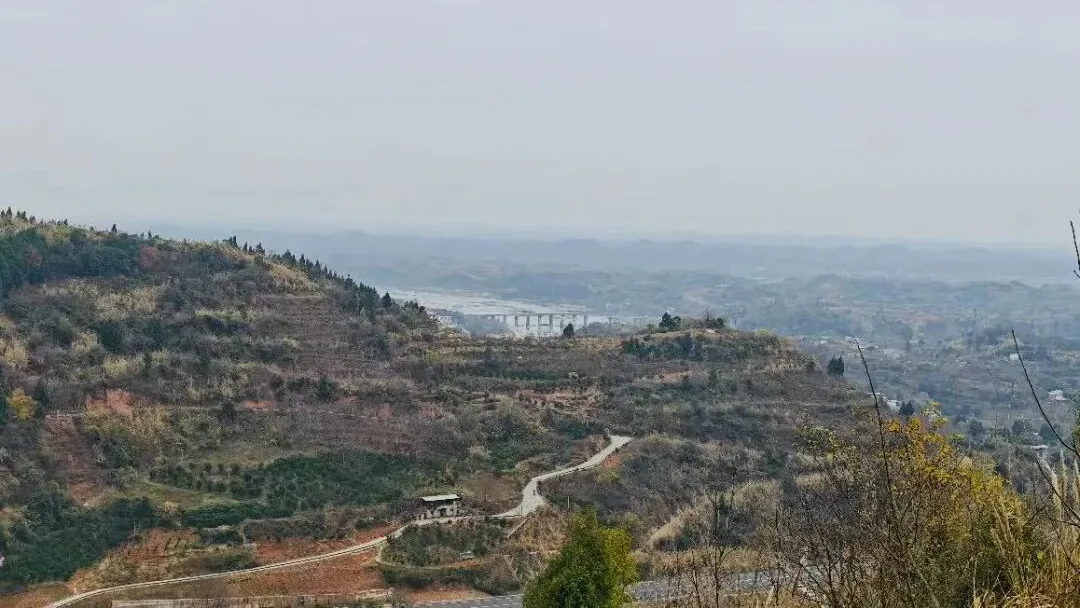
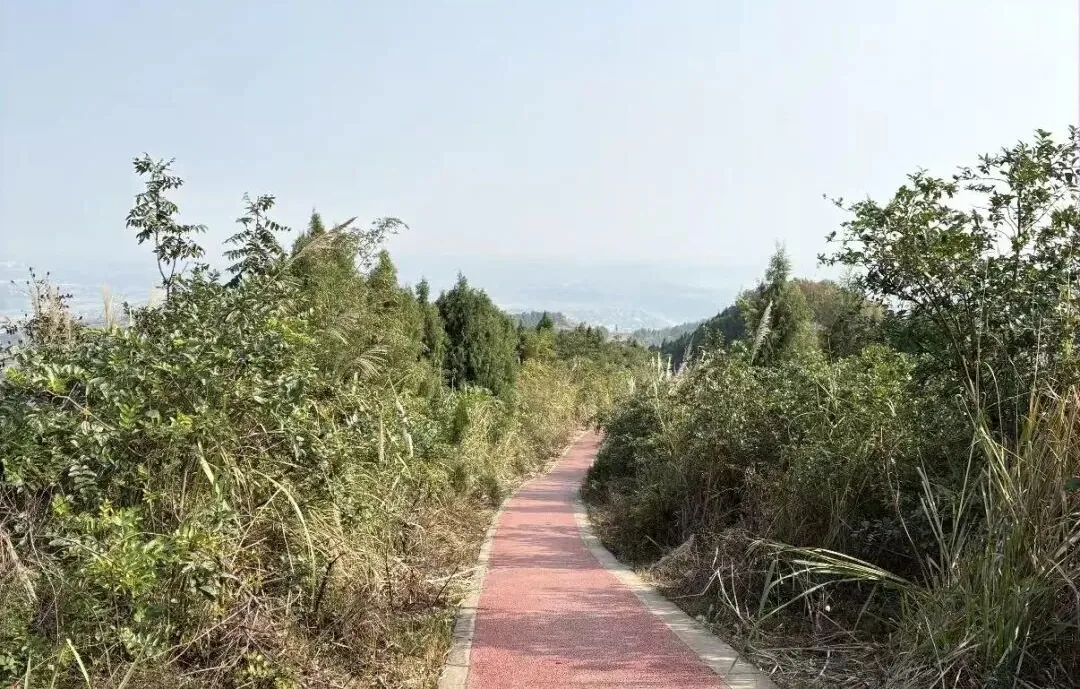
Here you can hike the Longji Tianlu (Dragon’s Ridge Sky Road) for great views — orange groves stretch as far as you can see. There are several hiking routes. A 6-kilometer loop is very friendly: rubberized and concrete paths, doable in two or three hours, easy enough to bring kids along. Walking along the ridge is genuinely therapeutic. Along the way plenty of people sell oranges — don’t pick the fruit yourself, but you can buy it. Two or three yuan per jin (about 500g), very fresh. There are also 3-kilometer and 10-kilometer routes nearby, so you can pick based on your fitness.
Pro tip: For the trailhead, navigate to “Fengxi Taolin Parking Lot” — the Longji Tianlu entrance is right across from it.
Tea, Snacks, and Taking It Easy
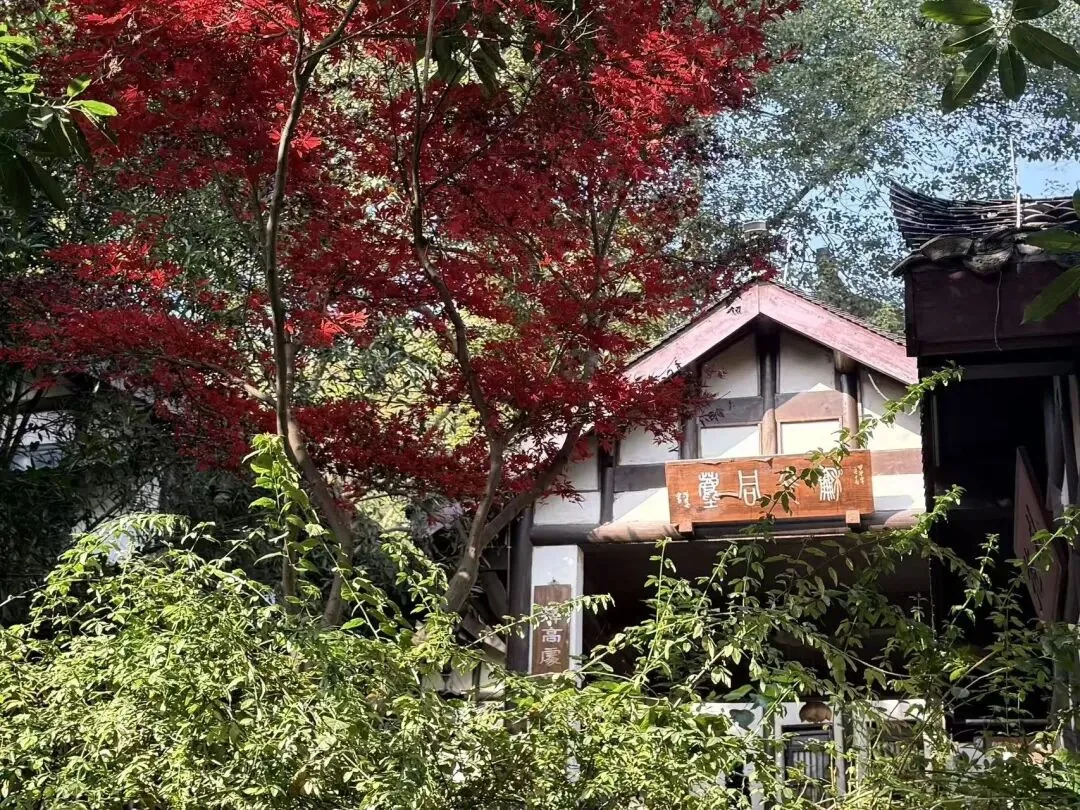
If you don’t feel like going anywhere, head to the old teahouse by the river. A few yuan gets you a covered-bowl tea (gaiwan cha) and you can sit for half a day. If the sun’s out, lean back in your chair and soak it up — early-winter sunshine is lazy and deeply relaxing.
The snacks and food here are plentiful. Look for intangible-heritage yellow preserved eggs (huangbaodan), rattan-pepper duck (tengjiao maya), Tuo River baby catfish and yellow catfish (huangladin), and “swan eggs” (tiandandan). Sweeter options include Xu Xiaosu mung bean cakes, Guandu baba, and jiudouwan (nine-bowl feast). Expect around 30–40 RMB per person — generous portions.
Practical Info
- Address: Wufeng Town, Jintang County, Chengdu. Navigate to “Wufengxi Old Town Visitor Center” or “Xiaofeng Street.”
- Tickets: The old streets, guild halls, and viewing platforms are free and open all day. He Lin’s former residence, boat rides, and Longyin Tiancheng Park charge separately.
- Bus: Take Metro Line 4 to Xihe Station, exit B, then bus L042 to Luodai Passenger Transport Center. From there, take the “Luodai–Wufeng” shuttle.
- Driving: Driving is recommended; buses take a while. From downtown Chengdu, take the Shanghai–Chengdu or Chongqing–Chengdu expressway and exit at Huaikou or Wufeng — about 1 hour.
- Hiking start point: Navigate to “Fengxi Taolin Parking Lot” — the Longji Tianlu entrance is directly opposite.
The Tuo River has flowed for thousands of years. The docks rose and fell, the merchant guilds came and went, but the “half mountain-river, half city” look hasn’t changed — the mountain is still there, the river is still there. If you have a day to spare, come in early winter. Don’t chase flowers or markets — just stand on the covered bridge for a while and watch the river carry a thousand sails past, still flowing east.