Yongzuo Temple: A Quiet Corner of Chengdu’s South Side
Early winter has arrived, and the wind in Chengdu is strong this evening. Leaves are falling, and the weather is getting colder. If you don’t want to head far out to the suburbs, a temple visit closer to town is a good idea.
Shuangliu’s Yongzuo Temple (永祚寺) fits the bill: low-key, uncrowded, and peaceful. It’s one of the most understated temples around Chengdu, and hardly anyone goes. Its location is unusual—not in the mountains, not in a scenic area, but in an old residential courtyard right next to Shuangliu Middle School and Shuangliu Experimental Primary School. Many people pass by without a second glance, assuming it’s just an old work-unit compound. But it’s older than the school, older than the street, older than most buildings in this city.
A Name That Trips People Up
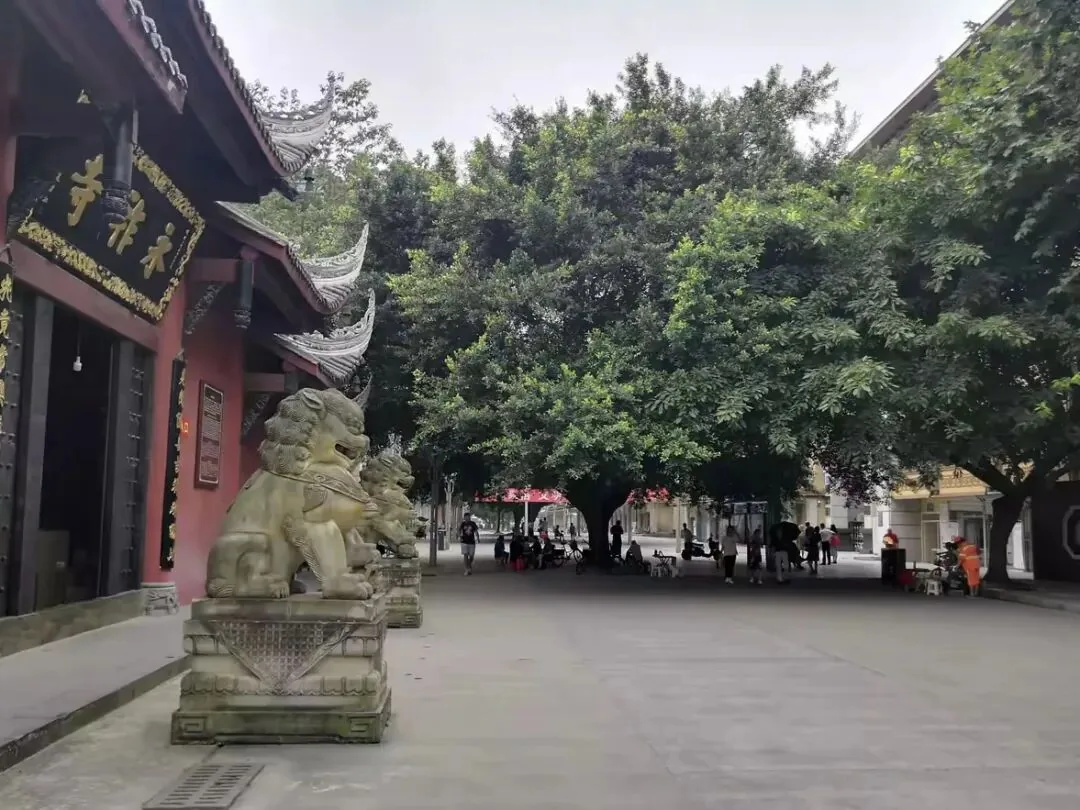
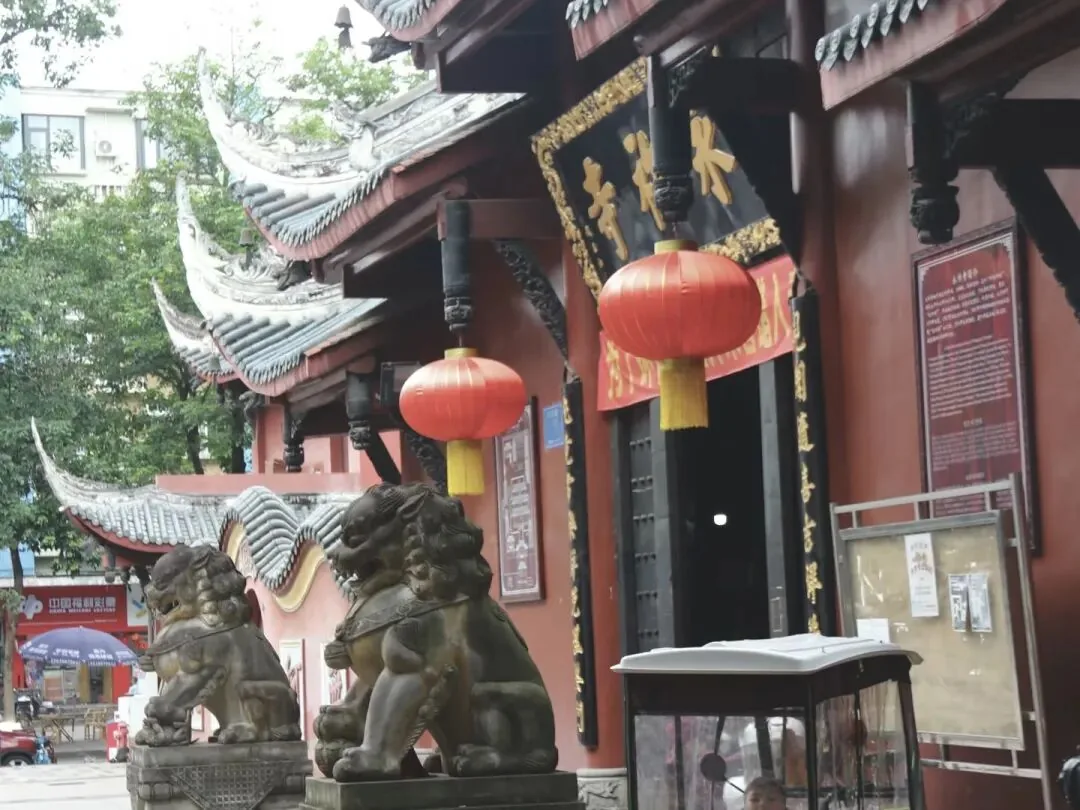
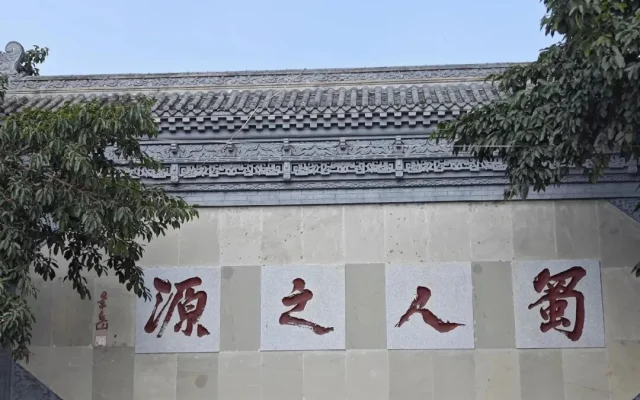
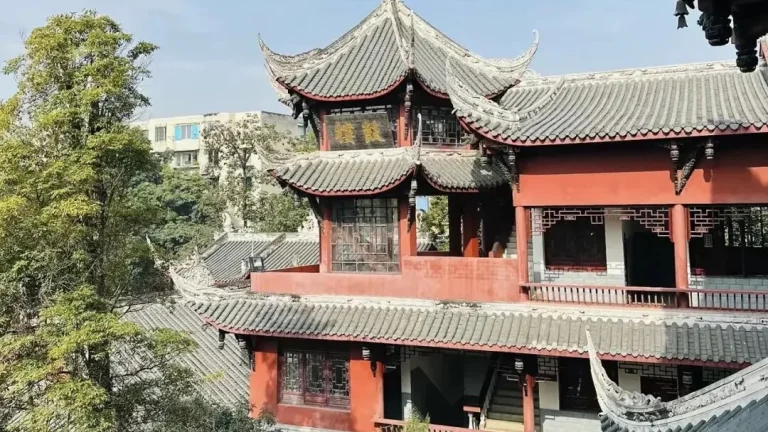
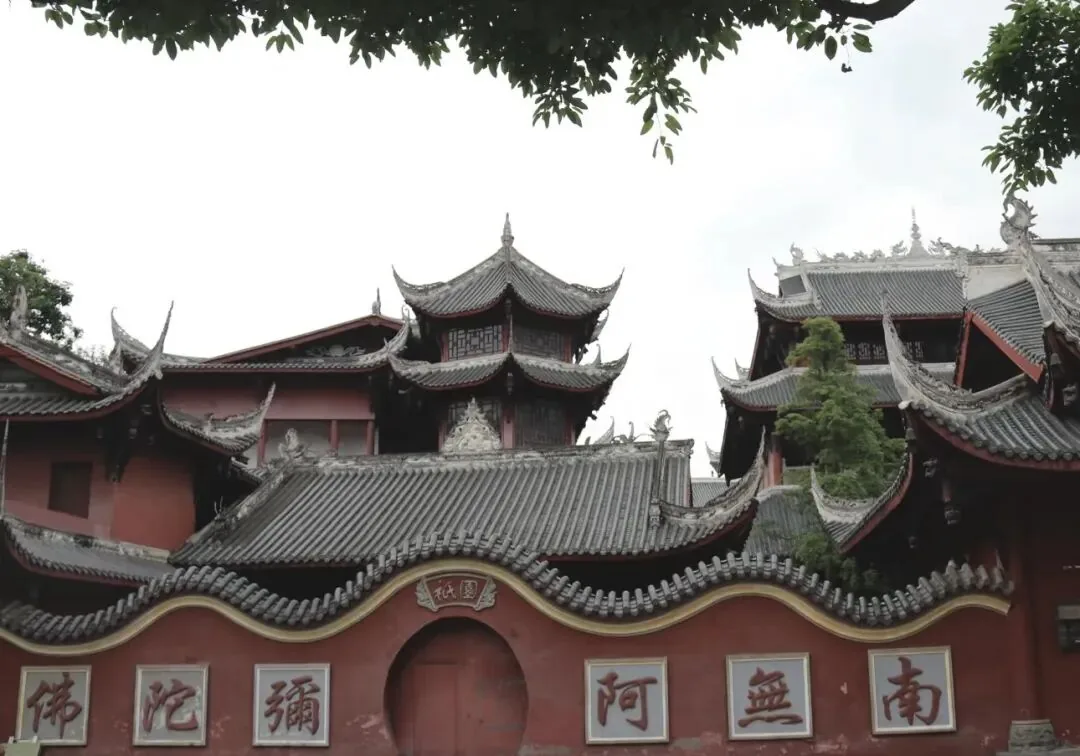
Many first-timers misread the name. “祚” is pronounced zuò, not zhà—don’t make the classic Sichuan mistake of reading only half the character. The original meaning is “blessing,” extended to mean imperial throne or national destiny. “Yongzuo” is explained on the temple’s intro board as “forever passed down, never exhausted.” Others say it means “may the nation’s fortune endure.” The courtyard wall reads “Namo Amitabha”; the side gate is inscribed “Qiyuan” (Jetavana). Facing the mountain gate stands a large “Fu” (fortune) screen wall. Look up: a black plaque with gold characters—Yongzuo Temple.
A Little History
Some say the temple was first built in the Tang Dynasty, others say the Ming. What later generations know is the phrase “Yong xi zuo yin, junzi wan nian” (forever blessing descendants, the gentleman for ten thousand years), from the Book of Songs. That phrase is the origin of the temple’s name.
Over the centuries, the temple has risen and fallen several times. At its peak in the late Ming, it covered over 100 mu with 50 buildings, known as “riding a horse to view the mountain gate,” and was a famous ten-direction monastery. Later it declined, was rebuilt after the reform and opening up, and reopened in the 1980s. But the scale is small—only 7 mu, truly tiny. Yet even small, the incense has never stopped. It has made its way to today, step by step.
What to See Inside
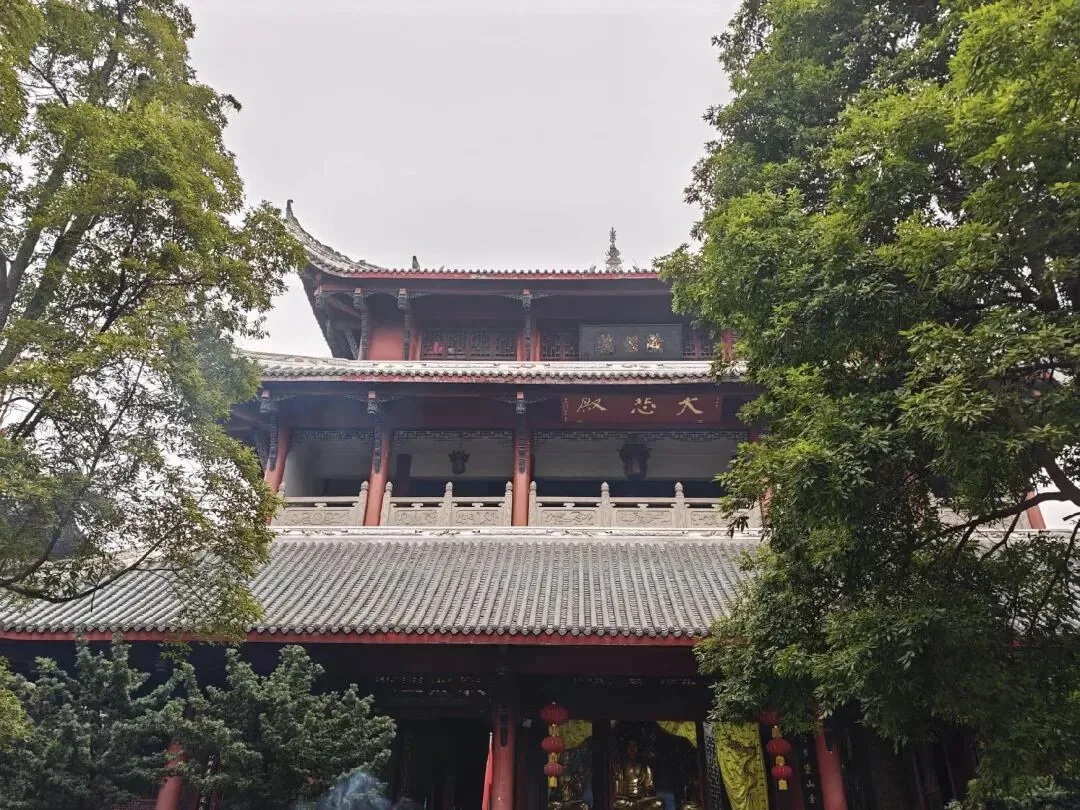
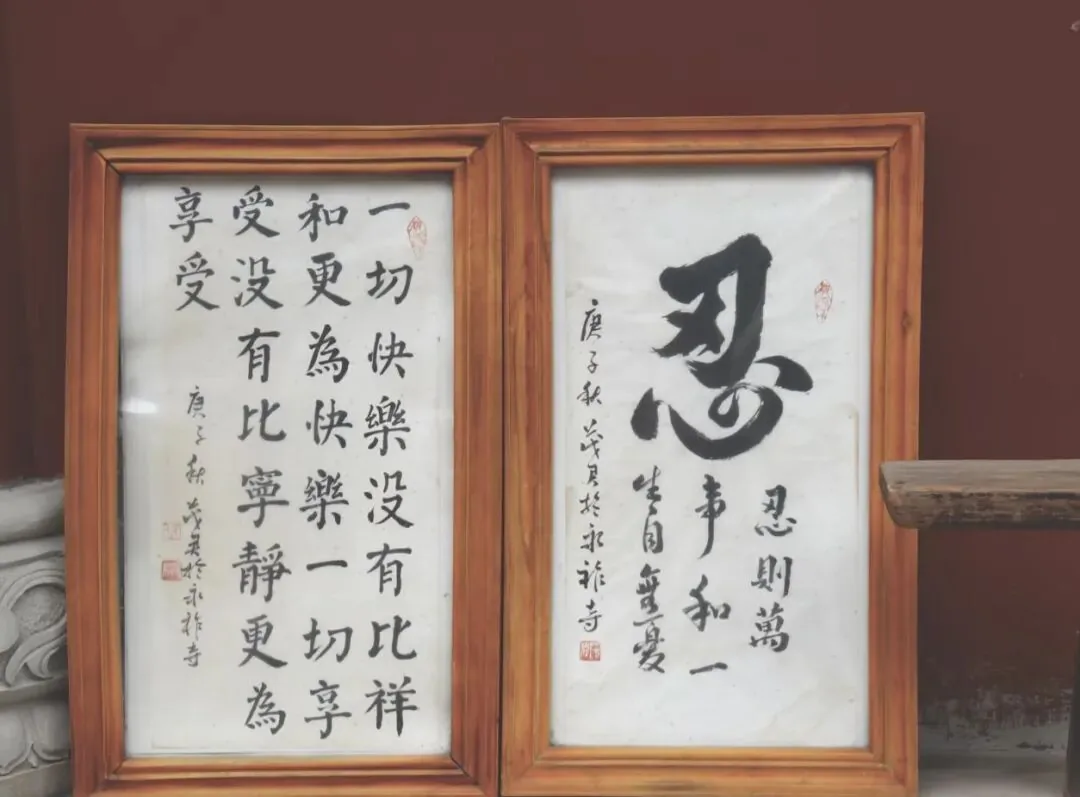
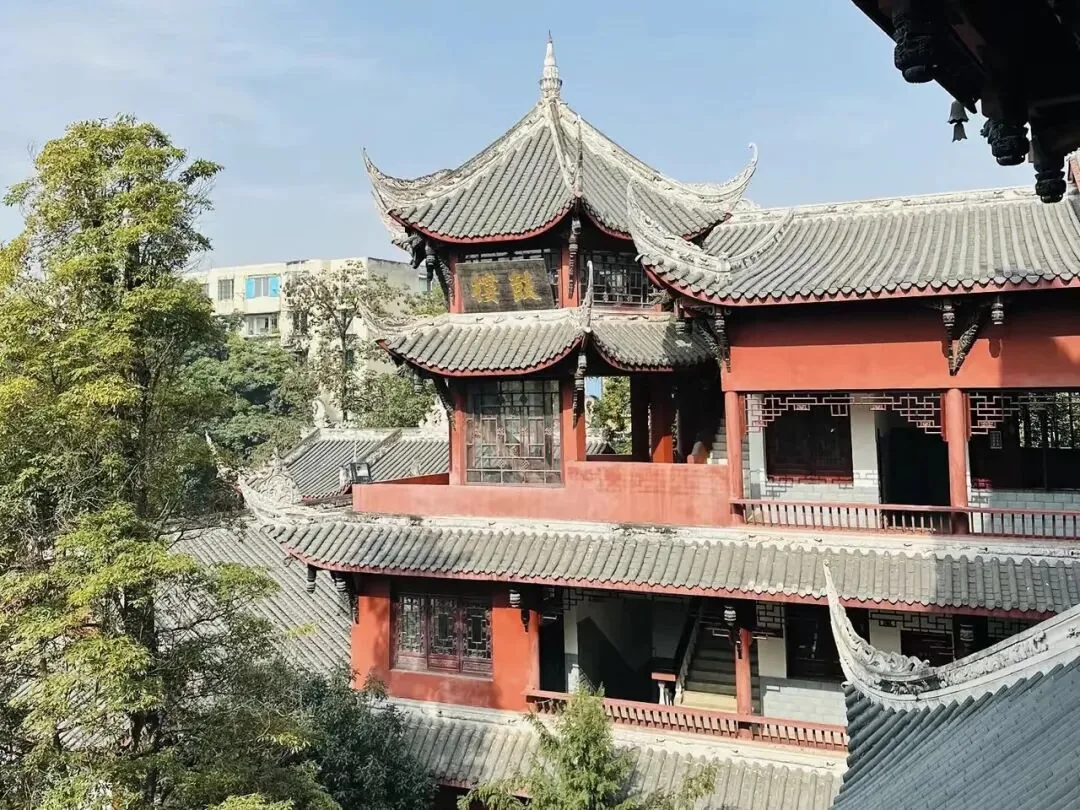
Enter the mountain gate and the courtyard is small—you can walk it in a few minutes. But visitors take their time. In the center is the Mahavira Hall with a double-eaved roof, gray tiles covered in moss. The courtyard in front is paved with stone slabs, grass growing in the cracks. On both sides are side halls and covered corridors, with old steles embedded in the walls, recording who donated how much in which year and which hall was repaired.
There’s also the Great Compassion Hall, housing a gilded bronze standing statue of Thousand-Hand Guanyin. The sutra library stores the Tripitaka and documents from past dharma assemblies.
During the Kangxi reign of the Qing, a Bagua Platform was built with an iron bell hung inside. The morning bell could be heard for miles, and was known as “Gua Tai Zhong Xiao” (Bell at Dawn on the Bagua Platform), listed as one of the Eight Scenes of Shuangliu. An ancient verse says: “North of Guangdu city, water and clouds seal the view; at dawn, Yongzuo’s bell is heard from afar.” Another poem follows. It reads: “Frost clears at midnight, sound flies in the dark; the meditating monk’s dream is undisturbed.”
The Courtyard’s Mood
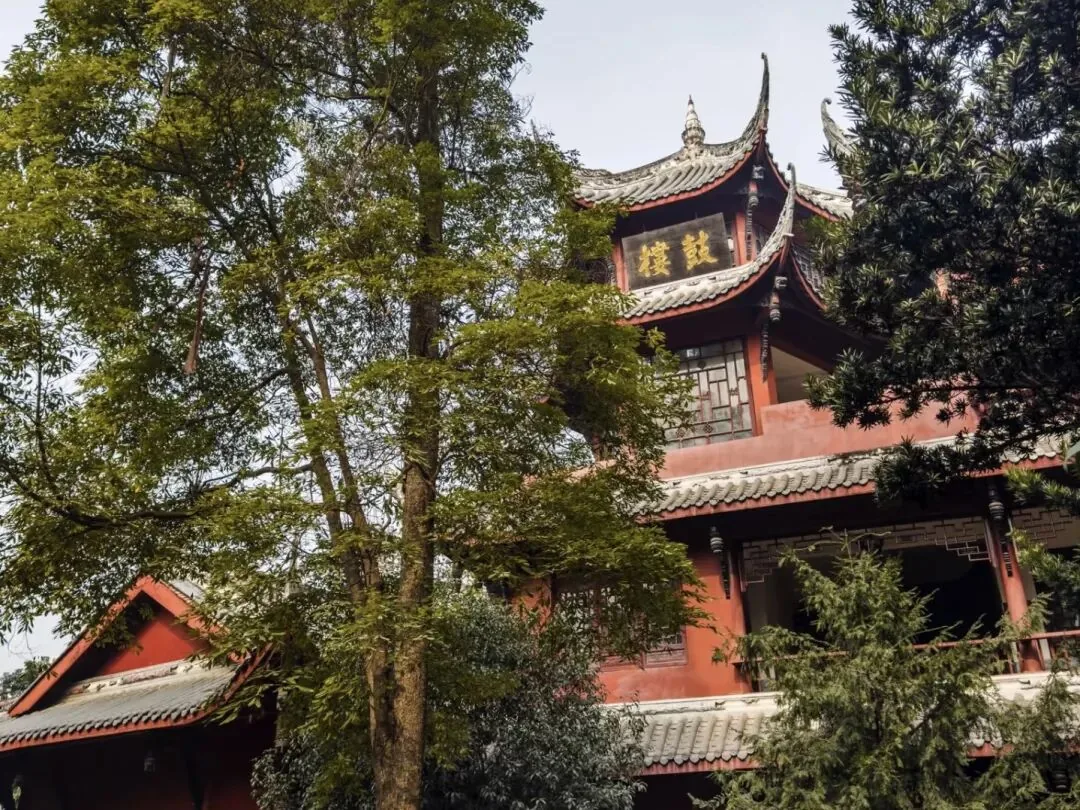
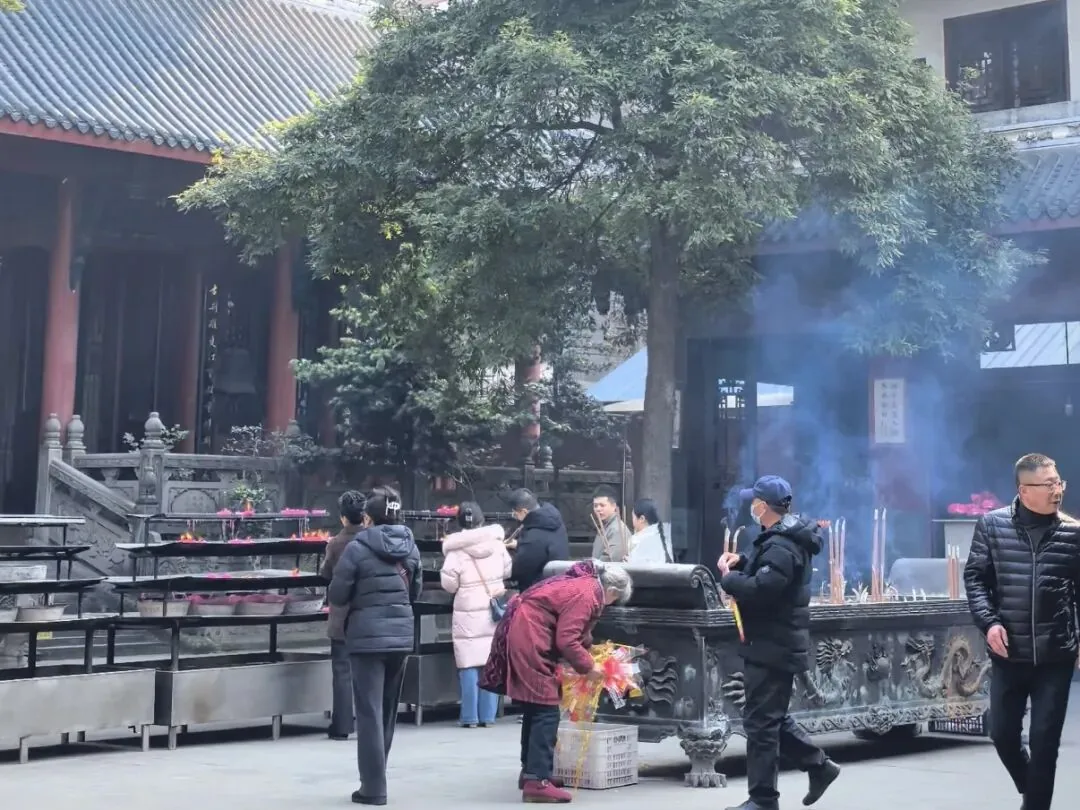
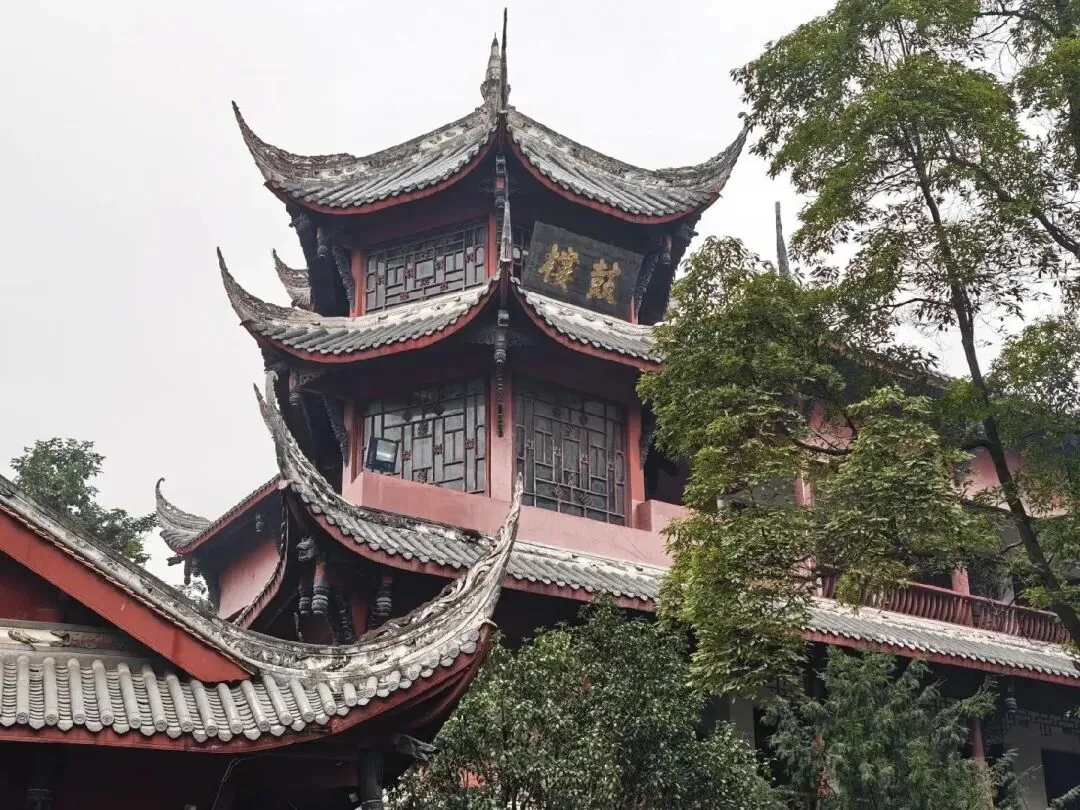
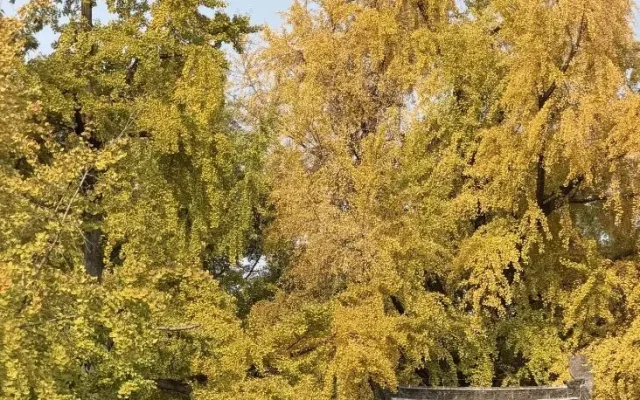
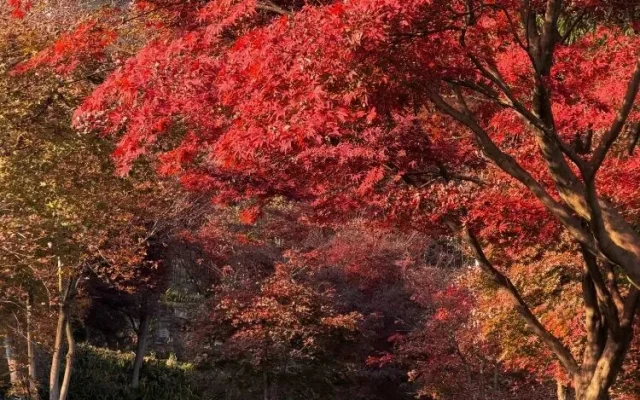
Several old trees in the courtyard cast dense shade over the whole space. Most leaves have fallen, branches stretching clear against the sky. When the wind blows, leaves spiral down, landing by the incense burner, on the stone steps, beside the cushions in front of the hall. Someone comes to sweep, but leaves keep falling, so they just let them be.
That unattended, self-opening, self-falling silence is the flavor of this courtyard right now. Flowers don’t need an audience; a temple doesn’t need crowds. The repair steles scattered around, their inscriptions fading, are more pleasing than shiny new things.
When you’re tired, head to the tea house. A cup of plain tea is 5 RMB, and you can sit for a long time, listening to people chat (摆龙门阵) or just zone out. If you’re lucky at lunchtime, there’s a home-style vegetarian meal for 10 RMB a portion—light and easy on the stomach.
The temple is small, but it has halls, monks, incense, trees, and daily visitors—that’s enough.
A Temple in the Middle of Life
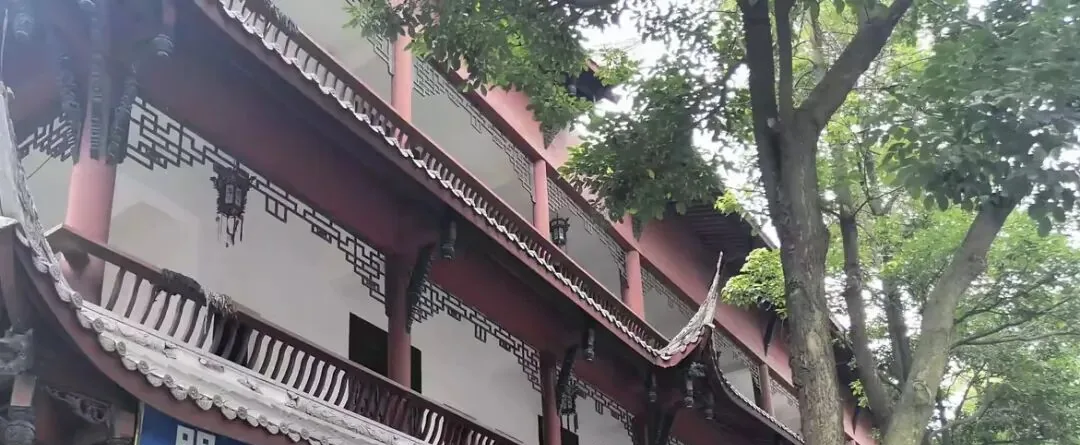
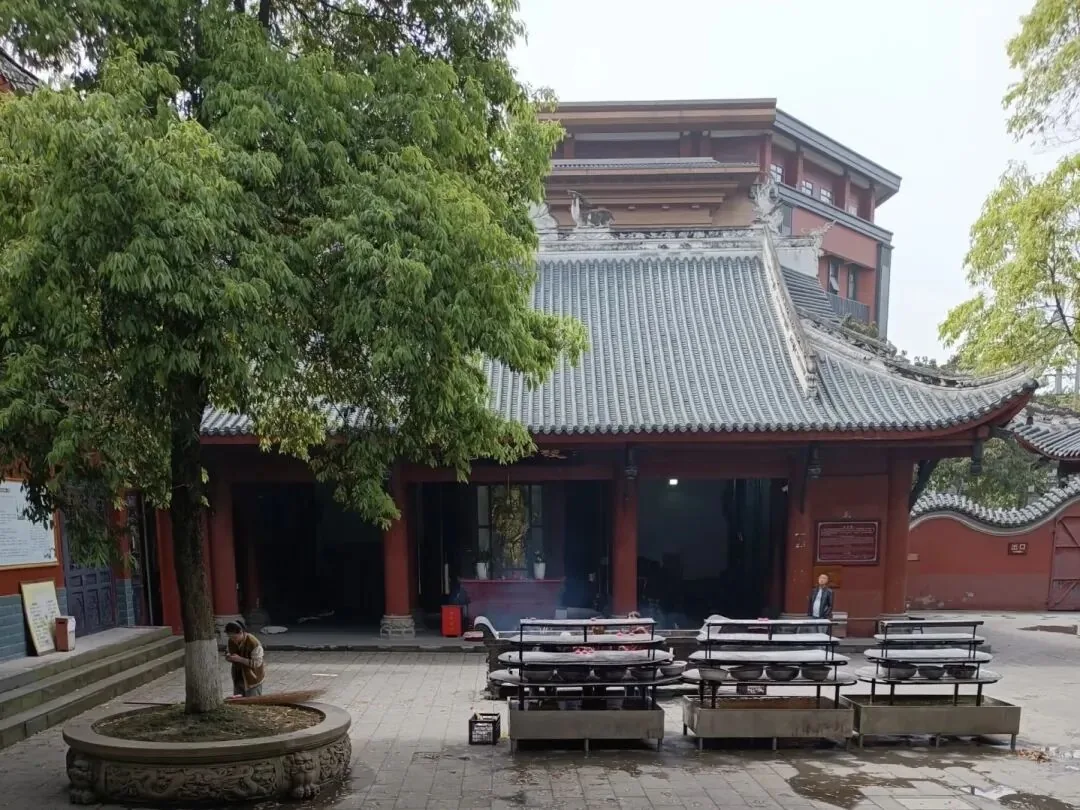
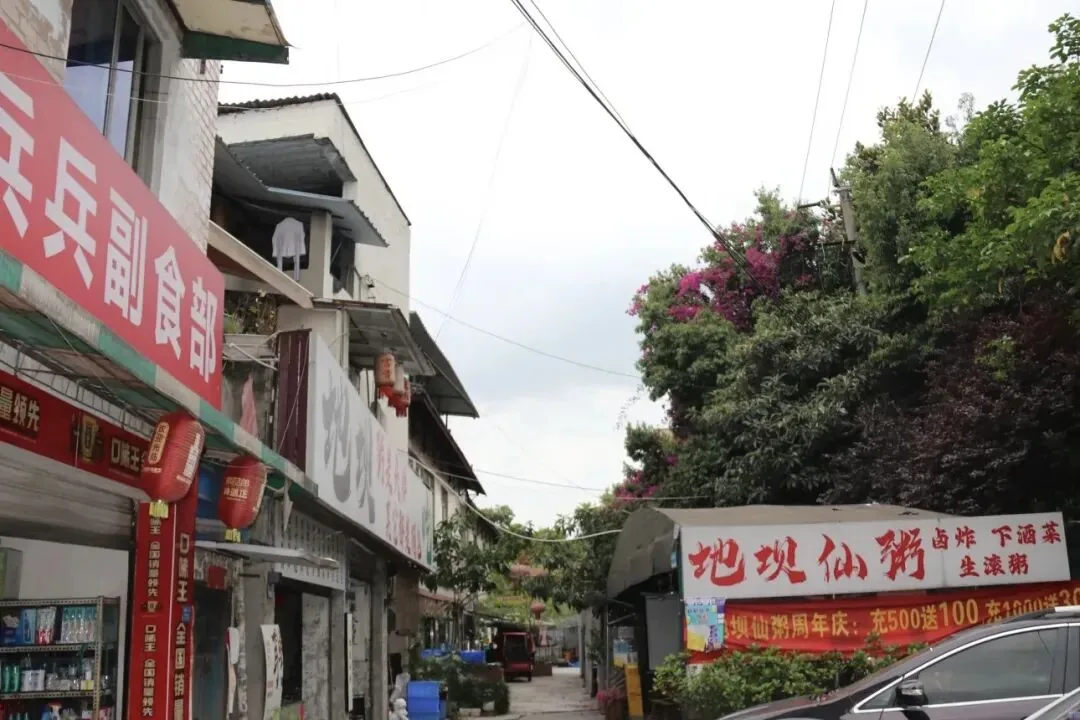
Yongzuo Temple’s liveliness comes from being in the busy city without avoiding it. Outside the gate is Beitan Road, where locals stroll and sit. Right next to the temple is Shuangliu Middle School—the sound of students reciting and the faint chanting of sutras echo across the courtyard wall. After school, kids run past the temple wall, backpacks bouncing.
Yongzuo Temple is a good place to stop by on your way somewhere else. You don’t need to burn incense or make wishes. Just stand quietly in the courtyard for a while, and your mind will feel peaceful enough.
Practical Info
- Address: 34 Section 1, Yingchun Road, Dongsheng Subdistrict, Shuangliu District, Chengdu, right next to Shuangliu Middle School. Navigate to “Shuangliu Yongzuo Temple.”
- Tickets: Free.
- Transport: Metro Line 3, Dongsheng Station or Yingchunqiao Station Exit D, about a 10-minute walk. By car, navigate to “Chengdu Shuangliu Yongzuo Temple” — about 30 minutes from downtown.
- Food: Tea house plain tea is about 5 RMB per cup. The home-style vegetarian meal is about 10 RMB per portion (mostly at lunch, priority to resident monks and volunteers, not guaranteed).
Local insight: The temple is tiny, so pair it with a stroll around the neighborhood—you’ll see a side of Chengdu that most visitors miss.