The Quiet Mountain Temple Near Chengdu That Most Visitors Miss
Chengdu doesn’t get many perfect-weather days, but October is one of them. By November, it basically feels like winter has arrived. That’s why locals talk about “golden October” — the leaves are just starting to turn, temperatures sit in the 20s (°C), and the days alternate between crisp blue skies and soft drizzle. It’s the kind of weather that makes you want to be outside. So here’s a spot that’s perfect for an autumn hike and a bit of temple-blessing: Tian’guo Temple in Dujiangyan, a place few people know about.
Honestly, I hadn’t heard of it either until a friend mentioned it. I went, and it turned out to be great — especially for this season, since the hike up is shaded and you won’t get baked by the sun.
What Is Tian’guo Temple?
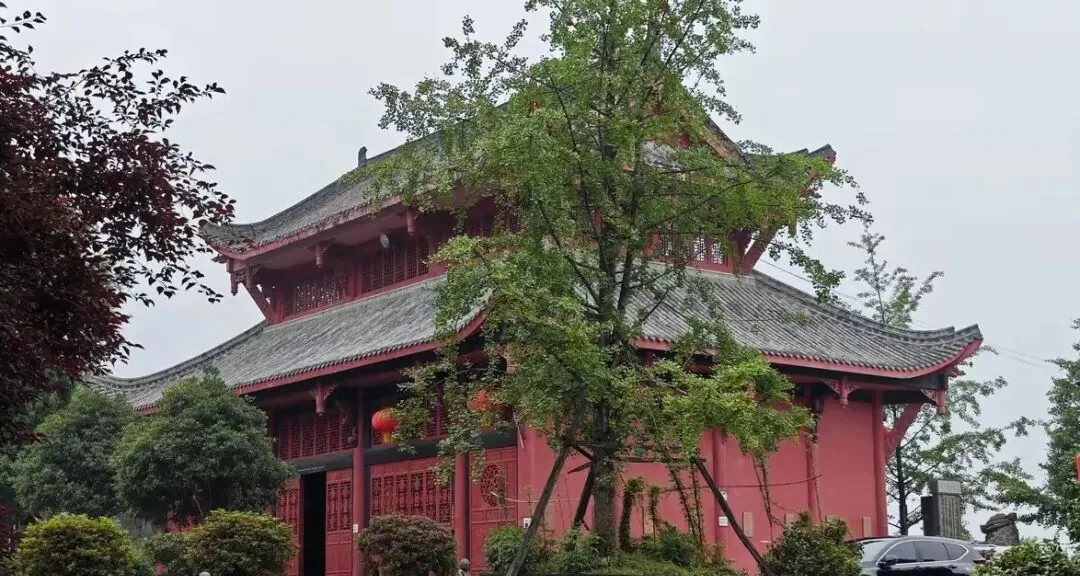
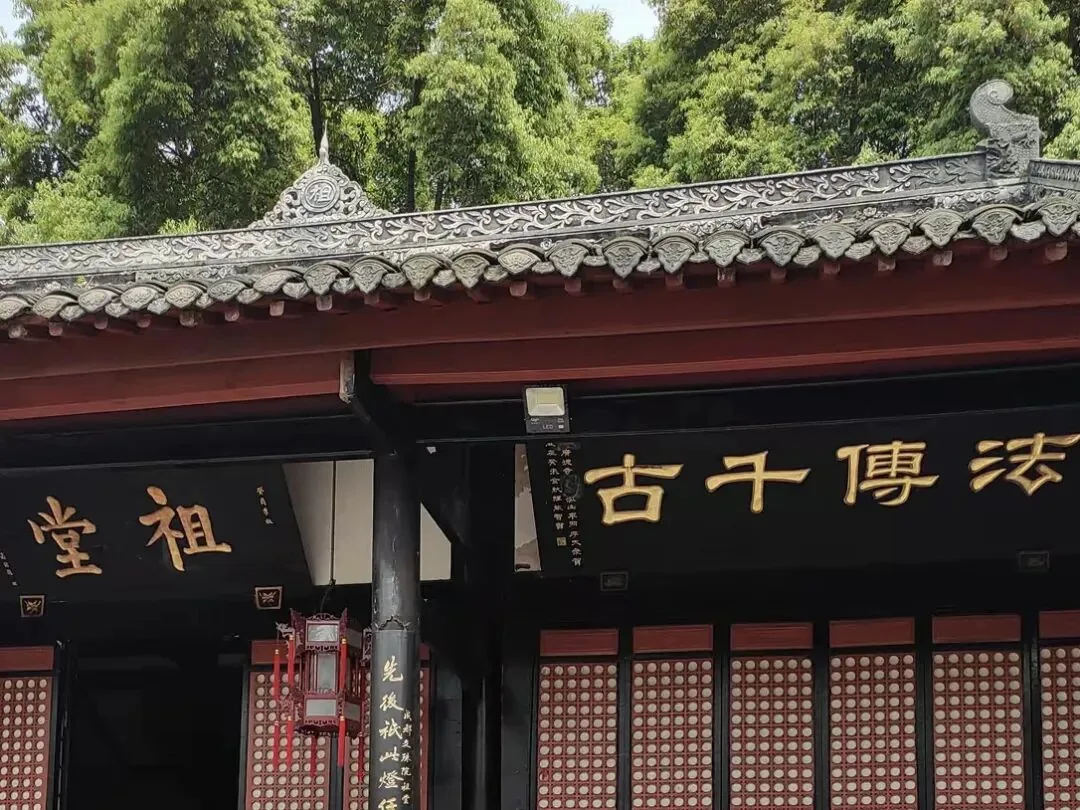
Tian’guo Temple sits at the top of a mountain at 1,380 meters above sea level. Its old name was Yuantong Chanlin, and it’s part of the Qingcheng Mountain World Cultural Heritage site. The Ming dynasty text Daming Yitong Mingsheng Zhi quotes a Daoist source saying, “Qingcheng is also called Tiangu; ‘gu’ and ‘guo’ sound similar, hence Tianguo.” So “Tianguo” is actually a phonetic shift from “Tiangu” — an old name from the ancient Shu region, not the later interpretation of “closest to heaven.”
Legend has it the temple was first built in the Jin dynasty and got its name in the Tang. During the Northern Song, Zhang Yong, the governor of Yizhou, visited and left a couplet: “Lush nanmu trees stand green for a thousand years; the chancellor’s noble spirit hides for a lifetime.” Later it was destroyed by war, rebuilt in the Southern Song and renamed Yuantong Temple; then destroyed again in the late Ming and early Qing, and it stayed forgotten for 300 years.
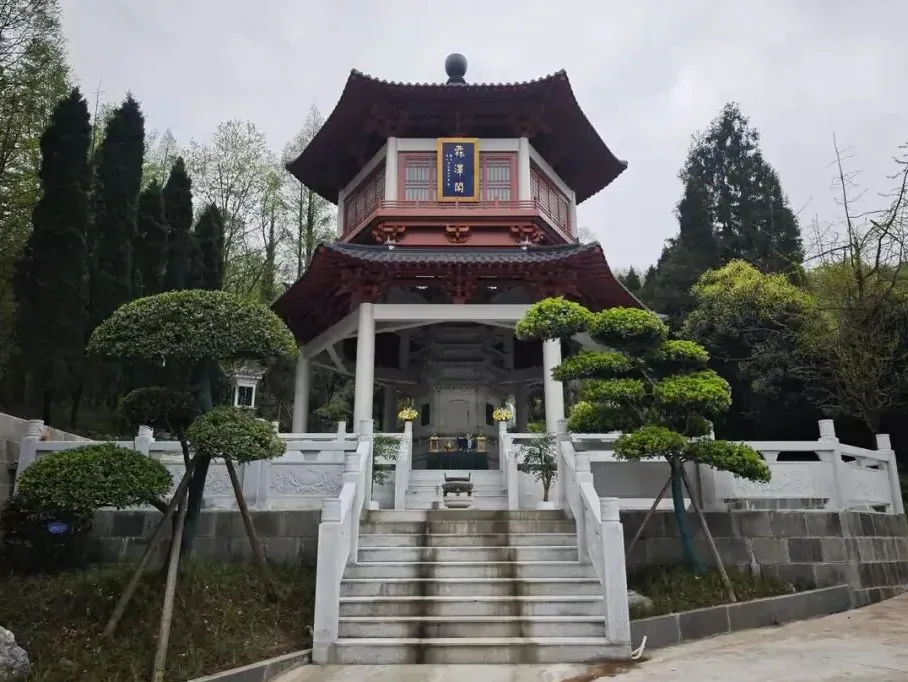
It wasn’t until 1993 that Venerable Kuanlin, abbot of Chengdu’s Wenshu Monastery, vowed to rebuild it, giving us the temple we see today. His remains are now enshrined in a stupa here, watching over the place he rebuilt with his own hands. If you’re ever visiting Dujiangyan or Qingcheng Mountain, it’s well worth a detour.
The Temple Grounds
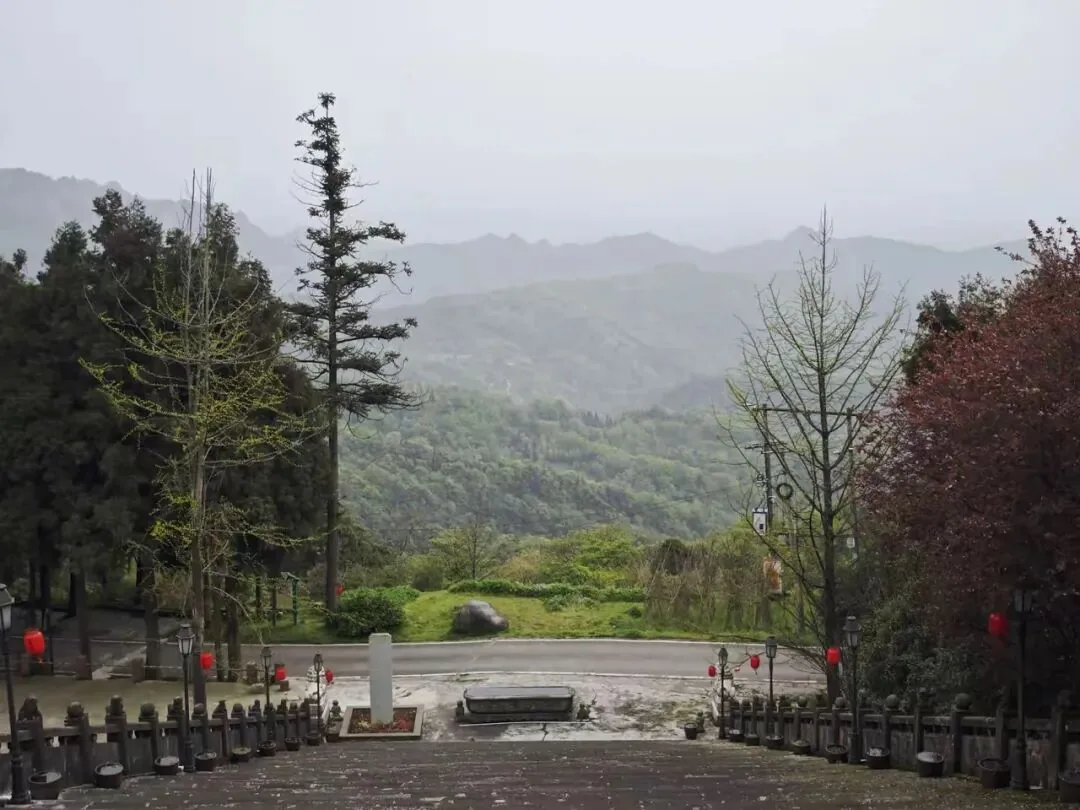
The whole temple is built into the mountainside and covers 250 mu — quite large by the standards of ancient temples in western Sichuan. It sits at the top of the mountain. As you climb the stone steps, the first hall you reach is the Heavenly Kings Hall, then further in are the Guanyin Hall and Yuantong Hall. The buildings follow the slope, simple and clean, with red walls and yellow tiles peeking through pine forests. It feels quiet and unhurried. There aren’t many pilgrims — just a few tourists like me wandering around — and you immediately feel relaxed and at ease.
Local insight: The temple is free and refuses to sell tickets or commercialize — it’s a rare unspoiled spot.
The Viewpoint
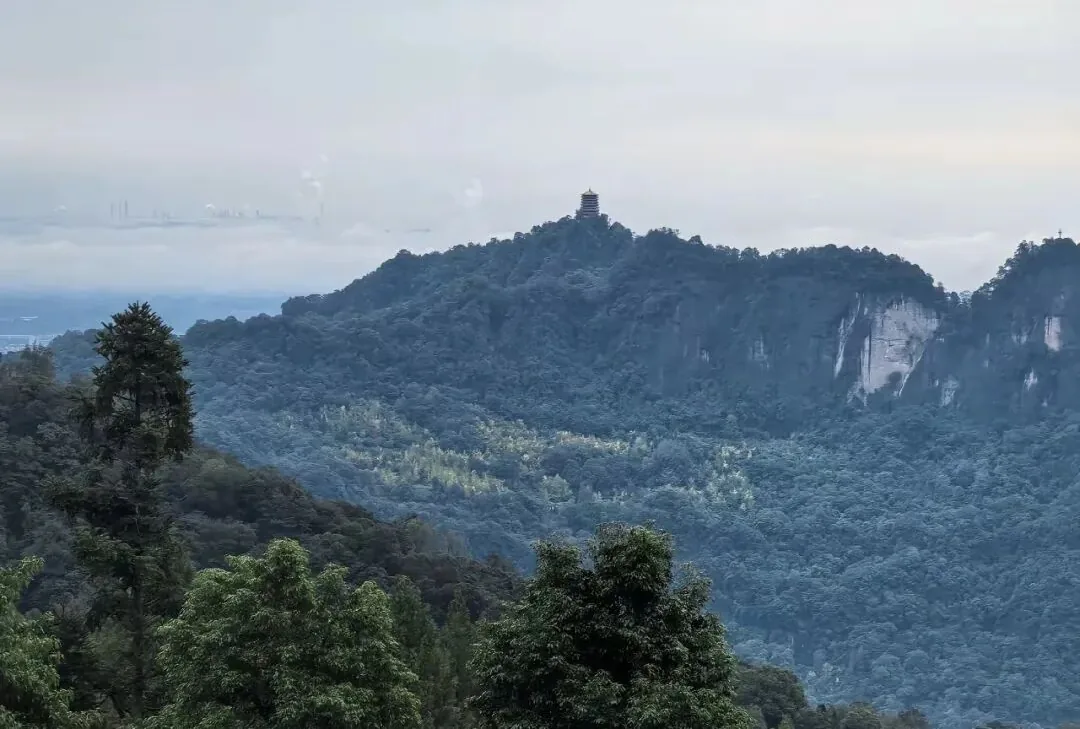
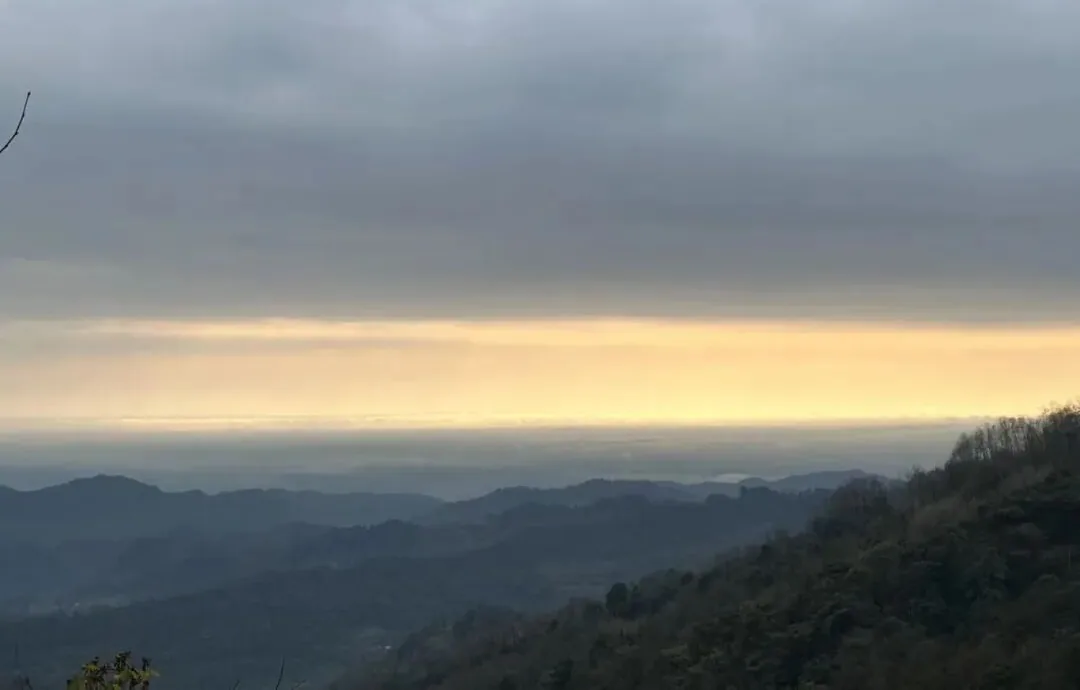
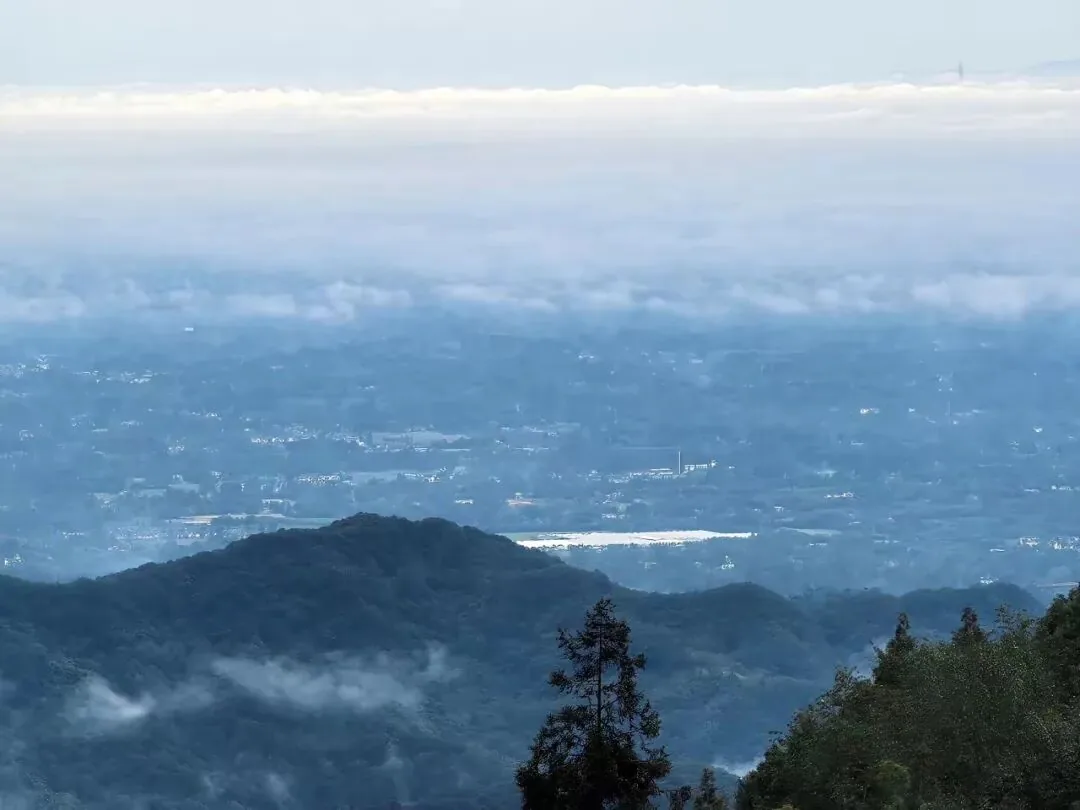
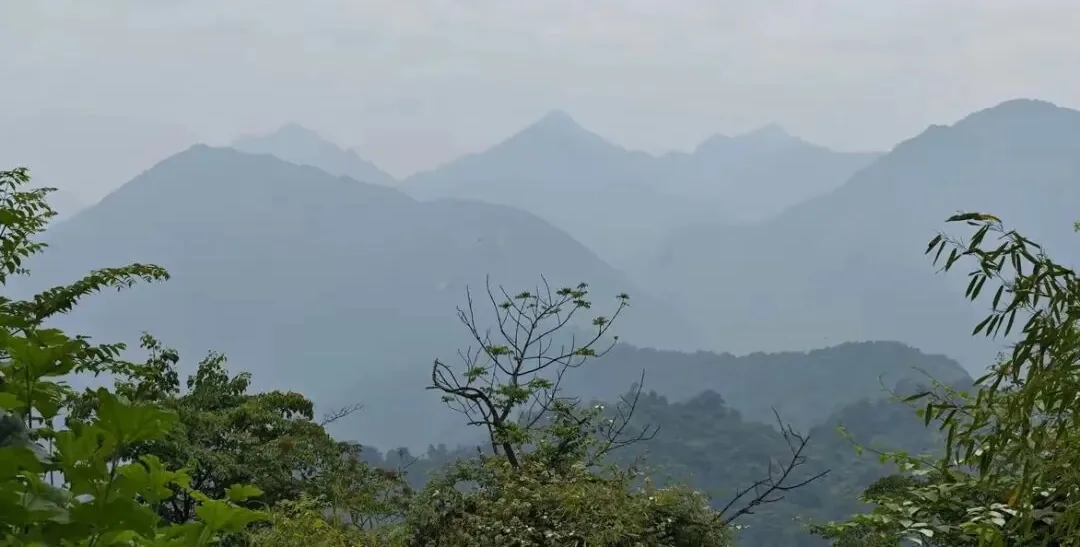
In front of the temple there’s a viewing platform with a fantastic panorama. Looking out, peaks layer upon layer stretch to the horizon. On a clear day you can see Laojun Pavilion on Qingcheng’s front mountain and the folded ridges fading in and out of the mist. On the other side, you can see the fields and villages of the Chengdu Plain stretching endlessly. At dawn, sometimes the sun jumps out of a sea of clouds, dyeing the whole plain orange-red — and if you’re lucky, you might even see a faint Buddha’s halo.
I just stood there looking out, the wind blowing from the clouds messing up my hair, and all the tiredness and anxiety I’d built up in the city suddenly felt lighter — light enough to drift up into the clouds with the wind.
“Since ancient times, famous mountains have been occupied by monks.” Qingcheng Mountain has always been a blessed place where Daoism and Buddhism blend. Tian’guo Temple keeps watch up here, watching sunrises and sunsets, clouds gathering and scattering, and just like that, more than a thousand years have passed.
Food and Staying Overnight
When mealtime comes, the temple offers vegetarian meals, mostly from vegetables they grow themselves. Breakfast is congee with pickles; lunch includes bamboo-tube rice and stir-fried bamboo shoots. Every dish is simple but fresh and looks delicious. When I went, there was no set price — you pay as you wish (随喜). I gave 10 RMB, but giving 1 RMB or 20 RMB is fine too.
The mountain also offers accommodation, suitable for people who want to do a meditation retreat. Spending a few days in the forest, away from the city noise, is a good thing in itself.
Pro tip: If you want to stay, it’s best to check on the day — availability and meal arrangements can vary.
Why Go? The “Far” Factor
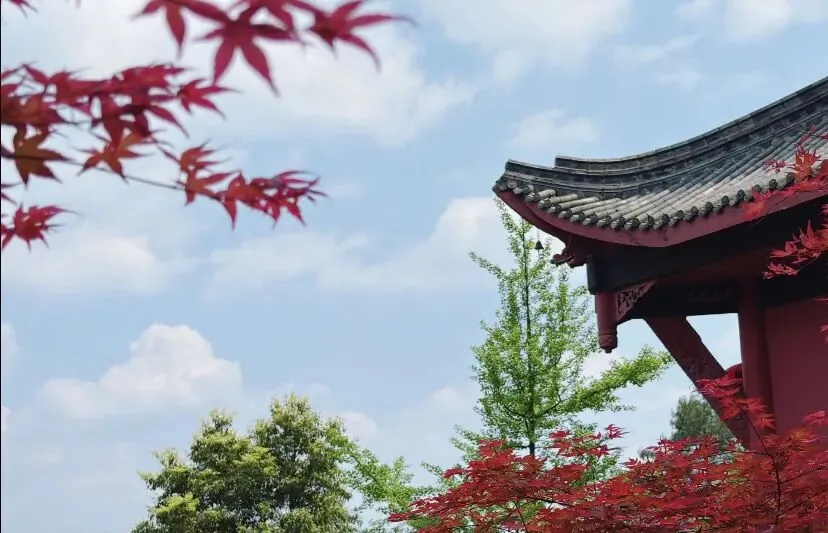
If Qingcheng’s front mountain is known for culture and the back mountain for streams and waterfalls, Tian’guo Temple on the outer mountain wins on one word: “far.” Not far in distance, but whether your heart is willing to leave a blank space. Modern travelers tend to pack their schedules full, which shows how heavy their minds are. Coming to Tian’guo Temple is about letting yourself empty out.
Hiking Up in Autumn
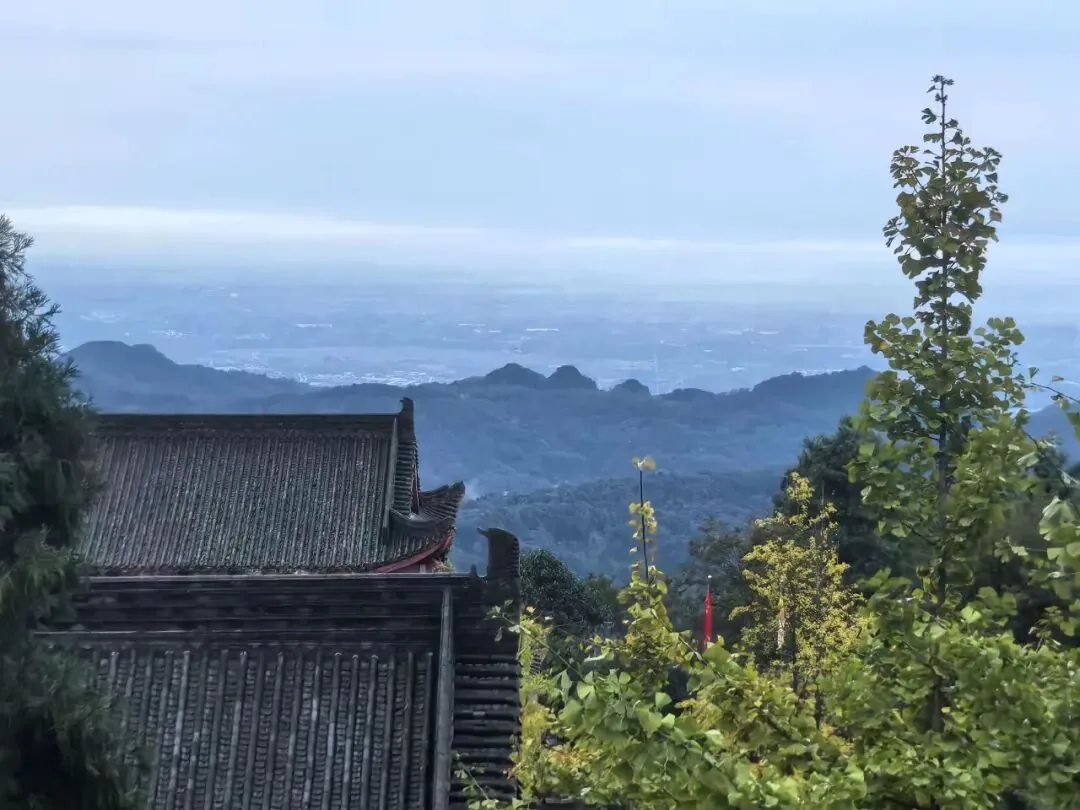
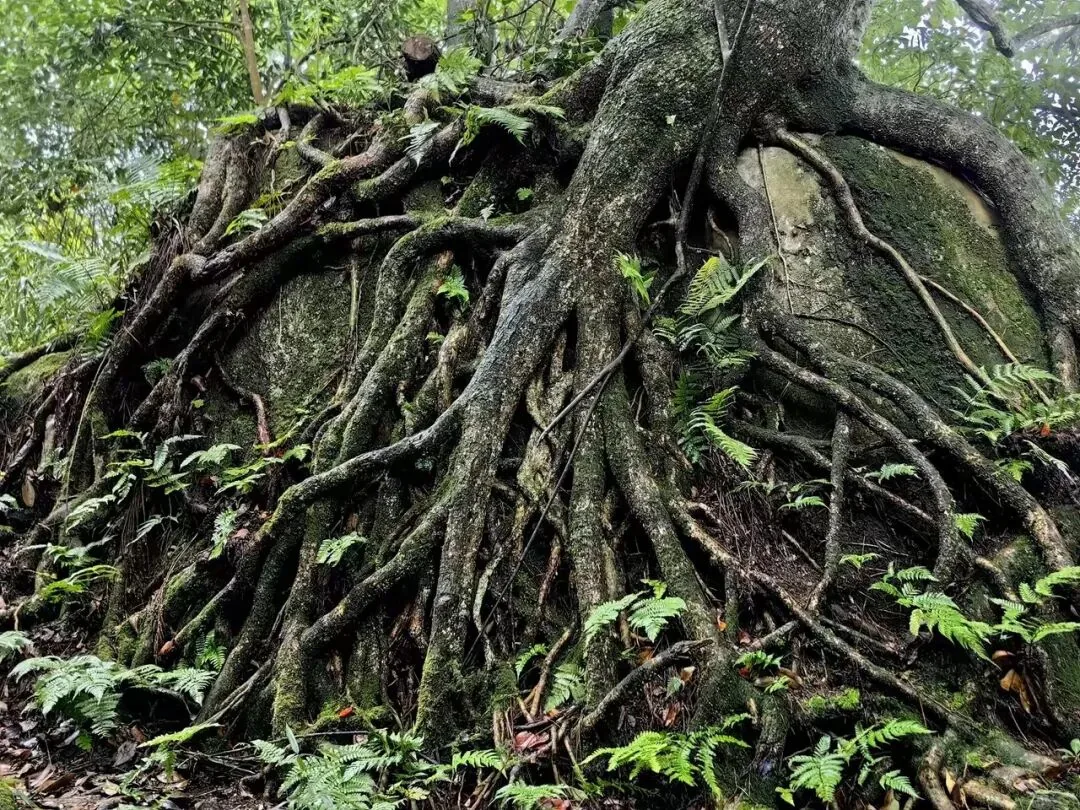
Right now, walking into the forest you’ll still see ginkgo, camphor, maple, and nanmu trees. The leaves aren’t fully yellow yet, but many have already changed color. The autumn foliage in the mountains usually turns faster than on the plains below. I’d actually recommend hiking up at this time of year — the trail isn’t dangerous, and the 5–6 km loop is friendly. Along the way there are dirt paths and stone steps, and even kids can manage it. It’s also a lot of fun — you’ll spot lots of wild fruits like chestnuts, kiwi, and turnjujube (拐枣), and it feels like being a kid again.
Practical Info
- Address: Tian’guo Temple summit, Taoyuan Village (Mayan Village), Daguan Town, Dujiangyan City, at about 1,380 m above sea level, within the Qingcheng mountains.
- Tickets: Free (the temple insists on no tickets and no commercialization).
- Getting there: Self-driving is recommended. From Chengdu it’s about 1.5 hours: Chengdu → Chengguan Expressway (Chongyi exit) → toward Qingcheng Mountain → drive straight over Jiaqing Bridge → Daguan Town (Huaizhong Road) → Daoguan Road up the mountain → Tian’guo Temple. The mountain road has many curves and steep slopes, so drive slowly. If you’re not a confident driver, you can park on the roadside where the navigation shows 2–3 km remaining and walk up. There’s a free parking lot at the summit.
- Vegetarian meals: Served around 11:00–11:30, made with temple-grown ingredients, three dishes and a soup, pay as you wish.
- Tea room: 10 RMB per cup, indoor and outdoor seating.
- Accommodation: Roughly 120–150 RMB per person, with single and standard rooms, including three vegetarian meals. Mostly for people doing meditation retreats; please check with the temple on the day for whether meals and lodging are available.
Final Thoughts
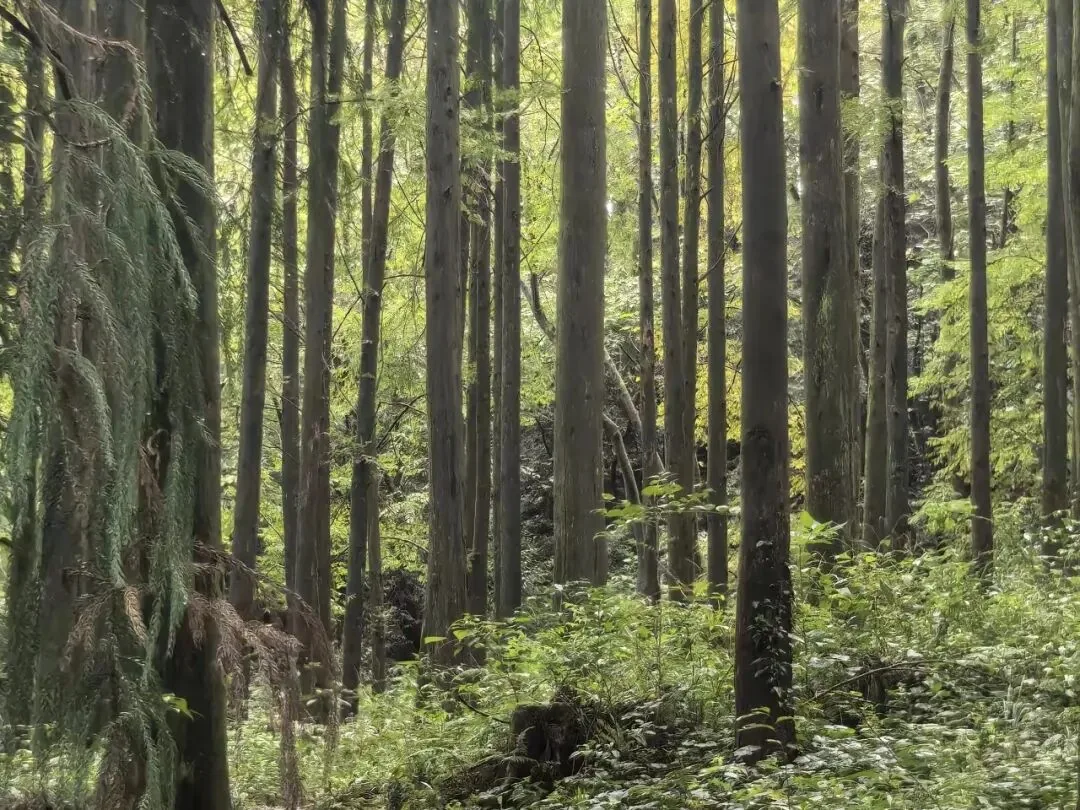
Come to Dujiangyan in October — besides seeing the water, take a look at the quiet mountain forests too. Tian’guo Temple lies beyond Qingcheng, with clouds above and the path beneath your feet. Only when you actually come here do you realize how comfortable it really is. Would you like a place like this?