Why Chengdu’s Classical Gardens Are Having a Moment

Recently, the TV drama Lan Xiang Ru Gu, starring Sichuan actress Tan Songyun, has been blowing up social media — and so have its gorgeous Chinese gardens. Pavilions, winding corridors, and lush plants make every frame look like it stepped out of an ancient painting. Fans are swooning online: “I had no idea Chinese gardens could be this beautiful.”
Here’s the thing — Chengdu itself has been nourished by classical gardens for thousands of years. From Huanhuaxi to Du Fu Thatched Cottage to Baihuatan, the classical gardens in Qingyang District each have their own charm. Come take a look — and on a nice autumn day, go for a slow stroll.
Huanhuaxi Park and Du Fu Thatched Cottage
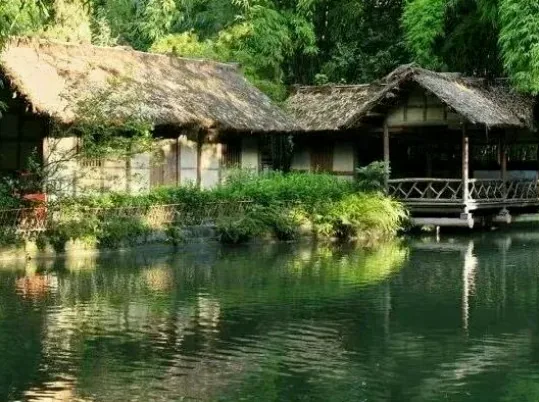
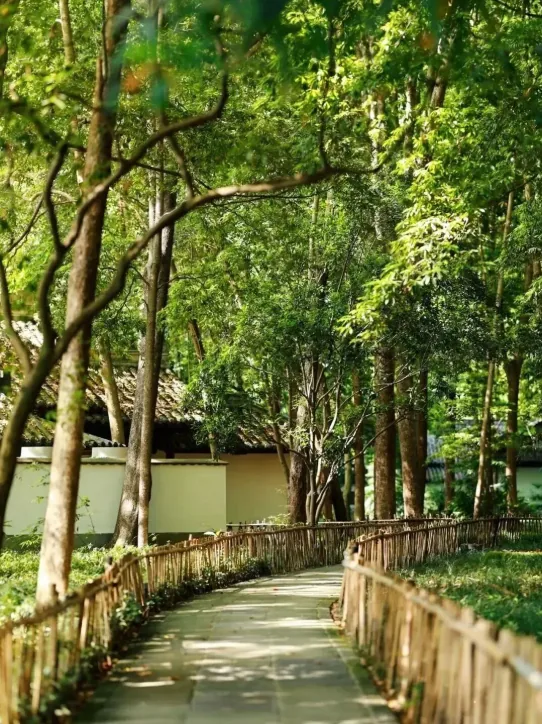
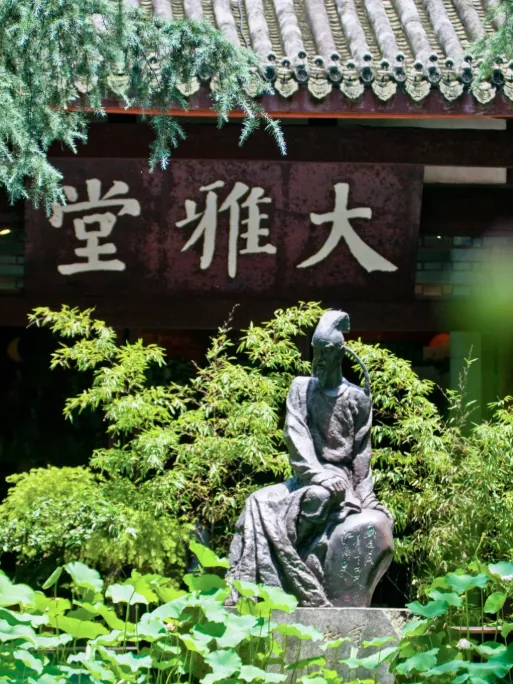
Huanhuaxi Park (浣花溪公园)
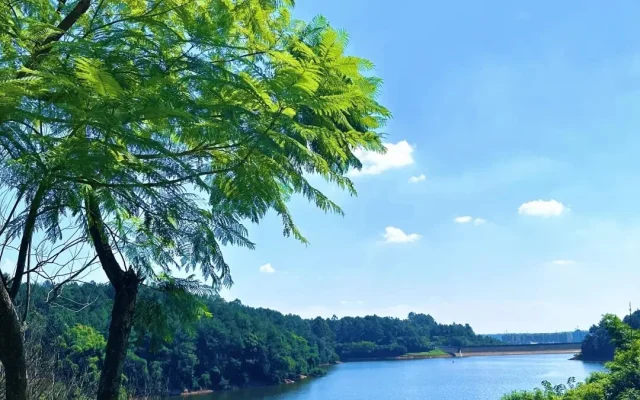
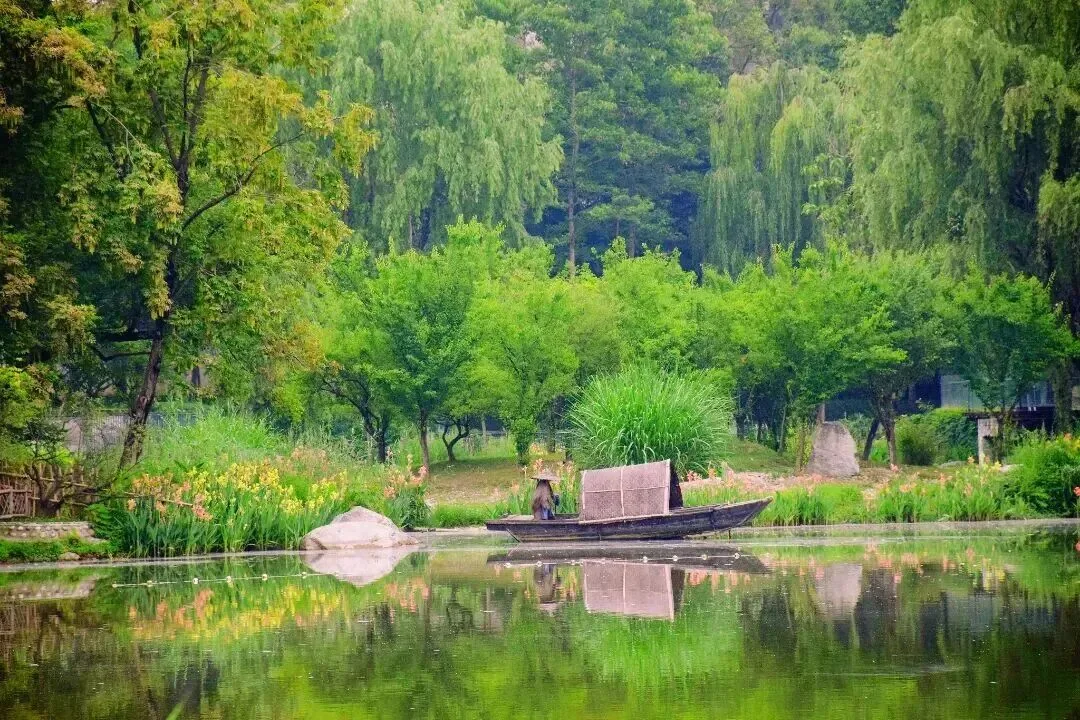
Huanhuaxi Park covers 444.8 mu. It borders Du Fu Thatched Cottage to the north and connects to the Sichuan Museum to the east, making it Chengdu’s largest open urban forest park.
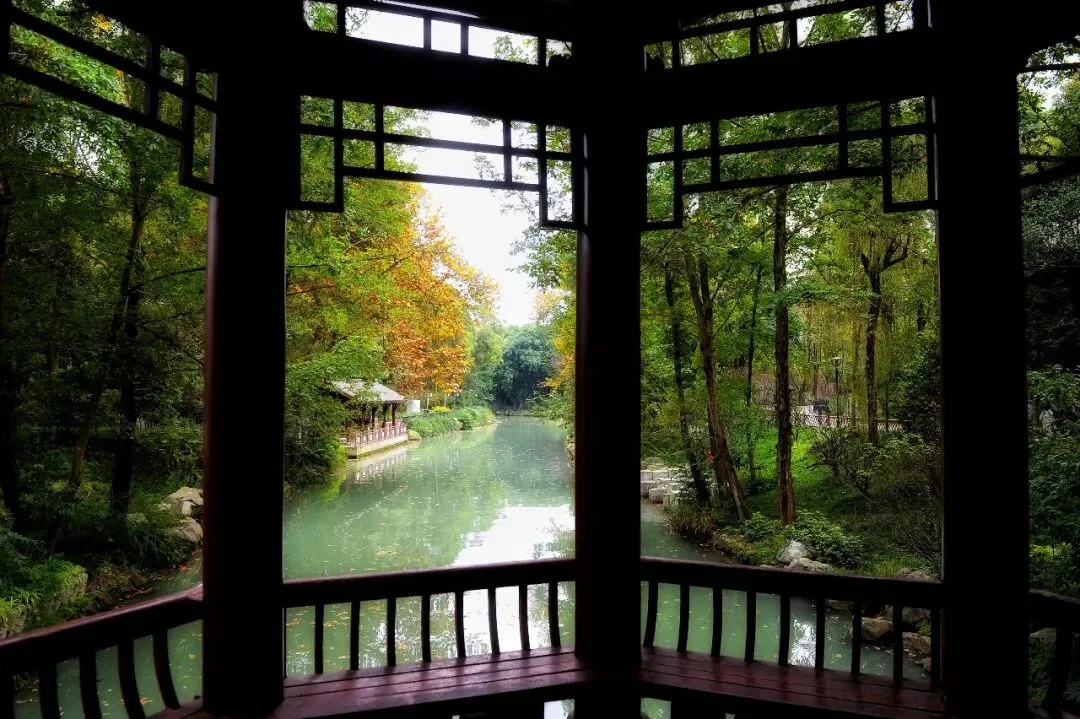
The park is made up of main spots like Wanshu Mountain, Canglang Lake, and Egret Isle (Bailu Zhou), and it’s known as “Chengdu’s most beautiful park.”
Its biggest draws? The huge bamboo groves and clear lake waters. Stroll along the lakeside, breathe in the fresh air — it’s incredibly relaxing.
Huanhuaxi Park sits right next to Du Fu Thatched Cottage, so it’s steeped in culture. Du Fu once lived here and left behind many well-known poems.
Local insight: The park’s bamboo groves and lake views are the perfect warm-up before you dive into the history next door.
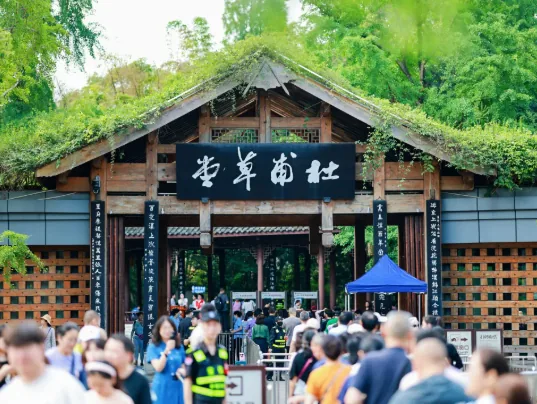
Du Fu Thatched Cottage (杜甫草堂)
“背郭堂成荫白茅,缘江路熟俯青郊” — in the spring of 760 AD, Du Fu built a thatched cottage by Huanhuaxi.
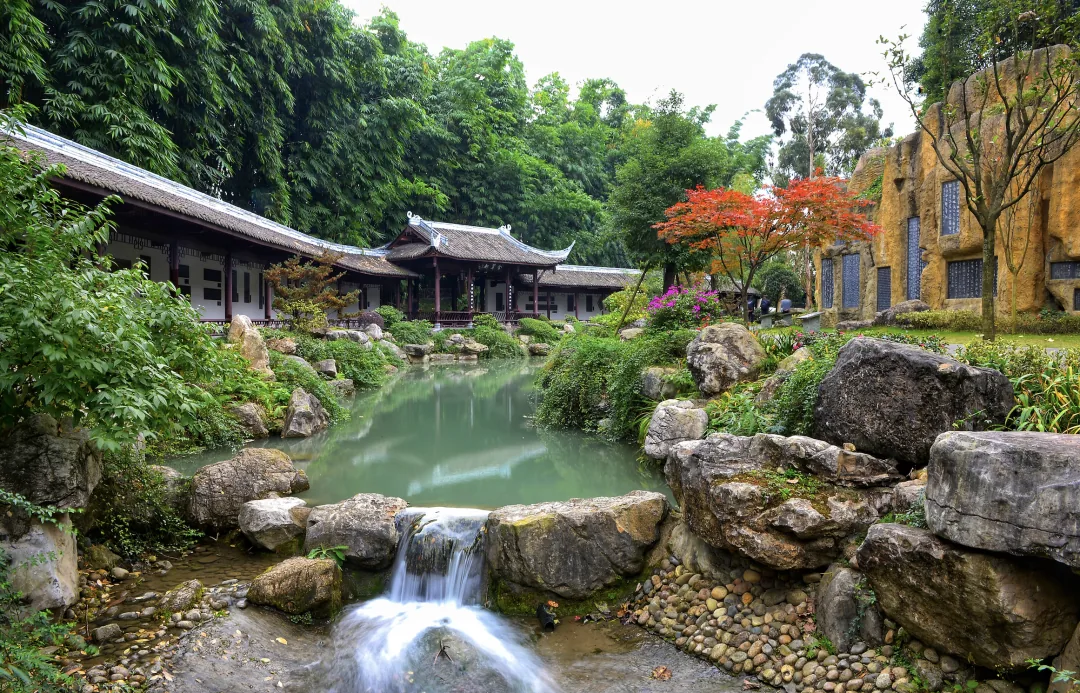
Today’s Du Fu Thatched Cottage is far more than a few thatched huts. It fully preserves the layout from its reconstruction during the Jiaqing era of the Qing Dynasty, covering nearly 300 mu. It’s a unique “hybrid” Chinese classical garden — as solemn as a memorial shrine, yet as elegant as a poet’s old residence.
Step inside and you’ll find the screen wall, main gate, Daxie Hall, Shishi Hall, Chaimen Gate, and Gongbu Shrine arranged along a central axis. On both sides, symmetrical corridors unfold, with winding streams, little bridges, and bamboo groves. The flower path flanked by red walls is exactly where the line “花径不曾缘客扫,蓬门今始为君开” comes from.
The garden’s palette is built on nanmu wood, bamboo, and plum blossoms — “ancient and elegant architecture, secluded and beautiful gardens.” Outside the cottage, the world has become a bustling city, but inside, it feels like time stands still.
The whole garden plays with solid and void, reality and illusion, recreating the spirit of Du Fu’s poetry everywhere. In 1961, the State Council designated it as one of the first batch of National Key Cultural Relics Protection Units, and it’s also hailed as “a holy land in the history of Chinese literature.”
Pro tip: Take your time along the red-walled flower path — it’s the most photographed spot for a reason.
Baihuatan Park
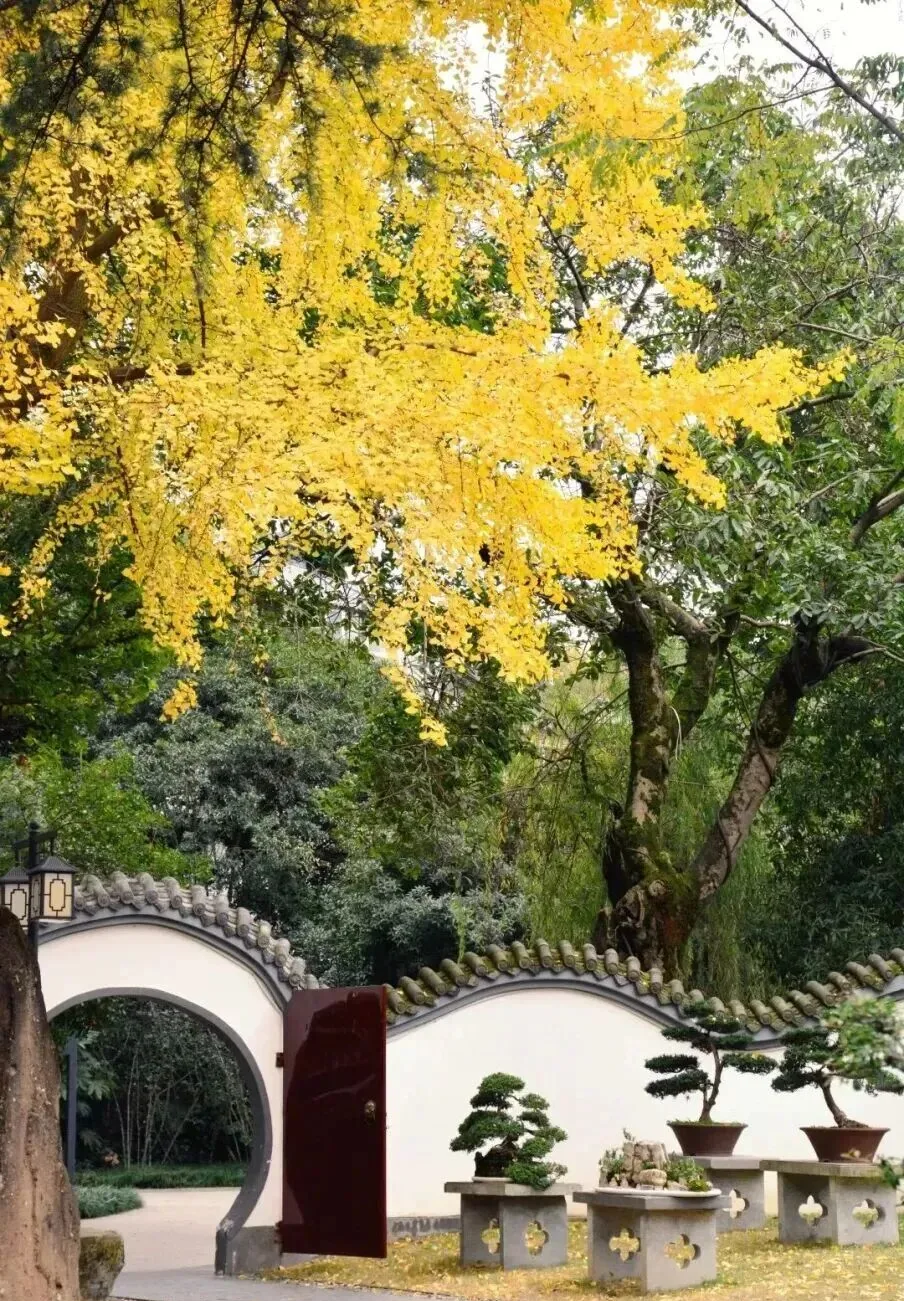
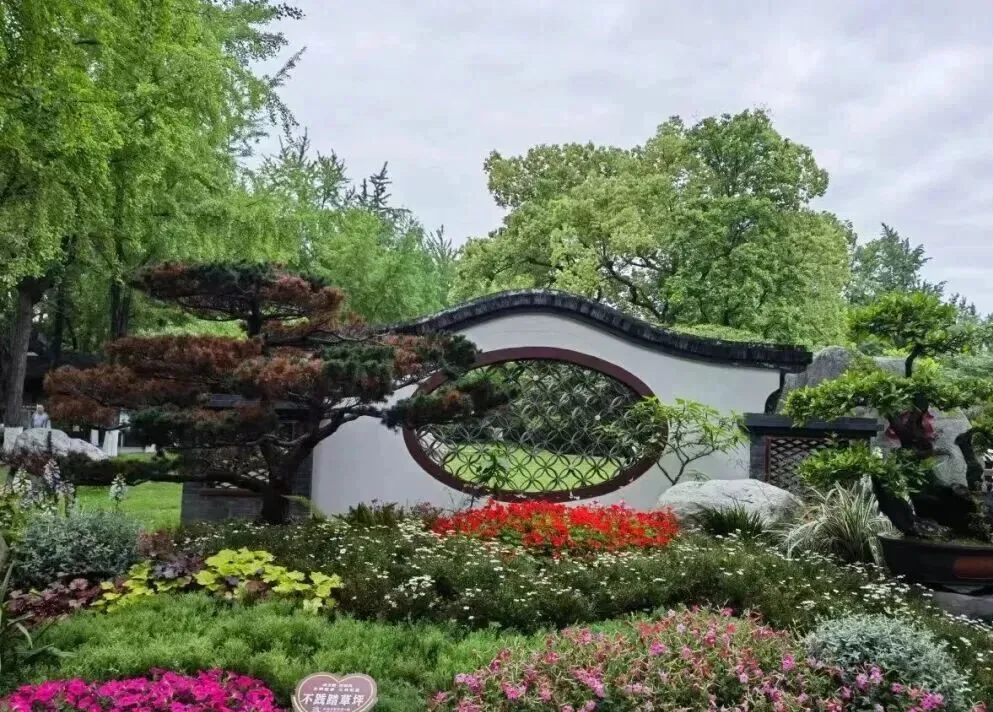
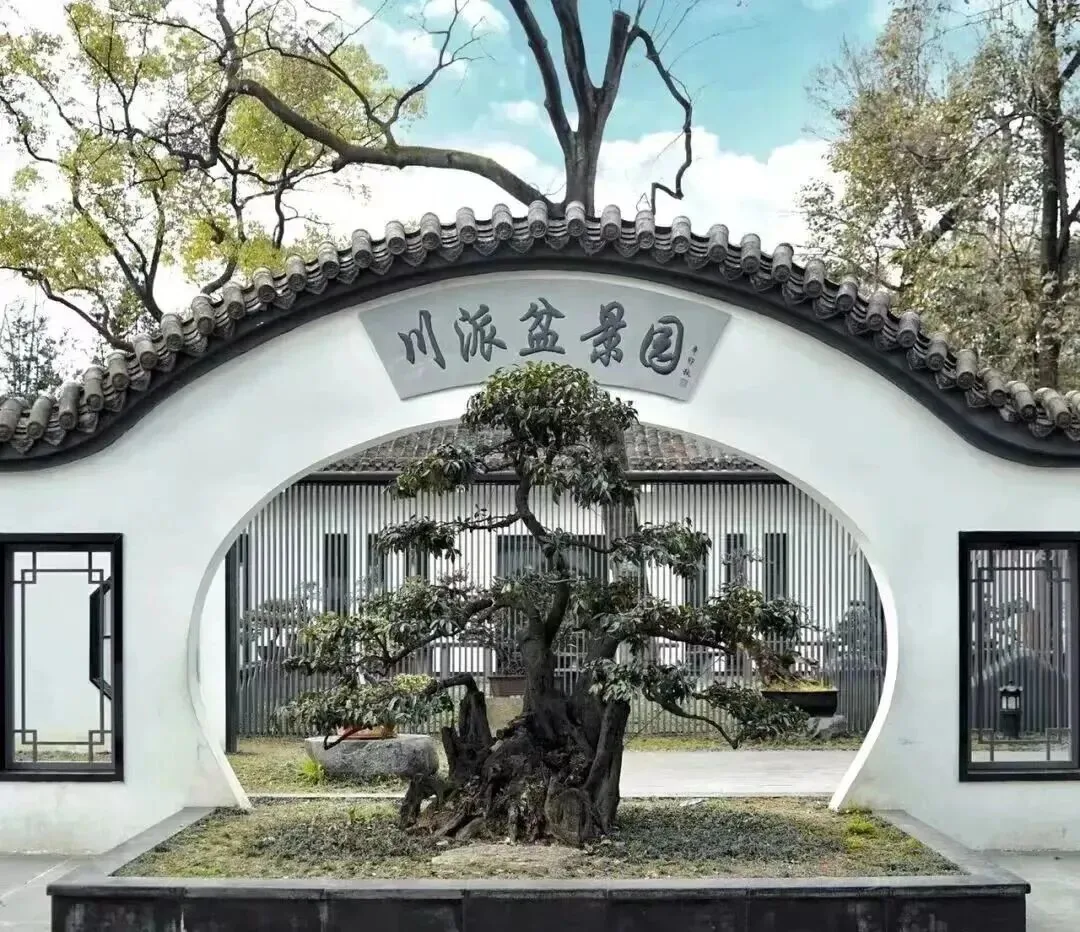
Baihuatan Park (百花潭公园) sits at the confluence of the West Suburb River and Huanhuaxi. It’s made up of the Bonsai Garden, Guoxiang Garden, Hundred Flowers Garden, Landscape Garden, Hui Garden, and Fish-Bird Corridor. Pavilions, rockeries, and waterfalls dot the lush flowers and trees — you’ll hear running water and birdsong as you wander.
In the Bonsai Garden, Sichuan-style bonsai are “silent poems, three-dimensional paintings.” Hui Garden is modeled on Ba Jin’s novel Family, recreating the style of a traditional western Sichuan courtyard. And a thousand-year-old Tang Dynasty ginkgo tree stands quietly, witnessing the passage of time.
Local insight: The Tang ginkgo in Hui Garden is a quiet reminder of how much history these gardens hold.
The Takeaway
When you visit gardens in Chengdu, you’re not just seeing scenery — you’re soaking in the rich Tianfu culture. This autumn, pick one and take a slow walk.
What other parks and gardens do you recommend? Let us know in the comments!