You’ve probably heard that Chengdu is surrounded by old towns — and it’s true. But with over 20 million people in the city, holidays anywhere nearby can feel packed. So when I remembered a little place about 1.5 hours’ drive from Chengdu, it stood out. That place is Taihe Ancient Town in Meishan, a thousand-year-old town that grew up along the Min River.
If you’ve done the usual Chengdu-area ancient towns, Taihe feels a bit different. Most people know Meishan as Su Dongpo’s hometown, but fewer know that Meishan’s earliest government seat wasn’t in today’s Meishan city — it was in Taihe.
Why Taihe Ancient Town Is Worth the Trip
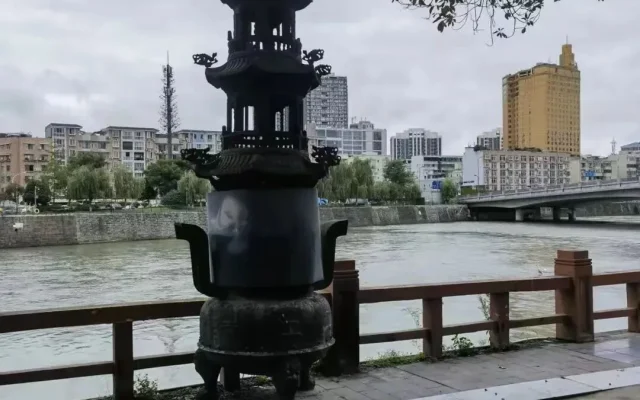
Back in the Southern Qi period — roughly 1,500 years ago — the court set up Qitong Left Commandery around today’s Long’an Village in Taihe. This was the earliest administrative base of Meizhou. Through the Southern Liang, Western Wei, and Northern Zhou dynasties, it served as a commandery and county seat. That’s why people call it “the source of Meishan city.” The old Meizhou prefectural office was once on this riverside terrace. Later the Meizhou city area moved 6 kilometers south, and the two places became separate.
Even earlier, the market town wasn’t called Taihe. The old town sat on the east bank of the Min River and flooded often. Locals carved stone dragons to tame the water, which gave it the name “Shilongchang” (Stone Dragon Market). Later the town moved west to the Guanfen Hill area and took the name “Taihe” from the phrase “peace and harmony.”
At its peak, Taihe was booming. Sitting by the Min River with good land and water transport, Taihe Ferry — formerly called Leijia Ferry — was a famous goods distribution center for southern Sichuan on the Min River route. The old saying “swallowing a thousand loads of goods a day, blessing ten thousand families” captures the bustle.
Goods gathered here. Trading houses, guild halls, and temples lined the river. Stilted wooden houses stood in rows along the bank, with high fire walls. On market days, people from all around packed the small streets, and boatmen’s work songs echoed from morning till late night. Older locals say Taihe was nicknamed “Little Hong Kong” back then.
What You’ll See Today
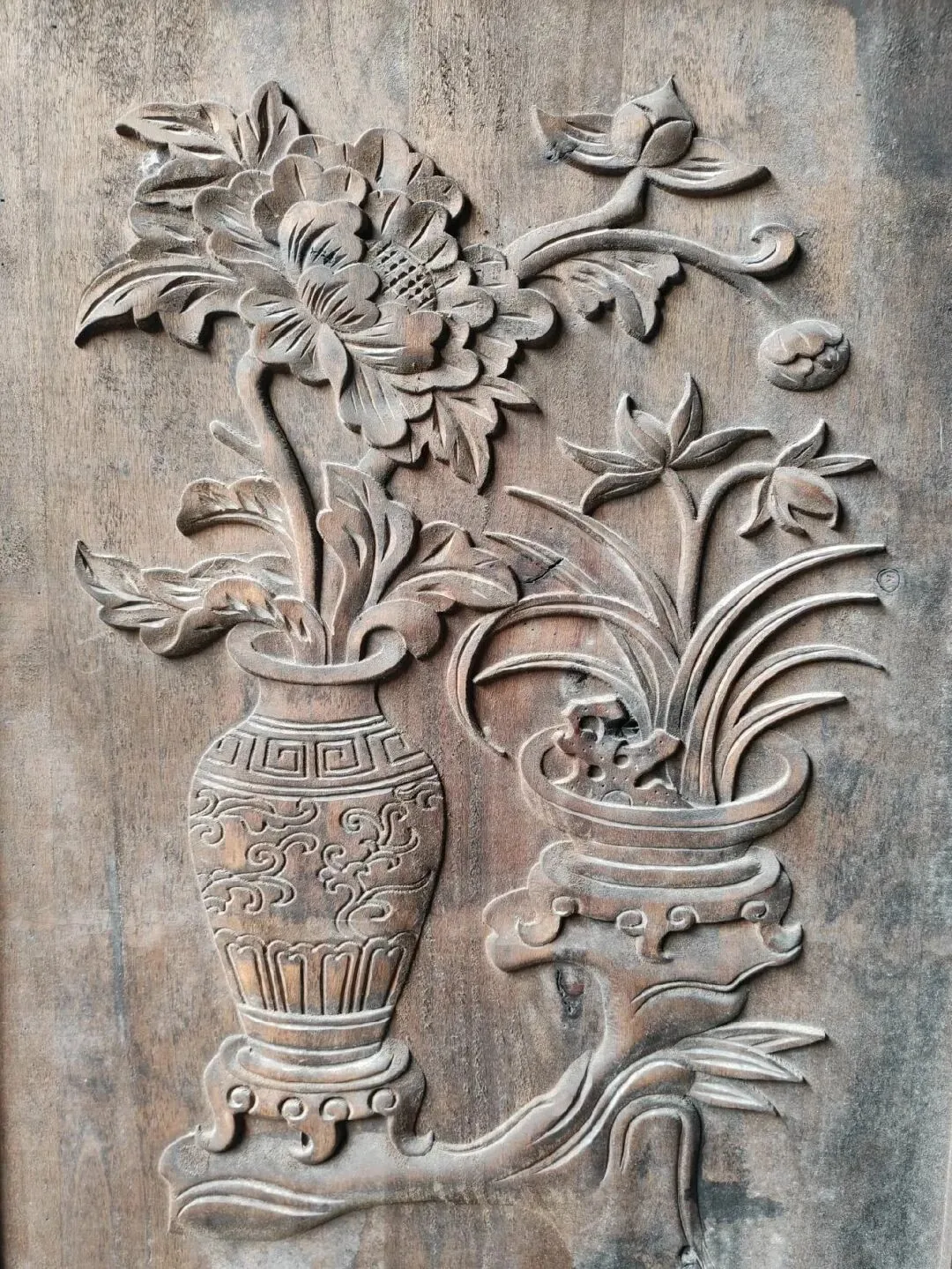
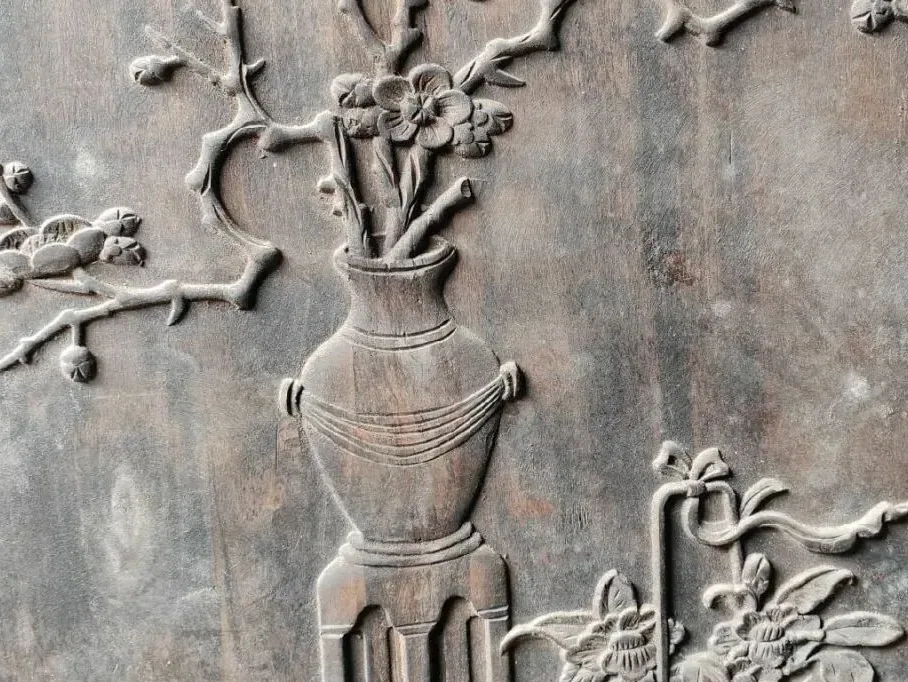
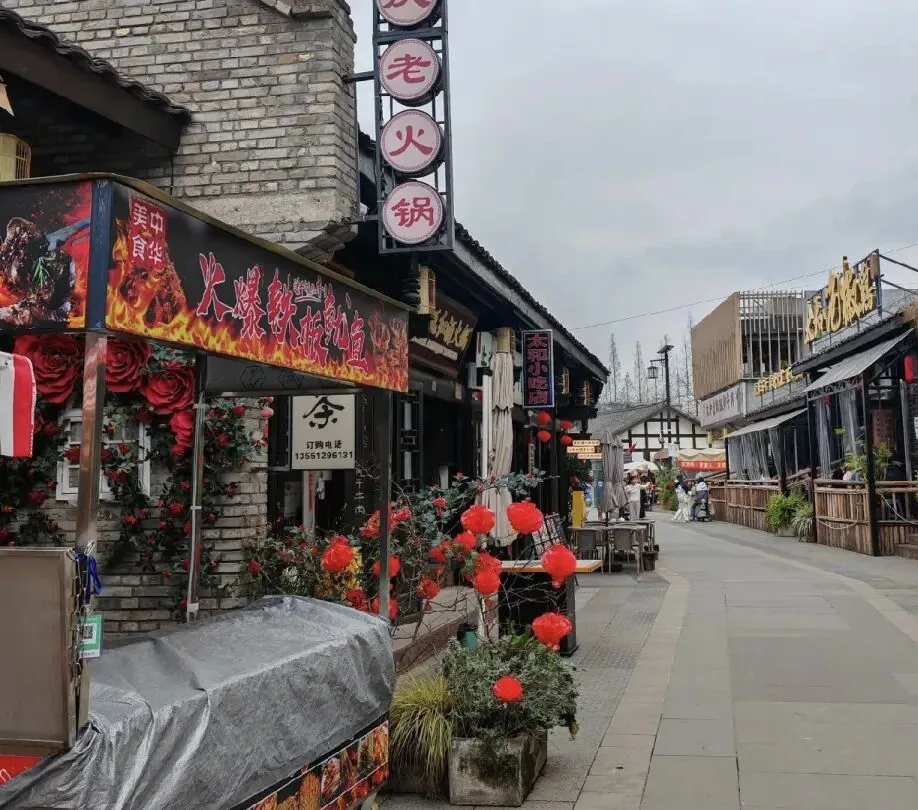
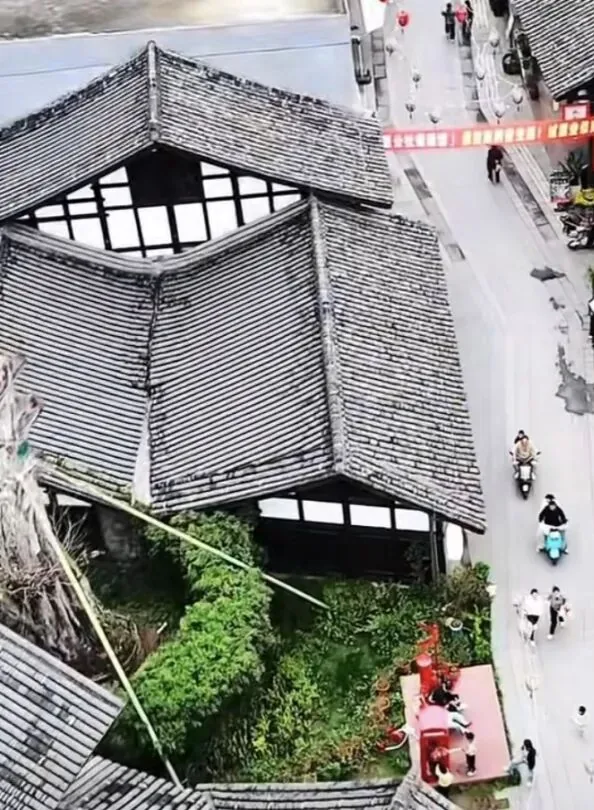
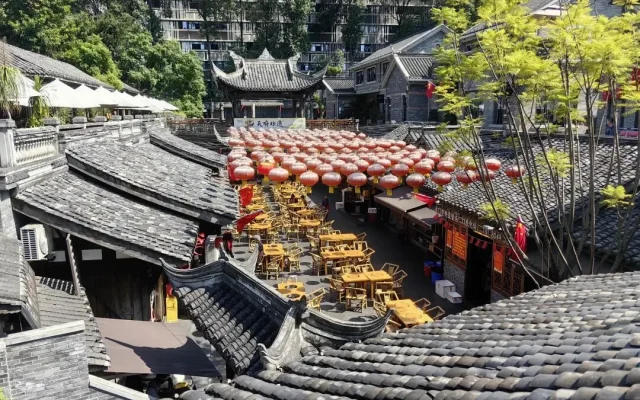
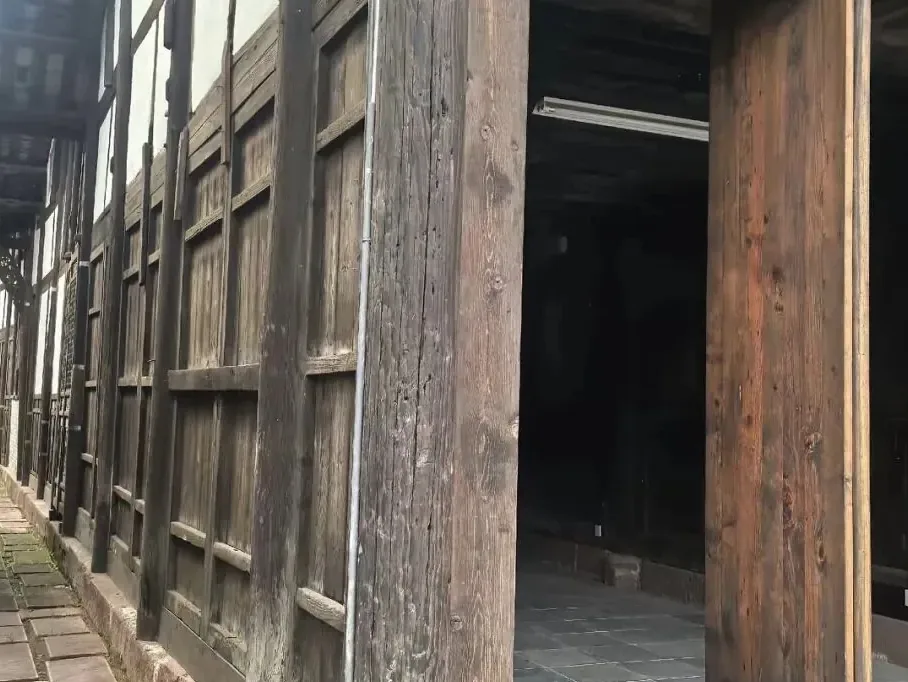
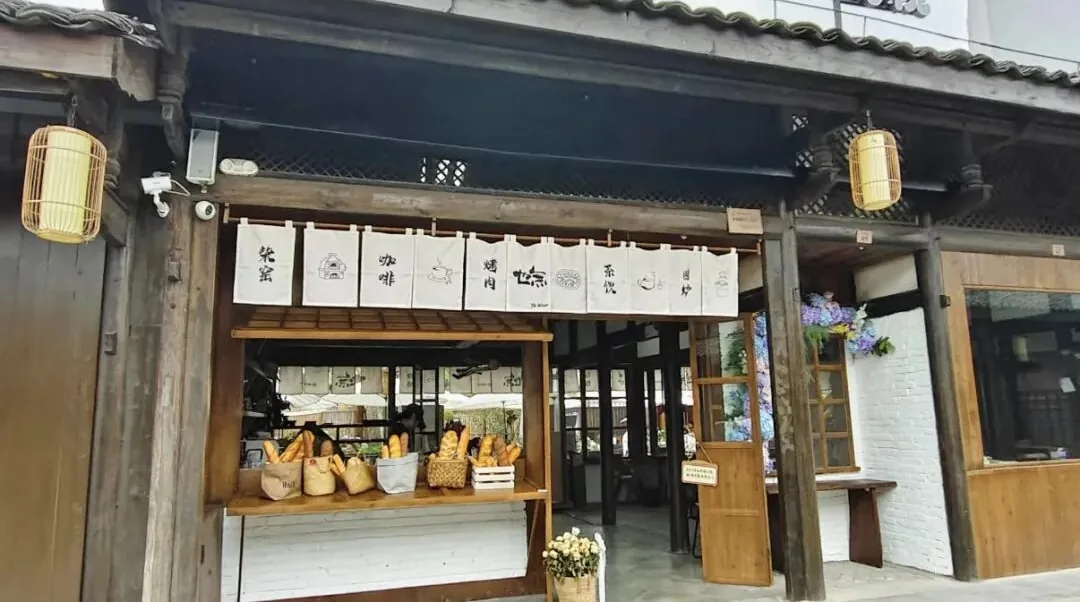
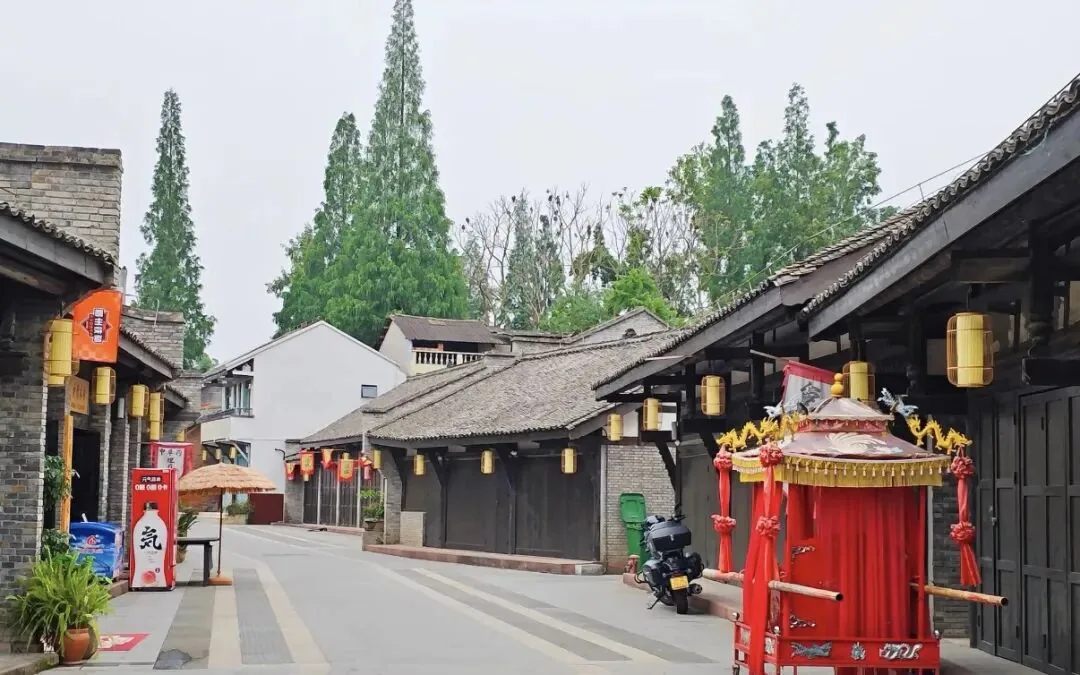
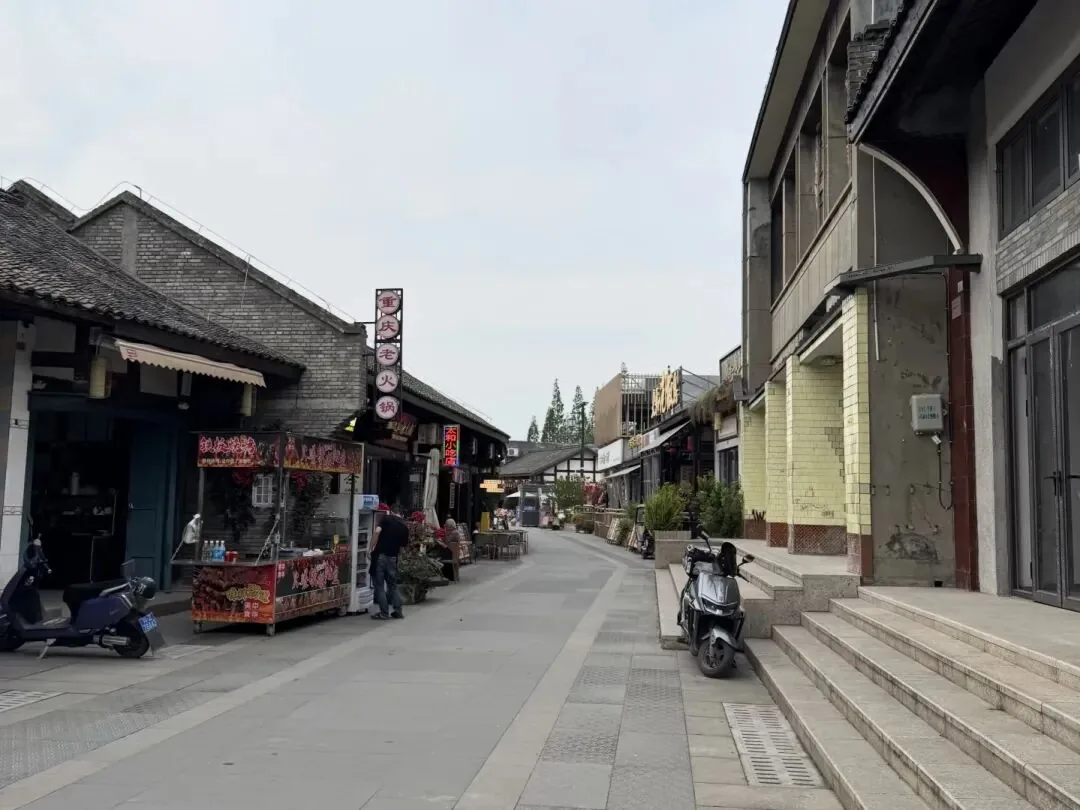
The old street still keeps the layout of “one road, four streets, five lanes.” Most buildings on both sides are Ming- and Qing-era wooden structures with gray tiles, gray walls, and tall horse-head walls. The streets aren’t wide, and as you wander you’ll notice many roads and houses have been renovated, so it’s not as worn-down as you might expect.
Still, some doors are shut tight, and the mottled walls show deep marks — it looks like no one has lived there for a long time. Maybe the young people have gone to the city to work and live.
Taihe has more than 40 historic buildings, and it’s rare that so many have been preserved.
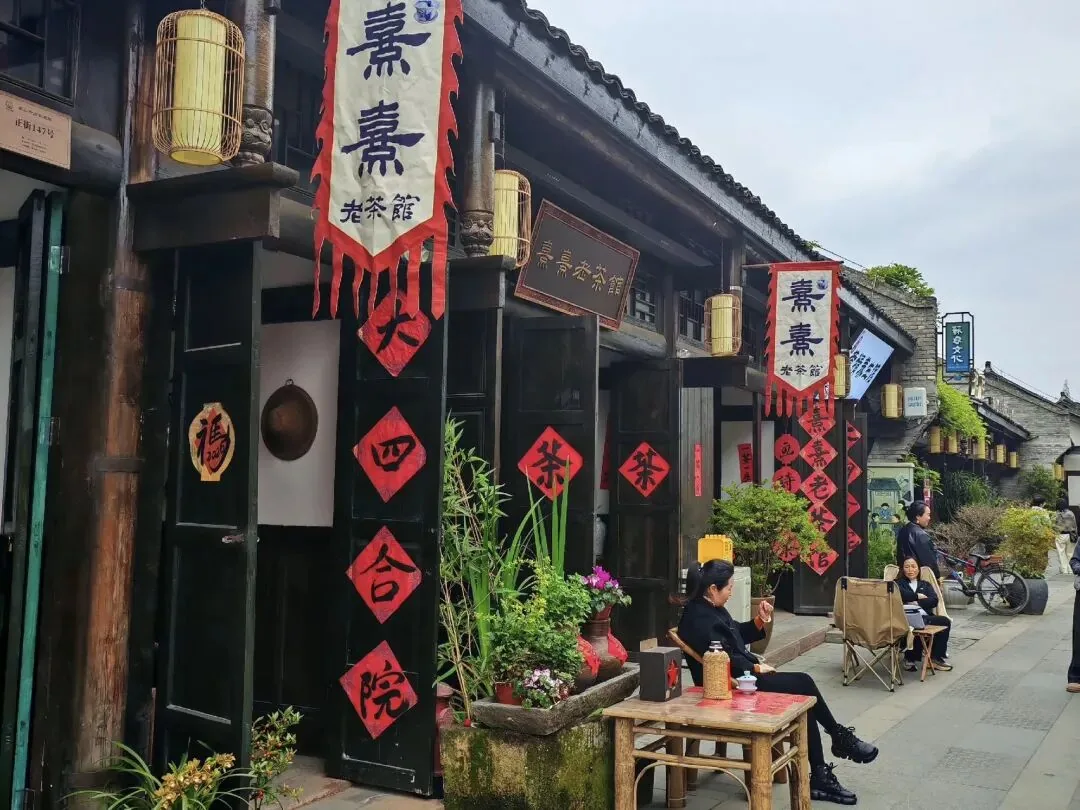
The old teahouses are always full of local tea drinkers. People are used to watching the Min River flow slowly east, and to sitting in the teahouse for half a day. Here you feel a strong sense of human warmth and everyday life. It can get noisy at times, but people’s hearts are peaceful and quiet.
In the afternoon, walking under the eaves, light slants through the roof tiles onto the bluestone slabs — it feels serene. In the lanes, people dry chilies, corn, and dried radish; some hang laundry outside. Elderly folks sit together chatting, and cats doze lazily by the doors. I hadn’t seen this kind of life in the city for a long time. This is leisure to the bone — doing nothing, yet deeply relaxing. No work pressure, no life worries. Life really should be like this.
History and Highlights
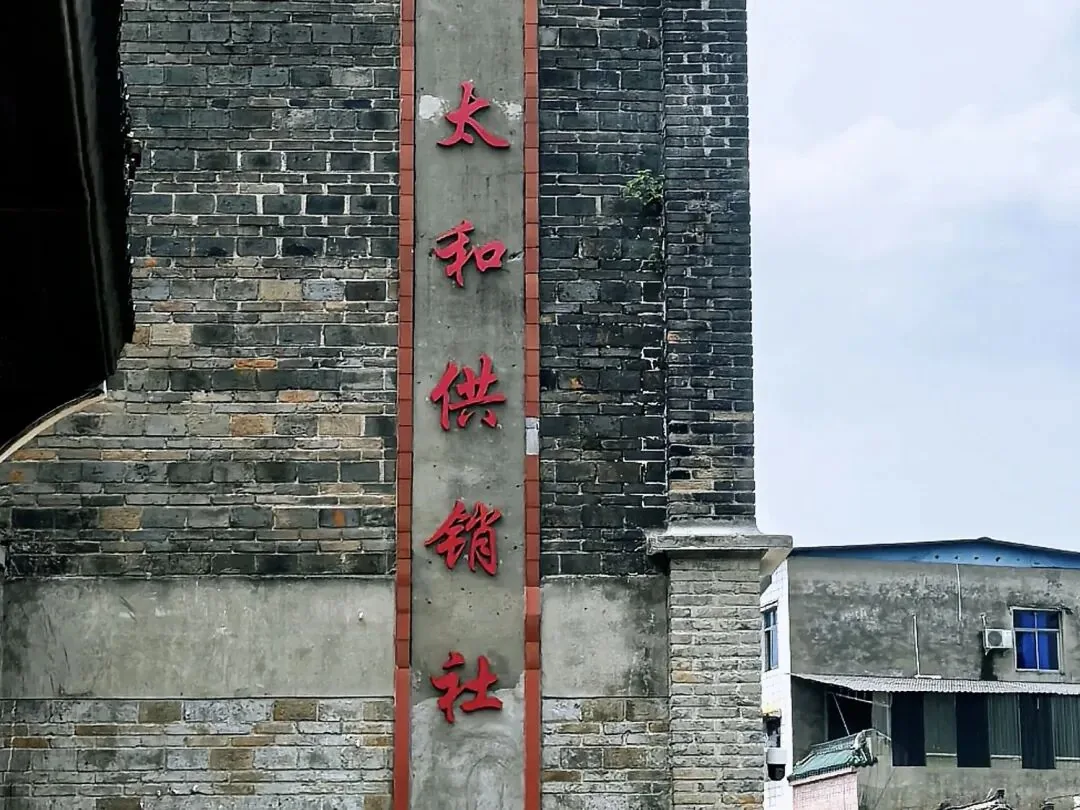
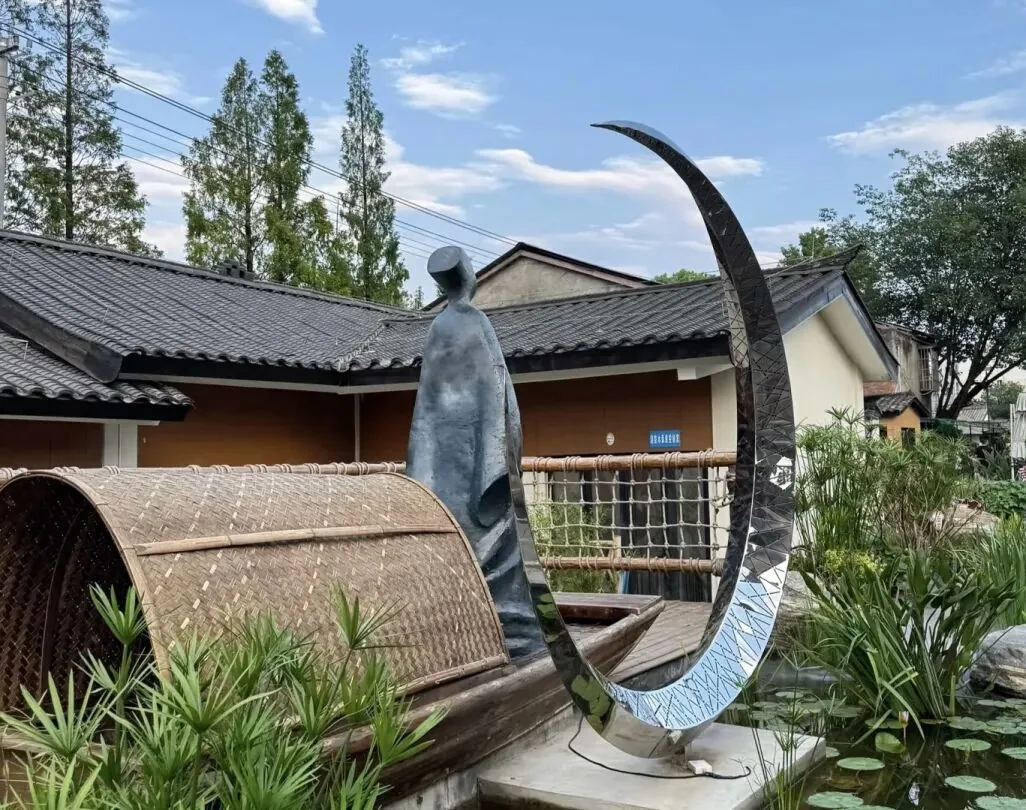
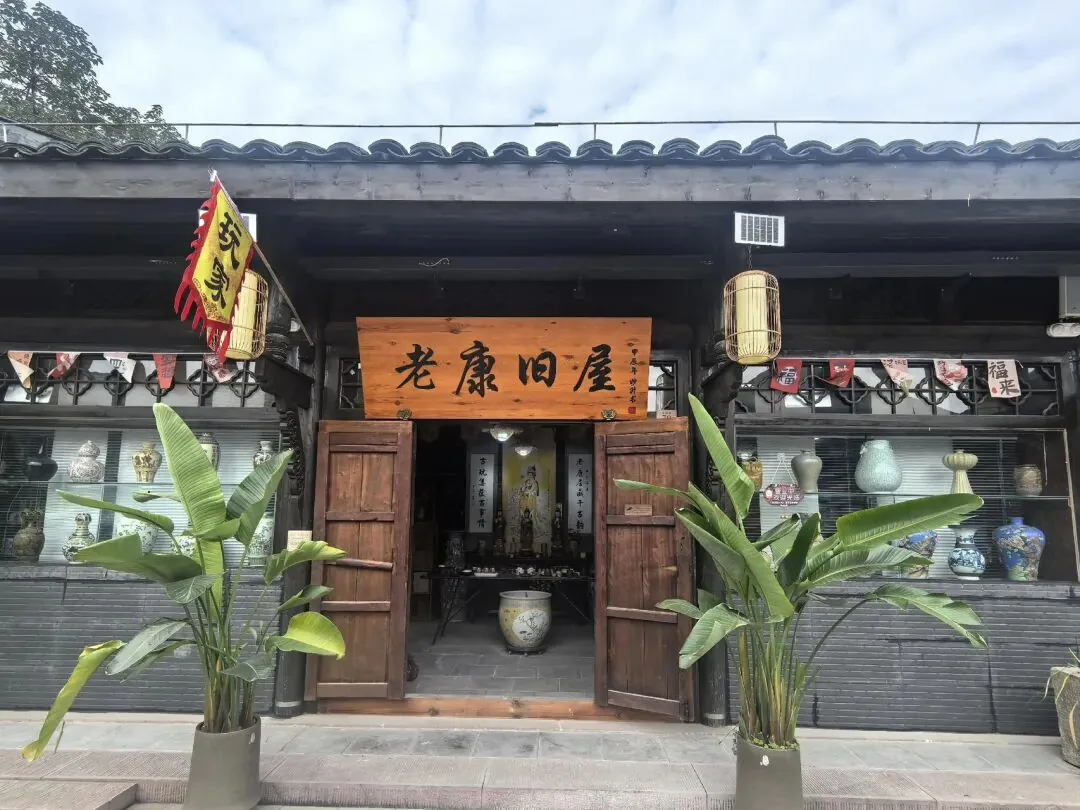
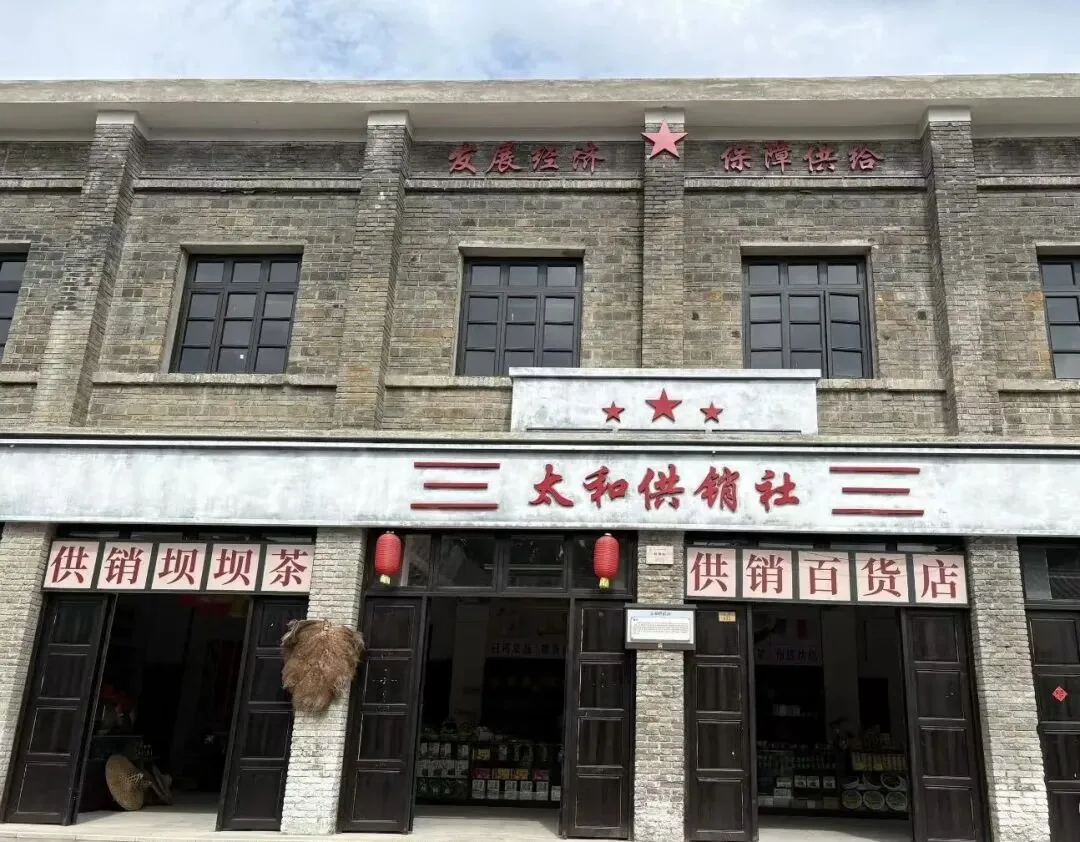
The “Small Town Spring and Autumn Hall” keeps old photos and objects. The Zhao Family Courtyard (Yongling Hall) is the town’s most representative mansion, built during the Guangxu era of the Qing dynasty; it was once the clinic of the well-known Meishan traditional Chinese medicine family “Yongling Hall.” There’s also the century-old Deliyuan distillery’s cellars, and the old Leijia Ferry river transport dock. Old shop buildings, dock guild halls, and the Wangye Temple are scattered around the town’s corners.
Writing about Taihe, it’s easy to fall into two traps: making it out to be a “forgotten secret” or a “trendy retro block.” It’s neither. It’s alive, living in the present.
Locals tell a story that “Su Dongpo boarded the boat right here.” When the three Su family members left Meishan for the capital, they set off from Taihe by land and water. What happened next everyone knows: one family, three fathers and sons, their writings known throughout the world. Taihe people like to believe that the literary spirit of this land was lit from that moment.
What to Eat
Food is a must in Taihe. The Taihe tofu pudding is silky, and the dipping sauce is just perfect. Taihe home-style fish, Meizhou cold tossed chicken, Dongpo pork knuckle, and the “Nine Big Bowls” are all heavy hitters at banquets. Also worth trying: numbing pepper duck, fresh-boiled beef rice noodles, and the sauces at Yu Mapo’s place.
Su Shi wrote, “Snowy foam and milky flowers float on the midday cup… the world’s flavor is pure joy.” He may not have been writing about tea, but it must have been a moment like this.
Mr. Dongpo said, “Life is like a journey, and I too am a traveler.” Travelers need to rest their feet — Taihe is that resting place.
Someone asked: what’s so interesting about a renovated old street?
What’s beautiful was never the houses — it’s a state of mind. You come to see an ancient town; you leave with a little stretch of time where you slowed down.
Practical Info
- Address: Taihe Old Town Historical and Cultural District (Taihe Town, Dongpo District).
- Tickets: Free to visit.
- Getting there: Self-driving is recommended — about 1–1.5 hours from downtown Chengdu. By high-speed rail, take the train from Chengdu to Meishan East Station, then a taxi about 8 kilometers to reach it. Or from Meishan East Station, transfer to bus 20 to Jigongtan.
- Tip: The old town isn’t long. Focus on a slow stroll and photos — don’t expect a large-scale scenic area.
Local insight: The old teahouses are where the town’s rhythm really shows — sit for half a day and watch the Min River go by.
Pro tip: Come in the afternoon when light slants through the tiles onto the bluestone slabs — it’s the most peaceful time for photos.