Erjiang Temple: Chengdu’s Quiet Riverside Temple You’ve Been Passing on the Metro
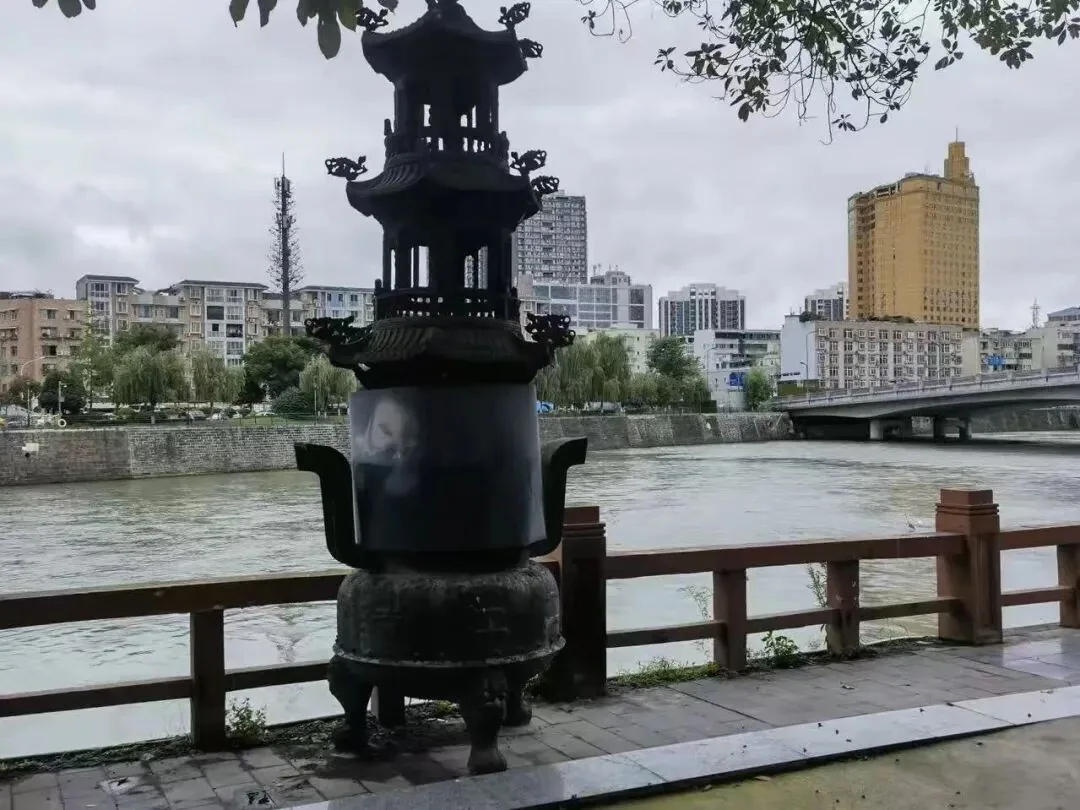
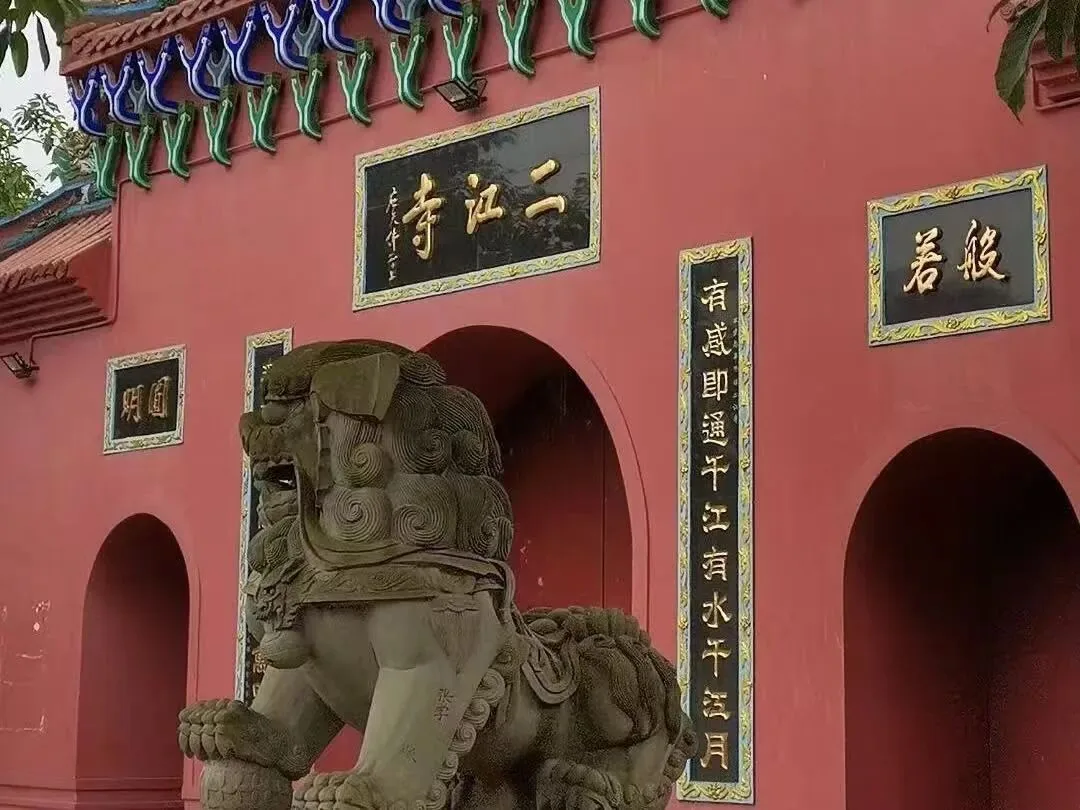
If you ride Chengdu Metro Line 5, you’ve probably seen the stop called Erjiang Temple (二江寺). Maybe you’ve passed through it a dozen times without a second thought — I know I did. It wasn’t until I actually spent a day at Huan Yang South Lake Park (华阳南湖公园) that I realized there really is a temple here.
That temple is Erjiang Temple, tucked inside Huan Yang South Lake Park. It’s a quiet, unassuming place — and somehow, even with its name plastered on a metro station, most people still walk right by. That’s a shame, because this little temple has a story worth stopping for.
Why “Erjiang”? The Two Rivers
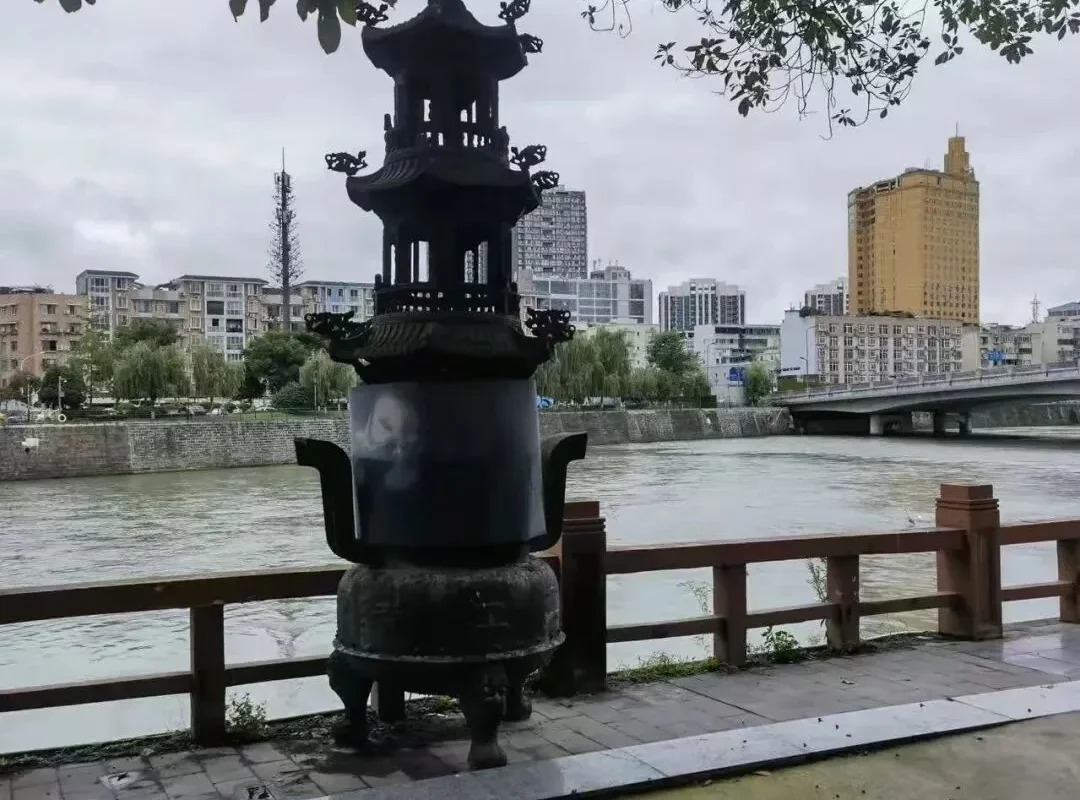
“Erjiang” literally means “two rivers.” I pulled up a map to check: one is the Jin River (锦江), also known as the Fu River (府河), which flows right past the temple. The other is the Jiang’an River (江安河), a short distance away. The two rivers meet just downstream, merge back into the Jin River, and continue south.
“The temple faces two waters, hence the name Erjiang.” It’s almost bluntly simple, but it captures the temple’s geography and its fate.
Water is where it comes from, and water is where it returns.
A History Older Than the Temple You See
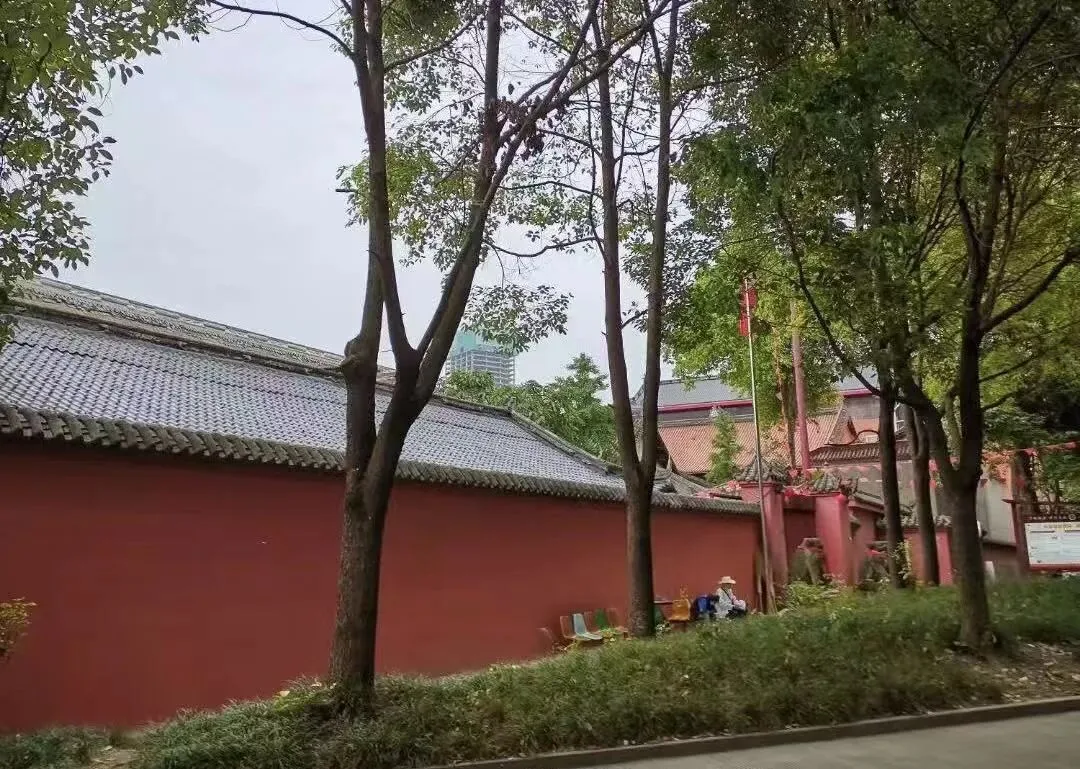
The story of Erjiang Temple goes back much further than the building standing today. According to the Huayang County Annals (《华阳县志》), a post station was established here during the Song Dynasty. Because it sat at the confluence of the Fu River and the Jiang’an River, it was named “Erjiang Post Station” (二江驿).
In ancient times, this was an important courier route to Peng, Mei, Jian, and Jia. Travelers from north and south would stop here to rest. Eventually, someone placed a statue of a deity inside the post station, and it gradually evolved into a temple — and that’s how Erjiang Temple came to be.
The original temple stood beside the Erjiang confluence. It was later damaged, rebuilt in the Qing Dynasty, destroyed again during the Republic of China period, and finally relocated to its current spot in South Lake Park at the end of the last century. Today it’s a nunnery.
The Old Bridge Next Door
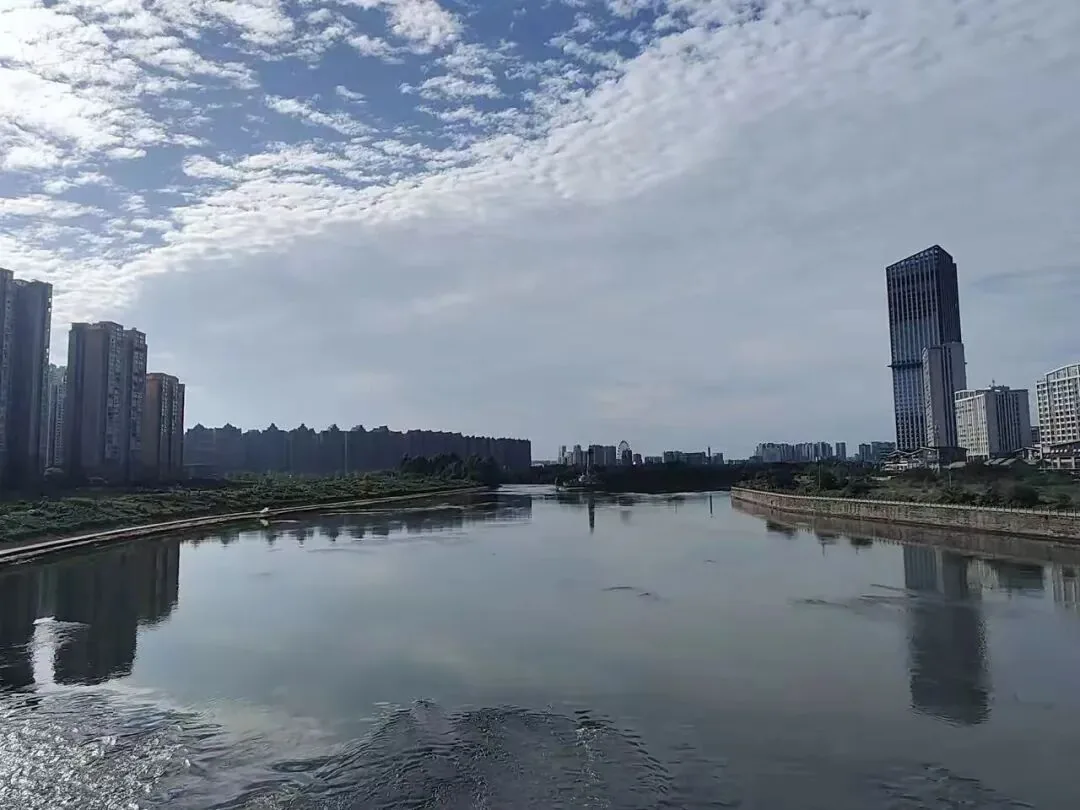
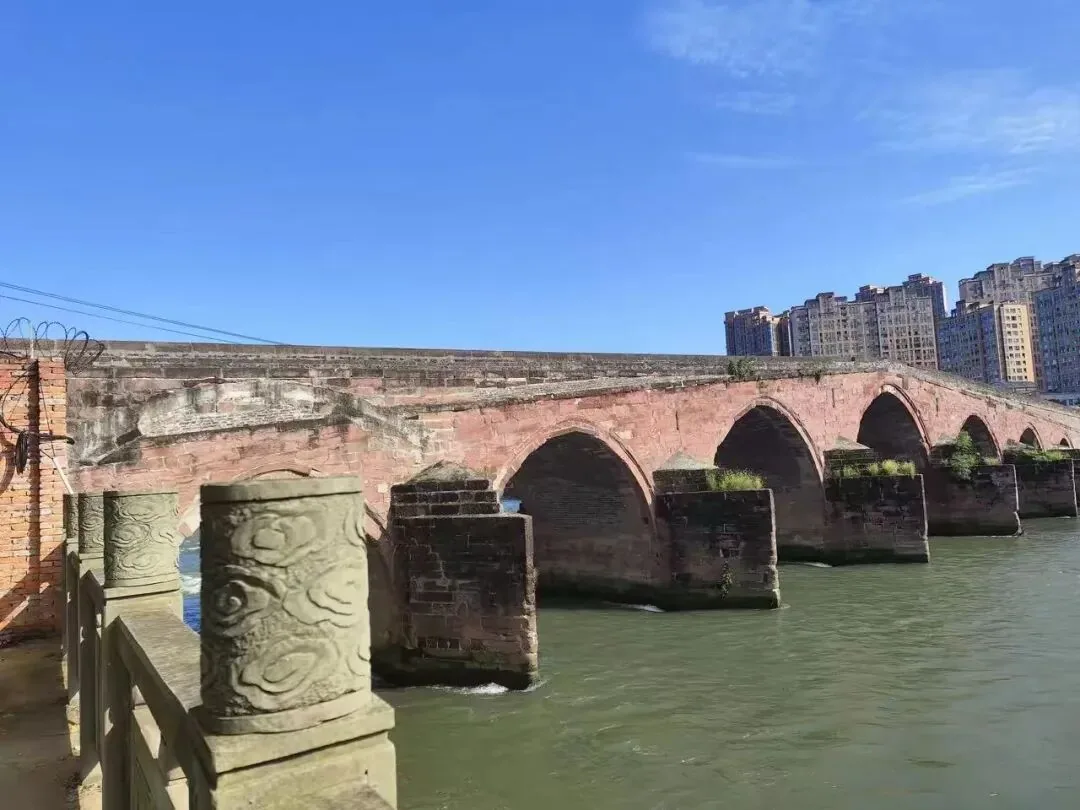
Right next to the temple is a Qing Dynasty stone arch bridge. It was originally called “Erxian Bridge” (二仙桥). If that name sounds familiar, you’re thinking of the Erxian Bridge in Chenghua District — a local meme that still gets people chuckling. The two bridges have no connection. This one is actually older than the Chenghua one, just less famous.
There’s a folk legend about this bridge: on the day it was completed, two ragged beggars rushed onto it first and then vanished. People said they were immortals testing the bridge, so it was named “Erxian” (Two Immortals).
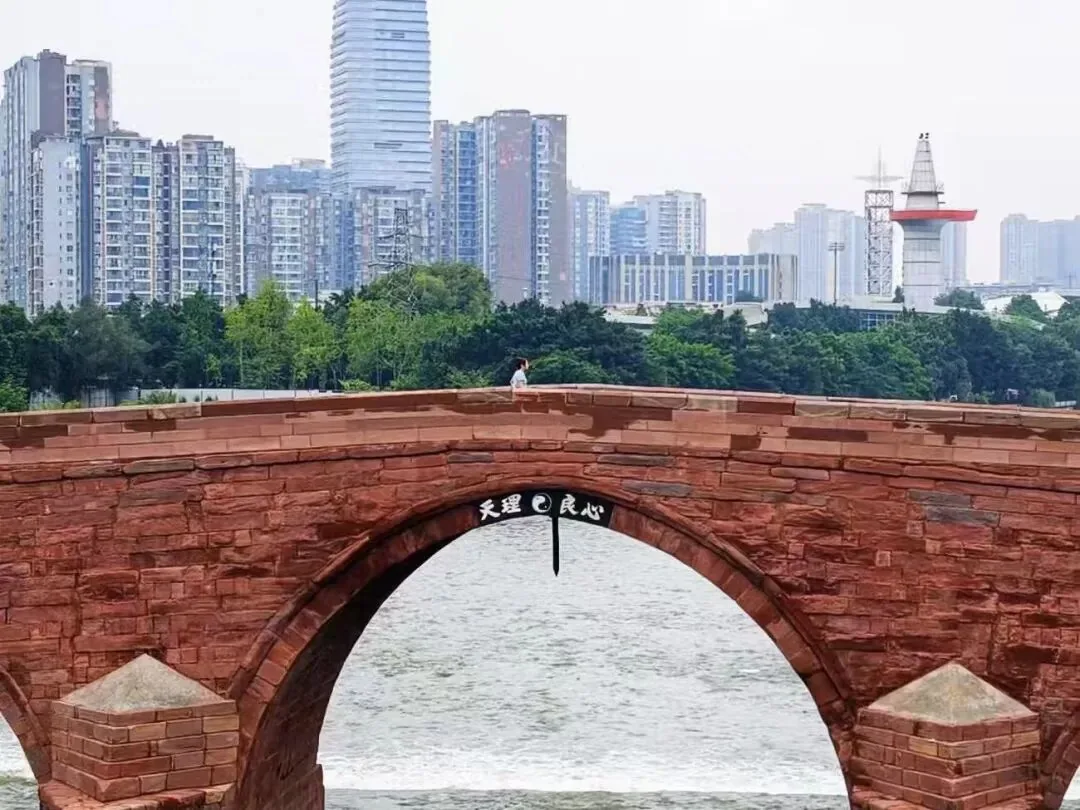
The bridge is 142 meters long, 8.2 meters wide, and 11.6 meters high. It’s a thirteen-arch stone bridge, with seven arches over water. It’s the largest and best-preserved Qing Dynasty seven-arch stone bridge still standing on the Chengdu Plain. The first, fourth, and seventh water arches are built from red stone blocks, while the second, third, fifth, and sixth are built from blue bricks — a mix that’s both orderly and harmonious, hard and soft together.
What really moves you are the four characters carved into the central arch: “天理良心” — “Heaven’s Principle, Conscience.” Over two hundred years, the Fu River has flooded countless times and the Jiang’an River has changed course more than once, yet the bridge still stands — thanks in no small part to repeated repairs and reinforcements by later generations. Today you can walk onto the bridge and watch the river roll east, with bamboo and trees lush on both banks, reeds swaying, and egrets occasionally skimming the shimmering water. It adds a touch of life to the scene.
Inside the Temple
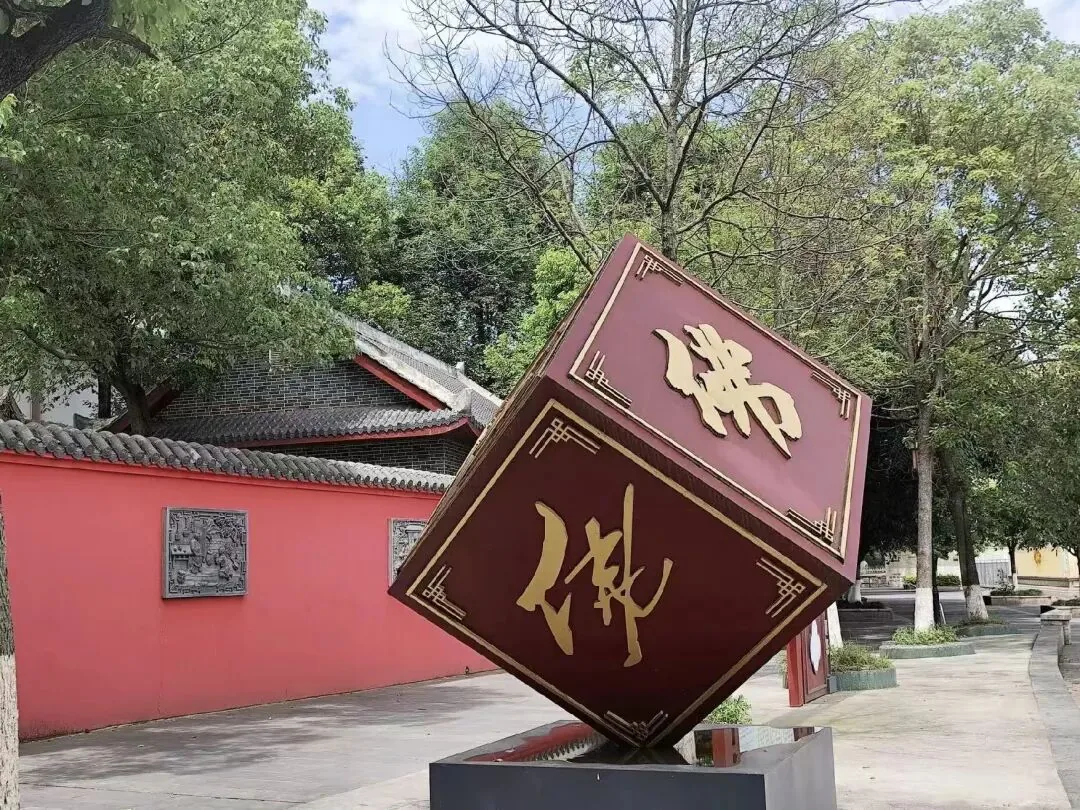
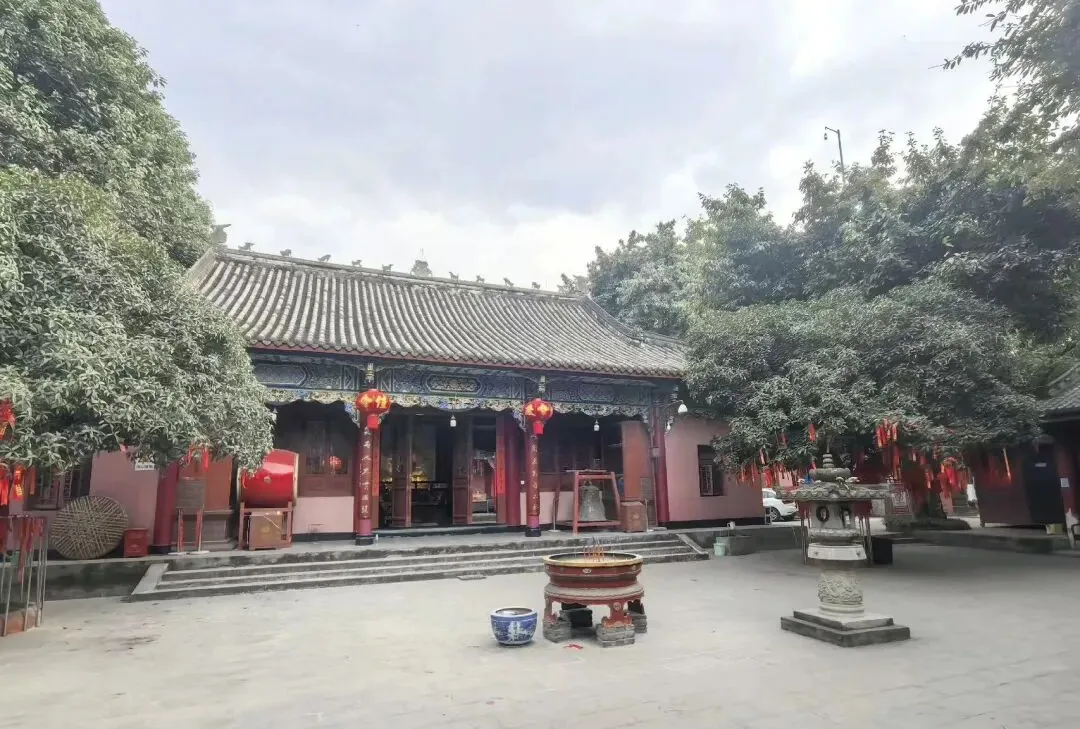
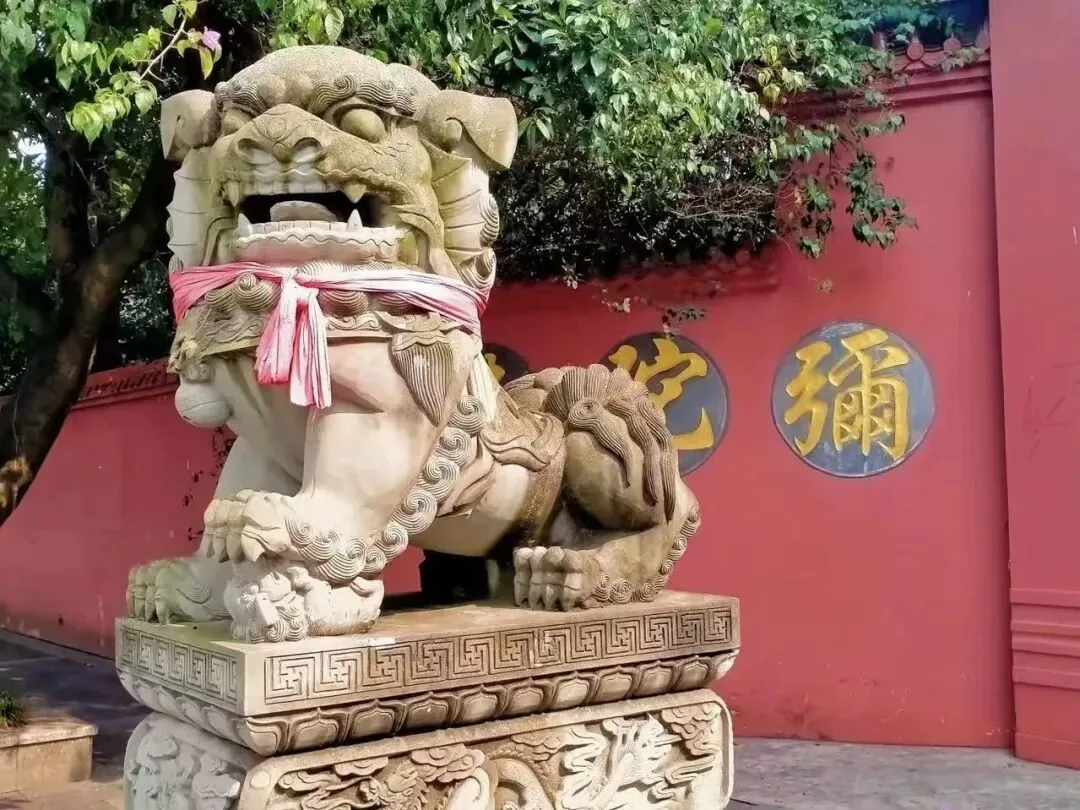
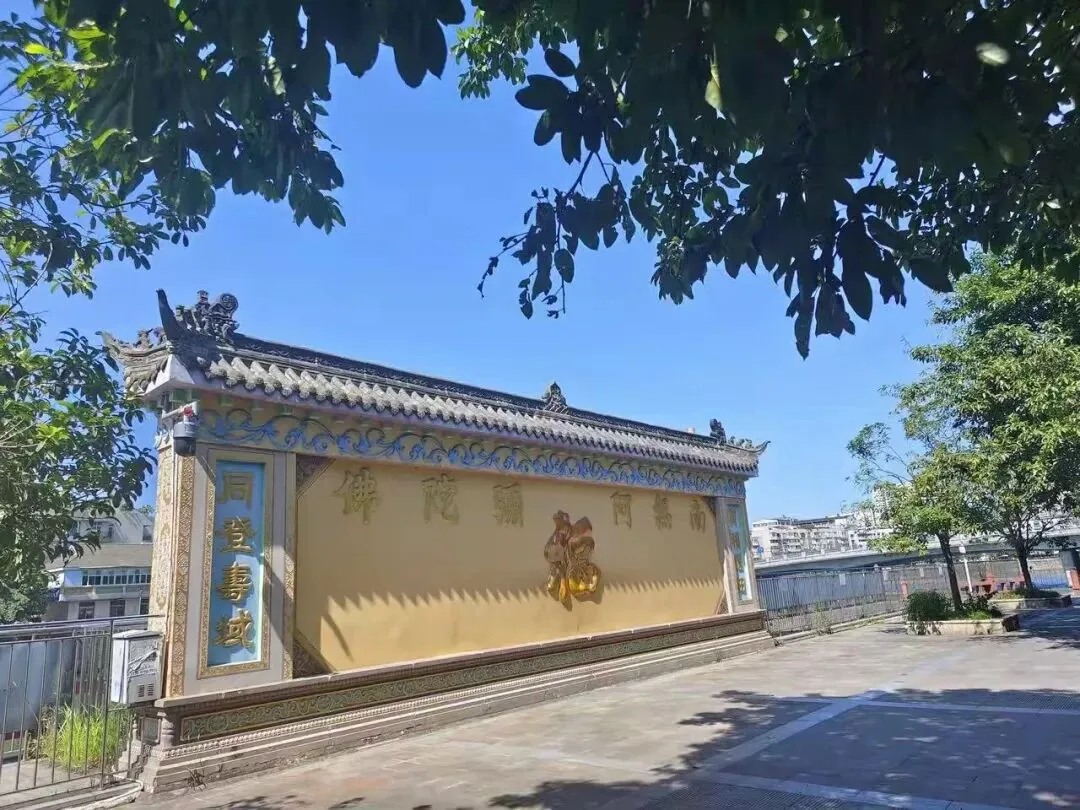
Erjiang Temple today is small — about 10 mu (roughly 1.6 acres). It’s really tiny. The temple gate faces the Jiang’an River, with a spirit wall in front bearing a large “福” (fortune) character. The gate itself is modest: blue tiles, white walls, slightly upturned eaves, and the three characters “二江寺” written with vigorous brushstrokes.
The layout is tidy and very clean. Step inside and you’ll see the Hall of Heavenly Kings. Behind it is a release pond, where koi swim lazily back and forth.
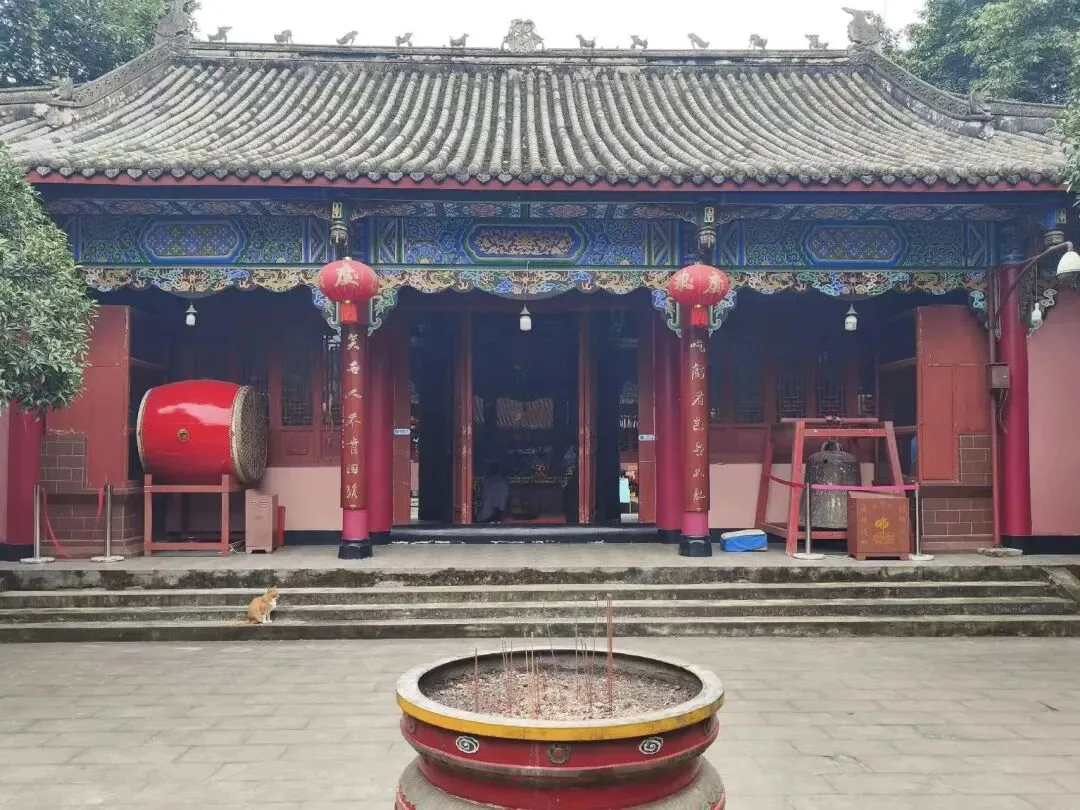
Pass through the Hall of Heavenly Kings and climb the stone steps to the Mahavira Hall. The building uses a traditional column-and-beam wooden structure with double eaves and a hip-and-gable roof, its flying eaves like wings. Most of the beams and pillars are nanmu wood — after a hundred years, they’re still as solid as ever.
There aren’t many visitors inside, so it stays quiet. People come because they’ve heard about it, wandering and praying in peace. Today Erjiang Temple sits within South Lake Wetland Park, backed by water and facing the lake — step outside and you’re in the beautiful South Lake Park.
Local insight: Erjiang Temple serves vegetarian meals — simple vegetable dishes and rice, but always fresh and seasonal. It’s buffet-style and starts at 11:30. You pay by scanning a donation QR code — you can give nothing, 1 RMB, 5 RMB, 10 RMB, 20 RMB, or whatever you like. Just note that the vegetarian meal isn’t available every day.
The Jin River and the Poets Who Loved It
When Chengdu people talk about water, the Jin River always comes up. Liu Yuxi wrote, “On both banks of the Brocade-Washing River, flowers bloom; spring wind stirs the waves, washing the sand.” Du Fu wrote, “The spring colors of the Jin River come to heaven and earth; the floating clouds of Yulei change through past and present.” The Jin River is Chengdu’s calling card.
The stretch by Erjiang Temple isn’t the most famous part of the Jin River. Upstream you have Hejiang Pavilion, Wangjiang Tower, and Jiuyan Bridge. By the time you reach Erjiang Mouth, this was always countryside — all the city’s bustle quiets down here, and all its refinement is carried by the water into the fields and hills. If Lu You came back, he probably wouldn’t need to write “At night I arrive in Shuangliu, rain pouring like a flood” — just watching “the ripples unmoved, the river still” would be enough.
Standing by Erjiang Temple, I can’t help thinking of Lu You’s two visits to Huayang. In winter, he wrote: “A fine wind blows my clothes; spring colors already bright. In the east village I hear the wine is good — I’ll buy myself drunk on a fishing boat.” That’s easy, carefree detachment. On a stormy night, lodging at the post station, he wrote: “A man should fight for his country against the Hu; how would common folk understand what I dwell on?” That’s the sorrow and resolve of a patriot whose ambitions went unfulfilled. Two poems, seven years apart, yet they tell the whole story of a poet’s life and his love for his country.
Getting There
Today’s Huayang is no longer the countryside it once was — high-rises and roads stretch in every direction. But the Jin River still flows slowly, century after century, millennium after millennium. So — what do you think of Erjiang Temple?
- Address: South Lake East Road, Tianfu New Area, inside South Lake Wetland Park. Navigate to “Erjiang Temple” (二江寺).
- Admission: Free.
- Transport: Metro Line 5, Erjiang Temple Station, Exit C. From there, ride a bike about 10 minutes to the temple.