Seeking Out Jinniu’s Best Noodles | 7 Shops That Made Chengdu’s Top 50 List
If you want to understand Chengdu, skip the pandas for a minute and find a bowl of Jinniu District noodles. Really — no dish captures old Chengdu life quite like a steaming bowl of noodles. The sizzle of the wok, the clatter of chopsticks, neighbors calling out their orders across the room — that’s the city’s real heartbeat.
We sorted through the “Chengdu Top 50 Noodle Shops” list and pulled out the 7 spots in Jinniu District (金牛区). They’re tucked into old streets in Fuqin, Yingmenkou, and Lijiatuo — some have been simmering for nearly a century, others started as midnight sidewalk stalls. Every bowl has a story, and we’re telling them all here.
Top 7 Jinniu District Noodle Shops
01 | Ruoyuan Tea House & Morning Wine Bar (叒缘茶社・早酒馆)
“The early-wine alleyway legend”
📍 Address: No. 3, Building 1, Fuqin South Lane (金牛区抚琴南巷 3 号 1 栋附 3 号)
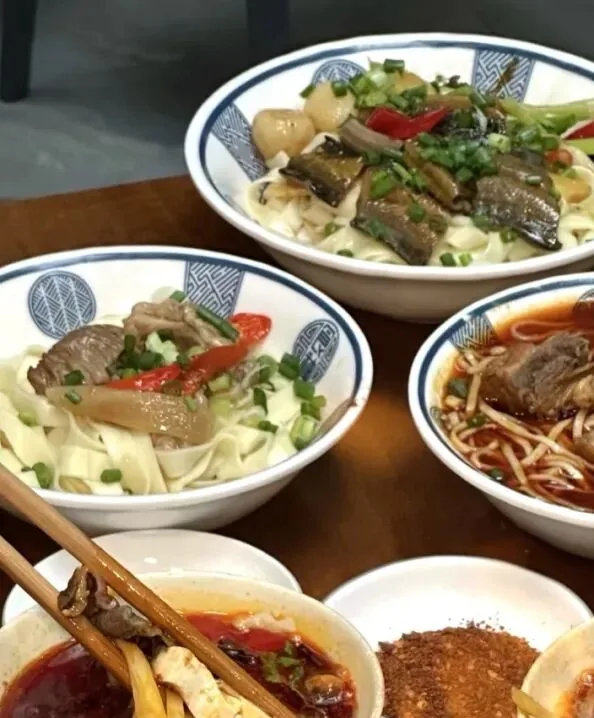
Signature dishes: Eel noodles (鳝鱼面), young ginger & pork intestine noodles (子姜肥肠面), mushroom broth wontons (菌汤抄手)
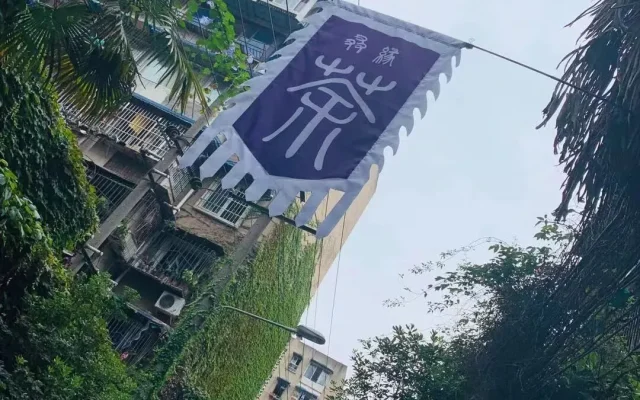
Tucked deep in Fuqin South Lane, this is the first shop in Chengdu to hang a sign for “早酒” (zǎo jiǔ, morning wine). From the outside it looks like a tucked-away old teahouse — wooden door ajar, vines climbing the walls. Walk inside and you’ll realize the noodles have become the real legend of the Fuqin neighborhood.
Here’s the fun part: it was a teahouse. The partners behind it are all heavy hitters from Chengdu’s restaurant scene — including one of the founders of the famous “Bald Head Spicy Crab” (光头香辣蟹). The tea aroma eventually gave way to noodle steam, so they “quit tea for noodles.” The old teahouse bones are still there: a 100-year-old map of old Chengdu on the wall, bamboo tables, white tile floors. But the soul has been replaced by bowls of glossy, fragrant noodles.
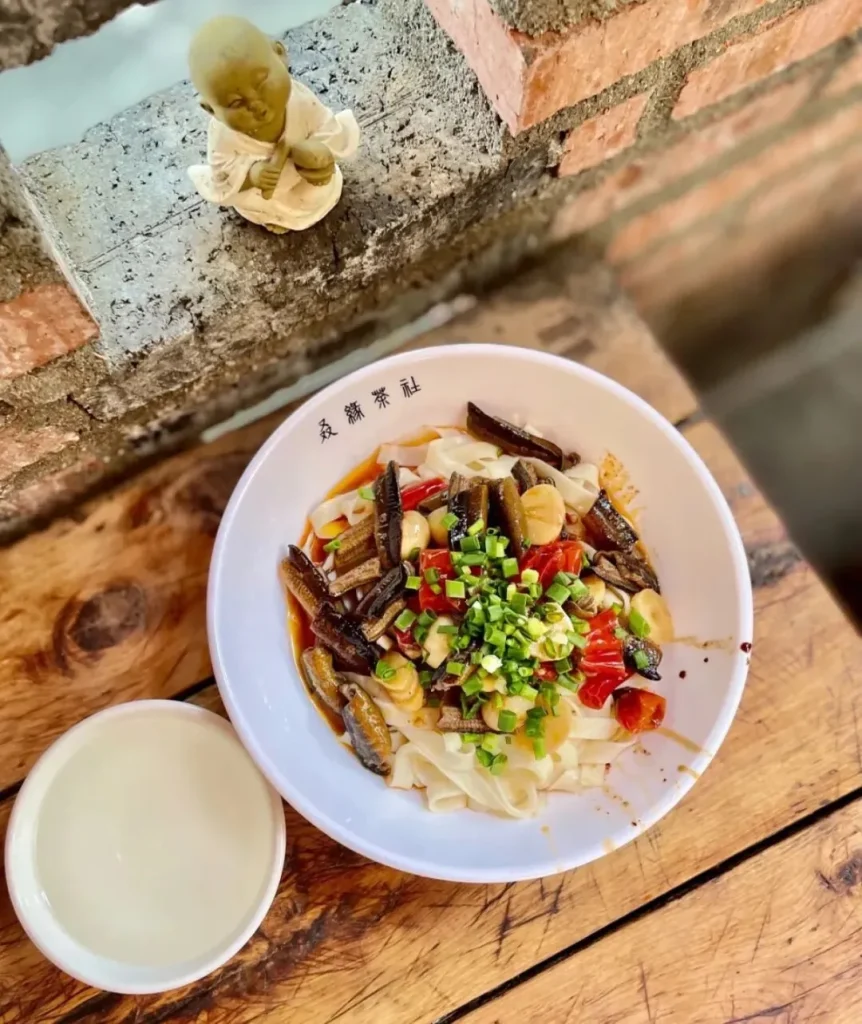
Don’t skip the eel noodles. Wide, chewy noodles coated in sauce, topped with eel that’s been flash-fried with pickled chilies and garlic — crunchy, tender, spicy, and deeply savory. The young ginger & intestine noodles and mushroom wontons have their own devoted fans too.
02 | Changqing Zhajiang Noodles (长庆杂酱面)
“Home-style flavor on Baimasi Street”
📍 Address: No. 33-1, Baimasi Street (白马寺街 33 号附 1号)
Signature dishes: Sujiao zhajiang noodles (素椒杂酱面), seafood-flavor noodles (海味面)
Baimasi Street has stories to tell. The Ming-dynasty temple it was named after — built in imitation of Luoyang’s White Horse Temple — is long gone. But the old residential blocks still hold some of the most honest, home-style noodle flavors in the district.
Changqing is the definition of a community shop. No fancy décor, no internet buzz — just a metal counter stacked with fresh topping and a pot of water that never stops boiling. Locals pop in before work and after, slurp a bowl, and leave like they just ate at home.
The dry zhajiang noodles are the crown jewel here. The minced pork topping is so soft it nearly melts, the sauce is rich and punchy, and it clings to every strand of chewy alkaline noodle. Want it spicy? Go with the sujiao version — red chili oil that’s fragrant rather than scorching, with Sichuan peppercorn numbness creeping in at the end. Craving soup instead? The red-broth zhajiang version is warm and comforting. Grab a plate of the free xizao paocai (quick-pickled vegetables) on the side — sweet, sour, crunchy, and the perfect palate cleanser.
03 | Sister Lan’s Sujiao Noodles (兰姐素椒面)
“From midnight ghost food to Top 50 status”
📍 Address: No. 19-21, Shuguang Road (金牛区蜀光路 19 号附 21 号)
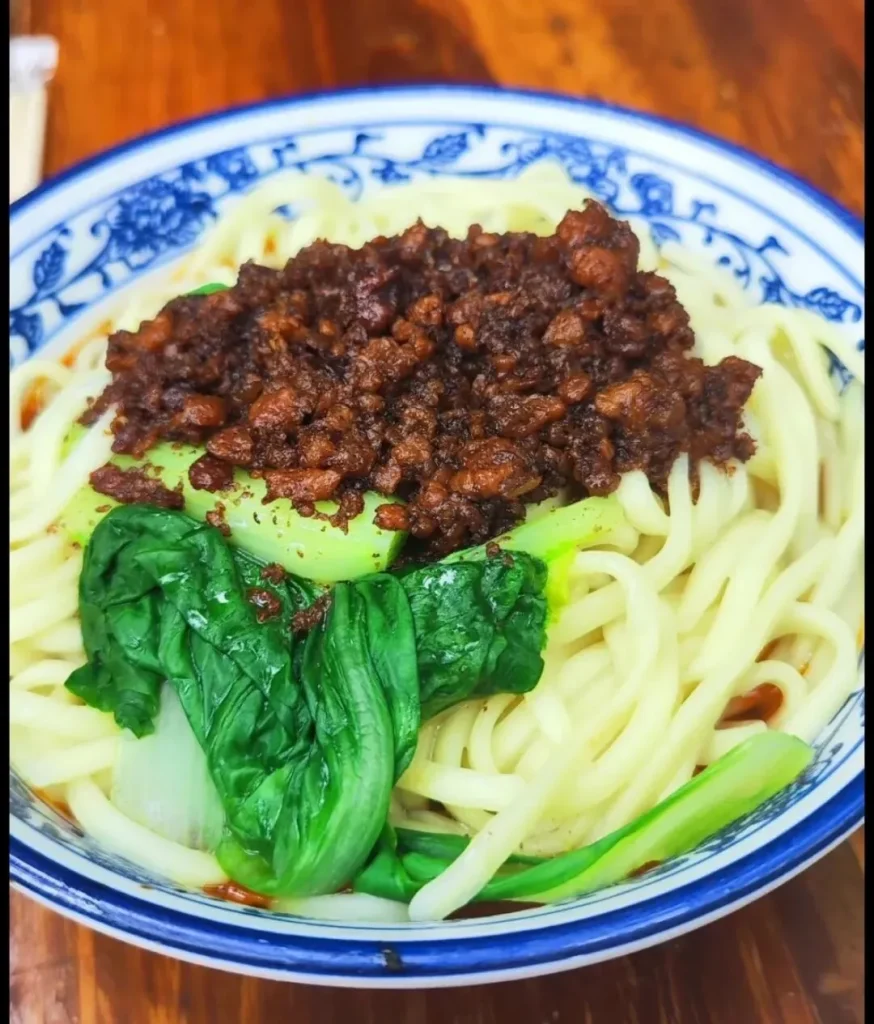
Signature dishes: Sujiao wide noodles (素椒宽面), red oil wontons (红油抄手), boiled bean jelly (煮凉粉)
Twenty-something years ago, this was nothing but a late-night stall at the entrance of a residential complex. When dusk fell, out came a dim lamp, a pot of boiling noodles, and a few low tables. Locals called it “鬼饮食” (guǐ yǐnshí) — ghost food, the midnight snacks that appear when the rest of the city sleeps. Night-shift workers and tipsy young people would follow the scent, warm their hands on a bowl of sujiao noodles, and head home feeling whole.
Sister Lan, the boss, was quick-handed and warm-hearted. Soon there was always a line.
She’s got a proper storefront now, and she’s open during the day too. But the rules haven’t changed: 15 yuan for a bowl of sujiao wide noodles, no size options, free noodle refills if you’re still hungry. The wide, silky noodles come loaded with minced pork, red chili oil, Sichuan pepper, and rich sauce — by the time you mix it all together, every strand is dripping with flavor. You’ll finish sweating and grinning.
Pro tip: At meal times, every seat — inside and out — is taken, so expect to share a table. Regulars walk in and just call out, “Lan Jie! Wide noodles, extra greens!” and she starts cooking before the words are out.
04 | Traditional Zhajiang Noodles (传统杂酱面)
“Yingmenkou’s old-school holdout”
📍 Address: No. 166-5, Weimin Road (金牛区为民路 166 号附 5 号)
Signature dishes: Sujiao zhajiang noodles (素椒杂酱面), sizzling double-crisp noodles (火爆双脆面)
Ask anyone from the Yingmenkou area and they’ve probably eaten here. True to its name, this shop walks the most traditional Chengdu path: no trendy new offerings, just one exceptional bowl of zhajiang noodles, perfected over years.
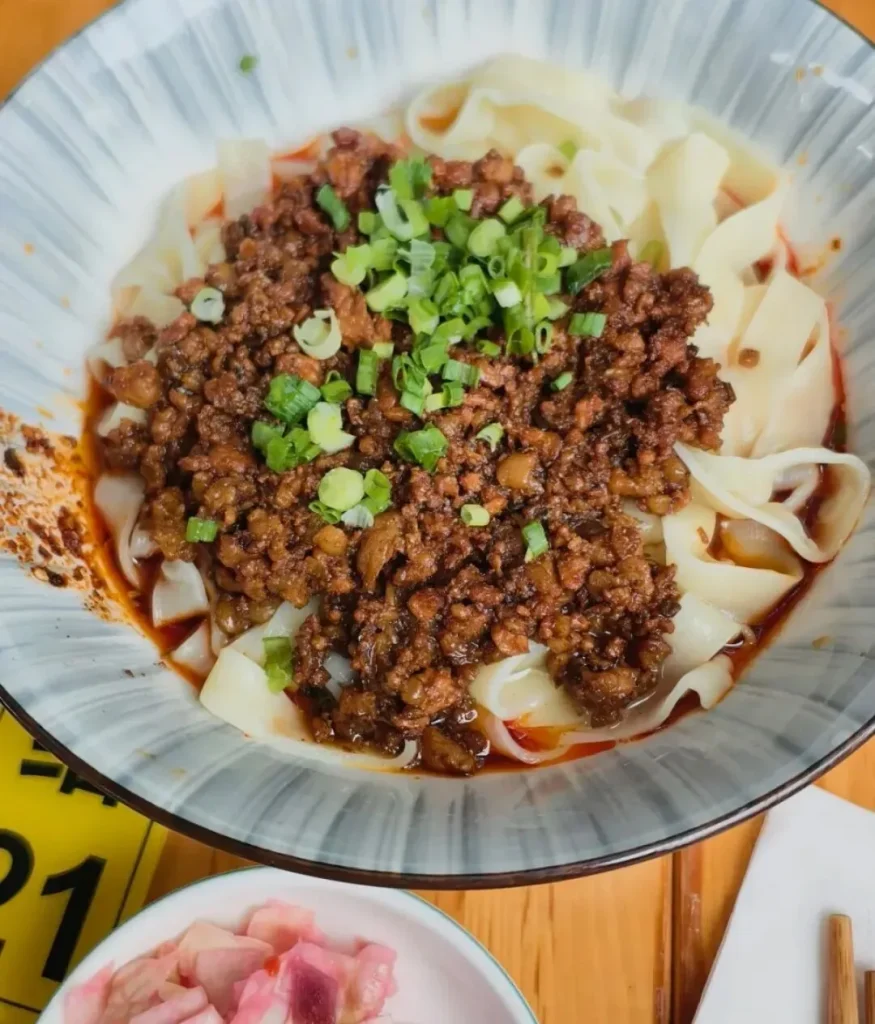
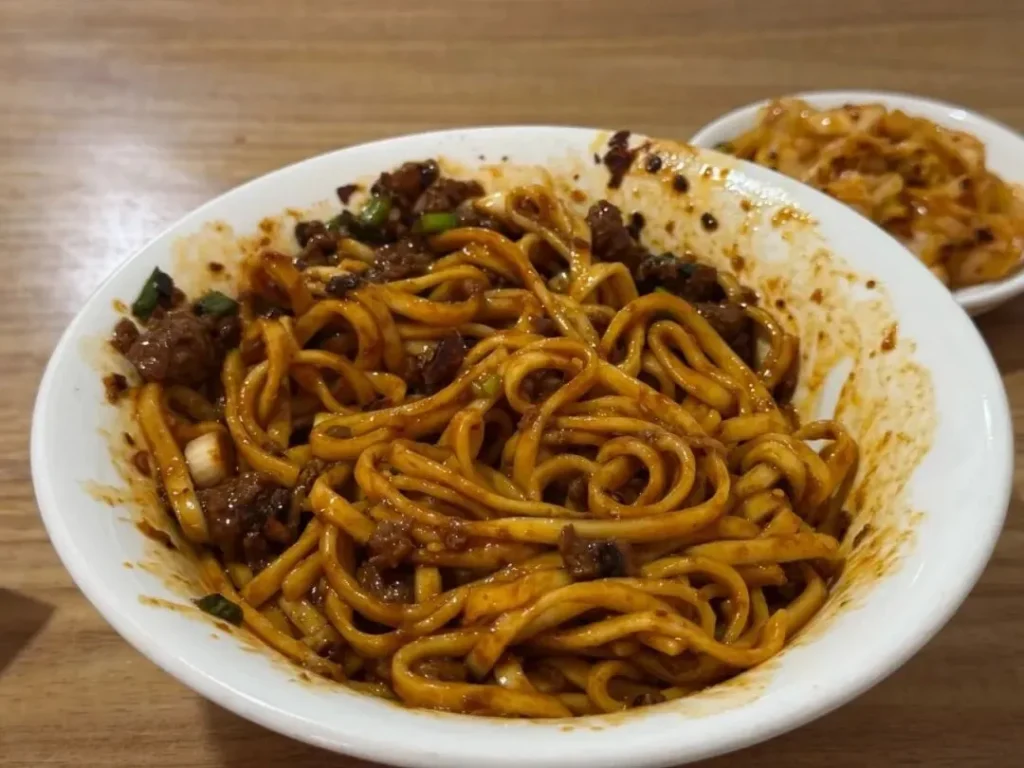
The meat topping is stir-fried fresh every morning using choice front-leg pork with a perfect fat-to-lean ratio. Slowly fried until fragrant and luscious, no extra spices — the flavor comes purely from the meat’s natural sweetness and the soy sauce. That’s the old-school way.
They serve it dry or in soup. The dry version has sauce evenly coating every springy noodle — the more you chew, the deeper the flavor. The red-broth version is rich and warming, especially on a chilly Chengdu day. The noodles are local alkaline noodles, cooked to that perfect point where they’ve absorbed just enough broth.
Weimin Road is lined with old apartment blocks, and this shop basically functions as the neighborhood’s kitchen.
05 | Qiwei Eel Noodle House (其味鳝鱼麵館)
“Old West Gate’s eel and seafood specialists”
📍 Address: No. 7, Yingkang Road (金牛区营康路 7 号)
Signature dishes: Premium eel noodles (一品鳝鱼面), seafood-flavor noodles (海味面)
Along Yingkang Road, right by the Second Ring elevated highway, hides a stash of old West Gate locals’ favorite noodle joints. Tree shade covers the sign, so it’s easy to miss — but the crowds of diners outside tell you everything.
The shop’s been running for nearly a decade. The owner is a born-and-raised old Chengdu local who really knows his noodles. The two signature dishes each have their own camps: spice lovers come for the eel noodles, and those avoiding heat order the seafood noodles.
The eel noodles follow the traditional garlic-braised method — fresh eel cut into pieces daily, braised with loads of garlic, giving a rich red sauce that’s fragrant, spicy, and glossy. The eel is satisfyingly crunchy, not mushy, and the “gun-gun” noodles (棍棍面, thick round noodles) soak up every drop of the broth. Slurping is mandatory.
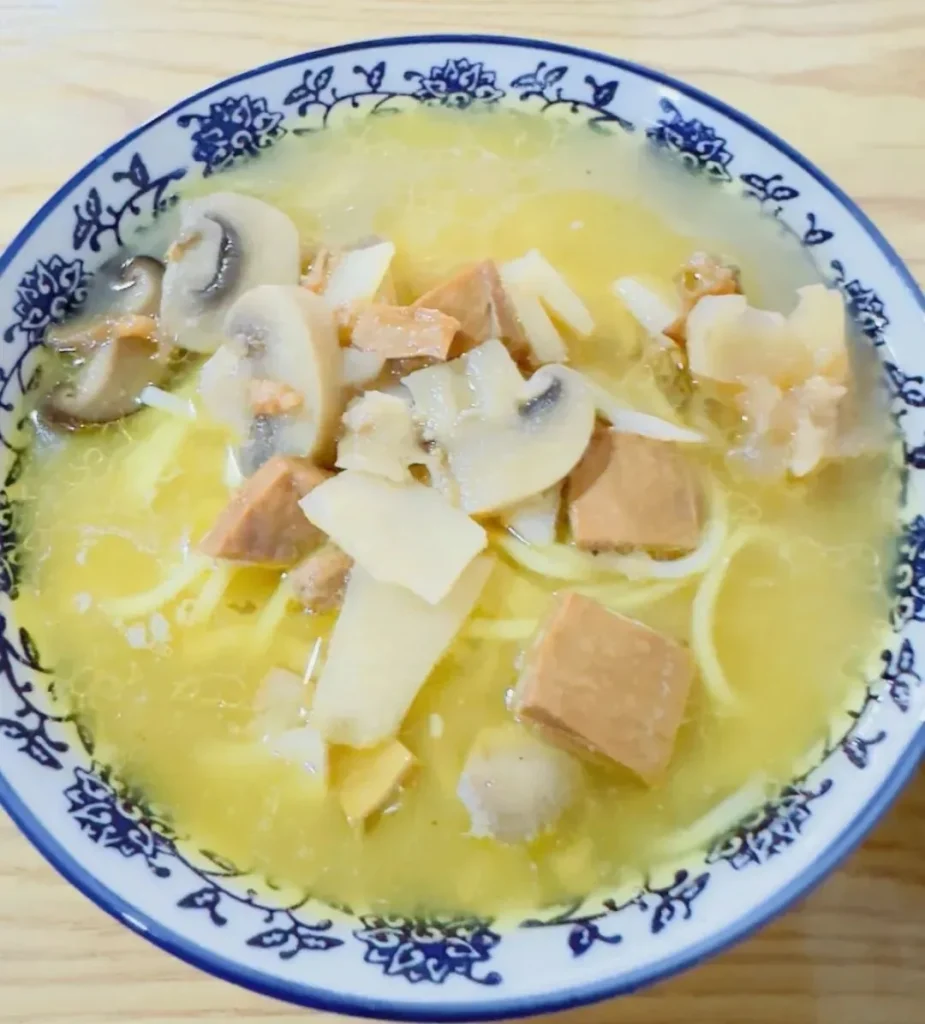
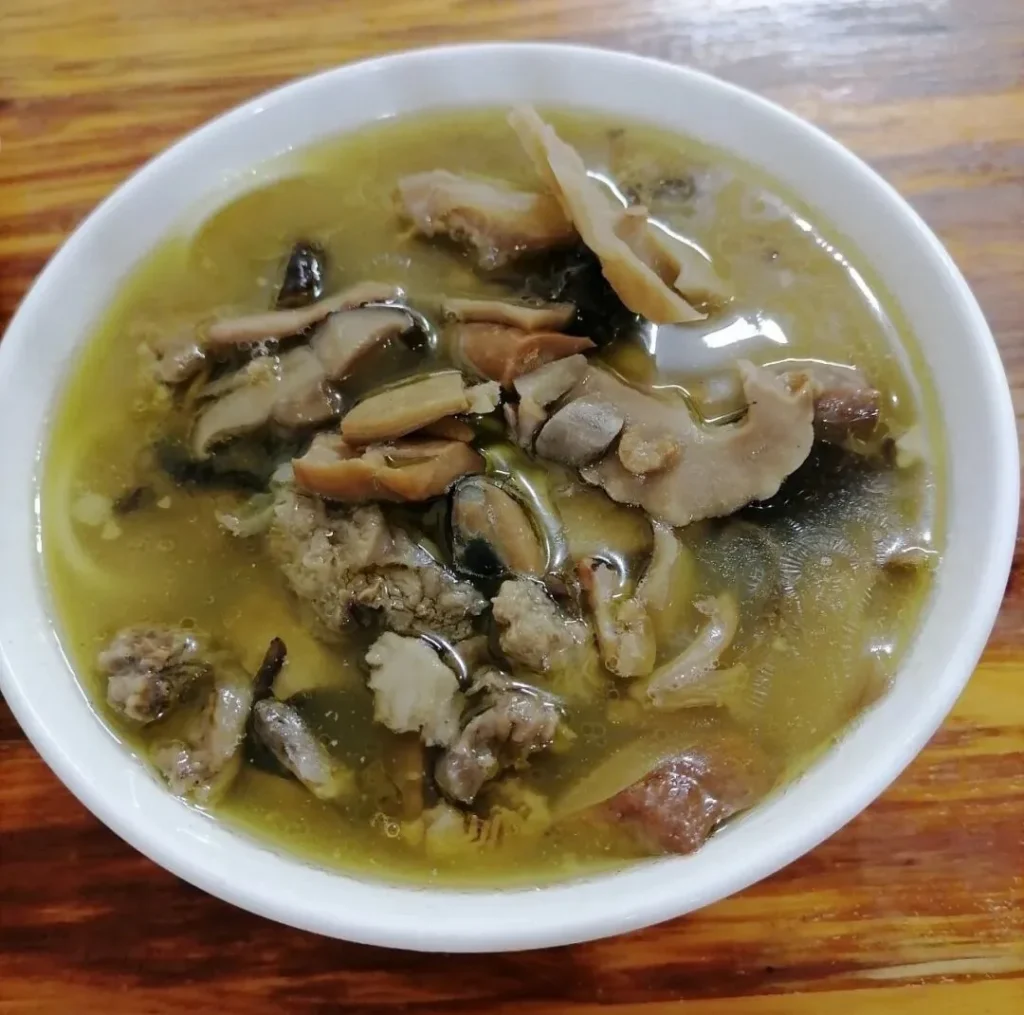
The seafood noodles are a different mood entirely: shiitake mushrooms, dried bamboo shoots, dried squid, mussels, and deboned meat, all slowly simmered in chicken broth until golden and intensely savory. One sip and you’ll understand why the phrase “so fresh your eyebrows fall off” exists.
06 | Changxi Special Noodles (长喜特味面)
“The chef-level noodle shop in Lijiatuo”
📍 Address: No. 4, Shubei Street (金牛区树蓓街 4 号)
Signature dishes: Changxi seafood noodles (长喜海味面), soy-braised beef noodles (酱烧牛肉面)
The Shubei Street area in Lijiatuo is one of the most atmospheric corners of Chengdu’s north gate. And right at the entrance of the lane sits Changxi, which has earned its spot in the north gate noodle scene with its signature “special flavor” zhajiang.
Rumor has it the owner is a retired teji chef (special-grade chef) who gave up a big hotel kitchen for a tiny noodle shop. Hence the name — and the flavor really is different from your average shop.
The menu takes the classic Chengdu sujiao zhajiang and elevates it: a layer of crispy, dry-fried pork crumbles on top, moist savory sauce underneath. Crispy meets silky — the texture does the talking. The noodles are chive-leaf style (韭菜叶子面), medium width with great sauce-holding ability. Once you mix it all together, the aroma of sauce, oil, and crunchy bits of topping intertwine with the numbing-spicy-sweet finish that keeps you coming back for more.
The seafood noodles are worth ordering too — thick, rich broth with generous toppings.
After your bowl, take a stroll through the lane. The old neighborhood is full of greenery, and you can watch residents play chess and chat. This is northern Chengdu’s street life in a nutshell — one bowl of noodles, one lane at a time.
07 | Zhou Ji Yaoyao Seafood Noodles (周记幺幺海味面)
“Wulidun’s quietly excellent neighborhood spot”
📍 Address: Wulidun East Road, next to the southwest gate of Jiuzhaigou Hotel (金牛区五里墩东路,九寨沟饭店西南门旁)
Signature dishes: Seafood noodles (海味面), seafood wontons (海味抄手)
In the old residential blocks along Wulidun East Road, Zhou Ji Yaoyao has been serving noodles for years. No big advertising campaigns — just word of mouth from neighbors, which is how it landed on the Chengdu Top 50 list.
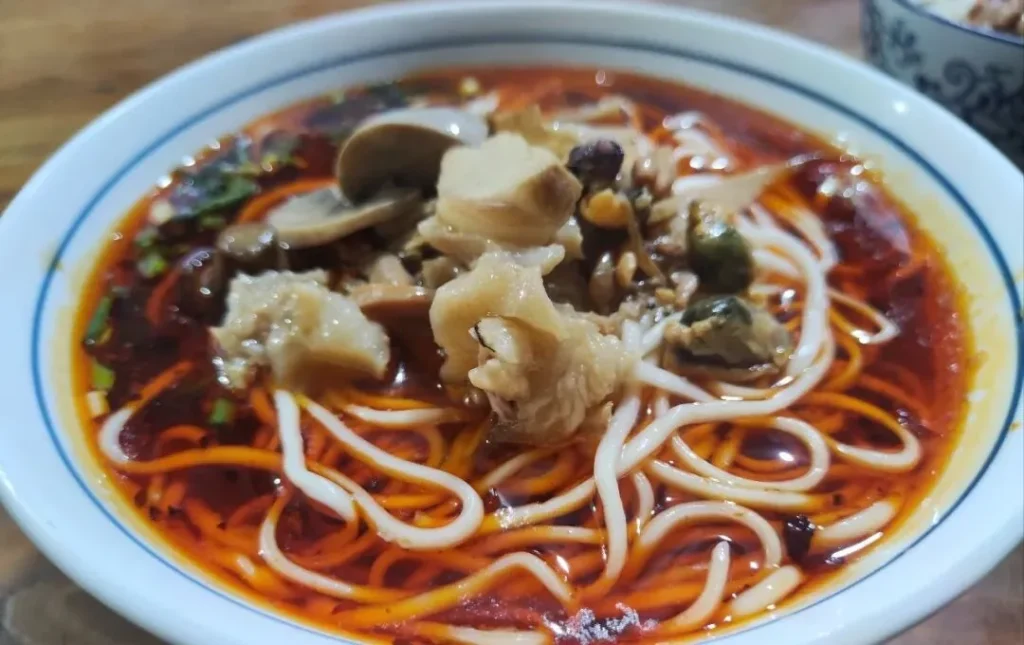
The shop specializes in traditional seafood-flavor noodles. The broth is patiently simmered from squid, mushrooms, mussels, and dried shrimp, then finished with chicken fat for extra richness. The result is a milky white soup that’s deeply savory without being heavy. The thick round noodles soak up all that seafood essence, and the toppings are generous — thick squid pieces, neatly sliced mushrooms. Every bite is satisfying.
The sujiao zhajiang noodles here are also well-loved: minced pork made from fresh front-leg meat, clearly separated grains, rich sauce flavor. You can choose wide or thin noodles, and the spiciness level hits that sweet spot — numbing and aromatic without being harsh. Pair it with a plate of pickles, and you’ve got the most classic Chengdu combo.
The dining room is small and filled mostly with local regulars. At lunch, people bustle in and out, the boss greeting customers like old friends. For this neighborhood, it’s not “internet famous” — it’s just the most comforting bowl of warmth in daily life.
A Bowl of Noodles, A City’s Warmth
Seven shops scattered across seven streets and alleys of Jinniu District. Some carry a century of memory, some have witnessed their neighborhoods change; some hide stories of the old rivers and lakes of Chengdu’s food scene, others simply guard the warmth of home cooking. What they share: they’re rooted in their communities, serving their neighbors, catching the city’s early mornings and late nights with one steaming bowl at a time.
If you’re planning a broader Chengdu food adventure, don’t miss our guide to 16 must-try Chengdu street foods for more local favorites. And for a deeper dive into the city’s culinary heritage, check out our guide to time-honored restaurants.
Plan your own noodle crawl around these 7 spots — and if you’ve discovered your own Jinniu favorite, we’d love to hear about it in the comments.
Images via the internet