A 1,400-Year-Old Temple 30 Minutes from Chengdu: 5 RMB Entry, 10 RMB Vegetarian Lunch
Five yuan gets you through the gate. Ten yuan gets you a full vegetarian meal. That’s not a typo — and it’s only about 30 minutes from downtown Chengdu.
This is Baoguang Temple (宝光寺) in Xindu District, and it’s the kind of place where you can spend a whole day for less than the price of a coffee back home. Here’s everything you need to know.
Getting There & First Impressions
From the street, you cross a tree-lined square before reaching the mountain gate — the temple sits just behind the trees.
The stone pillars are from the Qing Dynasty — over 400 of them, said to have been shipped in by water from Jintang. They’re so thick it takes two people to wrap their arms around one.
Address: 81 Baoguang Street, Xindu District (新都区宝光街81号宝光寺). About 30 minutes from Chengdu. Entry is 5 RMB.
By public transport: Take Metro Line 3 to Zhonglou Station (钟楼站), Exit C, then ride a bike for 10 minutes. Or take Xindu buses K1 or K2 to Baoguang Temple Station (宝光寺站) and walk 2 minutes.
The Leaning Relic Pagoda
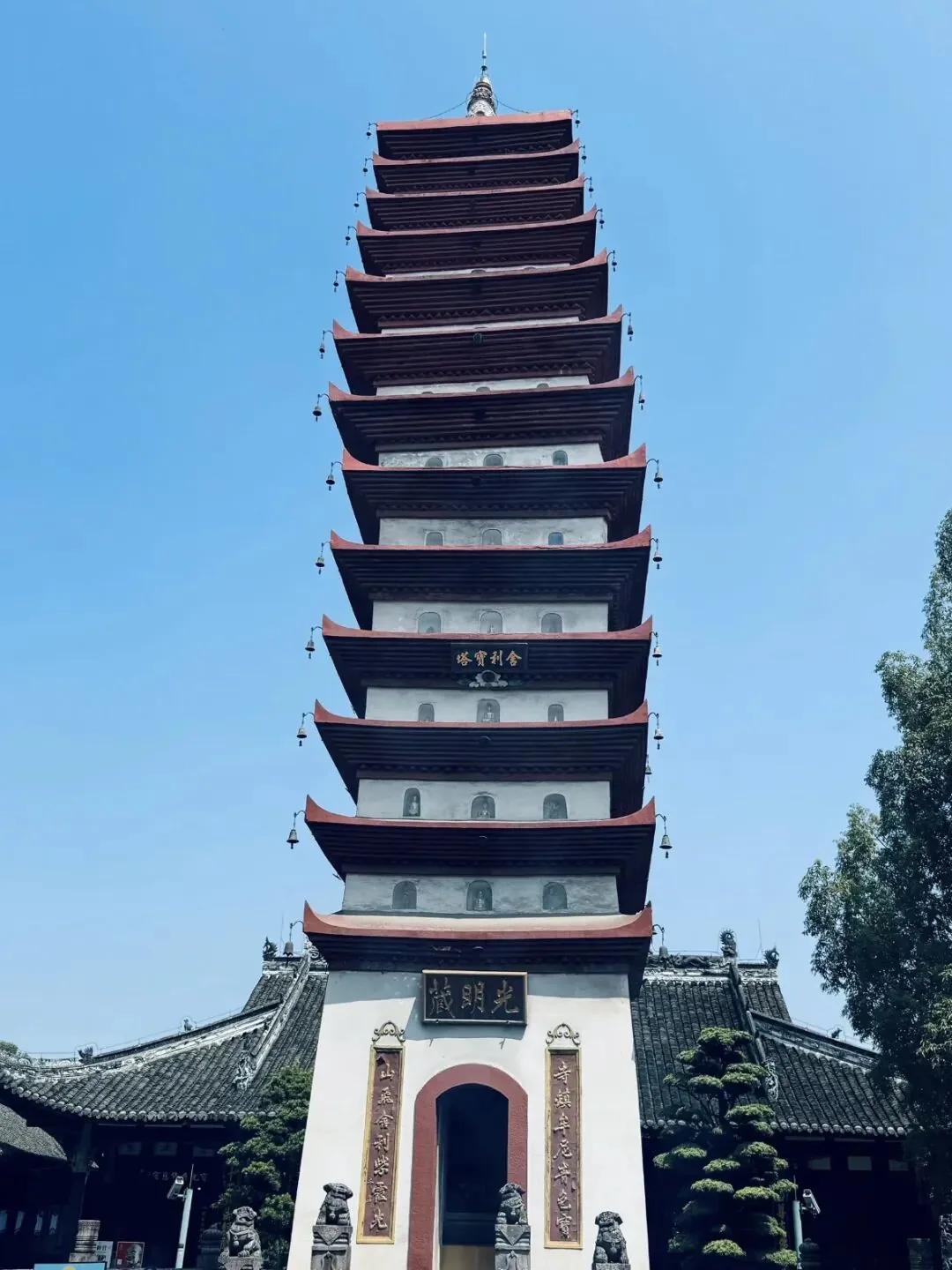
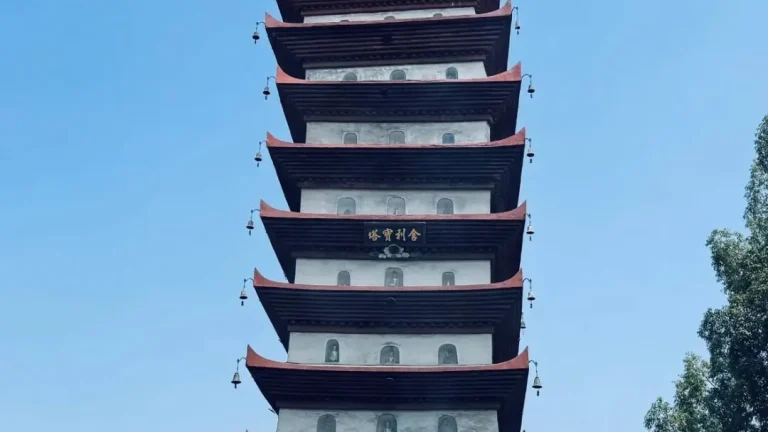
The stupa stands at the center of the temple. Red eaves, white walls, thirteen stories — each side of every story has a Buddha image set into it, and bronze bells hang from the four corners. When the wind blows, the bells ring, very softly. The tower starts leaning westward from the sixth story up. Standing at the base looking up, it feels like it might topple over on you.
The founding master was Master Wuda (悟达国师) of the Tang Dynasty. For over a thousand years, incense has never stopped burning at the base of this pagoda. It predates Italy’s Leaning Tower of Pisa by more than 400 years.
The Arhat Hall: 577 Faces, One Yours
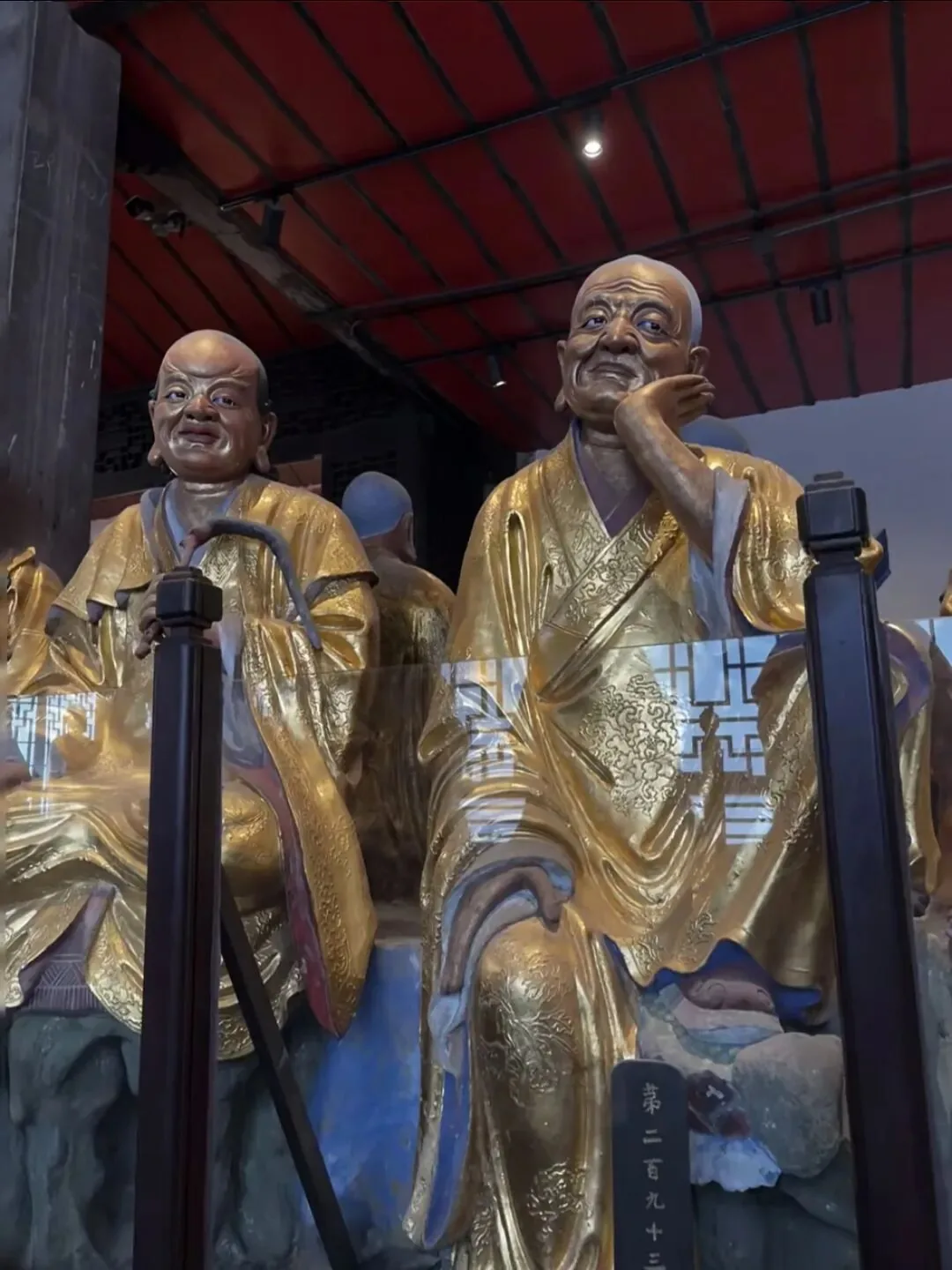
The Arhat Hall (罗汉堂) is to the right of the pagoda. Built in the first year of the Xianfeng Emperor’s reign (1851), it’s a maze of passages inside. There are 577 painted clay sculptures, each about two meters tall. Some arhats rest their chins on their hands, some laugh, some look worried, and others scratch an itch or pick their ears.
Sichuan sculptor Li Guangxiu (黎广修) and his apprentices spent nine years on them. He was originally a scholar — he’d sat the imperial exams and studied at the Imperial College — but he secretly left the capital and went home to learn clay sculpture from his father. When he worked, he’d watch people on the street first, studying their expressions and postures, then sketch them and work them into the clay. That’s why the figures in the Arhat Hall don’t look like gods — they look like people.
I stood in front of one arhat for a while. It had its head tilted, holding a wine pot, like it was waiting for someone.
The hall was busy, but strangely, not loud. Everyone was counting arhats.
How to Count Arhats (and Get Your Reading)
Here’s how it works: after entering, men start from the left and women from the right. Pick a starting point, close your eyes, and choose any arhat that catches your eye. Then count downward (or backward — either direction works) according to your nominal age (虚岁). The arhat that matches your age is yours. Remember its number, go outside, and pay 10 RMB for an arhat card. If you want a reading, pay another 30 RMB and a monk will explain it to you slowly.
Local insight: All 577 arhats are watching you. The one you count to is yours.
The Release Pond & Hidden Treasures
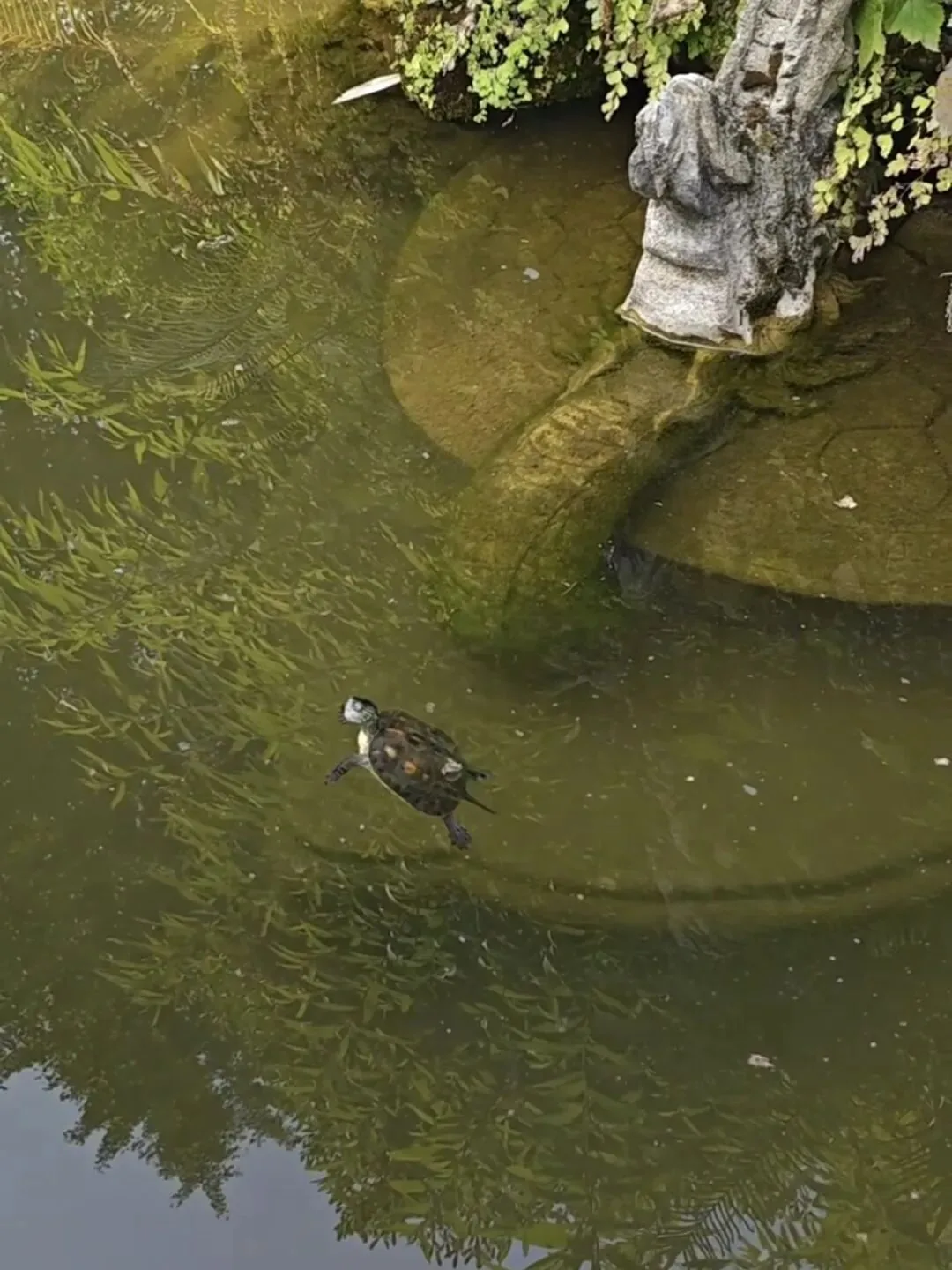
The temple has a release pond (放生池). Autumn sunlight falls, and turtles bask on the rocks. One big one, its shell covered in moss, doesn’t move at all. A smaller one nearby occasionally pokes its head out, then pulls it back. The water ripples — just the wind.
The temple also has a cultural relics gallery with three temple treasures: Buddha relics, palm-leaf scriptures, and a gold-and-silver written copy of the Avatamsaka Sutra. There are also Zhang Daqian’s “Water-Moon Guanyin” and Xu Beihong’s “Standing Horse.” Entry is 30 RMB, optional.
A temple quietly holding so many treasures — without making a fuss about it.
The 10 RMB Vegetarian Meal That Tastes Like Meat
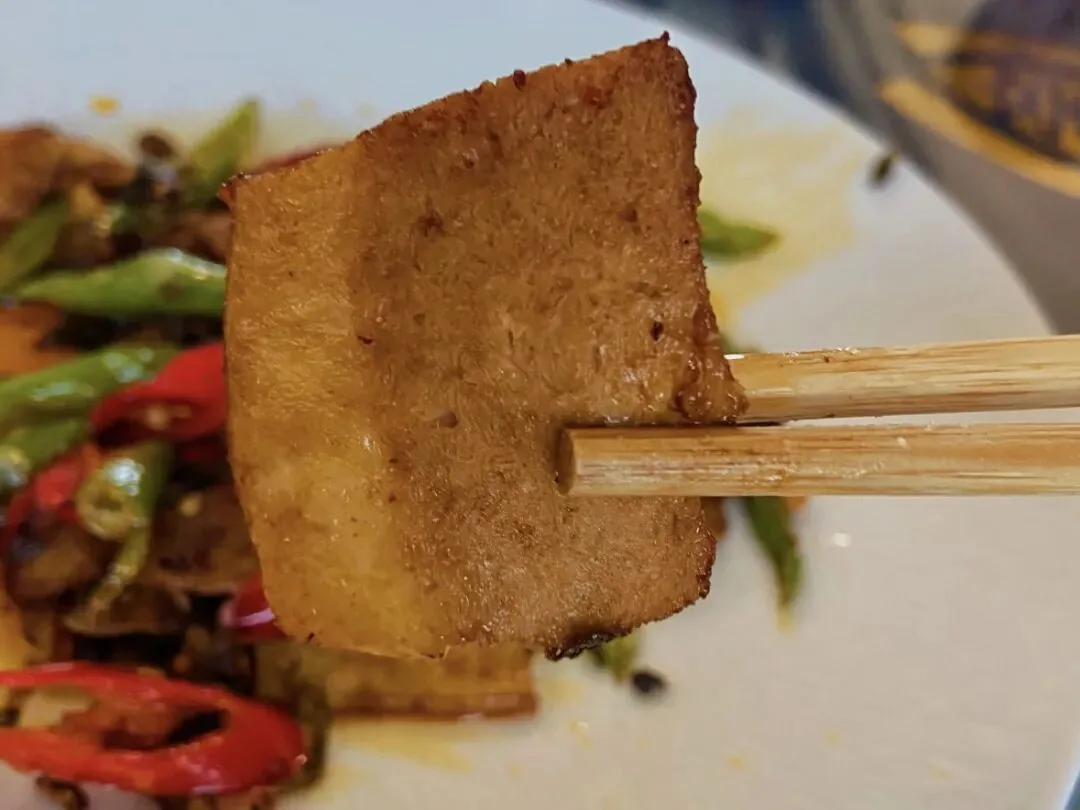
The dining hall is to the right of the pagoda, called “Shangyuan Vegetarian Restaurant” (尚缘素斋餐厅).
10 RMB for a meal. There’s also a 33 RMB buffet — if you clean your plate, you get 5 RMB back, so you pay 28.
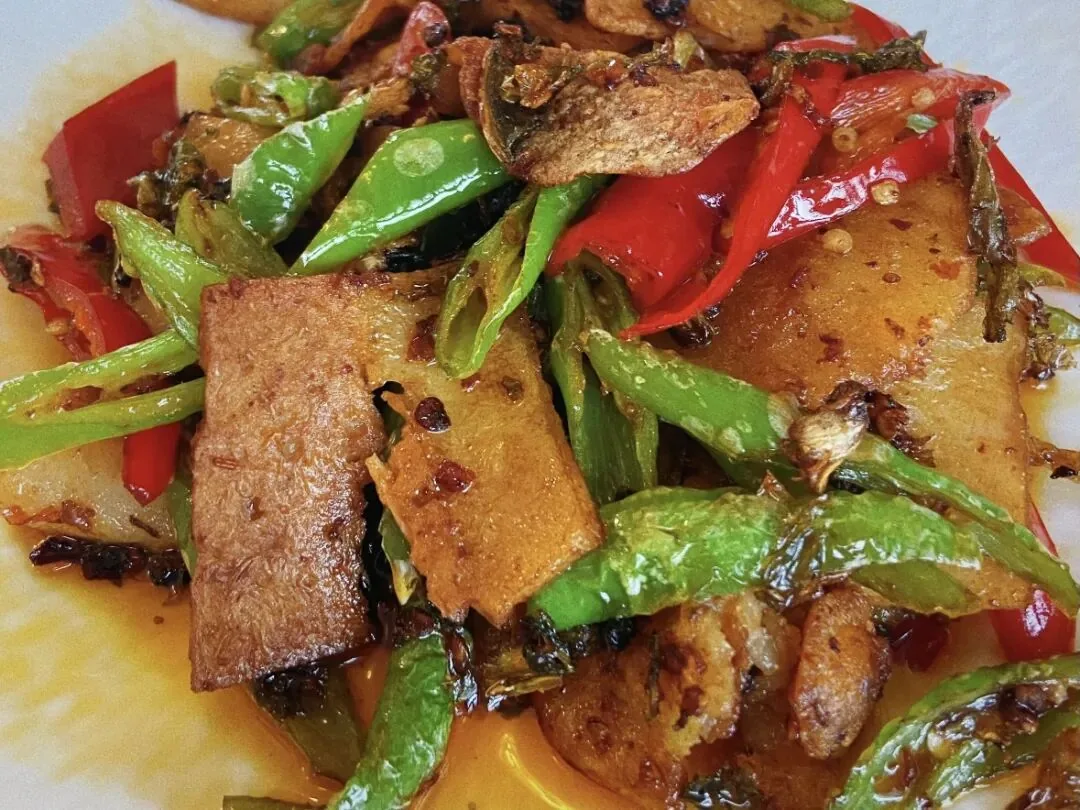
“Vegetarian dishes cooked like meat, vegetarian dishes shaped like meat” — the “wonderful twice-cooked pork” (妙回锅) is made from tofu products shaped like pork belly, seared and flavorful. Bite into it and a rich, oily sensation melts in your mouth. If no one told me it was vegetarian, I’d probably think I was eating real twice-cooked pork. There’s also vegetarian fish-fragrant eggplant and vegetarian roast goose. It’s all vegetarian, yet it tastes meaty. When you lift it with your chopsticks, you’ll pause for a second.
After eating, you wash your own bowl. The taps are in the courtyard. The autumn water is already a bit cold.
10 RMB gets you vegetables, soup, and rice.
Pro tip: The meal starts at 11:30. Arrive hungry — and don’t forget to wash your bowl.
Staying Overnight & Spending a Full Day
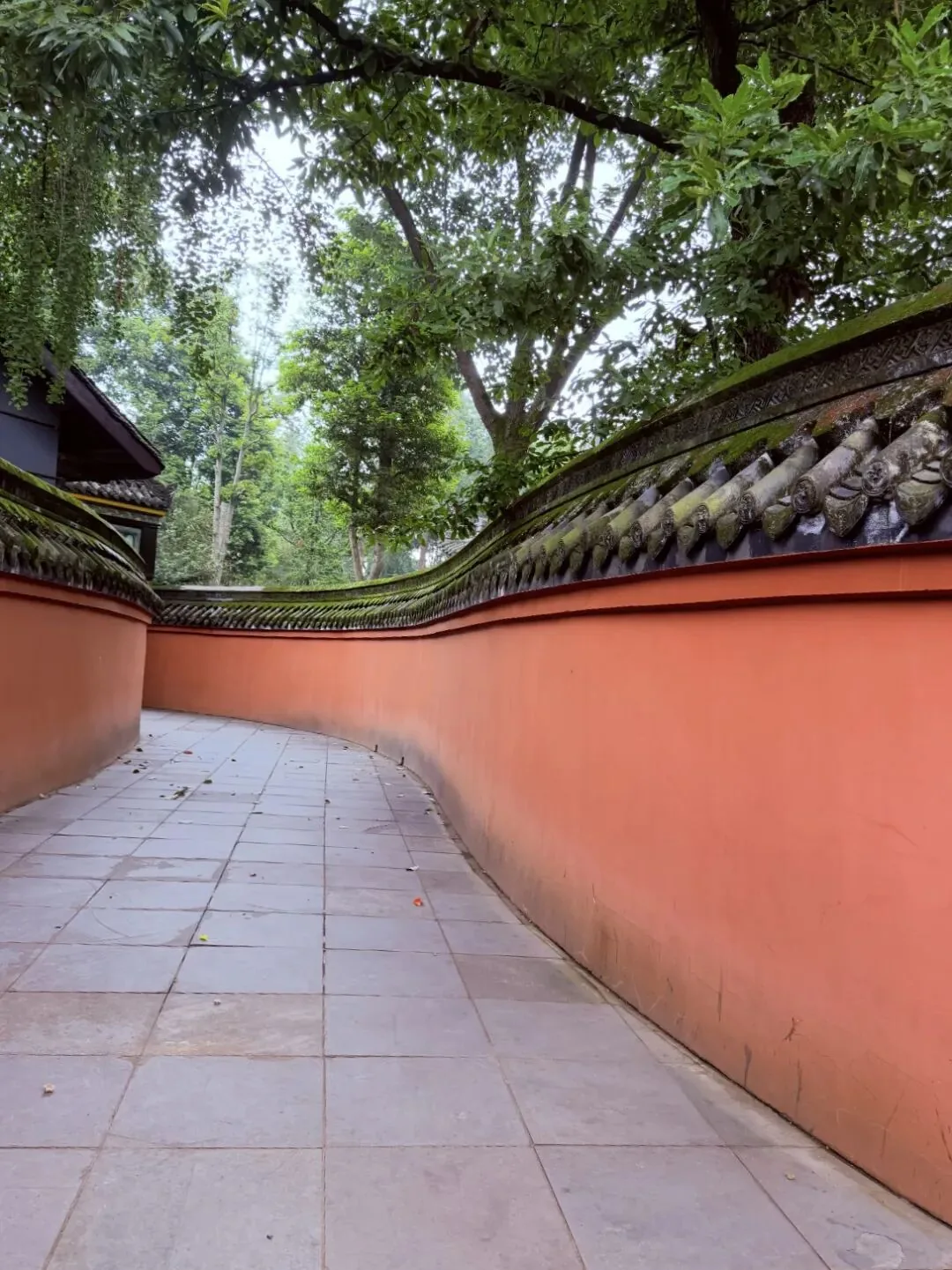
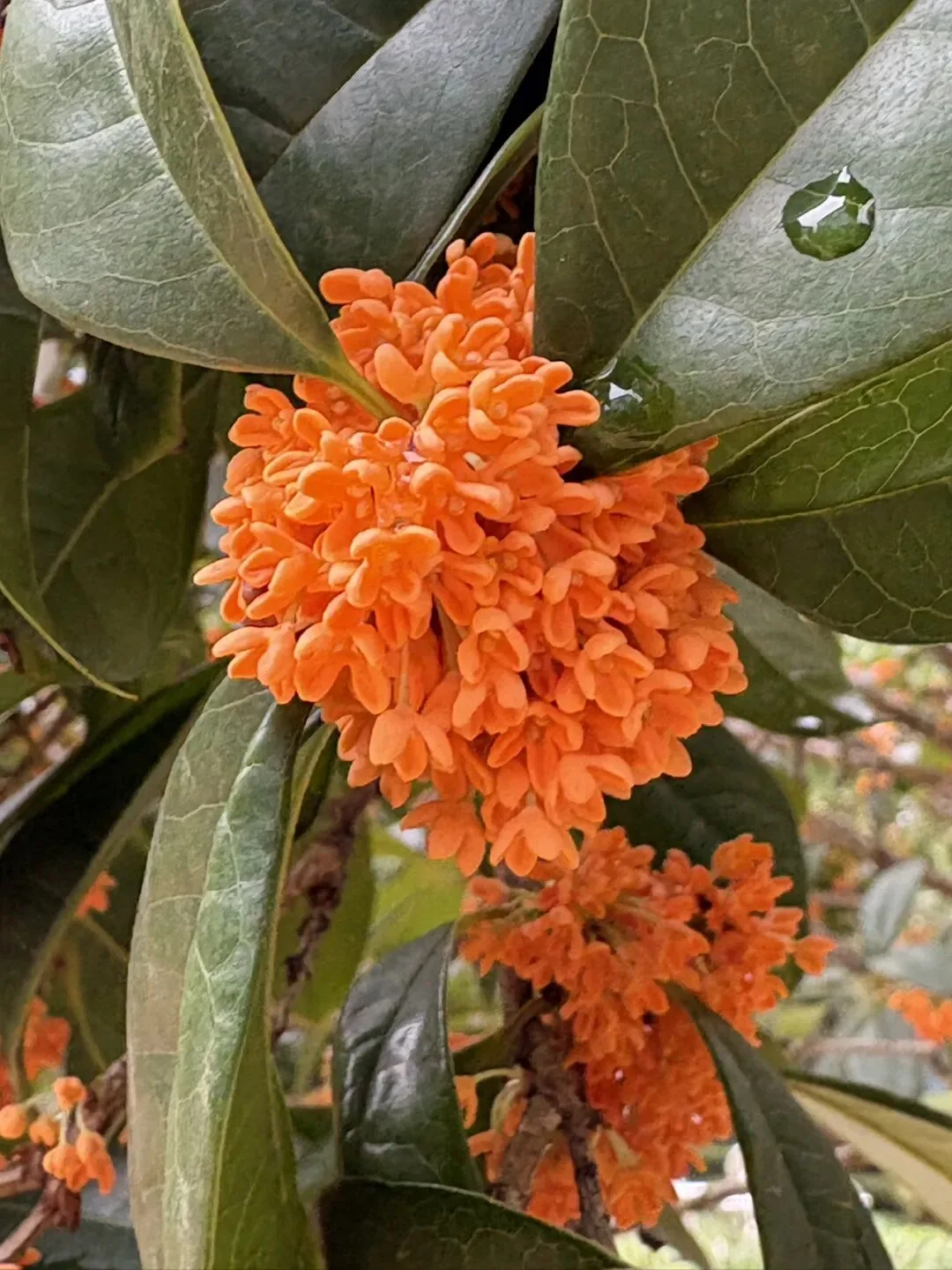
After lunch, you can walk around the temple or stay the night. The temple offers accommodation. In the morning, the bell wakes you up.
In the morning, go count arhats in the Arhat Hall. Or sit in Zixia Academy (紫霞书院) — they hold lay Buddhist study sessions every weekend. The Baoguang Guqin Academy is also inside the temple.
At noon, another 10 RMB vegetarian meal: greens, tofu, rice, soup.
In the afternoon, sit under the eaves. The autumn wind blows from the release pond, carrying a little moisture and a little osmanthus fragrance. Or walk along the red walls and bamboo shadows. Outside the Arhat Hall, red walls pair with grey tiles and bamboo shadows. Wait until November, when the ginkgo turns yellow — then the red walls are covered in gold leaves.
The temple also has osmanthus. In October, the flowers haven’t all fallen yet. The scent of golden and orange osmanthus comes in waves.
In the evening, walk around the temple gate. Xindu’s autumn sky is high and clear. In the distance, there are trees, field ridges, and scattered houses.
The Teahouse at the Gate
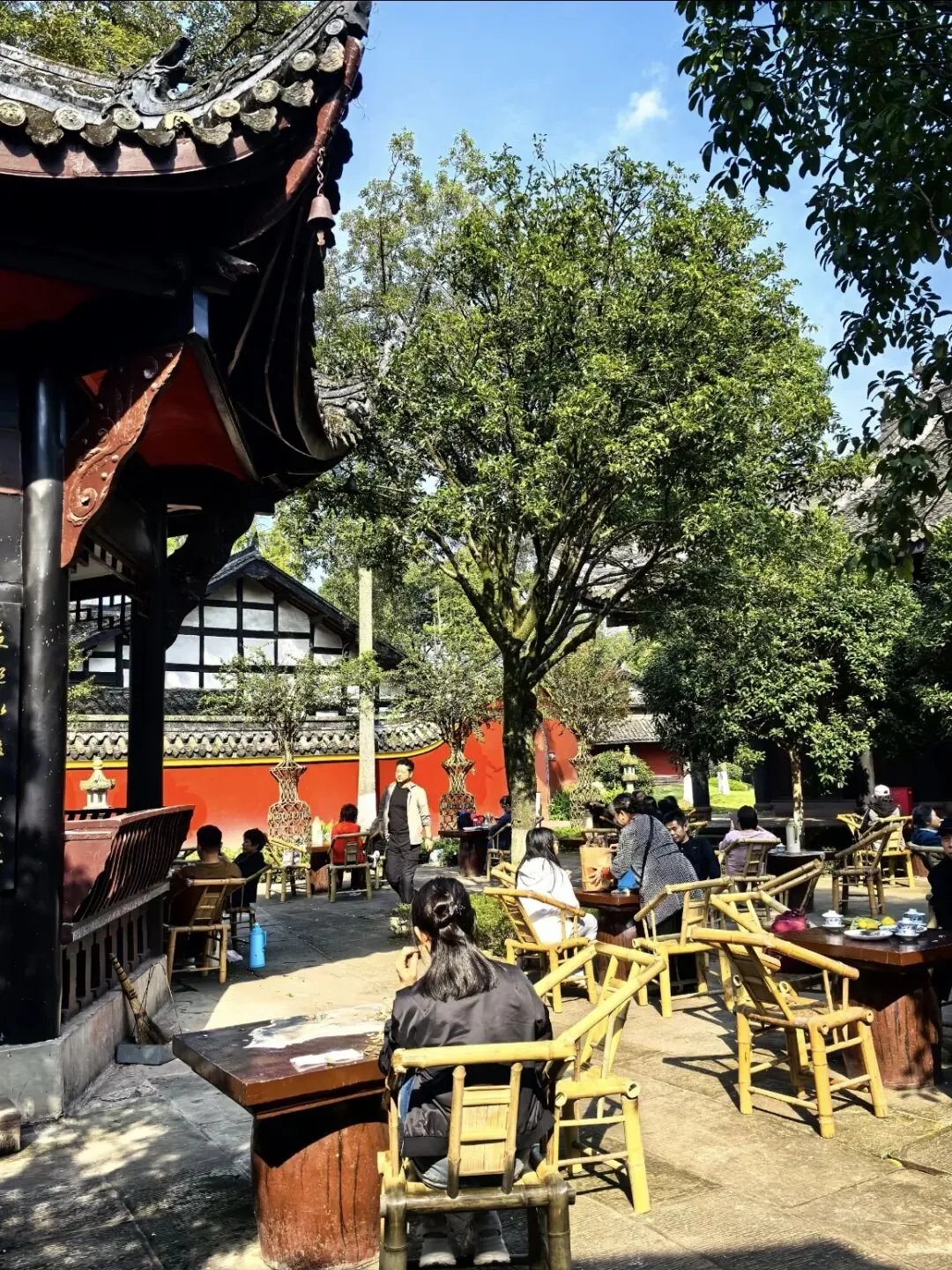
There’s a teahouse at the temple gate. Bamboo chairs are set out under old trees. A covered-bowl tea arrives — the leaves smell fresh, the water is sweet. 15 RMB per cup. When the tea cools, they top it up. The pagoda is right next to you; when the wind blows, the bells ring again. Local grandpas can sit over one cup all afternoon, chatting, and no one hurries you to leave.
Local insight: The red walls and bamboo shadows outside the Arhat Hall are best photographed at 9:00 AM or 4:00 PM. The temple is a quiet place — please keep your voice down.
Suggested Route
Mountain Gate → Blessing Screen Wall → Heavenly King Hall → Relic Pagoda → Tiantai Scenic Spot → Arhat Hall → Seven Buddha Hall → Shangyuan Vegetarian Restaurant → Red Wall Photo Spot → Exit.
The whole route takes 1–2 hours; a deeper visit takes 2–3 hours.
Final Thoughts
In the Arhat Hall, someone counts to their arhat and stares at it for a long time. In the dining hall, someone squats in the courtyard washing their bowl, water splashing. By the release pond, that turtle is still on its rock. In the teahouse, the covered-bowl tea has been refilled for the third time, and the bells ring once more.
The pagoda has leaned for over a thousand years; the arhats have watched for 170. Whenever you go, it’s not too late.