Chengdu’s Top 3 Pork Rib Noodle Shops (2.0)
Getting braces and gnawing on pork ribs on the same day? That’s dedication. Today’s editor: Yu Fei.
Somewhere along the way, pork rib noodles (排骨面) started disappearing from Chengdu’s noodle scene, swept away by red oil and numbing-spicy flavors. These days, the shops still making them are mostly run by nostalgic folks — old stoves, old recipes, old tempers. They’re not chasing trends or trying to wow anyone; they’re just keeping their regulars happy.
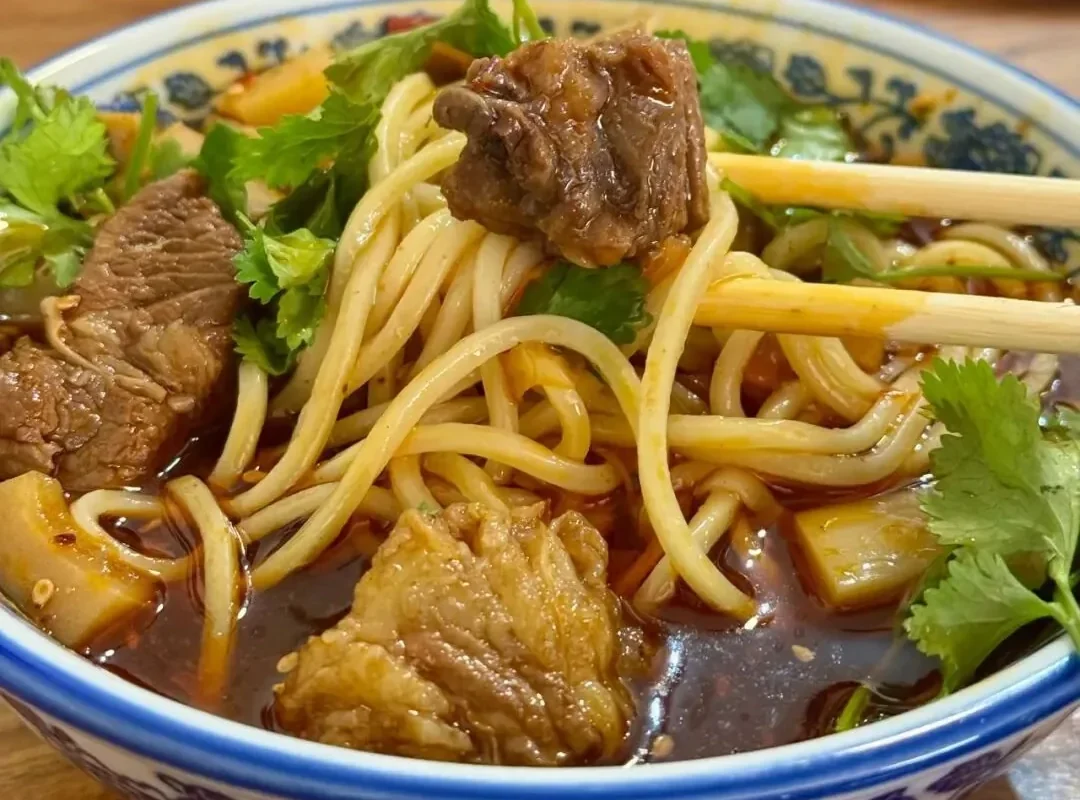
A great bowl of Chengdu pork rib noodles is always old-school and traditional: rich oil, deep broth, savory with a touch of heat. The ribs — cut to about mahjong-tile size — are braised until the meat falls off the bone, tender and loose, the sauce color soaked all the way through. One slurp and the bone slips right out.
A bite of meat, a slurp of noodles — the pork aroma wraps around the wheaty noodles, the spice carries a gentle sweetness back. It’s the kind of meal that leaves you feeling grounded and grateful.
This time, we’re continuing our hunt for Chengdu’s pork rib noodles, hoping to bring this single dish back into the mainstream.
Yanyan Pork Rib Noodles (炎炎排骨面)
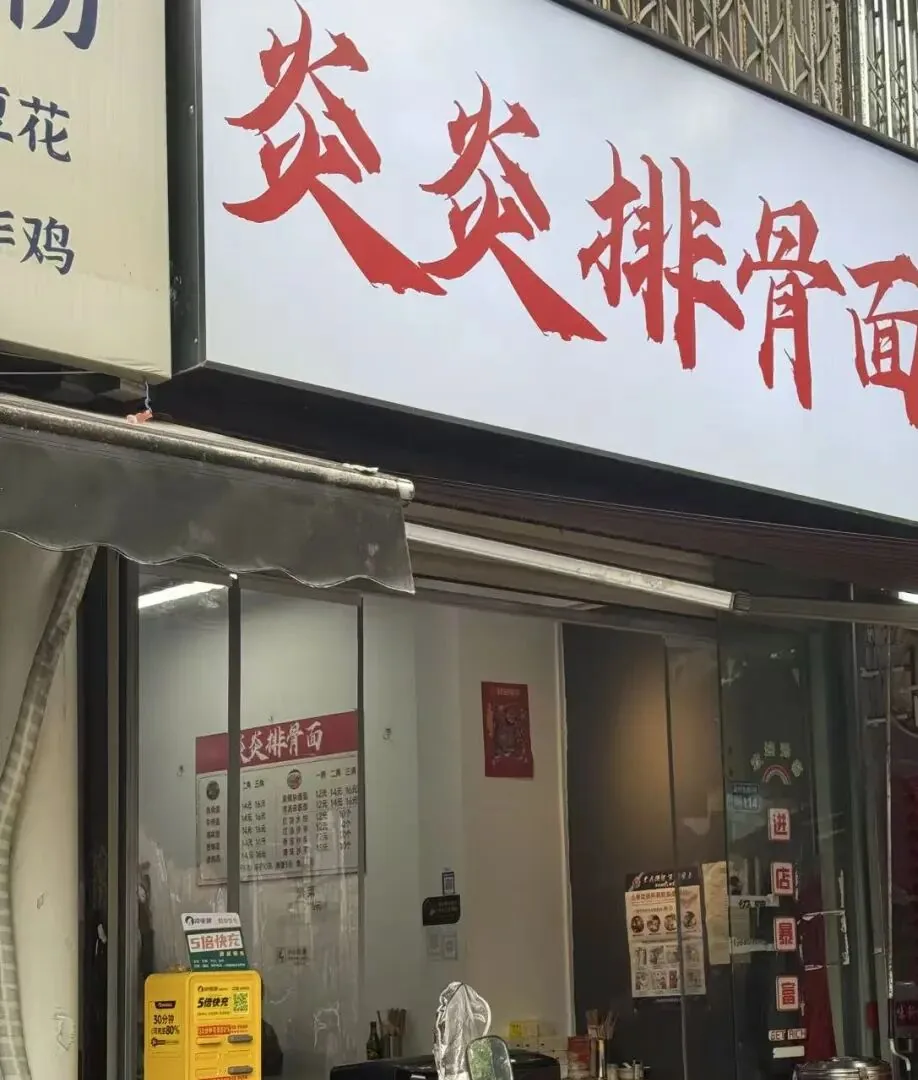
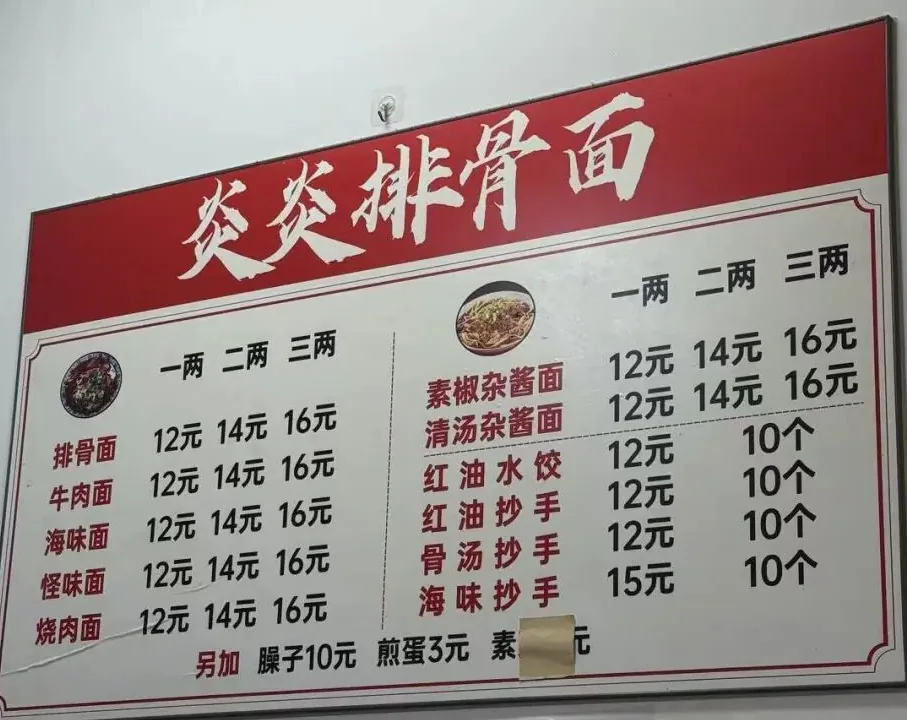
Address: No. 2, Chenghui East Road, Jinxiang Garden Phase 2, Unit 114 (金象花园2期晨辉东路2号付114号)
Pork rib noodles are hard to find, and anyone bold enough to put them on the signboard as a specialty usually has some pedigree.
Yanyan Pork Rib Noodles is a rising star. In a scene full of flashy, trendy spots, they’ve chosen to go back to the traditional route, opening strong with a bowl of rich, mellow pork rib noodles.
The owner says:
- They trained under Yuanyuan Xiaochi (源源小吃)
- They sell 40–50 jin of pork ribs a day
- They have another location nearby in Dongguang
- Though not an old shop, they have plenty of customers — and everyone who comes orders the pork rib noodles
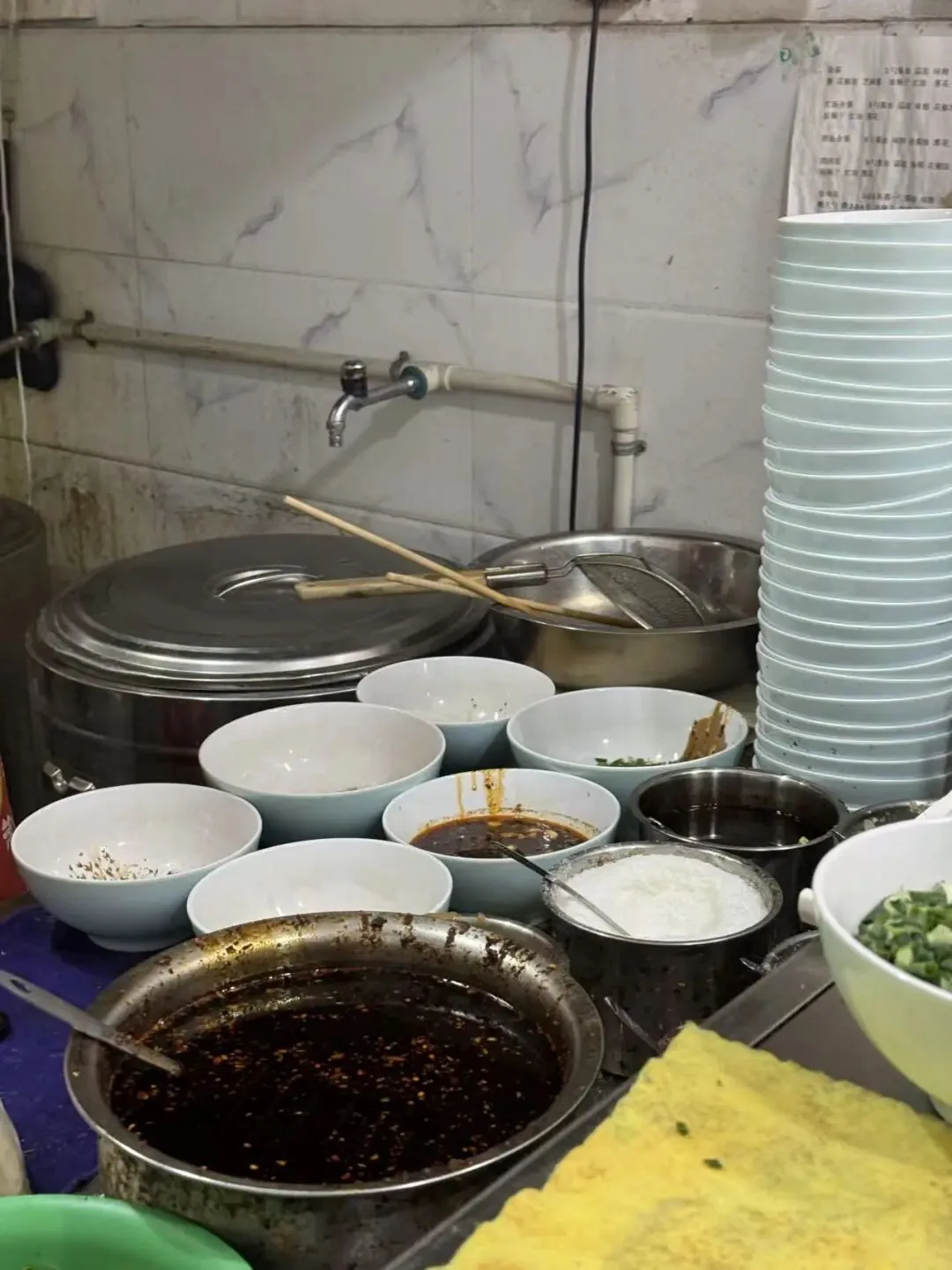
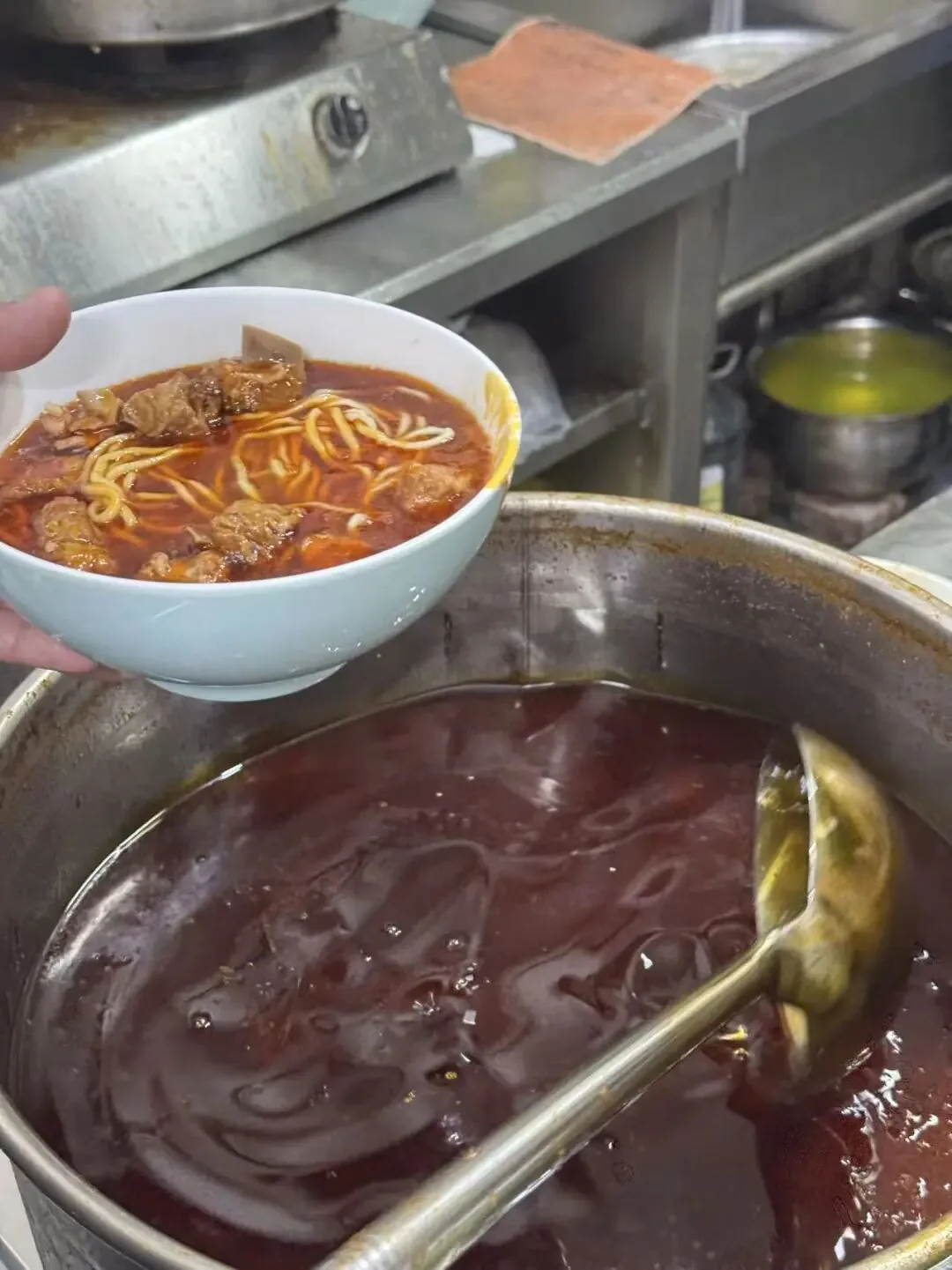
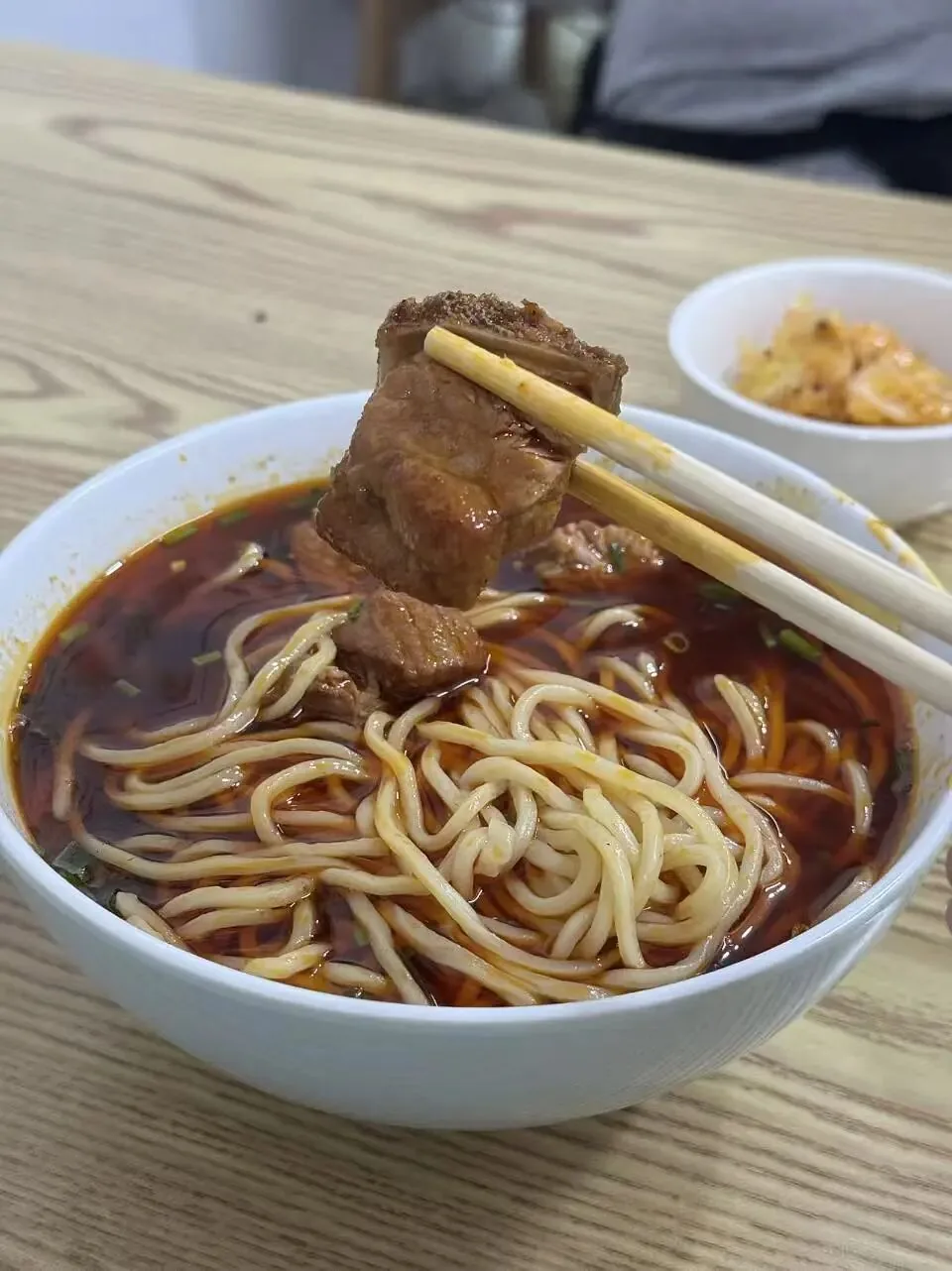
The ribs are braised fresh daily. The biggest pot on the counter is the rib pot — the broth is so thick you can’t see what’s inside. One ladle down, and the clean, neat ribs float to the surface.
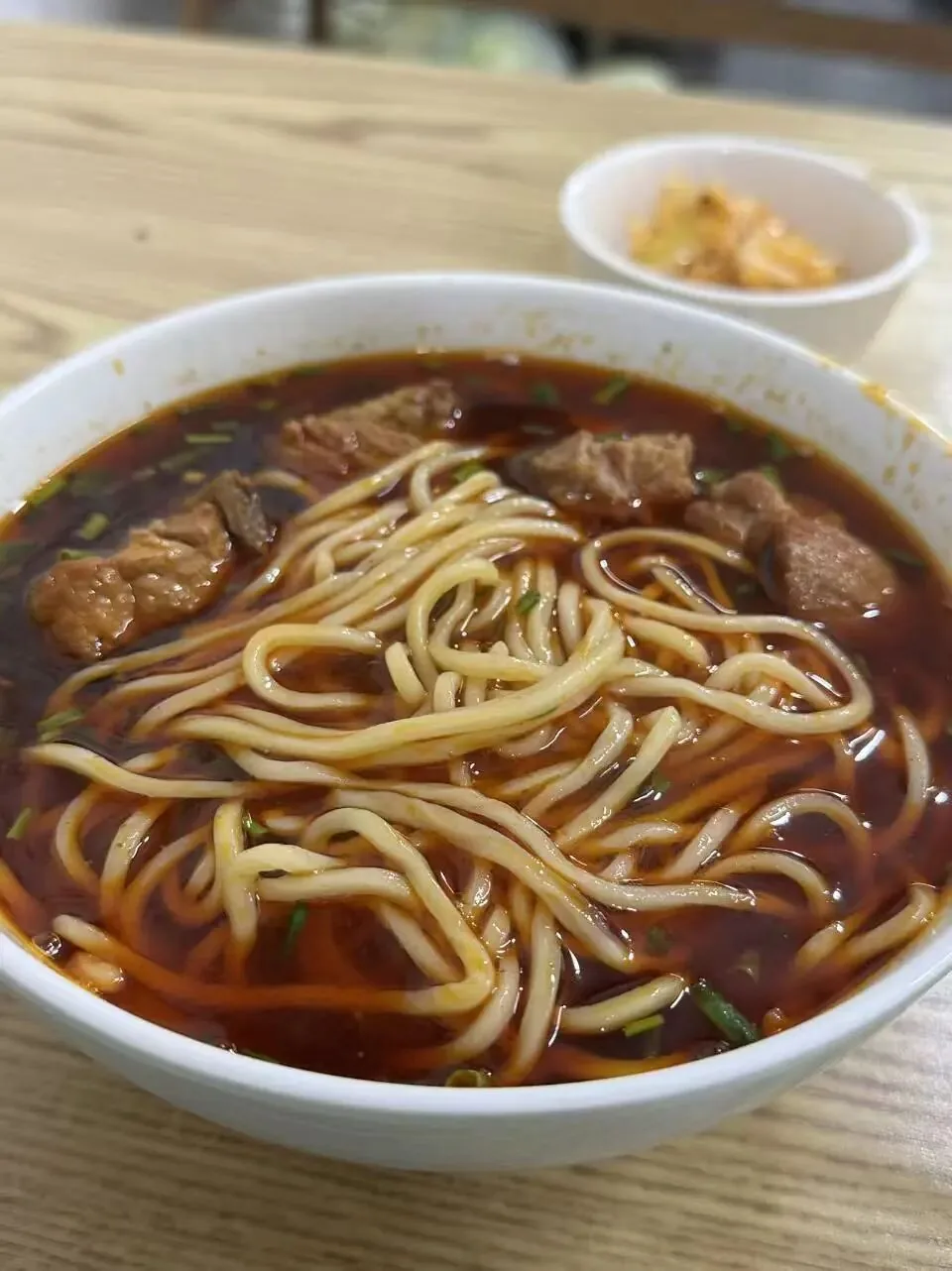
The portions are generous: a 2-liang bowl comes with 4–5 chunks of ribs. The edges of the ribs are clear, the meat plump and succulent.
When it arrives, there’s not much steam rising — it looks calm and steady. But once you stir it and take a bite, the heat catches up. There are no vegetables by default, just pure broth.
Pro tip: The style is similar to Yuanyuan Xiaochi — big flavors, heavy oil, straight pork rib broth. The taste is home-style braised, with a strong doubanjiang (fermented bean paste) note, and everything tastes fresh.
The noodles are gun gun mian (棍棍面) — chewy, on the firmer side, but they pair perfectly with the ribs. You gnaw and chew at the same time.
The ribs are “lip-press” tender — braised so soft they fall apart as soon as they hit your teeth. Some people come specifically for the ribs and order an extra portion of topping, wanting to eat their fill and gnaw to their heart’s content.
Local insight: There’s a hidden order we overheard: “2 liang su jiao (素椒), drizzle half a ladle of pork rib broth over it.”
Haoshi Noodles (昊食面)
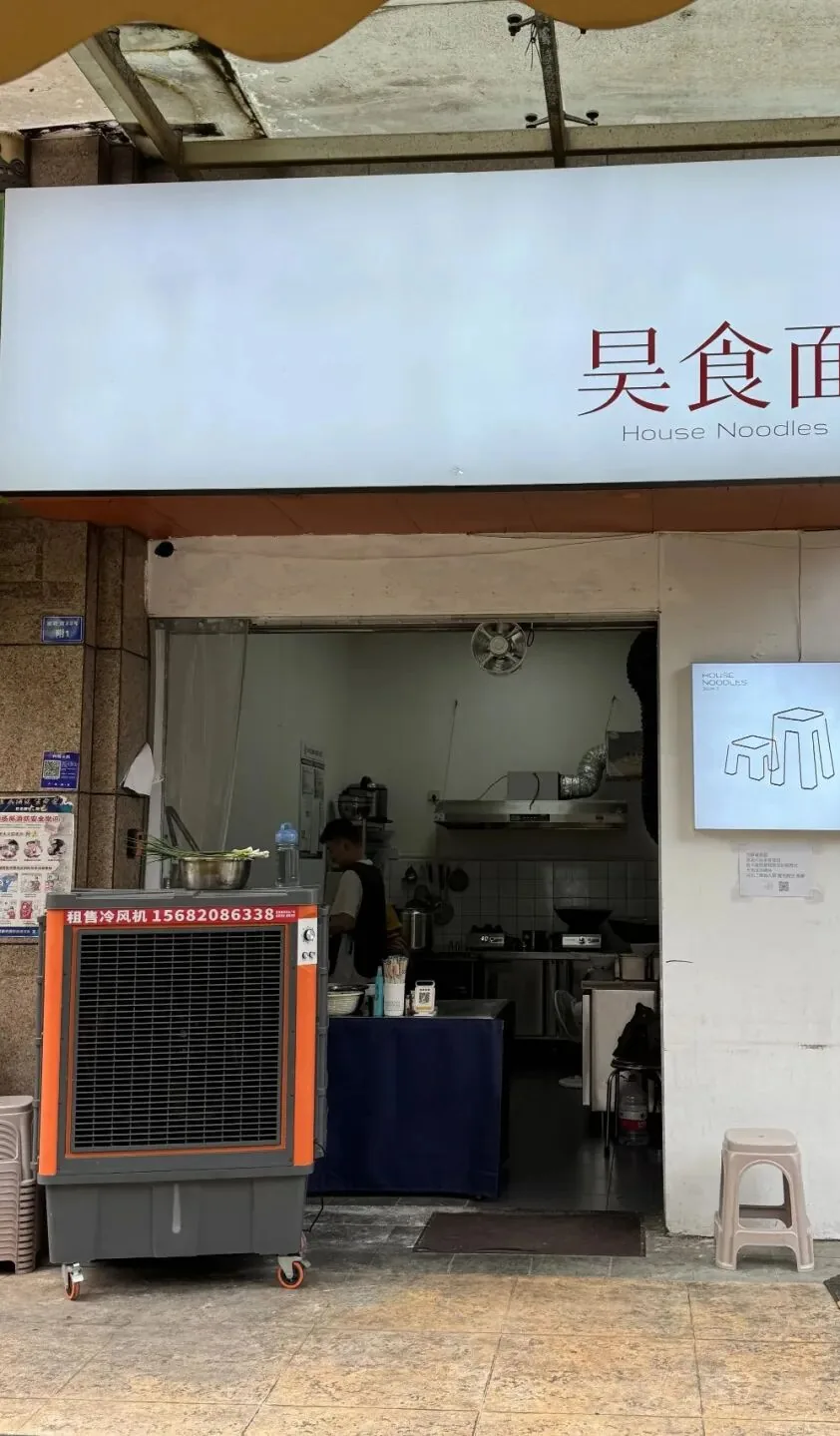
Address: No. 33, Qionghua Street, Sansheng Subdistrict, Unit 1 (三圣街道琼花街33号附1号)
We actually made the trip for this bowl because we were drawn in by the storefront. White background, simple lines — not an outward, expansive style, but a restrained atmosphere. Looking inside, it’s clean and organized; you feel you can wait for your noodles in peace.
This one’s in Sansheng Township. The signature is pork rib noodles, run by a young guy. It’s not a flashy, internet-famous style — it’s a gentle, down-to-earth approach.
Because of hot weather and rain, the owner’s opening hours are irregular, so definitely call before you go:
“We’re open, we’re open!”
“Still have pork rib noodles? Save me a bowl.”
“Plenty left, come quick!”
It took a while for the owner to pick up — when he did, it was rushed and hectic. Good business during meal times.
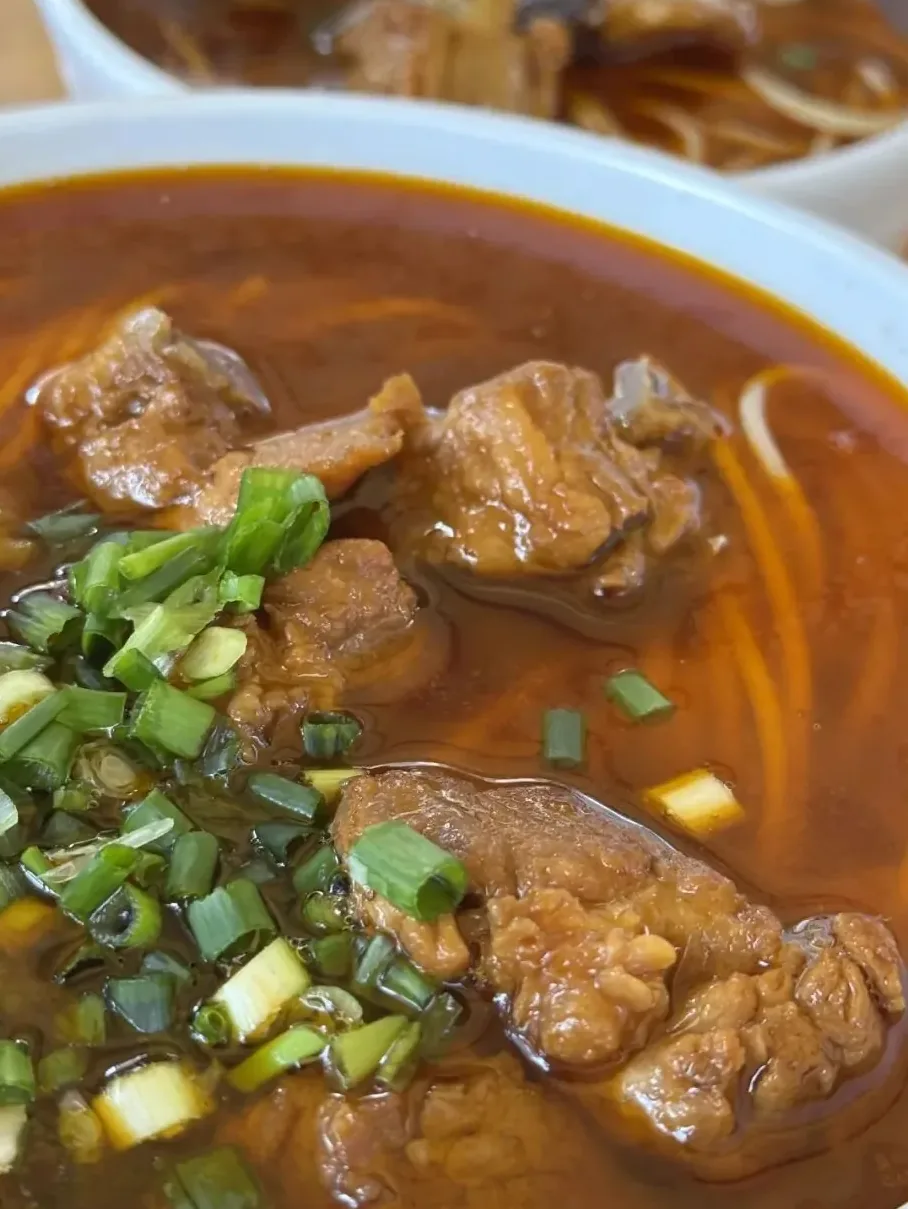
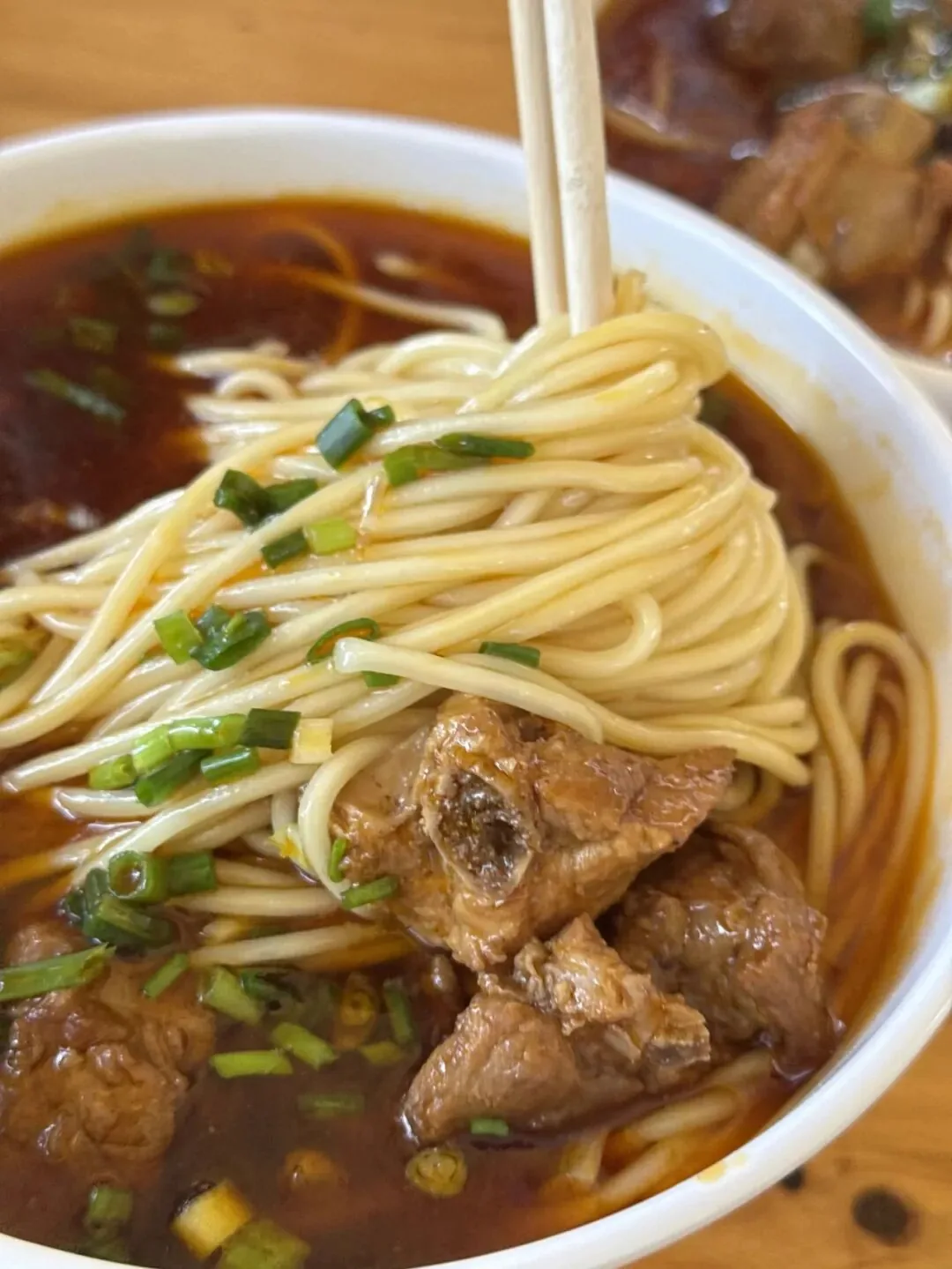
The pork rib noodles are soup noodles, but the oil is thick and clear. It comes to the table as a heavy bowl, the ribs cut into big chunks with thick meat, giving off a fresh, oily aroma.
You can tell the ingredients are quality. The taste is natural and rustic — no prominent spiciness, just a gradually seeping aroma, with a slight fish-fragrant (鱼香) sweetness.
The noodles are a thinner gun gun mian — very smooth, chewy, with a wheat aroma that lingers.
A fitness guy next to me peeled a boiled egg and tossed it into his soup. I immediately opened the menu to copy him — but there were no eggs, no fried eggs, no braised eggs.
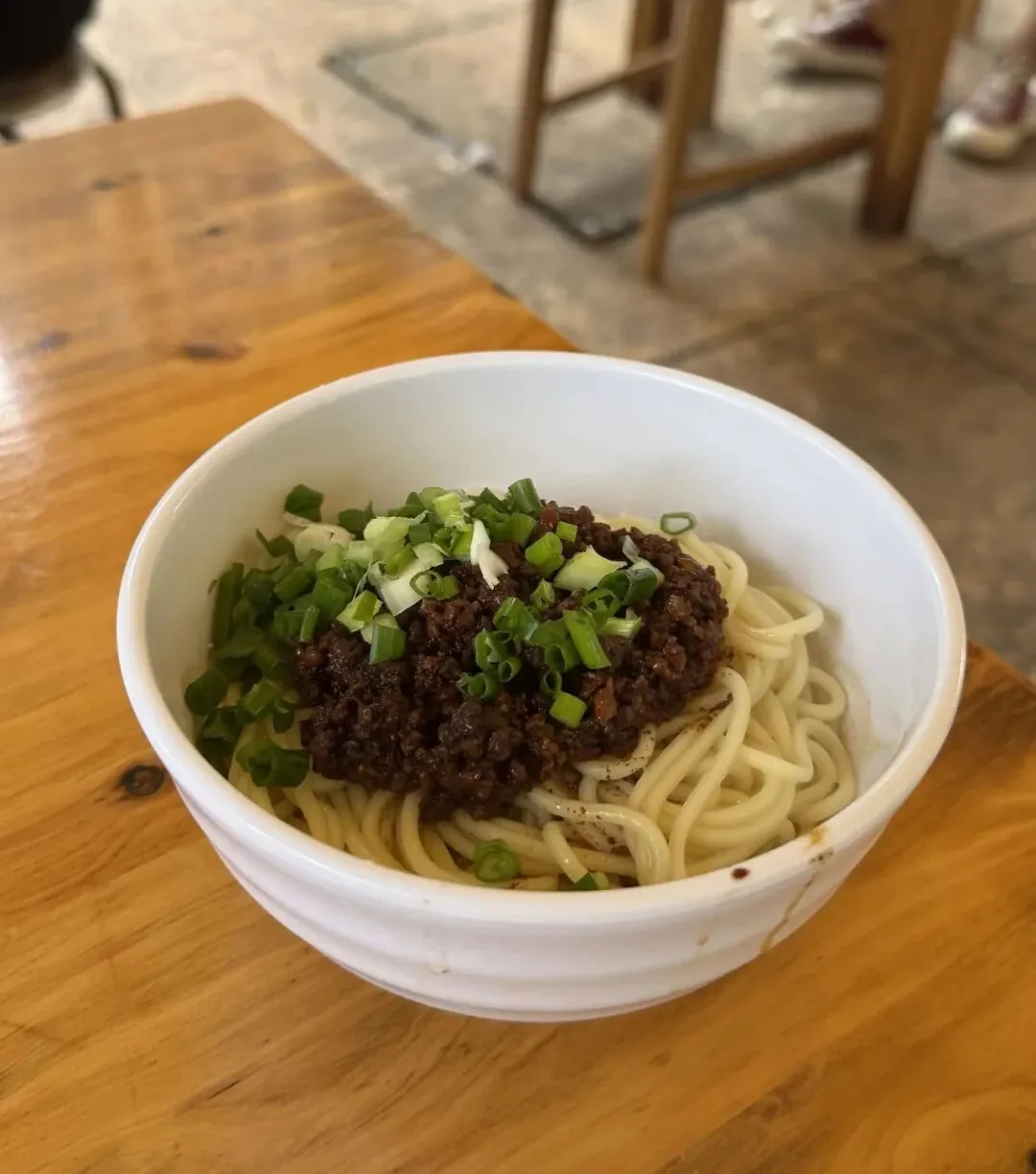
And there are only two kinds of noodles: pork rib and za jiang (杂酱). Intestines or chicken giblets are very unlikely.
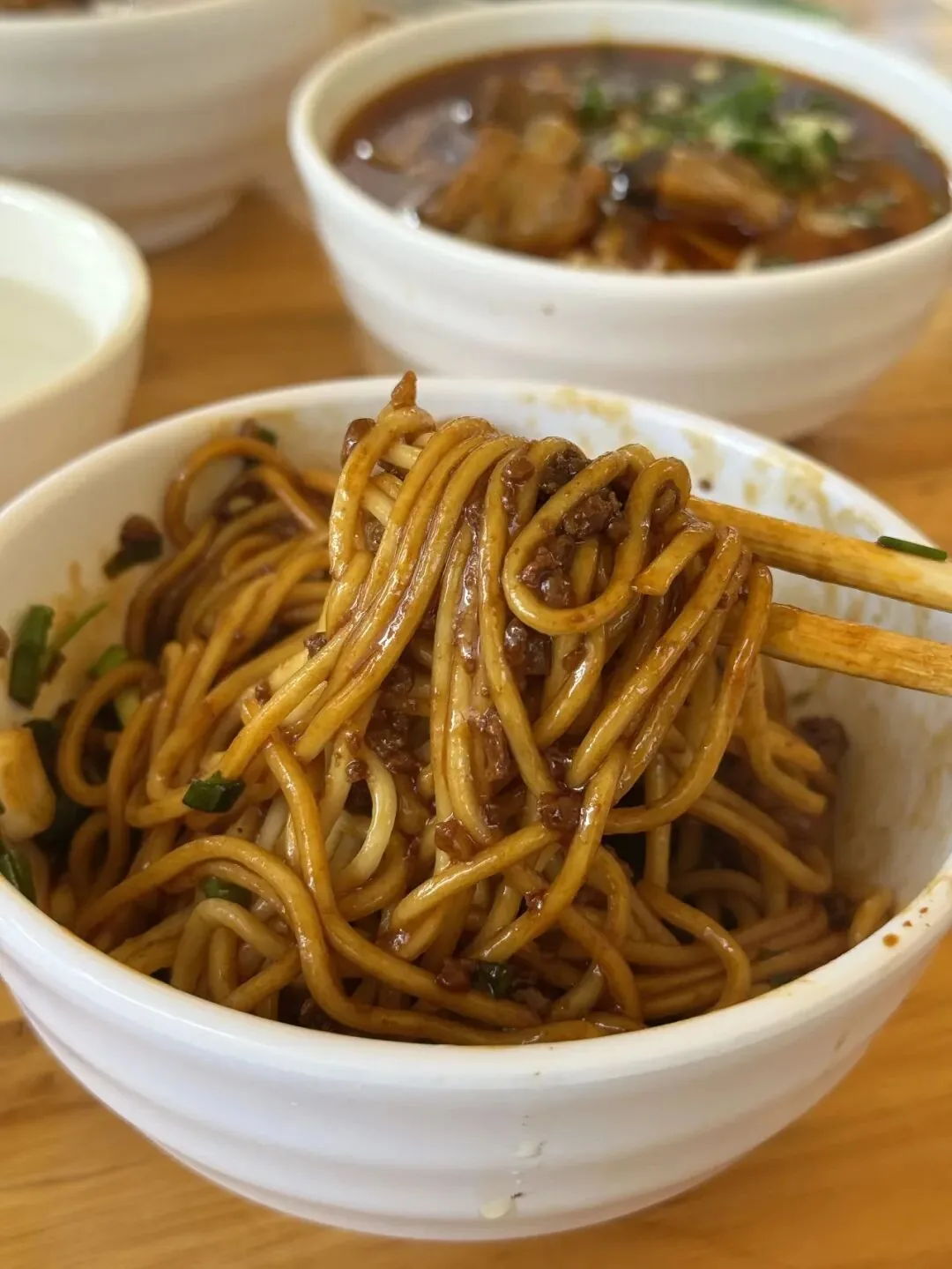
The za jiang noodles came out looking beautiful — noodles are noodles, topping is topping, neat and distinct. Mix it up quick while it’s hot; it’s dry-fragrant and full of flavor.
Local insight: They’re all about subtraction — putting all the effort into ingredients and cooking. No extra design, just traditional methods, all invested in that one bowl. Unassuming, mild, a community noodle shop with real flavor and a good conscience.
Wufu Noodle House (五福面馆)
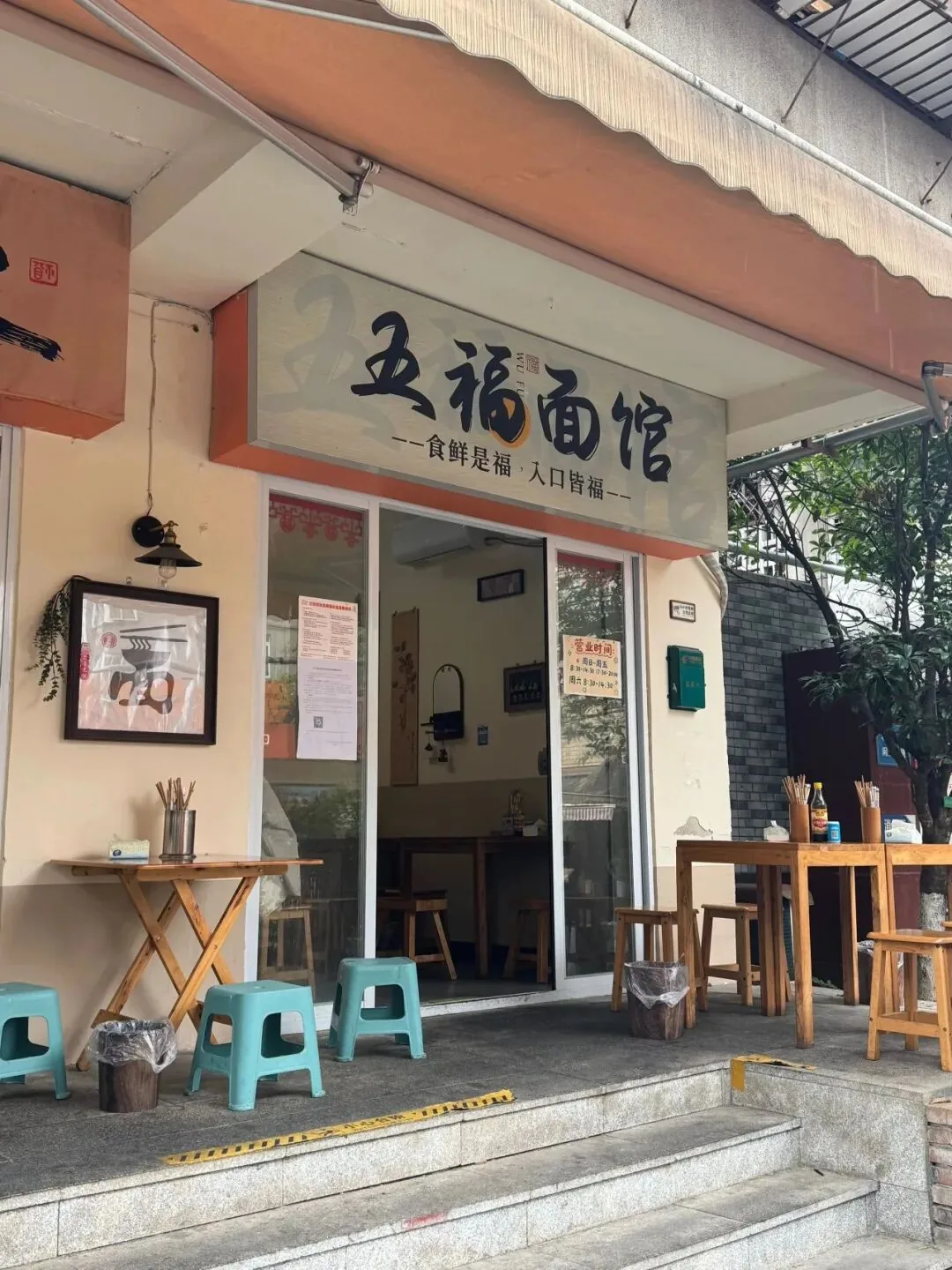
Address: Building 22, Unit 1, Shuangqiao Road South 1st Street, Shuangqiaozi Subdistrict (双桥子街道双桥路南一街22栋1号)
How do you judge whether a noodle shop is legit and old-school? Check if pork rib noodles are on the menu.
This shop is in the 420 dormitory area, Building 22 on Shuangqiao Road South 1st Street — a very lively, clean alley. It’s tucked away deep; you’ll need navigation to find it.
But it’s already somewhat famous, riding the halo of a “Top 50” list, selling plenty of pork ribs and seafood noodles.
Old place, old environment — it’s probably the taste of the older generation, the old-timers. And it has to be real ingredients, doing business with neighbors. That part has to be honest and open.
So we didn’t hold back — we tried them one by one.
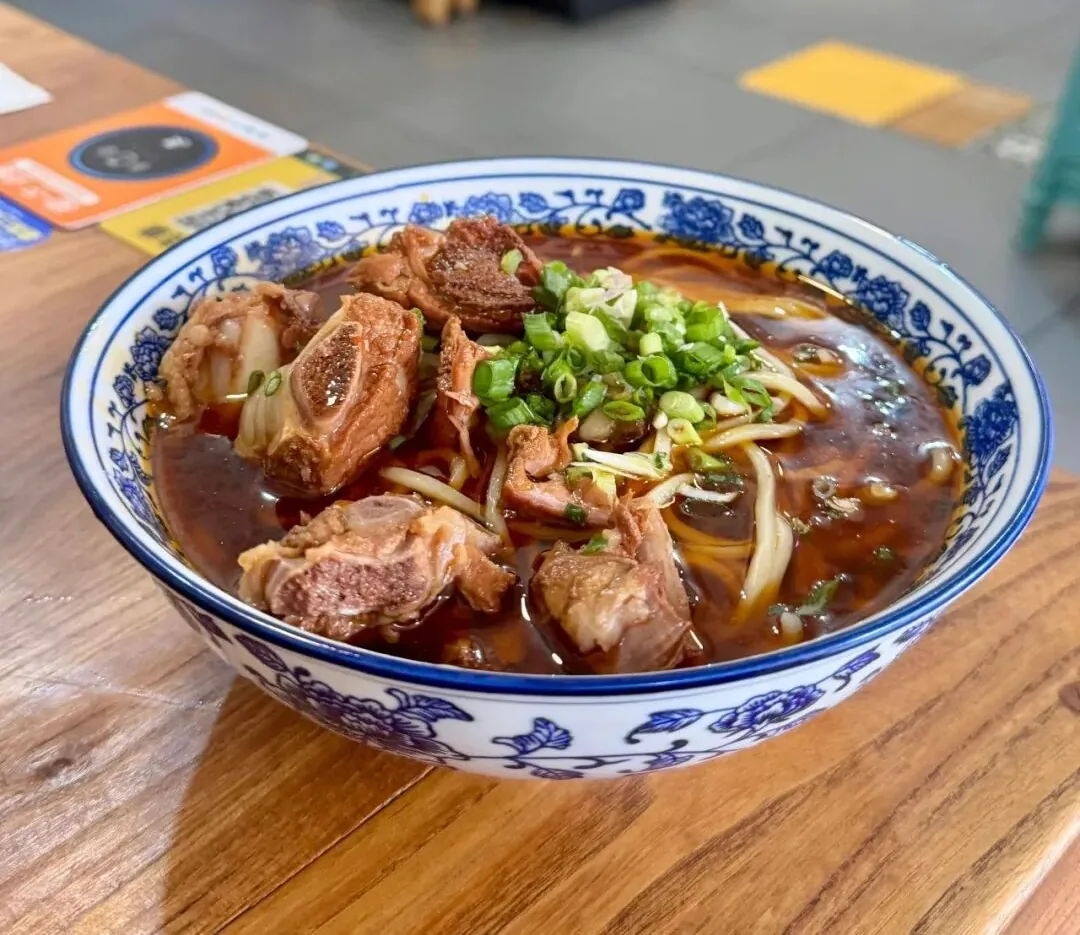
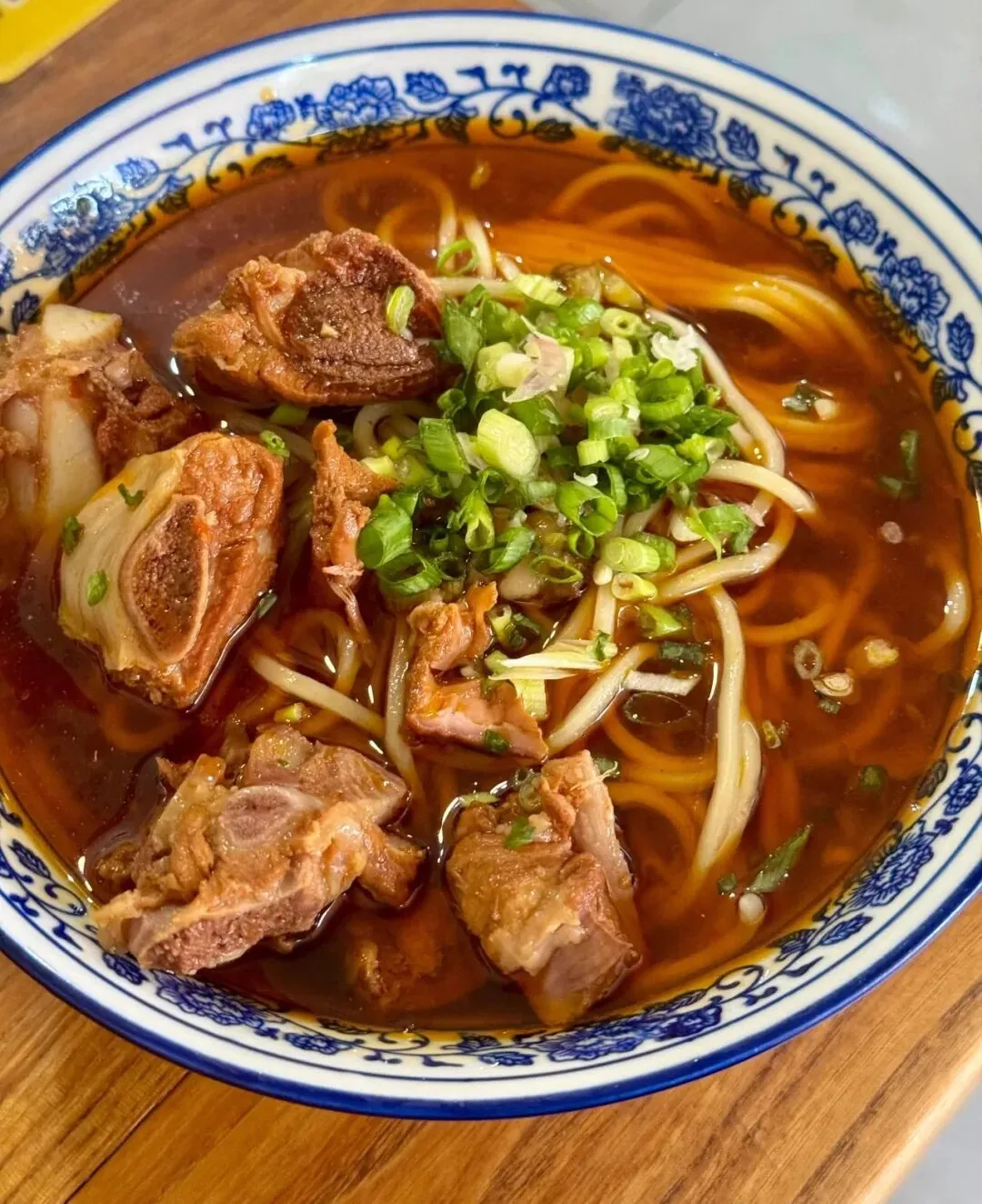
Big portions are the first impression. They probably put all the rent savings into the bowl. A 1-liang bowl looks like 2 liang, with 4–5 chunks of ribs — lots of meat, generous toppings, very substantial.
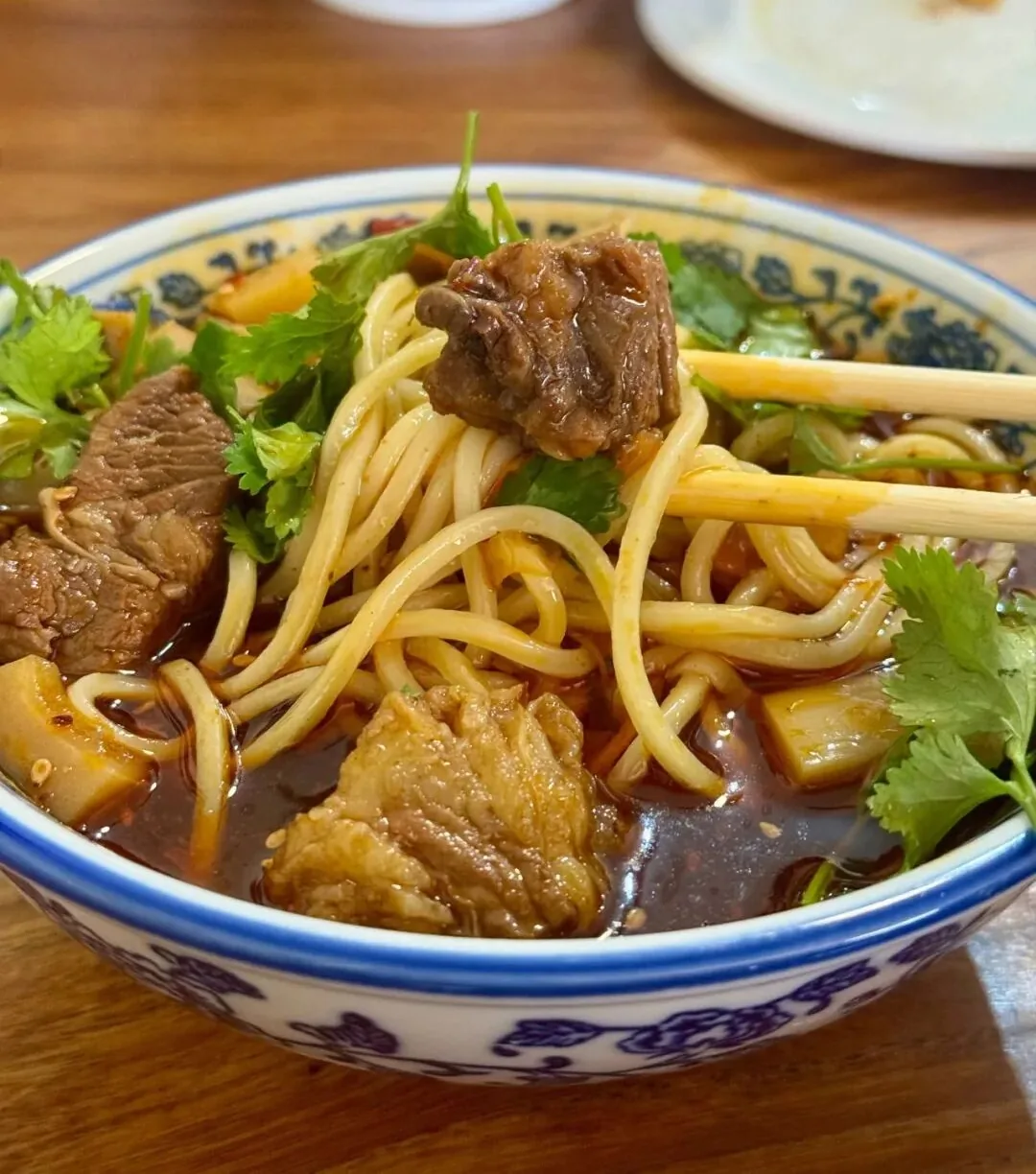
One chopstick pull, and you feel the weight and aroma of the noodles. Gun gun mian, but chewy.
The pork rib noodles aren’t spicy-hot but fish-fragrant. You can tell from the broth color that the seasoning isn’t heavy — light and mild, a soft, refreshing sourness with a touch of sweetness. Not bad.
The beef uses original broth — the soup base is rich, the bamboo shoots are fresh and crisp, the beef itself is in big chunks, cleaned well, with plenty of oil but not salty. Overall good.
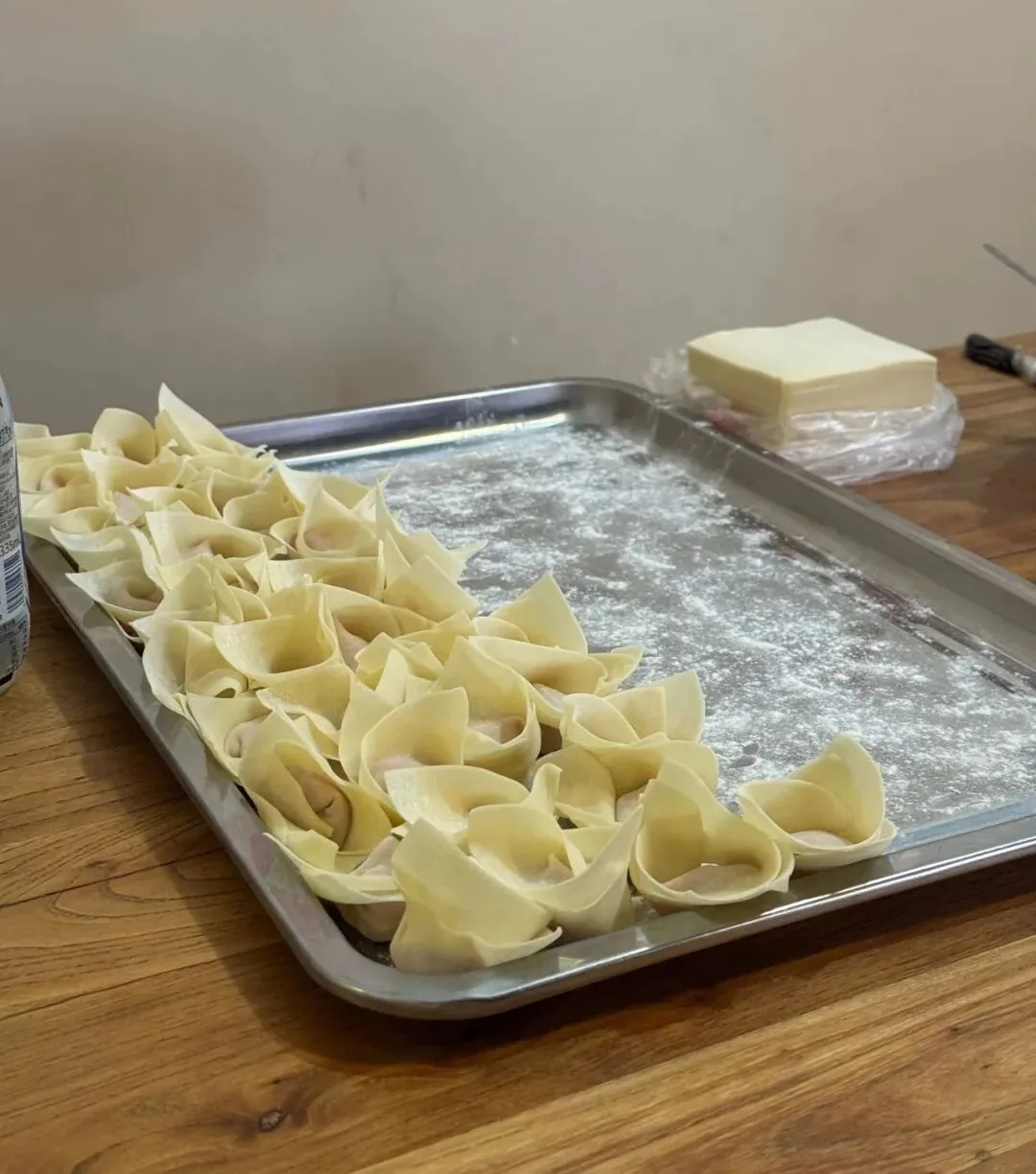
The wontons might have been cooked too long — the wrappers fell apart easily — but the seafood flavor was well drawn out, and the contents were rich.
Some people come to check in, but more are neighbors stopping by. Someone shouts an order and they know exactly what to make. A lady passing by after grocery shopping returns her bowl from last time.
What we really miss isn’t just those two pieces of ribs. It’s that traditional, retro flavor. The taste that only time can braise into something — it needs to be remembered.