The Buckwheat Noodle Legend That Old Chengdu Has Followed for 40 Years
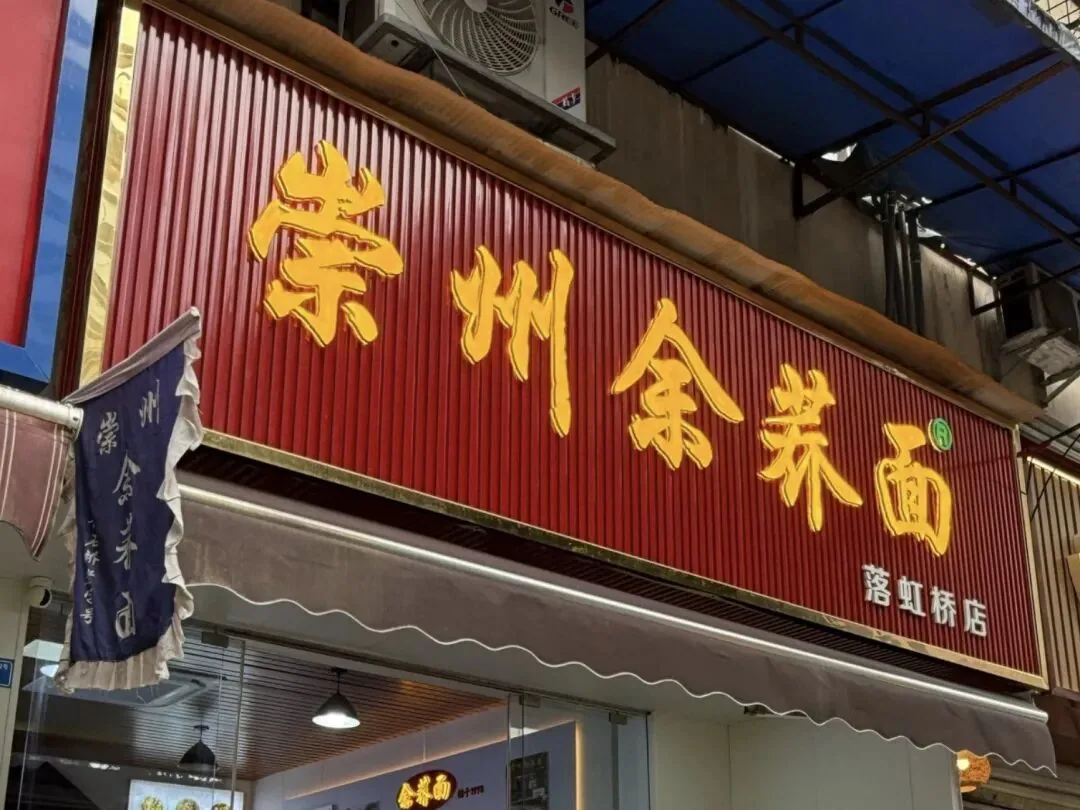
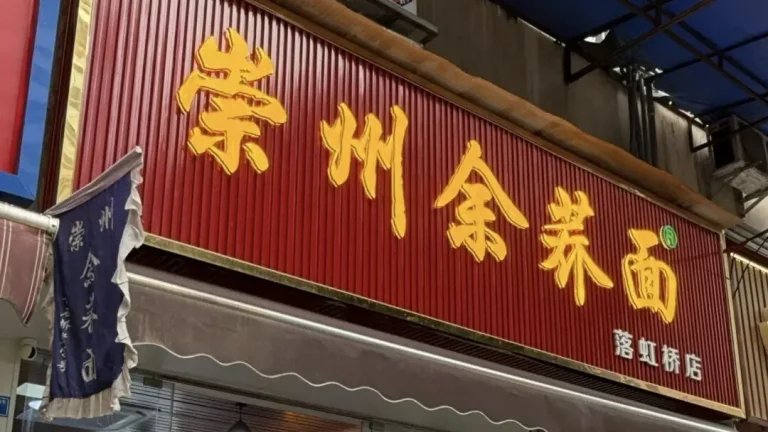
If you’re wandering around Shuyuan Street or near the Second People’s Hospital and you’re in the mood for noodles — specifically Chengdu buckwheat noodles — I’ve got just the place for you. Head to Luohongqiao Street, right next to the hospital, and you’ll spot Yu Qiaomian (余荞面).
Chengdu has no shortage of old-school noodle shops, but very few can say they’ve been rooted in the city for over 40 years, moved locations multiple times, and still kept their regulars chasing them across town. Yu Qiaomian is one of those rare places. Its reputation wasn’t built on marketing — it was built one bowl at a time, by generations of Chengdu locals.
From a Street Stall to a Chengdu Institution
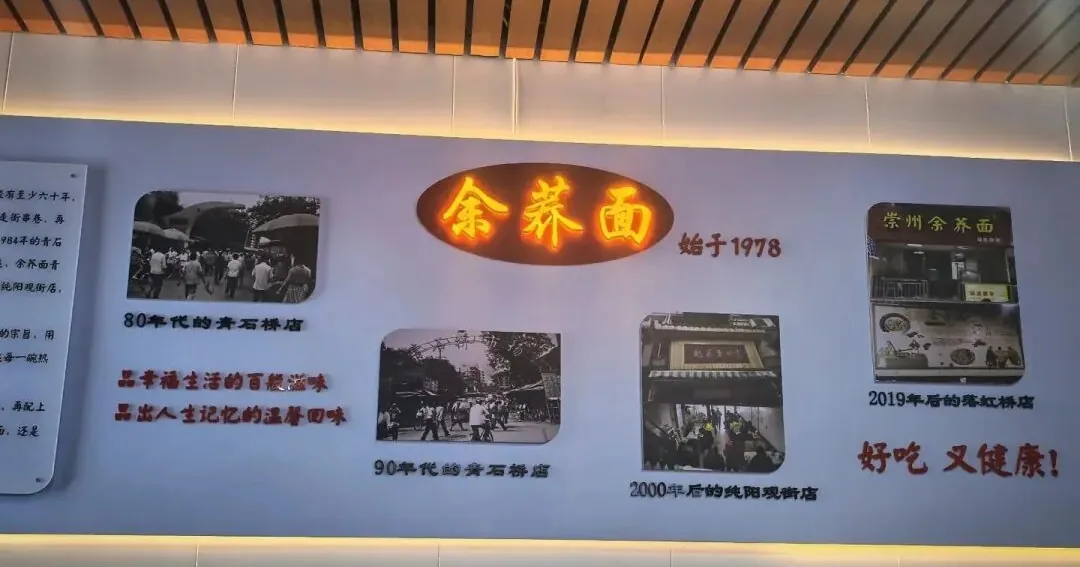
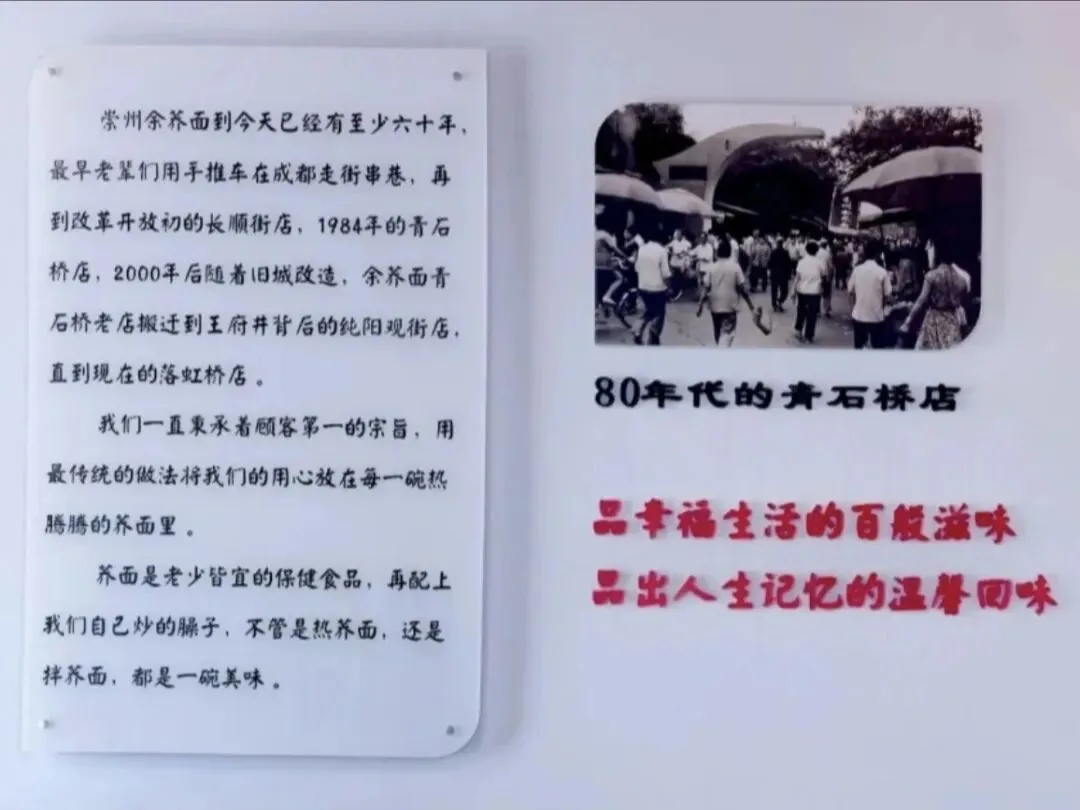
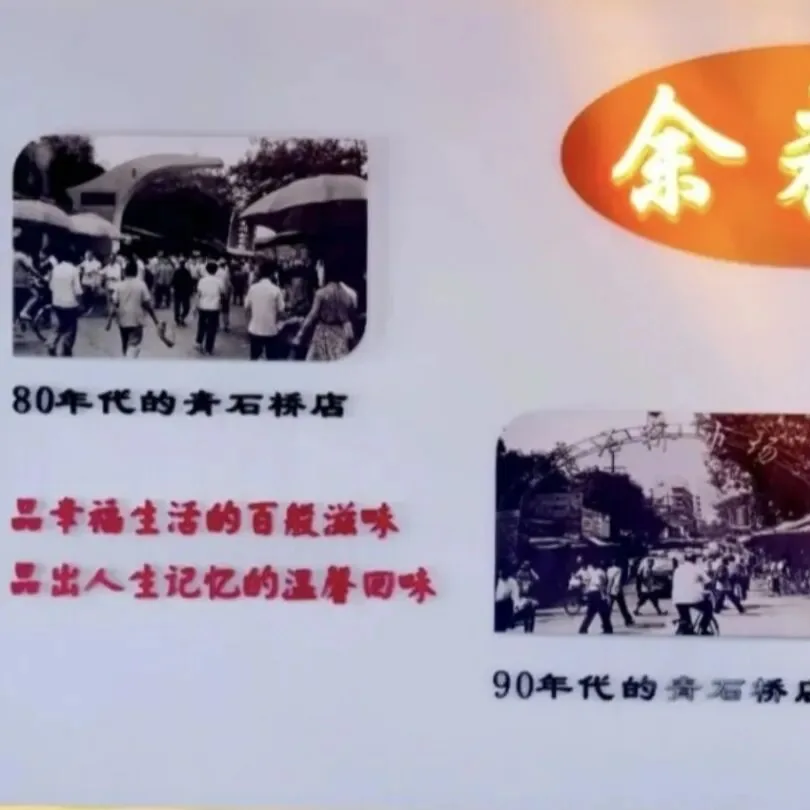
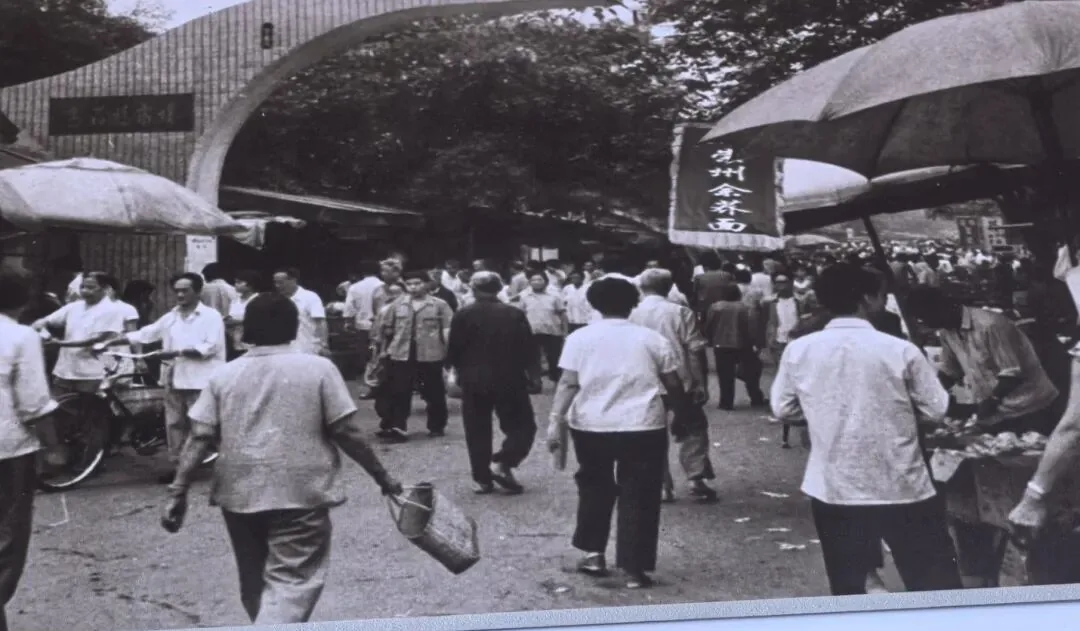
Most younger visitors only know the current Luohongqiao shop, but they don’t realize this place carries a big chunk of old Chengdu’s street history. Yu Qiaomian’s roots go deep into Qingshiqiao — once the beating heart of the city.
Back in the 1970s and ’80s, Qingshiqiao was the center of Chengdu’s everyday hustle: a farmers’ market, a flower-and-bird market, and constant foot traffic. Yu Qiaomian was just a humble roadside stall back then — a simple awning, the owner pushing a cart and pressing noodles fresh to order. No proper storefront, no fancy tableware. A big pot and a cutting board were the entire setup. Prices were low, and a steaming bowl of buckwheat noodles sold for just 25 cents (两角五). Students on their way home, locals running errands, passersby out shopping — everyone stopped for a bowl. That spicy, fragrant flavor quickly made a name for itself around Qingshiqiao.
1984 was the first turning point: the little stall officially got a sign and became a proper shop, finally putting down real roots in Chengdu. Then came urban renewal. The Qingshiqiao area was re-planned, and countless old stalls and shops were forced to relocate — Yu Qiaomian included. It said goodbye to the neighborhood where it had made its name.
Next it moved to Chunyang Guan Street, behind the Commercial Market (商业场) — the area behind today’s Wangfujing. That was also a core old-Chengdu commercial district with plenty of foot traffic, and Yu Qiaomian stayed there for many years. Regulars never worried about the moves. Whether it was Qingshiqiao, Chunyang Guan, or now Luohongqiao, as soon as they heard where Yu Qiaomian had gone, they’d make the trip. For old Chengdu folks, the address changes — the taste they’ve eaten for decades doesn’t.
After several relocations, this 40-plus-year-old shop finally settled firmly on Luohongqiao Street. Years passed, trendy shops opened and closed around it, new noodle joints came and went — but Yu Qiaomian never changed. It just kept holding down the fort on this old street, guarding the buckwheat noodle flavor old Chengdu loves most.
Why It’s the Ceiling for Buckwheat Noodles
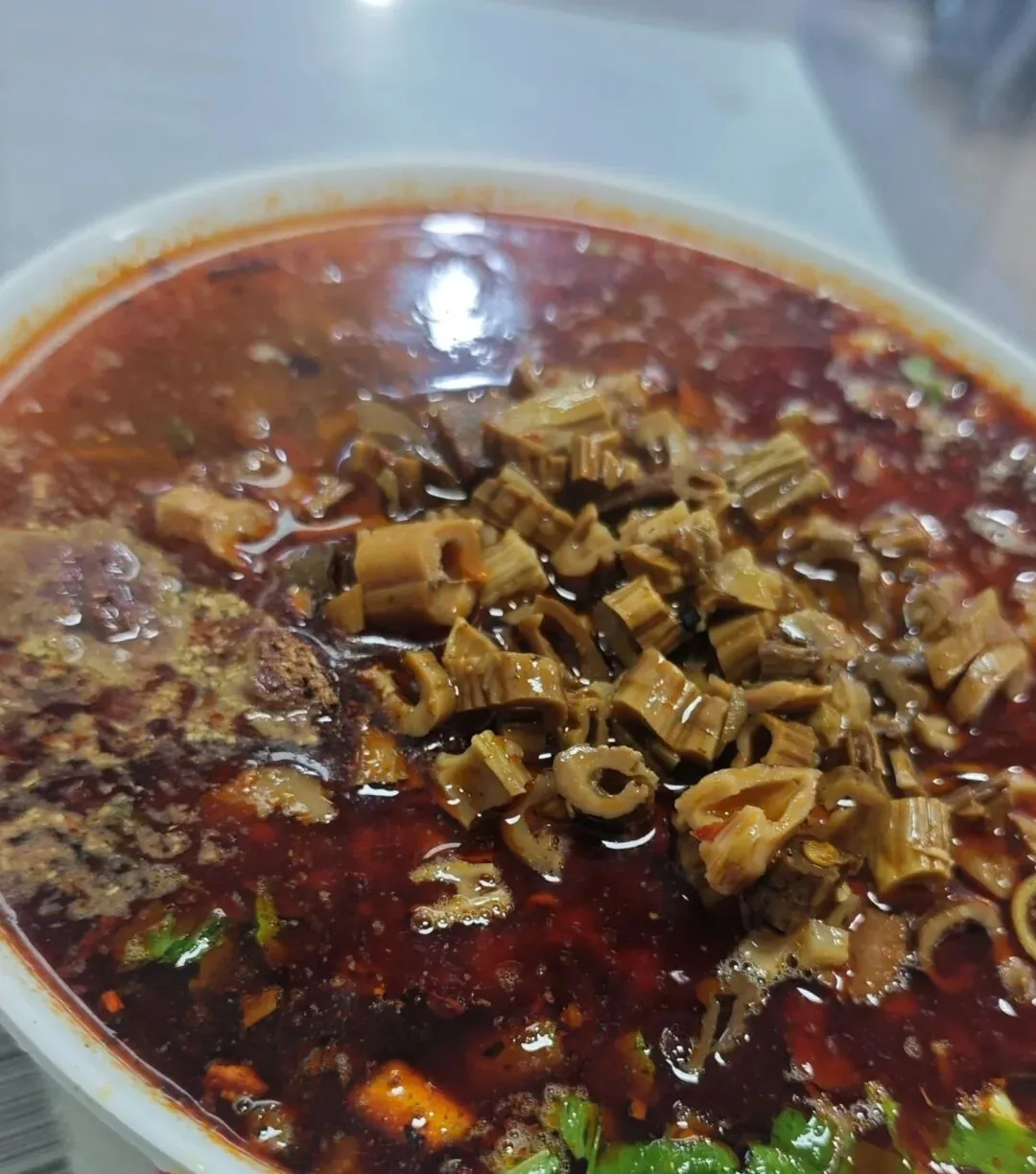
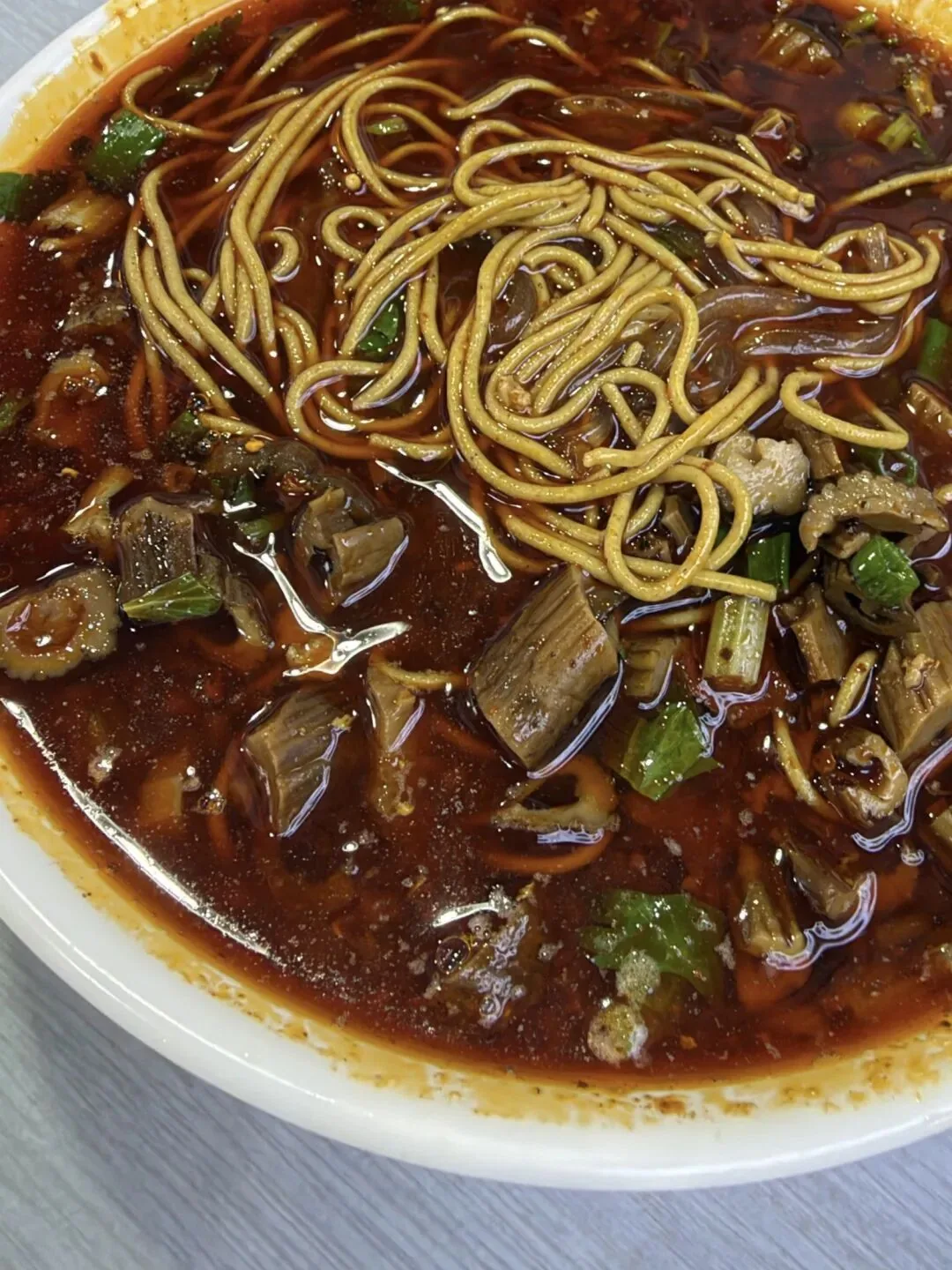
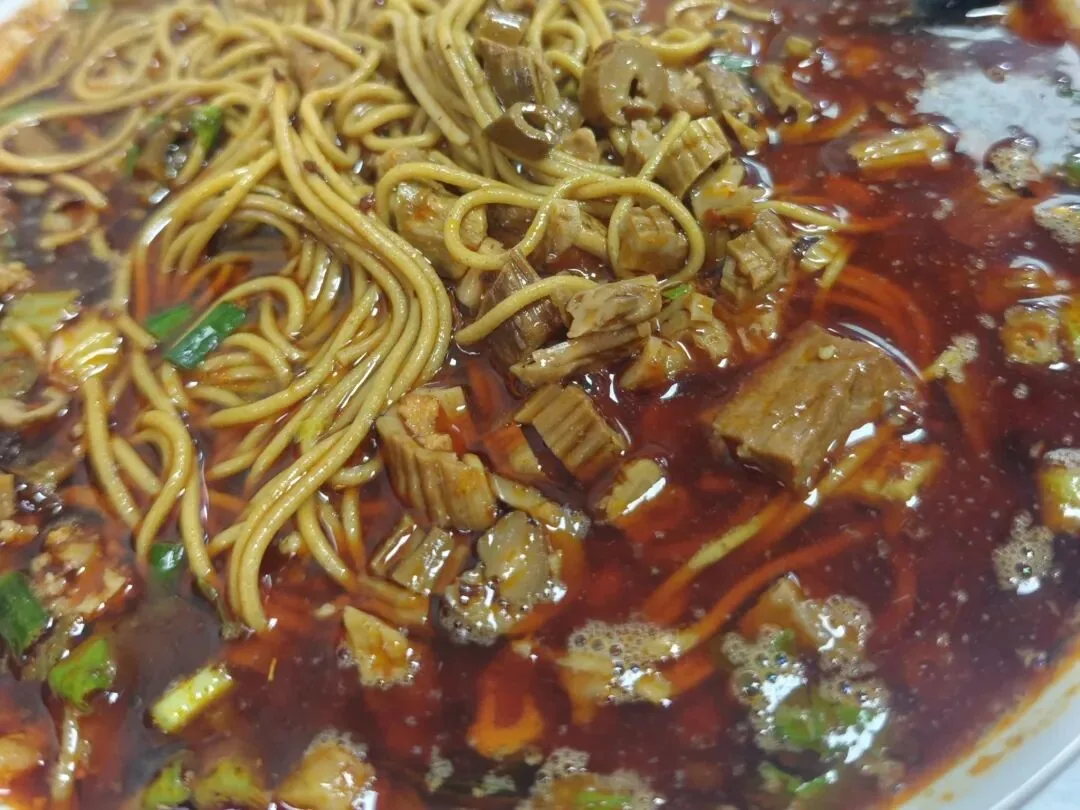
Why do I call it the ceiling (天花板) for buckwheat noodles? Because these days, plenty of Chengdu noodle shops have switched to machine-made buckwheat noodles for efficiency — and the texture suffers, with none of that wheat fragrance. Yu Qiaomian sticks to the old tradition: every day’s buckwheat noodles are pressed and cooked fresh, never stockpiled.
Buckwheat is a coarse grain with an inherently hearty texture. Their noodles come out chewy and smooth — not unpleasantly hard, and they don’t turn into a gluey lump when cooked. They eat just right, and they soak up the flavor beautifully.
The taste is the classic old-Chengdu flavor that hasn’t changed in decades. No trendy new seasonings — just the old taste regulars love. The secret red oil is fragrant without being harshly spicy, and they’re generous with the Sichuan pepper. The first bite gives you a perfectly balanced numbing aroma, with mild heat that keeps you coming back. The broth is comforting, paired with crisp, tender smoked bamboo shoots (烟笋) — the texture is outstanding. One bite of noodles, one sip of broth, and your whole body feels at ease.
Don’t Miss the Sides
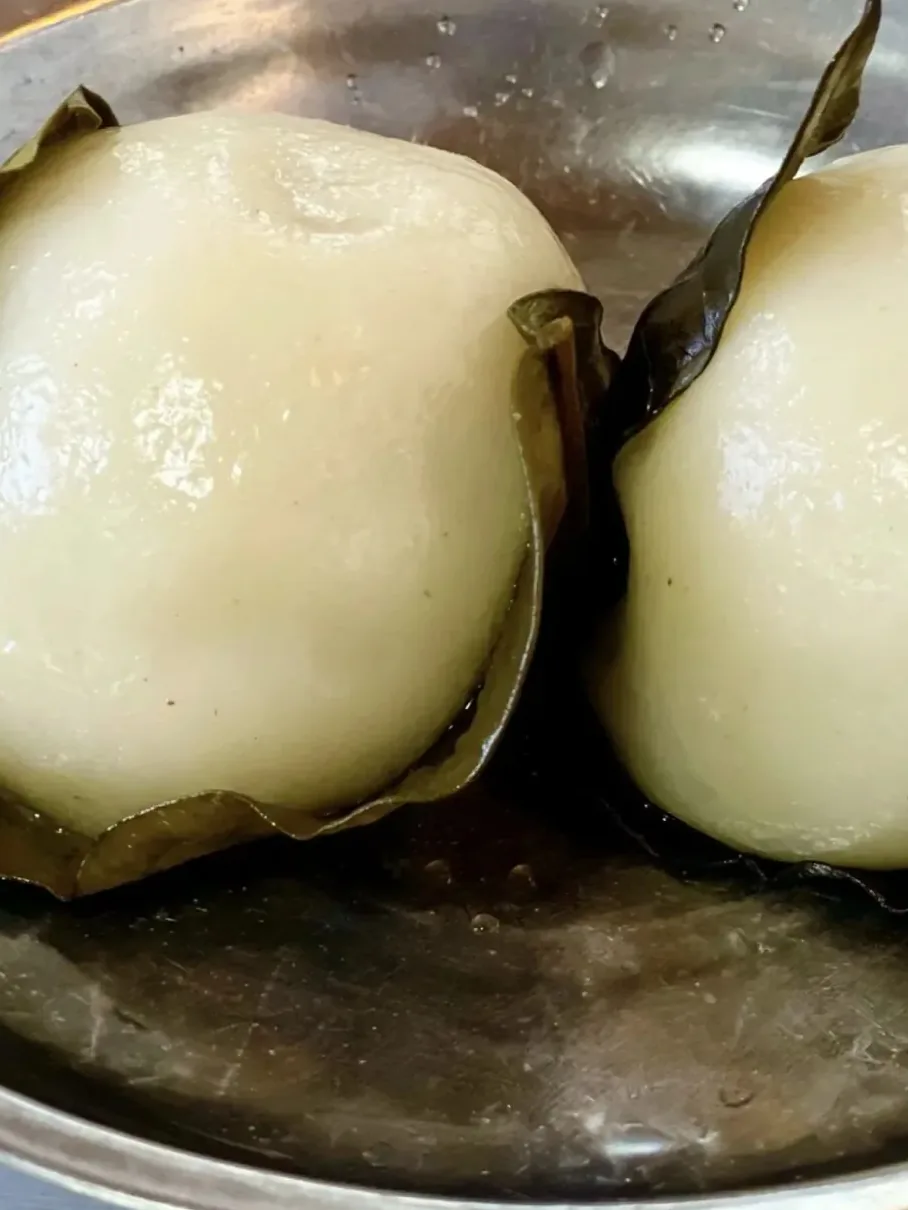
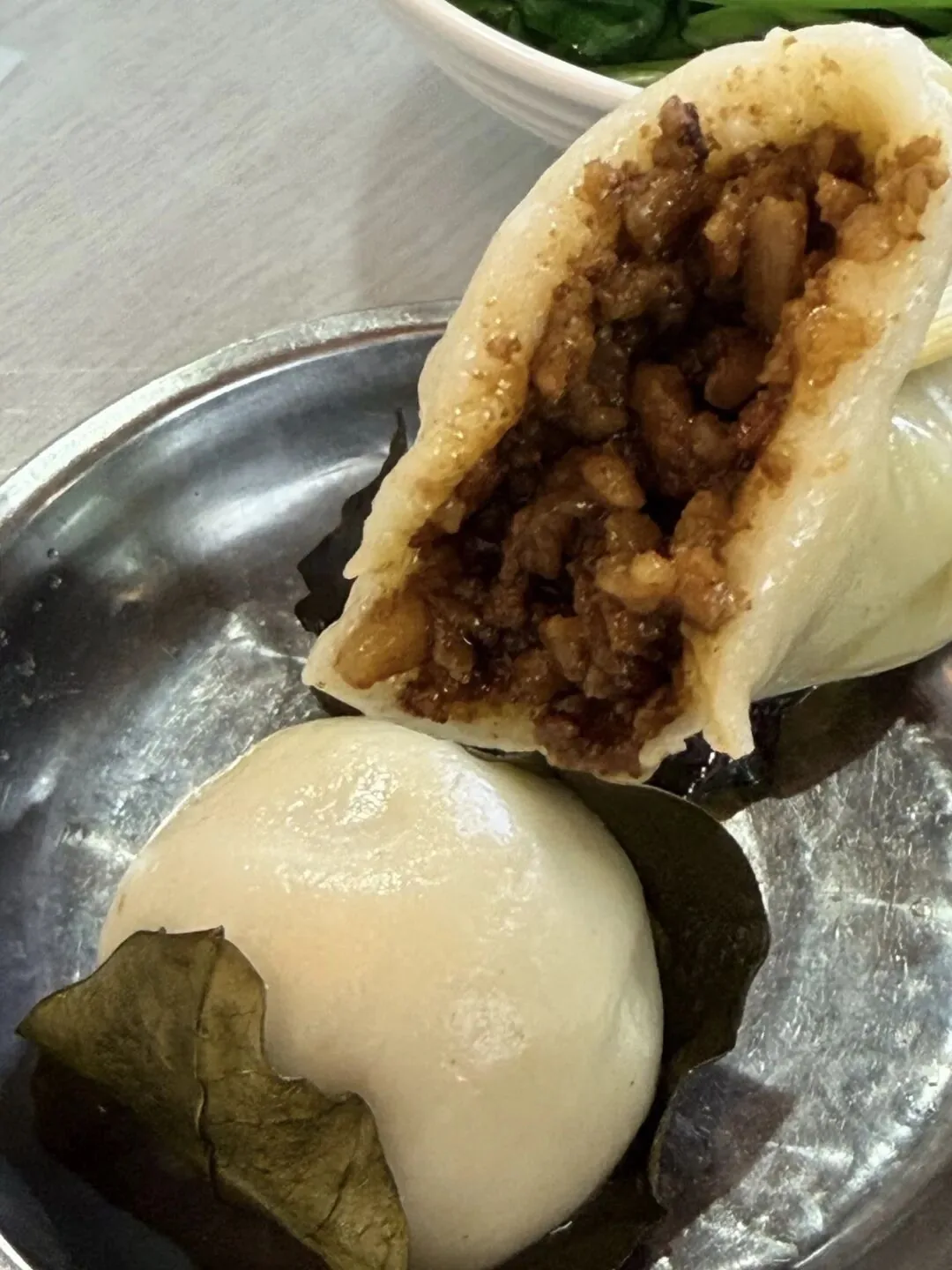
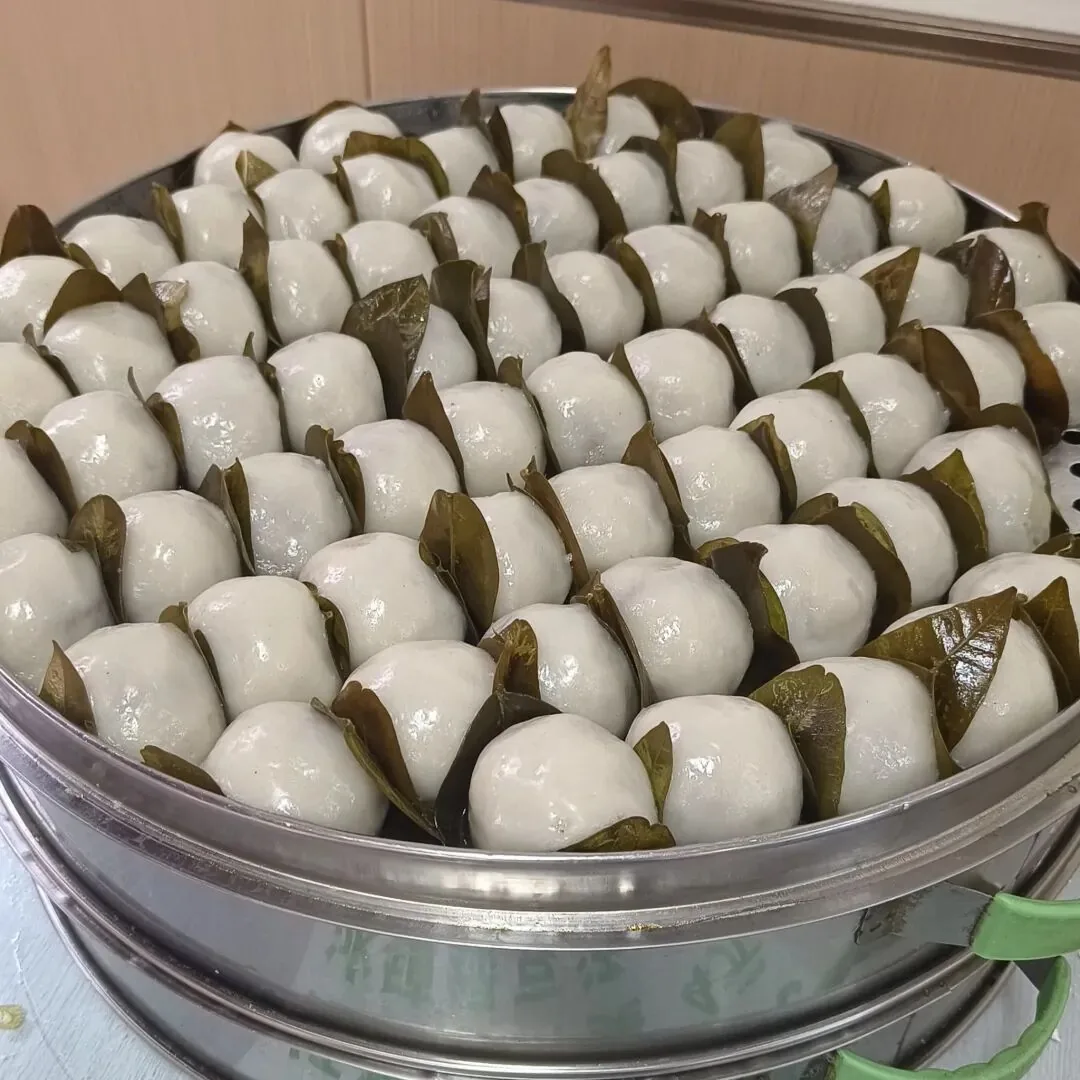
Beyond the signature buckwheat noodles, their ye’er ba (叶儿粑) — sticky rice cakes wrapped in leaves — is a classic regulars always order. Made the traditional handmade way, the wrapper is soft and glutinous without sticking to your teeth, and the filling is generous, rich, and savory — that old taste from childhood. Many people order a bowl of buckwheat noodles with a ye’er ba on the side: the quintessential old-Chengdu combo.
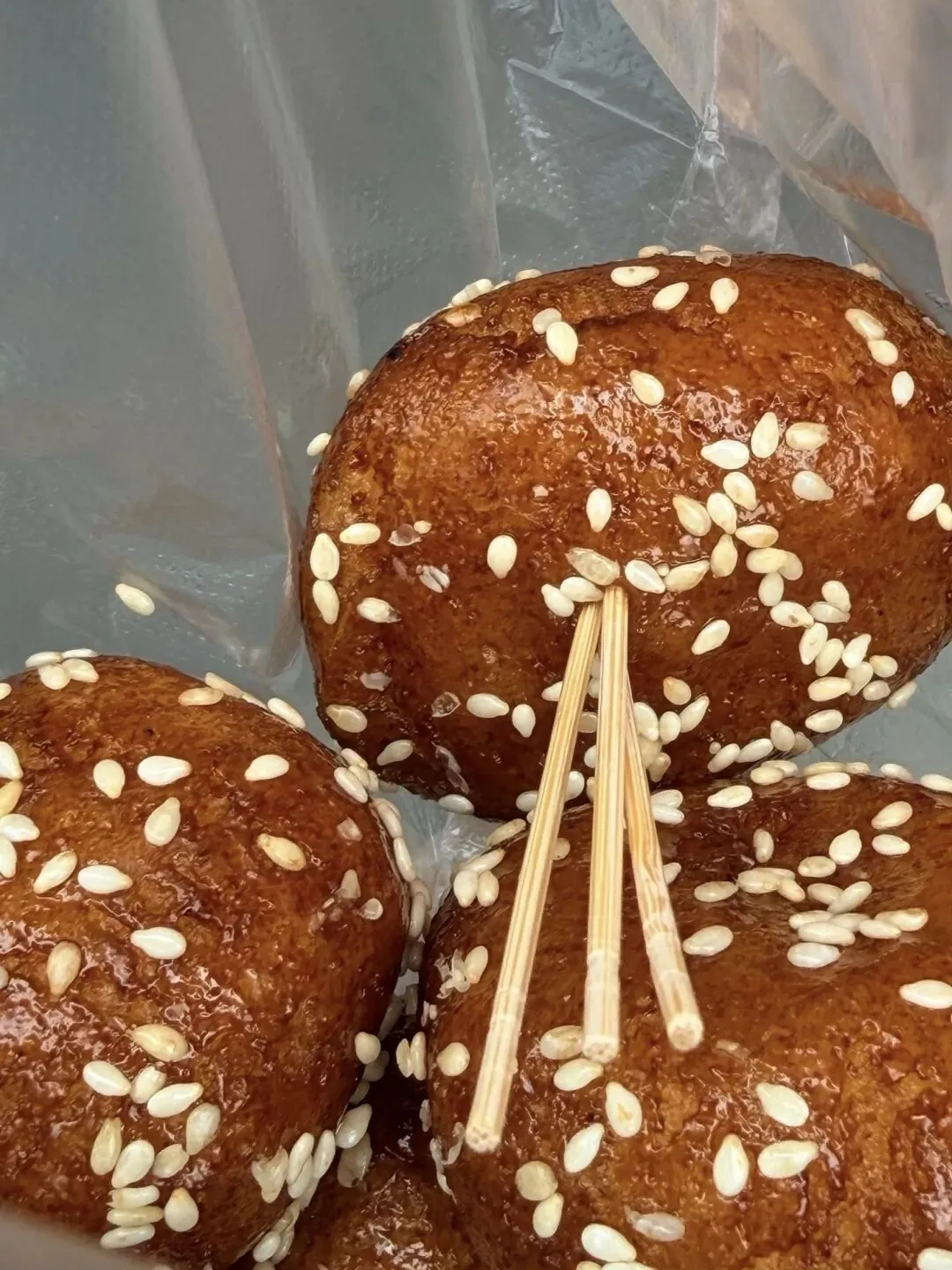
Also worth mentioning: their tangyou guozi (糖油果子) — sweet fried glutinous rice balls — are pretty good too. If you’re a fan, grab a skewer.
Local insight: The owner has kept a laid-back attitude over 40-plus years — no expansion, no franchising, no hype. Just quietly tending this one shop. Prices are honest: even as costs have multiplied over the years, a small bowl of buckwheat noodles remains affordable, with solid portions and consistent taste. Locals, office workers, and visitors who make the pilgrimage all leave satisfied and without breaking the bank.
A Taste Worth the Trip
Chengdu’s trendy food scene moves fast, but what truly wins hearts is always this kind of old flavor that stands the test of time. From a roadside stall at Qingshiqiao to a street-side shop at Chunyang Guan to its home on Luohongqiao — over 40 years of moving and shifting. What changed is the address; what didn’t is the heart and the taste.
If you want to taste what authentic buckwheat noodles are really like, I genuinely recommend making the trip to Yu Qiaomian on Luohongqiao. This bowl holds over 40 years of Chengdu’s everyday food culture — it won’t let you down.