Chengdu’s Old-School Park Is Putting on a Spectacular Show Right Now
It’s the last day of August, the sun’s out early, and there’s still a bright moon hanging in the blue sky — that crisp, clear feeling of autumn is in the air. Sure, it’s still above 30°C, but the heat doesn’t feel so sticky anymore, which makes it perfect for getting out. If you’re not up for a long trip, why not stay in the city? There’s an old favorite park in Chengdu that’s suddenly buzzing, and I went to see what all the fuss is about.
The park is Wenhua Park (文化公园), and right now its spider lilies (often called “彼岸花” or “red spider lily”) are in full, jaw-dropping bloom. This is the best spot to see Wenhua Park spider lilies in the city.
Why Wenhua Park Is Worth Your Time
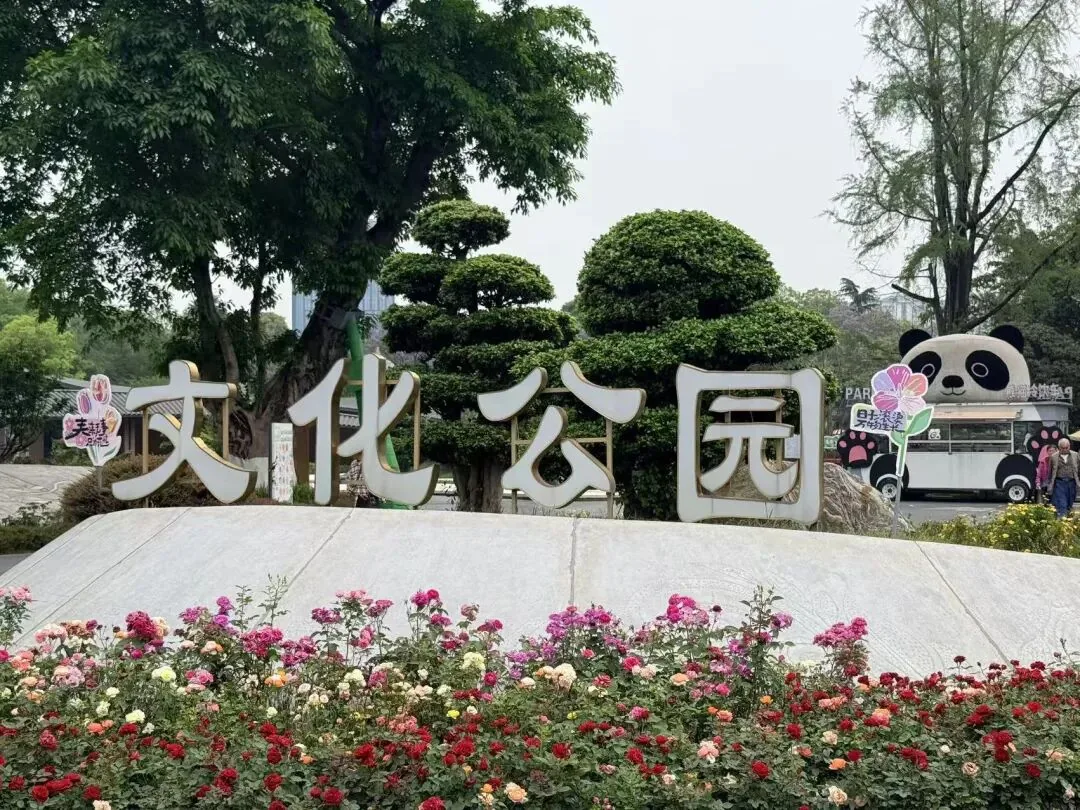
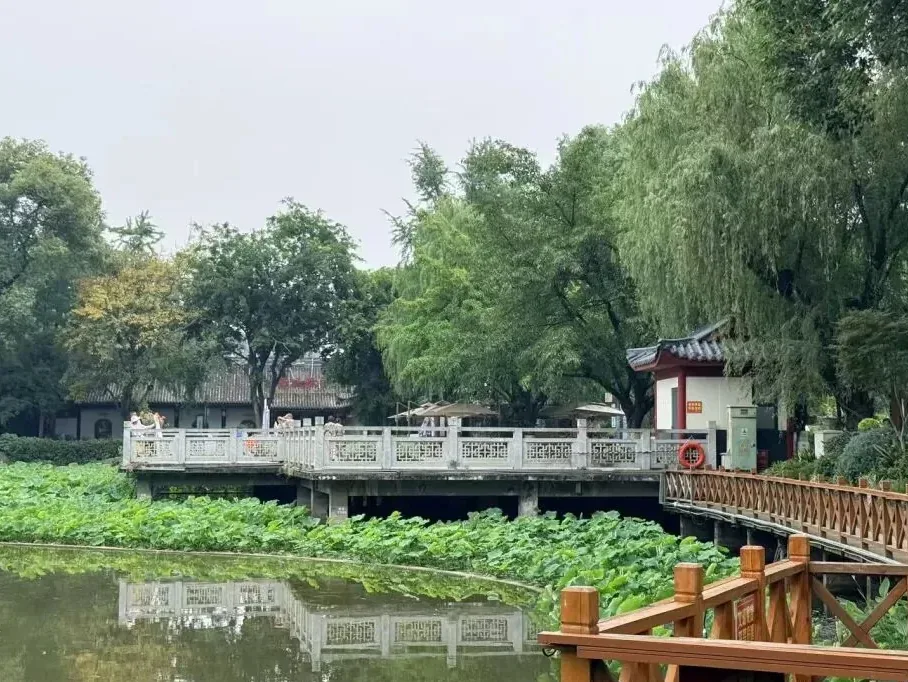
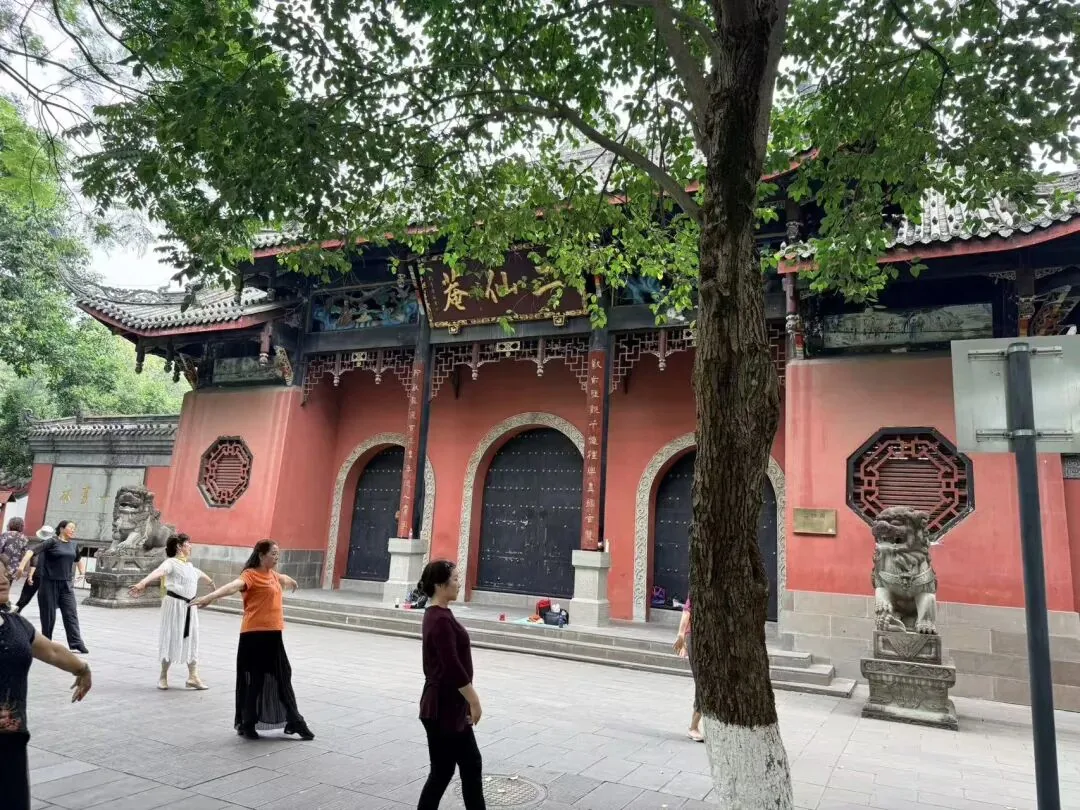
For many Chengdu locals, Wenhua Park needs no introduction. It’s super central, and throughout the year it hosts all kinds of flower shows that draw crowds. The park covers 150 mu (about 10 hectares) — not huge compared to those thousand-mu parks, but that’s part of its charm. It’s packed with classic Chinese garden features: pavilions, bridges, and winding streams. Inside, you’ll find the octagonal pavilion from the Ming Dynasty, the legendary Zhiji Stone (支矶石), and the solemn Twelve Bridges Martyrs’ Tomb (十二桥烈士墓). It’s one of Chengdu’s earliest comprehensive cultural parks and a classic example of traditional Eastern garden aesthetics.
The Real Story Behind the “Flower of the Other Shore”
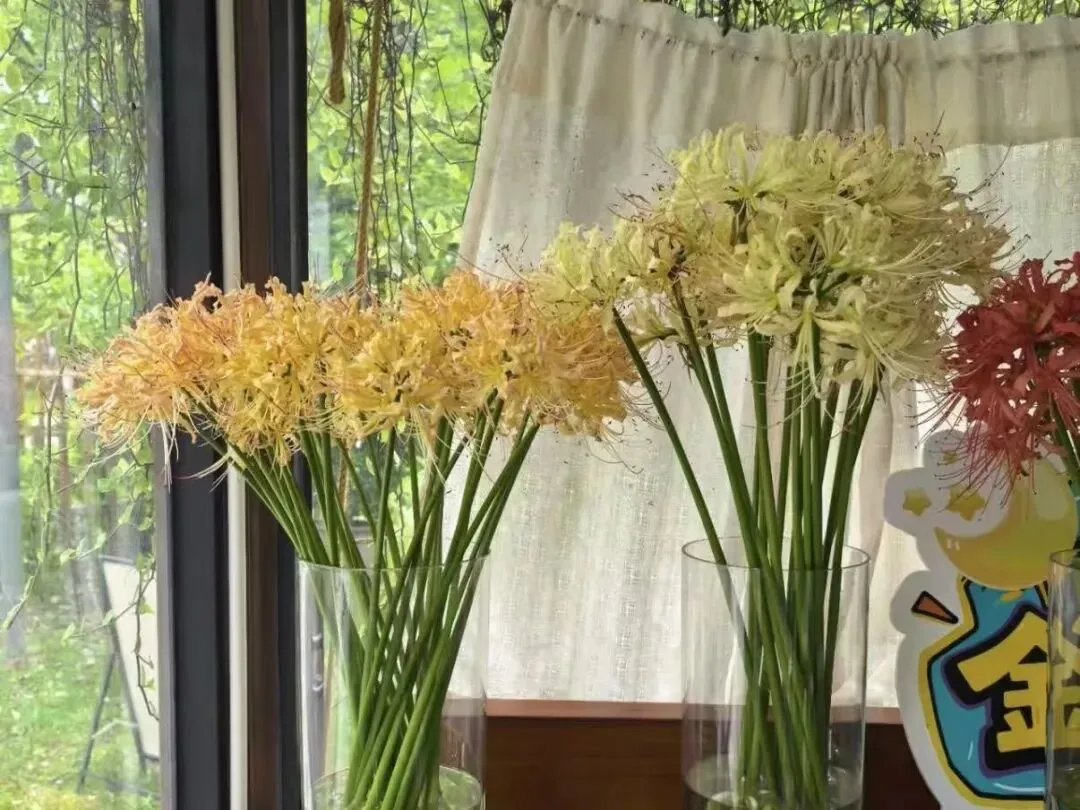
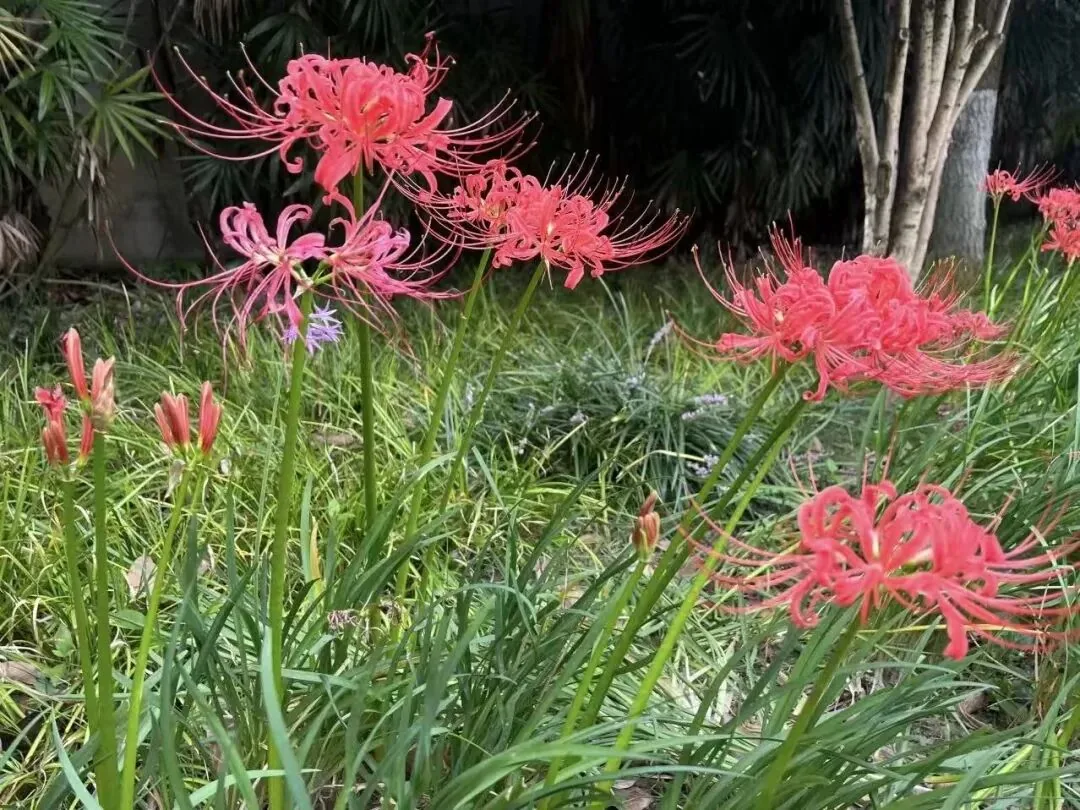
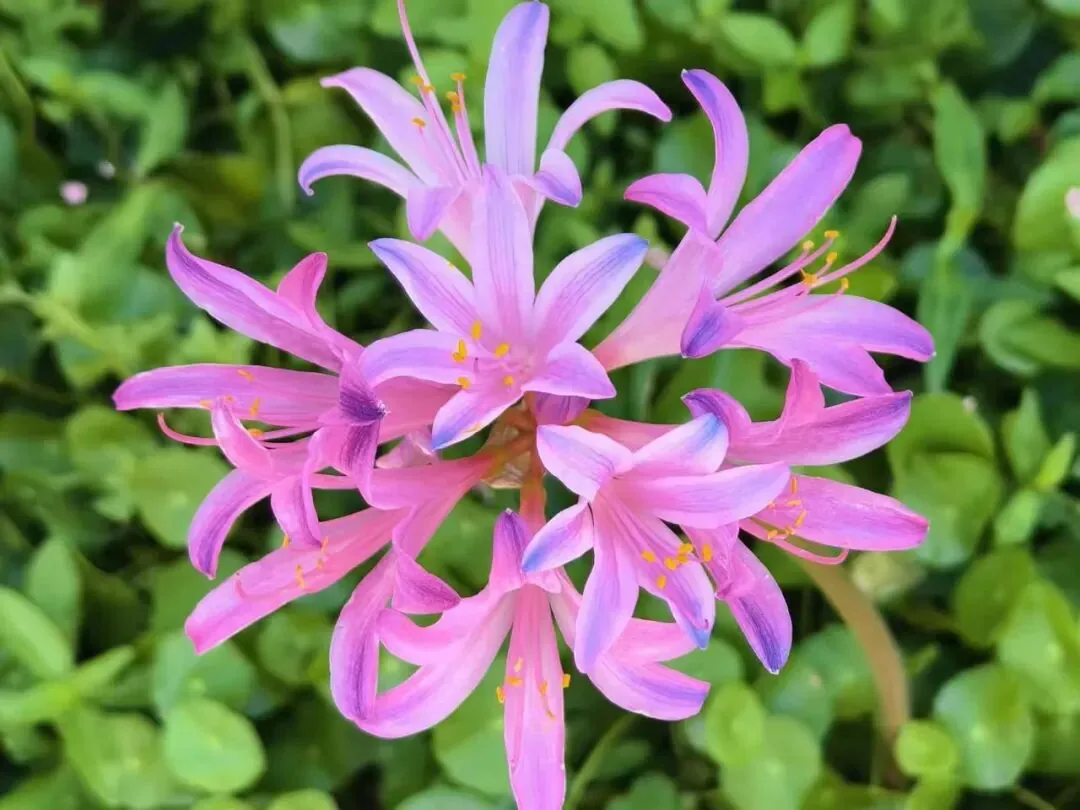
You’ve probably heard the dramatic tales — anime, novels, the road to the underworld. But here’s the thing: the red spider lily is actually a native Chinese flower with over 1,500 years of history on this land. The ancients had a much more auspicious name for it: Jindeng Hua (金灯花), meaning “golden lantern flower.” In the Southern Dynasties, poet Jiang Yan wrote a rhapsody praising it as “crowning all blooms without peer,” saying it shows the most character in autumn winds. The Tang Dynasty’s Youyang Zazu (酉阳杂俎) named it “golden lantern flower” because its shape resembles an ornate palace lantern.
It also goes by shisuan (石蒜), a simpler name meaning “stone garlic,” because it grows in rocky, shady spots and has a bulb like garlic. The Song Dynasty Bencao Tujing (本草图经) noted: “It often grows in damp, rocky mountain areas; the root resembles a garlic bulb and has a distinct garlic scent.”
Buddhist scriptures call it manjushaka (曼珠沙华). Song Dynasty poet Yan Shu even wrote that its brightness could light up a scholar’s desk, saving him from the trouble of collecting fireflies to study by.
So how did it become the “flower of the other shore”? Only in modern times, when the plant was introduced to Japan and bloomed around the autumn equinox (the “彼岸” period), did it get that name. Because its flowers and leaves never appear together — flowers bloom when leaves are gone, and leaves grow when flowers have faded — it picked up those melancholic, otherworldly associations, which eventually made their way back to China. It reminds me of chrysanthemums: another auspicious flower that’s often misunderstood.
Local insight: This isn’t some exotic import — it’s a homegrown treasure. Don’t let the spooky stories fool you.
A Rainbow of Blooms, Not Just Red
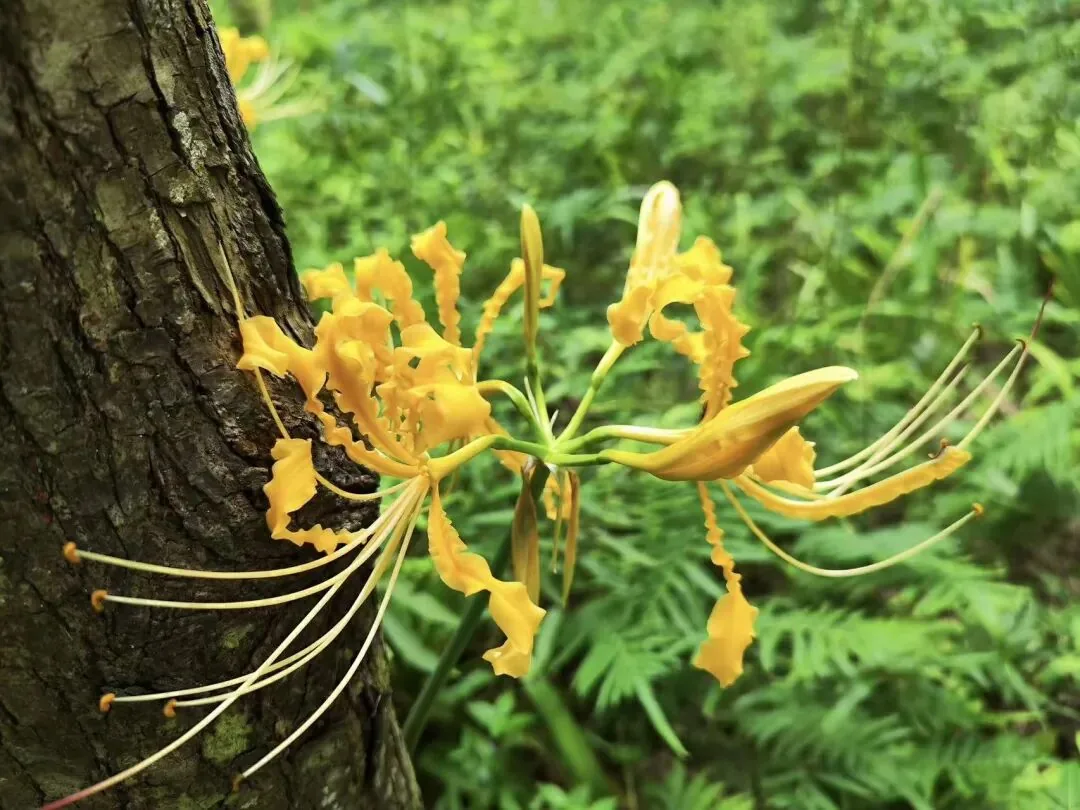
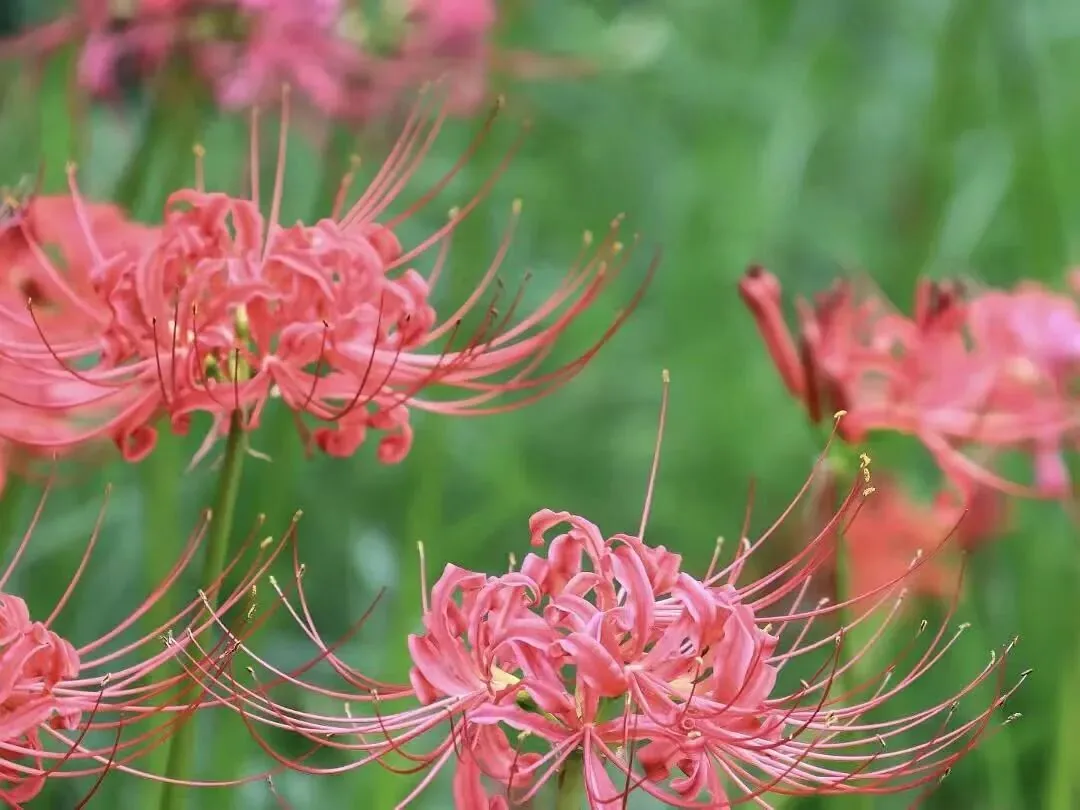
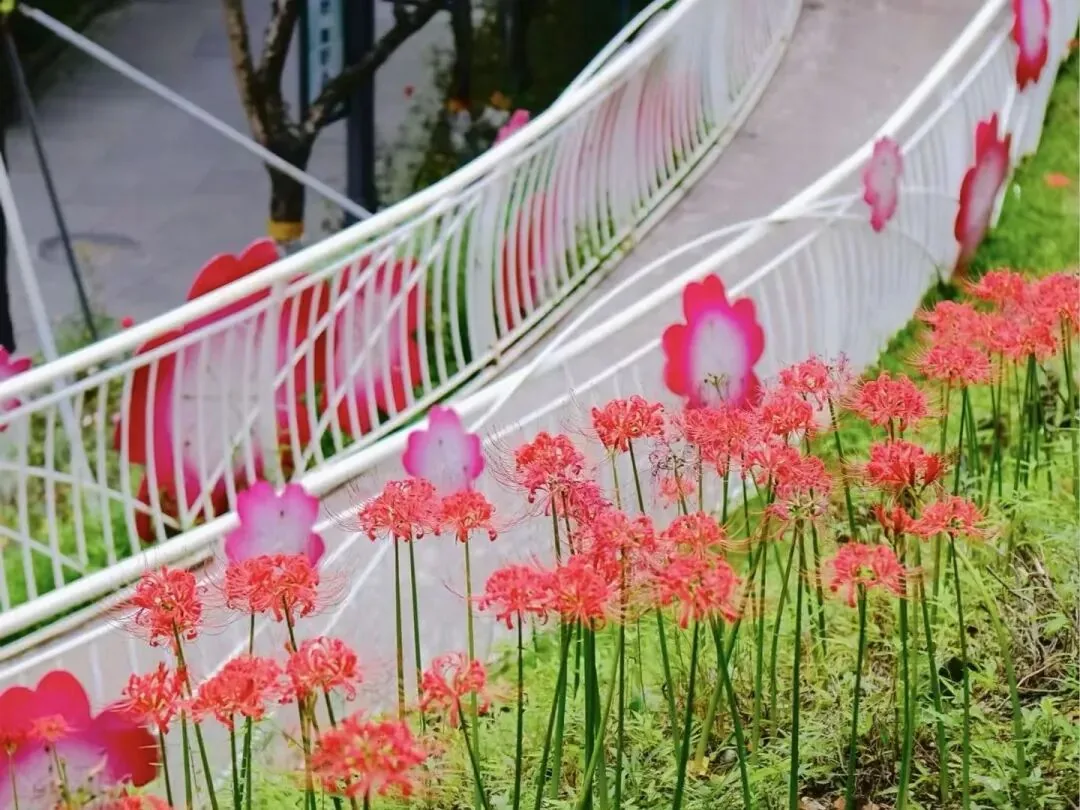
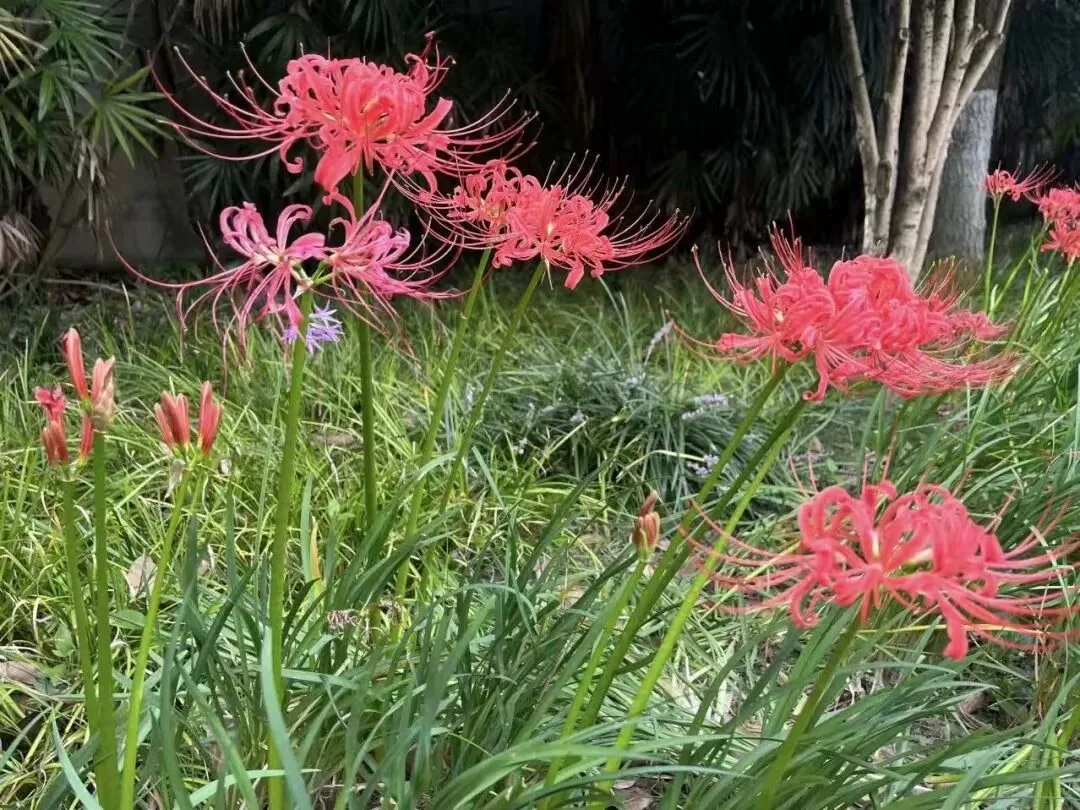
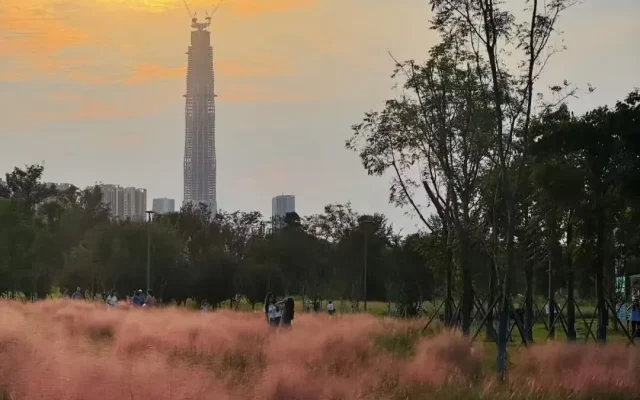
Think spider lilies only come in fiery red? Think again. This year, Wenhua Park has gone all out, bringing together 22 varieties of spider lilies — over 40,000 plants blooming in clusters across the park. You’ll find pink, yellow, orange, white, and even gradient shades. They’re scattered around the crescent-shaped flower beds at the South Gate, Lingqin Garden (聆琴园), Zhiji Mountain (支矶山), and along the park’s paths.
If you want the full effect, head to Zhiji Mountain — that’s where the densest clusters are, creating a dreamy, immersive atmosphere. In fact, Wenhua Park is the largest place to see spider lilies within Chengdu’s urban area.
Visitors are flocking here, phones out, snapping photos — and it’s not just older folks; plenty of young people are loving it too. Standing among the flowers, I didn’t feel any sadness. Instead, I was struck by their vibrant life force. All summer, they quietly grow green leaves, looking like ordinary grass. Then autumn comes, the leaves wither away, and suddenly tall stems shoot up from the soil, bursting into bloom across the slopes. It’s a delightful surprise. But the bloom doesn’t last long — typically only from late August to early September — so you’ll want to catch them soon.
These flowers are also surprisingly low-maintenance: they’re drought-tolerant, shade-loving, and not picky about soil. They thrive in rock crevices, under trees, and even in damp lakeside areas. Once planted, they come back year after year with little fuss.
More Than Just Flowers
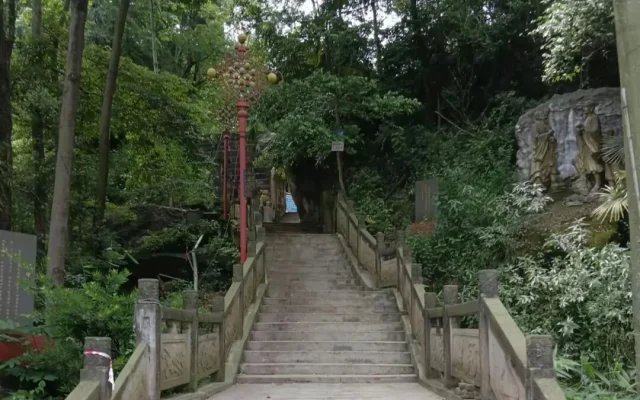
Take a slow stroll around Zhiji Mountain, where dappled sunlight filters through the trees and red blooms dot the grass. But don’t stop there — the park has plenty to enjoy: the octagonal pavilion, the lotus pond with fading leaves, and the old covered walkways. For a true Chengdu experience, find a tea house (茶园), order a covered-bowl tea (盖碗茶), and sit back to savor the garden’s beauty at your own pace. That’s the most relaxed way to spend an afternoon.
Pro tip: Pair your flower viewing with a leisurely tea break — it’s the quintessential Chengdu way to soak it all in.
A Flower That Blooms With All Its Heart
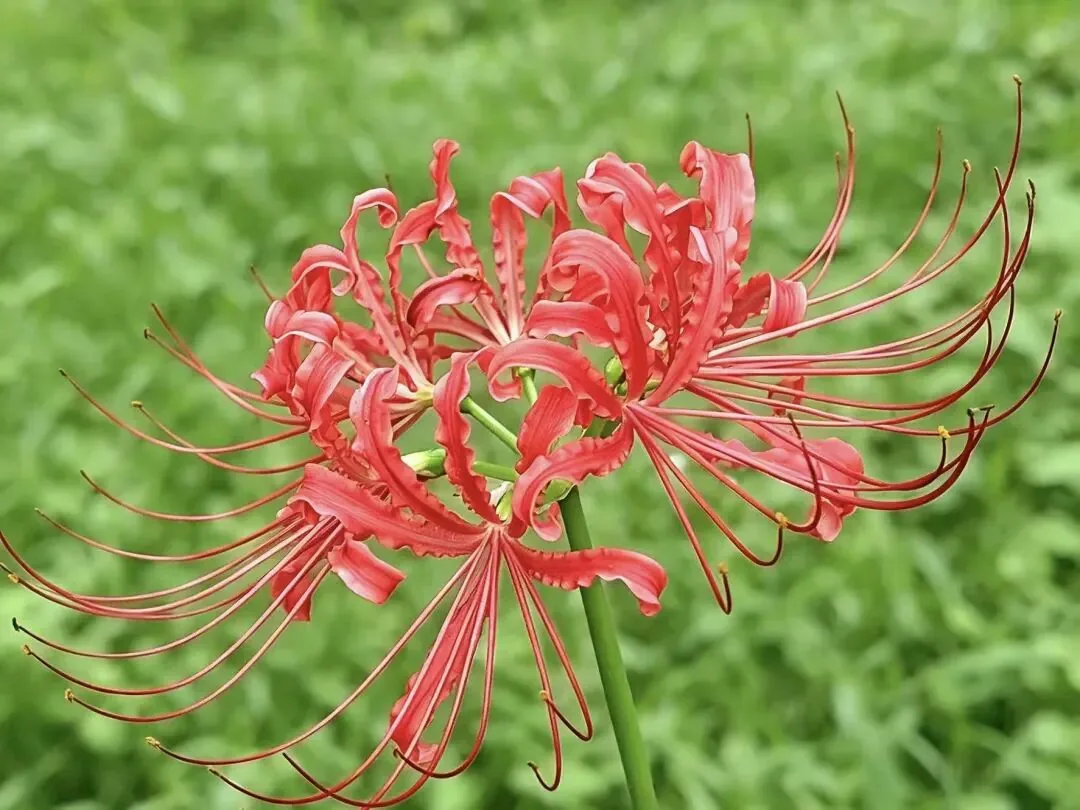
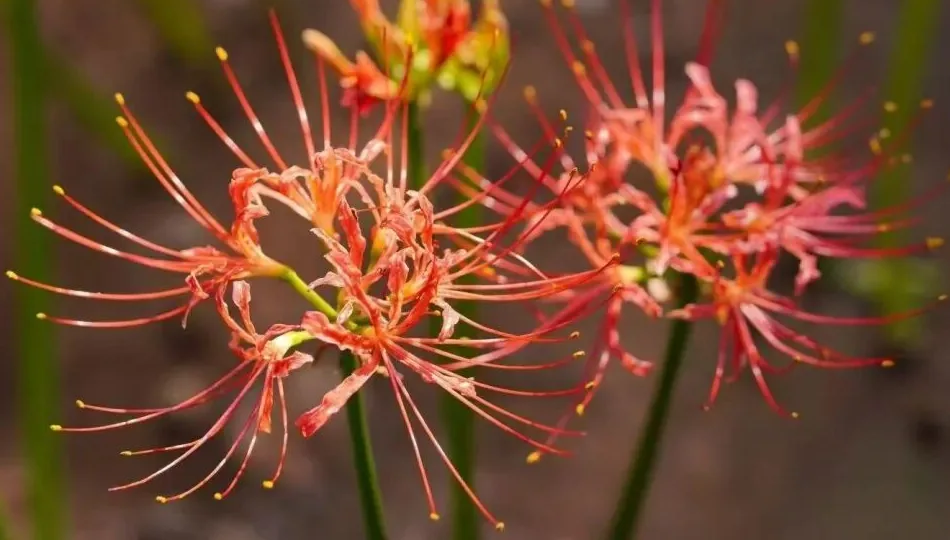
A flower that blooms when its leaves are gone, and grows leaves when its flowers have faded — isn’t that the most decisive kind of romance? It’s not that they’re fated to be apart; it’s that they pour all their energy into blooming, leaving nothing for the leaves. All that brilliance is saved for autumn.
In our fast-paced city life, we’re always chasing scenic spots and often overlook the beauty right at our doorstep. Wenhua Park may not have grand mountains or rivers, but its spider lilies offer a surprising, memorable show. Take a break, come for a walk, and feel the warmth of the flowers and the charm of this old park.
Practical Info for Your Visit
- Address: No. 7, West 2nd Section, 1st Ring Road, Qingyang District (青羊区一环路西二段7号)
- Admission: Free
- Getting there: Take Metro Line 5 or 13 to Qingyang Gong Station (青羊宫站), Exit C, and you’re right there. Or take Line 2 to Tonghuimen Station (通惠门站), Exit A, and walk about 10 minutes to the East Gate.
- Please note: The flower stems are delicate — please stay on the paths when taking photos and don’t step into the flower beds. Also, the bulbs are toxic, so admire them from a distance and never pick or eat them.
So, if you’re in Chengdu these days, don’t miss this fleeting spectacle. It’s a perfect way to welcome autumn — no long journey needed, just a short trip to a beloved local park.