Most visitors to Chengdu focus on pandas and hotpot, but tucked inside the city’s noisy streets lies the Yongling Imperial Tomb — China’s only above-ground imperial tomb. As a born-and-bred Chengdu local, I spent years ignoring this thousand-year-old gem until a free concert ticket led me through its gates. In the summer heat, Yongling becomes a cool, cypress-shaded retreat from the city, offering a rare glimpse into the Former Shu kingdom’s art and history.
Why Yongling Imperial Tomb Is Different
Yongling isn’t about stiff imperial grandeur. There are no vermilion walls or golden tiles like the Ming and Qing tombs. Instead, it feels like an old Chengdu local sitting under a cypress tree, waving a fan and inviting you to sit for a story. You can get close enough to trace the stone carvings with your eyes — sometimes even with your fingers.
The Underground Palace: Art That Outlasted an Empire
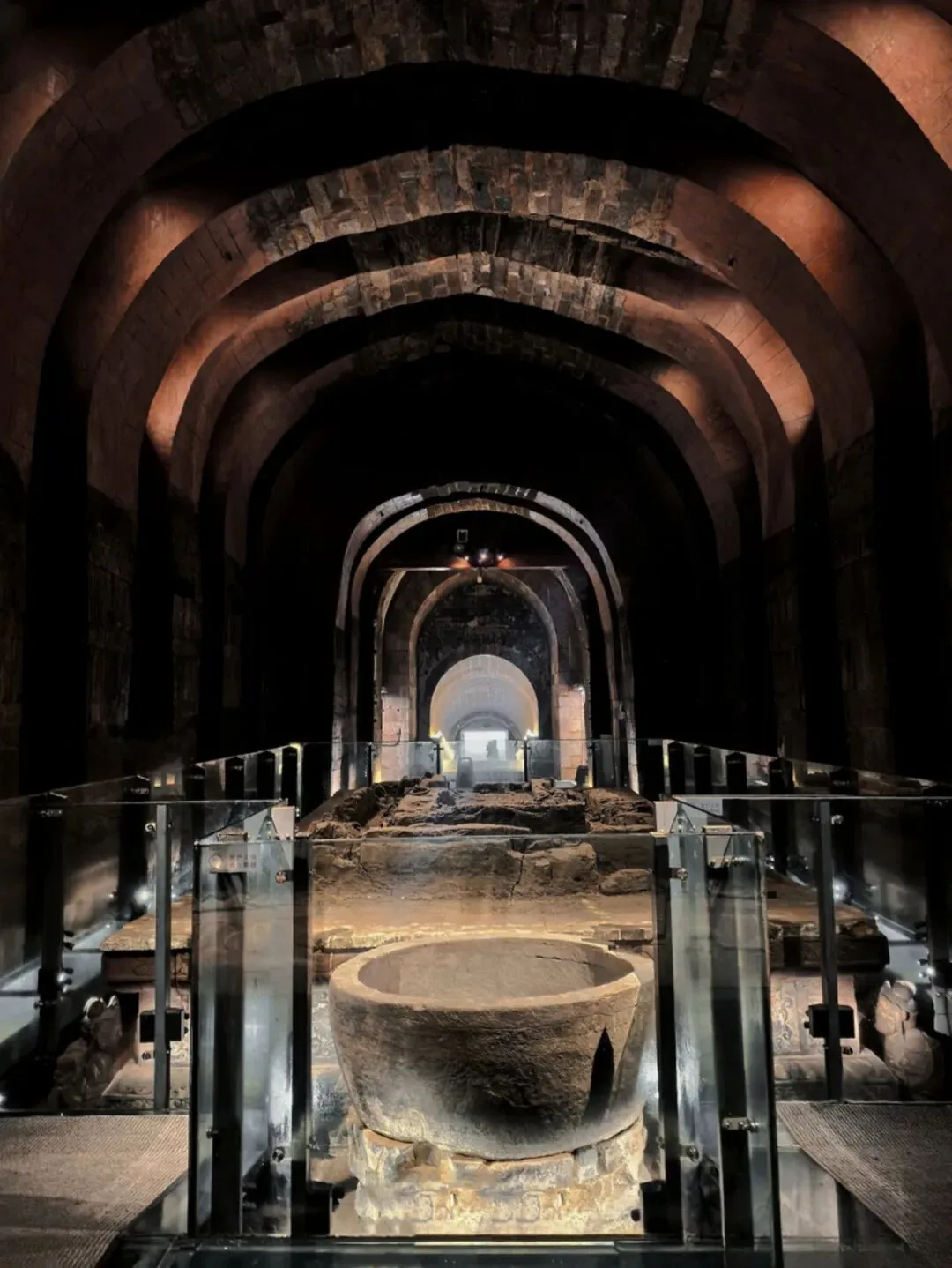
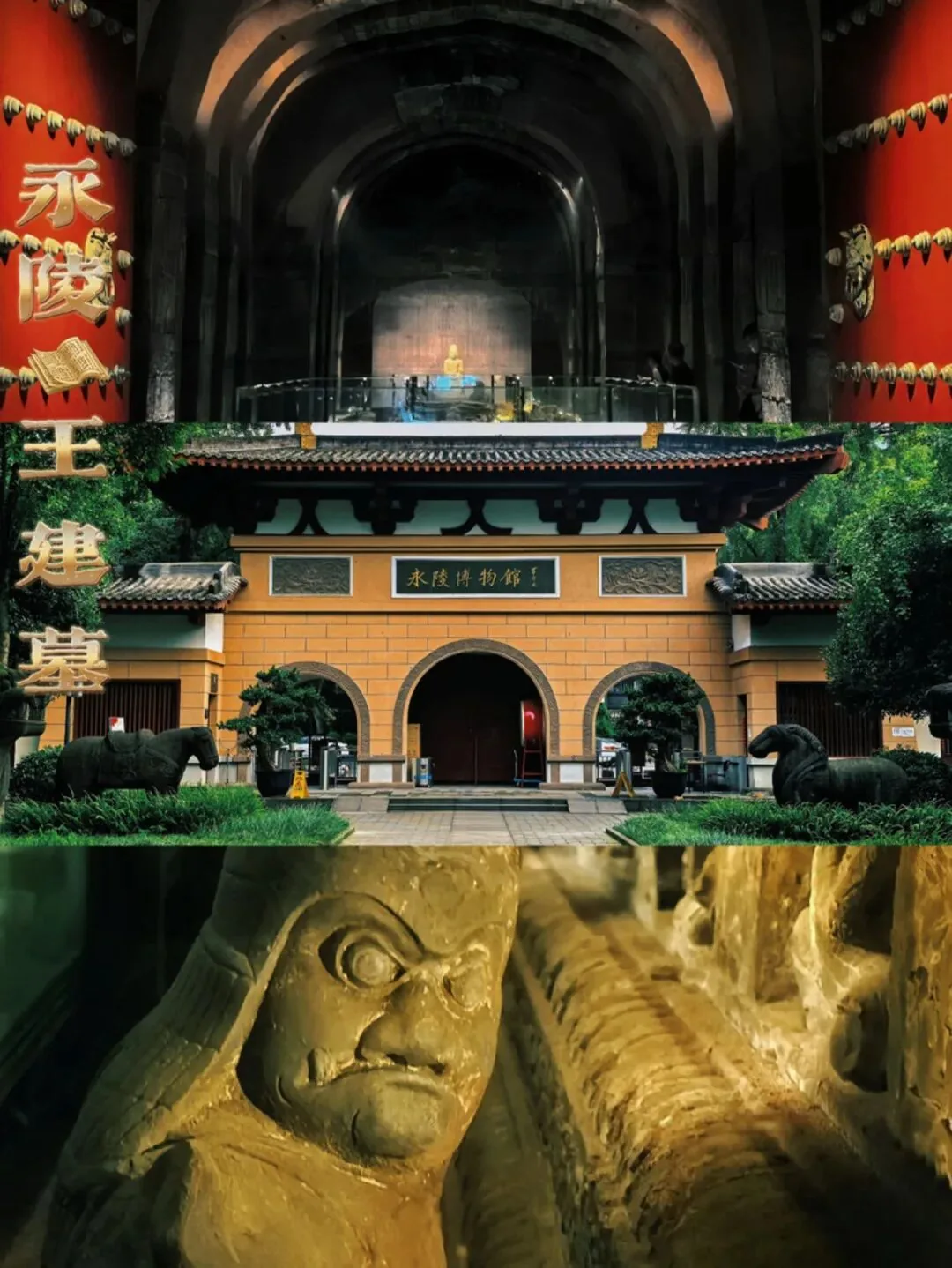
Step into the tomb chamber and the first thing you’ll see is the coffin platform at the center — home to Yongling’s true masterpiece.
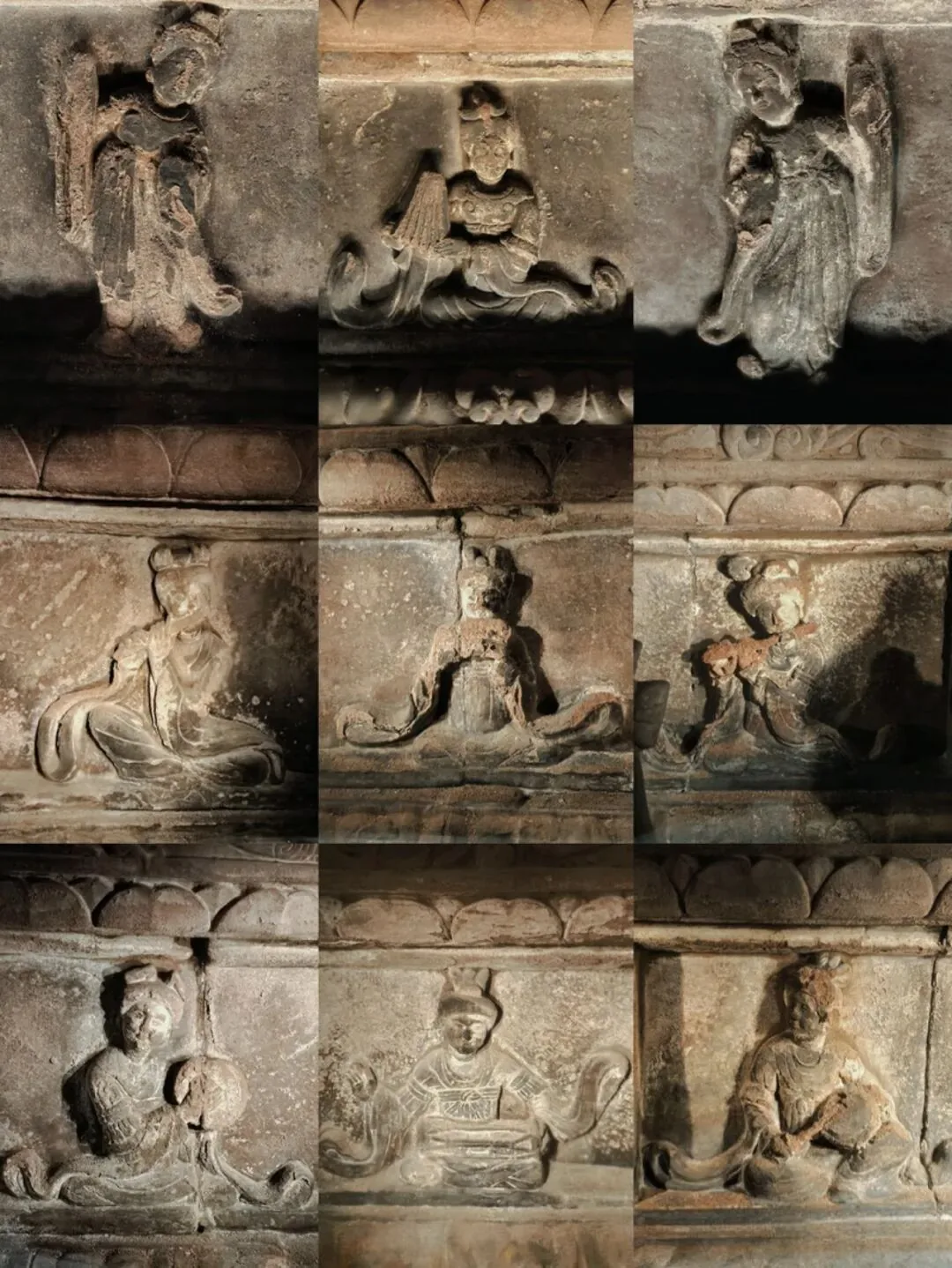
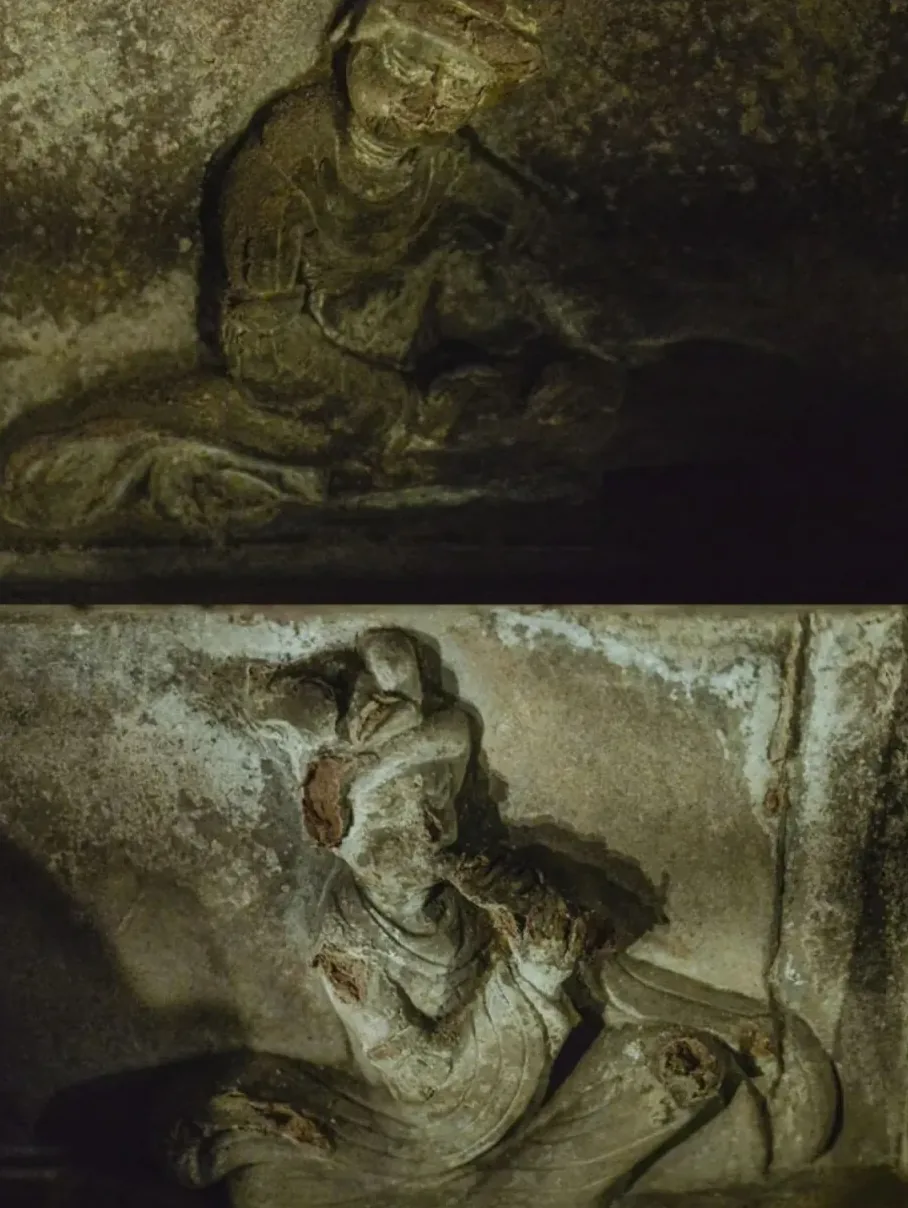
The “Twenty-Four Musical Figures” relief is the kind of thing that makes you stop breathing. Carved in exquisite detail, 24 musicians play 20 different instruments: a pipa player with fingers poised mid-pluck, a flutist with brows furrowed in concentration, others holding harps, striking bells, beating drums. Even the folds of their sashes and the strings on their instruments are carved with astonishing precision.
Pro tip: The lighting inside the tomb makes these carvings look almost alive. Stand still for a minute and you can almost hear the music of the Shu palace echoing through the cool air.
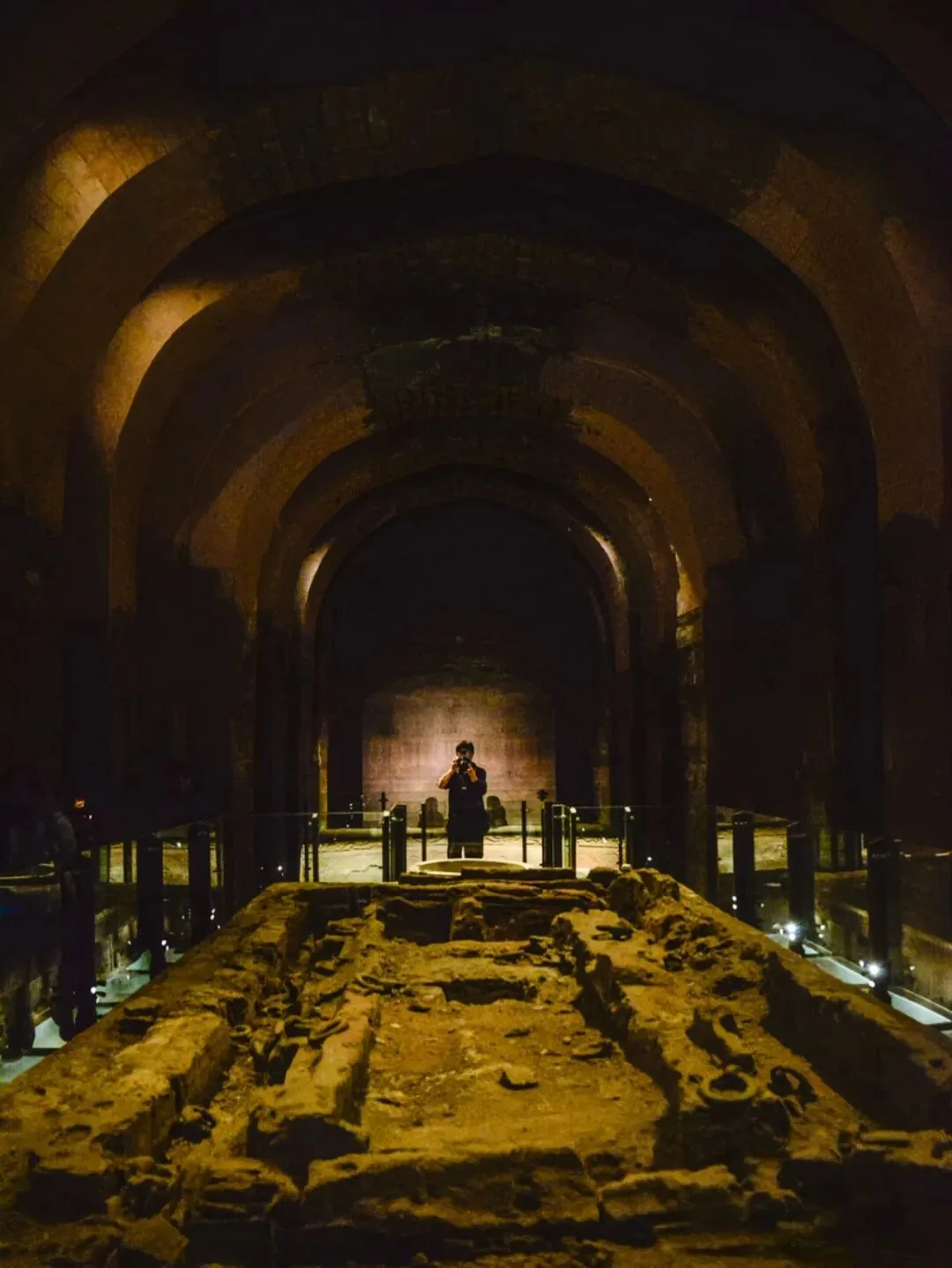
At the four corners of the coffin platform, Twelve Guardian Warriors emerge from the ground, half-bodied, muscles straining like twisted tree roots. They’ve held the tomb in place for a thousand years, their silent intensity enough to hush any visitor.
The Only Emperor Statue Found in a Chinese Tomb
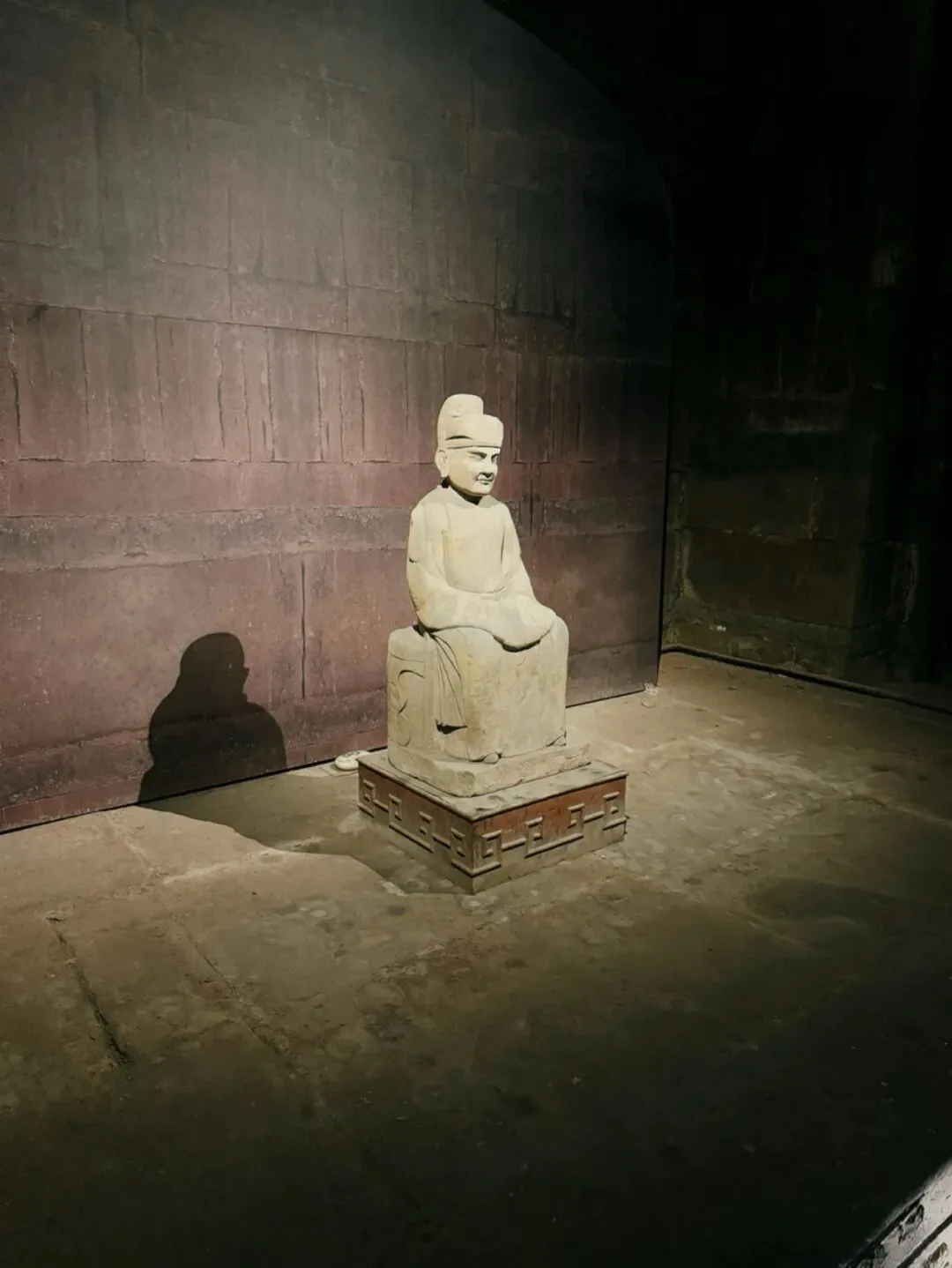
Here’s what makes Yongling truly one-of-a-kind: a life-sized statue of Wang Jian himself. This is the only sculpture of an emperor found in any imperial tomb in China. He wears a black turban with visible fabric texture and a brown dragon robe with understated embroidery. His expression? Calm, like a kindly old neighbor — but look closer and you’ll catch the sharpness of a warlord in his eyes.
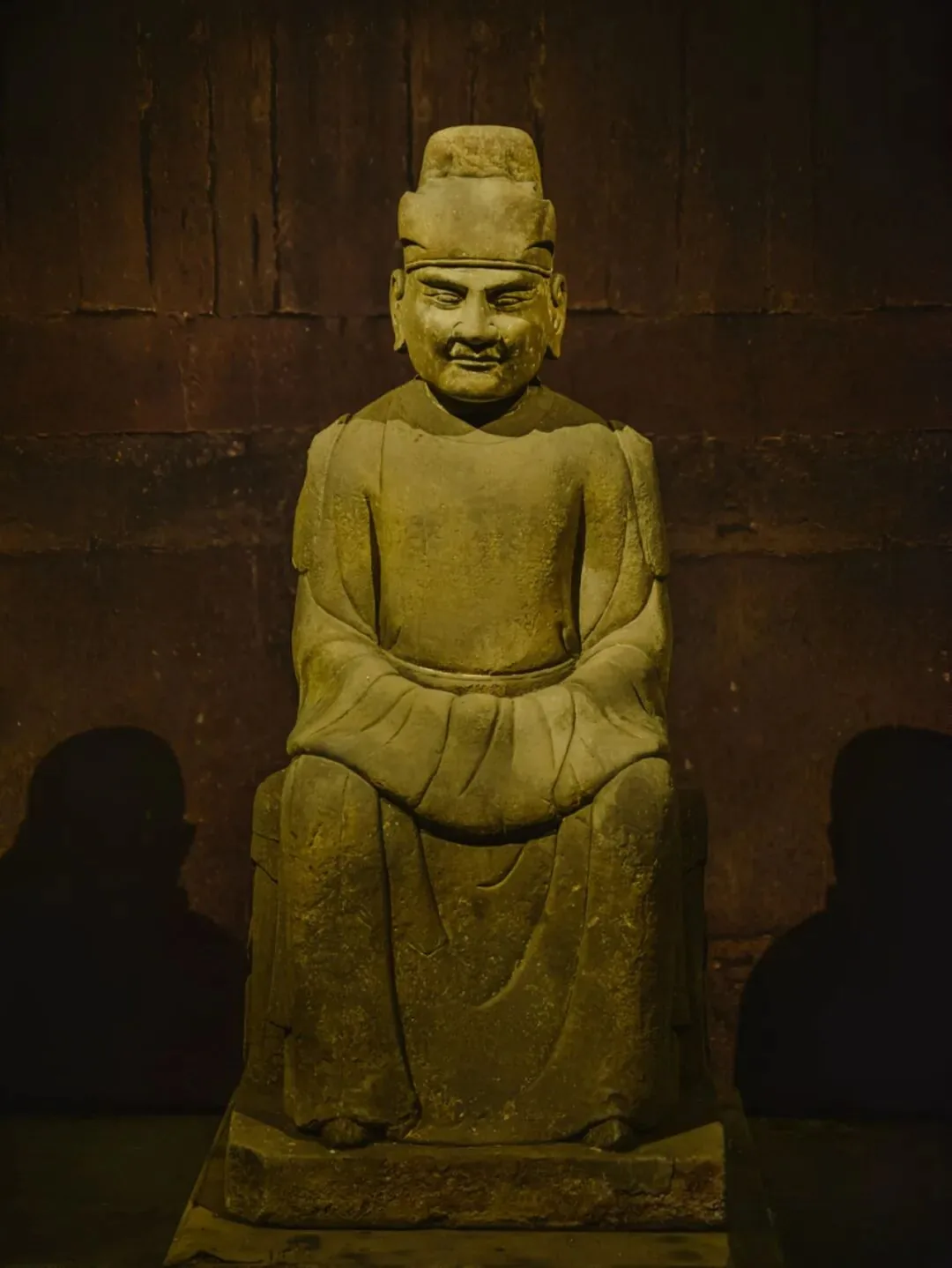
Stand a meter away and meet his gaze. You’ll find yourself thinking about his journey: a low-ranking soldier in the late Tang Dynasty who fought his way to founding the Former Shu kingdom, giving his people a refuge from the wars raging across central China. His son Wang Yan squandered it all in just 23 years. This tomb, honest to the last detail, records both his triumphs and his regrets.
Inside the Yongling Museum
If the underground palace is the “hardcore history,” the Yongling Museum beside it is the gentle key to understanding it all. It’s free to enter, and honestly — the air conditioning alone is worth the trip on a hot afternoon.
The star exhibit is the Jade Belt of Wang Jian, a luminous white jade belt with intricate dragon patterns, every scale carved to perfection. You’ll also find silver bowls with signs of daily use, pottery figurines with faint smiles, and fragments of documents with legible writing. Together, they piece together a picture of Former Shu: gorgeous Shu brocades, masterful craftsmanship, and a brief window of peace in a chaotic era.
How to Enjoy Yongling on a Summer Afternoon
Coming to Yongling in June, July, or August isn’t just about escaping the heat — it’s about having a conversation with a thousand years of history, at your own pace. Here’s how I’d do it:
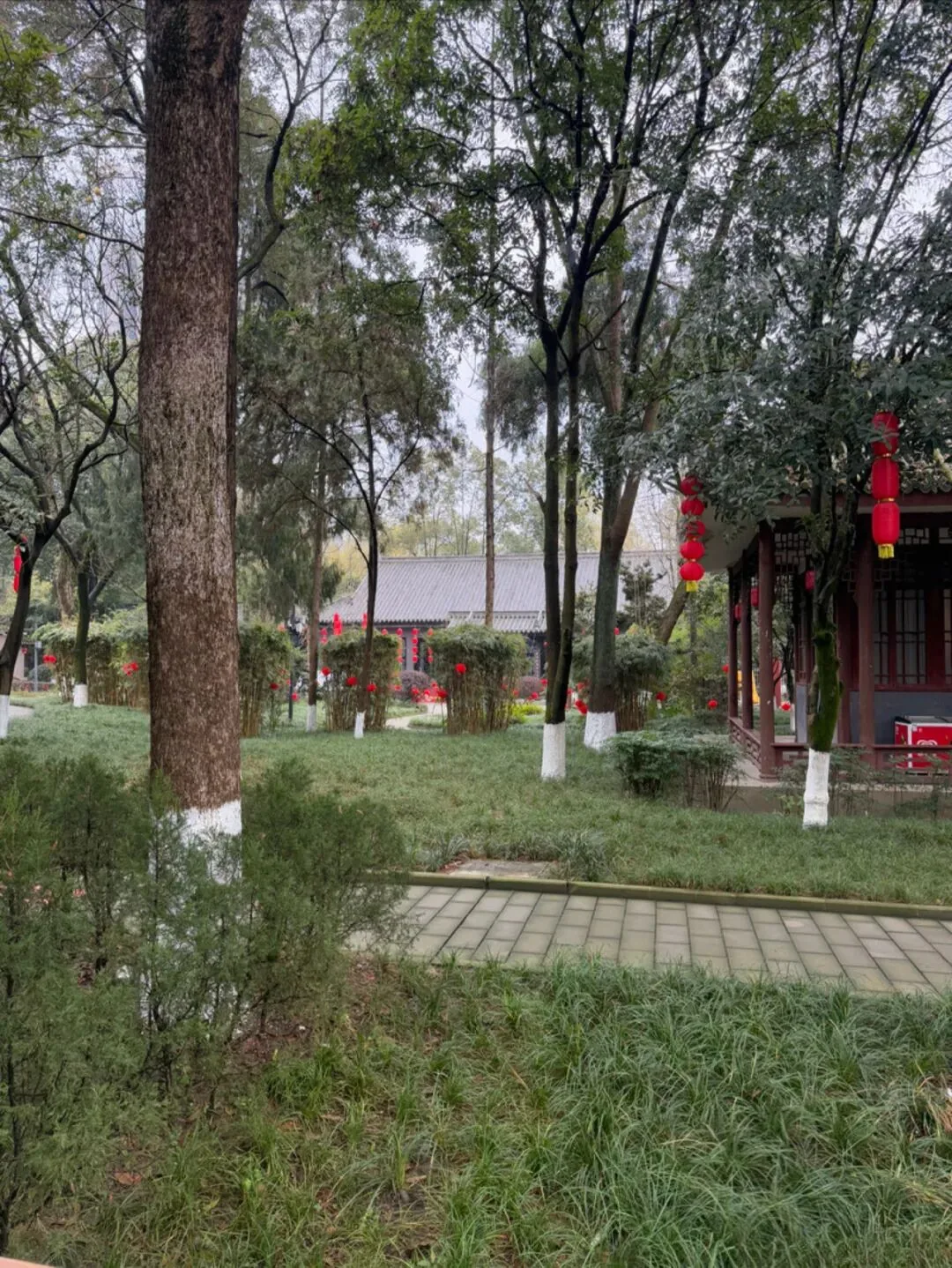
- Arrive after 3 PM. Grab a stone bench under the cypress trees. Feel the cool stone beneath you, listen to the leaves rustle, and let your imagination blend the sounds of the ancient Shu court with today’s breeze.
- Head into the underground palace. It’s 5–8°C cooler than outside. Watch the light play across the musical reliefs and press your hand to the cool stone walls — history has a temperature, and this is it.
- Escape to the museum for some air-conditioned wandering.
- Finish at the Yongling Teahouse. Order a bowl of covered tea (15 RMB — good value) with a side of pepper-salt peach slices. Join the locals chatting away, and let the afternoon melt into evening.
Practical Information for a Summer Visit
Address: No. 10 Yongling Road, Jinniu District (right in the middle of the city — the old neighborhoods next door are great for a bowl of ice jelly on your way out)
Opening Hours: 8:30 AM – 5:30 PM (last entry at 5:00 PM. I strongly suggest coming after 3 PM — skip the midday sun, explore the tomb, then watch the sunset paint the cypress trees gold)
Tickets: – Underground palace: 20 RMB (about the price of a milk tea — for a thousand-year-old masterpiece, that’s a steal) – Museum: Free (bring your ID; the AC is excellent)
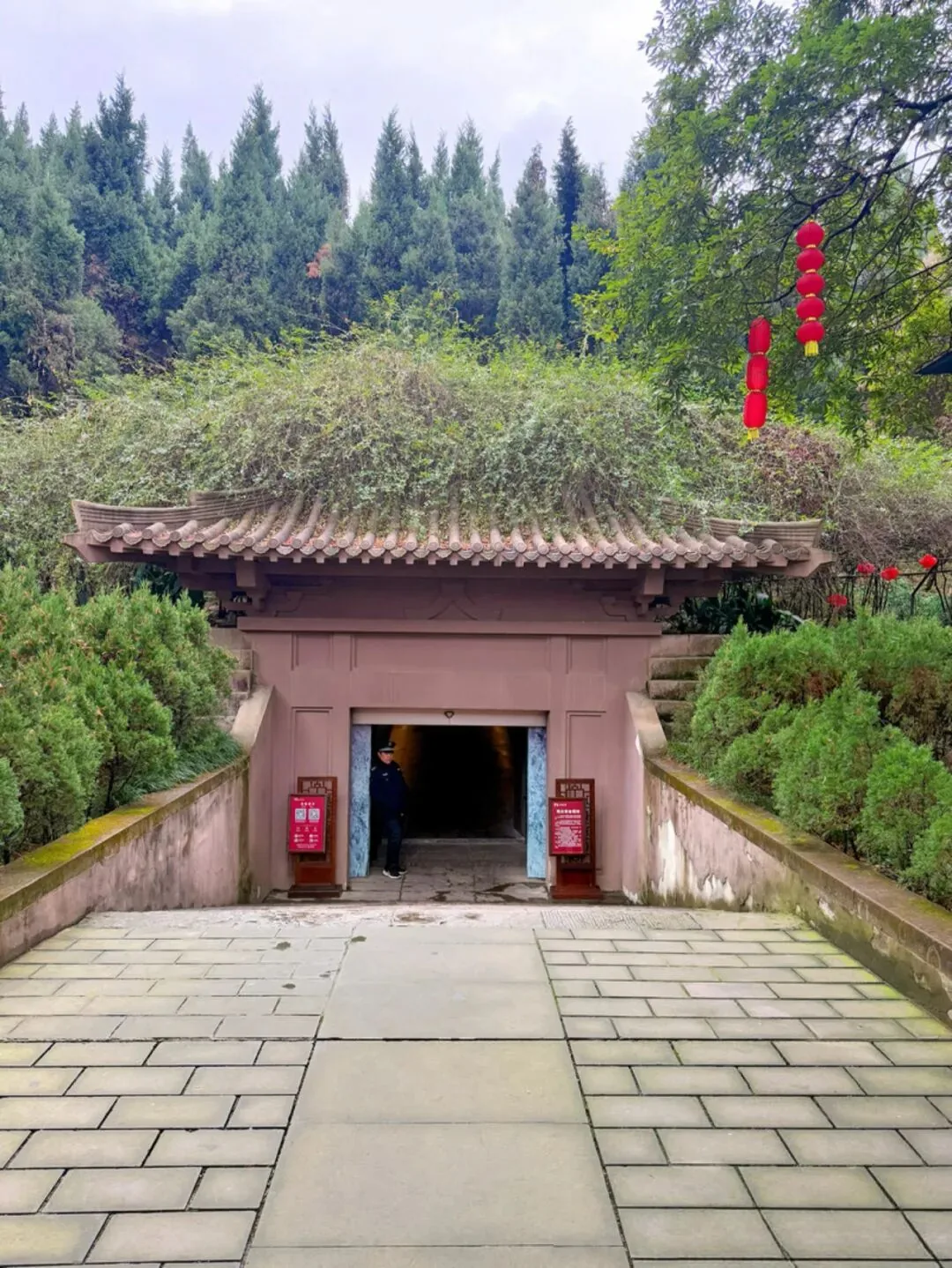
Getting There: – Metro Line 2 to Tonghuimen Station, Exit A, then a 10-minute walk (you’ll pass a Zhang Laogao Liangfen shop if you want a cold noodle pit stop) – Or just grab a taxi — most rides from central Chengdu cost 10–15 RMB
Summer Survival Tips: 1. Bring a light jacket — the underground palace stays cool even in summer, and you’ll be grateful for the layer 2. Pack a picnic — the cypress grove is nature’s air conditioning. Just don’t spread your blanket near any artifacts 3. Chat up the teahouse owner — 15 RMB gets you unlimited seating, and the old-timers love telling Yongling legends 4. Stay for dusk — the park lights come on gradually, and the ancient walls under lamplight make for gorgeous photos
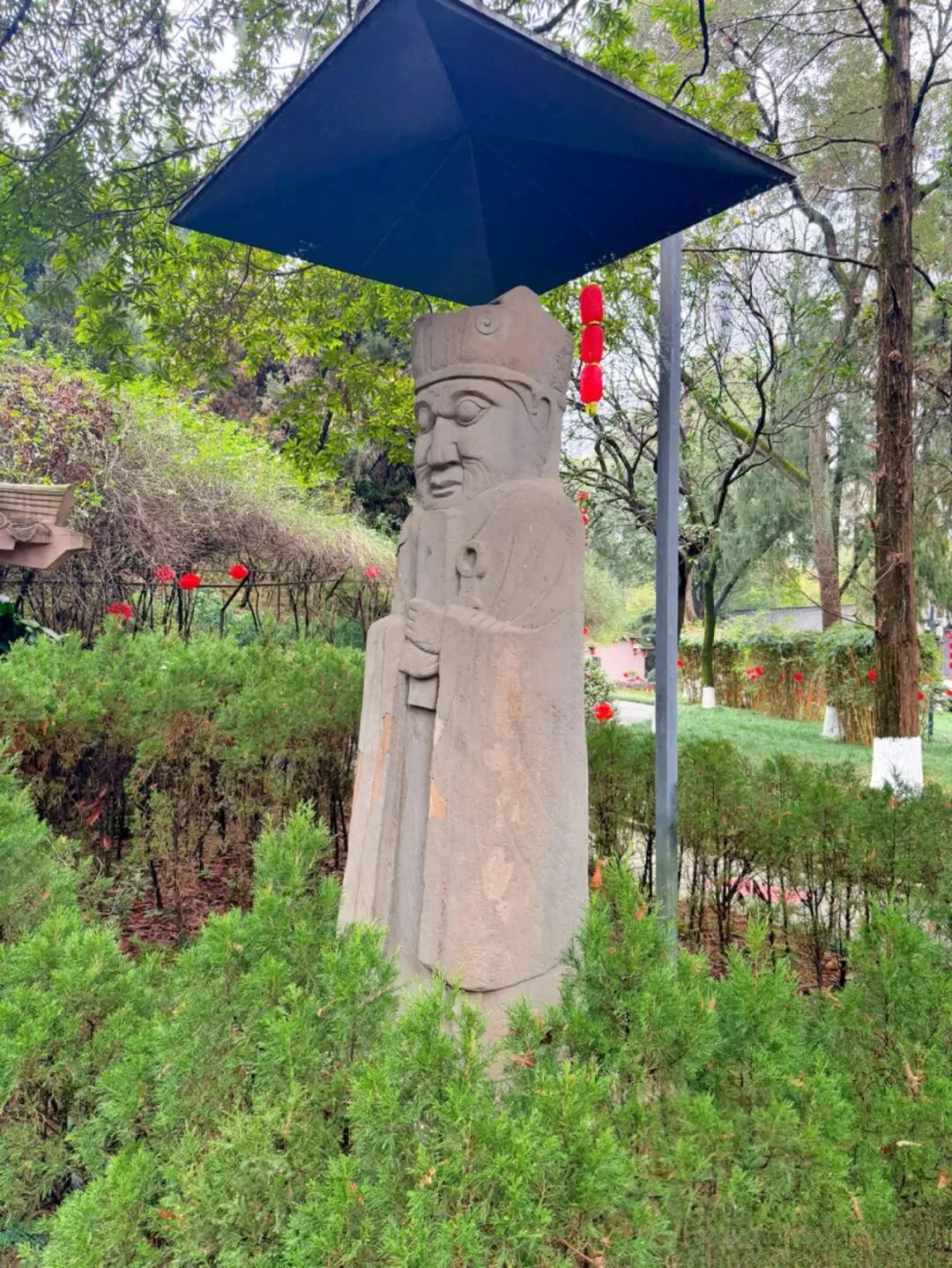
Local insight: “Poetry and distant places” doesn’t always mean traveling halfway across the world. Sometimes it’s hiding in your own city’s everyday corners.
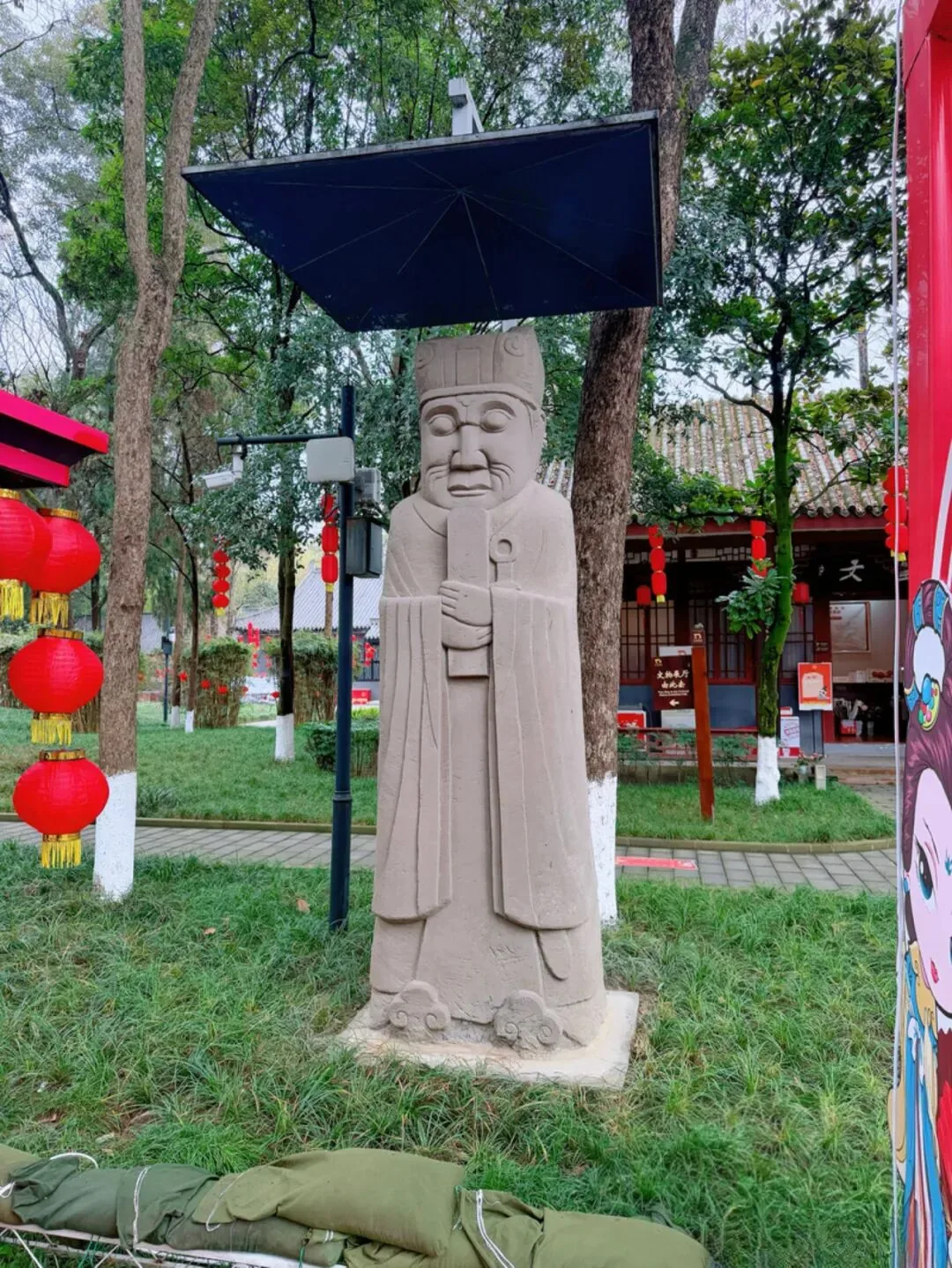
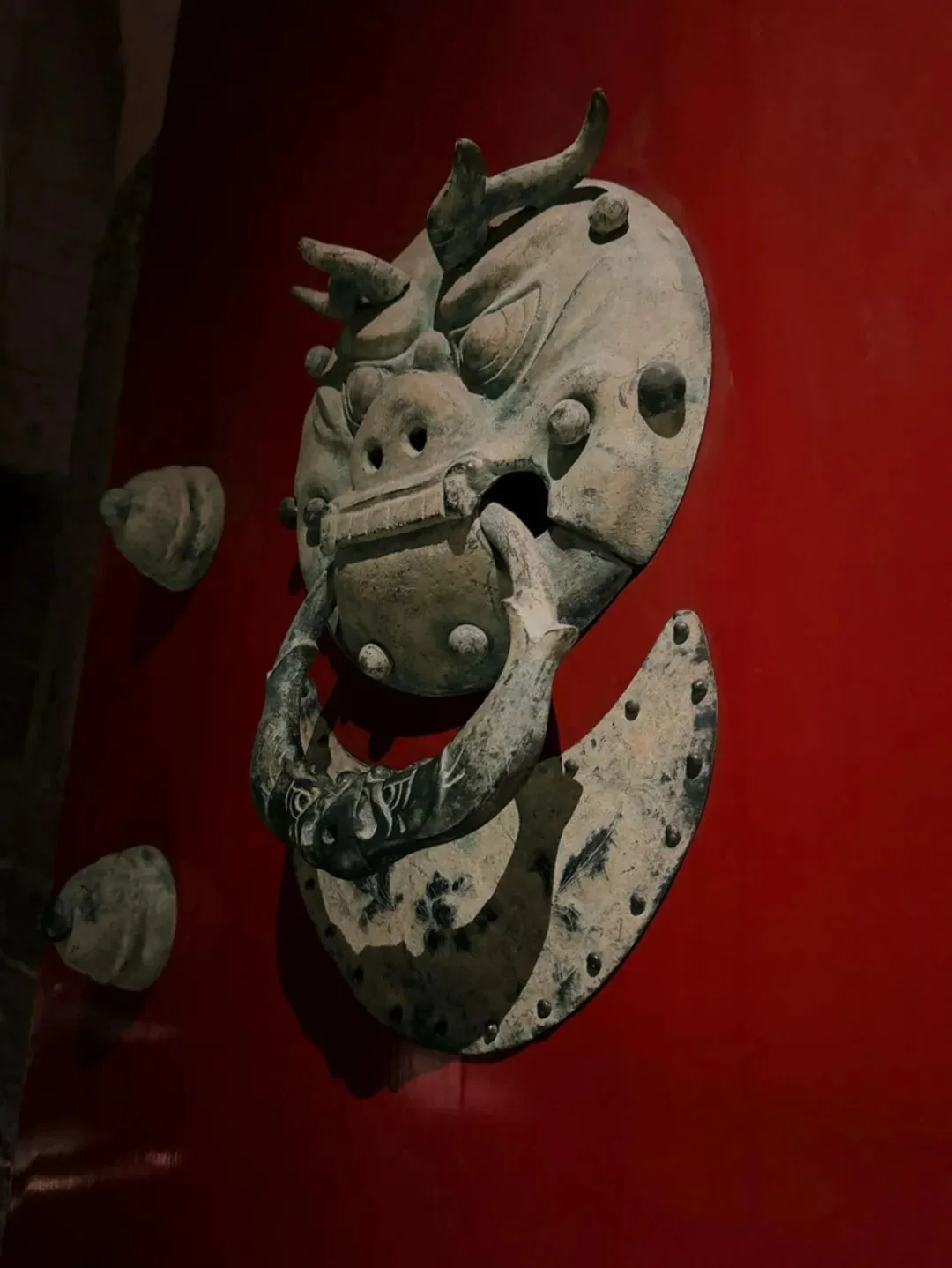
Chengdu summers can feel endless and sticky. But instead of hiding in air-conditioned apartments, come for a stroll through Yongling. Let the cypress groves cool you. Let the Twenty-Four Musicians play their silent concert. Meet the eyes of a king who built a brief golden age in troubled times. This is Chengdu’s underrated treasure — quietly waiting for those who slow down long enough to notice.